

Reviewed August 2026 against USDA NASS, Farm Journal social media research, and Influencer Marketing Hub.
“**U.S. farmers report a $41 return for every $1 spent on email marketing — one of the highest ROI channels measured in agriculture influencer marketing today.**”
Marketing in Agriculture: Influencer Trends, ROI & Data
Table of Contents
- What “Marketing in Agriculture” Actually Means in Practice
- Farm Marketing Ideas That Are Backed by Numbers
- Influencer Marketing in Agriculture: Reach, Platforms, Engagement
- Agriculture Social Media Campaigns: Platform-by-Platform Data
- Ag Influencer Partnerships: How to Structure and Vet Them
- Stakeholder and Influencer Relations in the Agricultural Sector
- Farm and Agriculture Marketing Experts: What They Actually Do
- Calculator: Farm Marketing Channel ROI Comparison
- Frequently Asked Questions
- Conclusion
- Try it: Estimated result



What “Marketing in Agriculture” Actually Means in Practice
Marketing in agriculture now runs mostly through digital channels, and the money follows: U.S. digital advertising spend in the agriculture and food sector reached $627 million in 2023, per multiple agribusiness industry sources compiled by Wifitalents’ farming industry marketing statistics. That spend splits across search, social, email, and — increasingly — influencer partnerships with farmers, agronomists, and ag-tech reviewers who have built real audiences on YouTube, TikTok, and Instagram.
This matters for anyone typing “farm marketing ideas” into a search bar because the channels that actually move the needle for row-crop operations, livestock producers, and agribusiness suppliers are not the same as generic small-business marketing advice. Direct-to-consumer farm marketing alone generated $9.0 billion in revenue across 147,300 U.S. farms in the 2020 Census of Agriculture, according to USDA NASS — a scale that means marketing decisions here carry real budget weight, not hobby-blog stakes.
The rest of this article works through five things in order: what farm marketing tactics have measurable payoff, how influencer marketing agriculture campaigns actually perform by platform, how to structure ag influencer partnerships and vet them, what stakeholder and influencer relations look like inside a farm supply chain, and what a farm and agriculture marketing expert actually does day to day. Every figure below is sourced and dated so you can check whether it has moved since.

Farm Marketing Ideas That Are Backed by Numbers
Most “farm marketing ideas” lists are generic — post more, engage more, try video. Here is what the actual engagement data says about which formats and channels outperform, so you can prioritize instead of guessing.
- Video content beats static posts by 12x in engagement, according to agribusiness marketing benchmark research compiled by CUFinder’s agriculture industry benchmarks (2024–2025 data). If you are choosing between a photo post and a 60-second field video, the video wins by an order of magnitude, not a small margin.
- Farm-related influencer campaigns outperform traditional advertising by 3.6x in engagement, per Farm Journal’s social media research on connecting with agriculture audiences (2024–2025).
- Email marketing returns $41 for every $1 spent in farm business campaigns, per the Wifitalents farming industry statistics compilation cited above — the single highest ROI figure in this data set, and one that costs nothing to test against your own list.
- Direct-to-consumer channels moved $9.0 billion through 147,300 farms in the 2020 Census of Agriculture cycle (USDA NASS), meaning farm-gate stores, CSAs, farmers markets, and agritourism marketing are not a side channel — they are a measured, multi-billion-dollar category with its own audience expectations.
The practical takeaway: if you have limited time, put it into video-first content distributed through email to your existing list before investing heavily in new-platform influencer spend. The 12x and $41 figures both point to channels you likely already control — your own camera and your own email list — before you pay a third party.

Farms proving sustainable and traceable practices in their marketing convert better with skeptical buyers—
calculate your farm’s carbon footprint with Farmonaut’s Carbon Footprinting Solution to back up sustainability claims with data instead of adjectives.
Where “Farm and Agriculture Marketing Experts” Add the Most Value
Search traffic around “farm and agriculture marketing experts” typically comes from operations deciding whether to hire in-house or contract an agency. The honest answer: a specialist earns their fee on two things a generalist marketer usually gets wrong — commodity-specific seasonality (planting/harvest windows, not retail Q4) and channel selection matched to farmer behavior rather than consumer-brand playbooks. The Farm Journal engagement research below on farmer platform usage is the kind of data a specialist should already know before proposing a channel mix.
Influencer Marketing in Agriculture: Reach, Platforms, Engagement
Influencer marketing agriculture campaigns work differently from consumer-brand influencer deals because the audience is smaller, more skeptical, and harder to fake credibility with. Farm Journal’s research found that only 9% of U.S. farmers use Facebook for farm business purposes overall — but that jumps to 21% among farmers age 35 and under, a gap that should directly shape which platform and which influencer age bracket a campaign targets (Farm Journal, 2022–2024 research).
At the sector level, 86% of brands across major markets were projected to run some form of influencer marketing program in 2025, and 71% of marketers planned to increase influencer budgets that year, per Influencer Marketing Hub’s influencer marketing statistics. Agriculture is not exempt from that trend, but it lags consumer categories in publicly available spend data — the gap noted below matters if you’re trying to benchmark your own budget.
What Is Not Publicly Measured Yet
There is no U.S. government or peer-reviewed dataset that isolates agriculture-sector-specific influencer marketing budgets, separate from general digital ad spend — the industry reports available cite global influencer marketing figures ($32.55 billion projected for 2025 across all sectors) without breaking out agriculture. Similarly, no published study attributes ROI or conversion rates specifically to agriculture influencer campaigns; the 3.6x and 12x multipliers above are engagement benchmarks, not sales-attribution studies. If you need sector-specific ROI for your own budget decision, the most reliable method is a controlled A/B test: run the same offer through an influencer partnership and through a house email send, track redemption codes separately, and compare cost-per-acquisition directly rather than relying on industry-wide multipliers.
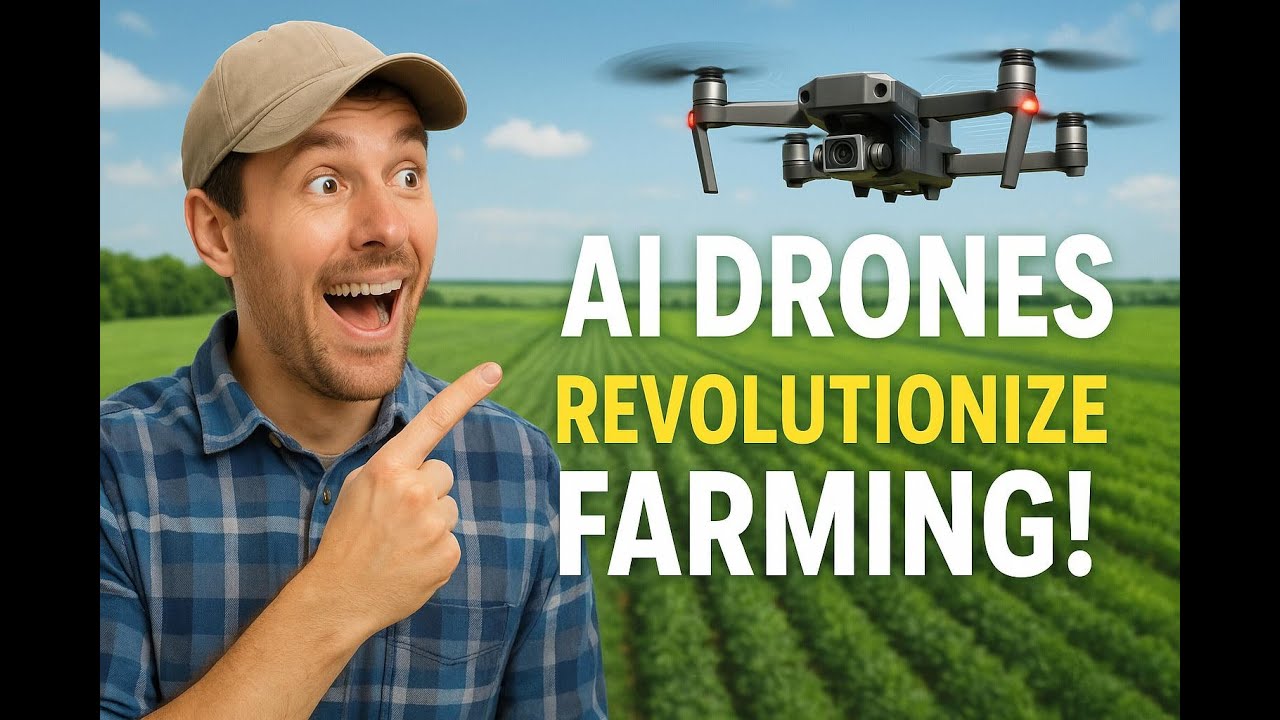
Farmonaut supports influencers and advisors who need verifiable field data behind their content: our Crop Plantation & Advisory Platform gives content creators satellite-based crop health readings they can cite instead of guessing at claims on camera.
Types of Agriculture Influencers Worth Partnering With
- Macro-influencers: Agronomists, extension specialists, and national ag-media personalities with reach into policy conversations and large-scale trend-setting.
- Micro and local influencers: Individual farmers or regional operators with smaller but highly engaged followings — the group most likely to drive grassroots adoption of a specific input, tool, or practice.
- Niche specialists: Creators focused on one vertical — organic transition, precision ag hardware, regenerative grazing — whose narrow focus produces higher-trust recommendations within that niche.
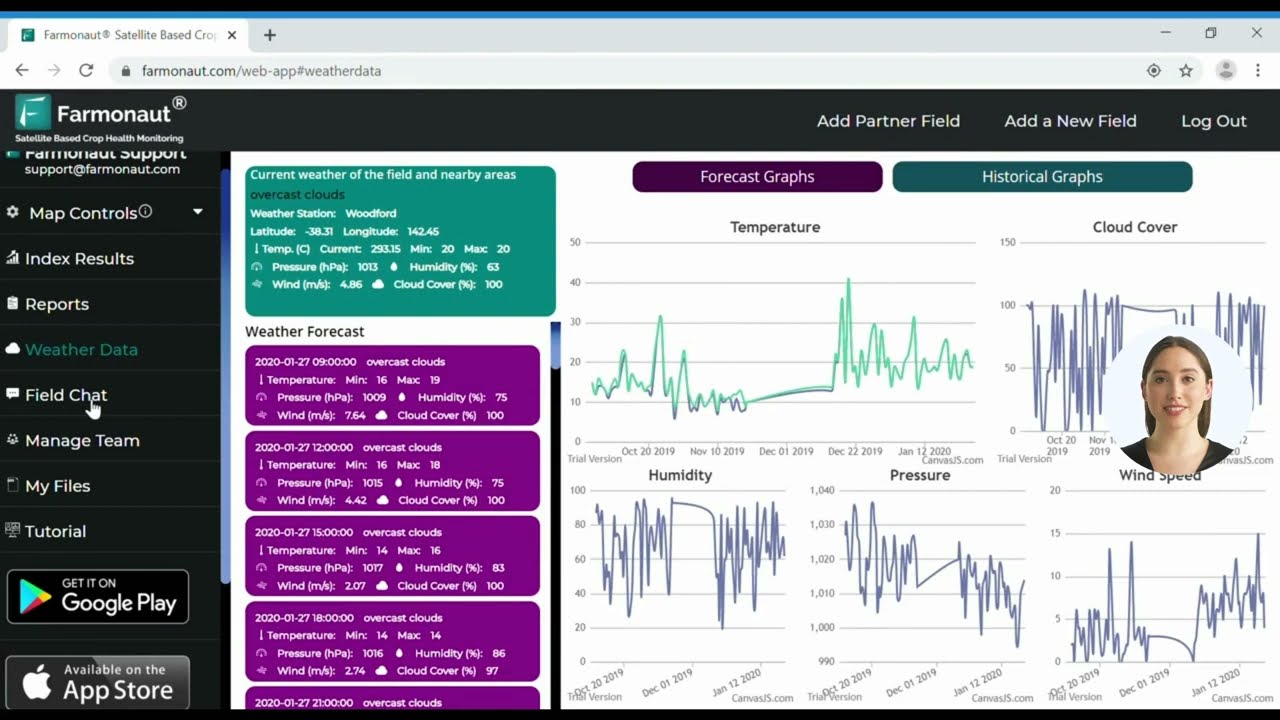
Backing an influencer claim with a verifiable record matters for credibility—visit our Traceability Product Page to see how farms document the practices influencers talk about on camera.
Agriculture Social Media Campaigns: Platform-by-Platform Data
“Agriculture social media campaigns” as a search term usually means someone comparing platforms before committing budget. The clearest data point available: TikTok’s engagement rate in agriculture content sits at 4.8%, more than double LinkedIn’s 2.1% B2B agricultural engagement rate, per CUFinder’s agriculture marketing benchmarks (2024–2025). That is not a small gap — for consumer-facing and younger-farmer-facing content, TikTok is currently the higher-engagement platform; for B2B equipment, input, and policy content aimed at agribusiness decision-makers, LinkedIn’s lower rate still reaches the buyer with purchasing authority, which is a different goal than raw engagement.
| Platform / Channel | Engagement Rate | Best Fit | Source, Period |
|---|---|---|---|
| TikTok | 4.8% | Consumer-facing, younger-farmer content | CUFinder ag benchmarks, 2024–2025 |
| 2.1% | B2B agricultural marketing, equipment/input buyers | CUFinder ag benchmarks, 2024–2025 | |
| Facebook (farm business use) | 9% of all U.S. farmers use it for business | General farm business, older demographic | Farm Journal, 2022–2024 |
| Facebook (farmers 35 and under) | 21% use it for business/advocacy | Younger-operator outreach and policy advocacy | Farm Journal, 2022–2024 |
These four rows are the durable spine of any platform decision here: re-pull the CUFinder and Farm Journal source pages before your next budget cycle, since both describe themselves as regularly updated benchmark data rather than one-time studies.

“**Video content in agricultural marketing generates 12x the engagement of static posts.**”
Ag Influencer Partnerships: How to Structure and Vet Them
An ag influencer partnership works best as a documented agreement, not a handshake DM exchange. Whether you’re the brand or the farmer-creator, the checklist below is durable regardless of which platform or which year you’re reading this — it doesn’t expire the way a specific engagement-rate figure does.
Before You Sign: A Vetting Checklist
- Audience overlap, not just follower count. Ask for platform-native analytics (not screenshots) showing what share of the audience are actual farmers/operators versus general ag-adjacent followers.
- Platform fit for your goal. Use the TikTok 4.8% vs. LinkedIn 2.1% engagement gap above as a starting filter: consumer awareness campaigns lean TikTok/Instagram, B2B input and equipment sales lean LinkedIn and email.
- Content ownership and usage rights. Specify in writing whether the brand can repurpose the influencer’s content in paid ads, on-site, or in print — this is the single most common post-campaign dispute.
- Disclosure compliance. Any paid or gifted relationship needs a clear on-content disclosure per FTC endorsement guidelines; this applies to agriculture content exactly as it does to any other sponsored post.
- Measurement plan agreed before launch. Decide up front whether you’re tracking engagement, click-throughs, coupon redemptions, or direct sales — and use unique tracking (UTM links, unique promo codes) per influencer so you can compare partners against each other after the fact.
On measurement specifically: because no published dataset isolates agriculture influencer ROI (see the gap noted above), your own tracked-code comparison across two or three partnerships in one season is more reliable than any industry-wide multiplier you could cite.
Manage multi-region influencer and demonstration campaigns from one place: the Agro Admin App is built for agencies and companies coordinating campaigns across several farms or regions at once.
Stakeholder and Influencer Relations in the Agricultural Sector
“Stakeholder and influencer relations in the agricultural sector” covers a broader relationship map than influencer marketing alone: cooperatives, input suppliers, extension services, commodity boards, lenders, and equipment dealers all sit alongside individual creator-influencers in a farm’s information ecosystem. Managing these relationships well means treating each stakeholder group differently rather than running one blanket communications plan.
- Cooperatives and commodity groups typically want data-backed sustainability and yield claims for member communications — this is where documented practices (carbon footprint records, traceability logs) carry more weight than social content alone.
- Lenders and insurers respond to verifiable field data rather than marketing narrative — satellite-based monitoring records can support loan and insurance documentation directly.
- Individual farmer-influencers function as the trust layer between a brand’s claims and grassroots adoption — Farm Journal’s finding that engagement is 3.6x higher for influencer campaigns than traditional advertising is precisely why this stakeholder group gets disproportionate attention in a modern marketing plan.

Coordinate compliant, data-backed campaign reporting: Access our API Developer Docs to build satellite data directly into your marketing and stakeholder reporting workflows.
Farm and Agriculture Marketing Experts: What They Actually Do
A genuine farm and agriculture marketing expert brings three things a generalist agency typically lacks: commodity calendar awareness (a campaign timed to a planting or harvest window performs differently than one launched mid-season), platform literacy specific to farmer behavior (the Facebook usage gap by age noted above is the kind of detail a specialist tracks), and comfort citing primary agricultural data sources — USDA NASS, Farm Journal’s proprietary research, and industry benchmark trackers — rather than repackaged consumer-marketing statistics that don’t transfer to this audience.
When evaluating a marketing partner, ask them directly which of the platform, engagement, and ROI figures in this article they were already tracking. An expert working this space regularly should recognize the Farm Journal and CUFinder benchmark data without needing it explained.

Ground your marketing claims in real remote-sensing data: learn how Farmonaut’s remote sensing technology supports precision agriculture claims that hold up to stakeholder scrutiny.
Calculator: Farm Marketing Channel ROI Comparison
Use the figures already cited above — the $41-per-$1 email ROI benchmark and the 3.6x influencer engagement multiplier — as starting inputs, then replace them with your own campaign numbers to compare projected return across channels before you commit budget.
Estimated result:
Assumptions: the influencer return-per-dollar is derived by applying your entered multiplier to your entered traditional-advertising baseline, not a guaranteed outcome. Default values reflect the $41-per-$1 email benchmark and 3.6x influencer engagement multiplier cited above; replace every input with your own campaign’s tracked numbers once available. Excludes production costs, agency fees, and platform ad spend layered on top of influencer fees.
Frequently Asked Questions
Q1: What does "marketing in agriculture" cover beyond social media?
It spans direct-to-consumer sales channels (farm stores, CSAs, farmers markets — $9.0 billion in revenue across 147,300 U.S. farms per the 2020 Census of Agriculture), digital advertising ($627 million in U.S. ag/food digital ad spend in 2023), email marketing, and influencer partnerships. Each channel has different measured returns, so a full marketing plan allocates across several rather than betting on one.
Q2: Is influencer marketing actually effective in agriculture?
Farm-related influencer campaigns show 3.6x the engagement of traditional advertising (Farm Journal, 2024–2025), and video-format content specifically shows 12x the engagement of static posts (CUFinder, 2024–2025). No published dataset yet attributes direct sales conversion to agriculture influencer campaigns specifically — track your own campaign with unique codes to get that number for your operation.
Q3: Which social platform gets the best engagement for agriculture content?
TikTok leads at a 4.8% engagement rate for agriculture content, versus 2.1% on LinkedIn for B2B agricultural marketing (CUFinder, 2024–2025). Platform choice should still match audience: LinkedIn reaches agribusiness buyers even at a lower engagement rate, while TikTok reaches consumer and younger-farmer audiences.
Q4: How do I vet an ag influencer partnership before signing?
Request platform-native analytics rather than screenshots, confirm content usage rights in writing, agree on FTC-compliant disclosure language, and set a measurement plan with unique tracking codes before launch — see the five-point checklist above.
Q5: Where can I find current U.S. agriculture marketing spend data?
USDA NASS's QuickStats database updates Census of Agriculture figures periodically, with the next full census cycle in 2027. Farm Journal and CUFinder publish updated engagement benchmarks on a rolling basis — recheck their source pages (linked above) before committing a new budget cycle.
Conclusion
The channels with the clearest measured payoff in agriculture marketing right now are video content (12x engagement over static posts), influencer partnerships (3.6x engagement over traditional advertising), and email (a $41 return per $1 spent) — all figures from Farm Journal and CUFinder's 2024–2025 benchmark research, sitting alongside USDA NASS's confirmation that direct-to-consumer farm marketing is already a $9.0 billion category. What's missing from the public record — sector-specific influencer ROI, budget breakdowns, and adoption data by commodity or farm size — is exactly what a tracked-code A/B test on your own campaigns can fill in.
Farmonaut supports that measurement work with satellite-based crop and field data that gives influencer content, stakeholder reports, and sustainability claims something verifiable to point to instead of adjectives.
For satellite-backed marketing and compliance data, contact us for a demo or integration guidance. Related reading: Farm Act: 5 Key Financial Relief Benefits for Farmers and agriculture education and communication trends.

 Godrej Agrovet
 Hayleys Agriculture
 Linx Agritech
 Adinet
 Save Your Soils
 GalaxEye Space
 Grandstream Algérie
 XOS Realty
 Geospatial Lab Africa
 Agro La Gándara
 HIPSAC
 ZOL Zimbabwe
 Juligerm
 AdBio
AdBio MISE Maroc
 NWNS
NWNS Red August Group
 Farm Inc
 WeMe Global
 Agrotoken
 Blue BearX
 Insignito
 DnCubed
 Indosistim Teknologi
 Liquify Digital
 CU Foods
 BeyondTech Global
 Rouge VC
 AgroRisk
 Oath Inc
 Esri North East Africa
 MDCV UK
 Etech Consulting Madagascar
 Vestlandsforsking
 WB Dev
 Sama Premium
 Tres Valles
 Blickwinkel
 Agricultural Credit Policy Council
 eKGIS
eKGIS Mostas Tech
 Andex
Andex Deluxe Conseil
 WICO
WICO Chimera Innovation
 SkyHarvest
 Teledarbas
 Exurbia Geospatial
 FieldZero
