

- Communicating for Agriculture: The Vital Link in Farming’s Future
- What is Agriculture Communication?
- The Role of Communication in Agriculture
- Agriculture Communications Jobs: Skills and Opportunities
- Trivia: Did You Know?
- 7 Powerful Trends Shaping Communication in Agriculture for 2025
- Farmonaut: Empowering Agricultural Communication and Innovation
- Comparison Table: Communication Trends in Agriculture (2020 vs. 2025)
- Trivia: Industry Impact
- Future Directions: Sustainability, Inclusion, and Economic Growth
- Frequently Asked Questions
- Farmonaut Subscription Options
Communication in Agriculture: 7 Powerful Trends Shaping 2025
Communicating for Agriculture: The Vital Link in Farming’s Future
In 2025, communication in agriculture remains a cornerstone of modern farming, bridging the gap between farmers, researchers, policymakers, and consumers. In a rapidly evolving landscape facing complex challenges from climate change, technological innovation, to food security and shifting market demands, effective communications agriculture is more critical than ever. This vital field supports the dissemination of knowledge, empowers agricultural professionals, and steers the industry towards a more sustainable and productive future.
“**By 2025, over 70% of farmers worldwide are expected to use digital communication platforms for real-time agricultural updates.**”
What is Agriculture Communication?
What is agriculture communication? It is the specialized field dedicated to conveying information across the agricultural sector. Communication in agriculture encompasses the strategies, tools, and methods used to share critical knowledge about farming practices, sustainability, extension services, research, market data, policy updates, and more. This includes everything from digital media and public relations campaigns to community engagement efforts and advocacy for rural development.
- Purpose: To ensure all stakeholders—from smallholder farmers to multinational agribusiness firms—have timely, accurate, and actionable information.
- Channels: Digital platforms, mobile apps, traditional media, extension officers, social media, and educational content.
- Functions: Supporting technology adoption, enhancing sustainability, strengthening market access, and promoting economic empowerment.
Key Components of Communications Agriculture
- Media, Digital Tools, and Platforms: For dissemination and two-way engagement.
- Extension Services: On-the-ground experts and officers who educate and support rural communities.
- Data-Driven Content: Integrating sensors, analytics, and AI to provide actionable advice.
- Policy and Advocacy Campaigns: Ensuring public relations and communication of scientific research and policy changes.
The Role of Communication in Agriculture: Bridging Innovation and Sustainability
Communication in agriculture serves as the vital link—the bridge connecting farmers, researchers, and the broader agricultural sector. Its significance in 2025 only grows stronger as technology and globalization reshape how knowledge is produced and shared.
- Technology Transfer & Adoption: Vital for introducing innovations like precision agriculture, drought-resistant seeds, AI-based pest management, sensors, and analytics. Effective communication channels ensure new technologies move rapidly from research to widespread use among farmers.
- Market Empowerment: Farmers depend on real-time market information, delivered via mobile alerts, apps, and digital platforms. This enables informed selling decisions, connects rural producers to larger markets, and reduces vulnerability to exploitation by intermediaries.
- Community Resilience & Knowledge Sharing: Communication platforms foster a sense of community, enabling farmers to share best practices, discuss climate-related challenges, and collaborate on sustainable solutions.
Effective communication is not just about one-way dissemination; it’s about engagement, listening, and co-creation of knowledge to address diverse challenges facing global agriculture.
Agriculture Communications Jobs: Skills and Opportunities
The complexity and dynamism of the agriculture sector have created a vast array of agriculture communications jobs. Professionals in this field blend agricultural expertise with communication skills—ranging from journalism and digital content creation to social media strategy and policy analysis.
- Roles Include: Agricultural extension officers, public relations managers, policy advisors, digital marketers, community engagement officers, and content creators specializing in science and technology.
- Key Skills:
- Strong written and visual content creation abilities
- Understanding of digital and traditional media channels
- Data interpretation, analytics, and visualization
- Cross-cultural and multi-lingual communication
- Policy knowledge and rural development expertise
- Opportunities: The push for sustainability, food security, and rapid technology adoption is sharply increasing demand for agriculture communications professionals. This trend is likely to continue well into the 2030s.

7 Powerful Trends Shaping Communication in Agriculture for 2025
Emerging trends in communication in agriculture are redefining the field and amplifying the impact of information dissemination, technology adoption, and strategic engagement. These trends are driven by a need for speed, scalability, sustainability, and resilience.
1. Mobile Agricultural Apps and Digital Advisory Platforms
- Overview: The rise of mobile apps and cloud-based platforms has transformed communications agriculture. These tools provide farmers with on-demand access to market prices, weather forecasts, pest alerts, diagnostic tools, and educational content.
- Example Platforms: Farmonaut’s Agro-Admin application (“large_scale_farm_management”) enables comprehensive farm monitoring and decision-making using satellite-driven data.
- Benefits: Real-time updates, reduced knowledge gaps, promotes precision farming and sustainability.

2. Integration of AI, IoT, and Satellite Technologies
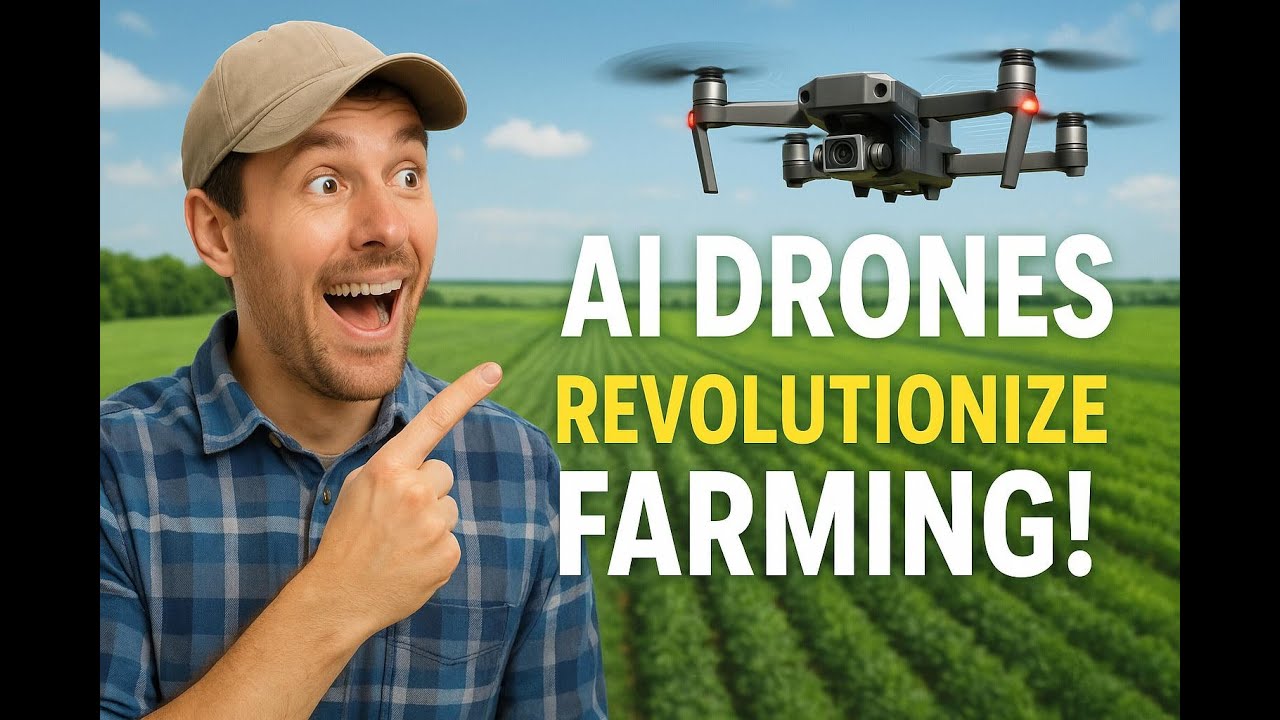
- Overview: Artificial intelligence (AI), Internet of Things (IoT), and satellite-based monitoring are rapidly changing how agricultural information is collected, analyzed, and shared. These technologies deliver data-driven insights and visually compelling content for both farmers and policymakers.
- Example: Farmonaut’s Jeevn AI system provides personalized, real-time monitoring and AI-based advisory, which empowers farmers to maximize yields and efficiently manage resources.
- For developers and businesses: Farmonaut offers a robust API and detailed API developer documentation for integrating advanced satellite and weather data into third-party solutions.
- Impact: Enhanced monitoring, precision pest management, rapid diagnostics, and resilient climate-smart farming decisions.
3. Blockchain-Based Traceability and Transparency
- Overview: Blockchain technology is increasingly integrated within communication platforms for traceability, enabling transparent, tamper-proof tracking of agricultural products from farm to fork.
- Use Case: This technology empowers consumers and corporate buyers to verify product authenticity, origin, and sustainability credentials at every stage of the food supply chain. Explore Farmonaut’s blockchain-based product traceability platform for more details.
- Impact: Reduces fraud, builds consumer trust, simplifies compliance, and supports sustainable sourcing practices.

4. Remote Advisory and Satellite-Enabled Extension Services
- Overview: The traditional role of extension officers is being reinvented with satellite, AI, and cloud-based advisory tools. These services provide direct, timely support to rural farmers on land management, crop health, resource utilization, and marketplace integration.
- Benefit: Removes barriers of geography, ensures continuous flow of expertise, and enables smallholder producers to optimize their operations for yield and sustainability.
- Farmonaut App Integration: Our app provides actionable satellite monitoring and advisory services via the mobile/web platform, empowering users globally.



5. Next-Generation Social Media and Community Engagement
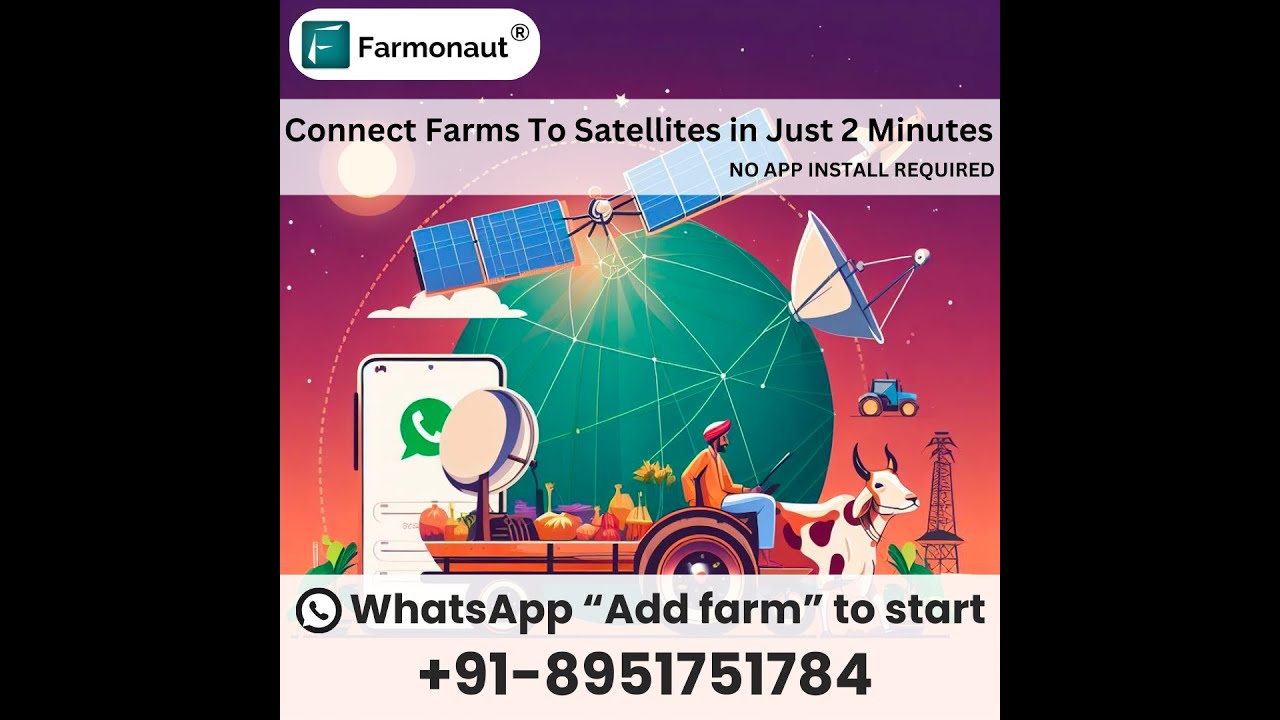
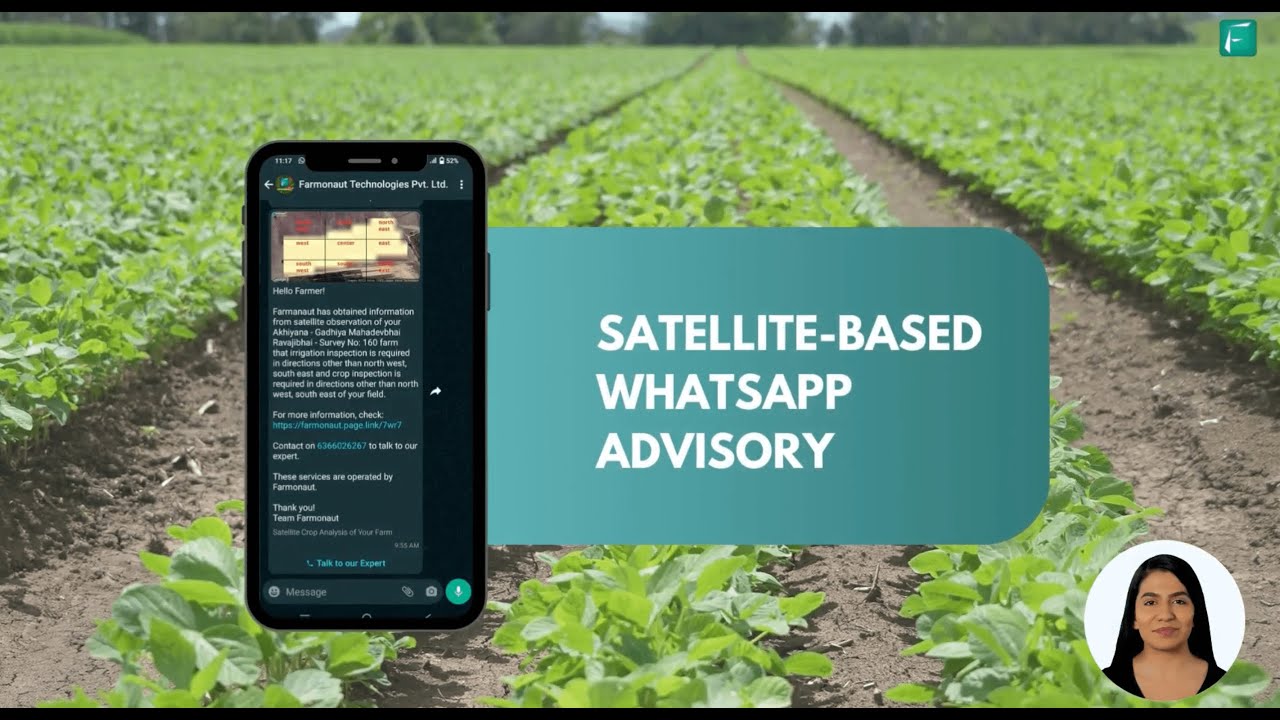
- Overview: Social platforms and messaging apps like WhatsApp advisory are tailored to the needs of rural communities. These enable the rapid sharing of updates, crowd-sourced data, early warning alerts, and real-time dialogue for agricultural problem-solving.
- Farmonaut Use Case: We provide satellite-based WhatsApp advisory for farmers, connecting remote regions with expert insights at their fingertips.
6. Environmental Impact Monitoring and Sustainable Communication
- Overview: New communication tools and real-time satellite data support the monitoring of carbon footprints, soil health, and sustainable farming practices. These platforms facilitate transparent reporting and benchmarking for regulatory compliance and climate-smart policy development.
- Farmonaut Capability: Our Carbon Footprinting product enables precision tracking and reporting of farm-level and aggregated carbon emissions, supporting both producers and policymakers with meaningful, actionable data.
7. Financial Technology (FinTech) Solutions for Agricultural Risk and Access
- Overview: FinTech innovation is making agricultural finance more accessible through digital communication, satellite-backed verification, and risk modeling. Farmers can now apply for loans and insurance products more securely and transparently through integrated digital ecosystems.
- Farmonaut Solution: Our crop loan & insurance solution streamlines verification and due diligence, reducing fraud and enhancing financial inclusion for both farmers and financial institutions.
- Impact: Empowers marginalized rural producers, reduces risk for lenders, supports sustainable development.

“**Mobile agricultural apps have increased communication efficiency among farmers by 60% in the past five years.**”
Farmonaut: Empowering Agricultural Communication and Innovation
At Farmonaut, we are committed to democratizing satellite-driven insights and advanced digital communication for agriculture, mining, infrastructure, and more. Through our innovative platform, we offer:
- Satellite-Based Crop Monitoring: Using multispectral imagery for precision crop health analytics.
- Jeevn AI Advisory System: Real-time, AI-powered insights and recommendations for optimal management and productivity.
- Blockchain-Based Traceability: Ensuring food and resource authenticity through every supply chain stage.
- Fleet and Resource Management: Fleet management solutions drive operational efficiency, supporting logistics and asset tracking for both agriculture and allied sectors.
- Environmental Impact Monitoring: Real-time carbon and resource usage reports help meet global sustainability standards.
- Accessibility and Affordability: We offer seamless access to advanced monitoring via Android, iOS, Web App, and API, on a flexible subscription model adaptable to individual, business, and institutional needs.
Explore Farmonaut’s API for direct satellite-data access.
Read the Farmonaut API Developer Docs here.
Comparison of Communication Trends in Agriculture (2020 vs. 2025 Estimate)
Future Directions: Sustainability, Inclusion, and Economic Growth in Communication for Agriculture
The trajectory of communications agriculture is clear—digital, data-driven, and participatory communication platforms are the backbone of sustainable agricultural development in 2025 and beyond. As new technological innovations emerge, including real-time AI diagnostics, automated fleet management, and blockchain-powered traceability, the field will continue to close the urban-rural information gap and empower all participants in the food system.
- Sustainability: Environmental and social benchmarks are integral to future communication goals, from regenerative agriculture to carbon reporting and ethical sourcing.
- Inclusion: Communication platforms will increasingly focus on multi-lingual, culturally contextual, and locally relevant content for all regions, especially in developing markets.
- Economic Empowerment: Digital extension, financial technology, and traceability tools will bring smallholder farmers into larger markets and banking systems.
The primary goal remains: to ensure that information is timely, accurate, actionable, and accessible—the very foundation of resilient and productive farming in the future.
Frequently Asked Questions about Communication in Agriculture
Q1: What is agriculture communication?
A: Agriculture communication is the specialized practice of conveying essential information—ranging from farming practices, research, market data, policy updates, to sustainability efforts—across all levels of the agricultural sector. The aim is to bridge knowledge gaps and empower decision-making in farming.
Q2: What are the major communication trends in agriculture for 2025?
A: The top trends include widespread mobile app adoption, integration of AI and satellite monitoring, blockchain-based supply chain traceability, remote advisory services via digital platforms, social media engagement in rural communities, precision sustainability tracking, and FinTech for easy loan and insurance access.
Q3: How does communication in agriculture support sustainability?
A: By providing actionable, real-time data on climate, resource use, and ecological impact, digital communication tools foster efficient, sustainable farming and transparent reporting for compliant and eco-friendly food production.
Q4: What kinds of agriculture communications jobs exist?
A: Opportunities span agricultural extension officers, digital media strategists, rural communications managers, policy advisors, data analysts, and technology product specialists, each contributing to the rapid evolution of the industry’s information landscape.
Q5: Where can I access cutting-edge communication platforms for agriculture?
A: Platforms like Farmonaut—available on web, Android, and iOS—offer advanced satellite-based agriculture monitoring, AI advisory, blockchain traceability, and digital extension services that empower users globally.
Farmonaut Subscription Options
Unlock the latest in communication in agriculture, real-time data, and sustainable management solutions. Choose the plan that fits your needs and access satellite intelligence on web, Android, and iOS.
Conclusion: Harnessing communications agriculture for 2025 and beyond is about far more than disseminating information. It’s about empowering every farmer, researcher, and stakeholder through technology, timely data, and strategic engagement. As we leverage the power of digital transformation, AI, and satellite monitoring, the future of agriculture will be defined by transparency, inclusion, and sustainable success for all.

 Geno
Geno Godrej Agrovet
 Hayleys Agriculture
 Linx Agritech
 Adinet
 Save Your Soils
 Grandstream Algérie
 XOS Realty
 Geospatial Lab Africa
 Agro La Gándara
 HIPSAC
 ZOL Zimbabwe
 Juligerm
 AdBio
AdBio MISE Maroc
 NWNS
NWNS Red August Group
 Farm Inc
 WeMe Global
