

Rice Farming Process 2025: 9 Proven Precision Tips
“2025 rice: 3 precision pillars—irrigation, soil testing, IPM—cut water use and emissions; follow 9 proven tips.”
The rice farming process in 2025 blends time-tested agriculture processes with precision technologies and climate-smart strategies to maximize yield, reduce water use and emissions, and strengthen farmer livelihoods. This comprehensive guide explains the modern rice farming process—site selection, variety choice, nursery and planting methods, precision irrigation, soil nutrient management, IPM, mechanization, post-harvest handling, and digital tools—to help farmers implement efficient, low-cost, and resilient practices in 2025 and beyond.
Table of Contents
- Rice Farming Process 2025: Foundations (site selection and variety choice)
- Nursery Management and Planting Methods (transplanting, direct-seeded)
- Precision Water Management (AWD, sensors, automated pumps)
- Soil and Nutrient Management (testing, variable-rate, organic amendments)
- Integrated Pest and Disease Management (IPM)
- Mechanization, Post-Harvest Handling, and Market Integration
- Digital Transformation, Carbon, and Economics in 2025
- 9 Proven Precision Tips: Comparison Matrix + Implementation



Developers and enterprises can directly integrate satellite and weather intelligence into processes in agriculture via the Farmonaut API and API Developer Docs for precision farming processes, irrigation scheduling, and crop advisory automation.
Rice Farming Process 2025: Foundations (Site Selection and Variety Choice)
The process begins with site selection and variety choice. These agriculture processes determine water productivity, emissions, and yield potential for the season.
1) Site selection and field assessment
Before nursery or planting, farmers assess field conditions to optimize the rice farming process:
- Soil health and texture: Analyze topsoil and subsoil for structure, pH, and organic carbon. Healthy soil improves infiltration, reduces runoff, and supports roots.
- Salinity and elevation: Map salinity hotspots and elevation micro-variations that affect water availability and pooling; match varieties to saline or low-lying zones to reduce losses.
- Water availability: Understand canal schedules, borewell capacity, and rainfall variability. This influences planting windows, AWD feasibility, and irrigation management costs.
- Access and market: Proximity to markets and drying services lowers post-harvest costs and improves grain quality management.
2) Variety choice and cropping calendars
In 2025, farmers choose high-yielding, climate-resilient varieties and hybrids tailored to local markets and cropping calendars. Consider:
- Stress tolerance: Drought-, submergence-, and saline-tolerant varieties reduce risk under climate variability.
- Duration and staggered planting: Match maturity to water schedules; staggering plantings can de-risk weather and market price swings.
- Grain quality: Select varieties preferred by local markets—aromatic, parboiling-suitable, or premium specialty rice—to improve margins.
- Seed quality: Use certified seed and verify germination rates to improve uniformity and reduce replanting labor.
These early processes in farming—site selection, variety choice, and seed quality—are central to achieving efficient use of water and nutrients, reducing emissions, and maximizing yield.

Nursery Management and Planting Methods (Transplanting and Direct-Seeded Rice)
Nursery and planting methods have evolved. The choice between rapid nurseries for transplanting and direct-seeded rice (DSR) depends on labor, water availability, and field conditions.
3) Rapid seedling nurseries and mechanized transplanting
- Tray-based, rapid nurseries: Using trays reduces seed requirements by 20–30% and improves seedling uniformity. Shorter nursery periods reduce disease pressure.
- Mechanized transplanters: Mechanical transplanters speed operations and ensure even plant spacing, improving light interception and reducing intra-plant competition.
- Labor optimization: In regions with scarce labor, mechanization reduces peak-season labor costs and increases timeliness, which often lifts yield.
4) Direct-Seeded Rice (DSR): dry or wet
- Laser land leveling: Leveling improves water distribution, reduces puddling needs, and facilitates AWD adoption in the rice farming process.
- Precision drills: Seed drills ensure even seed placement and germination, lowering seed and fertilizer losses.
- Weed management: Early herbicide programs and residue mulches are crucial in DSR to maintain clean fields without continuous flooding.

Precision Water Management (AWD, Sensors, Automated Pumps)
Water management is central to modern processes in agriculture. In 2025, alternate wetting and drying (AWD) and micro-irrigation reduce water use and methane emissions compared with continuous flooding.
5) AWD vs. continuous flooding
- AWD basics: Irrigate only when soil moisture drops below a threshold; let the field dry until hairline cracks appear, then re-irrigate to shallow depth. AWD can reduce water use by 15–35% and methane by 20–50% compared with continuous flooding, while maintaining or improving yield when well-managed.
- Simple rules, strong results: Use perforated AWD pipes or field water tubes to visually track water levels. Pair with soil moisture sensors for precise thresholds.
6) Sensors, automated pumps, and subsurface drip
- Field sensors: Soil moisture sensors, tensiometers, and temperature loggers guide irrigation scheduling.
- Automated pumps: GSM/IoT-controlled pumps let farmers schedule irrigation precisely, saving energy and labor.
- Subsurface drip (SDI): In suitable soils, SDI provides targeted water delivery, improving water productivity and reducing weed pressure in DSR systems.
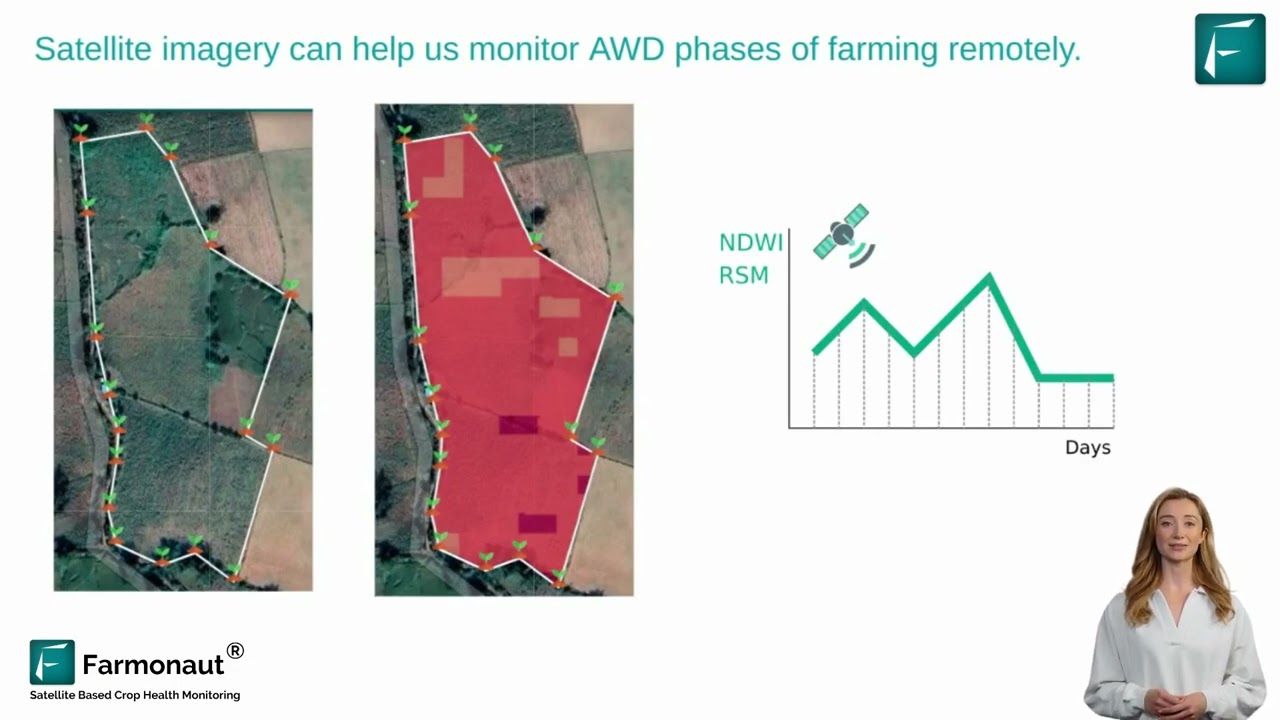


AWD is a proven practice for the rice farming process that leverages sensors, moisture thresholds, and simple rules to reduce water and emissions while maintaining productivity.
Soil and Nutrient Management (Testing, Variable-Rate, Organic Amendments)
Precision nutrient management integrates soil testing, yield targeting, variable-rate fertilizer application, and organic amendments to reduce losses and improve soil health.
7) Soil testing and site-specific nutrient management
- Testing and targets: Use soil tests to set yield targets and apply N, P, K, and micronutrients in split doses.
- Variable-rate application: Adjust fertilizer rates by zone based on soil variability and remote-sensing indices.
- Controlled-release and deep placement: Controlled-release fertilizers and deep placement of urea (briquettes) reduce nitrogen losses and emissions.
8) Organic amendments and biologicals
- Green manures and compost: Improve soil structure, water-holding capacity, and nutrient availability while reducing reliance on synthetic inputs.
- Biofertilizers: Beneficial microbes boost nutrient uptake and stress tolerance, enhancing overall soil health.

Combining organic amendments with precise fertilizer application supports efficient use of inputs, reduces costs, and improves long-term productivity in rice.
Integrated Pest and Disease Management (IPM)
In 2025, IPM emphasizes monitoring, biological controls, and threshold-based interventions to reduce pesticide use and protect beneficial organisms.
9) IPM strategies that work
- Monitoring and thresholds: Scout fields frequently; use economic thresholds to decide when to spray.
- Biological controls: Encourage natural enemies and use biopesticides to reduce chemical reliance and resistance risk.
- Resistant varieties: Choose varieties with resistance to major pests and diseases prevalent in local environments.
- Drones and apps: Use digital tools for early detection and rapid localized response.

“Mechanization boosts yields in climate-smart systems; the 2025 rice guide distills innovation into 9 practical steps.”
Mechanization, Post-Harvest Handling, and Market Integration
Mechanization improves timeliness and reduces labor bottlenecks at planting and harvest, while smart post-harvest practices protect quality and reduce losses.
10) Mechanization essentials for paddy
- Transplanters and tractors with paddy attachments: Improve plant spacing uniformity and timely operations in the rice farming process.
- Combine harvesters: Adapted for wet paddy to reduce shattering and minimize field losses.
- Small-scale threshers and dryers: Support smallholders to dry grain evenly and quickly to safe moisture thresholds.
- Machinery services: Rental services and co-ops make technology accessible, helping farmers use equipment without high capital costs.
11) Post-harvest and value addition
- Drying: On-farm solar or hybrid dryers reduce mycotoxin risks; verify with moisture meters before storage.
- Hermetic storage: Maintains grain quality and reduces pest losses, improving market returns.
- Milling and branding: Parboiling and specialty rice branding align with local markets for better prices.
To make logistics predictable and reduce costs, operations can benefit from Farmonaut Fleet & Resource Management, which helps plan machinery movement and reduce idle time in critical field windows.
Digital Transformation, Carbon, and Economics in 2025
Satellite and AI-powered tools, IoT sensors, and decision-support apps now guide irrigation, fertilizer application, and pest alerts. Carbon accounting and sustainability certification create market incentives for climate-smart rice.
12) What digital brings to the rice farming process
- Remote sensing: Satellite NDVI and water indices track crop vigor and field wetness to schedule irrigation and detect stress.
- IoT sensors: Soil moisture and weather stations generate actionable thresholds for irrigation and disease warnings.
- Decision-support apps: Weather, nutrient schedules, and pest alerts help farmers improve timing and reduce input losses.
- Market intelligence: Price trends inform harvest timing and post-harvest storage decisions.
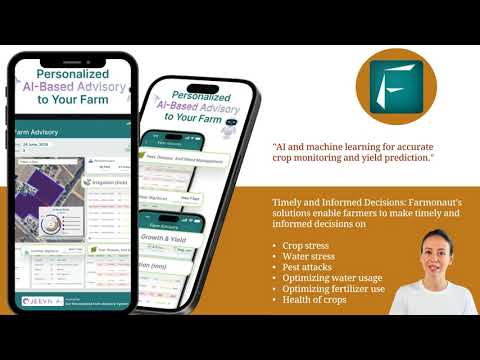
We provide satellite-based monitoring, AI advisories, and resource management tools that help farmers and businesses reduce costs, save water, and improve productivity across processes in agriculture. Our platform delivers vegetation health (NDVI), soil and moisture insights, weather-informed irrigation scheduling, and carbon footprint tracking to support climate-smart practices.
- Carbon Footprinting: We enable carbon monitoring and reporting for climate-smart rice, helping quantify methane reductions from AWD and improved soil organic carbon from green manures.
- Traceability: Our blockchain-based traceability can document sustainable farming practices from field to market, aligning with premium markets.
- Large-Scale Farm Management: We support enterprises and FPOs with centralized monitoring, tasking, and analytics across distributed paddy areas.
- Crop Loan and Insurance: We provide satellite-based verification for loans and insurance in agriculture, improving access to finance while reducing risks for lenders and farmers.
13) Economics and policies that help adoption
- Affordable credit and insurance: Credit lines and climate-calibrated crop insurance reduce risk for investing in mechanization and sensors.
- Extension services: Advisory services accelerate adoption of AWD, soil testing, and IPM at scale.
- Community irrigation management: Coordinated scheduling lowers pumping costs and improves equitable water access.
- Market linkages: Certification and traceability help farmers access premiums for low-methane rice and sustainable practices.
9 Proven Precision Tips: Comparison Matrix + Implementation
This SEO-optimized comparison matrix condenses the rice farming process into nine high-impact precision practices. Use it to prioritize investments and plan adoption across nursery, vegetative, reproductive, and ripening stages in 2025.
| Tip | Purpose / What it optimizes | Crop stage focus | Tools / Technology | Water savings (%) | Yield lift (%) | GHG reduction (%) | Cost (USD/ha) | Payback (seasons) | Complexity | Farm size | Data frequency | Sustainability co-benefits |
|---|---|---|---|---|---|---|---|---|---|---|---|---|
| Typical Ranges (Summary) | Efficiency, resilience, profitability | Nursery → Ripening | Sensors, remote sensing, mechanization | 10–35% | +5–20% | 10–40% CO2e | 50–400 (opex) to 300–2000 (capex) | 1–4 | Low–High | S/M/L | Weekly to in-season | Water, soil carbon, biodiversity |
| AWD irrigation | Reduce water use and methane vs. continuous flooding | Vegetative → Reproductive | AWD tubes, soil moisture sensors, automated pumps | 15–35% | +0–10% | 20–50% | 50–150 | 1–2 | Medium | S/M/L | Weekly | Energy saving; improved root aeration |
| Soil testing | Optimize nutrient application based on soil tests | Pre-plant → Vegetative | Soil sampling kits, lab tests | — | +5–10% | 5–15% | 20–60 | 1 | Low | S/M/L | Per season | Soil health, reduced nutrient losses |
| Variable-rate fertilization | Reduce fertilizer losses; match N, P, K, micronutrients to zones | Vegetative → Reproductive | VRA maps, spreaders, remote sensing | — | +5–15% | 10–25% | 80–200 | 1–2 | Medium | M/L | Weekly | Lower nitrous oxide emissions |
| IPM | Reduce pesticide use via thresholds and biologicals | All stages | Scouting, pheromone traps, decision apps | — | +3–8% | 5–20% | 40–120 | 1 | Medium | S/M/L | Weekly | Biodiversity, reduced residues |
| Laser land leveling | Ensure even germination; improve AWD efficiency | Pre-plant | Laser levelers, GPS | 10–20% | +3–10% | 5–10% | 100–250 (service) | 1 | Low | S/M/L | Per season | Less runoff and erosion |
| Moisture sensors | Schedule irrigation based on thresholds | Vegetative → Reproductive | Tensiometers, probes, IoT gateways | 10–25% | +2–8% | 10–20% | 150–350 | 1–2 | Medium | S/M/L | Weekly | Energy saving; water-use efficiency |
| NDVI/remote sensing | Detect stress; target inputs precisely | Vegetative → Ripening | Satellite imagery, analytics | — | +5–12% | 5–15% | 50–200 | 1 | Low | S/M/L | Weekly | Lower input use; early stress mitigation |
| Mechanized transplanting | Improve plant spacing; reduce labor peaks | Nursery → Establishment | Transplanters, tray nurseries | 5–10% | +5–15% | 5–10% | 200–600 (service) | 1–3 | Medium | S/M/L | Per season | Timeliness; less seed use |
| Residue/straw management | Improve soil organic matter; reduce burning | Post-harvest → Pre-plant | Mulchers, composting, incorporation tools | — | +3–10% | 10–30% | 60–180 | 1–2 | Low–Medium | S/M/L | Per season | Soil carbon; reduced air pollution |
| Farmonaut-enabled | Remote sensing, AI advisory, carbon tracking | Nursery → Ripening | NDVI/NDWI maps, soil moisture insights, fleet tools | 10–30% (with AWD) | +5–15% | 10–40% | Manage at scale | 1–3 | Low–Medium | S/M/L | Weekly | Carbon footprinting, Traceability |
Putting the 9 tips into action: a concise implementation map
- Pre-season (1–2 months before planting): Soil testing; laser land leveling; choose varieties and hybrids tailored to local markets; plan irrigation infrastructure and pumps.
- Nursery (2–3 weeks): Rapid tray nurseries; mechanized transplanting scheduling; seed treatment; set up pheromone traps.
- Establishment to vegetative: Initiate AWD; deploy moisture sensors; first split of N, P, K and micronutrients; herbicide program for DSR; start remote-sensing monitoring.
- Reproductive stage: Maintain AWD with thresholds; deep placement or controlled-release N; IPM scouting and threshold-based control; nutrient topdressing to hit yield targets.
- Ripening to harvest: Irrigation cut-off based on soil moisture and weather; combine harvesting; on-farm drying using dryers; moisture metering; hermetic storage; plan milling and market logistics.
- Post-harvest to next season: Straw management and composting; update carbon accounting; review performance via digital analytics; plan improvements.
FAQs
Q1. Is AWD suitable for all rice fields?
AWD works best on well-leveled fields with controllable water sources. In heavy clay with very slow infiltration, adjust thresholds and irrigation depth to prevent stress. In sandy soils, consider shorter dry intervals or subsurface drip.
Q2. How many fertilizer splits are ideal?
Three to four splits that align with crop uptake—basal, tillering, panicle initiation, and early heading—reduce losses and improve nutrient use efficiency. Tailor rates using soil tests and yield targeting.
Q3. Will DSR always save labor?
DSR reduces transplanting labor but can shift effort to weed management. Pair DSR with mulches, timely herbicides, and precise drills for consistent outcomes.
Q4. Do sensors pay back quickly for small farms?
Shared services and low-cost sensors often pay back in 1–2 seasons through reduced pumping costs and better irrigation timing, especially under rising energy prices.
Q5. How does carbon accounting help farmers economically?
Quantifying reduced methane and improved soil organic carbon can unlock sustainability-linked premiums and support access to finance. See Farmonaut Carbon Footprinting.
How Farmonaut supports precision rice in 2025
We provide satellite-based monitoring, AI-driven advisory, and blockchain traceability so farmers, businesses, and governments can use data to improve management and reduce costs:
- Real-time monitoring: Multispectral imagery indicates vegetation health and field wetness to inform AWD irrigation schedules.
- Jeevn AI advisory: Delivers weather forecasts and tailored strategies for irrigation, nutrient application, and IPM.
- Traceability and carbon: Document sustainable practices and monitor emissions with verifiable data.
- Fleet and resource management: Plan equipment use for transplanting and harvest windows.
Start now via the Farmonaut App, or integrate capabilities through the API and Developer Docs.
Key Takeaways for the Rice Farming Process in 2025
- Precision irrigation (AWD), soil testing, and IPM are the central pillars to reduce water use, emissions, and costs.
- Nursery innovations, mechanized transplanting, and DSR offer flexible, labor-saving planting strategies.
- Site-specific nutrient management and organic amendments improve soil health and yield.
- Mechanization, dryers, and hermetic storage reduce losses and protect grain quality.
- Digital tools, sensors, and remote sensing enable threshold-based decisions and market access via traceability and carbon accounting.
Practical Notes on Processes in Farming
- Scheduling: Use simple, rule-based thresholds tied to moisture and phenology to let pumps run precisely when needed; this improves energy efficiency and reduces costs.
- Split doses: Apply N, P, K, and micronutrients in split doses to match crop demand; deep placement of urea reduces nitrogen losses.
- Organic integration: Integration of compost, green manures, and biofertilizers boosts soil health and reduces reliance on synthetic inputs.
- Digital alerts: Apps can push pest alerts and weather advisories to help farmers respond quickly and avoid blanket sprays.
- Market timing: Dry to safe moisture with dryers and verify; hermetic storage allows strategic selling when market prices rise.
In 2025, the rice farming process is a systems challenge that blends genetics, water and soil stewardship, mechanization, digital advisory, and market integration. By adopting these nine precision strategies—AWD irrigation, soil testing, variable-rate fertilization, IPM, laser land leveling, moisture sensors, NDVI-based remote sensing, mechanized transplanting, and residue management—farmers can reduce water use and methane emissions, improve yield and profitability, and build resilience to climate risks while sustaining livelihoods.

 Byju’s
 Kubota
 FFBS
FFBS Jontra
 Kalustyan
 Tucor
Tucor Geno
Geno Hayleys Agriculture
 Linx Agritech
 Adinet
 Save Your Soils
 Grandstream Algérie
 XOS Realty
 Geospatial Lab Africa
