

Reviewed August 2026 against USDA NASS and US Forest Service Southern Research Station data.
Try it: Run your own numbers →
A commercial agriculture example is any operation that grows a crop specifically to sell at scale rather than for on-site use — and commercial tree planting is one of the clearest versions of it: growers plant, tend, and harvest trees as a marketable crop, whether that crop is lumber, almonds, pecans, or Christmas trees. The US runs several distinct versions of this model side by side: softwood timber plantations across the South, tree nut orchards concentrated in California, and specialty plantings like Christmas tree farms. Below are the actual numbers behind each, plus what commercial pest management looks like on a working plantation.
Table of Contents
- What Counts as a Commercial Agriculture Example
- Example 1: Southern Pine Timber Plantations
- Example 2: Tree Nut Orchards (Almonds & Pecans)
- Comparison Table: Three Commercial Tree Crop Models
- Commercial Pest Management on Tree Plantations
- Technology in Commercial Tree Planting
- Calculator: Estimate Your Plantation’s Timber Revenue Potential
- How Farmonaut Supports Commercial Tree Operations
- What’s Not Yet Published — and How to Get It
- FAQ
- Try it: Run your own numbers

What Counts as a Commercial Agriculture Example
Commercial agriculture means production organized around sale, not subsistence: fixed capital in machinery and land, a defined crop cycle, and revenue tied to a market price rather than household consumption. Tree-based commercial agriculture takes three main forms in the United States:
- Commercial tree plantations — even-aged softwood stands grown for pulpwood and sawtimber, concentrated in the Southern US.
- Commercial tree planters (orchard crops) — almond, pecan, and other tree nut operations grown for annual harvest.
- Commercial tree planting (specialty) — Christmas tree farms and nursery stock grown on shorter rotations for direct sale.
Each is a genuine example of commercial agriculture, but they run on different economics, timelines, and pest pressures — which is why the sections below treat them separately rather than blending them into one generic “tree farming” story.
Example 1: Southern Pine Timber Plantations
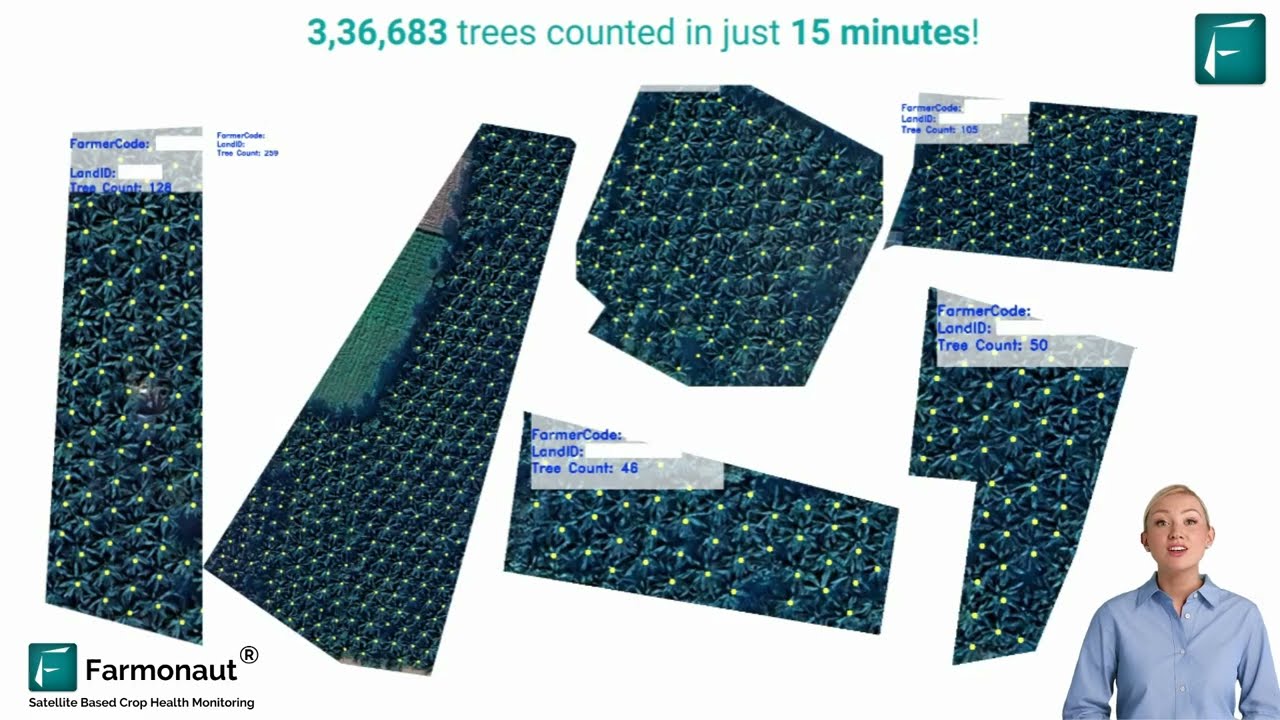
By the end of the 20th century, US Forest Service research put Southern pine plantation acreage at 32 million acres across the Southern United States — the single largest concentration of commercial tree planting in the country, spanning states from Virginia to East Texas. These stands are planted, thinned, and clear-cut on rotations typically running 20–35 years depending on whether the end product is pulpwood or sawtimber.
On the output side, the US Forest Service’s timber production and trade research recorded 2.95 million thousand board feet (mbf) of timber cut and sold nationally in 2016 — the benchmark year covered in that dataset. That figure reflects both natural stands and plantation-grown timber moving through US mills.
Price is the number that actually determines whether a plantation gets harvested in a given year. The US Forest Service Southern Research Station timber price program tracked the US average lumber spot price at $550.50 per 1,000 board feet in December 2024. That series is state- and species-specific, and the Southern Research Station updates it quarterly, so a grower in Georgia and a grower in Arkansas should pull their own state figure from that page rather than use the national average to price a harvest.
Timber production at this scale depends on mechanized planting to hit density and spacing targets across tens of thousands of acres per operation — hand-planting alone cannot economically replant a 32-million-acre resource base. Where stands have been cleared, burned, or degraded, the same mechanized approach underpins reforestation programs aimed at rebuilding canopy cover rather than just harvesting it. Growing forest cover also expands the land base functioning as a carbon sink, though verified sequestration figures for US Southern pine specifically were not located in the sources reviewed for this piece — see the gaps section below for how to obtain a site-specific estimate.
Example 2: Tree Nut Orchards (Almonds & Pecans)
Tree nut orchards are a second, distinct commercial agriculture example — shorter-cycle than timber, harvested annually once trees mature, and concentrated geographically in ways timber is not. USDA NASS data shows almonds account for 47% of US tree nut acreage, the single largest share of any tree nut crop, almost entirely planted in California’s Central Valley.
Almond Board of California and USDA figures put the 2025 California almond crop at 3.0 billion meat pounds — meat pounds meaning the edible kernel weight after hulling and shelling, the standard unit used across USDA and industry reporting for tree nuts.
Pecans are the second major example: USDA NASS data shows the United States supplies 95% of world pecan production, an export-relevant share that makes US pecan orchards a commercial agriculture example with global reach, not just a domestic one. Across all tree nut species combined, USDA-linked figures from the Agricultural Marketing Resource Center put total US production at 3.48 million tons in 2022.
Both figures — the almond crop estimate and the tree nut acreage breakdown — come from USDA’s Guide to NASS Fruit and Nut Surveys, which is the authoritative source for growers and analysts tracking this sector.
Comparison Table: Three Commercial Tree Crop Models
| Model | Primary Region | Typical Rotation | Key Published Figure | Source & Vintage |
|---|---|---|---|---|
| Softwood timber plantation | Southern United States | 20–35 years (pulpwood to sawtimber) | 32 million acres planted; $550.50/1,000 board ft (Dec 2024 US average) | US Forest Service Treesearch; SRS Timber Prices |
| Almond orchard | California Central Valley | Annual harvest, 20–25 year orchard life | 3.0 billion meat lbs (2025 crop); 47% of US tree nut acreage | Almond Board of California / USDA NASS |
| Pecan orchard | Southern & Southwestern US | Annual harvest, decades-long orchard life | 95% of world pecan production from the US | USDA NASS |
Figures compiled from USDA NASS and US Forest Service Research sources cited above; each source updates on its own cycle — see the refresh notes below each figure.

Commercial Pest Management on Tree Plantations
Pest management is where a commercial tree plantation earns or loses its margin, because pest damage compounds over a multi-year or multi-decade rotation in a way it does not on an annual row crop. Neither the Forest Service nor USDA sources reviewed for this article publish a national adoption rate or per-acre cost figure for integrated pest management (IPM) on commercial tree operations — that data gap is real and is listed explicitly in the gaps section rather than papered over with an estimate.
What is documented is the structure IPM programs follow on commercial plantations, regardless of crop:
- Scouting on a fixed schedule: Walking or remote-sensing transects at set intervals through the growing season, rather than reactive spraying after visible damage appears.
- Threshold-based intervention: Treating only once pest counts or damage percentages cross a documented economic threshold for that species and region, not on a calendar default.
- Species and site matching: Selecting locally adapted or disease-resistant stock at planting, which reduces the pest and pathogen exposure a stand faces over its rotation.
- Buffer and mixed-species zones: Breaking up contiguous single-species blocks to slow the spread of a pest or pathogen outbreak once it starts.
For a grower who wants a cost figure specific to their own operation rather than a national average that does not exist in published form, the practical method is: pull the current regional extension IPM guide for the specific pest and crop (state land-grant university extension services publish these for almonds, pecans, and Southern pine separately), and price the recommended treatment against the current commodity price from the USDA or Forest Service sources linked above.
Technology in Commercial Tree Planting
Across all three models — timber, almonds, and pecans — modern commercial tree planting shares a common technology stack:
- GPS-guided planting: Ensures uniform spacing across tracts running to thousands of acres, which is what makes a 32-million-acre plantation base manageable at all.
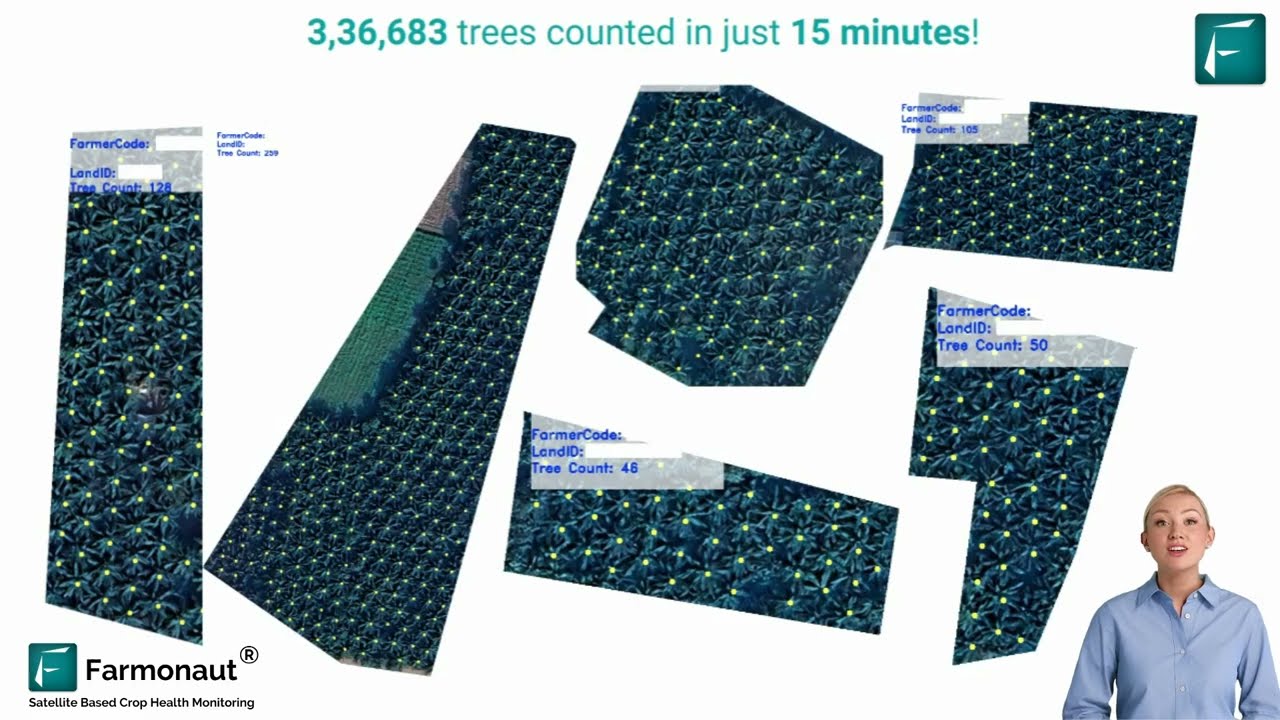
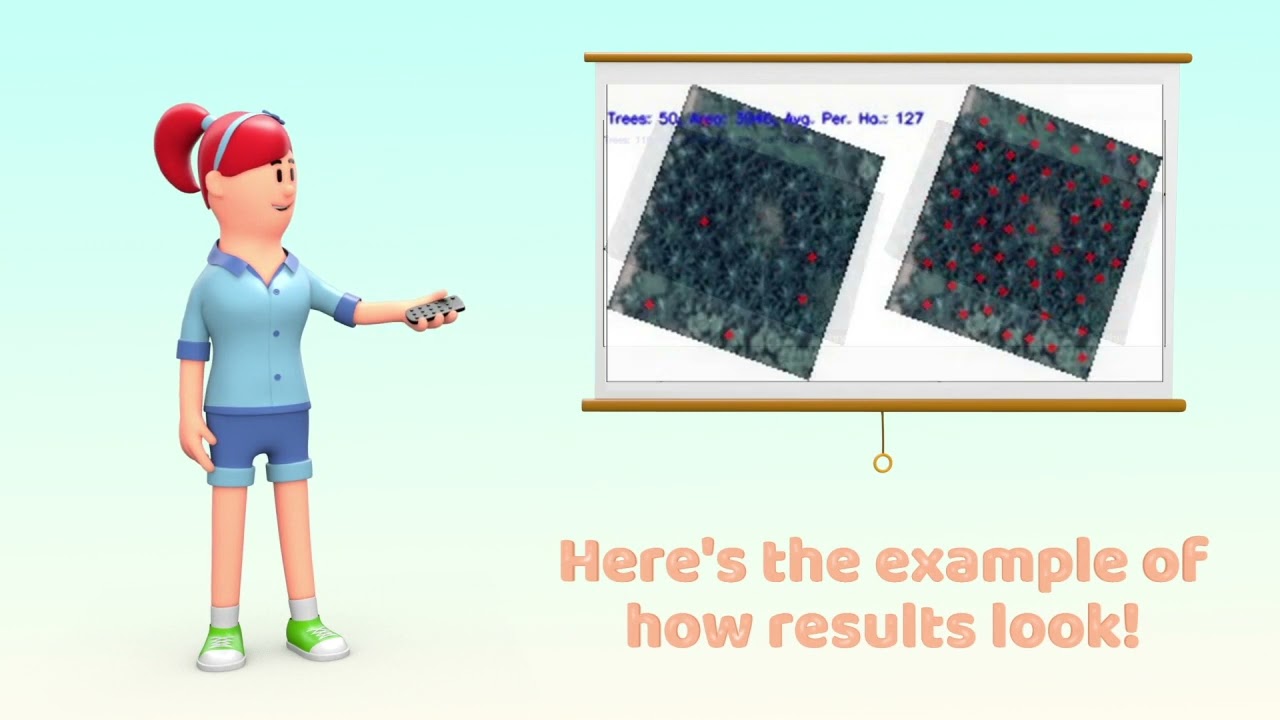
- Remote and satellite monitoring: Tracks canopy health, moisture stress, and early pest signals across large acreages without a physical walk-through of every block.
- Soil sensing: Informs species selection and fertilizer timing at planting, particularly relevant where almond and pecan orchards are being replanted after an orchard reaches the end of its productive life.



Calculator: Estimate Your Plantation’s Timber Revenue Potential
Enter your acreage and expected board-foot yield per acre to estimate gross timber revenue at a lumber price you set — start from the $550.50/1,000 board ft December 2024 US average cited above, or substitute your current state figure from the Forest Service price series.
Run your own numbers
Assumes a single harvest at the yield and price entered; excludes planting, thinning, management, and harvest costs, and does not account for pulpwood-versus-sawtimber price splits. Board-foot yield per acre varies by species, age, and site quality — use your own forester’s cruise data for an actual harvest estimate, and substitute a current state-level price from the US Forest Service SRS timber price series.

How Farmonaut Supports Commercial Tree Operations
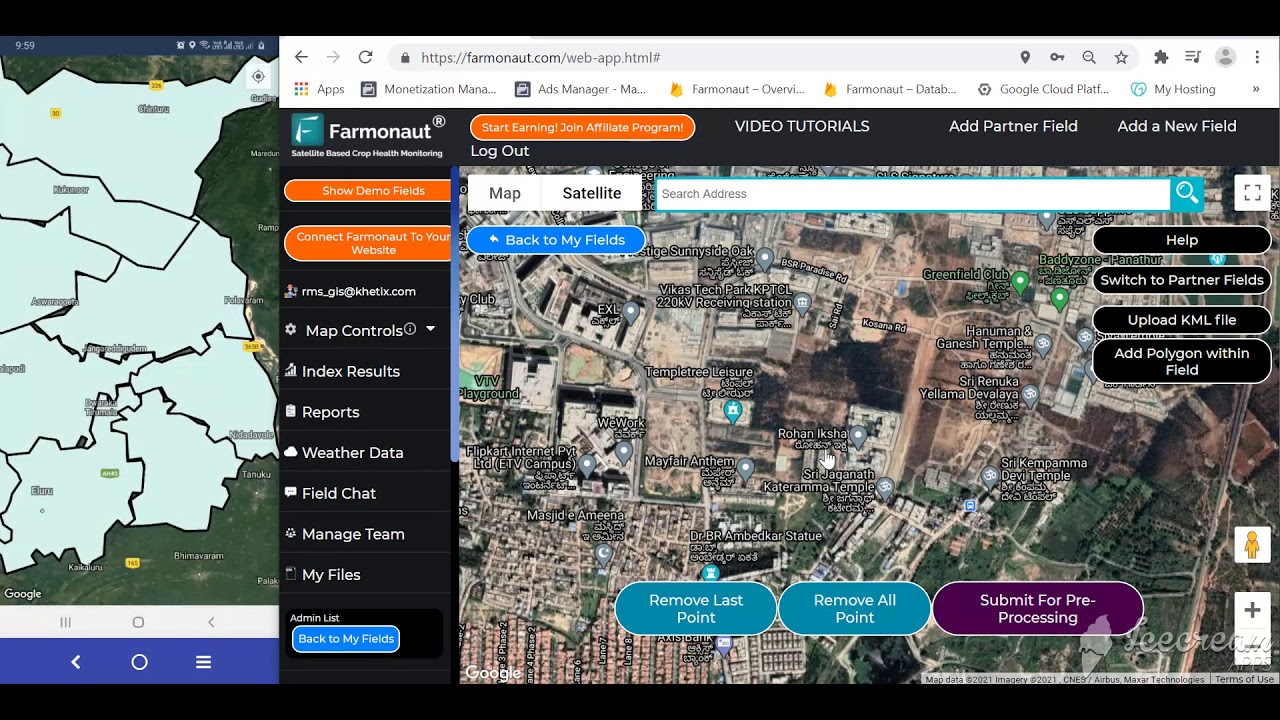
Whether the crop is Southern pine, almonds, or pecans, commercial tree operations share the same operational problem: verifying conditions across acreage too large to walk every week. Farmonaut’s satellite platform is built for that gap.
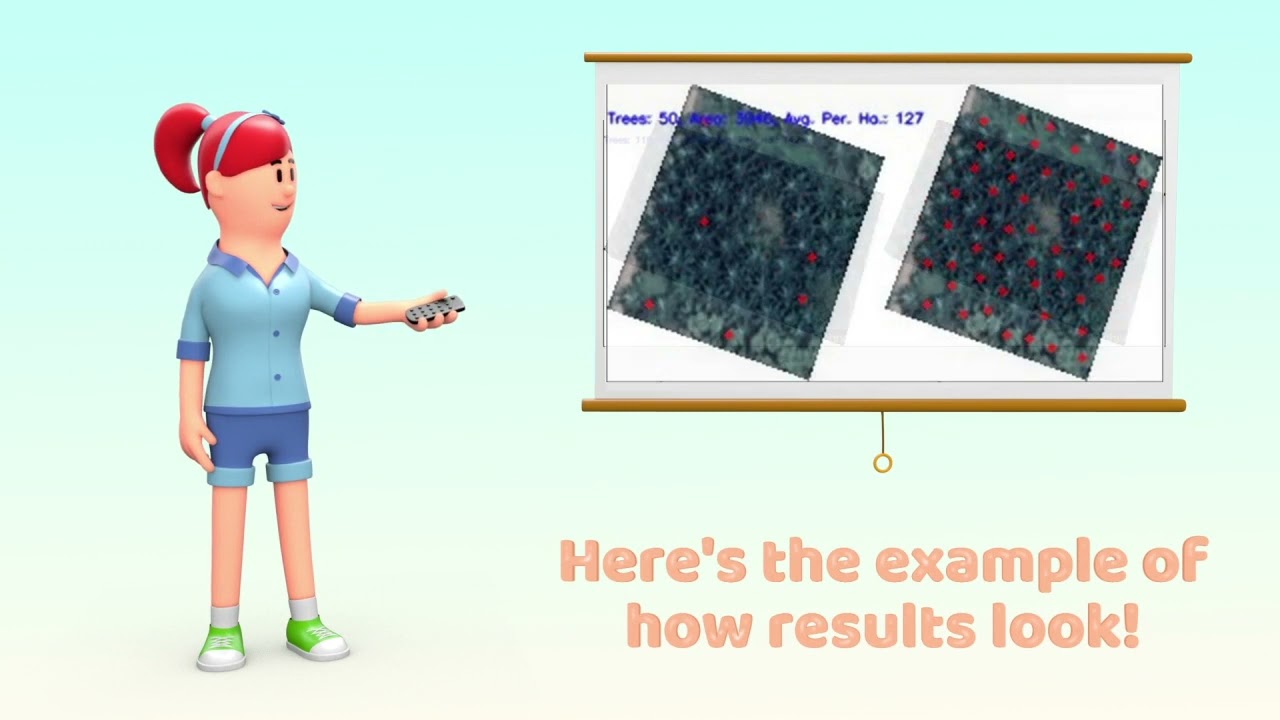
- Satellite-Based Monitoring: Track seedling and canopy health, detect pest stress, and map soil conditions remotely across large plantations and orchards.
- Blockchain Traceability: Our traceability solutions document product movement from planting through harvest for buyers who require chain-of-custody records.
- Environmental Impact Tracking: Carbon footprinting tools help operations document their land-use and emissions profile for buyers or lenders who ask for it.
- Fleet & Resource Management: Mobile and web platforms for coordinating planting and harvest equipment across large tracts.
- Financing Support: Satellite-verified crop loan and insurance checks reduce fraud risk in plantation financing.
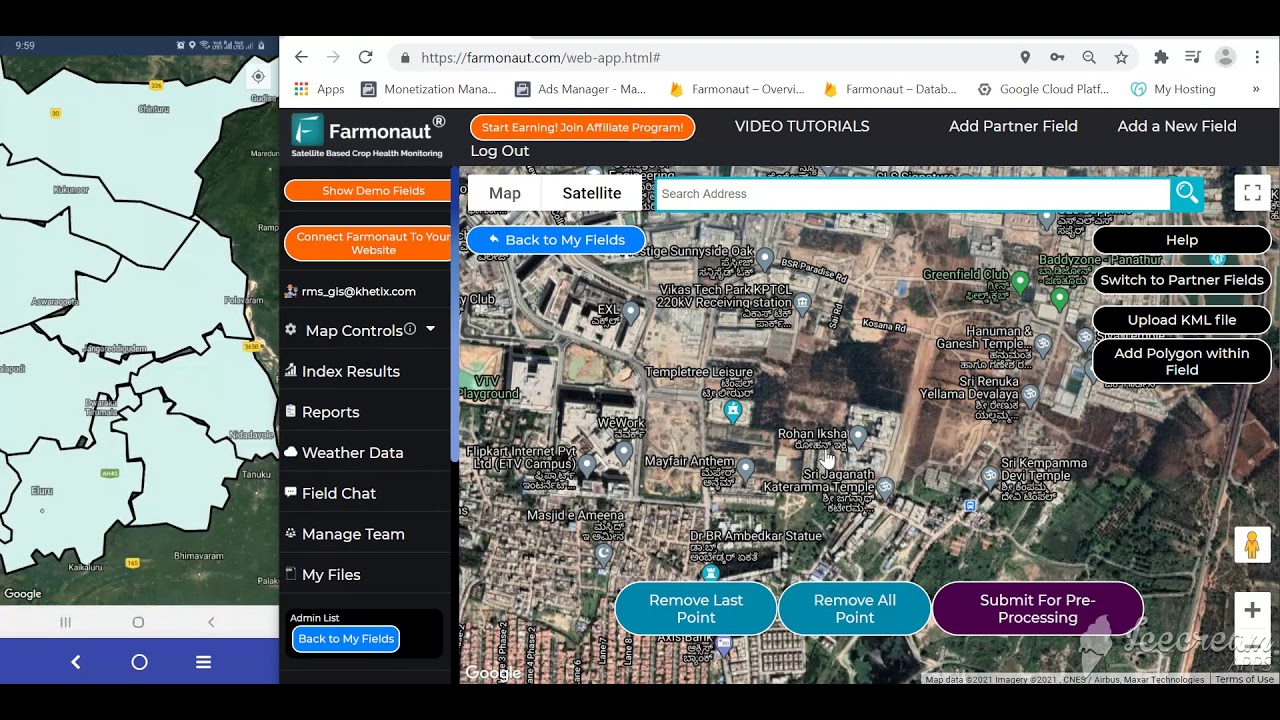
- Mass Planning Tools: The agro admin app supports field mapping and plantation monitoring at scale.
These tools are available through Farmonaut’s web, Android, and iOS apps. Developers integrating plantation data into their own systems can use our satellite and weather API, documented in full in the developer docs.
Interested in affordable satellite-driven solutions for your forestry or agriculture project?

What’s Not Yet Published — and How to Get It
Being direct about what current public data does and does not cover is part of using it correctly:
- Total current US commercial tree plantation acreage: The 32-million-acre Southern pine figure is dated to the end of the 20th century, and no comprehensive current national total across all species and regions was located. For a current regional figure, check the US Forest Service’s Treesearch database directly, which is updated as new inventory studies are published.
- State-level pecan acreage (Georgia, Texas, New Mexico specifically): National share figures exist, but state-by-state acreage was not found in the sources reviewed. USDA NASS’s Quick Stats database carries state-level detail for growers who need it.
- IPM adoption rates and per-acre pest control costs on commercial tree operations: Not published in national form. Check with your state land-grant university extension service, which typically maintains crop-specific IPM cost guides.
- Profitability by crop type: Comparable ROI figures across timber, almonds, and pecans were not located; growers should build their own margin model from the yield and price figures above plus their actual input costs.
The USDA Census of Agriculture is conducted every five years, with the next cycle due in 2027 — that will be the next point at which comprehensive acreage figures across all tree crop categories are refreshed nationally. Between census years, the NASS Quick Stats database and the Fruits and Nuts survey program are updated on an ongoing basis and are the fastest path to a current figure.
Frequently Asked Questions
1. What is a commercial agriculture example involving trees?
Southern pine plantations covering 32 million acres in the Southern United States, and California almond orchards producing an estimated 3.0 billion meat pounds in the 2025 crop year, are both documented commercial agriculture examples — one a multi-decade timber rotation, the other an annual-harvest orchard crop.
2. What is a commercial tree plantation?
A commercial tree plantation is an even-aged, mechanically planted stand grown specifically for sale as pulpwood or sawtimber, as distinct from naturally regenerated forest. Southern US pine plantations are the largest documented example, at 32 million acres per US Forest Service research.
3. What do commercial tree planters actually plant?
In forestry, “commercial tree planters” refers to the mechanized equipment and operations that plant softwood species like loblolly and slash pine across large tracts. In orchard agriculture, the same term can refer to growers establishing almond or pecan trees as a commercial crop.
4. How is commercial pest management handled on tree plantations?
Through scheduled scouting, threshold-based treatment rather than calendar spraying, resistant species selection at planting, and buffer zones between blocks. National cost and adoption figures for this practice are not published — check your state extension service for a crop-specific IPM cost guide.
5. How much does US timber sell for?
The US Forest Service Southern Research Station recorded a US average lumber spot price of $550.50 per 1,000 board feet in December 2024, with the full series broken out by state and species at their timber price program page, updated quarterly.
6. How can Farmonaut’s technology help commercial tree operations?
Farmonaut provides satellite-based monitoring, AI advisories, field mapping, and environmental impact tracking so plantation and orchard managers can verify canopy health, catch pest stress early, and document conditions for lenders or buyers across acreage too large to inspect on foot.
7. Where can I access Farmonaut’s tools?
Through the web app, on Android, on iOS, or via the API documented in our developer docs.



Bring Satellite Monitoring to Your Plantation or Orchard
Commercial tree agriculture — from 32-million-acre Southern pine plantations to California’s almond orchards — runs on published, checkable numbers rather than estimates. Pull your own current figures from the USDA and Forest Service sources linked throughout this article before making a planting, pricing, or pest management decision.

 CU Foods
 BeyondTech Global
 Consulthink Global
 Rouge VC
 Yutz Automation
 AgroGreen Dynamics
 AgroRisk
 Oath Inc
 Reddane Farming
 Esri North East Africa
 Cresol
 Atur Kuliner
 MDCV UK
 Zerella Group
 Etech Consulting Madagascar
 Vestlandsforsking
 Delicio
 WB Dev
 Sama Premium
 Prochecker
 Tres Valles
 LACOS Geoinformation
 Magrifly
 LatConnect 60
