

Copper history · Company profile
Anaconda Copper Mining Company: History, Mines, Legacy
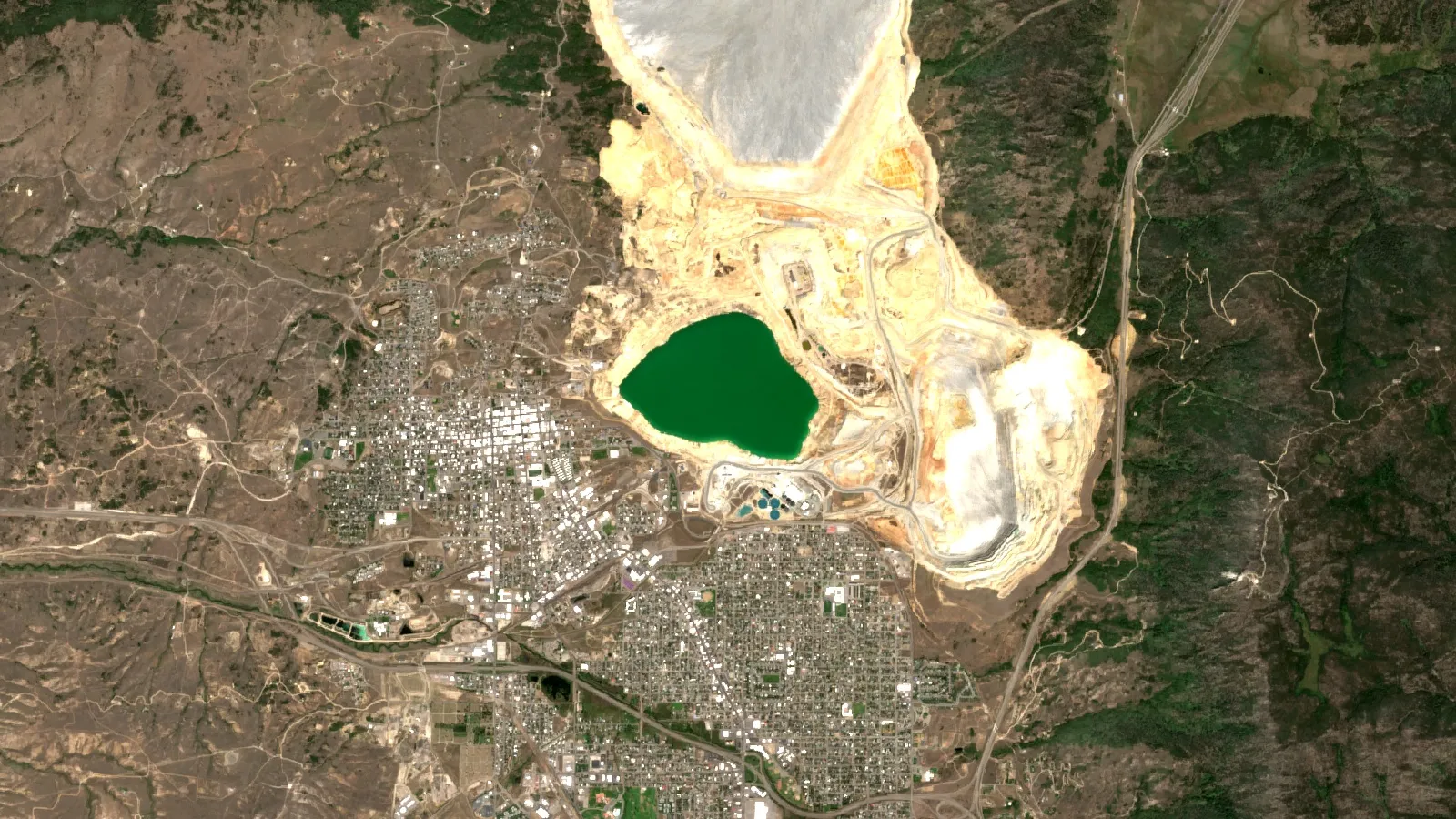
Anaconda grew from Marcus Daly’s 1880 Butte silver claim into the fourth-largest company in the world by the late 1920s. ARCO bought it in 1977 and Butte mining stopped in 1982; the cleanup continues.
Key takeaways
- Marcus Daly bought the Anaconda claim in 1880; the company began in 1881 with Hearst, Haggin and Tevis.
- It used five legal names, including Amalgamated Copper (1899-1915).
- Chuquicamata in Chile gave up to three-quarters of profits until Chile nationalised it in 1971.
- ARCO bought Anaconda in 1977 for about US$700 million; the Berkeley Pit closed in April 1982.
- The Butte and Anaconda Superfund sites, listed from 1983, are still being cleaned up (EPA, 2026).
In this article
- Anaconda Copper Mining Company at a glance
- Why the company kept changing its name
- Anaconda copper history: a short timeline
- How big was the Anaconda Company?
- Butte, the Berkeley Pit and the Washoe smelter
- Chuquicamata and the Anaconda mines outside Montana
- Anaconda's environmental legacy and the Superfund sites
- Historical vs modern copper mining practice
- 7 lessons from the Anaconda Copper Mining Company
- Copper ore value calculator
- Frequently asked questions
The Anaconda Copper Mining Company was the Butte, Montana business that grew from one silver claim bought by Marcus Daly in 1880 into one of the largest mining companies in the world. It ran the Butte mines, the Washoe smelter at Anaconda and, from the 1920s, the Chuquicamata mine in Chile. In the late 1920s it was ranked the fourth-largest company in the world. Atlantic Richfield (ARCO) bought it in 1977, and mining at Butte stopped in 1982 (company history summary).
This guide gives the short history, the names the company used, its main mines and plants, what the Superfund cleanup covers today, and seven practical lessons that consultants still use when they assess an old copper district. A calculator lets you test the kind of ore that kept Butte running.
Anaconda Copper Mining Company at a glance
| Item | Fact |
|---|---|
| Founder | Marcus Daly, an Irish-born miner (1841-1900) |
| Start | Daly bought the Anaconda silver mine in 1880; the partnership with George Hearst, James Ben Ali Haggin and Lloyd Tevis began in 1881 |
| Base | Butte, Montana, with offices in New York City |
| Main products | Copper, plus zinc, silver, gold, manganese, aluminum, uranium and coal at various times |
| Largest foreign mine | Chuquicamata, Chile (owned 1923-1971) |
| Peak workforce | About 37,000 people in North America and Chile in 1960 |
| Sold to | Atlantic Richfield Company (ARCO), January 1977 |
| End of Butte mining | April 1982, when the Berkeley Pit closed |
| Cleanup owner today | ARCO, a BP subsidiary since BP bought ARCO in 2000 |
Sources for the table: the company history summary linked above and the biography of Marcus Daly.
Why the company kept changing its name
Searchers use several names for the same business, which is why “Anaconda Copper”, “Anaconda Mining Company” and “Anaconda Copper Mining Co” all point to it. The legal name changed as owners changed:
- Anaconda Gold and Silver Mining Company (1881-1891): the first partnership around the Anaconda claim.
- Anaconda Mining Company (1891-1895).
- Anaconda Copper Mining Company (1895-1899): the name most history books use, after copper replaced silver as the main metal.
- Amalgamated Copper Company (1899-1915): a holding company formed with Standard Oil directors Henry H. Rogers and William Rockefeller.
- Anaconda Copper Company (1915-1955), then The Anaconda Company from 1955 until ARCO took over.
Old share certificates, deeds and mining records may carry any of these names. If you are tracing title to an old Montana claim or mill site, check every version in the county records.
Anaconda copper history: a short timeline
The company story follows the price of copper and the falling grade of Butte ore.
Chart
Three Anaconda deals in the money of the day
US$ million, nominal
- 1880: Daly buys the small Anaconda silver mine in Butte and finds rich copper ore below it.
- 1881-1882: Hearst, Haggin and Tevis fund the mine; large copper bodies are found.
- 1883: Daly starts a smelter and founds the town of Anaconda, about 25 miles west of Butte, linked by his own railway.
- 1892-1903: The Anaconda mine is the largest copper-producing mine in the world.
- 1895: French and British Rothschild interests buy the Hearst stake for US$7.5 million.
- 1899: Amalgamated Copper is formed; Daly dies the next year.
- 1910: Amalgamated has bought the assets of every other copper company in Butte, including those of F. Augustus Heinze and William A. Clark.
- 1918-1919: The 585-foot Washoe smelter stack is built and put into service.
- 1922-1923: Anaconda buys Cananea in Mexico and Chuquicamata in Chile, and buys American Brass.
- 1929-1933: After the crash, copper falls from an average of 29.5 to 10.3 cents per pound and the share price drops from about US$175 to US$3.
- 1955: The Berkeley open pit opens and the aluminum plant at Columbia Falls starts.
- 1956: Record net income of US$111.5 million.
- 1971: Chile takes over Chuquicamata and Mexico takes over Cananea.
- 1977: ARCO buys Anaconda for about US$700 million.
- 1980-1982: The smelter stops in 1980; the Berkeley Pit closes in April 1982 and the pumps are switched off.
- 1983: EPA lists the Butte area on the national Superfund list.
The deals in the timeline show how fast the business grew: from a US$7.5 million stake to a US$77 million mine purchase in Chile and a US$700 million sale price, all in the money of the day.
How big was the Anaconda Company?
At its height Anaconda was one of the largest trusts in the United States. The US National Park Service notes that the Butte district supplied nearly one third of the world’s copper in the early 1900s. After the Chile and Poland purchases of the 1920s, the company was ranked the fourth-largest company in the world. That is the answer to the common quiz question about its international ranking.
Size came with political weight. As Montana’s largest employer, Anaconda owned several of the state’s main newspapers from about 1920 until 1959, and in 1903 it shut its Montana operations, putting about 15,000 men out of work, until the legislature passed a law it wanted. Montanans called this control the “copper collar”.
Work underground was dangerous. The Park Service records that 685 miners died in accidents in the Butte area between 1906 and 1925 (NPS). The 1917 Speculator mine fire is the subject of several histories of the district. Labor unrest, strikes and the 1920 Anaconda Road shootings shaped Montana labor law for decades.
Butte, the Berkeley Pit and the Washoe smelter
Butte sits on the Boulder Batholith, a large granite-like intrusion. Hot fluids from the Butte quartz monzonite left copper sulfide veins and a deep zone of lower-grade copper and molybdenum. Gold placers were worked from 1864 and silver veins next, before copper took over in the 1880s.
Chart
US copper mine output keeps easing
Recoverable copper, thousand tonnes; 2025 estimated
Underground mines to open pit
By the late 1940s underground output from Butte’s veins had fallen to about 45,000 tonnes of copper a year. Anaconda first tried block caving at the Kelley shaft, then turned to open-pit mining. The Berkeley Pit opened in July 1955. In its first year it moved about 17,000 tons of ore a day at a grade of 0.75% copper. Grade means the share of metal in the rock: 0.75% is 7.5 kilograms of copper in each tonne. By closure the pit had moved about one billion tons of material and was about 1,780 feet deep.
The Washoe smelter and its stack
Ore concentrate went by rail to the Washoe smelter at Anaconda. Its brick stack, finished in 1918 and in use from May 1919, stands about 585 feet tall and is the tallest surviving masonry structure in the world. The smelter itself was pulled down after it closed; the stack is now the Anaconda Smoke Stack State Park (stack history).
Butte today
Mining did not end for good. Montana Resources has mined the Continental Pit, next to the Berkeley Pit, for lower-grade copper and molybdenum since 1986, according to the Montana Bureau of Mines and Geology. Montana is still one of the eight copper-mining states listed by the USGS Mineral Commodity Summaries 2026, although Arizona now produces about 70% of US mine copper. US recoverable mine output was an estimated 1.0 million tonnes in 2025, down 5% from 2024.
For the modern companies that now lead US and world output, see our guides to American copper mining companies and the largest copper producers worldwide.
Chuquicamata and the Anaconda mines outside Montana
Anaconda was never only a Montana company. Its main sites included:
Chart
Top copper-mining countries now
Mine production 2025 (estimated), thousand tonnes
- Chuquicamata, Chile (1923-1971): bought from the Guggenheims for US$77 million, then the largest copper mine in the world. It gave two-thirds to three-quarters of company profits.
- Cananea, Mexico (1922-1971).
- Tooele, Utah smelter (1909-1981).
- Weed Heights (Yerington), Nevada (1952-1978).
- Anaconda, New Mexico and the Jackpile-Paguate uranium mine at Laguna Pueblo.
- Katowice, Poland through the Giesche company (1926-1939).
- Columbia Falls, Montana aluminum plant (1955 onward) and the Black Thunder coal mine in Wyoming.
Chile nationalised Chuquicamata in 1971, which removed about two-thirds of Anaconda’s copper output in one step. The mine is now run by the state company Codelco and began moving underground in 2019. Chile remains the largest copper-mining country, with an estimated 5.3 million tonnes in 2025 according to USGS. For more on where copper deposits form, read where copper is found on Earth.
▶ How copper moves from big open pits in Chile to everyday products. · 6:03
Anaconda’s environmental legacy and the Superfund sites
A century of mining and smelting left arsenic, cadmium, copper, lead and zinc in soils, tailings and streams from Butte down the Clark Fork River. EPA proposed the Silver Bow Creek and Butte area for the Superfund list in December 1982 and listed it in September 1983. The Anaconda Co. Smelter Superfund site alone covers more than 200 square miles of the southern Deer Lodge Valley. Together with the Upper Clark Fork sites they form the largest Superfund complex in the country (summary of EPA listings).
What the cleanup covers
- Acid mine water: When the pumps stopped in 1982, groundwater began to fill the Berkeley Pit. Sulfide minerals react with air and water to make sulfuric acid, which dissolves metals. This is acid mine drainage. The pit lake now holds about 50 billion gallons of acidic water (MBMG).
- Water level control: Water is pumped and treated so that levels stay below 5,410 feet above sea level, which keeps contaminated water from reaching Silver Bow Creek. Treated water has been released to the creek since 2019 (PitWatch).
- Soils and yards: Removal and capping of contaminated soil in Butte and Anaconda, plus revegetation of smelter-affected hills.
- Streams: Removal of tailings along Silver Bow Creek and the Clark Fork. EPA says cleanup work in Butte has run since 1983 and is still ongoing (EPA).
- Wildlife: In November 2016 several thousand snow geese died after landing on the pit lake; hazing programmes now keep birds off the water.
The cleanup is paid for by ARCO and BP as the responsible party, with EPA and the Montana Department of Environmental Quality overseeing the work. For modern approaches, see our guide to mining site restoration strategies and to copper and gold mine tailings. Land-use lessons from Anaconda are covered in our separate post on Anaconda copper mining land use.

▶ The seven main environmental impacts of mining, explained in clay. · 2:31
Historical vs modern copper mining practice
| Area | Anaconda era | Typical practice now (US) |
|---|---|---|
| Permits | Few environmental rules before 1970 | NEPA review, Clean Water Act and Clean Air Act permits, state mine permits |
| Closure | No closure plan or bond | Reclamation plan and financial assurance before mining |
| Smelter gas | Released through tall stacks | Sulfur captured as sulfuric acid at modern smelters |
| Water | Pumped to keep mines dry, then left to flood | Water balance, treatment and long-term monitoring |
| Exploration | Following veins underground | Mapping, geochemistry, geophysics, satellite imagery, then drilling |
| Workforce safety | 685 deaths in Butte in 1906-1925 | Federal MSHA rules and inspections |
Exploration and site screening now often start from imagery. Satellite data can map iron oxides, clays and old disturbance over a whole district before a single hole is drilled, and can track change at an old mine over time. Farmonaut offers this kind of satellite screening for licence and claim areas.
7 lessons from the Anaconda Copper Mining Company
These are the points consultants most often take from Butte when they review an old district or a new project.
- Plan closure on day one. Anaconda had no closure plan. The cost of cleanup has run for more than four decades and is still not finished. Today a bonded reclamation plan is part of the permit.
- Model the water before you dig. Butte’s mines were dry only because pumps ran all the time. When they stopped, the pit filled with acid water. Any deep pit or underground mine needs a long-term water plan.
- Grade falls; costs do not. Butte moved from rich veins to 0.75% copper open-pit ore. Check how a project still pays when grade drops and strip ratios rise.
- Country risk is real. One political change in Chile removed about two-thirds of the company’s copper in 1971. Spread risk and read the mining law of each country.
- Old titles are messy. Five legal names, many merged claims and later owners make due diligence slow. Trace every predecessor company on a deed or claim. Our guide to buying mining claims in Idaho covers the basics of checking title.
- Liability follows the buyer. ARCO bought Anaconda for its resources and inherited the largest Superfund complex in the country. Price environmental liability into any purchase; a Phase I environmental site assessment is the usual start.
- Workers and towns are part of the project. Deaths, strikes and the copper collar left distrust in Montana for generations. Safety rules, local hiring and honest reporting reduce that risk. See our post on mine safety solutions.
Fleet changes are part of the same story: the diesel haul trucks that replaced Butte’s underground trams are now being tested in battery form, as covered in our article on electric mine trucks.
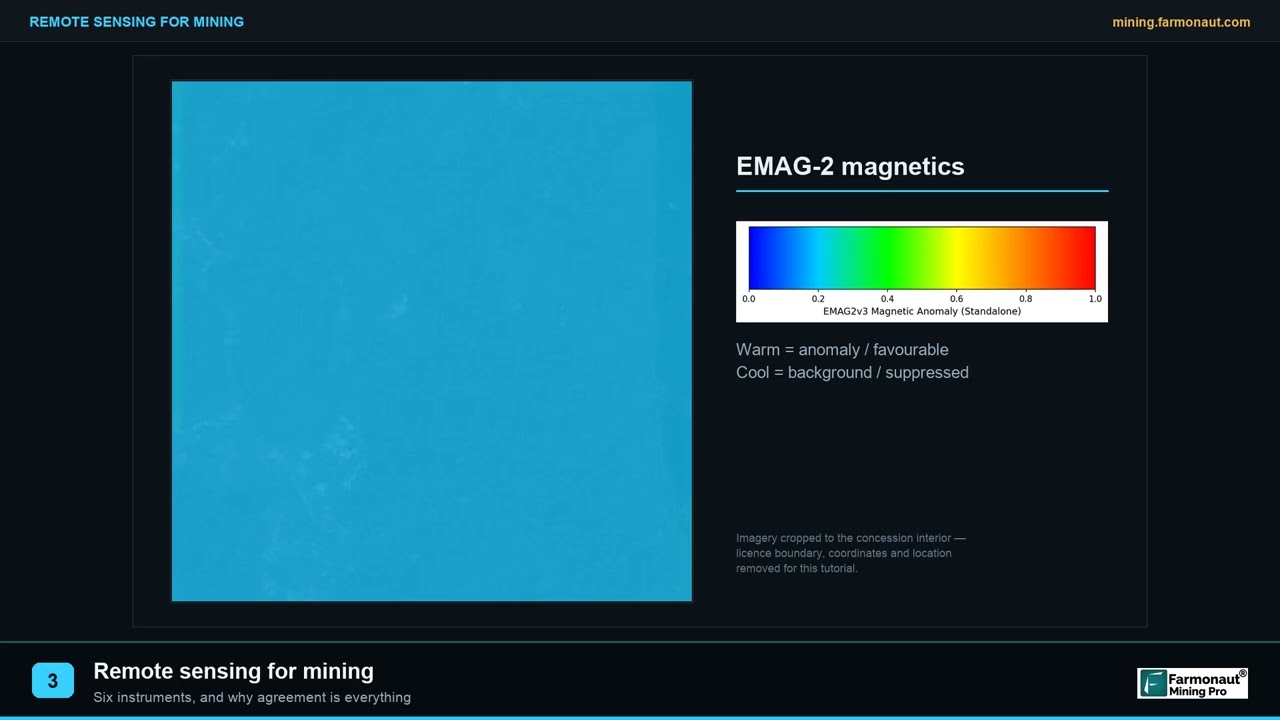
▶ Remote sensing for mining in plain words. · 2:01
Copper ore value calculator
Use the calculator below to see what a day of ore like the early Berkeley Pit feed holds. Enter your own tonnage, grade, recovery and a current copper price. Recovery is the share of copper the mill and smelter actually get out of the ore; the rest goes to tailings.
Calculator
What is a day of copper ore worth?
Enter your own tonnage, grade, recovery and copper price.
- Recovered copper per day (tonnes): 108.4
- Gross value per day (US$): $1,083,750
- Gross value per tonne of ore (US$): $64
Example values only, not a benchmark. Default tonnage and grade echo the Berkeley Pit’s first year (about 17,000 short tons, roughly 15,400 tonnes, a day at 0.75% Cu; the default is rounded to 17,000 tonnes). Copper price is an input: example, use today’s price (LME or COMEX). Value is gross metal value before smelting, transport and mining costs.
Frequently asked questions
What was the Anaconda Copper Mining Company?
It was a US mining company based in Butte, Montana, founded around Marcus Daly’s Anaconda mine in 1881. It became one of the largest copper producers in the world and also mined zinc, silver, manganese, uranium and coal.
Who founded Anaconda Copper?
Marcus Daly, an Irish-born miner, bought the Anaconda claim in 1880 and developed it with San Francisco investors George Hearst, James Ben Ali Haggin and Lloyd Tevis.
What was the international ranking of the Anaconda Company?
In the late 1920s, after buying Chuquicamata in Chile and the Giesche company in Poland, Anaconda was ranked the fourth-largest company in the world.
Is the Anaconda copper mine still open?
No. The original Anaconda underground mine and the Berkeley Pit are closed; mining by the company ended in April 1982. Montana Resources still mines copper and molybdenum at the nearby Continental Pit in Butte.
Who owns Anaconda Copper now?
ARCO bought it in 1977. BP bought ARCO in 2000 and keeps ARCO as the subsidiary that handles Anaconda cleanup and lawsuits. The Anaconda Company no longer mines.
Why did the Anaconda Company close?
Falling ore grades, the loss of Chuquicamata and Cananea in 1971, a failed investment at Twin Buttes in Arizona and low copper prices weakened it. ARCO stopped the smelter in 1980 and mining in 1982.
How deep is the Berkeley Pit?
The pit is about 1,780 feet deep at its deepest, about one mile long and half a mile wide. The lake inside it is more than 800 feet deep.
Can the Berkeley Pit overflow?
No. Water is pumped and treated to keep the level below 5,410 feet above sea level, the protective level set for the site, according to PitWatch.
How tall is the Anaconda smelter stack?
About 585 feet including its foundation, with a brick chimney of about 555 feet. It is the tallest surviving masonry structure in the world.
What happened to Chuquicamata?
Chile nationalised it in 1971. It is now run by Codelco and has been moving from open pit to underground mining since 2019.
What does “copper collar” mean?
It was a Montana term for a person, newspaper or politician controlled by the Anaconda Company.
More from Farmonaut: agro admin app, carbon footprinting, crop loan and insurance, farmonaut satellite weather api developer docs, fleet management, product traceability.
This page is for information only. It is not investment or legal advice.
Farmonaut mining
Map your mining site from space
Screen an old district or a new licence area with satellite data before you plan fieldwork or due diligence.

Mining Pro sample view, synthetic data
Keep reading
Sources
- Wikipedia, Anaconda Copper (company history): en.wikipedia.org
- Wikipedia, Marcus Daly: en.wikipedia.org
- Wikipedia, Berkeley Pit: en.wikipedia.org
- Wikipedia, Anaconda Smelter Stack: en.wikipedia.org
- Wikipedia, Chuquicamata: en.wikipedia.org
- US EPA, Anaconda Co. Smelter Superfund site profile: cumulis.epa.gov
- US EPA, Silver Bow Creek – Butte Area site: epa.gov
- US National Park Service, Butte-Anaconda Historic District: nps.gov
- Montana Bureau of Mines and Geology, Gammons and Duaime: The Berkeley Pit and surrounding mine waters of Butte: mbmg.mtech.edu
- MBMG Open-File Report 781 (Butte mine flooding), via PitWatch: pitwatch.org
- PitWatch, Berkeley Pit Public Education Committee: pitwatch.org
- USGS, Mineral Commodity Summaries 2026: Copper: pubs.usgs.gov
Discussion
Questions, corrections or field experience? Share them below. First-time comments are reviewed before they appear, and your email is never published.
No comments yet. Be the first to add a question or your experience.

 Mining SARL
 SenGold Invest SAS
 Sania Corporation
 Sean Mining Limited
 NTS Group (Pty) Ltd
 Mine4Africa
 Lithspo Minerals Limited
 Tintina Mining Group
 Dalgety Minerals Pty Ltd
 Vortex Minerals Pty Ltd
 Faith At Work (Pty) Ltd
 Geotech Mining Solutions plc
 Vulcan International Limited
 Kidepo Associates
 GKY Mining
 Alkimy SARL
 Double A Trading
 GemSprout Metals Limited
 Qader Group
 Ileys General Trading
 SG Gold Mining LLC
 VRV Global Pte Ltd
 Omsri International FZE
 G.I.T.T.

 Client · Tanzania · Gold
 Client & affiliate partner · Ghana · Gold










