

Reviewed August 2026 against Verra’s VM0042 methodology documentation, USDA Foreign Agricultural Service and Statistics South Africa production data, and USDA Farm Service Agency loan rate tables.
Try it: Run your own numbers →
“South Africa’s first carbon farming project under VM0042 methodology generated 39,207 Verified Carbon Units across 17,581.74 hectares.”
VM0042 is Verra’s methodology for turning improved farming practices — reduced tillage, better fertilizer timing, cover crops, better grazing — into tradeable carbon credits. In South Africa, one project has already done it: 17,581.74 hectares across three provinces generated 39,207 Verified Carbon Units (VCUs), verified by SCS Global Services and registered on Verra’s VCS Program. This article walks through exactly how that project qualified, what VM0042 actually requires (methodology basics that also cover the related VM0004 and VM0010 standards), what the credits are worth in dollars per tonne, and — because satellite-based land monitoring is the same technology whether you’re tracking carbon baselines in South Africa or precision inputs on a farm in Maine — how that monitoring translates to US contexts, including first-time farm financing.
Table of Contents
- What VM0042 Actually Requires
- Inside South Africa’s Certified Project
- Agriculture in South Africa: The Numbers Behind the Project
- What a VM0042 Credit Is Worth
- Precision Landscaping and Precision Agriculture in Maine
- Financing a First Farm Purchase in the US
- Where Satellite Monitoring Fits In
- Carbon Credit Revenue Calculator
- Frequently Asked Questions
- Try it: Run your own numbers
What VM0042 Actually Requires
VM0042, formally “Improved Agricultural Land Management,” is a Verra methodology (current version 2.2) that quantifies greenhouse gas emission reductions and removals from changes to how cropland and grazing land are managed. It does not certify a farm for growing a particular crop — it certifies a change in practice against a documented baseline. Verra’s own standard requires a baseline period of 5 years of historical land-use data before a project can claim credits, per Verra Standards. That 5-year lookback is the part that trips up newcomers: you cannot register a field for VM0042 credits based on next season’s plan alone. You need five years of prior records — cropping history, tillage records, fertilizer application logs — to establish what “improved” is being measured against.
Practices that qualify under VM0042 include:
- Optimized fertilizer application (rate, timing, placement)
- Reduced or eliminated tillage
- Cover crop planting
- Improved grazing management
- Enhanced water management
Quantification combines soil sampling with biogeochemical modeling rather than relying on soil sampling alone — a robust framework precisely because soil carbon changes slowly and unevenly, and a model calibrated against physical samples catches spatial variation that a handful of sample points would miss.
VM0042 sits in a family of Verra agricultural and land-use methodologies. VM0004 addresses methane and nitrous oxide reductions from manure management in confined livestock operations, and VM0010 covers avoided ecosystem conversion. If you searched for VM0004 or VM0010 alongside VM0042, the distinction matters: VM0042 is the one for cropland and grazing-land management changes specifically, while VM0004 and VM0010 apply to livestock-waste and land-conversion projects respectively. A mixed operation — row crops plus a feedlot — could in principle draw on more than one methodology for different parts of the operation, but each requires its own baseline and its own verification.
Inside South Africa’s Certified Project
The CNG AgriCarbon Rewards Programme Project, developed by Anthesis Group (formerly Climate Neutral Group), is Africa’s first carbon farming project validated and verified under VM0042. It generated 39,207 VCUs from improved agricultural land management practices spread across 17,581.74 hectares in three provinces: Eastern Cape, KwaZulu-Natal, and Western Cape. That spread matters for the methodology’s credibility — Eastern Cape and Western Cape have markedly different rainfall and soil profiles from KwaZulu-Natal’s subtropical belt, so a single project succeeding across all three is evidence the practices generalize rather than depending on one favorable microclimate.
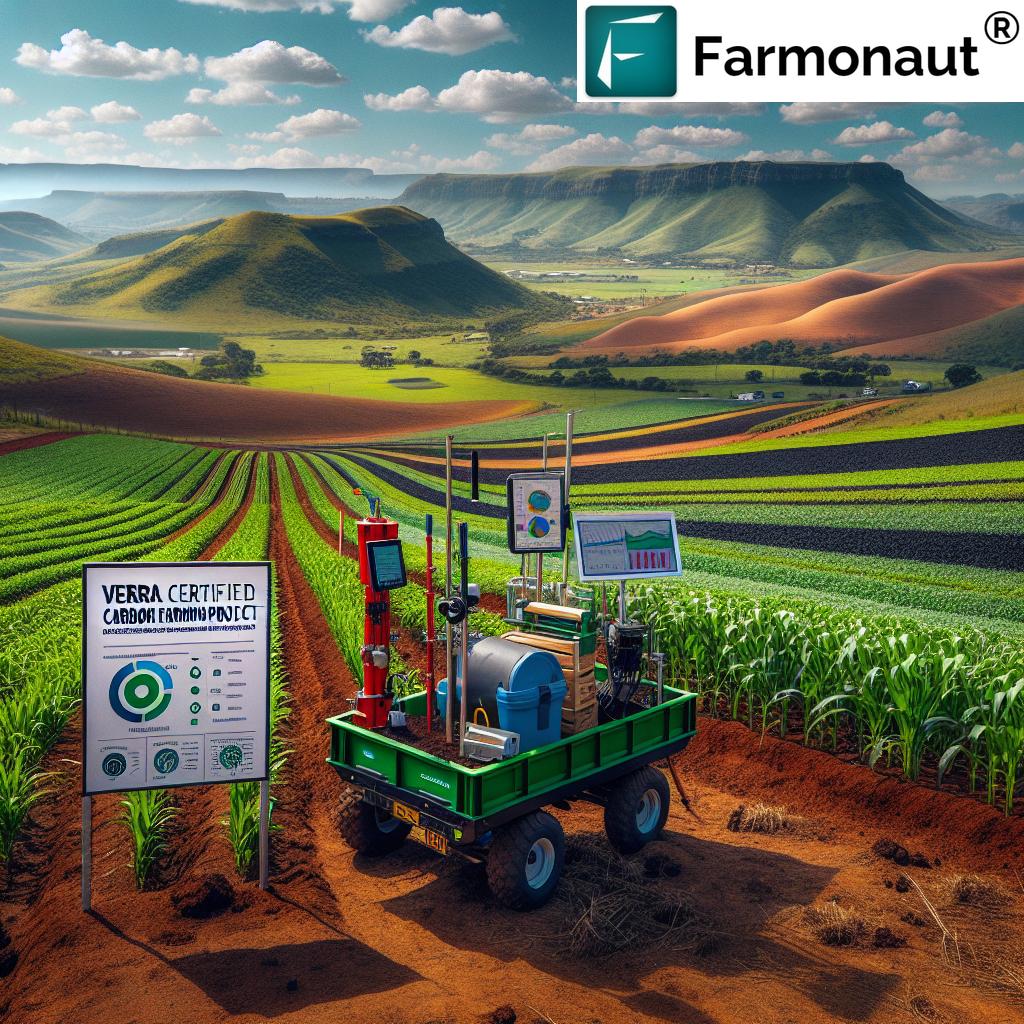
The participating farms implemented three categories of change, all falling within VM0042’s recognized practice list:
- Optimized application of organic and synthetic fertilizers
- Reduced tillage and improved residue management
- Enhanced crop planting and harvesting techniques
These same practices contribute to soil carbon sequestration independent of whether a farm ever registers for credits — the carbon program is a way to monetize a practice change that also raises organic matter and, over time, water-holding capacity in the soil.
SCS Global Services, an international third-party environmental certifier, ran validation and verification through its Greenhouse Gas Carbon Offset Verification Team. Christie Pollet-Young, Vice President of SCS Global Services’ Climate Division, said: “Our participation in this critically important initiative is exactly why we do what we do — help organizations to demonstrate their commitment to innovative practices that promote conservation efforts beneficial to their ecosystem and communities.” Third-party verification is not a formality under VM0042 — Verra requires an accredited validation/verification body to independently confirm both the baseline claims and the monitored results before any VCU is issued, which is what separates a registered credit from a farm’s own self-reported estimate.
| Project Aspect | Value | Why It Matters |
|---|---|---|
| Verified Carbon Units issued | 39,207 VCUs | Each VCU represents one tonne of CO₂e reduced or removed, tradeable on the Verra registry |
| Project area | 17,581.74 hectares | Large enough to demonstrate the methodology works at commercial farm scale, not just plot trials |
| Provinces | Eastern Cape, KwaZulu-Natal, Western Cape | Three distinct rainfall and soil regimes, showing the practices transfer across climates |
| Verifier | SCS Global Services | Independent, accredited third-party confirmation required by Verra before VCU issuance |
| Methodology baseline requirement | 5 years of land-use history | Sets the “improved” comparison point; per Verra’s VM0042 v2.2 standard |
Agriculture in South Africa: The Numbers Behind the Project
To judge whether 17,581.74 hectares is a large or small share of South African cropland, and whether the improved-management practices are realistic at scale, it helps to see the country’s actual production numbers. South Africa’s commercial maize yield was 4.86 t/ha in the 2023/24 season, according to the USDA Foreign Agricultural Service, on total commercial maize production of 12.801 million tonnes that season, per USDA FAS and Statistics South Africa. Across all cereal crops combined, Statistics South Africa recorded a yield of 5,726 kg/ha in 2023.
Those figures are the backdrop against which “improved agricultural land management” gets measured — a farm moving from conventional tillage to reduced tillage isn’t starting from zero, it’s starting from a national maize average around 4.86 t/ha and looking to protect or raise that number while cutting the tillage-related emissions the baseline period captured. Both USDA FAS and Statistics South Africa republish these figures on an annual cycle tied to the local harvest calendar (South Africa’s maize marketing year runs May–April), so a reader checking current numbers should pull the latest Grain and Feed Annual from USDA FAS or the newest Statistics South Africa Report 11-01-01 series rather than assuming these hold indefinitely.
This is also the answer to a broader “agriculture of South Africa” question: the country’s commercial grain sector is measured and reported with the same rigor as US or European agencies use, through Statistics South Africa’s regular crop estimates and USDA FAS’s annual Grain and Feed reports — both cited above, both updated on fixed annual schedules, both freely accessible for anyone tracking year-over-year change rather than relying on a single snapshot.
What a VM0042 Credit Is Worth
39,207 VCUs only means something in dollar terms once you attach a price. Nature-based carbon credits — the category VM0042 projects fall into — averaged $7 to $24 per tCO₂e as of 2026, according to market data aggregators including Sylvera, carboncredits.com, and Senken, per Sylvera. Higher-integrity nature-based credits, the kind backed by rigorous third-party verification like SCS Global Services provided here, command a premium of €15 to €35 per tonne as of August 2026, per carbon market analysts.
Applying that range to the South African project’s 39,207 VCUs gives a rough sense of scale — at $7–$24/tCO₂e, that volume of credits would be worth roughly $274,000 to $941,000 before fees; at the €15–€35 premium tier, roughly €588,000 to €1.37 million. Those are illustrative ranges from the cited pricing bands, not a disclosed sale price for this specific project — Verra’s registry does not publish transaction prices, only issuance volumes, so actual proceeds depend on whichever buyer and contract terms the project developer negotiated.
Carbon credit pricing moves with the broader voluntary and compliance markets, so treat any number here as a snapshot. Readers can track live pricing at carboncredits.com, which aggregates voluntary carbon market and EU ETS pricing daily — though nature-based VM0042-style projects have tended to trade within the €7–€35 band regardless of broader market swings, since buyers seeking high-integrity agricultural credits are a narrower, more price-stable pool than the general carbon market.
“The CNG AgriCarbon Rewards Programme implemented sustainable practices in three South African provinces: Eastern Cape, KwaZulu-Natal, and Western Cape.”
The economic case extends beyond the credit sale itself. Carbon farming’s other benefits — reduced fertilizer spend from optimized application, lower fuel costs from reduced tillage passes, and improved soil water retention — accrue whether or not a given season’s credits get sold at a good price. For farmers weighing whether registration is worth the verification cost, that combination of a direct carbon payment plus ongoing input savings is the fuller picture, not the credit price alone.
Precision Landscaping and Precision Agriculture in Maine
The same satellite and sensor-based monitoring that underpins VM0042 verification — tracking land-use change, vegetation indices, and management practices from above — is the technology base for precision landscaping and precision agriculture work in Maine. The two aren’t the same discipline: precision landscaping typically refers to GIS- and GPS-guided design and maintenance of managed grounds (irrigation zoning, turf and planting layout, drainage), while precision agriculture applies the same geospatial tools to working farmland. Maine’s relevant, documented results are on the agriculture side.
University of Maine researchers measured a 30% reduction in water usage on Maine dairy farms using GIS-guided precision farming technology, in the period following adoption starting in 2020, per University of Maine research. That 30% figure is specifically about water use on dairy operations — a state-level adoption rate for precision techniques across all of Maine’s farms is not published by USDA or any state agency; only a national US adoption figure exists, and it is not broken out by state. A landscaping contractor or farm operator in Maine wanting a state-specific adoption benchmark won’t find one in USDA’s public data; the University of Maine dairy study above is the most specific figure currently available for the state.
That gap is itself useful to know: if a search brought you here looking for “precision landscaping Maine” statistics, the honest answer is that state-level figures are thin, and the 30% water-use reduction from UMaine’s dairy work is the most concrete, sourced number tied to Maine specifically as of this review. Satellite-based monitoring — the same NDVI and soil-moisture layers used in VM0042 carbon baselines — is what made that water-use reduction measurable in the first place, because it let researchers compare irrigation scheduling against actual crop water stress rather than a fixed calendar.
Financing a First Farm Purchase in the US
A first-time farm buyer weighing a purchase alongside a decision to pursue precision agriculture or carbon-program enrollment has a specific federal financing option worth knowing: the USDA Farm Service Agency’s Farm Down Payment loan program. As of December 2024, the program’s interest rate was 1.5%, per the USDA Farm Service Agency, with a maximum loan amount of $300,150 under the current program structure.
USDA FSA updates its loan interest rate table monthly, and each month’s rate is posted the same day it takes effect — so a reader checking financing costs today should go directly to the FSA rates page linked above rather than trust the December 2024 figure indefinitely; farm loan rates move with the broader interest rate environment and the 1.5% figure is specific to that month’s Down Payment program tier, not the FSA’s general farm ownership or operating loan rates.
| Program | Detail | Figure |
|---|---|---|
| USDA FSA Farm Down Payment Loan | Interest rate (Dec 2024) | 1.5% |
| USDA FSA Farm Down Payment Loan | Maximum loan amount | $300,150 |
| Average loan size / uptake by region | Not published by USDA | Contact your local FSA county office for local origination data |
What isn’t published: USDA does not release average loan size or uptake frequency by state or region for this program — only the national program maximum is public. A first-time buyer wanting to know how many Down Payment loans were issued in Maine or South Carolina, or what a typical award looked like, would need to contact their local FSA county office directly, since that operational detail sits below what USDA publishes centrally.
The connection to carbon farming is direct: a beginning farmer financing a first purchase with an FSA Down Payment loan, and later enrolling acreage in a VM0042-style improved land management program, is stacking a low-cost federal loan against a long-horizon carbon revenue stream — neither displaces the other, and USDA loan eligibility is not affected by carbon program enrollment.
Where Satellite Monitoring Fits In
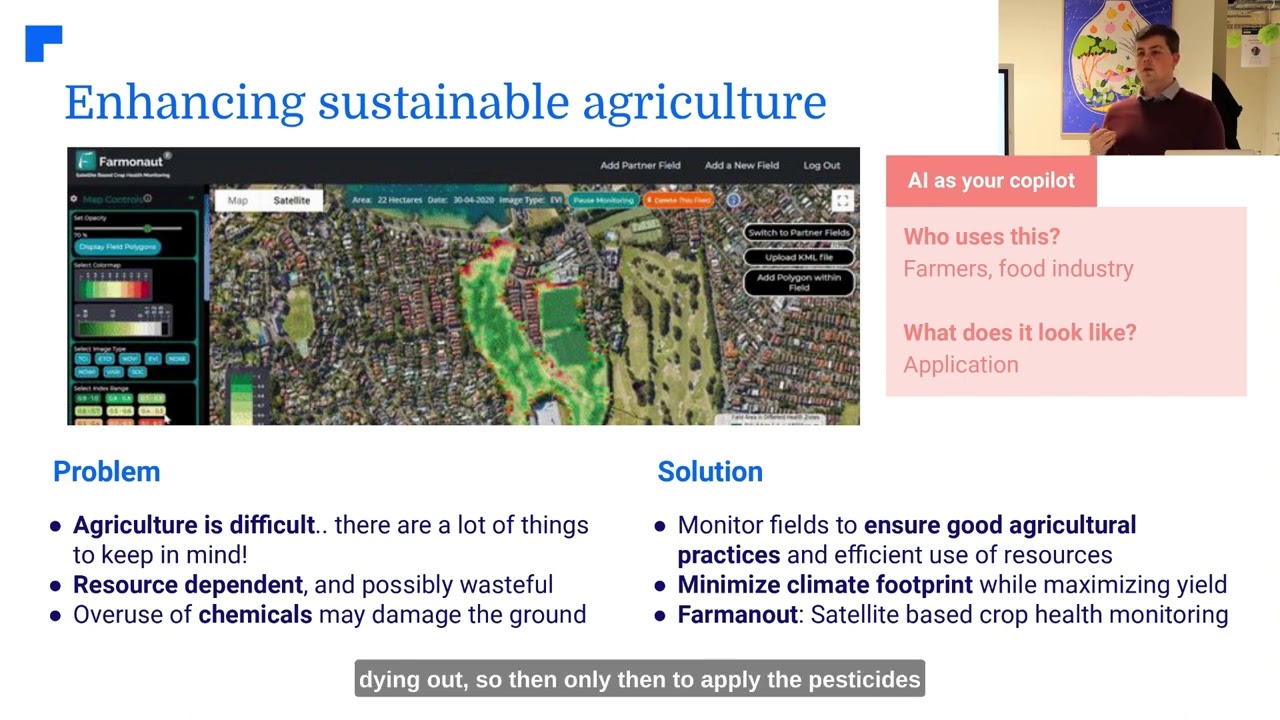
Whether the goal is verifying a VM0042 baseline in the Eastern Cape, cutting irrigation water use on a Maine dairy farm, or managing a newly financed US row-crop operation, the enabling technology is the same category of tool: satellite-based land and crop monitoring paired with AI-driven advisory. At Farmonaut, this is delivered through:
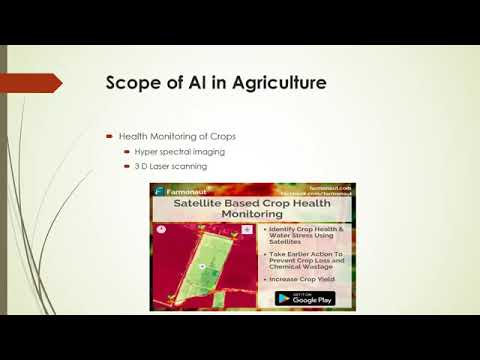
- Satellite-based crop health monitoring
- AI-driven personalized farm advisory (Jeevn AI)
- Blockchain-based product traceability
- Fleet and resource management tools
- Carbon footprint tracking
These tools are not a substitute for VM0042’s required soil sampling and third-party verification — no remote sensing platform replaces an accredited verifier signing off on a registered project — but they generate the kind of continuous, dated land-use record that makes assembling a 5-year baseline, or documenting a change in farming technique, far less manual than reconstructing it from paper records after the fact.
Explore our advanced farm management solutions:



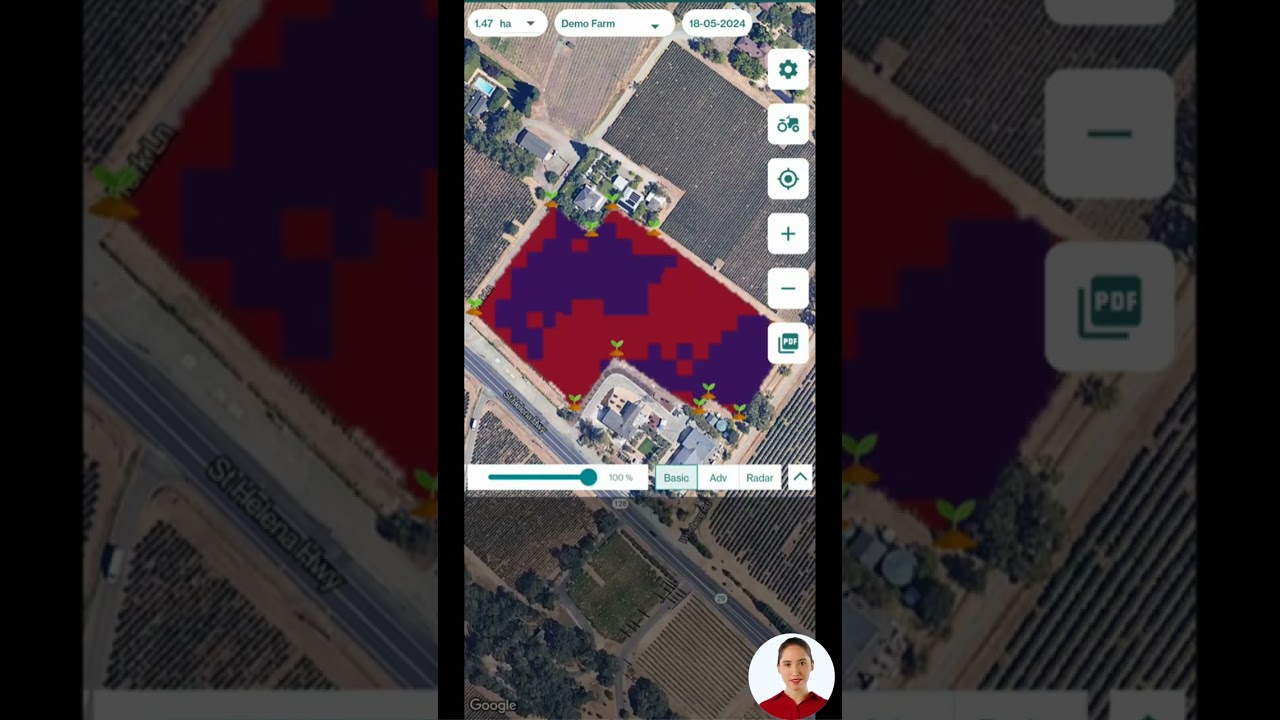
Farmonaut’s satellite monitoring covers large areas of farmland from a single dashboard, which matters for a project spanning 17,581.74 hectares across three provinces the way South Africa’s certified project does — ground-based sampling alone at that scale would be prohibitively slow to repeat every season. For developers building carbon-monitoring or precision-agriculture tools on top of this kind of data, the Farmonaut API and its API Developer Docs expose the same satellite layers used internally.
Scaling Challenges Across Regions
Whether in South Africa, Maine, or elsewhere in the US, scaling improved land management and carbon programs runs into the same recurring obstacles:
- Limited farmer awareness of what qualifies under methodologies like VM0042
- Upfront costs of shifting agricultural techniques, before any credit revenue arrives
- Soil and climate variability, which is exactly why VM0042 requires a 5-year site-specific baseline rather than a generic regional average
- Ongoing monitoring and reverification requirements, which recur every verification cycle, not just at registration
None of these are unique to South Africa — a US farmer considering a similar improved-management carbon program faces the identical baseline documentation burden, and the same question of whether input savings and credit revenue combined justify the transition cost before the first verification cycle closes.
Carbon Credit Revenue Calculator
Use the figures already cited above — VM0042’s per-tonne pricing bands and your own project’s scale — to estimate what your acreage could generate before fees.
Run your own numbers
Assumptions: this calculator uses the $7–$24/tCO₂e standard nature-based range and the €15–€35 (~$16–$38) high-integrity premium range cited from Sylvera and carbon market analysts above; it does not include verification costs, project developer fees, marketing margins, or Verra registry fees, all of which reduce net proceeds. The per-hectare credit rate is an input you set yourself — VM0042 does not publish a fixed per-hectare issuance rate, since it depends on your baseline and the specific practices adopted.
The Economic and Verification Case for Carbon Farming
Beyond direct credit sales, carbon farming opens a revenue channel that didn't previously exist for row-crop and grazing operations: paid recognition for practices — reduced tillage, cover cropping, optimized fertilizer timing — that many operations already have reason to adopt for soil health and input-cost reasons alone. The South African project demonstrates this is not theoretical: a real, verified, tradeable credit volume exists and is registered on Verra's public registry.
The verification side matters as much as the practice side. SCS Global Services' role here is why the 39,207 VCUs carry weight in carbon markets rather than being a self-reported estimate — buyers of nature-based credits price in the credibility of the verifier, which is part of why "high-integrity" premium credits command €15–€35/tonne against a $7–$24/tCO₂e standard-tier floor. Blockchain-based traceability, of the kind Farmonaut offers, can provide an immutable record of farming practices and outcomes over a baseline period, which may streamline future verification cycles, though it does not substitute for the accredited third-party verification VM0042 itself requires.
What Would Change This Story
This article describes VM0042 and South Africa's certified project as a continuing story, not a closed case. Three things would materially change the numbers above and are worth checking before acting on them:
- Carbon credit pricing — the $7–$24/tCO₂e standard band and €15–€35 premium band are current as of 2026 reporting from Sylvera and carbon market analysts; voluntary carbon markets move with buyer demand and regulatory shifts, so check carboncredits.com for the live price before pricing a real credit sale.
- USDA FSA loan rates — the 1.5% Down Payment loan rate is specific to December 2024; FSA republishes rates monthly, so check the current FSA rate table for this month's figure.
- South African production data — the 4.86 t/ha maize yield and 5,726 kg/ha cereal average are for the 2023/24 and 2023 reporting periods respectively; Statistics South Africa and USDA FAS both publish updated figures annually tied to the local harvest calendar.
Additional VM0042-style projects registering in South Africa, expansion of the CNG AgriCarbon Rewards Programme Project into other provinces, or a new methodology version from Verra superseding v2.2 would all be reasons to revisit this piece; none of those changes would alter the underlying mechanics — baseline period, verification requirement, practice list — described above.
Expanding Beyond the Three Certified Provinces
The Eastern Cape, KwaZulu-Natal, and Western Cape project is the first of its kind in Africa, not necessarily the last. Community-level outreach projects and the broader push toward sustainable agriculture solutions across the continent suggest more provinces and countries are candidates for similar registration, provided they can document the 5-year baseline VM0042 requires. The constraint is rarely willingness — it's the historical record-keeping needed to satisfy Verra's baseline documentation, which is exactly the gap that continuous satellite monitoring closes for any operation starting that clock today.

Earn With Farmonaut
Earn 20% recurring commission with Farmonaut's affiliate program by sharing your promo code and helping farmers save 10%. Onboard 10 Elite farmers monthly to earn a minimum of $148,000 annually—start now and grow your income!
Learn More About Our Affiliate Program
Farmonaut Subscriptions
Frequently Asked Questions
Q: What is VM0042?
A: VM0042 is Verra's carbon offset methodology for Improved Agricultural Land Management (version 2.2). It quantifies greenhouse gas reductions and removals from practice changes like reduced tillage, optimized fertilizer application, and cover cropping, against a required 5-year historical baseline. Full detail is in Verra's own VM0042 methodology documentation.
Q: How is VM0042 different from VM0004 and VM0010?
A: VM0042 covers cropland and grazing-land management changes. VM0004 addresses methane and nitrous oxide reductions from livestock manure management. VM0010 covers avoided ecosystem conversion. They are separate Verra methodologies for different project types, each with its own baseline and monitoring requirements.
Q: How many carbon credits did South Africa's VM0042 project generate?
A: The CNG AgriCarbon Rewards Programme Project generated 39,207 Verified Carbon Units across 17,581.74 hectares in Eastern Cape, KwaZulu-Natal, and Western Cape, verified by SCS Global Services.
Q: What is a VM0042 carbon credit worth?
A: Standard nature-based carbon credits averaged $7–$24 per tCO₂e as of 2026, per Sylvera and other market aggregators; high-integrity premium nature-based credits traded at €15–€35 per tonne as of August 2026. Prices move with the broader voluntary carbon market — check current pricing at carboncredits.com before relying on these figures for a transaction.
Q: What is South Africa's agricultural yield, for context?
A: South Africa's commercial maize yield was 4.86 t/ha in the 2023/24 season on 12.801 million tonnes of total production, per USDA FAS and Statistics South Africa. The all-cereals average yield was 5,726 kg/ha in 2023, per Statistics South Africa.
Q: Does precision agriculture reduce water use? What about in Maine specifically?
A: University of Maine researchers documented a 30% reduction in water usage on Maine dairy farms using GIS-guided precision farming technology, in the period following 2020 adoption. A Maine-specific overall adoption rate is not published; only this dairy-specific water-use figure is currently available at state level.
Q: Is there a loan program for a first-time farm purchase in the US?
A: The USDA Farm Service Agency's Farm Down Payment loan program had a 1.5% interest rate as of December 2024, with a maximum loan of $300,150. Rates are republished monthly on the FSA's rates page — check that page for the current rate before applying.
Q: How can technology support carbon farming and precision agriculture?
A: Satellite monitoring, AI-driven advisory, and blockchain-based traceability help document land-use history for carbon program baselines and support day-to-day input decisions like irrigation timing. They do not replace the accredited third-party verification VM0042 and similar methodologies require.
Q: What role does Farmonaut play in this?
A: Farmonaut provides satellite-based farm management, including crop health monitoring, AI-driven advisory (Jeevn AI), carbon footprint tracking, and blockchain traceability. Farmonaut was not directly involved in the South African VM0042 project described above; the tools are relevant to any farm building the land-use record a similar project would require.
Q: How can I get started with Farmonaut's tools?
A: Explore the web app, download the mobile apps for Android and iOS, or use the API for custom integration — see the API Developer Docs for developer access. You can also read more on sustainable farming techniques for additional practice-level detail.

 Yaduka Agrotech
 Kalustyan
 Tucor
Tucor Geno
Geno Hayleys Agriculture
 Linx Agritech
 Adinet
 Save Your Soils
 Grandstream Algérie
 XOS Realty
 Geospatial Lab Africa
 Agro La Gándara
 HIPSAC
 ZOL Zimbabwe
 Juligerm
 MISE Maroc
