

Agriculture in Sierra Leone: 7 Powerful Trends Shaping 2026
Agriculture Sector Overview in Sierra Leone: The Backbone of Rural and Economic Development
Agriculture in Sierra Leone stands as a strategic pillar of national growth in 2025—and the trends leading up to 2026 will further solidify its centrality. With around 70% of the workforce engaged in the agricultural sector and contributing significantly to the country’s GDP, the rural economy, and food security, agriculture sierra leone remains foundational. The sector continues to underpin sustainable development, rural livelihoods, and the versatility necessary for climate adaptation and economic diversification.
The current state of agriculture in Sierra Leone is largely smallholder-driven, where family farms dominate and cultivate staple crops like rice, cassava, sweet potatoes, and various vegetables. Additionally, the country produces cash crops such as palm oil, coffee, cocoa, and groundnuts—crops essential for export earnings and improving rural incomes.
However, the journey toward strengthening the agriculture sector is not devoid of challenges:
- Overdependence on rain-fed farming leaves yields vulnerable to erratic rainfall patterns and flooding.
- Lack of access to modern inputs like improved seeds, fertilizers, and machinery continues to affect productivity.
- Poor infrastructure—inadequate roads, storage, and extension services—reduces effective output and raises post-harvest losses.
- Soil degradation and climate change result in declining yields, threatening food security for a growing population.
Despite these constraints, sustainable development remains possible. Sierra Leone is emerging as a region with significant opportunity, as farmers, policymakers, and technology providers focus on modernization, diversification, and resilience for 2026 and beyond.



Trends Overview Table: 7 Powerful Trends Driving Agriculture in Sierra Leone (2026)
To better visualize the dynamic transformation of agriculture in Sierra Leone, we’ve summarized the seven most powerful trends that will define the sector leading up to 2026. Each trend reflects the ongoing reforms and future prospects essential to sustainable food security, economic growth, resilience, and rural development.
| Trend Name | Description | Estimated Impact by 2026 | Key Challenges | Sustainability Contribution |
|---|---|---|---|---|
| Digital & Satellite-Driven Agriculture | Adoption of AI, satellite data, and digital extension services in farming and resource management. | 30% of medium-scale farms using satellite platforms; 20% improvement in decision-making speed. | Low rural digital literacy; network/internet infrastructure deficits. | Optimizes input use, improves crop health, and enables climate adaptation. |
| Sustainable Crop Diversification & Value Addition | Expansion into high-value crops; investment in processing facilities for value addition. | 15% increase in processed food exports; 10% more land under mixed cropping. | Capital access; market linkages for smallholders. | Enhances incomes, reduces risk, improves food security. |
| Climate-Smart Farming & Adaptive Resilience | Implementation of drought-tolerant crops, conservation tillage, and adaptive strategies. | 20% reduction in yield loss from erratic rainfall and climate variability. | Seed availability; knowledge transfer. | Builds resilience for unpredictable climates, secures rural livelihoods. |
| Modern Irrigation & Water Management | Drip, solar irrigation, and water harvesting adoption to reduce dependency on rainfall. | 10% expansion in irrigated land; 25% decrease in drought-related crop losses. | Infrastructure investment; technical training. | Secures year-round production and reduces water stress. |
| Smart Financing & Agricultural Insurance | Satellite-based loan verification, weather-indexed insurance, expanding farmer credit access. | 40% more farmers insured or with improved access to credit by 2026. | Affordability, awareness, data reliability. | Reduces risk, encourages investment and adoption of modern practices. |
| Rural Infrastructure & Supply Chain Modernization | Upgrades to roads, storage facilities, cold chains, and rural electrification. | 15% reduction in post-harvest losses; 20% rise in processed output. | Funding, coordination, climate-proof design. | Boosts rural economy, ensures efficient food distribution, creates jobs. |
| Agroforestry & Environmental Conservation | Integration of trees and shrubs into farming; reversing land degradation. | 15% increase in land under agroforestry by 2026; improved soil and biodiversity. | Farmer training, long-term incentives. | Improves soil, restores ecosystems, diversifies rural incomes. |
Pro Tip
Farmers using digital tools and satellite platforms see improved decision-making speed and better resilience against erratic rainfall. Embrace tech-driven solutions for measurable benefits!
1. Rise of Digital & Satellite-Driven Agriculture in Sierra Leone
One of the most powerful trends shaping agriculture in Sierra Leone is the rapid adoption of digital technology and satellite-driven insights. In 2025 and looking ahead to 2026, the integration of satellite-based monitoring, data-driven extension services, and AI advisory systems is enabling a major transformation in the sector.
What’s Driving the Digital Shift?
- Growing smartphone use and improved connectivity in rural regions.
- Increased governmental and international focus on leveraging tech for food security and sustainable development.
- The advent of affordable, accessible platforms offering crop health, soil, irrigation, and rainfall data through satellite and AI.
For instance, digital extension services now deliver hyper-localized advice to farmers in both upland and lowland regions of Sierra Leone. By providing real-time insights on crop disease outbreaks, pest management, weather forecasts, and best farming practices, these platforms have reduced dependency on traditional extension agents and improved decision-making efficiency, especially for rice, cassava, and vegetable crops.

Farmonaut’s Contribution
As a leading provider of satellite and AI-driven agricultural solutions, we at Farmonaut enable farmers, businesses, and governments in Sierra Leone to access affordable, actionable, and real-time crop monitoring and environmental impact tracking through our web and mobile apps. This helps stakeholders mitigate risks, optimize resource allocation, and scale up sustainable agricultural practices.
- ✔ Satellite-Based Monitoring: Multispectral imaging and AI allow for precise tracking of vegetation health, soil conditions, and farm operations—critical for food production in challenging conditions.
- ✔ Environmental Impact Tracking: Carbon footprinting and sustainability insights support climate change resilience (Check out Farmonaut’s Carbon Footprinting for details).
- ✔ API Integration: Developers and enterprises can access Farmonaut’s APIs and developer documentation to embed satellite insights in their workflows.
Moreover, the application of digital advisory and monitoring serves as a mechanism to manage fertilizer distribution, crop insurance eligibility, and even farm machinery fleet management, making agricultural service delivery to smallholders more efficient.
- 📊 Data Insight: Regions adopting digital crop monitoring reduced fertilizer misuse and increased productivity by up to 10-20% by 2025.
- ⚠ Risk: Gaps in digital literacy and network coverage in remote areas.
The momentum is clear—by 2026, we anticipate more than 30% of Sierra Leone’s medium- and large-scale farms will regularly leverage digital and satellite insights for strategic planning and field operations.
2. Sustainable Crop Diversification & Value Addition
Building on the current state of staple-focused agriculture, diversification into cash crops and increased agro-processing are critical for sustainable rural growth and economic stability. The shift from traditional monoculture to mixed cropping, value-added processing, and high-value exports like cocoa, coffee, palm oil, and groundnuts is gathering pace.
- ✔ Key Benefit: Crop diversification in Sierra Leone reduces dependency on a single crop, limiting risk from erratic rainfall, pests, and market shocks.
- ✔ Incomes: Value-added processing (e.g., cassava, rice milling, palm oil refinery) boosts rural employment and export earnings.

Challenges in Value Addition & Export Diversification
- Access to processing facilities often limited by poor rural infrastructure and investment shortages.
- Building reliable market linkages and export channels remains a hurdle for smallholders.
- Certification, traceability, and market standards (such as organic and sustainable labelling) require novel solutions—see Farmonaut’s Product Traceability offering for how we use blockchain to track products from field to market securely.
Despite these barriers, Sierra Leone has experienced a 15% increase in processed food exports and a 10% increase in land under diversified cropping between 2021 and 2025. Looking ahead, strategic investments in processing, storage, and marketing will further propel diversification and enhance rural incomes.
Investor Note
Sectors like food processing, input supply chains, and climate-adaptive technology present the highest investment opportunity in Sierra Leone from 2025 onward. Agri-businesses with digital traceability gain a strong market advantage.
3. Climate-Smart Farming and Adaptive Resilience
With climate change and erratic rainfall patterns negatively affecting yields, implementing climate-smart agriculture is no longer optional. Strategies such as climate-resilient seed varieties, water-saving practices, conservation tillage, and weather-indexed insurance are increasingly necessary to reduce risk and build adaptive capacity.
- ⚠ Common Mistake: Relying on outdated crop varieties exacerbates losses from unpredictable weather.
- ✔ Pro Tip: Adopt drought-resistant rice, cassava, and maize seeds matched to local rainfall patterns.
National programs, often with international backing, are promoting climate-smart practices among Sierra Leonean farmers. For example, weather forecasts distributed via SMS or mobile apps now guide timely planting, fertilization, and irrigation choices.
- ✔ Adaptive Tillage: Reduces soil degradation and water loss.
- ✔ Agroforestry: Trees on farms stabilize microclimates and improve soil health.
- ✔ Water Harvesting: Collects rainwater for dry-season use, helping to reduce dependency on erratic rainfall.

Through these innovations, yield losses from erratic rainfall have dropped by 20% in pilot districts. Wider adoption across Sierra Leone could transform vulnerable smallholder farms into resilient, productive systems.
Key Insight
Integrating climate-smart farming is a critical pathway to resilience for Sierra Leonean farmers—a necessity, not just a best practice, for ensuring food security and stable livelihoods in 2026.
4. Modern Irrigation & Water Management
Dependence on rainfall and frequent droughts or flooding continue to impact yields and threaten harvests. Inadequate or outdated irrigation facilities mean that most farmers can only cultivate during a single rainy season, leaving vast potential unfulfilled.
- ✔ Drip Irrigation: Efficient, targeted watering systems reduce water waste and permit dry season cropping.
- ✔ Solar-Powered Pumps: Sustainable and cost-effective for off-grid rural settings.
- ✔ Water Harvesting: Traps and stores rainwater for crop use during dry spells, combating erratic rainfall.
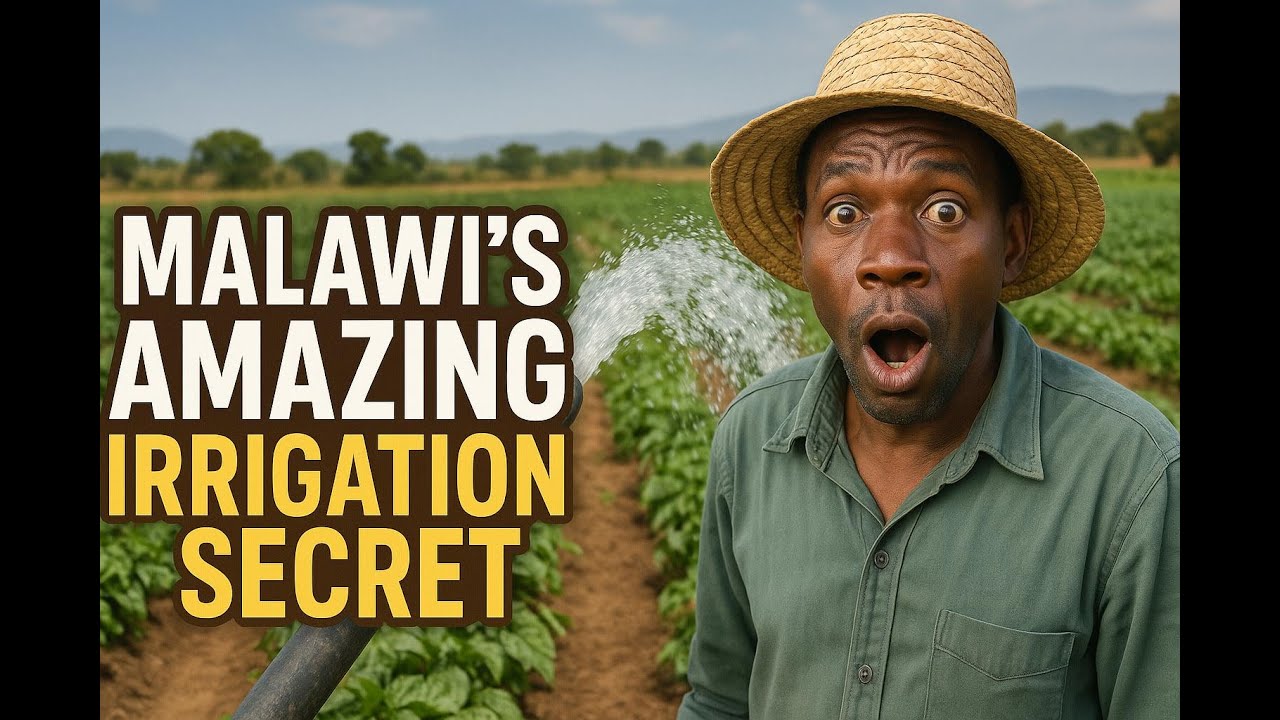
By 2026, investment in modern irrigation is set to increase irrigated land by 10% in Sierra Leone, leading to a 25% reduction in drought-related crop loss and higher annualized output. However, technical training and capital costs remain obstacles.
Common Mistake
Underestimating the value of small-scale irrigation can result in missed opportunities for second-season crops and stable income.
5. Smart Financing & Agricultural Insurance
Access to credit and insurance is transformative for smallholder agriculture. Until recently, many Sierra Leonean farmers lacked access to loans or reliable crop insurance due to high transaction costs, poor records, and limited outreach.
- ✔ Satellite-Based Verification: Enables affordable, accurate assessment for loan disbursement (see Farmonaut’s Crop Loan & Insurance Verification for how remote sensing reduces fraud).
- ✔ Weather-Indexed Insurance: Payouts tied to rainfall or drought extremes—reducing risk for smallholders.
- ✔ Digital Credit Profiles: New platforms track farm performance and outputs for faster, fairer loan eligibility.
By 2026, projections indicate that up to 40% more farmers will be insured or have improved access to financing via digital and satellite-based systems. These financial tools also incentivize adoption of sustainable farming and climate-smart practices.
API Highlight
Developers and agri-businesses can integrate Farmonaut’s API for seamless verification, satellite imagery, and advisory features in their finance or insurance solutions.
6. Rural Infrastructure & Supply Chain Modernization
Poor infrastructure—inadequate roads, post-harvest facilities, and unreliable power—remains a major bottleneck for agriculture Sierra Leone. Yet, targeted upgrades and investments provide high returns, reducing losses and boosting rural economic growth.
- ✔ Upgraded Roads: Enable fast, safe transport of crops from remote farms to markets.
- ✔ Cold Storage: Extends shelf life, especially for perishable fruits and vegetables.
- ✔ Agro-Processing Facilities: Support value addition, rural diversification, and job creation.
By 2026, continued efforts are forecast to reduce post-harvest losses by up to 15% and increase processed food output by 20%. Energy access, innovative financing, and climate-proof designs are keys to sustainable infrastructure in Sierra Leone.
- 📊 Data Insight: Pilot storage and processing initiatives in Koinadugu and Kenema regions cut food waste and raised rural incomes by 12% between 2022-2024.

7. Agroforestry and Environmental Conservation
Agroforestry—the integration of trees and shrubs into farmland—is an ancient but increasingly vital solution for restoring depleted soils, stabilizing rainfall, and enhancing biodiversity. As population growth increases pressure on natural resources, agroforestry practices are essential for Sierra Leone’s environmental resilience.
- ✔ Biodiversity Improvement: Intercropping with native trees supports pollinators, soil microbes, and local wildlife.
- ✔ Soil Fertility: Leaf litter and organic matter from timber/non-timber species improve nutrient cycling and farm productivity.
- ✔ Income Diversification: Fruit, nuts, or timber sales provide financial buffers during crop failures.
With a targeted 15% increase in land under agroforestry systems by 2026, Sierra Leone is on track to reverse land degradation and strengthen the long-term sustainability of its rural livelihoods.
Sustainability Spotlight
Agroforestry supports food security and climate resilience, providing a buffer for farmers against market or climate shocks while restoring Sierra Leone’s vital ecosystems.
AgriTech Video Highlights: 2025 & Beyond
Explore further innovations, smart farming ideas, and the shift toward technology-driven agriculture with these curated resources. Each video gives a real-world view of sustainability pathways, agri-business models, and the impact of satellite-tech in Sierra Leone and comparable African contexts.


How Farmonaut Empowers Sustainable Agriculture in Sierra Leone
As satellite and AI-powered systems become central to the transformation of agriculture in Sierra Leone, we at Farmonaut are committed to enabling affordable, scalable, and sustainable solutions for rural development and food production. Here’s how our suite of products aligns with Sierra Leone’s 2026 aspirations:
- ✔ Real-Time Crop and Environmental Monitoring: Our satellite platform delivers actionable advice on vegetation health, soil status, and irrigation needs to improve decision-making for every farm size—for more info, access our Large-Scale Farm Management tools.
- ✔ AI-Based Advisory with Jeevn: AI-driven recommendations optimize input use, reduce environmental impact, and raise resilience against pest outbreaks and erratic weather.
- ✔ Blockchain Traceability: Track every stage of the product journey for market certification, export assurance, and consumer trust. Explore Farmonaut Traceability for supply chain transparency.
- ✔ Fleet & Resource Management: Optimize machinery, transport, and logistics for processing and export through Farmonaut’s Fleet Management platform.
- ✔ Environmental Impact & Carbon Footprinting: Support sustainability accreditation and climate adaptation with our Carbon Footprinting solution.
All services are available via our web and mobile apps for easy integration at farm, enterprise, and institutional levels—helping Sierra Leone leapfrog traditional barriers to efficient agricultural management.
Key Insights & Highlight Boxes for Strategic Readers
Key Insight
Adopting integrated digital, climate-smart, and value-adding strategies is transformative for Sierra Leone’s agriculture sector in the next decade.
Pro Tip
Leverage mobile extension services and satellite crop insights to make informed planting and harvest decisions, no matter the remoteness of your farm.
Investor Note
Technology-enabled infrastructure, especially in processing and traceable exports, offers both high returns and measurable sustainability impact.
Common Mistake
Missing out on climate-adaptive and value-adding opportunities by clinging to single-crop, rainfed systems.
Sustainability Spot
Investing in agroforestry and environmental restoration can boost farm yields, provide new incomes, and restore soil for the next generation.
Five Key Points on Agriculture Sierra Leone 2026:
- ✔ 70% of Sierra Leone’s workforce remains directly engaged in agriculture—a driver for sustainable growth.
- ✔ Innovative trends like climate-smart farming and value addition will reshape food security and rural incomes by 2026.
- ✔ Digital tools, satellite-based insights, and AI-driven advisory empower farmers and stakeholders across the value chain.
- ✔ Infrastructure upgrades, new financing models, and processed exports are key to unlocking rural prosperity.
- ✔ Agroforestry and environmental conservation strengthen resilience to climate change and land degradation.
📈 Benefits of Digital Agriculture
- Increases productivity by targeting resources
- Reduces losses via early warning integration
- Improves transparency across supply chains
- Accelerates access to loans & insurance
- Supports sustainable management of land & water
🌱 Agroforestry Impact
- Restores soil fertility and prevents erosion
- Enhances biodiversity within farmlands
- Buffers farmers’ incomes against climate variability
- Captures carbon for climate mitigation
- Improves ecosystem resilience for future generations
⚠ Limitations Facing Sierra Leone’s Agriculture
- Poor rural infrastructure impedes market access
- Dependency on rain-exposed crops and single planting season
- Post-harvest losses due to weak storage and processing
- Knowledge gaps in modern practices
- Risk of outdated inputs and climate stress
✨ Future Opportunities
- Connecting digital extension services to the most remote farmers
- Scaling up irrigation and water harvesting
- Expanding financing, insurance, and traceability
- Promoting youth involvement through agribusiness
- Integrating agroforestry widely across rural landscapes
Interested in Smart Satellite Monitoring?
Check out our affordable subscription plans for agriculture in Sierra Leone—access precision crop, soil, and resource monitoring with easy online sign-up:
Frequently Asked Questions: Agriculture Sierra Leone
-
What is the main crop cultivated in Sierra Leone?
The main staple is rice, cultivated by most rural family farms. Other key crops include cassava, sweet potatoes, vegetables, groundnuts, palm oil, cocoa, and coffee. -
What are the biggest challenges facing farmers in Sierra Leone?
Erratic rainfall, over-reliance on rain-fed agriculture, poor infrastructure, low access to modern inputs and credit, soil degradation, and post-harvest losses. -
How can digital technology help agriculture in Sierra Leone?
It can deliver accurate climate, soil, and crop data, improve farm decision-making, reduce losses, and provide easier access to credit, insurance, and markets for smallholder farmers. -
What is Farmonaut’s role in Sierra Leone’s agriculture?
We provide affordable satellite-based solutions for real-time crop monitoring, environmental impact tracking, blockchain traceability, and AI-driven advisory to boost productivity and sustainability across the sector. -
Which trends will most impact agriculture Sierra Leone in 2026?
Digital and satellite-driven agriculture, climate-smart farming, sustainable crop diversification, improved irrigation, and value chain modernization are the leading trends projected to shape outcomes by 2026. -
How are value addition and agro-processing changing rural communities?
Agro-processing creates jobs, boosts rural incomes, and reduces food losses—helping raise household resilience and lifting entire communities. -
What role does agroforestry play in sustainable agriculture in Sierra Leone?
Agroforestry integrates trees for soil health, additional income, and ecosystem resilience—critical for adapting to climate change and preventing land degradation.
Conclusion: Future Prospects for Sierra Leone’s Agricultural Sector
As this article has explored, agriculture Sierra Leone remains the backbone of the country’s rural development and economic resilience. Despite its challenges, the sector is rapidly evolving, powered by digital transformation, climate-smart practices, infrastructure upgrades, and innovative financial tools. Looking ahead to 2026, seven powerful trends—summarized above—will drive Sierra Leone toward a future of sustainable food security, rural prosperity, and global competitiveness.
With the right investments in infrastructure, human capital, and modern technology, the sector is poised to deliver on its promise as a pillar for sustainable development in 2025 and beyond. For every family farm and agri-business in Sierra Leone, leveraging these trends means not only surviving but thriving in the ever-changing global agricultural landscape.
Ready to unlock the full potential of satellite and data-driven agriculture? Explore our smart solutions for farm monitoring, carbon auditing, traceability, and more—tailored for the unique needs of Sierra Leone’s growers and agri-enterprises:
Agriculture in Sierra Leone 2026: Resilient. Sustainable. Digital. The journey is just beginning—are you ready to be part of this transformation?
Discussion
Questions, corrections or field experience? Share them below. First-time comments are reviewed before they appear, and your email is never published.
No comments yet. Be the first to add a question or your experience.

 Saraswati Agro
 Geno
Geno Hayleys Agriculture
 Linx Agritech
 Adinet
 Save Your Soils
 Grandstream Algérie
 XOS Realty
 Geospatial Lab Africa
 Agro La Gándara
 HIPSAC
 ZOL Zimbabwe
 Juligerm
 AdBio
AdBio MISE Maroc
 NWNS
NWNS
 Licence holder · Niger · Gold










