

Agriculture in Israel: Powerful Innovations Shaping 2026
Overview: Israel’s Agricultural Model in 2025–2026
Agriculture in Israel remains a beacon of innovation, resilience, and cutting-edge sustainability. Despite facing natural challenges—particularly arid climates and limited water resources—the country stands as a global benchmark for advanced agricultural technology and farming practices. By 2025, and looking ahead to 2026, Israel continues to lead globally in water management, irrigation methods, precision agriculture, and biotechnology. This makes Israel’s agricultural model both highly relevant and adaptable for any region characterized by resource scarcity.
In this comprehensive exploration, we will dive into:
- Innovative agricultural techniques—from drip irrigation to AI-driven tools
- Success in managing water scarcity and environmental challenges
- Advances in crop diversity, biotechnology, and urban agriculture
- Economic contributions and pioneering exports
- Desert farming, afforestation, and future sustainability strategies
These remarkable achievements have made agriculture in Israel a model for the world.



Innovative Agricultural Practices in Israel
Agriculture in Israel thrives because of relentless research, development, and the adoption of advanced technologies. The sector continuously innovates to improve resource efficiency, crop yields, and sustainable practices, setting standards for regions worldwide.
Key innovations and practices include:
- Drip Irrigation: Pioneered decades ago, drip irrigation remains a cornerstone of Israeli agriculture, delivering water directly to plant roots to minimize wastage and maximize yield—even under arid and challenging conditions.
- Precision Tools: Israeli farmers use drones, remote sensors, and AI-based analytics to monitor soil health, adjust irrigation schedules, and optimize resource use in real time. This strategic approach allows for significant reductions in water, fertilizer, and pesticide application.
- Continuous Research and Development: The sector invests heavily in techniques like controlled-environment agriculture, vertical farming, and adaptive crop varieties that can flourish in the most challenging climates.

The combination of these innovative tools and techniques has enabled Israel to achieve what many would consider impossible given its natural resource constraints. By the 2020s and looking ahead to 2026, the focus on precision agriculture will continue to boost productivity, reduce environmental impacts, and inspire similar advancements globally.
Comparative Technologies Impact Table
To illustrate the impact of Israel’s leading agricultural innovations, the following table summarizes key technologies and their environmental, water-saving, and productivity benefits, supporting a sustainable future for global agriculture:
| Technology/Innovation | Description | Estimated Implementation Year | Estimated Water Savings (%) | Estimated Yield Increase (%) | Sustainability Impact |
|---|---|---|---|---|---|
| Drip Irrigation | Delivers water directly to plant roots using minimal resources. | 1965 (pioneered), updated through 2025 | Up to 60% | 30%–50% | High |
| Desalination Plants | Converts seawater from Mediterranean for agricultural and urban use. | 2005–2025 | 15%–20% | Indirect, up to 10% | Medium |
| Precision Agriculture with Sensors/Drones | Remote sensors, IoT devices and drones monitor crops and manage inputs. | 2015–2026 | 20%–40% | 15%–30% | High |
| Wastewater Recycling (Shafdan) | Treats and repurposes up to 90% of used water for irrigation. | 1990–2025 | Up to 85% | Indirect, up to 5% | High |
| AI-powered Smart Irrigation | Uses weather, moisture, and crop data to automate water application. | 2020–2026 | 15%–30% | 10%–25% | High |
| Genetically Optimized Seeds | Biotechnology reduces inputs needed and increases resilience. | 2015–2025 | Up to 20% | 15%–25% | Medium |
| Vertical & Urban Farming | Space-saving, high-density crop systems for cities. | 2018–2026 | NA (mainly reduces land use) | 30%–80% (per area) | High |
Water Management and Sustainability Solutions
Water scarcity is perhaps the biggest challenge facing agriculture in Israel. But thanks to innovative management solutions, the country stands as a global model of resilience and sustainability, balancing human, urban, and agricultural needs with remarkable efficiency.
Key strategies include:
- Wastewater Recycling: Israel recycles approximately 90% of its wastewater—the highest rate globally—by treating, repurposing, and channeling it for efficient irrigation of food and non-food crops. This circular approach conserves natural water sources and exemplifies sustainable resource management.
- Desalination Plants: Major desalination facilities along the Mediterranean coast provide fresh water to urban and agricultural communities, supplementing traditional sources and ensuring continuous supply, even during drought periods.
- Smart Irrigation Networks: Integrating AI and IoT technologies, these networks dynamically adjust irrigation schedules based on weather forecasts, soil moisture levels, and crop growth stages. This minimizes water wastage and improves overall efficiency.
- Remote Monitoring and Forecasts: Combining satellite data and on-ground sensors, Israeli farms use real-time information to predict moisture needs and adjust usage—further reducing waste and enhancing productivity.
Impact on Environment & Food Security:
- The reuse of treated wastewater eliminates effluent discharge into sensitive habitats, minimizing environmental impacts and supporting ecosystem health across the region.
- Continuous water innovation underpins Israel’s ability to produce fresh food year-round, directly strengthening food security.
- Global relevance: These water management solutions are increasingly adopted by countries facing similar arid conditions and resource limitations.
“Drip irrigation, invented in Israel, boosts crop yields by up to 50% while using 40% less water.”
To support global climate and sustainability objectives, our Carbon Footprinting solution empowers stakeholders with the ability to monitor and optimize agricultural carbon emissions using satellite data and AI.
This enhances regulatory compliance and advances climate-smart agriculture—integral for future-ready farming.
Crop Diversity and Advanced Biotechnology in Israeli Agriculture
Crop diversity is a pillar of Israel’s agricultural success. Thanks to innovative biotechnology and rigorous research and development, Israeli farms cultivate a vast array of food, flower, and industrial crops tailored to arid environments.
- Genetically Optimized Seeds: By developing crop strains that require less water and fertilizer—while being resistant to pests and diseases—the country reduces environmental impacts and enhances food security.
- Cultivation in Harsh Soils: Advanced soil science and seed optimization have enabled the productive use of saline, sandy, and otherwise marginal lands. This accomplishment further expands arable land area throughout the region.
- Innovative Crop Protection: Environmentally safe, targeted methods—such as biological pest control and minimal synthetic pesticide reliance—improve crop health and align with sustainable practices.
- Urban and Vertical Farming: Israel is at the forefront of bringing agriculture to urban environments, with vertical farms reducing land use and supporting local food supply chains.

Advanced Analytics and Remote Sensing
Real-time crop monitoring and analytics—using satellite technology, AI, and multi-spectral imaging—allow for early detection of plant stress, soil moisture discrepancies, and disease outbreaks. This not only helps farmers maximize yields but also allows for efficient use of resources and adaptability to climate change.
Crop Traceability: For truly transparent food supply chains, our product traceability system harnesses blockchain technology to record every critical point from farm to table. This supports safety, authenticity, and trust in global exports.
The Role of Biotechnology in Sustainable Agriculture
By developing new crop varieties, Israeli researchers ensure that agriculture not only survives but thrives in difficult conditions. Genetic engineering continues to reduce inputs, conserve land and water, and safeguard yield in an uncertain climate.
- No-till and cover-cropping programs enhance soil health.
- Bio-fertilizers and beneficial microbes reduce chemical fertilizer demand.
- Early maturing and drought-resistant varieties lock in food security as climate change impacts intensify.
Agricultural Exports and Economic Impact of Israel
The agricultural sector has a strong influence on both the economy and exports of Israel. Fresh produce like avocados, dates, and cherry tomatoes enjoys significant demand in global markets—in part due to superior quality and innovative, sustainable packaging techniques.
- High-value exports: Advanced packaging protects freshness and nutritional value, reducing food loss during transport and enhancing Israel’s position in global food supply chains.
- Agri-tech services: Israeli technologies, ranging from analytics platforms to smart irrigation devices, are exported and adopted across the globe, further strengthening the country’s economy.
- Food security: The ability to grow and export efficiently in challenging conditions supports national sovereignty and resilience, while establishing frameworks for food importers across arid regions.
To enable financial access, our cropland verification uses satellite imagery to streamline agricultural loan and insurance processing—minimizing fraud and improving food sector stability.
Forestry and Desert Agriculture Initiatives in Israel
Although naturally limited by the arid climate, forestry and desert agriculture initiatives in Israel contribute meaningfully to combating land degradation and developing new arable areas:
- Afforestation Programs: Planting trees in desert regions like the Negev creates windbreaks, enhances microclimates, improves soil quality, and slows encroaching desertification. These programs boost local livelihoods and combat climate change impacts.
- Agroforestry: By integrating food and timber crop systems, Israel increases biodiversity and enriches nutrient cycles for farming communities—enhancing both productivity and resilience.
- Desert Farming: Leveraging innovative irrigation and soil management, new initiatives reclaim wastelands and expand food production. Agricultural R&D drives solutions that align with sustainability goals and carbon sequestration.
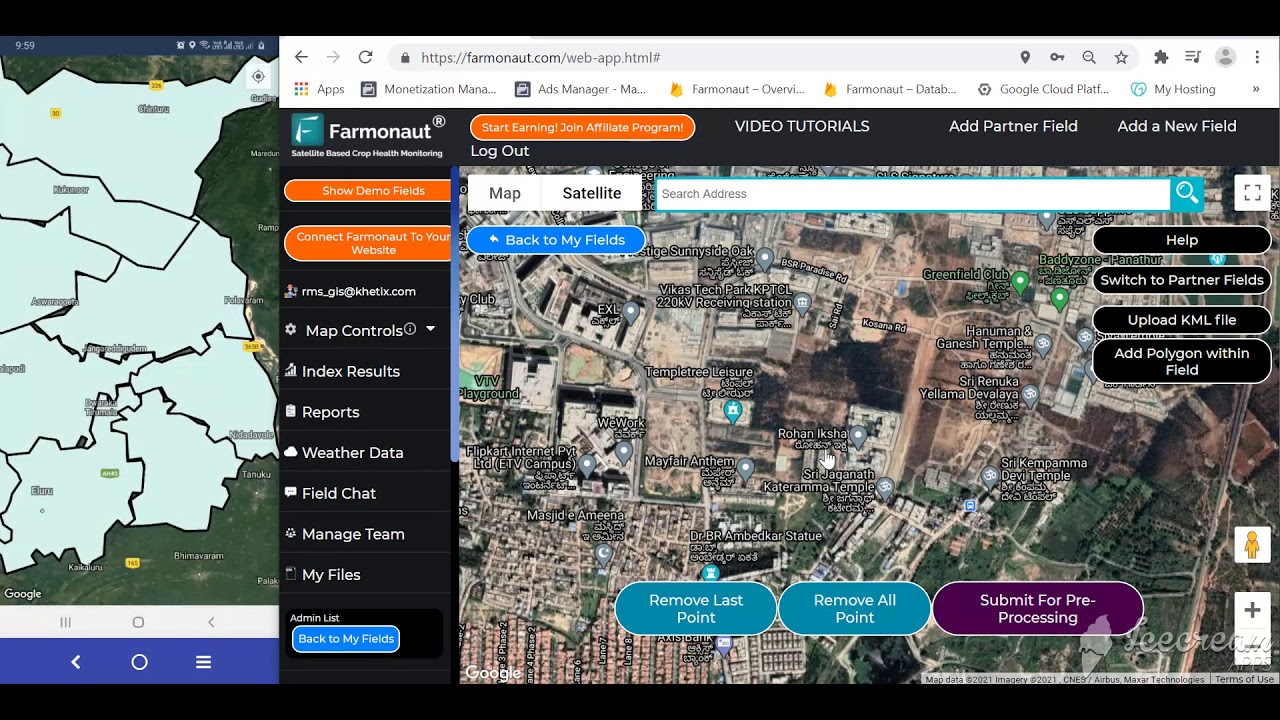
For organizations overseeing extensive landscapes, our large-scale farm management platform streamlines field mapping, satellite monitoring, and advisory services to support sustainable growth and conservation.
Farmonaut: Satellite Technology for Modern Agriculture
As agricultural challenges intensify due to climate change, resource limitations, and environmental impacts, advanced monitoring becomes essential. At Farmonaut, we harness satellite, AI, and blockchain technology to transform how farmers, agencies, and organizations navigate these challenges worldwide—including regions inspired by Israel’s example.
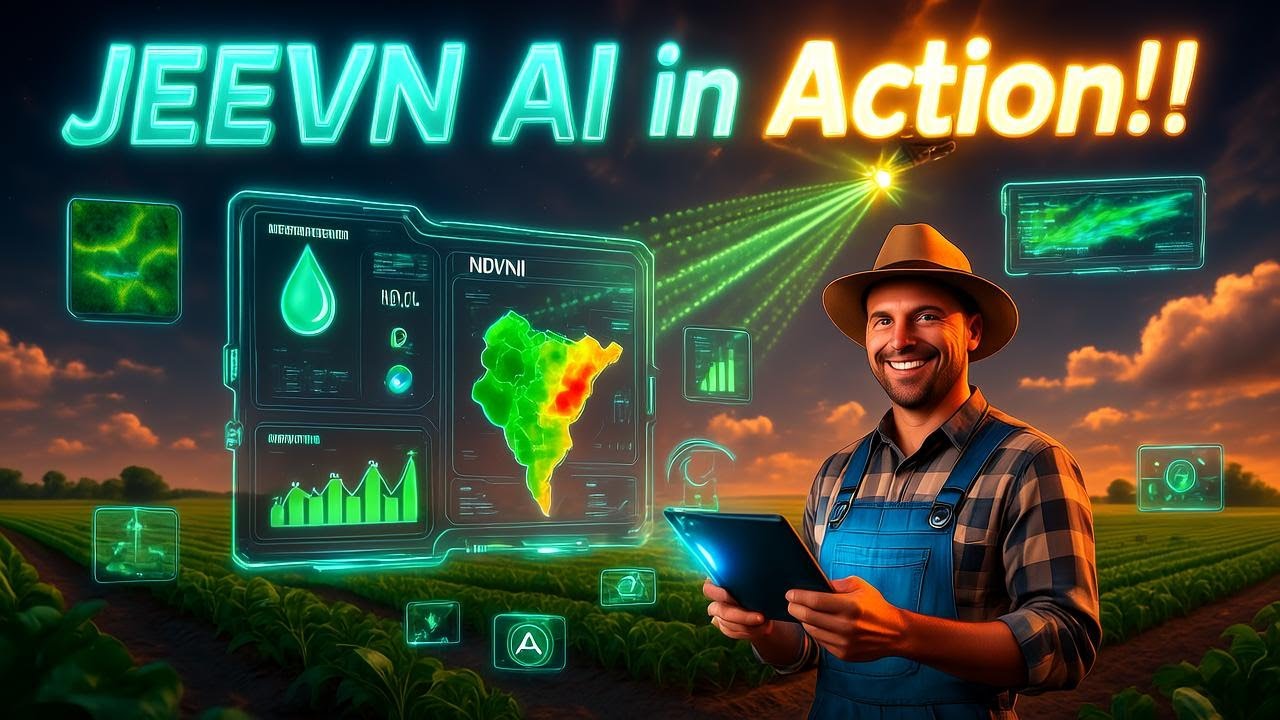
- Real-Time Satellite Crop Insights: We offer NDVI-based crop health, soil analysis, and predictive weather monitoring—empowering users to optimize inputs and conserve water.
- Jeevn AI Advisory System: Our AI analyzes satellite data to give farmers and professionals tailored advice on irrigation, fertilization, and risk management for maximum productivity with minimum waste.
- Blockchain Traceability: We enhance transparency for food and commodity chains, supporting consumer trust and regulatory compliance using blockchain technology.
- Environmental Impact Monitoring: We provide comprehensive carbon footprint tracking, boosting sustainability and accountability for farms, enterprises, and governments.
- Fleet & Resource Management: From field equipment to logistics, our tools reduce downtime, enhance safety, and ensure optimal use of resources.
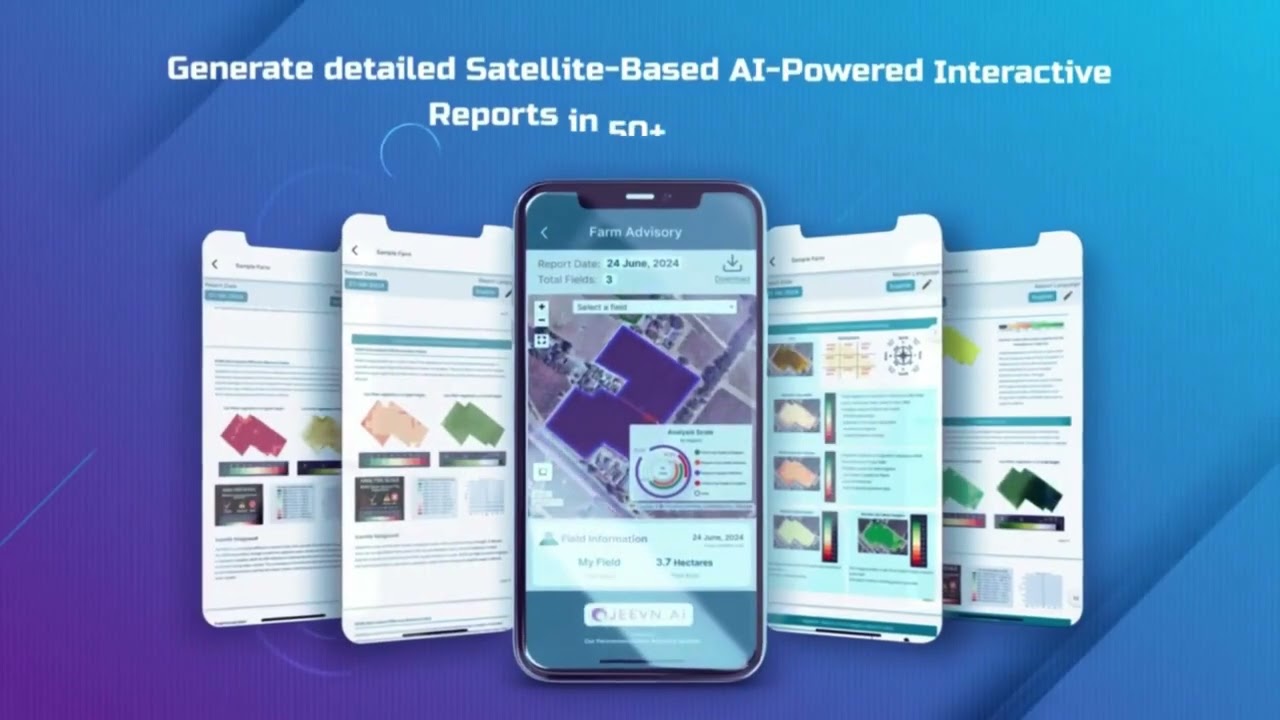
Interested in integrating next-gen satellite data for agriculture, mining, or infrastructure? See our Farmonaut API and our API Developer Docs—enabling real-time, affordable monitoring and analytics.
Additionally, for plantations, forests, or crop advisory, our crop plantation/forest advisory platform leverages satellite insights to support effective field management and reforestation efforts.
Key Challenges and Future Outlook for Agriculture in Israel
Despite its remarkable success, Israeli agriculture is not without hurdles as we move to 2026 and beyond:
- Climate Change: Unpredictable rainfall, temperature extremes, and increasing drought frequency test the sector’s resilience. Continuous adaptation—via improved crop genetics, resource management, and AI-driven planning—is vital.
- Water Scarcity: The balancing act between urban consumption, industry, and agriculture remains. The push for ever more efficient irrigation and recycling solutions will intensify.
- Regional Geopolitical Instability: Conflict and supply chain issues can disrupt agricultural operations and exports, making resilience and self-sufficiency even more critical.
- Rising Land Costs and Urbanization: Farmland near cities is diminishing. Urban agriculture and vertical farming will play a larger role in meeting food production targets.
- Environmental Impacts: Israel must continue to monitor and reduce chemical inputs, preserve biodiversity, and improve soil quality—all while expanding output.
Emerging future trends up to 2026 include:
- Greater use of automation and robotics in planting, harvesting, and farm management
- More robust, climate-resilient crop varieties developed using advanced biotech
- Expanding circular economy models, such as on-farm waste-to-energy solutions
- Integration of environmental monitoring systems (like those we provide) for compliance, conservation, and risk mitigation
- Innovative financing and insurance mechanisms powered by satellite-based verification tools
FAQ: Agriculture in Israel
What is the primary focus of agriculture in Israel in 2025 and beyond?
The emphasis is on innovation, water management, and sustainable, high-tech practices to overcome arid conditions and limited resources. The goal is to maximize yields with minimal environmental impact, supported by robust R&D and cutting-edge technology.
How has Israel become a leader in water management for agriculture?
Through a combination of drip irrigation, wastewater recycling (recycling approx. 90% of its municipal effluent), desalination plants, and AI-driven irrigation systems, Israel sets the standard in efficient water use for agriculture.
Are Israeli farming innovations applicable globally?
Absolutely. Agricultural solutions pioneered in Israel—from water-saving irrigation methods to precision agriculture and biotech crops—are increasingly relevant to other arid or semi-arid regions, and are being adopted worldwide.
What role does biotechnology play in Israeli agriculture?
Biotechnology is crucial for developing hardier, drought-resistant crops that require fewer inputs. This enhances both food security and environmental stewardship across the sector.
What challenges remain for agricultural sustainability in Israel?
The main challenges are climate change (droughts and weather extremes), resource competition, rising land costs, and the need to continuously innovate for enduring success. Effective management and policy frameworks are key.
How does Farmonaut help advance agriculture in arid regions?
We provide satellite-based insights, AI-powered advisory, blockchain traceability, and environmental impact tracking. Our tools promote efficient resource use, sustainability, and transparency for users and governments worldwide—empowering regions to adapt and thrive.
Conclusion: Lessons from Israel’s Agriculture Success Story
Agriculture in Israel, as of 2025 and moving into 2026, stands as a compelling example of how strategic technology adoption, relentless innovation, and sustainable resource management can transform even the most challenging environments into productive, resilient food systems.
Key takeaways:
- Global relevance: The methods developed for water conservation, precision agriculture, and biotechnology are highly adaptable—offering hope for arid, semi-arid, and water-stressed regions globally.
- Continuous adaptation: Success is not static; the future of Israeli agriculture lies in ongoing research, data-driven management, and systemic integration of new tools.
- Sustainable impact: By reducing dependency on natural resources and maximizing yields, the Israeli model demonstrates the powerful synergy between environmental stewardship and economic growth.
As we embrace an unpredictable climate and growing food demand, other countries can look to Israel’s example—and to leading-edge solutions, like those we offer at Farmonaut—to reimagine their own path to agricultural sustainability and food security.
Empowering smarter, more sustainable agriculture—anywhere in the world.
Discussion
Questions, corrections or field experience? Share them below. First-time comments are reviewed before they appear, and your email is never published.
No comments yet. Be the first to add a question or your experience.

 Sarvome
 Polaris Digitech
 Teledarbas
 Wild Oak Farm
 SFX
SFX BACF Africa
 Doodlakine
 Exurbia Geospatial
 FieldZero
 Indico Company
 Kubota
 FFBS
FFBS Jontra
