

Almond Tree: 7 Indian Almond Harvester & Processing Advances
Meta Description: The almond tree plays a vital role in modern Indian agriculture. Explore top 7 harvester and processing technologies powering sustainable almond farming, higher yields, and efficiency in India for 2026 and beyond.
“7 advanced almond harvesters in India can boost harvesting efficiency by up to 60% compared to manual methods.”

Access Satellite-Based Almond Orchard Monitoring for Precision Farming on Farmonaut Web & Mobile App
- Contents:
- Introduction: Almond Tree Cultivation & Industry Context
- Indian Almond Tree: Cultivation, Importance, and Regional Expansion
- Modern Mechanization: Almond Tree Shakers, Harvesters, and Orchard Efficiency
- Comparative Table: 7 Almond Harvesters & Processing Advances in India
- From Flowering Almond Tree to Processing: Complete Almond Journey
- Sustainability & Environmental Challenges in Indian Almond Farming
- Future Outlook (2026+): Technology & Sustainable Growth in Almond Industry
- Farmonaut: Empowering Smart Almond Orchard Management
- FAQ: Indian Almond Tree, Harvesters & Processing

Almond Tree Cultivation: India’s Rapid Evolution in Global Almond Industry
Almonds are among the world’s most valued nuts, prized for their nutritional benefits, culinary versatility, and contribution to modern agriculture. The almond tree (Prunus dulcis), both a symbol of agricultural tradition and technological progress, is at the heart of a thriving industry now experiencing rapid transformation—especially in India. As the demand for almonds rises globally for healthy eating and diverse applications, innovative practices, state-of-the-art harvesters, and next-gen processing technologies are reshaping the sector in terms of yield, efficiency, and sustainability.
Advances in cultivation and mechanization are now making it possible for Indian growers in Kashmir, Himachal Pradesh, Uttarakhand, and beyond to achieve production levels previously reserved for leading almond-producing regions in the West. The importance of the almond tree is highlighted by its adaptation to varied climates, strong return on investment, and a crucial role in the global nut industry.
Why Almonds & Almond Tree Technologies Matter for India’s Farming Future
- India is emerging as a major player in the almond supply chain, particularly through local varieties and progressive agricultural practices.
- Modern tree shakers, mechanical harvesters, and processing units are transforming labor productivity, nut quality, and sustainability.
- Digital, satellite-driven orchard management now supports precise resource use, soil and water health, and real-time crop insights.
Focus Keyword: Almond Tree
Indian Almond Tree: Cultivation, Importance, and Regional Expansion
The Indian almond tree can refer to two species: Terminalia catappa (the “tropical almond,” native to Southeast Asia with valued edible seeds and medicinal properties) and Prunus dulcis (the “true almond tree” of commerce). In mainstream almond production and farming, focus remains on Prunus dulcis, which thrives in temperate climates thanks to decades of agricultural improvements.
Almond trees have been traditionally grown in the hill slopes of Kashmir and Himachal Pradesh. However, recent expansion. aided by fast-maturing varieties and improved management practices, has enabled cultivation to spread to Uttarakhand, northern hill states, and even new experimental regions in India. These regional shifts are driven by the adaptability of both native and introduced varieties, improved irrigation, and higher input efficiency.
Why the Indian Almond Tree Matters
- Terminalia catappa (Indian tropical almond): Native to tropical Asia; seeds are edible, nutritious, and provide medicinal value; increasingly cultivated in coastal regions.
- Prunus dulcis (True almond): Backbone of the almond industry; adapted to temperate climates; dominates new farming expansions in north India.
- Sustainability Focus: Both types require innovations in water use, pest management, and post-harvest processing technology.

Flowering Almond: Marking the Critical Crop Phase
The flowering almond tree stage is a cornerstone for successful cropping. Timing of flowering, coordination with weather, adequate chill hours, optimal temperatures, and pruning practices ensure strong bloom, pollination, and maximum nut set.
- Proper flowering improves nut yield and fruit quality.
- Climate change poses challenges by disrupting the delicate balance of flowering and chill.
Expanding Almond Production: New Indian Regions
- Kashmir: The original almond basin—ideal altitude, soils, and microclimates.
- Himachal Pradesh: Continues to lead in area and yield with improved varieties.
- Uttarakhand & Northern Hill States: Emerging zones, rapidly adopting new technologies & irrigation methods.
- Coastal tropical regions: Exploring Terminalia catappa as climate-resilient options in select Indian states.
Modern Mechanization: Almond Tree Shaker, Almond Harvester & Orchard Efficiency
Traditionally, almond harvesting in India was labor-intensive—requiring workers to manually beat or shake trees, collect falling nuts onto tarps or from the ground, and sort by hand. This process was slow, posed risk of nut loss and damage, and increased costs—especially during labor shortages.
With the advent of mechanization, the scenario is rapidly changing. Today, almond tree shakers and mechanical harvesters are becoming central to orchard management—enabling Indian growers to dramatically reduce labor, improve efficiency, and ensure higher nut quality.

How Almond Tree Shakers and Harvesters Work
- Almond tree shaker: Mechanical device designed to attach to the tree trunk, using vibration or shaking arms to shake mature almonds onto catching frames or tarps.
- Almond harvester: Post-shaking (after nuts fall onto the ground), harvesters sweep and collect nuts, separating debris and minimizing nut loss.
Combined, these tools revolutionize harvesting, increase picking speed, and enable larger-scale operations with fewer workers—vital for Indian regions facing labor shortages and rising productivity demands.
Mechanization: Key Outcomes for Indian Almond Farming
- Efficiency: Harvesting is up to 60% faster vs manual methods.
- Quality: Gentle shaking reduces nut damage and contamination.
- Cost-Control: Process automation brings down harvesting costs per acre.
- Scaling: Mechanization supports expansion to larger orchard units.
Track, monitor, and optimize your almond harvesters and other machines across orchards—control operations, cut downtime, and save costs using satellite-driven data and real-time analytics for effective resource management.
Top 7 Indian Almond Harvester & Processing Technology Advances
A comparative overview of leading mechanization and processing advances reshaping India’s almond industry for higher yields, reduced labor, and improved sustainability.
| Advance/Technology Name | Description / Function | Yield Improvement (%) | Labor Hours Saved/Ha | Sustainability Benefit | Adoption Cost (est.) |
|---|---|---|---|---|---|
| Hydraulic Almond Tree Shaker | Attaches to tree trunk and uses precise, adjustable vibration to drop mature nuts in seconds, minimizing tree damage | +25% | 600–800 | Reduces manual labor, decreases compaction & injury to tree | INR 3–5 lakh |
| Enclosed Almond Harvester-Sweeper | Vacuum harvester collects, cleans, and sorts fallen nuts in a single pass, separating debris effectively | +20% | 500–750 | Prevents contamination, reduces dust, preserves nut quality | INR 7–10 lakh |
| Robotic Optical Grader | Uses cameras and AI-based sorting to segregate defective or unripe nuts at high speeds | +15% | 200–300 | Ensures food safety, reduces food waste | INR 4–8 lakh |
| Solar-Powered Almond Drier | Dries harvested almonds with controlled solar heat, minimizing spoilage and energy costs | +12% | 100–150 | Lowers carbon footprint, maintains moisture content for longer storage | INR 2–3 lakh |
| Drip Precision Irrigation System | Delivers water directly to root zone, reducing waste and optimizing moisture during key growth & nut-set phases | +10% | 100–200 | Saves up to 40% water, reduces runoff and salt accumulation | INR 1.5–3 lakh/ha |
| AI-Integrated Satellite Orchard Monitoring | Leverages near real-time satellite imagery and AI analytics for moisture, health, and harvest readiness | +18% | Flexible; ~150+ | Identifies pest & disease early, enables targeted interventions | Subscription (See Plans) |
| Water-Efficient Washing & Eco Processing Unit | Advanced, low-water consumption cleaning & sorting units for almonds prior to packaging | +8% | Up to 85 | Minimizes wastewater, recycles process water, drives eco-certification | INR 3–5 lakh |
Table: Comparative overview of leading almond tree harvester and processing technologies currently advancing Indian almond farming (2026).
“Modern almond processing tech reduces post-harvest losses by 30%, enhancing both yield quality and sustainability.”

From Flowering Almond Tree to Processing: Complete Almond Journey
Every successful almond harvest begins and ends far beyond the orchard. The journey involves:
- Flowering & Pollination: Flowering almond trees mark a critical phase—timing, weather, and bee activity determine fruit set.
- Maturation: Nut fill and hull split are influenced by temperatures, irrigation schedules, and health management.
- Harvesting: The combined use of shakers and harvesters ensures almonds drop to the ground or tarps and are collected efficiently.
- Drying: Drying units (in-field or facility) reduce moisture levels to ≤6%—vital to prevent spoilage and maintain quality. Solar-powered dryers are now emerging in top Indian processing units.
- Processing & Grading: Almond processing plants hull, shell, sort, and grade nuts by size and defect using robotic/optical technologies.
- Storage & Distribution: Processed almonds are shipped under controlled humidity and temperature to preserve crunch, flavor, and nutrition.
Advanced almond processing units incorporate:
- Optical sorters and AI-driven grading for batch uniformity.
- Eco-friendly washing, water recycling, and solar drying to reduce emissions and waste.
- Blockchain-based traceability platforms for authentication and safety (see below).
Ensure Nut Authenticity with Blockchain Traceability
Adopt blockchain-backed traceability for almonds and nuts for food safety, consumer transparency, and supply chain trust. Farmonaut’s satellite-integrated traceability delivers real-time tracking and validation for the Indian nut industry.

Quality Control: Prevention of Spoilage & Loss
- Rapid drying is essential to stop fungal growth (Aspergillus, aflatoxin risks).
- Clean collection methods (tree shakers, tarps, vacuum harvesters) prevent ground contamination.
- Climate-controlled storage preserves flavor and nutritional value.
Sustainability & Environmental Challenges in Indian Almond Farming
Like other permanent crops, almond trees require both careful resource management and innovation for sustainability. For 2026 and beyond, India’s almond sector faces critical challenges:
- Water Use: Almond trees have significant irrigation needs, stressing India’s water supply, especially in drought-prone regions.
- Soil Health: Continuous cultivation can reduce organic matter; crop rotation, organic mulch, and cover cropping practices maintain fertility.
- Pest & Disease Pressure: Shifts in climate and monoculture increase risk of outbreaks requiring better IPM and varietal solutions.
- Carbon Footprint: Processing and logistics have environmental impact—addressed by strategic interventions and renewable energy.
Our carbon footprinting tools help almond growers monitor emissions and adopt greener farming practices for compliance and long-term sustainability.

Innovative Solutions for Almond Production Sustainability
- Drip Irrigation & Rainwater Harvesting: Precision water delivery reduces consumption by up to 40% and curtails runoff—key for Indian orchards.
- Organic & Regenerative Farming: Integrated pest management, compost, mulching, and rotational planting bolster soil health and resilience.
- Resilient Varieties: Research is focused on drought- and pest-resistant almond varieties adapted for India’s changing climate.
- Processing Efficiency: Eco-conscious units featuring solar dryers, energy reuse, and water recycling set new benchmarks for the industry.
- Traceability & Transparency: Digital blockchains maintain accountability in nut supply chains, driving compliance and consumer trust.

Policy Support and Subsidies
- Government schemes in Kashmir, Himachal Pradesh, and Uttarakhand are promoting sustainable orchard expansion and drip irrigation adoption.
- Support for conversion to organic almond farming and incentives for energy-efficient processing units.
Future Outlook 2026+: Technology, Expansion & Sustainability in Almond Tree Farming
Looking ahead, the almond industry in India is poised for rapid technological advancement, scale, and climate-smart transformation.
- Precision agriculture—powered by satellite data, remote sensing, and AI—will drive resource efficiency, water and nutrient use for each tree.
- Mechanization will continue streamlining harvesting via smarter shakers, harvesters, and robotic sorters, making almond cultivation more scalable and profitable.
- Sustainability reporting via digital carbon footprinting and traceability tools will become the industry standard.
- Next-generation varieties adapted to Indian climates will enhance resilience and expand production beyond traditional northern hill states.
- Processing technologies will grow cleaner and smarter, driven by AI, water-saving devices, and renewable energy.
Get Satellite-Based Crop Loan Verification & Risk Insurance
Indian almond farmers and agri-businesses can leverage satellite-backed loan eligibility and insurance verification with Farmonaut—speeding up access to finance and reducing underwriting risk for orchard investments and technology upgrades.
Farmonaut: Empowering Almond Orchard Management for the Next Era
As satellite, AI, and blockchain-driven technologies become essential to orchard management, we at Farmonaut offer holistic solutions for almond growers, processors, distributors, and policy-makers.
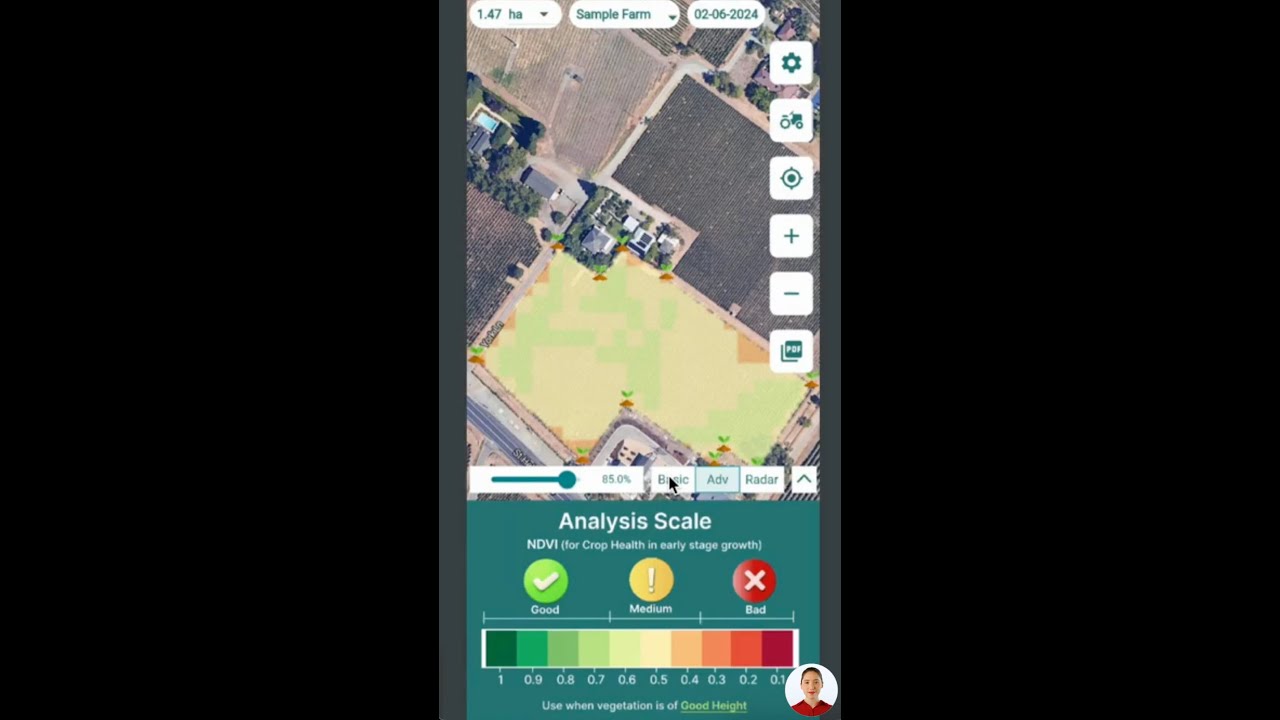
- Real-time Satellite Crop Monitoring: Monitor almond tree health, soil moisture, and vegetative vigor throughout the cropping cycle (explore our farm management suite).
- Jeevn AI Smart Advisory: Get instant recommendations on irrigation, pest stress, and harvesting timing using our proprietary AI platform tailored for Indian conditions.
- API for Automation: Integrate remote orchard insights with your fleet, processing, and logistics apps using our public API and developer docs.
- Blockchain Traceability: Guarantee supply chain transparency and nut authenticity for export and domestic markets (learn more).
- Environmental Impact & Carbon Tracking: Evaluate carbon emissions and implement sustainable orchard practices at scale (see more).
- Crop Loan & Insurance: Satellite-enabled loan verification for quick and fair financial access to Indian almond project investments (details here).
Experience orchard intelligence and make precise, sustainability-driven decisions with Farmonaut’s mobile and web tools:


FAQ: Almond Tree, Shakers, Harvesters & Processing in India
-
Which almond tree varieties are best for Indian farming?
Both Prunus dulcis (traditional almond) and Terminalia catappa (tropical Indian almond) are grown. Prunus dulcis suits the temperate climates of Kashmir, Himachal Pradesh, and Uttarakhand, while Terminalia catappa is planted in coastal, tropical regions. High-yield, disease-resistant cultivars perform best. -
How do almond tree shakers improve harvest efficiency?
They mechanically attach to tree trunks and shake, causing nuts to drop quickly onto catching frames or ground tarps—reducing manual labor and increasing harvest speed by up to 60%. -
What is the main advantage of using enclosed almond harvesters?
These collect and clean nuts in a single pass, drastically reducing contamination, labor requirements, and nut loss during large-scale orchard harvests. -
How does advanced processing impact almond quality?
Post-harvest tech like high-speed optical sorters, solar dryers, and low-water washing units improve nut quality, reduce post-harvest loss, and ensure food safety for global and domestic markets. -
How can Indian almond growers adopt satellite and AI monitoring?
Farmonaut provides affordable, subscription-based satellite and AI insights for soil moisture, health monitoring, and optimal irrigation/harvest timing. Use our app or API to digitize and optimize your almond orchard practices. -
What are the best practices for almond farming sustainability?
Adopting drip irrigation, regenerative and organic farming, diversified variety selection, and renewable-energy-based processing are key. Regular satellite monitoring also helps reduce waste and carbon footprint. -
Which Indian states lead in almond cultivation and innovation?
Kashmir, Himachal Pradesh, and Uttarakhand lead for Prunus dulcis almond, while coastal states are exploring Terminalia catappa (tropical almond) for climate resilience and new markets.
Conclusion: The Path Forward for Almond Tree Farming in India
Almond cultivation in India stands at a transformative crossroads—backed by technological adoption, mechanization, and a drive for sustainability. Almond tree shakers, harvesters, and smart processing units are empowering Indian growers to match international standards, boost yield and quality, and meet growing global demand.
As digital tools, remote sensing, and sustainability frameworks become ever more accessible, both large and small orchardists can secure their place in a robust, climate-ready almond sector. With timely adoption of innovative practices and utilization of smart platforms like Farmonaut for decision support and traceability, India’s almond industry is set for a decade of prosperity, resilience, and responsible growth.

 Chimera Innovation
 Hiteshi Infotech
 Clubhouse OS
 Progenseed
 SkyHarvest
 Polaris Digitech
 Teledarbas
 Wild Oak Farm
 SFX
SFX BACF Africa
 Doodlakine
 Exurbia Geospatial
 FieldZero
 Indico Company
