

History of Agriculture in Maharashtra: Migration & Innovation
“Over 60% of Maharashtra’s population depended on agriculture during the 20th century, driving major rural migration and innovation.”
“Maharashtra introduced over 15 new crop varieties between 1960-2000, revolutionizing its agricultural landscape through technology.”
Table of Contents
- Introduction
- Historical Background & Early Agriculture
- Migration Patterns and Their Impact on Farming Innovation
- Timeline Table: Agricultural Evolution in Maharashtra
- Innovation in Maharashtra: Green Revolution to 2025
- Water Management and Conservation in Maharashtra
- Crop Diversification and Climate Resilience
- Technology and Data: Satellite, AI & Farmonaut Solutions
- Sustainable, Organic, and Integrated Farming Systems
- Summary & Conclusion
- FAQ: History of Agriculture in Maharashtra, Migration, and Innovation
The History of Agriculture in Maharashtra: Migration, Innovation, and Agricultural Evolution
Understanding the history of agriculture in Maharashtra migration farming innovation is crucial to appreciating the growth and sustainability shaping this pivotal Indian state. As of 2025 and beyond, Maharashtra stands as one of the most agriculturally significant states of India, boasting a rich farming legacy deeply intertwined with migration, innovation, and resilience. From ancient times to the age of climate-smart technology, this journey encapsulates how migration patterns and innovation have transformed traditional agricultural practices while nurturing sustainable development under the pressures of water scarcity and climate change.
Historical Background & Early Agriculture in Maharashtra
Ancient Settlements and Farming Origins (Before Common Era to 10th Century CE)
The roots of the history of farming in Maharashtra migration innovation farming trace back thousands of years to ancient settlements along the Godavari, Bhima, Krishna, and Tapi river valleys. Archaeological evidence suggests that communities practiced subsistence farming systems as early as the Chalcolithic period, leveraging the soil fertility of these river basins. Early agricultural practices primarily focused on cultivating millets, pulses, and various grains—critical crops for the region’s semi-arid climate zones. The Deccan plateau’s unique geography, from the arid uplands of Marathwada and Vidarbha to the fertile Konkan coast, fostered the evolution of remarkably diverse cropping patterns.
Those river-valley settlements fit into a wider story told in the long timeline of farming, from the Neolithic onward.
Indigenous farmers, relying predominantly on rainfed farming, devised traditional knowledge-based crop calendars to optimize planting and harvesting around the unpredictable monsoon. These calendars, passed down over generations within different communities, reflect a profound understanding of the local agro-ecological nuances. They established mixed cropping and crop rotation practices that helped maintain soil fertility, supported biodiversity, and built foundational resilience for dealing with environmental challenges.
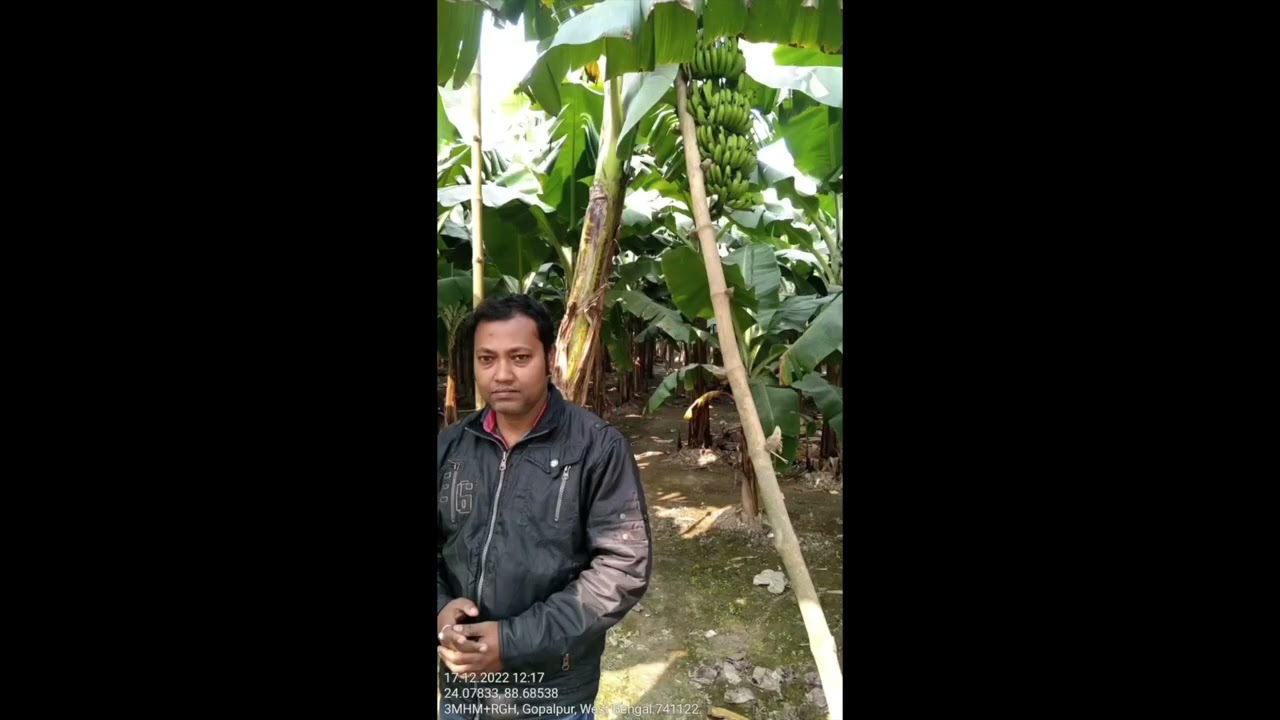
The history of farming in Maharashtra migrant behavior innovation farming is enriched by the historic cultivation of cotton (notably in Vidarbha and Marathwada), the gradual introduction of sugarcane (especially in Western Maharashtra), and, in later centuries, the growth of horticultural produce such as Alphonso mangoes and Nashik’s famous grapes.
Social Structures, Knowledge Exchange, & Early Environmental Adaptation
Rural communities in Maharashtra developed indigenous water management practices such as earthen bunds, stone check-dams, and rainwater harvesting tanks, reflecting an early grasp of the seasonal water scarcity that characterizes large portions of the state. These communal systems ensured that even in challenging environments, essential water supply for crops was possible.
Additionally, areas like the Western Ghats, with heavier rainfall and perennial rivers, enabled irrigation-driven agriculture well before modern era advancements.
Migration Patterns and Their Impact on Farming Innovation in Maharashtra
The Role of Migration in Shaping Agricultural Practices
Migration, in its various forms, has played a pivotal role in the history of agriculture in Maharashtra migration farming innovation. Historically, two main types of migration patterns have influenced agricultural transformations:
- Seasonal (Cyclical) Migration: Driven by economic needs and environmental pressures (notably drought), farmers and laborers from drought-prone regions like Marathwada and Vidarbha would temporarily relocate, especially during planting and harvesting seasons. This pattern was vital in ensuring sufficient labor availability for peak agricultural activities and driven by the cyclical nature of rural economic opportunities.
- Permanent Migration (Rural-Urban Exodus): More recently, the shift to permanent urban migration—motivated by the promise of industrial jobs and improved schooling—influenced labor-intensive crops such as sugarcane and horticultural produce. Communities began to face labor shortages, spurring greater investment in mechanization and innovation to compensate.
How Did Migrant Behavior Drive Innovation?
The history of farming in Maharashtra migrant behaviour innovation farming is embedded in these migration dynamics. Here’s how migration facilitated agricultural progress:
- Knowledge Exchange: As farmers moved between regions or even to neighboring states, they brought back improved farming methods, crop varieties, and new tools, thereby catalyzing the spread of innovation at the grassroots level.
- Resource and Labor Adaptation: Short-term out-migration triggered optimization of labor use and encouraged adoption of labor-saving technologies and crop choices requiring less hands-on input (e.g., shifting from labor-intensive grains to horticulture or mechanized sugarcane production).
- Evolving Market Insights: Exposed to different market conditions, returning migrants facilitated the diversification of cash crops and improved linkage to rapidly evolving urban and export markets.
Throughout the history of farming in Maharashtra migration innovation farming, migration remains a crucial link between traditional systems and modern agricultural advancements.

Timeline Table: Agricultural Evolution in Maharashtra (Migration, Innovation, and Crop Yield Changes)
| Time Period | Dominant Migratory Trends | Major Innovations Introduced | Estimated Average Crop Yields | Sustainability Practices Adopted |
|---|---|---|---|---|
| Pre-Colonial Era (< 1800s CE) |
Local seasonal migrations driven by monsoon variability and employment in neighboring regions. | Traditional rainwater harvesting, mixed crop systems, organic soil enrichment, early irrigation canals (Konkan). | ~800–1200 kg/ha for major millets and pulses; cotton < 400 kg/ha. | Crop rotation, mixed cropping, indigenous conservation methods. |
| Colonial Era (1800–1947) |
Significant labor migrations for cotton/sugarcane plantations; out-migration due to famines/droughts. | Introduction of commercial crops (cotton, sugarcane), canal development, imported hybrid seeds. | Marginal increase for cash crops; cotton ~450 kg/ha; sugarcane ~20 t/ha. | Limited; shifting focus to monocultures for export. |
| Green Revolution (1965–1985) |
Seasonal migration for labor; rural-urban shift begins. | High-yielding variety (HYV) seeds, chemical fertilizers, pesticides, tubewell/dam irrigation. | Wheat >2800 kg/ha; rice 1700 kg/ha; sugarcane 45 t/ha; cotton 500-800 kg/ha. | Limited; environment impact rises, water stress increases. |
| Late 20th Century (1985–2000) |
Increased permanent migration to cities, shortage of agricultural labor for rural farming. | Drip & sprinkler irrigation, tractors, mechanized sugar mills, hybrid horticulture varieties. | Sugarcane >55 t/ha; millets >1200 kg/ha; grapes 15 t/ha. | Water conservation, start of organic farming movement, watershed development. |
| Modern Era (2001–2025+) |
Continued rural-urban migration, rise of urban-rural knowledge flow, labor scarcity compensates via technology. | Satellites, AI, precision farming, data-driven advisory, widespread drip irrigation, blockchain for traceability. | Sugarcane 70+ t/ha; cotton 900-1200 kg/ha; grapes 22 t/ha; sharp rise for diversified crops. | Climate-resilience, large-scale organic clusters, integrated farming, carbon footprinting. |
This timeline shows how the history of farming in Maharashtra migration innovation farming Maharashtra history tightly links population movements and major innovations to fluctuations and trends in crop yield and sustainability.
Innovation in Maharashtra’s Farming Landscape: Evolution from Green Revolution to 2025
The Green Revolution and its Legacy
The Green Revolution (1960s–70s) dramatically transformed India’s agricultural landscape—including Maharashtra. The introduction of high-yielding varieties (HYVs), chemical fertilizers, pesticides, and canal irrigation powered a dramatic boom in staple crop yields but also exposed key disparities in water availability and landholding patterns.
- Western Maharashtra benefited most, with dominant crops such as sugarcane, cotton, and new wheat/rice varieties.
- Regions like Marathwada and Vidarbha, with uneven rainfall, faced persistent environmental and water scarcity challenges.
Technology & Agricultural Innovation Post-Green Revolution
Responding to ongoing challenges of rural labor shortages, environmental concerns, and the pressures of a growing market, Maharashtra embraced multiple waves of technological advancement from the late 20th century to 2025:
- Adoption of drip and sprinkler irrigation to optimize water management under acute scarcity.
- Mechanization: Tractors, threshers, sugar mills, and orchard sprayers reduced labor dependency, especially in response to migration-driven labor shortages.
- Introduction of hybrid varieties for horticultural crops—grapes, pomegranates, mangoes—bolstered farming innovation and income stability.
- Emphasis on sustainable and organic farming clusters for better environmental balance.
This history of farming innovation demonstrates how Maharashtra’s rural landscape is constantly adapting through knowledge, technology, and evolving labor patterns.

Water Management and Conservation in Maharashtra: Essential for Agricultural Resilience
Addressing Water Scarcity through Innovation
As we analyze the history of farming in Maharashtra migration innovation farming, water scarcity has remained a persistent and defining challenge across large areas—particularly in the rain-shadow Marathwada and Vidarbha zones.
From ancient rainwater harvesting tanks to modern collective Panchayat-led irrigation schemes, the management of water resources continues to drive innovation, change, and adaptation.
- Watershed Management: Local communities collaborate to conserve rainwater, manage catchment areas, and restore micro-basins, improving the sustainability of farming systems and boosting adaptive capacity.
- Drip and Micro-Irrigation: Technology that delivers water directly to plant roots, minimizing loss through evaporation. This practice is now widespread and is key for high-value cash crops like sugarcane, grapes, and horticultural produce.
- Tank and Canal Rejuvenation: Reviving traditional tanks and modernizing canal networks to ensure equitable water distribution, improve availability, and support resilience in crop production.
The focus is now on integrating digital tools for water management. We, at Farmonaut, offer carbon footprinting and large-scale farm management solutions for monitoring water use, crop health, and environmental impact in real-time. Our API and Developer Docs empower enterprises and governments to make data-driven, sustainable decisions in water-stressed landscapes.

Crop Diversification and Climate Resilience: Learning from History, Investing in the Future
The history of farming in Maharashtra migration innovation farming showcases clear cycles of crop dependence, from subsistence grains to commercial monocultures. Yet, as climate change brings unpredictable monsoons and recurring droughts, agricultural resilience now increasingly relies on crop diversification and integrated systems.
Shifts in Cropping Patterns (2025 and Beyond)
- Drought-Resistant Varieties: The state prioritizes millets, pulses, and oilseeds due to their lower water demand and higher adaptability to semi-arid climates.
- Integrated Farming Systems: Combining crop, livestock, and aquaculture boosts household income, spreads risk, and improves resource utilization.
- Agroforestry and Perennial Crops: Planting trees (mango, cashew, custard apple) alongside annuals stabilizes soil, increases carbon sequestration, and offers high-value returns.
- Biodiversity Preservation: Initiatives to preserve indigenous seed varieties and revive forgotten crops sustain food security and ecological balance.

To ensure these advancements reach grassroots farmers, digital agriculture platforms are highly relevant. Our solutions at Farmonaut support farmers through crop plantation & forest advisory and real-time, AI-driven recommendations for crop diversification, irrigation, and enhanced resilience—accessible via web,  , and
, and  apps.
apps.
Technology and Data: The Satellite Revolution in Maharashtra’s Farming History
Modern Farm Monitoring & Data-Driven Innovation (2025+)
A remarkable development in the history of farming in Maharashtra migration innovation farming is the rise of satellite technology, AI, and digital tools for real-time farm monitoring and resource management. These advancements directly respond to migration-driven labor scarcity, the need for resilience under climate stress, and the ambitious targets for sustainable rural development.
- Satellite Crop Health Monitoring: Large-scale farm management platforms—using multispectral satellite imagery—enable detection of crop diseases, water stress, and soil management needs without field visits.
- Precision Agriculture: AI-driven platforms, exemplified by the Farmonaut Jeevn AI Advisory System, offer customized recommendations on irrigation, fertilizer application, harvesting windows, and weather risk—all critical for efficiency amid changing labor patterns.
- Blockchain Traceability: Farmonaut’s blockchain-based traceability solutions bring transparency and trust to supply chains for cash crops like cotton and sugarcane, reducing fraud and opening export opportunities.
- Access to Credit and Insurance: Satellite-verified crop loan/insurance models improve access to finance, especially for smallholders previously affected by migration and absentee farming.
- Fleet & Resource Management: Fleet management tools optimize transport and logistics across vast distances—crucial as rural-urban migration influences who is available to participate in agriculture.

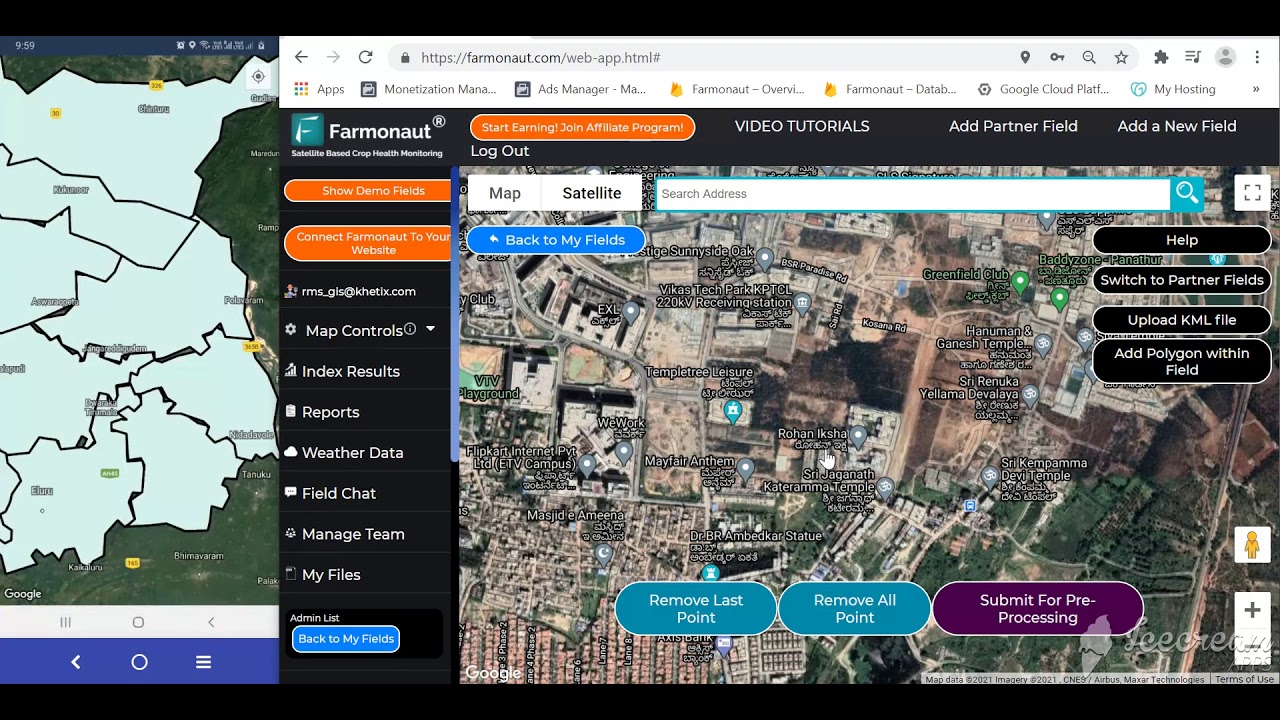

Our mission at Farmonaut is to democratize satellite intelligence, so every farmer, business, and government official gains affordable access to the data and recommendations they need for success—even in remote, migration-affected, or resource-scarce regions.
Sustainable, Organic, and Integrated Farming Systems: A New Paradigm for Maharashtra
Embracing Sustainability through Innovation
The intense focus on maximizing yields and export revenues during the late 20th century resulted in environmental degradation: loss of soil fertility, growing pest resistance, and water table depletion. The urgent need for sustainable agricultural development has given new impetus to organic and integrated farming practices in Maharashtra.
- Organic Farming Clusters: In areas like Nashik, Pune, and tribal belts, collections of farmers switch to zero-chemical, organic methods—leveraging both traditional knowledge and certification-driven market access.
- Biodiversity & Seed Preservation: Farmers revive and safeguard indigenous seed banks, combatting genetic erosion and building climate-ready resilience in cropping systems.
- Agroforestry: Planting multi-species windbreaks and fruit trees—integrated with annual crops—improves ecological diversity, stabilizes income, and sequesters carbon.
Digital services such as real-time carbon footprint monitoring and traceability boost both transparency and market value for organic produce. As Maharashtra increasingly aligns with climate-smart goals by 2025 and onward, these tools empower rural communities to balance productivity with environmental stewardship.

With these tools, Maharashtra’s agriculture is not only more productive but also more robust against future shocks from climate, labor, and market uncertainties.
Summary & Conclusion: Maharashtra’s Dynamic Farming History—Migration, Innovation, and Resilient Agricultural Evolution
Examining the history of farming in Maharashtra migration innovation farming maharashtra history, it becomes clear that migration patterns and rural innovation have continuously shaped the state’s farming landscape over the centuries. Cyclical labor migration, driven by environmental, social, and economic needs, not only brought fresh market insight and improved agricultural techniques but also spurred the adoption of technologies that have redefined modern agriculture.
With climate change, persistent water scarcity, and the rural-urban transition in 2025 and beyond, building on Maharashtra’s legacy of adaptation has never been more critical. Sustainable development and farming resilience now rest on three pillars:
- Harnessing traditional knowledge and local resource management.
- Digitally empowering farmers and governmental bodies through data, AI, and satellite intelligence.
- Facilitating organic, integrated systems and transparent market linkages through tools such as blockchain traceability and carbon footprinting.
We, at Farmonaut, remain committed to supporting this evolution with affordable satellite-driven insights, helping ensure that Maharashtra’s agriculture stands resilient, innovative, and productive for generations to come.
FAQ: History of Agriculture in Maharashtra Migration Farming Innovation
-
Q1: How did migration influence the history of agriculture in Maharashtra?
Migration—both cyclical (seasonal labor movement) and permanent (rural-urban exodus)—enabled knowledge exchange, accelerated the adoption of improved crop varieties and tools, and encouraged investment in mechanization and technology. These changes spurred innovation, kept farming competitive, and ensured adaptation to environmental and market challenges.
-
Q2: What are the key innovations that have shaped Maharashtra’s farming evolution?
Major innovations include the Green Revolution’s seed and fertilizer technologies, mechanized farming, micro-irrigation (drip and sprinkler), biotechnology-driven horticulture, and most recently, digital farming tools (satellite monitoring, AI advisories, and blockchain for traceability).
-
Q3: Which areas of Maharashtra are most affected by water scarcity, and how has innovation helped address this?
Marathwada and Vidarbha, known for irregular rainfall and droughts, are especially impacted. Innovations such as watershed management, drip irrigation, and AI-powered water-use forecasting (learn more in our carbon footprinting solutions) have played key roles in optimizing water resource management.
-
Q4: What is the significance of digital agriculture and satellite intelligence in Maharashtra?
Digital agriculture bridges the rural-urban knowledge gap, especially as migration changes labor and resource patterns. Satellite-based platforms like Farmonaut provide real-time, actionable insights—boosting crop health, enabling precision resource use, and ensuring sustainability even in remote or migration-impacted regions.
-
Q5: How is organic and sustainable farming contributing to Maharashtra’s development goals?
Sustainable and organic farming reduce environmental harm, increase profitability through premium markets, and future-proof rural incomes against climate and labor-related shocks. Technologies such as traceability and carbon accounting (find more at Farmonaut Carbon Footprinting and Traceability) reinforce these positive impacts.
-
Q6: How can I access Farmonaut’s API and developer resources?
Farmonaut’s API is accessible at https://sat.farmonaut.com/api. Comprehensive developer documentation is available at this link for seamless integration.
-
Q7: What if I want to try Farmonaut’s apps for agricultural monitoring?
You can access Farmonaut through our Web App, Android App, and iOS App.
-
Q8: Where does Maharashtra stand in comparison to other Indian states in terms of innovation and resilience?
Maharashtra is among India’s leading agricultural states for innovation in crop diversification, micro-irrigation, horticultural export, and adoption of digital agri-tech platforms. Its experience with migration-driven adaptation uniquely positions Maharashtra as a model of resilience and agricultural evolution.
-
Q9: How does Farmonaut help farmers tackle challenges of migration and labor scarcity?
By providing satellite-based, real-time crop health data and AI advisories, Farmonaut enables remote management and resource optimization—even for absentee or part-time farmers affected by migration trends.
-
Q10: Are there tools to help me quantify my farm’s environmental impact?
Yes, Farmonaut’s carbon footprinting product allows farms and agribusinesses to track and reduce their emissions, meeting both compliance and sustainability goals.
For more detailed information and access to our digital tools—for individual users, enterprises, and governmental bodies—visit Farmonaut’s web platform or consult our API portal.
Explore our app solutions and bring the future of history of agriculture in Maharashtra migration farming innovation to your fields!

 Esri North East Africa
 Farmer Amigo
 Cresol
 Atur Kuliner
 MDCV UK
 Zerella Group
 Etech Consulting Madagascar
 Vestlandsforsking
 Agritein
 Delicio
 WB Dev
 Sama Premium
 Prochecker
 Tres Valles
 LACOS Geoinformation
 Magrifly
 LatConnect 60
 Blickwinkel
 Agricultural Credit Policy Council
