

Table of Contents
- Introduction: The Landscape of Japanese Agriculture
- Trivia: Did you know?
- Japan Main Agricultural Products: The Diversity of Japan’s Fields
- Sustainable Farming & Precision Agriculture in Japan
- Japanese Farming Tools: From Tradition to Technology
- Japanese Farm Tractors and Machinery
- Green Planet Agricultural Products & Ecological Integration
- Post-Harvest Handling, Storage, and Quality Control
- Forestry, Rural Development, and Infrastructure
- Comparative Table: Top Japanese Agricultural Products vs Sustainable Tools
- Key Insights & Pro Tips
- How Farmonaut Empowers Sustainable Agriculture
- Video Showcase: Innovation in Japanese and Global Agriculture
- FAQ: Your Top Questions About Japanese Agriculture
- Conclusion: The Japan Farming Narrative – Where Heritage Meets Innovation
Top Japanese Agricultural Products & Farming Tools: Sustainability, Precision, and Innovation
Japanese agricultural products stand as a testament to the country’s deep-rooted connection between rural landscape, tradition, innovation, and modern sustainability.
In every region of Japan – from the snowy mountains of Hokkaido in the north to the temperate fields of Kyushu in the south – agriculture shapes daily life, cuisine, and the broader green economy.
The blend of ancient heritage with cutting-edge precision practices creates a distinctive agricultural sector. The main crops include rice (the staple), vegetables like daikon, leafy greens, and onions, fruits such as citrus and apples, as well as specialty crops including tea, soybeans, and the coveted wasabi. Japanese farming tools range from traditional hand implements designed for delicate handling to advanced, automated machinery compensating for labor shortages and maximizing efficiency.
This comprehensive blog explores the top Japanese agricultural products, sustainable farming techniques, modern equipment, and the interconnected ecosystem that enables Japan’s farmers to deliver high-quality, premium food to both domestic and global markets.



Key Insight
Japan’s agricultural sector achieves some of the world’s highest yields and crop qualities by integrating advanced technology with traditional wisdom, promoting sustainability at every stage.
Japan Main Agricultural Products: The Diversity of Japan’s Fields
Japanese agricultural products are a direct reflection of the country’s microclimates, carefully managed fields, and centuries-old farming traditions.
The output spreads across all main regions, with significant highlights:
- Rice: The core staple — grown in terraced fields across the archipelago.
- Vegetables: Daikon radish, leafy greens, onions, cruciferous crops for daily consumption.
- Fruit: Satsuma mandarin (citrus) in the south, apples in Tohoku, Yamagata, Nagano, and highland grapes/pears.
- Specialty crops: Green tea in Shizuoka/Uji, soybeans for tofu/miso, prized wasabi in cold mountain streams, buckwheat for soba noodles.
The regional diversity in output is a product of local climates: snowy Hokkaido specializes in potatoes and wheat, while temperate regions host year-round fruit, vegetables, and tea. Every product batch emphasizes traceability, safety, and premium quality, with a strong market both domestically and for high-value exports.
- 🍚 Rice – Terraced paddies, all regions; precision water management, integrated pest management (IPM)
- 🥕 Daikon – Large white radish, essential in cuisine, cultivated with mulching and rotating intercropping
- 🍃 Green Tea – Shizuoka/Uji plantations; AI-powered weather alerts and drone-assisted spraying
- 🍎 Apples – Grown in Aomori, Nagano, Tohoku; bagging fruits, careful selective pruning, high-density plantation tools
- 🌱 Wasabi – Freshwater stream cultivation, manual weeding, and shade cloths
Other important Japanese agricultural products include onions, leafy greens, cucumbers, soybeans, buckwheat, barley, citrus, grapes, strawberries, and a growing range of both subtropical and northern crops, reflecting the diverse agricultural landscape of Japan.
Common Mistake
Assuming Japan’s agriculture is limited to rice is misleading. The country’s output reflects a vast array of diverse crops, each benefitting from precise tools and tailored farming practices.
Sustainable Farming & Precision Agriculture in Japan
Sustainability sits at the core of Japanese agriculture. Here, innovative management tools intersect with centuries-old wisdom, ensuring long-term productivity, soil health, and environmental protection. Japan’s agricultural system emphasizes:
- Precision Inputs: AI-powered monitoring enables exact fertilizer and chemical use—minimizing waste and runoff.
- Traceability Systems: Blockchain-based records assure consumers of product safety, origin, and eco-friendly production—see how Farmonaut’s Blockchain Traceability Solutions can reinforce transparency.
- Water Management: Automated and sensor-based irrigation cuts water usage while preserving optimum crop hydration.
- Integrated Pest Management (IPM): Combines biological, physical, and data-driven methods—supported by satellite insights—for sustainable pest control.
- Soil Conservation: Terracing in hilly regions reduces erosion; cover crops and precision tillage enhance soil health.
These practices prioritize not only yield, but also flavor, nutritional value, and nature conservation. With high labor costs and aging rural populations, efficiency—through modern equipment and data platforms—is paramount.
Pro Tip
Looking to advance your sustainability strategy? Utilize real-time crop and environmental monitoring. Satellite-based platforms like Farmonaut help optimize inputs, maximize yields, and document sustainable practices for regulatory and export markets.

Japanese Farming Tools: The Heart of Precision and Tradition
The ingenuity of japanese farming tools lies in their ability to combine traditional design with modern ergonomics and function. Farmers adapt an extensive range of hand and mechanical tools—from age-old sickles and hoes to smart, automated planters and weeders—that enable efficient cultivation even on narrow, sloped, or terraced fields.
- 🔪 Hand Sickle ("Kama"): Traditional tool for cutting rice and grass; still used for delicate harvesting in small plots.
- 🪒 Niwa Hoe: Designed for precise weeding between tightly spaced crops—key for controlling weed pressure without chemicals.
- 🌱 Seed Planters: Manual or semi-automated, these tools boost germination rates and ensure uniformity.
- 🌾 Rice Transplanters: Mechanical and automated; essential during paddy planting season, drastically reducing labor needs.
- 🔧 Automated Sprayers: Targeted delivery of nutrients or protection, minimizing input waste.
- ✂ Pruning Shears & Grafting Knives: Specialized tools for fruit orchards and tea plantations, promoting crop health and fruit quality.
The strategic use of specialized, highly designed equipment enables small farms and family operations to remain competitive and maintain high standards despite labor shortages and increasingly variable climate conditions.

Japanese Farm Tractors and Machinery: Agile Power for Every Field
Japanese farm tractors and machinery are tailored for mountainous terrain, narrow plots, and intensive, high-value crops. Here’s why they’re vital:
- 🟢 Compact and Maneuverable: Tractors and tillers have tight turning radii, allowing easy navigation on terraced and irregularly shaped fields.
- 🟡 Automated Cultivators: Integrate GPS and AI for straight-line planting, uniform seed depth, and reduced fuel consumption.
- 🔵 Harvesters and Packaging Machinery: Delicate handling to preserve crop quality—essential for fruits like apples, citrus, and strawberries.
- 🟤 Temperature-Controlled Storage Units: Maintain post-harvest freshness, reducing spoilage and delivering peak flavor to markets.
- 🟠 Irrigation Systems: Drip and mist technology, sometimes solar-powered, ensuring even water distribution.
Labor efficiency is critical—machinery replaces scarce rural workforce, especially in aging communities, while enabling precision and sustainability in every task.

Investor Note
The Japanese agricultural machinery sector—especially exported tractors and smart tools—commands high global demand, with innovations born from domestic needs often reshaping standards overseas.
Green Planet Agricultural Products & Ecological Integration
Being a “green planet” in agriculture means integrating biodiversity, climate-smart practices, and ecological services. Japan’s approach includes:
- 🌳 Agroforestry: Inter-planting trees among fields to provide shade, erosion control, windbreaks, and habitat for beneficial species.
- 🌿 Cover Cropping & Crop Rotation: Maintains soil fertility and suppresses pests.
- 🦋 Pollinator Management: Bee-keeping and wildflower corridors promote healthy crop yields without synthetic chemicals.
- 💧 Water Conservation: Dykes, rainwater capture, and precision irrigation systems—delivering water directly to root zones, reducing waste by up to 20% for crops like rice and onions.
Farmers draw on both tradition and innovation—with increasing use of environmental data platforms and IoT sensors—to sustain yields, optimize land use, and respond to climate risks.
Data Insight
Geospatial analysis of soil moisture, field boundaries, and crop health, as enabled by real-time satellite platforms, is transforming adaptive management and supply chain traceability across Japanese agriculture and forestry.

Post-Harvest Handling, Storage, and Quality Control
The reputation of Japanese agricultural products for flavor and freshness is safeguarded by rigorous post-harvest management:
- Temperature-Controlled Storage: Utilizing high-tech cooling and humidity control units for rice, tea, and fresh fruits like apples and citrus; preserves flavor and prevents nutrient loss.
- Innovative Packaging: Smart moisture-absorbing and oxygen-scavenging materials—prolong shelf life and maintain taste.
- Strict Sorting & Grading: Automated machinery ensures every product meets exacting standards for export and premium domestic markets.
- Blockchain-based Traceability: Digital recordkeeping provides consumers confidence in safety, ethics, and provenance.
Streamlined logistics—increasingly managed by digital fleet and resource management solutions—keep Japan ahead in both domestic and international markets.
Learn how Fleet and Resource Management Tools streamline crop logistics, reduce operational costs, and improve safety for fleets in agriculture.
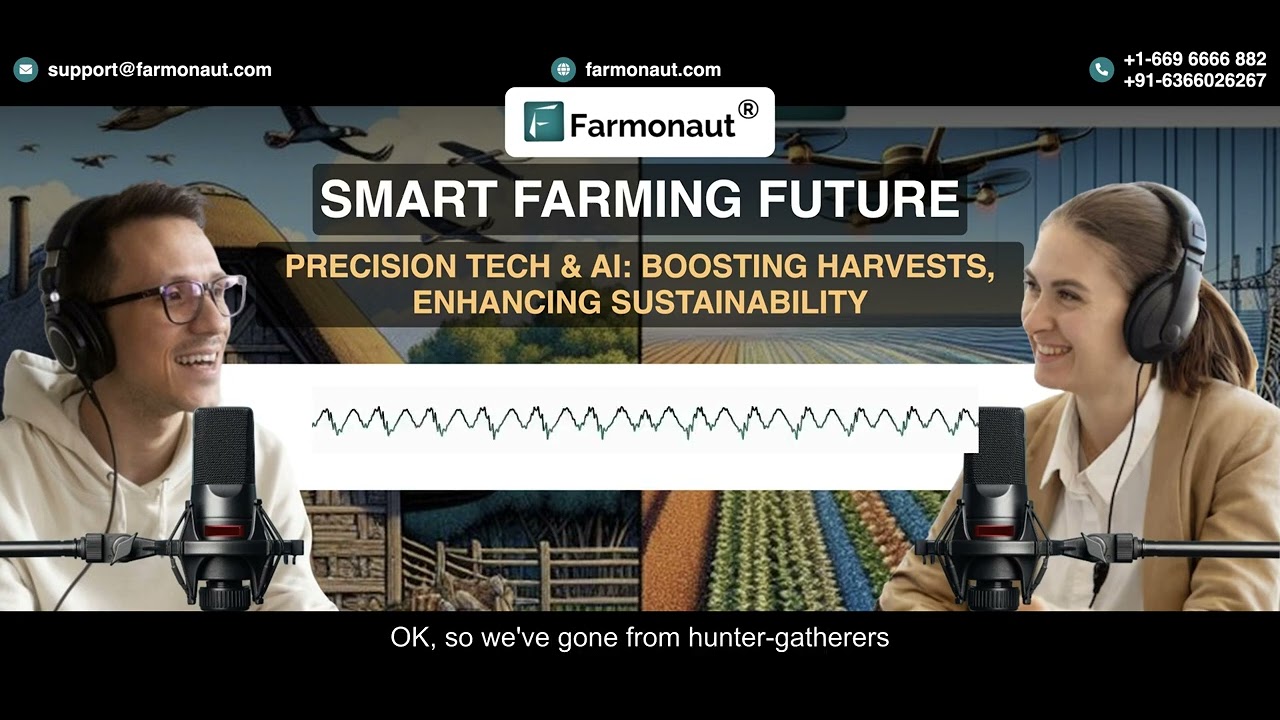
Forestry, Rural Development, and Infrastructure in Japan’s Agricultural Sector
Forestry is deeply intertwined with Japanese agriculture—protecting soil health, regulating water flow, and fostering local biodiversity. Managed woodlands supply eco-certified timber, charcoal, wood byproducts, and non-timber goods, while stabilizing hillsides above valuable farm plots.
- 🛤 Infrastructure Investments: Rural roads, irrigation canals, and storage depots enable year-round market access for even remote villages.
- 💡 Rural Electrification & Broadband: Powering storage, automated equipment, and digital market platforms.
- 🌳 Watershed Management: Forests protect farmland from erosion and flooding, crucial in Japan’s steep landscapes.
Integrated development strategies enhance the resilience and prosperity of the country’s rural sector, supporting not just farming, but the entire ecosystem.
Comparative Table: Top Japanese Agricultural Products & Sustainable Tools
Explore how major japanese agricultural products align with eco-friendly practices and modern equipment for optimum efficiency and sustainability.
Key Insights & Pro Tips for Modern Japanese Agriculture
- ✔ Efficient Resource Use: Most farms employ precision technology for water, fertilizer, and labor savings.
- 📊 Data-Driven Farming: Geospatial tools and satellite platforms enable yield prediction and risk reduction.
- ⚠ Climate Risk Mitigation: Terracing, cover cropping, and flood control protect fields from environmental extremes.
- ✔ Quality Command Premium Markets: Exacting post-harvest techniques increase value for both domestic and export markets.
- 🚀 Innovation Meets Heritage: Even the most advanced equipment is inspired by traditional methods, adapted to today’s needs.
How We at Farmonaut Empower Sustainable Japanese and Global Agriculture
At Farmonaut, we are dedicated to making satellite-driven, data-powered agricultural technology affordable and accessible worldwide. Our solutions transform how small, medium, and large farms monitor crop health, optimize resource use, and ensure sustainability—from precision irrigation to climate-resilient farm management.
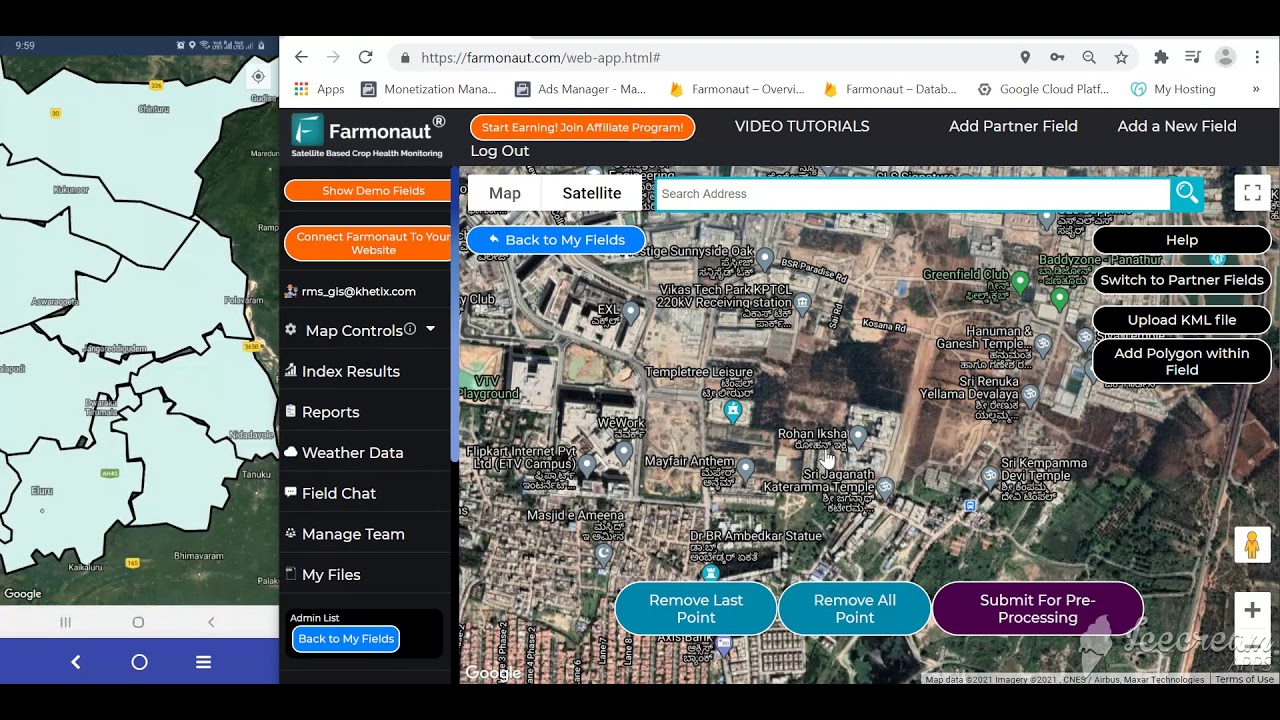
- 🌎 Real-Time Monitoring: Our Android, iOS, and Web apps provide instant access to NDVI maps, soil health insights, and resource use data—enabling every farm to act on precise information.
- 🤖 AI-Based Advisory (Jeevn AI): Delivers tailored strategies for crop, weather, and input management, boosting productivity and profit through actionable intelligence.
- ⛓ Blockchain Traceability: Guarantees authenticity, reduces fraud, and documents every step in the agricultural supply chain for greater trust and market access.
- 🚜 Fleet & Resource Management: Optimizes logistics from field to storage, supporting both sustainability and operational efficiency for agri-businesses and cooperatives.
- 🌱 Environmental Impact and Carbon Tracking: We help farms and companies monitor emissions and environmental impact—learn more about Farmonaut Carbon Footprinting and adopting climate-smart Green Planet Agricultural Practices.
We offer scalable, affordable solutions for farms of all sizes:
- Large Scale Monitoring: Covering extensive rural areas, providing accurate vegetation health analytics—see our Large Scale Farm Management platform.
- Resource Verification for Financing: Satellite-based oversight supports banks and insurers in verifying crop health for Crop Loan and Insurance.
Explore our platform, access the Farmonaut API for seamless integration, and read our API Developer Docs to customize solutions for every agricultural sector.
Innovation in Action: Satellite & AI in Modern Agriculture


FAQ: Japanese Agricultural Products & Sustainable Farming Tools
1. What are the top Japanese agricultural products?
The main products are rice (the staple), daikon radish, onions, leafy greens, tea (especially green tea), apples, citrus fruits, soybeans, and wasabi. Each of these crops is renowned for quality, flavor, and sustainable cultivation.
2. How does Japan maintain high agricultural quality and safety?
Through rigorous standards for traceability, safety, and post-harvest handling. Advanced monitoring, careful sorting, and packaging, plus digital records—including blockchain for export—ensure continued consumer trust.
3. What farming tools are unique to Japanese agriculture?
Key examples: the Kama sickle (hand harvesting), rice transplanters, pruning shears for delicate fruit work, automated seeders for narrow plots, and compact, highly maneuverable tractors designed for hilly or terraced fields.
4. How does Japanese agriculture combine sustainability with productivity?
By integrating precision agricultural technology (satellites, IoT sensors, drones), traditional landscape management (terracing, cover cropping), and consumer-driven quality assurance. This blend allows for high output with minimal environmental footprint.
5. How can I monitor my farm or supply chain for sustainability?
Satellite-driven monitoring platforms like Farmonaut provide real-time data on vegetation health, soil moisture, crop phenology, and carbon emissions. These insights support eco-certification, resource efficiency, and even financial/insurance verification.
Conclusion: The Japan Farming Narrative – Where Heritage Meets Innovation
The Japanese agricultural sector blends centuries-old tradition with scientific innovation to produce some of the world’s most sought-after crops. From the rice paddies of Niigata to the green tea terraces of Uji, every tool, process, and policy is fine-tuned for sustainability, efficiency, and premium quality.
Cutting-edge farming tools, compact tractors, and automated machinery enable small and medium farmers to stay competitive while upholding environmental stewardship. Green planet agricultural products, data-driven supply chains, and resilient rural infrastructure position Japan as a global model for sustainable, high-tech agriculture.
For those striving to enhance sustainability, transparency, and efficiency in farming, platforms like Farmonaut offer a leap forward—empowering decisions, reinforcing traceability, and unlocking the full potential of fields and forests alike.
Start your journey towards sustainable excellence—embrace the blend of tradition and precision that’s shaping the world’s next generation of agricultural products and tools.
Discussion
Questions, corrections or field experience? Share them below. First-time comments are reviewed before they appear, and your email is never published.
No comments yet. Be the first to add a question or your experience.

 Etherspace Network
 Teledarbas
 Wild Oak Farm
 SFX
SFX BACF Africa
 Doodlakine
 Exurbia Geospatial
 FieldZero
 Indico Company
 Kubota
 FFBS
FFBS Jontra
 Tucor
Tucor
 Licence holder · Niger · Gold
 Licence holder · Nigeria · Gold + lithium










