

Acidic Soil Can Be Neutralized By Adding Lime: 7 Ways for Sustainable Agriculture in 2026
Acidic Soil Neutralization: Essential Practices for Sustainable Agriculture in 2026
“Applying lime can increase soil pH by up to 2 units, supporting healthier crops.”
“Over 60% of acidic soils globally benefit from lime-based neutralization for sustainable farming.”
In the evolving landscape of global agriculture, acidic soil is one of the most critical factors influencing crop growth, productivity, sustainability, and environmental health. As we step into 2026, the pressures on global food production and sustainable land use are higher than ever. One essential solution has captured the spotlight: acidic soil can be neutralized by adding lime.
By effectively neutralizing soil acidity using various lime-based methods, farmers can optimize nutrient availability, increase yields, promote soil microbial activity, and foster sustainable agricultural practices. In this comprehensive guide, we’ll explore 7 best ways to neutralize acidic soil with lime in 2026, showcase emerging technologies and practices, and shed light on supporting tools from advanced platforms like Farmonaut.



Understanding Acidic Soil & Its Impacts
Soil is the foundation of sustainable agriculture. Yet, acidic soil—defined by a pH below 7—has become a common and significant challenge for farmers in many regions worldwide. To address this, it’s crucial to first understand how acidity develops in soils, the implications for crop production, and why acidic soil can be neutralized by adding the right materials.
Causes of Soil Acidity
- ➡ Natural Processes: Organic matter decomposition, chemical weathering, and acid rain continually add acidifying agents to soils.
- ➡ Leaching of Basic Cations: Intense rainfall in tropical and temperate regions accelerates the removal of basic cations, like calcium (Ca2+), magnesium (Mg2+), and potassium (K+).
- ➡ Use of Ammonium-Based Fertilizers: Long-term application of these fertilizers generates hydrogen ions, further increasing soil acidity.
Impacts of Acidic Soil
- 🔬 Nutrient Imbalance: Phosphorus, calcium, and magnesium become less available; toxic elements like aluminum and manganese rise, causing root damage.
- 🦠 Reduced Microbial Activity: Beneficial soil microorganisms active in nutrient cycling work less efficiently under acidic conditions.
- 🍃 Poor Crop Yields: Root growth, nutrient uptake, and overall plant strength are undermined, resulting in reduced agricultural productivity.
- 🌱 Environmental Challenges: Leaching of acidic elements can contaminate downstream water sources, impacting broader ecosystems.

Key Insight Box
Signs of Acidic Soil in Agriculture
- 🎯 Stunted crop growth – especially more visible in cereal, pulse, and vegetable crops
- 🎯 Increased disease incidence and poor root development
- 🎯 Phosphorus-fixing and lack of vital nutrients (magnesium, calcium)
- 🎯 Lower crop yields and greater susceptibility to drought stress
- 🎯 Leaching of key nutrients into groundwater, depleting land fertility
Because acidic soil can be neutralized by adding lime, adopting the right liming strategies is imperative for farmers striving for sustainable production.
Role of Lime in Neutralizing Acidic Soil
One proven and effective way to combat soil acidity is through the addition of lime. But what is lime? And why is liming such a widespread and essential crop management practice in modern agriculture?
What is Lime?
- 🧪 Lime is a broad term for substances containing calcium and magnesium carbonates or oxides.
- 🧮 When added, lime raises soil pH by reducing active hydrogen ions and correcting acidity.
- 🦠 Liming boosts the activity of beneficial microorganisms and enhances organic matter breakdown, cyclical nutrient release, and overall soil fertility.

Pro Tip Box
Common Liming Materials
- Agricultural Lime (Calcium Carbonate – CaCO3): The most commonly used liming material in agriculture worldwide.
- Dolomitic Lime (Calcium Magnesium Carbonate – CaMg(CO3)2): Contains both calcium and magnesium; best when soils are magnesium-deficient.
- Quicklime (Calcium Oxide – CaO) & Hydrated Lime (Calcium Hydroxide – Ca(OH)2): Highly reactive and suitable for rapid pH correction, yet require careful handling.
- Industrial By-Products: E.g., Basic slag, paper mill sludge, certain ashes—each containing variable carbonate and oxide levels for acidic soil neutralization.
Benefits of Liming Acidic Soil
- ✔ Enhances crop yields and improves root development
- ✔ Reduces toxic aluminum and manganese solubility
- ✔ Increases nutrient availability and corrects phosphorus, magnesium, and calcium deficiencies
- ✔ Promotes carbon sequestration and environmental sustainability
- ✔ Improves soil structure & microbial activity for long-term fertility

Investor Note Box
7 Ways Acidic Soil Can Be Neutralized By Adding Lime
Adopting the most effective practices for neutralizing acidic soil is essential as 2026 approaches. Here are seven scientifically proven methods for neutralizing acidic soil with lime:
-
1. Agricultural Lime Application (Calcium Carbonate)
Agricultural lime—also called ground limestone—is the most common and effective liming material for neutralizing acidic soils. Its active ingredients, mainly calcium carbonate, react gradually in the soil, improving pH levels and increasing nutrient availability.
- ✔ Best for: General-purpose liming in most cropping systems
- ✔ Key benefit: Sustainable, slow-release, broad-spectrum correction
- ⚠ Limitation: Slower acting; full effects seen in weeks to months
-
2. Dolomitic Lime Application (Calcium Magnesium Carbonate)
Dolomitic lime is essential in soils lacking magnesium. It acts like agricultural lime but supplies both calcium and magnesium, vital for plant growth and health.
- ✔ Best for: Soils where magnesium levels are low or crops require high magnesium
- ✔ Key benefit: Dual correction of calcium and magnesium deficiency
- ⚠ Risk: Overapplication can cause magnesium-calcium imbalance

-
3. Quicklime Application (Calcium Oxide)
Quicklime is a highly reactive form—Calcium Oxide—used for rapid pH correction in emergency situations or high-value crops. However, it is caustic, must be handled with care, and should be applied by professionals.
- ✔ Best for: Urgent pH correction, soils requiring rapid change
- ✔ Key benefit: Fast-acting; results within days to weeks
- ⚠️ Common Mistake: Applying without proper mixing into the soil can harm roots due to high localized pH
-
4. Hydrated Lime Application (Calcium Hydroxide)
Hydrated lime or slaked lime is a derivative of quicklime, less reactive but safer. Widely used in specialty horticulture and fields needing rapid but controlled pH adjustment.
- ✔ Best for: Horticulture, greenhouse soils, or small acreage farms
- ✔ Key benefit: Balanced speed of action and safety
-
5. Liming with Industrial By-products (Slags, Ashes)
Industrial by-products (e.g., iron and steel slags, paper mill sludge, wood ash) are valuable in circular economy models. They often contain carbonates and oxides for soil neutralization, but their composition can vary.
- ✔ Best for: Regions with access to suitable, safe industrial by-products
- ✔ Key benefit: Recycles waste & reduces environmental impact
- ⚠ Risk: Need for stringent testing for contaminants
-
6. Fluid Lime Application (Lime Suspensions)
Fluid lime or suspension lime uses finely ground lime mixed with water and clay. It is commonly applied as a slurry with specialized equipment, providing even and prompt soil coverage.
- ✔ Best for: Commercial-scale operations seeking rapid, uniform soil pH correction
- ✔ Key benefit: Enhanced uniformity, fast response, minimal soil disturbance
- ⚠ Limitation: Requires specialized equipment
-
7. Pelletized Lime/Granular Lime
Pelletized lime or granular lime is easy to handle and apply using standard fertilizer equipment. Ideal for precision agriculture and situations where dust or uneven distribution is undesirable.
- ✔ Best for: Smaller farms, turf grass, lawns, and targeted precision applications
- ✔ Key benefit: Minimal dust, easy spreading, suitable for variable rate application
- ⚠ Limitation: Slightly higher cost per unit compared to bulk agricultural lime
“Applying different lime forms according to soil needs maximizes pH correction, nutrient availability, and crop yields.”

Comparison Table: Lime Application Methods for Neutralizing Acidic Soil
| Method | Application Rate (kg/acre) | Time to Effect (weeks) | Cost (USD/acre) | Sustainability Impact | Best Suitable Soil Types |
|---|---|---|---|---|---|
| Agricultural Lime (Calcium Carbonate) | 2,000 – 8,000 | 4–12 | 15–45 | High | Most acidic mineral soils |
| Dolomitic Lime (CaMg(CO3)2) | 2,000 – 8,000 | 4–12 | 20–55 | High | Magnesium-deficient acidic soils |
| Quicklime (Calcium Oxide) | 1,500 – 3,000 | 1–3 | 30–70 | Medium | Heavy, waterlogged, or high-value cropping soils |
| Hydrated Lime (Calcium Hydroxide) | 1,500 – 3,500 | 2–4 | 35–75 | Medium | Horticultural, greenhouse, specialty soils |
| Industrial By-products (Slags, Ashes) | Varies (1,000 – 7,000) | 3–10 | 10–40 | Very High | Regions with accessible safe by-products |
| Fluid Lime (Suspension Lime) | 1,000 – 3,000 | 1–2 | 35–65 | Medium–High | Large, precision-farmed soils |
| Pelletized/Granular Lime | 2,000 – 4,000 | 3–8 | 50–90 | High | All managed fields, precision/turf applications |
Common Mistake Box

Best Practices & Modern Technologies in Acidic Soil Neutralization (2026)
As 2026 progresses, precision and sustainability are central to addressing soil acidity challenges. Here are proven best practices and technological advancements for effective acidic soil neutralization:
Bullet Visual List: 5 Essentials for Best Lime Application
- 🧪 Soil Testing: Determine pH, buffer capacity, and nutrient content for proper lime rate calculation.
- 🗓️ Right Timing: Apply lime several months before planting to allow full neutralization (especially for perennial and annual crops).
- 🛠️ Precision Application: Use GPS-guided spreaders or variable-rate technology for site-specific lime application, reducing cost and environmental impact.
- 🌱 Supplement with Organic Matter: Combine liming with compost, green manure, or crop residue for synergistic soil health benefits.
- 👨🌾 Monitor & Adjust: Retest soil pH every 2–3 years and adjust lime practices as needed for crop yield and ecosystem balance.
Futurist Outlook Box
Pro Tip Box
Visual List: Technologies Shaping Acidic Soil Neutralization (2026+)
- 📡 Satellite Imagery – Real-time field monitoring for variable pH mapping
- 🤖 AI & Machine Learning – Recommended lime rates for field variability and sustainability impact
- 🔗 Blockchain – Auditable records for lime procurement and application in traceable agriculture
- 💨 Remote Sensing – Detection of soil moisture, organic matter, and temperature correlates for best timing
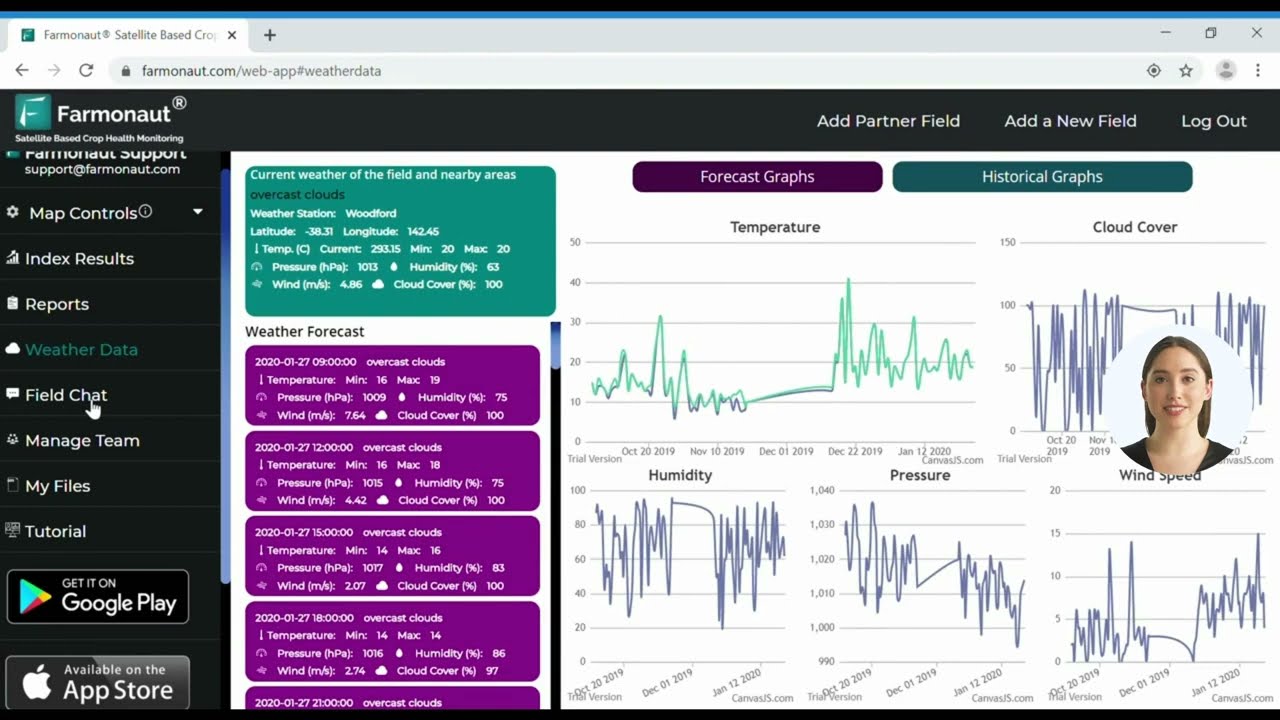
- ✨ Mobile Apps & API Integrations – On-the-go advice; see Farmonaut’s API and Developer Docs to automate lime recommendation for your system.

Actionable Tip Box
Environmental & Economic Benefits of Neutralizing Acidic Soil
The addition of lime for acidic soil neutralization delivers key environmental and economic advantages for farmers, agribusinesses, and global society in 2026 and beyond:
- 🌾 Enhanced Crop Yields: Sustainable pH correction unlocks maximum nutrient availability and boosts crop productivity.
- 💚 Toxicity Mitigation: Liming reduces toxicity of aluminum and manganese, preventing root damage especially in sensitive crops.
- 🌍 Environmental Protection: Reduces acid runoff and nutrient pollution, supporting ecosystem health and water quality across landscapes.
- 🔋 Carbon Sequestration: Healthier, biologically active soils store more organic carbon—a win for climate change mitigation. Track your carbon footprint here.
- 🌱 Sustainable Land Use: Sustainable lime correction restores degraded lands, extends productive capacity, and reduces pressure on fragile or marginal lands.
Common Mistake Box
Farmonaut Tools for Soil Health & Acidic Soil Management
As a pioneering satellite technology company, Farmonaut offers advanced tools and advisory systems to empower farmers, businesses, and governments worldwide in neutralizing acidic soils with greater precision and impact:
- 🌍 Real-time Satellite Crop & Soil Monitoring: Get dynamic pH, organic matter, and field health insights from our multispectral imagery.
- 🤖 AI-Powered Lime Rate Recommendation: Our Jeevn AI advisory system analyzes satellite and field data to suggest the best lime type, timing, and rate for each field zone—ultimately boosting productivity and sustainability.
- 🔗 Blockchain Traceability: Use traceability solutions to maintain tamper-proof records for lime application—building trust with consumers and supply-chain partners.
- 💡 Environmental Impact Tracking: Track your farm’s carbon footprint and land sustainability post-liming—helping you qualify for incentives and meet best practices.
- 💎 API and App Integrations: Integrate monitoring protocols into your own software with our API and developer docs.
Investor Note Box
Farmonaut Subscription Options
FAQs: Acidic Soil Neutralization with Lime
1. Why is acidic soil a problem for agriculture?
Acidic soil reduces availability of key nutrients (like phosphorus, calcium, and magnesium), increases toxic elements (aluminum, manganese), impedes root and crop growth, and disrupts microbial activity—leading to lower agricultural yields and sustainability risks.
2. How does lime work to neutralize soil acidity?
Lime, usually in the form of calcium carbonate or magnesium carbonate/oxide, reacts with hydrogen ions in the soil, decreasing acidity and raising pH toward the optimal range for crop production.
3. When should lime be applied for best results?
Apply lime at least 2-6 months before planting to allow full neutralization. The ideal timing depends on the product used, soil type, climate, and target crops. Incorporate lime into the soil for efficient results.
4. Can I use any type of industrial by-product as lime?
No. Only safe, tested industrial by-products with proven levels of carbonates or oxides (like steel slag, paper mill sludge) are suitable. Always check for heavy metals or toxic contaminants before use.
5. How does Farmonaut support precision liming?
Farmonaut leverages satellite imagery, AI, and blockchain for real-time soil condition monitoring, lime recommendation, tracking, and management—integrated via web, mobile app, or API.
Conclusion: Acidic Soil Neutralization—Future-ready for Sustainability & Productivity
In summary, acidic soil can be neutralized by adding lime—an essential intervention for sustainable agriculture in 2026 and beyond. The selection, application, and monitoring of lime must be aligned with best practices, scientific analysis, and precision digital tools. Advanced agricultural technologies—like those offered by Farmonaut—help ensure cost-efficient, environmentally sound, and high-yield outcomes, safeguarding our food systems and planet.
Let’s empower our fields, secure our food, and steward the land with targeted acidic soil neutralization and digital innovation. For more details, visit Farmonaut and explore our ecosystem of solutions.

 Leher
Leher AgroRisk
 Oath Inc
 Reddane Farming
 Esri North East Africa
 Cresol
 Atur Kuliner
 MDCV UK
 Zerella Group
 Etech Consulting Madagascar
 Vestlandsforsking
 Agritein
 Delicio
 WB Dev
 Sama Premium
 Prochecker
 Tres Valles
 LACOS Geoinformation
 Magrifly
 LatConnect 60
 Blickwinkel
 Agricultural Credit Policy Council
