

Advanced Hydroponic Systems 2025: Build Towers & Go Organic
“Hydroponic towers can increase urban crop yields by up to 40% compared to traditional soil farming, enabling efficient land use.”
Table of Contents
- Introduction: Advanced Hydroponic Systems & Modern Farming
- The State of Advanced Hydroponics in 2025
- Comparative Table: Advanced Hydroponic Systems for Urban Farming
- Can Hydroponics Be Organic? Feasibility & Evolving Standards
- How to Build a Hydroponic Tower: Practical Considerations
- Integrating Advanced Technologies: Automation & Satellite Insights
- Urban, Indoor & Vertical: Hydroponics in Modern Environments
- Sustainability, Productivity, and Environmental Health
- Farmonaut: Enabling Advanced, Data-Driven Urban Hydroponics
- FAQ: Advanced Hydroponic Systems, Towers & Organics
- Conclusion: The Future of Advanced Hydroponics
Introduction: Advanced Hydroponic Systems & Modern Farming
In the last decade, advanced hydroponic systems have revolutionized agricultural practices by replacing soil with precision-managed, nutrient-rich water solutions. The leap from basic hydroponics to high-tech, vertical, and sustainable models has enabled year-round crop production, maximized land use in urban environments, and significantly reduced environmental impact. As we forge ahead into 2025, hydroponics is a centerpiece in the urban agriculture movement—allowing businesses, individuals, and communities to cultivate more food, more sustainably, and in spaces previously considered non-arable.
This article explores the current state and the promise of advanced hydroponics, the feasibility of achieving organic certification within hydroponic systems, and how innovators can build hydroponic towers to create practical, high-yield solutions in cities worldwide. With sustainability and food security ever more vital, these systems are poised to reshape modern agriculture and build a bridge to the future of farming.

The State of Advanced Hydroponics in 2025
Modern hydroponic systems in 2025 are a synergy of cutting-edge technologies, data-driven management, and sustainability-focused design. Hydroponics refers to a method of growing plants without soil, using tailor-made nutrient solutions in water as the core medium. CEA facilities (Controlled Environment Agriculture) are equipped with sensors and automation, allowing growers to monitor and precisely control pH, nutrient levels, temperature, light intensity, and humidity.
Key advancements include:
- Integration of IoT and AI: Live monitoring (via remote sensors) enables AI-driven optimization—ensuring plants receive the exact conditions needed for optimal growth.
- Vertical Farming & Towers: Multi-layered or vertical tower systems maximize yield per square meter, vital in arable-land-scarce urban settings and rooftop farms.
- Resource Efficiency: Hydroponics uses up to 90% less water than traditional soil-based farming by recirculating nutrient solutions.
- Minimal Land Use: By stacking plants upward and using high-density layouts, advanced hydroponics allows for high productivity in small footprints.
- Pesticide Reduction: Controlled environments mean fewer pests and diseases, reducing or eliminating the need for synthetic pesticides and runoff that can harm local ecosystems.
- Year-round Production: Weather and seasons play less of a role—enabling growers to supply fresh produce 365 days a year, under any climate.
Across urban agriculture, commercial production, and research sectors focused on food security and sustainability, advanced hydroponic systems are setting new standards in efficient, resilient farming practices.

Comparative Feature Table: Advanced Hydroponic Systems for Urban Farming (2025)
To help you choose the best advanced hydroponic system for urban cultivation in 2025, we’ve compiled a comparative table below, based on key features and estimated data from industry research.
| System Type | Organic Feasibility | Build Difficulty | Space Req. (sq. ft.) | Est. Yield Increase (%) | Sustainability Rating |
|---|---|---|---|---|---|
| Nutrient Film Technique (NFT) | Medium | Medium | 10–30 | 25–35% | High |
| Aeroponic Tower | High | Hard | 5–20 | 40–45% | High |
| Deep Water Culture (DWC) | Medium | Easy | 20–40 | 20–30% | Medium |
| Drip Hydroponics | Medium–High | Medium | 15–35 | 30–35% | High |
| Flood & Drain (Ebb & Flow) | Medium | Medium | 15–40 | 25–30% | Medium |
| Vertical Hydroponic Tower | High | Medium | 3–10 | 35–40% | High |
Note: Advanced hydroponic towers and aeroponic systems are particularly ideal for urban farming due to their space-saving vertical design and high sustainability ratings. Organic feasibility depends on nutrient source and system management.
“By 2025, over 60% of urban hydroponic farms are projected to adopt advanced organic systems for sustainable food production.”
Can Hydroponics Be Organic? Feasibility & Evolving Standards
One of the most debated questions in hydroponics today is, can hydroponics be organic? Traditionally, organic certification standards emphasized soil health, natural ecosystems, and the exclusion of synthetic inputs. On the surface, hydroponic systems—being soil-less—seem at odds with these standards and pose challenges for classifying hydroponic produce as genuinely organic.
However, as the organic movement evolves and urbanization shifts agricultural priorities, some certifying bodies now recognize hydroponics under specific, rigorous conditions:
- Inputs Must Be Organic: Nutrient solutions derived from natural materials such as fish emulsion, seaweed extract, compost teas, worm castings, or other approved organic fertilizers.
- No Synthetic Chemicals: Avoidance of prohibited synthetic pesticides, fungicides, and mineral salts.
- Biodiversity and Microbial Health: Encouragement of microbial stability and diversity within the hydroponic system (e.g., use of beneficial bacteria and fungi in the root zone).
- Traceability and Transparency: Ability to document all inputs and processes (increasingly managed with blockchain traceability solutions—see our Product Traceability platform), a growing requirement in modern food supply chains.
Recent research and advanced biological inoculants have improved how hydroponic systems manage organic nutrients, making organic hydroponics far more feasible in 2025. These evolving systems are particularly valuable for urban commercial agriculture, where demand for organic, local, and pesticide-free crops is highest.
Challenges remain:
- Nutrient Balancing: Organic inputs can be less consistent in their formulation, requiring more frequent testing and monitoring to maintain plant growth and health.
- Regulator Disparity: Acceptance varies globally—some regions embrace organic hydroponics, others still restrict organic certification to soil-based cultivation.
Yet, with smart management, innovation, and technology, advanced hydroponic growers can meet consumer demand for genuinely organic produce, without soil, at scale, and in controlled urban environments.
How to Build a Hydroponic Tower: Practical Insights for 2025
Hydroponic towers are at the forefront of urban agriculture and advanced hydroponic technology in 2025. Compact, vertical, and highly productive, they are ideal for commercial producers, restaurants, schools, and even home growers seeking maximum yield per square meter. Here’s a detailed approach to building your own hydroponic tower system:
-
System Design & Materials:
- Choose food-safe, UV-resistant, and durable materials. PVC and recycled plastics are common for pipes and columns; ensure all surfaces in contact with water and nutrients are certified for food production.
- Design should be modular, allowing for simple assembly, scalability, and easy cleaning. Stackability is crucial for future expansion.
- Consider aesthetics for urban or indoor environments—sleek, white, or green finishes blend well in modern spaces.
-
Nutrient Delivery Method:
- A reliable submersible pump circulates water from the base reservoir to the top of the tower, with gravity delivering it downward through root zones.
- Drip emitters, micro-sprayers, or thin film (in NFT-based towers) ensure even distribution and prevent dry zones and root clogging.
- PVC elbows and connectors must be tightly sealed to prevent leaks.
-
Reservoir and Recirculation:
- Reservoir should be opaque (to block light and inhibit algae), sized according to the number of plants (minimum 20–30 liters per tower for small setups).
- Include an overflow and drain line so that excess nutrient solution returns to the reservoir, supporting closed-loop, water-efficient operation.
-
Climate Controls & Lighting:
- For indoor hydroponic towers, install full-spectrum LED grow lights tailored to the crop species (e.g., 400–700 nm for leafy greens).
- Automate ventilation fans and humidifiers/dehumidifiers to maintain optimal temperature (18–24°C) and humidity (50–70%). Smart controllers can synchronize lighting and environment for different growth phases.
-
Crop Selection:
- Choose crops best suited to tower systems: leafy greens (lettuce, spinach, kale, arugula), herbs (basil, mint, cilantro), strawberries, dwarf tomatoes, and small peppers thrive in vertical setups.
- Spacing between holes should allow air movement (minimum 15cm apart); root zones must not entangle as the plant matures.
-
Automation & Monitoring:
- Modern towers in 2025 feature integrated IoT sensors that track water levels, pH, nutrient EC, light, and temperature (with data viewable on mobile/web dashboards).
- Automated dosing systems can replenish nutrients as plants absorb them, reducing manual labor.
-
Maintenance Protocol:
- Regularly flush the system to prevent salt build-up, check for leaks, clean filters, and replace or clean drip/spray emitters.
- Monitor plant roots weekly for signs of disease or nutrient deficiency.
With careful planning, proper materials, and tech integration, you can build a hydroponic tower that is resilient, productive, and adaptable to changing consumer needs and sustainability standards in urban farming environments.

Advanced Hydroponic Tower Technologies: Automation, AI & Satellite Integration
The most successful hydroponic towers in 2025 go far beyond basic plumbing and pumps. These systems leverage the best in sensor technology, data science, and remote management:
- IoT Sensor Networks: Monitor pH, nutrient, water levels, humidity, temperature, and even plant growth rates, providing granular control over all environmental variables.
- Smart Automation: Automated dosing systems adjust nutrient and pH levels in real time. Lighting and climate are adjusted on dynamic schedules to match plant needs.
- AI-Based Alerts & Recommendations: Systems can notify users of sub-optimal conditions, predict pest or disease risk, and offer optimization advice.
- Remote & Mobile Access: Through intuitive web and mobile apps, modern urban farmers can manage towers, tweak nutrient schedules, or respond to environmental shifts from anywhere.
-
Satellite-Based Analytics: While most hydroponic towers operate at facility scale, enterprise growers often pair greenhouse or container hydroponics with satellite-based resource management platforms (e.g., Farmonaut) for macro-level monitoring, yield forecasts, and climate impact tracking.
Fleet Management Tools integrated with hydroponic operations empower urban agri-businesses to optimize logistics, reduce emissions and improve operational efficiency for city-wide food distribution.
Urban, Indoor & Vertical: The Smart Setting for Hydroponic Agriculture
In sprawling cities and rapidly urbanizing regions, arable land is scarce—but rooftops, abandoned warehouses, basements, and even office spaces can become fertile grounds for production via vertical hydroponic towers. Here’s how:
- Minimal Footprint, Maximal Yield: Towers and multi-layer racks extract the highest possible yield per square meter, making production feasible in high-density cityscapes.
- Indoor Farming Revolution: With artificial lighting and complete environmental controls, hydroponic towers break free from seasonality, supporting year-round business and reducing dependence on external food networks.
- Reduced Food Miles: Growing food close to consumers drastically cuts transport emissions, slashes spoilage, and gives city residents rapid access to ultra-fresh, nutrient-rich produce.
- Community and Institutional Impact: Schools, hospitals, restaurants, co-ops, and apartment complexes deploy hydroponic towers for education, health, and food autonomy.
These applications connect advanced hydroponics directly to the critical challenges of food security, urban resilience, and sustainable city living in 2025 and beyond.
Sustainability, Productivity, and Environmental Health in Advanced Hydroponics
The adoption of advanced hydroponic systems is driven by their sustainability benefits:
- Water Conservation: Most hydroponic towers recirculate water in closed loops, with only minor evaporation losses. Compared to traditional agriculture—where up to 70% of water can be lost via runoff—this method saves literally hundreds of liters per crop cycle.
- Pesticide Elimination: Controlled environments lock out many common pests and diseases, minimizing or eliminating the need for synthetic chemical inputs, and contributing to cleaner, healthier produce for consumers.
- Climate Resilience: Both small-scale and commercial hydroponic setups buffer against drought, temperature swings, and floods. This is invaluable for business continuity and community food security.
-
Low Carbon Footprint: By slashing food miles and optimizing resource use (via data and tech), advanced hydroponics help cities and businesses achieve lower per-kg carbon emissions.
For businesses and planners, carbon footprinting tools such as Farmonaut’s Carbon Footprinting solution allow detailed tracking and reporting of sustainability KPIs, aligning with 2025’s stricter global regulations. - Soil Health Preservation: Since crops are not dependent on land, advanced hydroponics enables cities to leave peripheral soils undisturbed and regenerate per-urban wildlands.
For urban planners, schools, and eco-conscious businesses, these features combine to make hydroponic towers not just agriculturally productive, but also ideals for sustainable food systems in tomorrow’s cities.
Farmonaut: Satellite Solutions for Advanced, Data-driven Urban Hydroponics
At Farmonaut, we are dedicated to making satellite-driven insights affordable and accessible across the agricultural sector, including hydroponics. Our platform empowers businesses, growers, city planners, and institutions to:
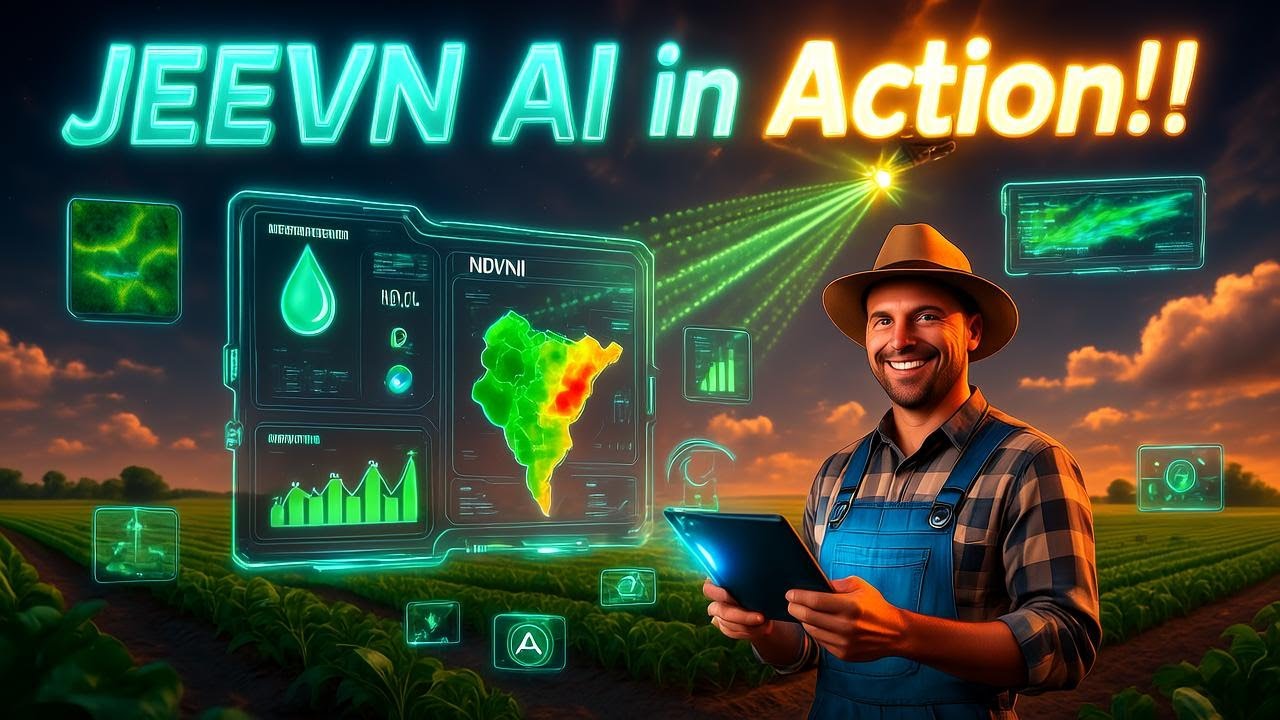
- Remotely monitor crop health and site conditions via real-time, multispectral satellite images and AI advisories—perfect for large, distributed hydroponic operations or urban greenhouses. Available via mobile/web app and API access.
- Track environmental impacts with tools for carbon footprinting and traceability, essential for compliance with 2025’s transparency demands in urban agriculture and food security initiatives.
- Access actionable, AI-driven advice for resource management, crop rotation, and disease mitigation, ensuring high productivity—even in challenging urban environments.
- Enable blockchain-based verification for urban hydroponic produce, building consumer trust by ensuring city-grown crops are both sustainable and authentic.
- Assist governments and businesses in making urban agriculture more resilient, efficient, and sustainable through scalable, data-driven tools.
Our solutions are designed so users of all backgrounds—farmers, businesses, government agencies—can optimize yield and resource use with minimal cost. Scalable tools allow both small-scale urban farms and large commercial greenhouses to benefit equally.



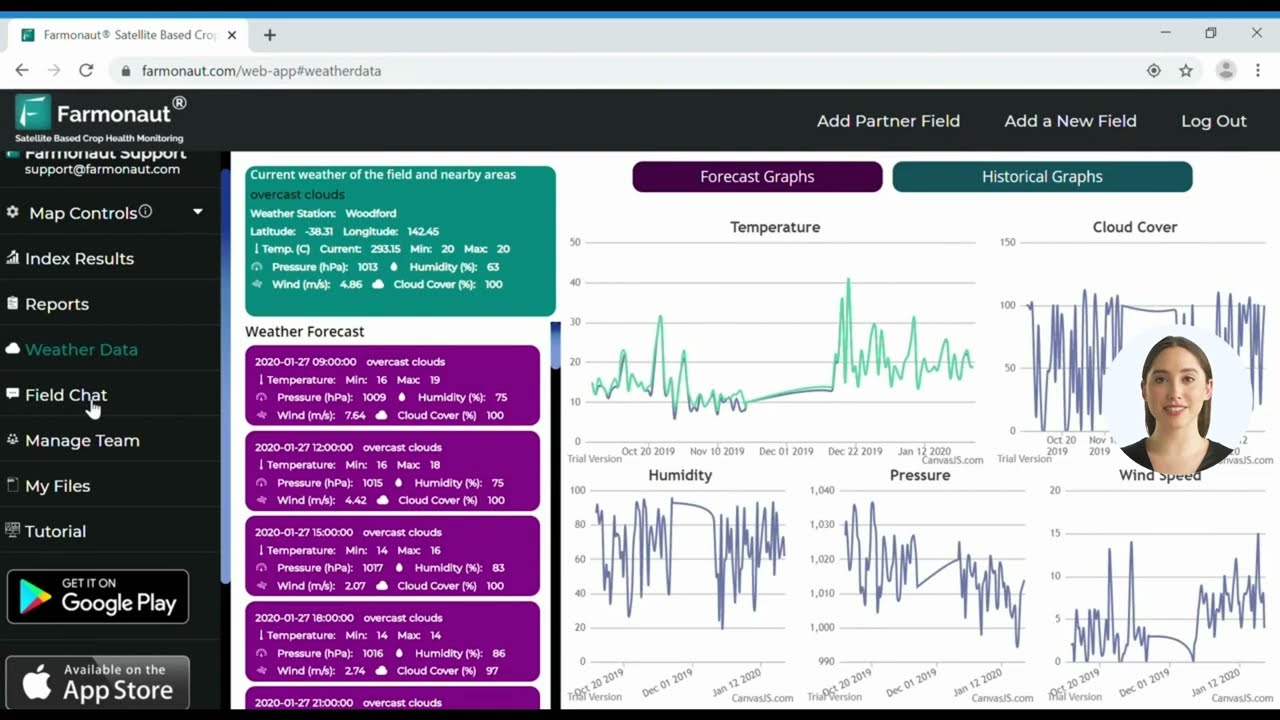
To learn more about large scale farm management and data-driven hydroponic operations, check out our Agro Admin App platform—allowing seamless integration of satellite data with real-world cultivation for urban and peri-urban agriculture.
For government bodies, banks, or insurance providers interested in satellite-based verification, our crop loan and insurance tools offer robust fraud protection and better risk management, aligning perfectly with the needs of the 2025 urban agriculture landscape.
FAQ: Advanced Hydroponics, Towers & Organics
What are the main advantages of advanced hydroponic systems in 2025?
Advanced hydroponic systems offer increased crop yields, up to 40% higher than soil-based agriculture, require less land and water, function year-round, and dramatically reduce pesticide use. Tech-driven monitoring and automation mean productivity and sustainability can be maximized even in urban or harsh climates.
Is it possible to achieve organic certification within hydroponic systems?
Yes, under specific conditions. Systems must use organically derived nutrients (like compost teas, fish emulsion), avoid prohibited synthetic chemicals, and frequently test for nutrient balance. Some regions and certifying bodies now permit organic hydroponics, recognizing their potential for sustainable urban food systems.
What crops are best suited for hydroponic towers?
Leafy greens (lettuce, kale, spinach), herbs (mint, basil, cilantro), and certain small fruit crops (strawberries, cherry tomatoes) thrive in hydroponic towers. Their shallow root systems and fast growth cycles make them ideal for vertical urban farming.
How does climate and environmental control work in a hydroponic system?
Sensors monitor temperature, humidity, and light. Automated climate control systems adjust fans, lights (LED for plant growth), and humidifiers/dehumidifiers, ensuring optimal growing conditions for each plant or crop stage.
Can hydroponics be run entirely without synthetic inputs?
Absolutely. With the proper organic nutrient sources, biological pest barriers, and diligent monitoring, synthetic inputs can be eliminated—making hydroponic produce cleaner and greener for modern consumers.
What is the sustainability footprint of hydroponics compared to traditional agriculture?
Advanced hydroponic systems use up to 90% less water, eliminate harmful run-off, sequester more carbon (by reducing food transportation), and require far less land. They also preserve surrounding soils and encourage regenerative practices, making them a key solution for sustainable agriculture in 2025 and beyond.
How do satellite and digital solutions improve hydroponic farming?
Satellite platforms such as Farmonaut provide macro- and micro-level monitoring, AI-based advisories, traceability, and environmental impact reports. These features deliver actionable insights for operational efficiency, sustainability tracking, and faster, better farm management decisions in urban environments.
Conclusion: The Future of Advanced Hydroponics
Advanced hydroponic systems—including hydroponic towers—have fundamentally redefined what’s possible in urban and sustainable agriculture. By moving crop cultivation into controlled, soil-less environments, these systems are maximizing productivity, reducing resource inputs, and enabling year-round, local food production. For urban centers facing limited land and increasing demand for clean, organic, and traceable crops, hydroponics offers an indispensable path forward.
With ongoing innovations in AI, automation, satellite data, and eco-friendly nutrient management, both commercial and community growers will continue to reap the benefits—especially as more certifying bodies recognize organic hydroponic produce as equal or superior to conventional soil-grown food.
Farmonaut is proud to provide the satellite-driven intelligence, traceability, and resource management tools needed to support this revolution, empowering all sectors of the urban farming ecosystem in 2025 and beyond.
Choose an advanced hydroponic tower system that aligns with your goals, space, and sustainability targets—and begin building the city farms of the future.
Discussion
Questions, corrections or field experience? Share them below. First-time comments are reviewed before they appear, and your email is never published.
No comments yet. Be the first to add a question or your experience.

 Tucor
Tucor Saraswati Agro
 Geno
Geno Hayleys Agriculture
 Linx Agritech
 Adinet
 Save Your Soils
 Grandstream Algérie
 XOS Realty
 Geospatial Lab Africa
 Agro La Gándara
 HIPSAC
 ZOL Zimbabwe
 Juligerm
 MISE Maroc
 NWNS
NWNS
 Licence holder · Niger · Gold










