

Top 7 Advanced Hydroponic Systems Providers 2026: Revolutionizing Sustainable Agriculture with Technology
“By 2025, advanced hydroponic systems are projected to increase crop yields by up to 40% compared to traditional farming.”
Introduction: The Rise of Advanced Hydroponic Systems Providers in 2026
The global landscape of advanced hydroponic systems providers has rapidly evolved over the last decade. By 2025 and progressing into 2026, we witness an agricultural revolution driven by the need for efficiency, sustainability, and resilience against water scarcity, land limitations, and climate unpredictability.
Advanced hydroponics — the fusion of state-of-the-art technologies and innovative cultivation methods — is empowering modern agriculture to produce more food, using fewer resources and minimizing ecological impact. Urban and traditional farming regions alike are leveraging these technologies to address critical challenges, maximize resource efficiency, and provide reliable, year-round access to fresh produce.
This comprehensive guide explores the top 7 advanced hydroponic systems providers for 2026, examines cutting-edge solutions, and analyzes their core technologies, benefits, and applications. Whether you are an urban farmer, commercial agricultural operator, researcher, or policy-maker, understanding the landscape of advanced hydroponics is now essential for sustainable success.
What Are Advanced Hydroponic Systems?
Advanced hydroponic systems refer to next-generation, soilless cultivation technologies where plants are nurtured in nutrient-rich water solutions within controlled environments. These systems go beyond traditional hydroponics by integrating:
- Smart automation and AI-driven platforms for monitoring variables (pH, temperature, humidity, light intensity, and nutrient delivery)
- Environmental sensors and precise data analytics
- Vertical and modular designs maximizing space (urban and peri-urban areas)
- Customizable LED grow lights for optimized photosynthesis by crop type
- Recirculating water systems to minimize consumption and waste
- Integration with blockchain technology for traceability solutions
Advanced hydroponics cultivates vegetables, herbs, fruits, and specialty plants year-round, enabling scalable and resource-efficient food production regardless of external environmental conditions.
“Efficient hydroponic setups can reduce water usage by nearly 90% while maintaining high agricultural productivity.”
Relevance in Modern Agriculture: Addressing Critical Challenges
With arable land diminishing globally and soil contamination an increasing issue, advanced hydroponic systems are revolutionizing production in urban and peripheral areas where space is restricted and traditional methods fall short.
- Land Scarcity: Enables farming in densely populated cities and regions with poor soil quality.
- Water Conservation: By recirculating and precisely controlling water usage, advanced systems reduce consumption by up to 90% compared to field agriculture.
- Climate Resilience: Year-round cultivation decouples farming from unpredictable weather patterns and seasonal limitations.
- Higher Crop Yield: Advanced hydroponic systems can increase yield per unit area dramatically, supporting food security.
- Ecological Sustainability: Minimize land and water footprint while reducing pesticide and fertilizer runoff.
These benefits are paramount as urban areas worldwide demand more fresh produce, and traditional agriculture struggles to keep pace.
Technological Features Driving Advanced Hydroponic Systems
1. Automation, AI, and Data-Driven Platforms
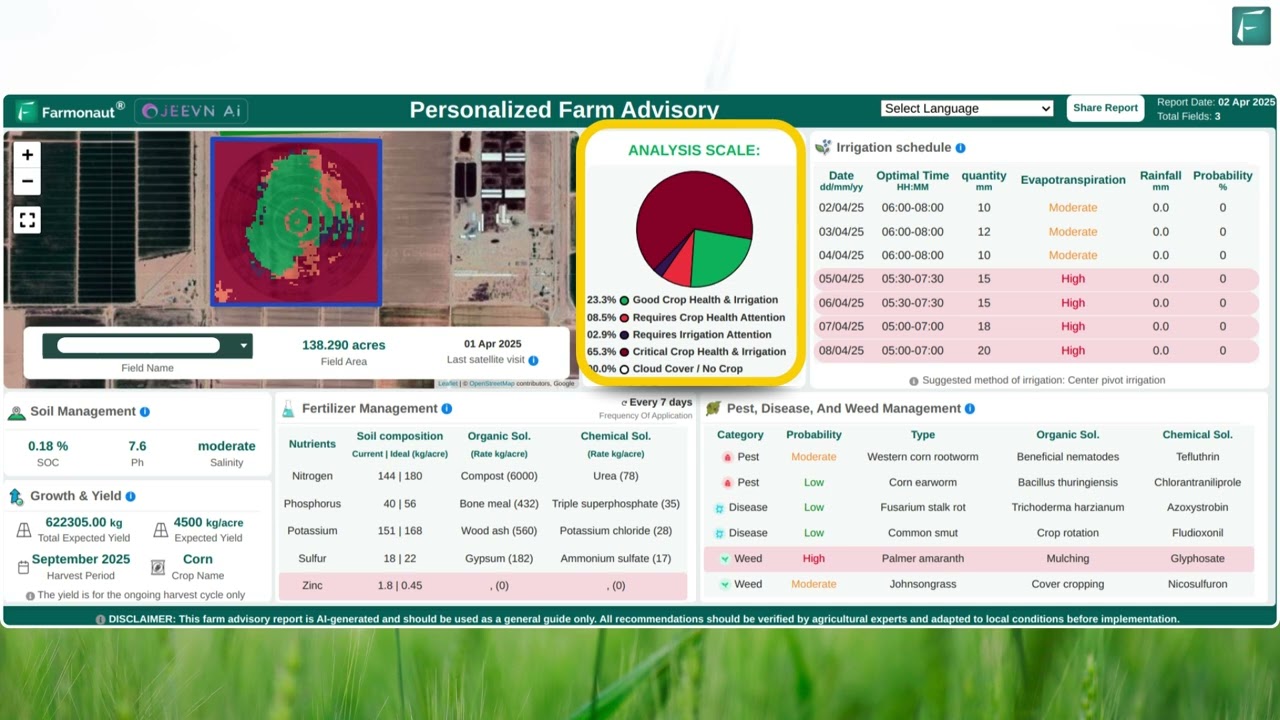
The heart of advanced hydroponic innovation lies in automation and AI-powered data analytics platforms. Growers utilize these to monitor every critical parameter:
- pH levels, EC (electrical conductivity), temperature, and humidity
- CO2 concentrations, light quality, nutrient solutions
- Predictive analytics for crop health and growth optimization
Sophisticated agronomic advisory tools and AI recommendation engines help minimize human errors, reduce labor costs, and enable scalable management even for large commercial setups.
2. Vertical, Modular & Scalable System Designs
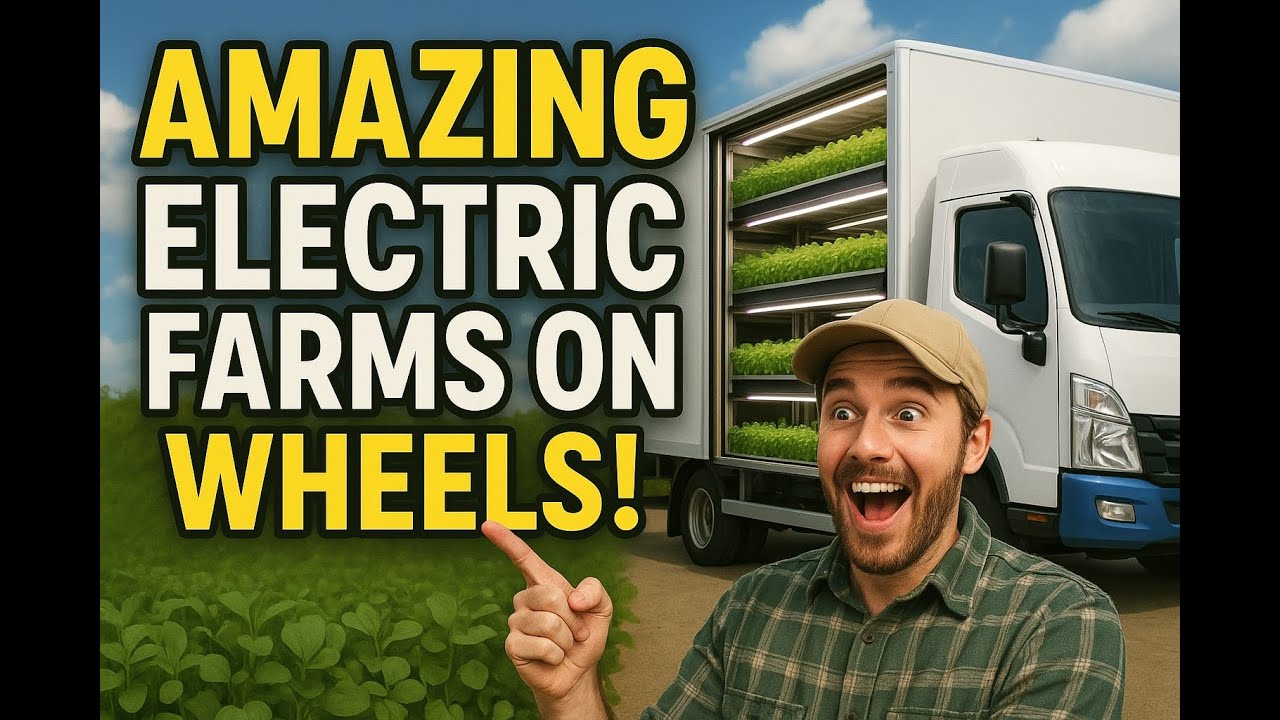
Advanced hydroponic systems often feature vertical farming installations — stacking multiple layers of plants to maximize yields per square meter. Modular units make systems scalable, so they adapt from small rooftop farms to massive commercial facilities.
- Efficient use of limited space in urban settings
- Modularity means easy expansion and relocation
- Tailored setups for specific crop needs
3. Sustainability, Resource Conservation & Environmental Impact
Advanced hydroponic setups recycle nutrient water solutions, reduce energy usage via high-efficiency LED lights, and increasingly integrate renewable energy sources. Blockchain-enabled environmental footprint tracking ensures compliance and transparency.
- Water recycling for up to 90% savings
- On-site solar or wind power for energy reduction
- Blockchain traceability for supply chain authenticity
- Carbon and sustainability reporting tools for growers and investors
Farmonaut’s own environmental impact monitoring is helping businesses adopt best practices, reduce emissions, and adhere to strict global regulations.

Top 7 Advanced Hydroponic Systems Providers 2026
The global advanced hydroponic market is competitive and dynamic. We present the leading providers of advanced hydroponic systems in 2026, recognized for their innovation, technology integration, and commitment to sustainability and productivity:
1. AeroFarmX
AeroFarmX has set benchmarks with its aeroponics and hybrid vertical farming systems. Using AI-controlled environments and real-time nutrient delivery, it enables rapid yield improvements and minimal water use.
- Specialty: Aeroponic towers & commercial vertical farms
- Estimated water savings: 95%
- SmartTech: Full integration with AI and IoT
- Coverage: North America, Europe, Asia-Pacific
2. Hydrobloom Solutions
Hydrobloom excels in urban modular hydroponics, offering plug-and-play systems for rooftops, unused industrial spaces, and research institutions. Its cloud-based analytics platform allows for easy scaling and remote management.
- Specialty: Modular NFT (Nutrient Film Technique) & DWC (Deep Water Culture) units
- Estimated water savings: 87%
- SmartTech: Cloud analytics and satellite weather integration
- Coverage: North America, Europe
3. Farmonaut
We at Farmonaut offer satellite-driven advisory and resource management technologies that empower hydroponic system providers and growers worldwide. Our solutions enable growers to leverage real-time AI-based crop monitoring, fleet/resource management, blockchain traceability, and sustainability analytics to optimize yield while minimizing inputs. Our platform is compatible with a diverse range of hydroponic setups including NFT, DWC, aeroponics, and hybrid systems.
- Specialty: Satellite-enabled digital advisory & AI-based operational optimization
- Estimated water savings: Varies by system, up to 92%
- SmartTech: AI, blockchain, satellite analytics, real-time multi-platform accessibility
- Coverage: Global, with presence in North America, Asia, Europe, Africa
- Try our platform:


4. NutriGrow Technologies
NutriGrow is noted for its AI-orchestrated nutrient delivery systems — analyzing each crop’s lifecycle and adjusting nutrient mixes with precision, all with minimal manual intervention.
- Specialty: AI & ML-optimized, fully automated hydroponics
- Estimated water savings: 90%
- SmartTech: Predictive maintenance, cloud IoT, and genetic analytics
- Coverage: Europe, South America, Middle East
5. GreenPulse International
GreenPulse focuses on sustainable aquaponics and hybrid hydroponic systems leveraging natural symbiosis. They offer advanced resource management modules for large-scale food production in urban and peri-urban settings.
- Specialty: Aquaponics and closed-loop vertical farming
- Estimated water savings: 85%
- SmartTech: Blockchain-enabled supply chain, off-grid energy
- Coverage: APAC, Africa, South America
6. UrbanLeaf Dynamics
UrbanLeaf offers home and community-scale smart hydroponic units with plug-and-play sensors, making advanced hydroponics accessible in even the smallest urban environments. Their intuitive mobile app tracks environmental parameters, crop growth, and provides instant troubleshooting.
- Specialty: Smart IoT-enabled home hydroponic gardens
- Estimated water savings: 90%
- SmartTech: AI-based app, auto-dosing, user-friendly
- Coverage: North America, Europe, select Asian cities

7. PureHarvest Systems
PureHarvest specializes in commercial-scale hydroponics paired with renewable energy, designed for arid regions with acute water scarcity. Their systems typically include robust climate controls and blockchain-backed supply traceability.
- Specialty: Hybrid DWC/NFT with renewable energy integration
- Estimated water savings: 93%
- SmartTech: Blockchain, advanced climate control
- Coverage: Middle East, Africa, Australia
Comparison Table: Top 7 Advanced Hydroponic Systems Providers (2026)
| Provider Name | System Type | Estimated Water Savings (%) | Smart Technology Integration | Estimated Crop Yield Increase (%) | Year Established | Geographic Coverage (Regions Served) | Unique Feature/USP |
|---|---|---|---|---|---|---|---|
| AeroFarmX | Aeroponics/Vertical | 95% | Yes (AI/IoT) | +42% | 2018 | Global: NA, EU, APAC | AI-optimized aeroponic towers |
| Hydrobloom Solutions | NFT, DWC, Modular | 87% | Yes (Cloud Analytics) | +33% | 2020 | NA, EU | Plug-and-play modularity |
| Farmonaut | Satellite-based Advisory (Supports NFT, DWC, Aeroponics, Hybrid) | Up to 92%* | Yes (AI, Blockchain, Analytics) | +38%* | 2018 | Worldwide | Satellite+AI integrated platform, blockchain traceability, environmental tracking |
| NutriGrow Technologies | AI-optimized Hydroponics | 90% | Yes (AI/ML) | +41% | 2017 | EU, SAM, ME | Genetic data-driven nutrition |
| GreenPulse International | Aquaponics, Hybrid Hydroponics | 85% | Yes (Blockchain) | +34% | 2015 | APAC, Africa, SAM | Sustainable closed-loop aquaponics |
| UrbanLeaf Dynamics | IoT Smart Home Hydroponics | 90% | Yes (IoT, Mobile) | +29% | 2021 | NA, EU, Asia | Plug & play IoT gardens |
| PureHarvest Systems | Hybrid DWC/NFT, Solar | 93% | Yes (Blockchain, Off-Grid) | +37% | 2019 | MEA, Africa, Australia | Renewable-powered, climate-adaptive |
*Figures vary based on provider integration and actual field practices.


Advanced Hydroponics: Applications Beyond Traditional Farming
While agriculture is the core application, advanced hydroponics is extending its transformative force to sectors like forestry, mining land rehabilitation, and urban greening.
-
Land Restoration:
- Hydroponically grown nursery stock supports fast reforestation in degraded soils.
- Urban and mining-impacted areas utilize hydroponic nurseries for phytoremediation, removing toxins with minimal soil disturbance.
-
Climate-Resilient Urban Design:
- Vertical and modular hydroponic gardens improve urban air quality and reduce heat islands.
-
Remote/Extreme Environments:
- Hydroponic setups enable food production for mining camps, oil rigs, and Antarctic research stations where soil farming is impossible.
-
Supply Chain Transparency:
- Blockchain-linked hydroponics ensure traceable, safe food for global export and specialty produce markets.

Farmonaut’s crop, forest and environmental advisory platform is being used to optimize plantation and sustainability initiatives worldwide, supporting everything from urban farming to reforestation efforts.
Learn more about our crop plantation and forest advisory capabilities.
Challenges & Future Outlook for Advanced Hydroponic Systems (2026 and Beyond)
Current Challenges Facing Adoption
- Upfront Capital Investment: Advanced hydroponic installations require higher initial expenditures for infrastructure and technology integration compared to traditional farming.
- Technical Complexity: The need for skilled operators and technical know-how can slow adoption among smallholder and rural farmers.
- Energy Dependency: Without renewable integration, energy costs for lighting and control systems remain significant in some regions.
- Research and Customization: Different crops and climates demand tailored nutrient and management protocols, necessitating ongoing R&D investment.
The Future: Trends & Innovations for 2026 and Beyond
- Deeper AI & IoT Integration: Predictive models for disease management, water/nutrient optimization, and automated intervention will advance.
- Bioengineered Nutrient Solutions: Next-gen formulations will cater to specific genetic/phenotypic crop needs, maximizing resource use and yield.
- Blockchain-enabled Supply Chains: Mandatory traceability in food safety regulations will fuel demand for blockchain-backed hydroponics.
- Scalable Renewable Energy: Solar and other decentralized renewable power will reduce energy cost dependencies for commercial farms.
- APIs and Data Integration: Seamless links with broader agricultural data platforms (see Farmonaut API and developer documentation) will deliver holistic resource and operational management.
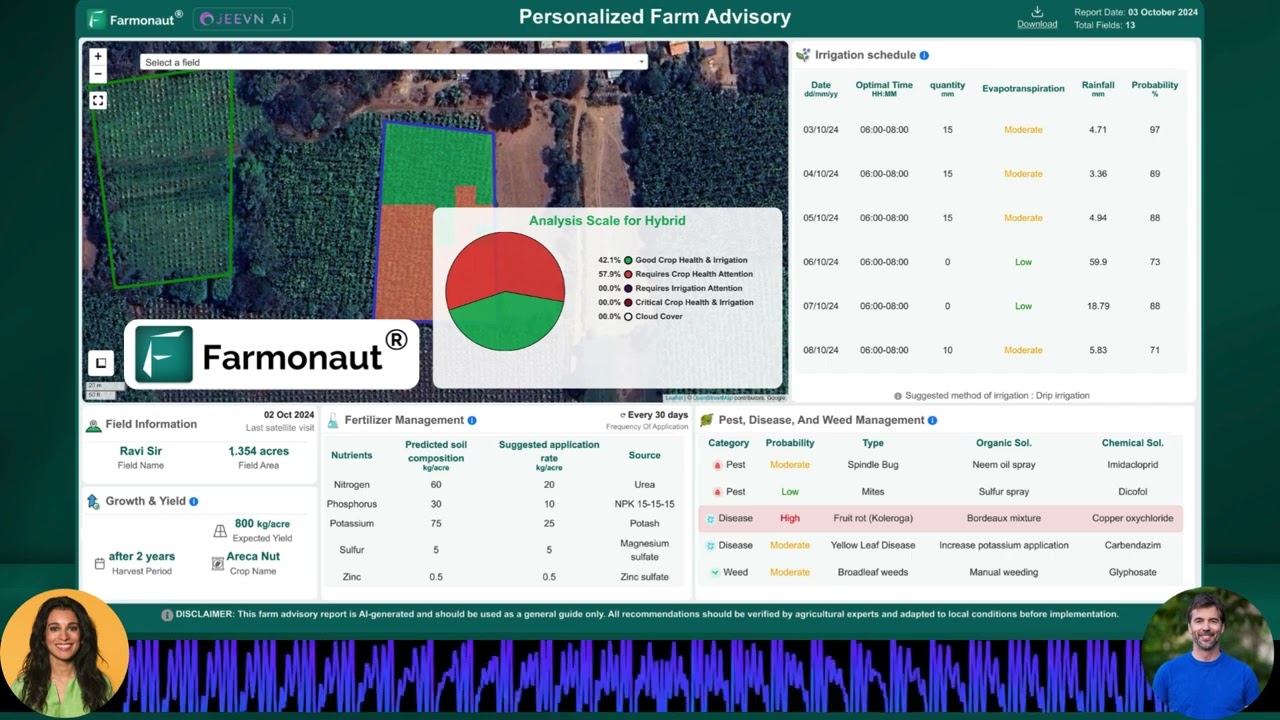
With public and private sectors accelerating investment and research, advanced hydroponic systems will become more accessible, user-friendly, and pivotal for global food security and sustainable development.
FAQ: Advanced Hydroponic Systems in 2026
- What are advanced hydroponic systems and how do they differ from traditional hydroponics?
- Advanced hydroponic systems are high-tech, scalable setups that combine nutrient-rich water solutions with automation, AI, data analytics, blockchain, and environmental monitoring for optimal plant growth. Unlike traditional hydroponics, these systems focus on resource efficiency, traceability, and tailored crop management.
- How much water can advanced hydroponic systems save compared to soil-based agriculture?
- They can reduce water consumption by up to 90%, thanks to recirculating nutrient solutions, precise delivery, and closed-loop recycling—making them ideal for regions facing water scarcity.
- Are advanced hydroponic systems economically viable for small-scale or urban farmers?
- Yes, especially with modular and IoT-enabled systems now available. Upfront costs are offset by higher yields, reduced water and fertilizer expenses, and lower pest/disease incidence. Urban and rooftop solutions cater specifically to space-limited and resource-conscious growers.
- What is the role of AI and automation in advanced hydroponic systems?
- AI and automation power real-time monitoring and adjustment, ensuring each plant’s environment and nutrition are precisely managed. This maximizes growth, prevents waste, and greatly reduces the need for constant manual oversight.
- How does Farmonaut support advanced hydroponic system providers and growers?
- We provide satellite and AI-driven real-time monitoring, weather and operational advisory, blockchain-based supply chain traceability, fleet and resource management, and environmental impact analytics—helping optimize hydroponic productivity and sustainability at any scale.
- Is blockchain important for hydroponic agriculture?
- Yes. Blockchain ensures supply chain transparency, enhances food safety, and helps comply with evolving regulations—especially important for export and organic-certified produce. See Farmonaut’s traceability solutions.
- Can hydroponics be part of environmental and land rehabilitation strategies?
- Absolutely. Hydroponically raised plants are used for reforestation, soil improvement, and phytoremediation in mining and urban redevelopment projects—growing robust nursery stock independent of degraded soils.
Explore Additional Farmonaut Tools:
- Fleet Management: For hydroponic farms with distributed operational assets—track, optimize, and manage logistics, vehicles, and equipment remotely.
- Crop Loan & Insurance Services: Leverage satellite verification for faster lending and insurance assessment—ideal for investors in hydroponic/vertical farm infrastructure.
- Large-Scale Farm Management: Control and optimize extensive hydroponic operations via a centralized dashboard, scalable for agribusinesses and research farms.
Farmonaut Subscription Options
To make advanced, satellite-driven data and advisory affordable and accessible, we offer multiple subscription packages for individual growers, businesses, and institutions. Access our platform via web, Android, and iOS apps, or integrate our insights directly into your operations using our API. Flexible plans support scaling from small pilot projects to large-scale commercial hydroponics worldwide.
Conclusion: The Future of Advanced Hydroponic Systems
By 2026, advanced hydroponic systems providers have catalyzed a global shift toward sustainable, climate-resilient, and resource-efficient agriculture. These technologies offer actionable solutions for urban and rural food production, land rehabilitation, and ecological stewardship.
Whether you are seeking to optimize commercial farm yields, address urban food security, or improve supply chain transparency, now is the time to integrate advanced hydroponics into your strategy. Providers such as AeroFarmX, Hydrobloom, GreenPulse, and Farmonaut, are defining the future with AI, satellite data fusion, blockchain, and precision management.
Embrace this transformative force—as the demand for clean, traceable, and reliably grown produce accelerates in an ever-changing climate, advanced hydroponic systems will remain at the forefront of the new green revolution.

Want to take your hydroponic production to the next level?
Start with Farmonaut’s smart platform and leverage data, AI, and blockchain insights for tomorrow’s challenges.

 Field Capacity
 Abhishta Agri
 SP Farms
 Indosistim Teknologi
 Liquify Digital
 CU Foods
 BeyondTech Global
 Rouge VC
 AgroGreen Dynamics
 AgroRisk
 Oath Inc
 Reddane Farming
 Esri North East Africa
 Cresol
 MDCV UK
 Etech Consulting Madagascar
 Vestlandsforsking
