

Agriscience & Biotechnology: Top 10 Farming Innovations Revolutionizing 2025
“By 2025, biotech-driven crops are projected to increase global food production efficiency by over 30%.”



Table of Contents
- Introduction
- Top 10 Farming Innovations in Agriscience & Biotechnology (2025)
- Comparison Table of Top 10 Farming Innovations (2025)
- Agriculture and Biotechnology Jobs & Emerging Career Pathways
- Farmonaut and the Digital Revolution in Agriculture
- FAQ – Agriscience, Biotechnology, and Sustainable Farming
- Summary & Looking Ahead to 2026 and Beyond
Introduction: The Intersection of Agriscience and Biotechnology in 2025
The intersection of agriscience and biotechnology is fundamentally reshaping the global agricultural landscape in 2025, driving sustainable farming, opening new agriculture and biotechnology jobs, and fortifying food security. As worldwide populations continue to grow and climate challenges intensify, advances in biotechnology and farming have become not just innovative, but essential for ensuring the future viability, economic strength, and environmental sustainability of rural communities and food systems.
Our plain-language explainer on biotechnology in agriculture sets out what the field covers and where it is mainly used.
Agriscience refers to the rigorous application of scientific principles and discoveries to agricultural practices, integrating modern biotechnology to improve crop yields, disease resistance, pest resilience, and nutritional value. Biotechnology today employs advanced techniques — from CRISPR gene editing and molecular markers to next-generation biofertilizers and biopesticides — that are revolutionizing how we grow food, manage soil, and respond to emerging agricultural challenges.
As we look ahead to 2026 and beyond, these critical innovations are not only delivering practical solutions for sustainable food production but also creating transformative career opportunities across a rapidly evolving economy. This comprehensive blog explores the top 10 innovations leading the charge, explains their scientific foundation, and connects them with real-world applications.
Top 10 Farming Innovations in Agriscience & Biotechnology (2025)
Below, we delve into the most critical innovations and biotechnological advances that are revolutionizing farming, from gene-edited seeds to satellite-driven analytics, and explain why these breakthroughs are pivotal for agricultural sustainability in 2025 and the near future.
1. CRISPR Gene Editing for Resilient & Nutritious Crops
Perhaps the most significant recent leap in biotechnology is the application of CRISPR/Cas9 gene editing to agriculture. This tool allows scientists to make precise, targeted changes to plant genomes, directly enhancing traits such as drought, heat, and salinity tolerance, disease resistance, and nutritional value. By 2025, CRISPR-edited varieties are enabling higher yields, making crops more resilient to the changing climate and reducing reliance on chemical pesticides.

This precision engineering means emerging plant diseases and pests can be tackled proactively. For example, rice and maize engineered for enhanced nutrient-use efficiency now require less fertilizer, thus reducing costs and environmental impact while maintaining food quality and security.
2. GM Crops with Built-In Pest and Disease Resistance
Genetically modified (GM) crops have matured from controversial beginnings to mainstream, sustainable solutions. By 2025, new GM varieties are engineered to resist a wide range of pests without heavy chemical pesticide use, lowering environmental impact and input costs for farmers. Bt cotton, for instance, continues to reduce pesticide applications by over 50% in many regions.

Moreover, genetic modifications now enable crops like banana, papaya, and potato to withstand emerging diseases, minimizing crop loss and ensuring stable food production.
3. Advanced Biofertilizers & Biopesticides for Soil & Plant Health
One of the underestimated advances in biotechnology and farming is the rise of biofertilizers and biopesticides. Developed through molecular biology and microbiome engineering, these products utilize beneficial bacteria, fungi, and other microorganisms to enhance soil health, fix atmospheric nitrogen, solubilize phosphorus, and suppress pathogenic soil organisms.
Their application promotes sustainable farming practices by minimizing the need for synthetic fertilizers and pesticides, lowering greenhouse gas emissions and runoff, and supporting long-term soil fertility.
4. Precision Agriculture Through Remote Sensing & AI-Driven Analytics
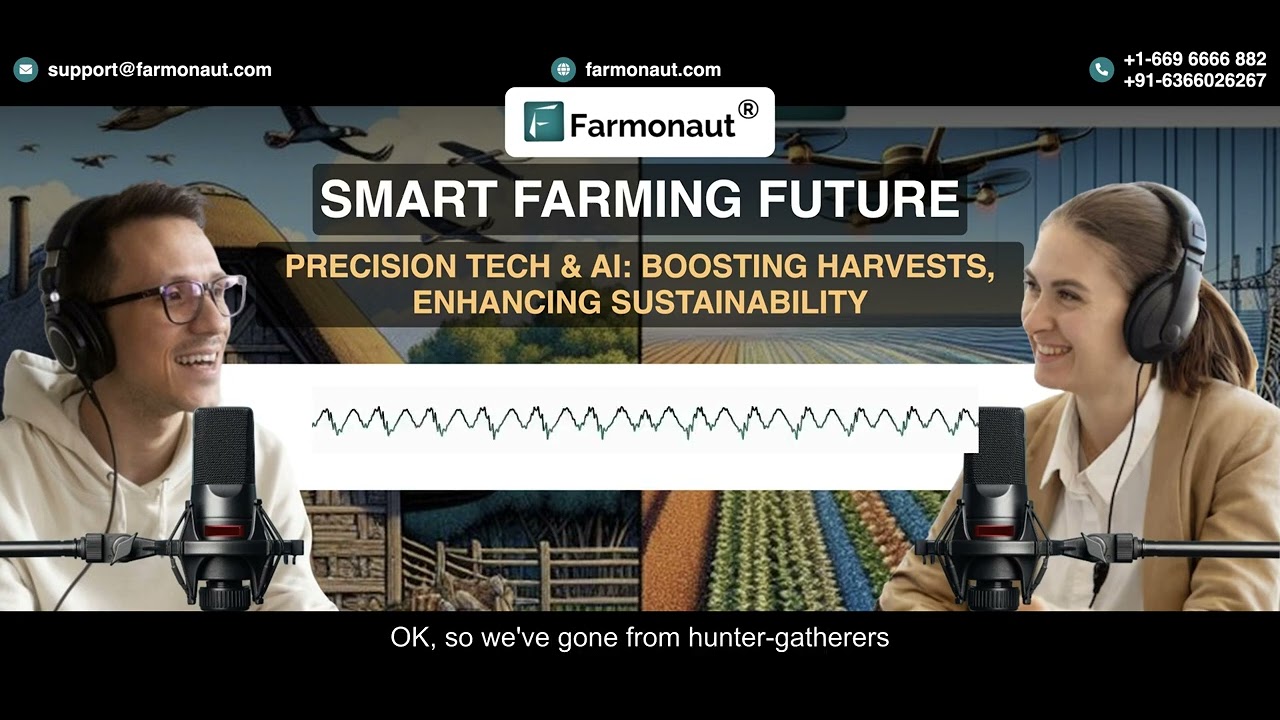
Modern precision agriculture, complemented by biotechnological advances, has transformed farming into a data-driven enterprise. Solutions like satellite-based monitoring, remote sensing, drone surveillance, and AI-powered analytics enable real-time monitoring of crop health, soil moisture, nutrient status, and pest pressures, and optimize resource allocation and input usage.
These technologies play a critical role in boosting yields and efficiency, while also reducing inputs and environmental impact. For example, through platforms like Farmonaut’s satellite-driven insights, farmers gain instant access to actionable data, allowing for targeted irrigation, fertilization, and pest management.

5. Next-Generation Seeds: Hybrid, Drought-Tolerant, and High-Yielding
Seed technology stands at the core of agricultural advancement. In 2025, hybrid seeds developed via marker-assisted selection and molecular breeding deliver greater yields, nutritional value, and resilience against climate stresses and disease challenges.

Many of these varieties feature improved water and nutrient use efficiency, enabling farmers in arid or saline regions to maintain high productivity regardless of challenging conditions.
“Precision gene editing in agriculture has reduced crop loss by up to 25% in leading farming nations.”
6. AI-Supported Smart Irrigation Systems
Water is an ever-scarcer resource, and biotechnology and farming converge in AI-powered smart irrigation systems. These tools leverage remote soil moisture sensors, weather data, and predictive analytics to optimize water use, preventing both stress and waste.

Such innovations reduce costs and support environmental sustainability by minimizing runoff and lowering greenhouse gas emissions.
7. Livestock Biotechnology: Genetic Selection, Disease Resistance & Animal Welfare
Biotechnology extends well beyond crops. In livestock farming, advances in genetic selection, molecular diagnostics, and animal vaccines have driven increases in productivity, resistance to infectious diseases, and welfare standards.
Genome editing and cloning techniques allow for the propagation of animals with optimized traits, supporting sustainable meat, dairy, and poultry production, which is essential for food security as global populations grow.
8. On-Farm Drones & Robotics: Surveillance, Planting & Targeted Application
Drone technology, robotics, and automated vehicles have entered the mainstream on modern farms. Drones equipped with multispectral imaging can scout large fields for crop stress or pest outbreaks. Robotics precisely plant seeds, weed, or apply biopesticides, saving labor and improving accuracy.
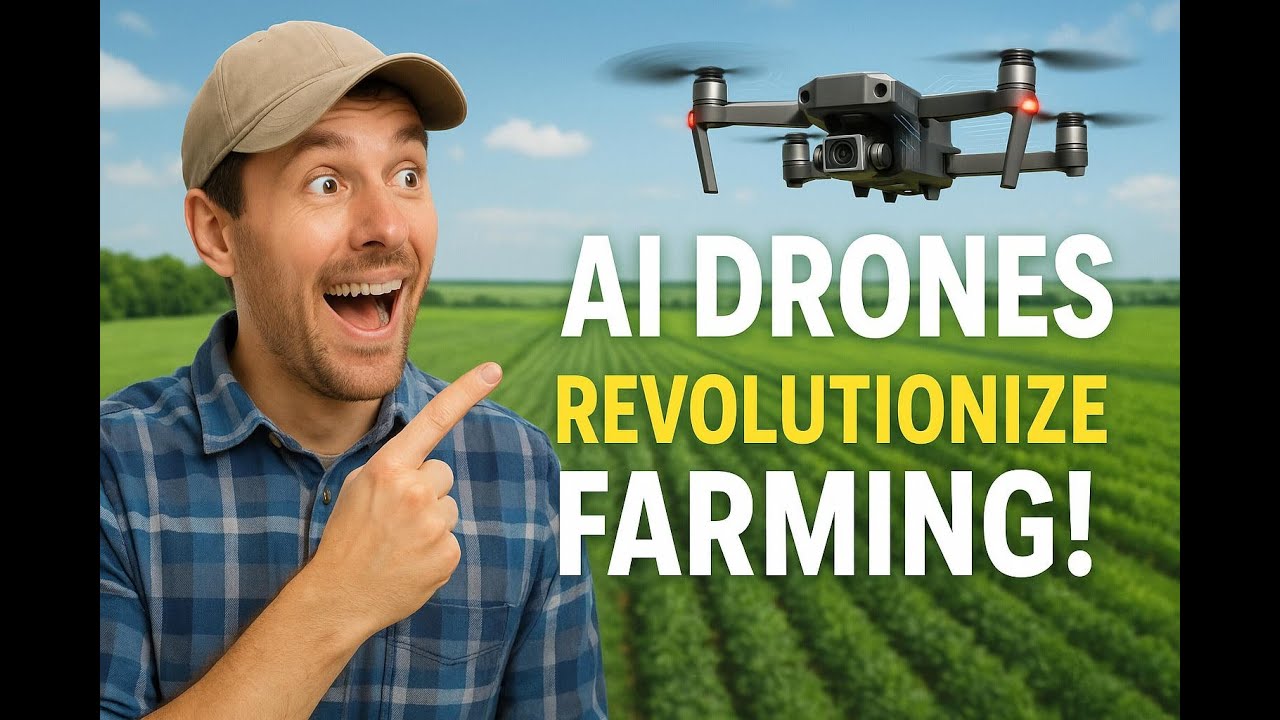
These technologies are not just about efficiency — they help reduce the need for chemical inputs and support more sustainable farming practices.
9. Blockchain-Based Traceability for Food & Input Security
The rise of blockchain technology in agriculture is ushering in greater transparency, traceability, and trust. By ensuring that every step of a crop’s journey — from farm to fork — is securely logged, blockchain prevents food fraud, enhances market confidence, and supports regulatory compliance, critical for global food security.
Platforms such as Farmonaut’s blockchain-based traceability systems enable agribusinesses, rural communities, and governments to monitor supply chain authenticity and respond robustly to emerging challenges.
10. Carbon Footprint Monitoring & Environmental Impact Tools
Sustainability is now at the heart of farming and biotechnology innovation. With the pressing need to reduce agriculture’s environmental footprint, tools that measure and optimize carbon, water, and nutrient cycles are becoming standard.
Advanced environmental monitoring solutions like those on Farmonaut’s carbon footprinting platform empower farmers and agribusinesses to monitor emissions, minimize resource waste, and demonstrate compliance with eco-friendly standards.

Comparison Table of Top 10 Farming Innovations (2025)
| Innovation Name | Technology Type | Primary Benefit | Estimated Impact | Adoption Rate (2025) | Sustainability Contribution |
|---|---|---|---|---|---|
| CRISPR Gene Editing | Gene Editing | Drought & disease tolerance, higher yields | 25-35% yield increase | 15% of major row crops | Reduces fertilizer, enhances climate resilience |
| GM Pest-Resistant Crops | Genetic Engineering | Reduced pest losses, lower chemical inputs | 20-30% fewer pesticides | 35% of large farms | Lower emissions, less chemical run-off |
| Advanced Biofertilizers | Biological Inputs | Better soil health, nutrient efficiency | Up to 40% less fertilizer | 25% of organic/mainstream farms | Enhanced biodiversity, lower pollution |
| Precision Agriculture | AI Sensors, Remote Sensing | Optimized input/output, real-time data | 10-20% efficiency gain | 30% of commercial farms | Reduces waste, improves sustainability |
| Hybrid & Drought-Tolerant Seeds | Molecular/MAS Breeding | Higher & stable production in tough climates | 15-20% yield increase | 50% of hybrid seed users | Water-saving, food security |
| AI Smart Irrigation | AI, IoT Sensors | Water use efficiency, cost reduction | 30-50% water savings | 20% of advanced farms | Conserves water, reduces emissions |
| Livestock Genomics | Genomics, Cloning | Enhanced disease resistance, productivity | 10-15% higher yields | 10% in dairy, poultry | Sustainable animal farming |
| Farm Drones & Robotics | Drones, Robotics | Targeted input, labor savings | 25% reduced application costs | 28% of large farms | Minimizes chemical use |
| Blockchain Traceability | Blockchain | Food safety, supply chain transparency | Reduces fraud, recall times by 70% | 15% of agribusinesses | Supports sustainable sourcing |
| Carbon Footprint Monitoring | Remote Sensing, Analytics | Environmental compliance, impact tracking | 15-20% lower emissions | 27% of medium-large farms | Advances climate-smart agriculture |
Agriculture and Biotechnology Jobs & Emerging Career Pathways
The global landscape of agriculture and biotechnology jobs is evolving rapidly, driven by the adoption of advanced tools, scientific principles, and the continuous development of new agricultural fields. As biotechnology continues to revolutionize farming, an increasing number of career opportunities are arising:
- Molecular Biologists and Genetic Engineers – Designing, editing, and testing the next generation of high-performing crops and livestock.
- AI & Data Science Experts – Harnessing big data, remote sensing, and analytics to drive decision-making on farms.
- Bioinformatics Specialists – Integrating field, laboratory, and satellite data for precision crop management.
- Precision Agriculture Advisors – Providing farm-level guidance based on satellite and AI-enabled insights for sustainable food production.
- Biotech Product Development Managers – Overseeing the design and deployment of biofertilizers, seeds, vaccines, and diagnostics.
- Regulatory and Compliance Officers – Ensuring biotechnology practices are safe, ethical, and compliant with environmental and food safety standards.
- Supply Chain Analysts – Managing traceability and authenticity through blockchain and digital platforms.
Next-generation technologies like Farmonaut’s AI-based services and APIs are creating critical pathways in digital agriculture, supporting stakeholders from smallholders to large agribusiness in adopting cutting-edge sustainable practices.
If you are a developer or enterprise looking to integrate satellite and data insights, explore Farmonaut’s advanced API platform and read the API Developer Docs for seamless data-driven solutions.
Skillsets in Demand for 2025 & Beyond
- Genetic engineering, molecular markers, and CRISPR technology
- AI, machine learning, and remote sensing analytics
- Environmental impact assessment and sustainability planning
- Livestock genomics and bioinformatics
- Regulatory affairs and ethical compliance in biotechnology
Future-Ready Advisory and Extension Services
Advisory services that bridge the gap between laboratory advances and field application are now more vital than ever. Digital farm advisory, AI-driven extension platforms and real-time satellite insights are empowering the next wave of agriculture and biotechnology jobs, ensuring sustainable, practical agriculture.
Farmonaut and the Digital Revolution in Agriculture
We at Farmonaut are passionate about harnessing the power of satellite imagery, artificial intelligence, and blockchain to revolutionize agriculture and allied sectors. Our focus is on making advanced, satellite-driven insights affordable, actionable, and accessible to farmers, businesses, and governments worldwide.
How We Support Sustainable Agriculture & Biotechnology
- Satellite-Based Crop Monitoring: By using multispectral satellite imagery, we provide real-time data on vegetation health (e.g., NDVI), soil conditions, and crop status. This enables early detection of stress, pest, and disease, supporting data-driven decisions and timely interventions.
- AI-Powered Advisory (Jeevn): Our Jeevn AI Advisory System analyzes satellite and field data to deliver weather forecasts, actionable insights, and personalized recommendations. This platform underpins farm-level decision-making and enhances farm productivity and resource-use efficiency.
- Blockchain Traceability: By offering traceability solutions, we make it possible to track crops and farm products throughout their lifecycle, fostering trust and transparency throughout the agriculture supply chain.
- Environmental Monitoring & Carbon Footprinting: Our carbon footprinting analysis assists in tracking and managing agricultural carbon emissions, a key factor for global environmental responsibility.
- Farm Resource & Fleet Management: We offer fleet and machinery management tools for agriculture enterprises, minimizing inefficiency and supporting profitable, low-footprint operations.
- Crop Loan & Insurance Support: Access to satellite-based crop verification tools expedites loan and insurance processes, reduces fraud risk, and improves financial inclusion for more farmers worldwide.
- Scalable Administrative Systems: For managing multiple farm plots or regions, our large-scale farm management solutions ensure complete oversight and efficient, integrated operations.
Farmonaut’s modular product suite is designed for smallholders, large commercial farms, agribusinesses, government agencies, and financial institutions. All services are accessible via API, Android/iOS/web platforms, or desktop dashboards.
Start your digital transformation journey today – try out our platforms, connect with real-time data, and secure the future of sustainable farming.
FAQ – Agriscience, Biotechnology, and Sustainable Farming
Q1: What is the difference between agriscience and biotechnology?
Agriscience applies the principles of scientific research to solve real-world farming challenges, encompassing crop improvement, soil management, and sustainable practices. Biotechnology refers to the use of advanced biological techniques, such as gene editing, molecular markers, and bioengineering, to develop improved plants, animals, and agricultural processes.
Q2: How does biotechnology contribute to sustainable farming?
Biotechnology empowers sustainable farming by producing crops that use fewer inputs, resist pests and diseases, conserve water, and minimize the environmental footprint. It also supports the application of biofertilizers and environmental monitoring to maintain soil health and ecosystem balance.
Q3: Are GM crops safe, and where are they most common in 2025?
Major regulatory agencies worldwide have deemed approved GM crops safe to consume and cultivate, with continuous monitoring. In 2025, GM crops are widely adopted across large farming economies for cotton, soybean, maize, and canola, especially where pest resistance and yield stability are priorities.
Q4: What types of jobs are emerging from innovations in agriculture and biotechnology?
New roles include molecular biologists, crop geneticists, AI data scientists, digital farm advisors, product managers for biofertilizers, and regulatory specialists focused on biotechnology and environmental compliance. These careers are critical for the transition to data-driven, resilient, and sustainable agricultural systems.
Q5: How do platforms like Farmonaut support modern farmers?
Platforms like Farmonaut deliver real-time monitoring, AI-based advisory, blockchain traceability, and resource management via web/app/API, empowering farmers and enterprises with the data needed for efficient, sustainable, and profitable agriculture.
Q6: How does carbon footprinting benefit agricultural businesses?
Carbon footprinting tools enable farms to track, report, and reduce their environmental impact, often unlocking access to sustainable certification, climate-smart subsidies, and international export markets prioritizing low-carbon and traceable products.
Summary & Looking Ahead to 2026 and Beyond
In 2025, the frontiers of agriscience and biotechnology are not just pushing yields higher, but revolutionizing how we think about soil, climate, food quality, and the future of global agriculture. From CRISPR-enhanced crops and remote sensing analytics to blockchain-backed traceability and advanced biofertilizers, these innovations are rewriting the rules of sustainable food production.
New career pathways in agriculture and biotechnology jobs are opening every year — in the field, lab, and digital space — as smart agriculture moves to center stage in the fight against global food security and climate challenges.
We at Farmonaut continue to empower the sector with cost-effective, scalable, and data-driven digital solutions. By lowering technology barriers and putting sustainable practices into the hands of every farmer, enterprise, and policymaker, we are helping revolutionize not only biotechnology and farming, but also rural economies worldwide.
Key Takeaways:
- Biotechnology and agriscience are essential for resilient, resource-efficient, and climate-smart agriculture.
- Precision digital tools — including satellite monitoring and AI-powered analytics — optimize crop inputs and farm efficiency.
- Career opportunities abound for those skilled in biotechnology, AI, sustainability, and agri-digital services.
- Farmonaut’s platform delivers unparalleled, accessible solutions that drive the future of sustainable and profitable agriculture.
Ready to experience the revolution?
Try Farmonaut’s app today and join the global movement towards data-driven, sustainable farming!

 Fresh Platter
 Andex
Andex FCF India
 Unifrutti Gulf
 Deluxe Conseil
 TVS Electronics
 BW Pipelines
 WICO
WICO Gen Chayat
 Chimera Innovation
 SkyHarvest
 Polaris Digitech
 Teledarbas
 Wild Oak Farm
 SFX
SFX
