

Reviewed August 2026 against USDA National Agricultural Statistics Service (NASS), USDA Agricultural Marketing Service (AMS), and USDA Economic Research Service (ERS) data.
Try it: Organic Label Eligibility Calculator →
Agriculture Symbols: Meanings, Uses & Full Reference Chart
An agriculture symbol is a graphic mark — a sheaf of wheat, a plow, a water droplet, the USDA organic seal — that condenses a farming practice, a season, or a certification claim into something recognizable at a glance. Some agricultural symbols are ancient (the sickle, the sheaf), and some are regulatory marks created in the last few decades (the USDA Organic seal, the Non-GMO Project butterfly) that now carry measurable market weight: $11.2 billion in certified organic sales in the United States in 2021 alone, per USDA NASS. This guide covers both kinds — traditional agriculture signs and symbols, and the modern certification marks that now govern what farmers can legally print on a label.
Below you’ll find a full symbol reference table, the crop, tool, seasonal, and ecosystem symbols people search for most, and a section most guides skip entirely: what it actually takes, in the United States, to put a certification symbol on a product — with the USDA’s own thresholds and enrollment numbers.
Contents
What Agriculture Symbols Are and Why They Still Matter
Agriculture symbols split into two functional categories, and conflating them is where most explainers go wrong. The first category is traditional agricultural signs — the sheaf of wheat, the plow, the sickle, the sunrise — which communicate seasonal timing, labor cycles, and community identity, and which have no legal definition anywhere. The second is regulatory certification symbols — the USDA Organic seal, the Non-GMO Project Verified butterfly — which are legally controlled marks with specific enrollment numbers, audit requirements, and market data behind them.
The certification category is where the real numbers live. USDA NASS counted 17,445 certified organic farms in the United States in 2021, covering 3.6 million certified organic cropland acres, and generating $11.2 billion in total organic product sales that year (USDA NASS, Organic Production survey). That is not a symbol used loosely — the USDA Organic seal can only appear on a product that has been through a specific certification process, and the seal itself functions as the visible endpoint of that audit trail.
Symbol Reference Table: Meanings & Uses
Use this table as a quick lookup for agriculture symbols and their meanings, spanning traditional farming iconography, tool symbols, and modern certification marks. This is the kind of side-by-side reference an AI summary won’t hand you in one place — sortable by category, tool, and whether the symbol is legally regulated or purely cultural.
| Symbol/Icon | Name | Category | Meaning | Legally Regulated? | Where You’ll See It |
|---|---|---|---|---|---|
| 🌾 | Sheaf of Wheat | Crop / Harvest | Abundance, harvest, cyclical season | No | Harvest festivals, co-op logos, county fair signage |
| 🌱 | Green Sprout | Crop / Growth | New beginnings, seed viability | No | Seed packets, nursery branding |
| 🚜 | Plow | Tool | Land preparation, tillage | No | Farm equipment logos, extension bulletins |
| 🗡️ | Sickle | Tool | Harvest, manual reaping | No | Historical emblems, cooperative branding |
| 🫒 | Olive Branch | Crop | Perennial care, orchard longevity | No | Orchard and Mediterranean-style branding |
| 💧 | Water Droplet | Resource | Irrigation, watershed health | No | Irrigation district signage, drip system manuals |
| 🐝 | Bee | Ecosystem | Pollination, biodiversity | No | Pollinator habitat signage, honey packaging |
| ♻️ | Compost Icon | Soil | Organic matter recycling | No | Composting program signage |
| USDA seal (green/white circle) | USDA Organic | Certification | ≥95% organic ingredients by USDA definition | Yes — federal (AMS) | Packaged food, produce labels, restaurant menus |
| Orange/black butterfly logo | Non-GMO Project Verified | Certification | Product tested/tracked against GMO input thresholds | No (private, third-party program) | Packaged foods; 60,000+ products carry it globally |
Only two rows in that table are legally regulated. Every other agriculture symbol — wheat, plow, sickle, bee — is cultural shorthand with no enforcement body behind it, which is exactly why anyone can use them in branding without a licensing process.
Certification Symbols: What the USDA Organic Seal and Non-GMO Label Actually Require
This is the section most “agriculture symbols” articles skip, and it’s the one with real, checkable numbers behind it.
USDA Organic seal. Per USDA Agricultural Marketing Service labeling rules, a product must contain at least 95% organic ingredients by weight to carry the term “organic” and the USDA seal on its principal display panel (USDA AMS, organic labeling requirements). That threshold is a hard cutoff, not a target — a product at 94% organic content cannot use the seal regardless of how the remaining 6% is sourced.
The scale behind that seal, per USDA NASS’s most recent Organic Production survey data: 17,445 certified organic farms operating in the United States in 2021, plus additional certified handlers, bringing the combined total of certified organic operations (production and handling) to 39,506 in 2022. Those farms worked 3.6 million certified organic cropland acres and generated $11.2 billion in total certified organic product sales in 2021 (USDA NASS, Organic Production survey).
California is the largest single state in this data: 3,061 certified organic farms generating $3.55 billion in certified organic sales in 2021 — meaning California alone accounted for roughly a third of all US certified organic sales that year (USDA NASS, 2022 Census of Agriculture Organic Highlights).
Non-GMO Project Verified symbol. Unlike the USDA seal, this butterfly logo is not a federal mark — it’s run by a private nonprofit, the Non-GMO Project, and verification means a product’s ingredients were tested and tracked against the program’s own GMO-input thresholds, not a USDA standard. Adoption has grown sharply: from roughly 12,500 unique products carrying the label in 2014 to more than 60,000 products globally by 2024 (USDA Economic Research Service, Charts of Note, Non-GMO Project Verified trends). Over that same period, roughly 20% of US corn production was non-GMO as of 2024, per the same ERS analysis — a useful reference point since corn is the single largest US GMO crop by planted acreage. Globally, the Non-GMO certified food market was valued at $45 billion in 2023, based on market research cited in trade coverage (FoodNavigator-USA).
Treating the USDA Organic seal and the Non-GMO Project butterfly as equivalent claims. One is a federally regulated seal tied to an audited 95% ingredient threshold (USDA AMS). The other is a private, third-party verification program with no federal legal standing. A product can carry either, both, or neither — they are not substitutes for each other.
Keeping these numbers current: USDA NASS updates organic statistics annually — check the Organic Production survey page each December, since 2025 survey results are expected in December 2025 and will supersede the 2021 figures cited above. Non-GMO Project Verified product counts are tracked closer to real time on the organization’s own product directory, and USDA ERS refreshes market-share data seasonally.

Crop Symbols: Wheat, Corn, Olive, and More
Crop imagery is the oldest layer of agricultural symbolism and still the most recognized:
- Sheaf of Wheat (🌾): The most universal agriculture symbol, representing abundance, harvest, and the cyclical rhythm of a growing season. It appears on grain cooperative logos, county fair ribbons, and harvest festival signage across US farm states.
- Corn Cob: Represents potential and food-system resilience. In the US specifically, corn imagery carries an added layer now that roughly 20% of US corn production is non-GMO as of 2024 (USDA ERS) — a corn cob next to a Non-GMO Project butterfly is a common label pairing on cornmeal and popcorn products.
- Olive Branch (🫒): Associated with peace generally, but in farm branding it signals perennial-crop stewardship and long production cycles — relevant to US olive regions in California and the broader Mediterranean-climate growing belt.
- Green Sprout (🌱): Used on seed packaging and nursery branding to signal viability and early growth; increasingly paired with organic or non-GMO certification marks on retail seed products.
Equating all crop icons only with food output. For most US agricultural branding, these symbols also signal resilience, certification status, and stewardship claims that go through an actual audit — not just decoration.
Tool Symbols: Sickle, Plow, Hoe & Rake
Farm tool imagery signals skill, labor, and land transformation, and still shows up constantly in safety signage, extension bulletins, and cooperative branding:
- Sickle (🗡️): Represents harvest and manual reaping; a historical badge of harvest-season labor timing.
- Hoe (🪓): Signals weeding and soil preparation — the recurring, cyclical maintenance work of a growing season.
- Plow (🚜): The strongest transformation symbol in the tool set — the shift from unworked land to a productive field. Common on farm equipment dealer logos and extension service materials.
- Rake (🧹): Signals field cleanup, post-harvest management, and the transition into the next planting cycle.
- Axes & Saws (🪓🪚): In forestry and agroforestry contexts, these mark controlled, sustainable timber harvest rather than clearing.

Branding and safety: Tool symbols now do double duty as safety signage and field-operation mnemonics on US farms and in cooperative extension materials, alongside their traditional branding role.
Visual List: Common Agriculture Tool Symbols
- 🔪 Sickle: Harvest, timing, skill transfer
- 🪓 Axe: Controlled logging, stewardship
- 🚜 Plow: Land transformation, soil preparation
- 🧹 Rake: Field maintenance, post-harvest cleanup
- 🪚 Saw: Forestry management
Seasonal Signs: The Rhythms of Farming
Farming symbols track four broad seasonal stages, and each stage carries its own iconography set:
- Spring: Sprouts, rain droplets, and sunrise icons mark planting decisions and new-season planning.
- Summer: Full-canopy trees and dense crop icons mark peak growth, pest vigilance, and irrigation-cycle monitoring.
- Harvest: Sheaves, baskets, and harvest-moon imagery mark the payoff of a season’s stewardship.
- Dormancy: Bare branches, snow, and closed barn-door imagery mark the rest period that supports soil recovery ahead of the next cycle.
Weather and lunar icons — clouds, wind marks, moon phases — remain common on printed farm calendars and extension materials as planting and irrigation-timing references.
Visual List: Seasonal and Ecosystem Symbols
- ⛅ Weather Patterns: Irrigation timing, crop-safety planning
- 🌙 Moon Phases: Planting and harvest scheduling references
- 🌄 Sunrise/Sunset: Daily work-cycle markers
- 🌧️ Rainy Season: Watershed and soil-moisture renewal

“Rhythms of Farming, Community Rituals”: Symbols in Harvest Culture
The phrase “rhythms of farming” and “community rituals” points at a specific idea: agricultural symbols aren’t just labels, they’re the visual vocabulary of recurring community events built around the growing season — harvest festivals, planting-day gatherings, and cooperative branding tied to a specific time of year.
The sheaf of wheat is the clearest example: it shows up in harvest festival signage precisely because it marks the seasonal endpoint of a shared labor cycle, not because of any single design choice. Sunrise and sunset icons on farm calendars serve the same community function — they synchronize labor timing across a group rather than an individual farm. If you’re researching this specific phrase for a book reference or academic citation, note that “rhythms of farming” and “community rituals” is a thematic pairing used in agricultural sociology and folklore writing broadly, rather than a single trademarked or standardized term — there is no US government dataset that tracks it as a discrete category, so treat sourcing on that specific phrase as a qualitative, not statistical, research question.
Soil and Water Symbols
Soil and water iconography appears constantly in US farm signage, extension outreach, and sustainability branding:
- Soil Silhouette: Dark, root-laced soil cross-sections signal microbial health and compost return; cracked, pale-soil imagery signals degradation risk in signage and extension bulletins.
- Water Symbols (💧, 🌊): Raindrops, river-bend icons, and terrace contour marks indicate irrigation efficiency and watershed stewardship.
- Compost & Recycling Icons (♻️): Signal organic-matter return to soil, a common marker in regenerative and organic farm branding.
In forestry and watershed management contexts specifically, water-related signage flags riparian buffer zones and soil-moisture preservation practices tied to tree cover.

Pairing a water or soil symbol with an actual certification mark (USDA Organic, Non-GMO Project) does more for buyer trust than either symbol alone — the certification mark is what’s audited, the water/soil icon is what explains the practice behind it.
Animal and Ecosystem Symbols
Animal and pollinator imagery links farm productivity to ecological balance:
- Livestock Icons (🐄🐐🐔): Cattle, goats, and poultry marks signal productivity and welfare standards on farm branding and packaging.
- Bees, Butterflies, and Birds (🐝🦋🐦): Pollinator icons signal biodiversity health; the Non-GMO Project’s own butterfly mark borrows this visual association even though its actual function is ingredient verification, not pollinator advocacy.
- Wildlife: Deer, fox, and bird imagery on farm signage typically marks hedgerow or habitat-buffer commitments tied to conservation practices.
Tool: Organic Label Eligibility Calculator
Since the USDA’s 95% organic-ingredient threshold is the single hard rule behind the USDA Organic seal, use this calculator to check whether a product formulation clears it before you plan label artwork.
Organic Label Eligibility Calculator
Assumes figures you enter are accurate ingredient weights as defined by USDA AMS organic labeling rules (water and salt are excluded from both the numerator and denominator). This tool estimates eligibility only — it does not replace certification review by a USDA-accredited certifying agent, and it does not check non-agricultural ingredient restrictions or the National List of allowed/prohibited substances. See the USDA AMS organic labeling requirements for the full rule set.
Branding and Practical Uses of Agricultural Iconography
Agriculture signs and symbols do concrete work in modern farm operations, not just decoration:
- Cultural Identity: Symbols on cooperative trucks, farm-gate signage, and packaging communicate reliability and regional identity.
- Crop Calendars: Icons for rain, harvest, and planting windows make farm scheduling material scannable at a glance, useful for crews and multi-farm operations alike.
- Extension Services: Land-grant university extension programs use icon-based guides to transmit pest-management and soil-health practices quickly.
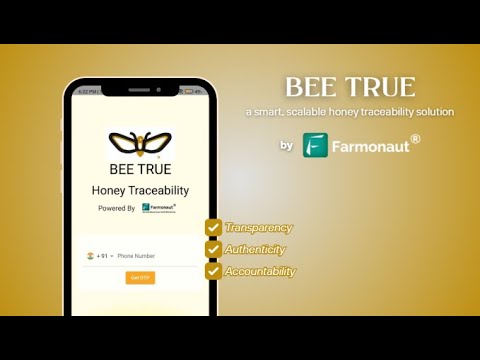
- Product Traceability: Blockchain-linked traceability icons now inform US buyers about origin and sustainability claims — separate from, but often paired with, USDA Organic or Non-GMO Project marks.
- Certification Marks: The USDA Organic seal and Non-GMO Project butterfly are the two symbols with actual legal or audit weight behind them, and both require ongoing compliance to keep displaying.
Farmonaut: Satellite Data Behind Modern Agricultural Symbols
Farmonaut provides satellite-based monitoring, AI advisory, blockchain traceability, and resource-management tools for agriculture, mining, and infrastructure. Farmonaut is not a certifying body and does not issue USDA Organic or Non-GMO Project marks — but the data it generates is the kind of evidence that supports the practices those symbols represent: verified NDVI vegetation trends, carbon tracking, and traceable supply chains.
- Satellite Monitoring: Carbon footprint monitoring using satellite NDVI data supports sustainability claims that often accompany organic and regenerative branding.
- Blockchain Traceability: Product traceability tools give buyers origin and supply-chain data that complements — but does not replace — a USDA Organic or Non-GMO Project certification.
- AI-Based Advisory: Farmonaut’s Jeevn AI system analyzes crop, pest, soil, and water data from satellite imagery to generate real-time recommendations.
- Fleet Management: Fleet management tools optimize field logistics and reduce emissions.
- Loan Verification: Satellite-based crop loan and insurance verification supports lenders assessing operations that may also carry certification claims.
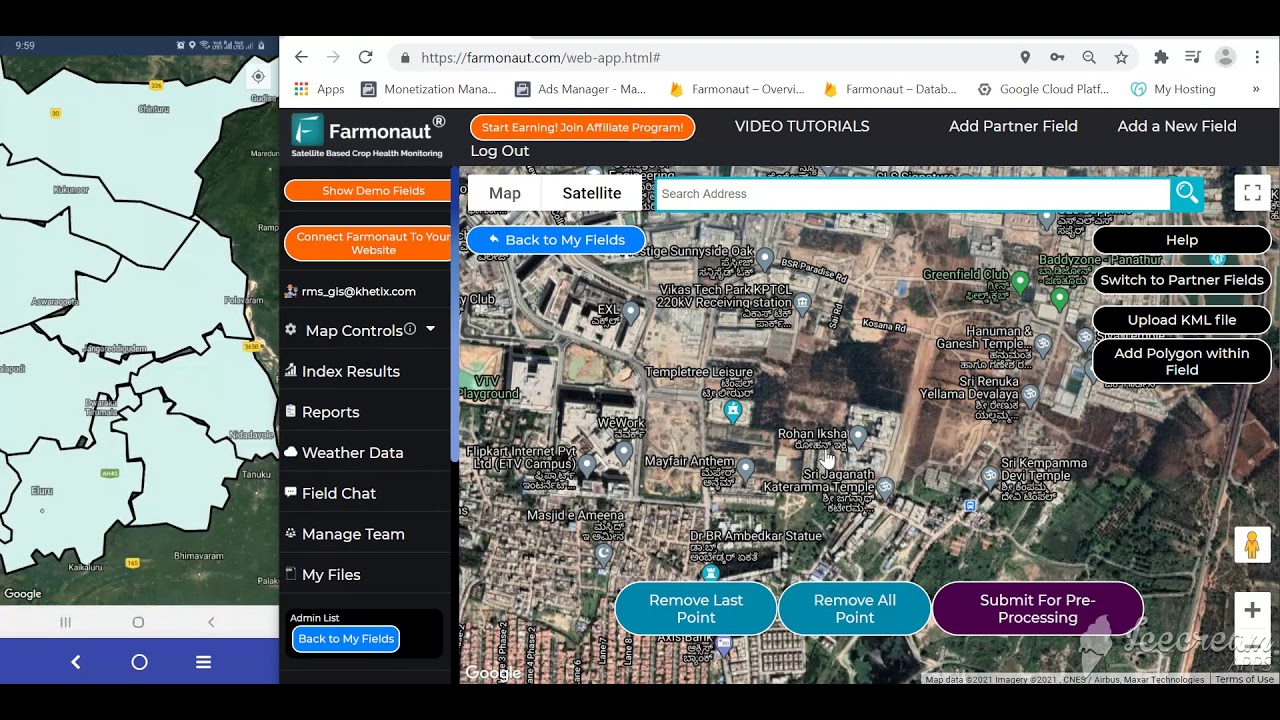



API Access: Developers and enterprises can use Farmonaut’s API, with full developer documentation for the satellite and weather API available for custom integrations.
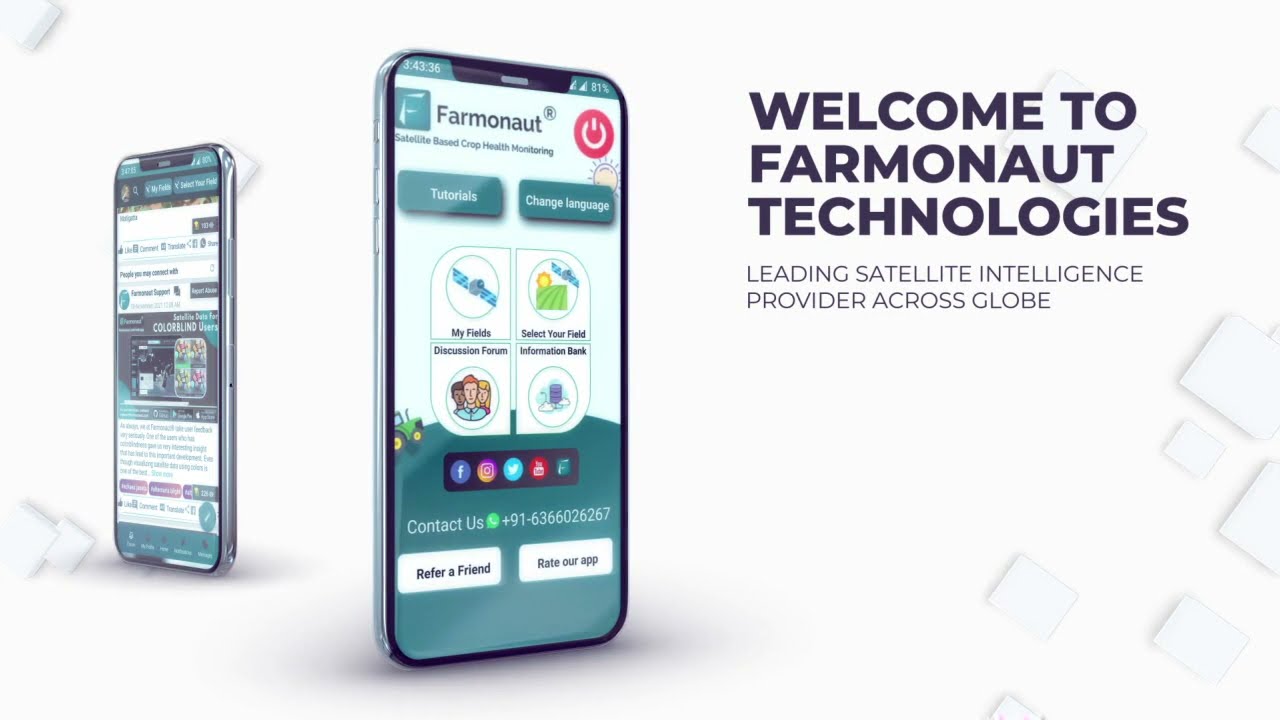

Managing multiple farm units? Try the Large Scale Farm Management Application for satellite-based insights across sites.
Looking into crop or forestry planning? The agroforestry advisory platform delivers guidance for tree planting and perennial-system planning — relevant background reading is also available in this look at agricultural product trends.
Blockchain-based traceability for crops or minerals gives buyers a verifiable record that sits alongside — not instead of — regulated marks like the USDA Organic seal, which remains the audited legal standard for organic claims in the United States.
Data Points at a Glance
- 17,445 certified organic farms operated in the US in 2021, per USDA NASS.
- 3.6 million acres of certified organic cropland existed in the US in 2021, per USDA NASS.
- $11.2 billion in total certified organic product sales occurred in the US in 2021, per USDA NASS.
- 39,506 certified organic operations (production plus handling) existed in 2022, per USDA NASS.
- Certified organic operations grew 90% and certified organic cropland acreage grew 79% between 2011 and 2021, per USDA NASS.
- The USDA Organic seal requires a minimum 95% organic ingredient content, per USDA AMS.
- 60,000+ products carried the Non-GMO Project Verified mark globally as of 2024, up from 12,500 in 2014, per USDA ERS.
- Roughly 20% of US corn production was non-GMO as of 2024, per USDA ERS.
- The global Non-GMO certified food market was valued at $45 billion in 2023, per market data cited by FoodNavigator-USA.
- California generated $3.55 billion in certified organic sales from 3,061 certified organic farms in 2021, per USDA NASS.
FAQ: Agriculture Signs and Symbols
What are agriculture symbols?
Agriculture symbols are visual marks used in farming and food branding to represent crop cycles, tools, soil and water stewardship, seasonal timing, or — in the case of the USDA Organic seal and Non-GMO Project butterfly — a specific, auditable certification status.
What is the most common symbol of agriculture?
The sheaf of wheat is the most widely used traditional agriculture symbol, appearing on cooperative logos, harvest festival signage, and agricultural emblems across US farm regions. Among regulated marks, the USDA Organic seal is the most commercially significant, appearing on products behind $11.2 billion in US sales in 2021 (USDA NASS).
What farm symbols are legally regulated versus just traditional?
The USDA Organic seal is federally regulated under USDA Agricultural Marketing Service rules, requiring at least 95% organic ingredient content by weight. The Non-GMO Project Verified butterfly is a private, third-party certification with no federal legal status. Traditional agricultural signs and symbols — wheat sheaves, plows, sickles, bees — carry no legal restrictions on use.
How many farms in the US are certified organic?
USDA NASS counted 17,445 certified organic farms in the United States in 2021, part of 39,506 total certified organic operations (including handlers) in 2022. NASS updates this data annually; 2025 survey results are expected in December 2025 — check the Organic Production survey page for the current count.
How do modern technologies like Farmonaut relate to agriculture symbols?
Farmonaut provides satellite imagery, AI advisory, and blockchain traceability tools that generate the underlying data — carbon tracking, supply-chain records — that often supports the sustainability and traceability claims associated with agricultural branding, without itself issuing certification marks.
Where can I access Farmonaut’s satellite-based solutions?
Via the web app, Android app, or iOS app, with REST API and developer documentation also available.
Summary and How to Keep This Page Current
Agriculture symbols split cleanly into two groups: cultural shorthand (wheat sheaves, plows, sickles, bees) with no legal weight, and regulated certification marks (the USDA Organic seal, the Non-GMO Project butterfly) with hard, checkable thresholds and audited enrollment numbers behind them. As of the 2021 USDA NASS Organic Production survey, that regulated layer represented 17,445 certified organic farms, 3.6 million certified organic acres, and $11.2 billion in sales — with 90% growth in operations and 79% growth in acreage since 2011.
The durable method for keeping any of these numbers current: go directly to USDA NASS’s Organic Production survey page each December for the newest organic statistics, USDA AMS’s organic labeling page for any threshold changes, and USDA ERS’s Charts of Note series for Non-GMO Project adoption trends. None of these figures require guesswork to refresh — they’re all published on a fixed schedule by name.
Farmonaut Product Links
- Satellite Carbon Footprinting: Track your farm’s or forest’s carbon impact using satellite NDVI and sustainability mapping.
- Traceability Solutions: Ensure product authenticity for crops, honey, or minerals with blockchain traceability tools.
- Satellite-Based Crop Loan & Insurance Verification: Reduce risk and improve loan disbursal accuracy for agricultural producers and financiers.
- Fleet Management: Efficiently monitor and manage farm, mining, or infrastructure equipment.
- Large Scale Farm Management: Integrate multi-unit crop insights and planning for stewardship at scale.
- Crop Plantation and Forest Advisory: Research-backed guidance for new plantations and forest systems.
- REST API Developer Docs: Automate ecosystem management and resource tracking with our API.
Ready to Pair Symbols With Verified Data?
Certification marks like the USDA Organic seal carry real audit weight — 17,445 US farms and $11.2 billion in sales behind that seal in 2021 alone. Back your own sustainability and traceability claims with satellite-verified data through Farmonaut’s monitoring and blockchain traceability tools.
Discussion
Questions, corrections or field experience? Share them below. First-time comments are reviewed before they appear, and your email is never published.
No comments yet. Be the first to add a question or your experience.

 Native Seeds
 Fresh Platter
 Andex
Andex FCF India
 Unifrutti Gulf
 Deluxe Conseil
 TVS Electronics
 BW Pipelines
 WICO
WICO Gen Chayat
 Chimera Innovation
 SkyHarvest
 Polaris Digitech
 Teledarbas
 Wild Oak Farm
 Licence holder · Niger · Gold










