

Agro-Food Process Automation: 7 Innovations for 2026
Meta Description: Agro-food process automation in 2026 enables agriculture to achieve unprecedented efficiency and sustainability. Explore 7 transformative innovations, advanced technologies, and the future outlook for the global sector.
Table of Contents
- Introduction: The Pivotal Moment for Agro-Food Process Automation in 2026
- Trivia: Automatic Revolution
- Agro-Food Process Automation: The 7 Key Innovations
- Comparative Feature & Impact Table: 7 Innovations for 2026
- 1. Smart Crop Production Automation
- 2. Post-Harvest Handling & Robotic Processing
- 3. IoT-Integrated Supply Chain & Traceability
- 4. AI-Driven Predictive Quality & Food Safety
- 5. Automated Energy & Water Management in Agriculture
- 6. Blockchain-Powered Transparency & Authenticity
- 7. Satellite-Enabled Environmental Impact Tracking
- Comprehensive Benefits & Sustainability Implications
- Key Challenges & Considerations
- The Future Outlook: Toward a Resilient, Tech-Driven Food System
- Farmonaut: Satellite-Powered Agro-Food Automation
- FAQs: Agro-Food Process Automation in 2026
- Conclusion
“By 2026, over 40% of agro-food manufacturers will use AI-driven robots for precision sorting and packaging.”
Introduction: The Pivotal Moment for Agro-Food Process Automation in 2026
The agro-food industry stands at a pivotal juncture in 2026, where mounting global food demand, resource constraints, and the urgency for sustainable practices are transforming agriculture forever. Agro-food process automation—driven by advanced robotics, artificial intelligence (AI), Internet of Things (IoT), and real-time data analytics—is revolutionizing how we grow, process, and distribute food.
By integrating cutting-edge automation technologies throughout the entire agricultural value chain, the sector is not just improving efficiency and quality. It is also reshaping process management, enabling sustainable resource use, lowering environmental impact, and raising food safety standards.



In 2026, integrated process automation solutions are forecasted to reduce food production costs by up to 25% and cut water use by 37% via precision technologies.
Learn about carbon footprinting tools that support environmental impact monitoring and compliance.
Agro-Food Process Automation: The 7 Key Innovations
As we advance deeper into 2026, seven significant innovations are reshaping agriculture, food processing, and the global supply chain. These technologies interconnect across the agro-food sector, increasing efficiency, improving product quality, and enabling sustainable, safe food for a growing global population. Below we provide an overview of each, before diving deeper into their applications.
- 🌾 Smart Crop Production Automation — Precision machinery, drones, sensors, and AI-guided crop management
- 🤖 Post-Harvest Robotic Processing — Automated sorting, grading, packaging, and hygiene
- 📦 IoT-Integrated Supply Chain Traceability — Seamless real-time product tracking and inventory
- 🔬 AI-Driven Predictive Quality & Food Safety — Continuous monitoring, quality control, and risk detection
- 💧 Automated Energy & Water Management — Intelligent irrigation, power optimization, and resilience
- 🕸️ Blockchain Empowered Transparency — Verified authenticity and end-to-end process validation
- 🛰️ Satellite-Based Environmental Impact Tracking — Regional/global monitoring for sustainability and compliance
Comparative Feature & Impact Table: 7 Innovations for 2026
| Innovation Name | Technology Involved | Primary Application | Adoption Rate by 2026 | Efficiency Gain | Sustainability Impact | Food Safety Benefit |
|---|---|---|---|---|---|---|
| Smart Crop Production Automation | AI, Drones, IoT, Robotics | Precision planting, irrigation, harvesting | ~72% | 30–45% yield/labor/energy | Reduces water use, pesticide application; protects soil | Reduces contamination from manual labor/handling |
| Post-Harvest Robotic Processing | Robotics, AI, Computer Vision | Automated sorting, grading, packing | 64% | 27–42% labor/output speed | Reduces waste, lowers energy/cooling needs | Cuts human error/contamination risk by 60% |
| IoT-Integrated Supply Chain Traceability | IoT, Sensors, Data Platforms | Real-time food tracking/logistics | 68% | 22–32% logistics efficiency | Minimizes spoilage, enables just-in-time supply | Rapid recall, regulatory compliance |
| AI-Driven Predictive Quality & Safety | AI, Machine Learning, Sensors | Continuous monitoring, quality control | 53% | 20–40% error/defect reduction | Reduces loss, supports resource efficiency | Detects contaminants/pathogens |
| Automated Energy & Water Management | IoT, AI, Sensors, Automation | Optimized irrigation, power allocation | 48% | 18–34% resource input savings | Reduces CO2, water & energy waste | Ensures hygienic standards via automated controls |
| Blockchain Transparency | Blockchain, IoT, Data Platforms | Product/provenance authentication | 36% | 11–20% process verification/risk | Prevents resource misuse/fraud | Auditable records for food safety |
| Satellite-Enabled Impact Tracking | Satellites, AI, Data Analytics | Regional/global environmental monitoring | 29% | 12–18% improved compliance | Monitors emissions, land use, carbon footprint | Early detection of systemic risks (contaminated zones) |
Combine IoT sensor networks with AI-driven cloud analytics for maximum automation and predictive risk management.
Discover Farmonaut’s fleet/resource management tools for smart oversight of farm machinery and logistics.
1. Smart Crop Production Automation
Modern agriculture in 2026 is adopting automation and AI-powered systems to optimize crop cultivation and achieve higher efficiency. From autonomous tractors and robotic harvesters to smart drones equipped with advanced sensors, each stage of the process leverages automation for better outcomes.
- ✔ Precision planting & optimal crop zoning enabled by GPS-guided tractors
- 🤖 AI-driven drones for aerial imaging, pest detection, and targeted treatment
- ☀️ Smart irrigation management—automated systems dynamically adjust water input based on real-time soil moisture and weather forecasts
- 📊 Continuous monitoring with multispectral sensing—identifying deficiencies, predicting yields, and reducing waste
- ⚡ Direct input reduction (fertilizers, pesticides) by targeting only zones in actual need
These systems significantly reduce the need for manual labor, minimize error, and protect the environment by lowering unnecessary chemical use. The result? Maximized yield, minimized input cost, and sustainable soil and water management.

- ✔ Crop Health Monitoring: Drones and sensors enable timely interventions.
- 📊 Data-Driven Precision: Automated analysis for precise planting, irrigation, and spraying.
- ⚠ Risk Mitigation: AI detection reduces pest and disease outbreaks before impact spreads.
- 💧 Water Management: Automated irrigation lowers water use and increases efficiency.
- 🌱 Agro-Food Process Automation: Supports sustainability at the field and global scale.
According to global industry projections, farms using smart process automation expect up to 45% yield improvement and 30% reduction in input costs by 2026.
Drones & Satellite Tech: The Next Leap
Drones conduct aerial imaging with multispectral sensors to monitor crop health over large areas, identify hidden pest infestations, and create detailed soil nutrient maps.
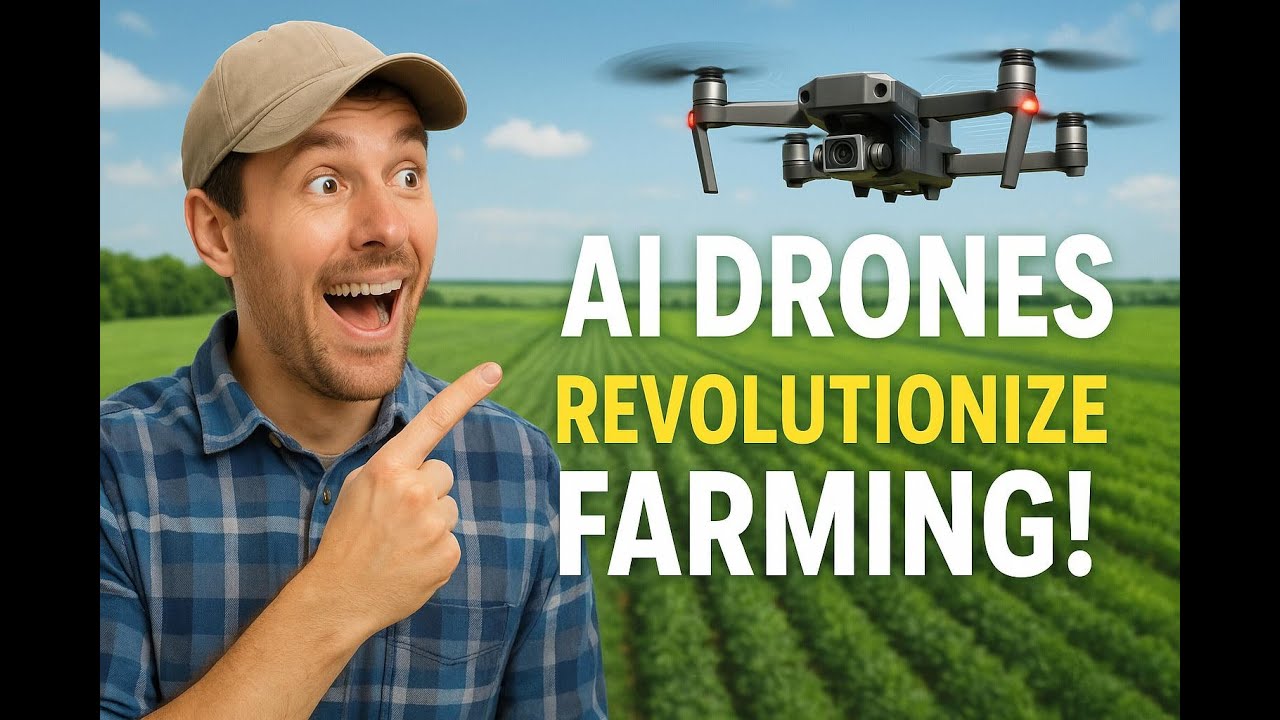
Innovations in satellite monitoring—like those offered by satellite technology companies—are crucial for large-scale, continuous analysis. With satellites, it is possible to monitor NDVI (Normalized Difference Vegetation Index) for health, water stress, and growth forecasting.
Explore large scale farm management with Farmonaut’s platforms: Get adaptive satellite intelligence for field monitoring, regardless of farm size or location.
2. Post-Harvest Handling & Robotic Processing
Harvesting is only the initial stage; post-harvest handling determines whether a product reaches the market in optimal condition. The automation revolution continues in 2026 with advanced sorting machines, robotic arms, and smart packaging systems:
- 🤖 Automated sorting/grading: Computer vision and AI distinguish quality, ripeness, and defects, ensuring only the best reach consumers.
- 📦 Robotic handling: Delicate products are packaged rapidly and hygienically, reducing contamination.
- 🌡️ Integrated cold chains: Automated temperature/humidity controls throughout storage and transit reduce spoilage.
- 💡 Smart cleaning/sanitation: Automation reduces risks and operational costs while maintaining food safety.
“Automated quality control systems are expected to reduce agro-food processing errors by up to 60% by 2025.”

- ✔ Higher product quality: Automated machines ensure consistent standards.
- 🔍 Reduced human error: Computer vision is more reliable than manual checks.
- 📦 Hygienic handling: Robots reduce microbial contamination and operational risks.
- 📉 Lower operational costs: Labor and wastage costs drop significantly.
- ⚡ Accelerated packaging: Automated packaging lines handle vast quantities seamlessly.
Looking further, automated processes can also use machine learning and data analytics to adapt to new product requirements or changing regulations.
- 🥦 Fresh vegetables sorted by ripeness/color via AI
- 🍏 Fruits alarmed for defects by computer vision
- 🌾 Grains analyzed for size, moisture, contaminants by sensors
Neglecting regular calibration of robotic equipment can actually increase risk of contamination or sorting failure. Build robust maintenance routines!
3. IoT-Integrated Supply Chain & Traceability
Process automation goes beyond the field and factory into the critical realm of food supply chain management. In 2026, IoT-enabled devices and platforms provide seamless tracking, efficient inventory controls, and real-time response to issues along the chain:
- 📦 End-to-end tracking: Sensors measure temperatures, humidity, and geolocation throughout transport and storage.
- 💻 Automated warehouses: Robotic inventory management enables rapid dispatch and dynamic supply chain response.
- 🕸️ Integrated digital platforms: All process data accessible for compliance and analytics.
- 🔗 Traceability: If contamination or recall arises, food can be traced to source rapidly, enhancing consumer trust.
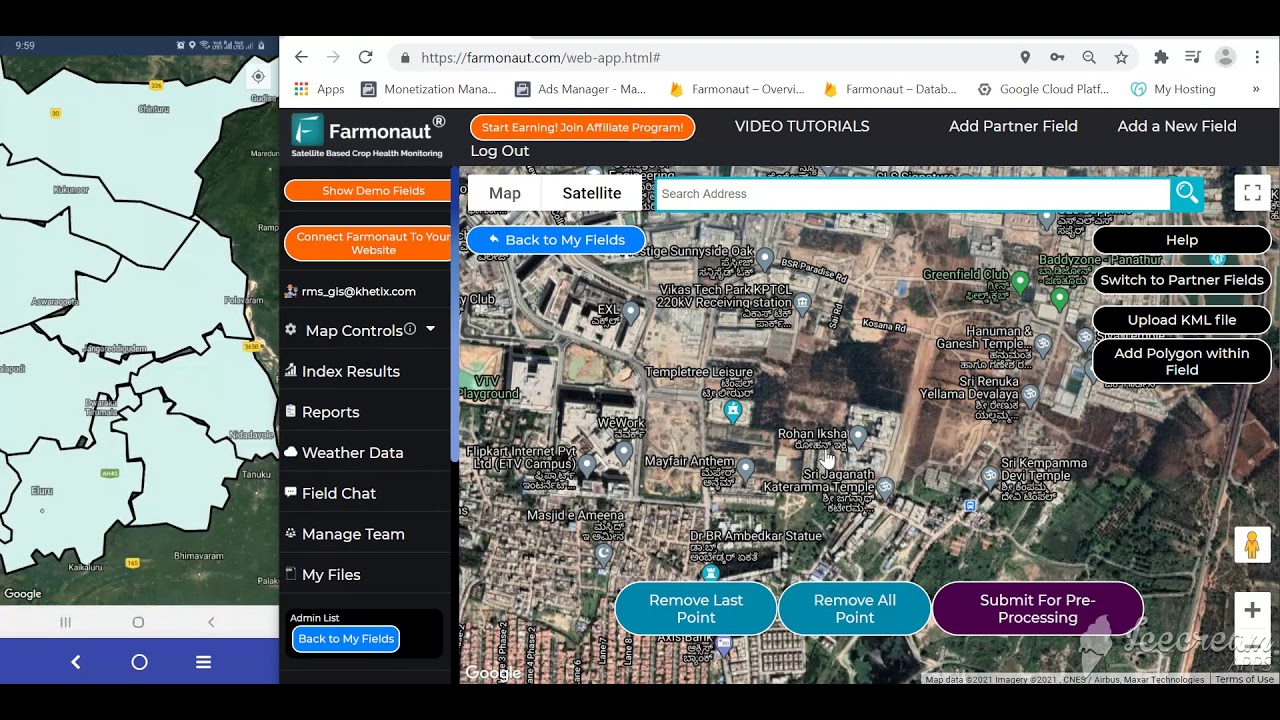
Traceability also helps meet global regulations. For instance, Farmonaut’s blockchain-based traceability systems provide secure, tamperproof records for each batch, increasing food safety and helping manufacturers comply with the latest standards.
Real-time data from IoT sensors along the chain can reduce perishable spoilage during transportation by over 20%.
4. AI-Driven Predictive Quality & Food Safety
Food safety and quality control are paramount as global supply chains become more complex. In 2026, AI-driven predictive systems automatically monitor every step of food processing, flagging any quality deviations or contamination risks instantly:
- 🧪 AI vision systems: Detect subtle visual defects, fungal contamination, or object foreign matter missed by humans.
- 🖲️ Biosensors: Monitor for pathogens or nutrient changes in real-time.
- ⚠️ Automated alerts: Platforms instantly notify teams to corrective action, minimizing contaminated batches.
- ☁️ Cloud-based analytics: Patterns from diverse facilities inform continuous improvement and knowledge sharing.
Predictive AI is especially valuable for high-throughput facilities, where even tiny margins of error can affect thousands of units in one shift.

AI-Quality & Safety: Impact at Scale
- ✔ Reduced recall incidents: Early detection recovers faulty batches rapidly.
- ✅ Fewer foodborne illness outbreaks: Automated monitoring prevents dangerous product release.
- 🌱 Improved consumer confidence: Consistency and safety drive loyalty and sales.
5. Automated Energy & Water Management in Agriculture
As water scarcity and energy constraints intensify, process automation focusing on resource optimization becomes not just an efficiency driver—but a survival imperative. Modern irrigation systems and energy management platforms use sensors, AI, and IoT to automate resource allocation, minimize waste, and ensure resilience:
- 💧 Smart irrigation: Satellite, soil, and weather data feed automated valves, supplying only the optimal water level for each crop zone
- 🔋 Energy-efficient machines: Only run during periods of lowest demand or cost
- 🌱 Data-driven water/energy reporting: Continuous feedback for environmental compliance (Farmonaut’s carbon footprint tools for agriculture support this)

These systems are key for sustainability and for lowering the carbon footprint of food production in a warming world.
- ✔ Automated drip irrigation: Reduces water usage by 30%.
- ⚡ Smart scheduling: Powers farm equipment when renewable sources are abundant or grid is less stressed.
- 🔋 Energy usage tracking: Helps food processors cut costs & emissions.
6. Blockchain-Powered Transparency & Authenticity
As the agro-food process chain grows in both scale and complexity, blockchain delivers the trust needed for a safe, transparent supply chain. By 2026, blockchain solutions are paired with IoT and automation across global food systems:
- #️⃣ Immutable tracking: Every event and measurement (from field to consumer) is securely recorded.
- 🔗 Provenance assurance: Authenticity is validated at every stage of food processing.
- 🔍 Rapid risk management: In case of a batch issue, fast and precise recalls are enabled.
This fosters consumer trust, removes ambiguities, and allows auditors/regulators to verify compliance with strict international food safety standards.
- ✔ Verifiable product origin: Builds global buyer trust and unlocks premium markets.
- 🔐 Automated compliance: Efficient audits without cumbersome paperwork.
- 🔗 Fraud reduction: Secure records help prevent adulteration or unauthorized re-sale.
Explore Farmonaut’s blockchain-enabled traceability for supply chains—essential for sustainable, safe, and globally compliant food distribution.
7. Satellite-Enabled Environmental Impact Tracking
Environmental impact is under intense scrutiny. Only satellite and advanced remote sensing technologies can deliver the breadth, frequency, and objectivity needed for agriculture’s sustainability reporting by 2026.
- 🛰️ Regional monitoring: Track deforestation, soil health, and resource use in near real-time.
- 🌱 Emission analytics: Accurately measure carbon footprints and progress toward net-zero food production.
- ⚠️ Risk alerts: Instantly flag environmental non-compliance or looming process impacts.
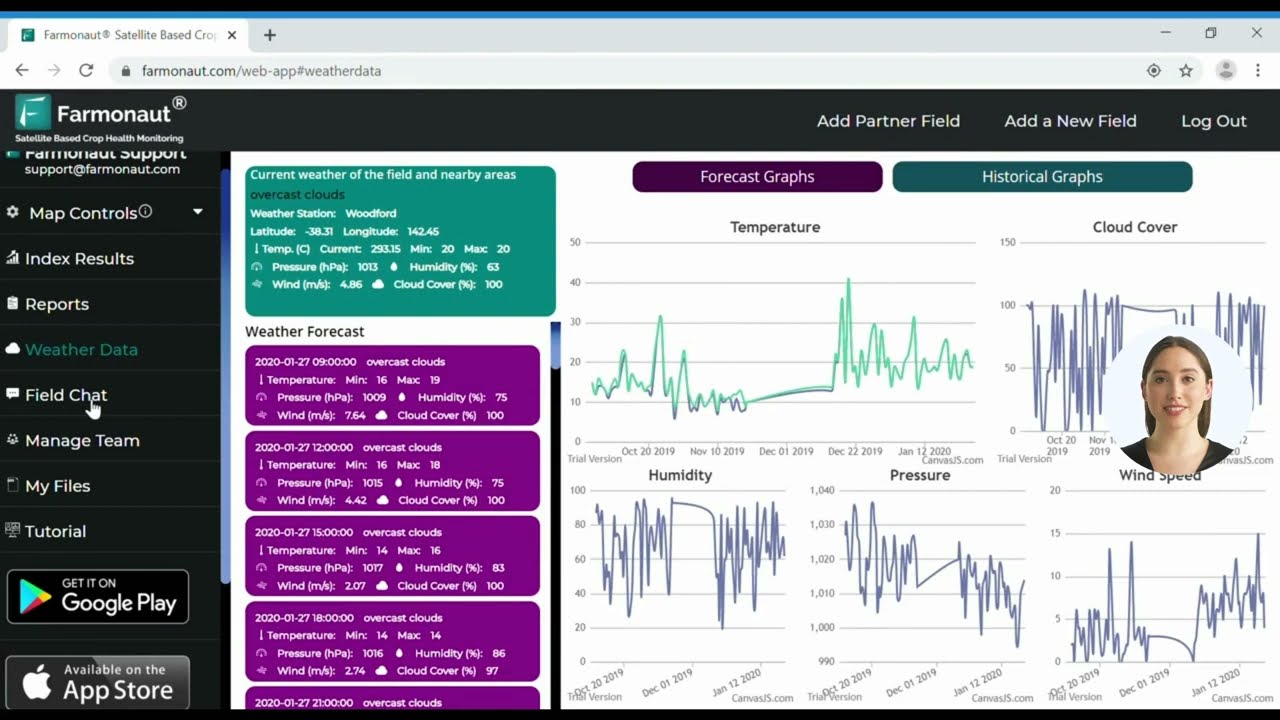
Farmonaut leverages these capabilities, making satellite data actionable in daily decision-making at every scale and sector.
See how carbon footprinting works for agro-food production.
Satellite monitoring and data-driven interventions can reduce agricultural CO2 emissions by over 19% by 2028.
Comprehensive Benefits & Sustainability Implications of Agro-Food Process Automation
Integrating agro-food process automation across every segment of agriculture and food production delivers deep systemic benefits:
- ✔ Significantly higher efficiency: Reduced energy, labor, and input needs result in higher yields and reduced costs
- ✔ Better resource management: Automation enables precise application of water, fertilizers, and energy
- ✔ Lower environmental impact: Targeted treatments minimize runoff, soil degradation, and unnecessary chemical use
- ✔ Food safety and quality: AI and sensor-based systems ensure hygiene, reduce human error, and guarantee traceability
- ✔ Enhanced resilience: Data-driven systems respond instantly to weather, pests, or market developments
Enabling Sustainable Food Security
The sustainability implications of process automation are profound, particularly as the world grapples with population growth, climate change, and resource scarcity. Key outcomes include:
- 🌱 40% lower water use in irrigated agriculture via smart allocation
- ⚡ Up to 30% reduction in energy use per unit of food produced in modern facilities
- 🌍 Substantial CO2 and chemical reduction with precision application
- 🛡️ Dramatic improvement in traceability and recall response if contamination occurs
- 📈 More stable, predictable supply chains regardless of external crisis or market shocks
Satellite-based crop verification via Farmonaut helps banks and insurers reduce fraud and improve financial access for growers.
Key Challenges & Considerations for Agro-Food Process Automation
Despite the remarkable benefits outlined, the transition to a fully-automated, resilient agro-food system is not without critical challenges and considerations:
- ⚠️ High initial investment costs: Many rural/smallholder operations may struggle to fund adoption of advanced robotics or sensor networks.
- 🔐 Digital divide: Disparities in technical training and digital infrastructure risk excluding marginalized regions and farmers.
- 🛡️ Cybersecurity & data privacy: Reliance on interconnected platforms increases risk of data breaches, manipulation, and loss of trust.
- 🤔 Socio-economic impact: Without social support, automation could temporarily displace workers, increasing rural vulnerability.
- 📑 Policy frameworks: Inadequate policy or regulatory misalignment may slow equitable, sustainable adoption.
Addressing these requires collaboration, funding, regulatory foresight, and a commitment to inclusive innovation—ensuring every actor in the food chain can access and benefit from process automation.
The Future Outlook: Toward a Resilient, Tech-Driven Agro-Food System
As we look to 2030 and beyond, the convergence of agro-food process automation with AI, IoT, satellite analytics, and blockchain is poised to redefine every “field to fork” touchpoint.
- 🤖 Robots will become even more autonomous and capable, handling complex tasks and adaptive process management.
- 🔬 Bio-sensors will provide molecular-level insight into nutrient and contaminant status, supporting real-time adjustments.
- ♻️ Renewables (solar, wind) will increasingly power automation platforms, closing the sustainability loop.
- 🕸️ Blockchain’s use in food traceability will become standard, with real-time, consumer-facing supply chain transparency.
- 🛰️ Satellites will offer ultra-high-frequency monitoring for regulatory compliance, sustainability, and ecosystem protection.
Governments, businesses, and research leaders will need to focus on inclusive frameworks to democratize access—bridging infrastructure, policy, and capital gaps, especially for rural and smallholder farmers who supply global markets.
Farmonaut: Satellite-Powered Agro-Food Automation
We at Farmonaut are dedicated to democratizing access to affordable, actionable satellite, AI, and blockchain insights for the modern agro-food industry. Our platform provides:
- 🌎 Real-time crop, resource, and environmental monitoring for both small and large-scale operations
- 🤖 Jeevn AI-powered advisory for strategic process management and weather forecasting
- 📦 Blockchain-enabled traceability tools to ensure supply chain authenticity
- 🔄 Fleet and resource management modules to enhance logistics, safety, and cost-efficiency
- 🍃 Environmental impact tracking, supporting sustainability reporting and regulatory alignment
Our solutions are accessible across Android, iOS, and web, and through developer APIs for seamless integration. With a subscription-based model, users can scale up as needed, no matter their geo-location or sector.
Learn about Product Traceability solutions
Isolated adoption of automation technologies (without integrated data workflows) can undermine efficiency and limit ROI. Integrate platforms for holistic automation and compliance.
FAQs: Agro-Food Process Automation in 2026
What is agro-food process automation, and why is it important?
- Agro-food process automation leverages robotics, AI, and IoT to perform critical farming, processing, and logistics tasks—improving efficiency, safety, sustainability, and resilience of food supply chains.
How does automation improve food quality and safety?
- Automation reduces human error and contamination risk, ensures precise quality control, and supports end-to-end traceability—making it far easier to identify and recall affected batches in case of safety concerns.
Will smallholder and rural farmers benefit from process automation?
- Yes; platform-based, affordable technologies (like Farmonaut’s solutions) are designed to be scalable, providing access to advanced monitoring and advisory across rural and small-scale operations.
What role does blockchain play in agro-food automation?
- Blockchain ensures that food/products are securely tracked along the supply chain, providing transparency, authenticity, auditability, and rapid recall if necessary.
How can users get started with satellite-driven agro-food automation?
- Access solutions via the Farmonaut platform for real-time monitoring, advisory, and traceability. The web, Android, and iOS apps and open API provide easy entry for both individuals and businesses.
Conclusion
Agro-food process automation is rapidly transforming agriculture and global food production in 2026—enabling unprecedented levels of efficiency, safety, and sustainability throughout the supply chain. From smart, AI-driven field operations through robotic food processing and blockchain traceability, these innovations are empowering producers, manufacturers, and regulators to meet the food demands of tomorrow—minimizing environmental impact and protecting consumer trust.
While challenges remain regarding equity, investment, and digital access, the sector’s future outlook is bright: integrated, data-powered systems—accessible on web and mobile platforms—are set to deliver higher yields, better quality, and more resilient food systems for a growing global population.
As automation technology continues to advance, comprehensive, inclusive adoption will be key—enabling not just industry leaders, but rural and smallholder farmers as well, to thrive in a data-driven world.
Ready to step into the future of automated, sustainable agriculture? Download the Farmonaut app or explore our API to see satellite technology, AI, and blockchain in action for your agro-food operations.

 Fresh Platter
 Andex
Andex FCF India
 Unifrutti Gulf
 Deluxe Conseil
 TVS Electronics
 BW Pipelines
 WICO
WICO Gen Chayat
 Chimera Innovation
 SkyHarvest
 Polaris Digitech
 Teledarbas
 Wild Oak Farm
 SFX
SFX
