

American Bullworm: 2025 IPM for Cotton & Bollworm—Technology, Innovation, and Sustainable Management
“In 2023, IPM strategies reduced American bollworm infestations in cotton by up to 40% compared to conventional methods.”
Introduction: The Persistent Threat of American Bullworm in 2025
The American bullworm—widely known as the American bollworm in cotton (Helicoverpa armigera), also referred to as army bollworm or corn earworm—continues to be one of the most destructive pests affecting global agriculture, especially across key crops such as cotton, tomato, and American sugar cane. Despite decades of research and investment in management strategies, this adaptable and polyphagous moth species has developed formidable resistance to multiple pesticide applications and remains a significant threat to yield, economic stability, and food security.
The year 2025 sees a transformation in the fight against the American bollworm. Farmers, researchers, and agritech companies are increasingly turning to integrated pest management (IPM) that blends modern technology—including AI, drones, remote sensing, and gene editing—with sustainable agricultural practices to control larval populations and reduce crop losses. This blog explores how advances in IPM, coupled with the power of technology and precise data from satellite-based services like Farmonaut, are driving a new era of pest management, resistance mitigation, and sustainable yield improvement in cotton, tomatoes, and sugarcane farms worldwide.

Biology and Damage—How the American Bollworm Devastates Crops
The biology of the American bollworm is a masterclass in adaptability and survival. Helicoverpa armigera, “one of the most destructive pests across agricultural sectors,” is renowned for its polyphagy—the ability to feed aggressively on a wide range of host plants. Here’s why this species is so hard to control:
- Highly adaptable lifecycle: The moth’s lifecycle is closely tied to climatic conditions. Warm weather accelerates development, leading to multiple generations per growing season and boosting population buildups.
- Feeding behavior: Larvae bore into cotton flower buds, bolls, and terminals, causing premature boll shedding and substantial yield loss in cotton. In tomatoes, they feed on fruits and foliage, damaging harvestable produce and reducing market quality. For sugarcane, larval feeding disrupts internode development, weakening stalks and affecting sugar accumulation.
- Polyphagy and rapid reproduction: The pest’s ability to utilize many host plants and reproduce quickly facilitates swift outbreaks that can devastate unchecked crops.
This relentless damage profile continues to drive economic losses across regions and remains the impetus for increased research and technological advances in pest management.

Economic Impact and the Need for Advanced Management in 2025
The economic impact of American bollworm in cotton, tomatoes, and sugarcane is vast—and in many regions, devastating. Yield losses due to infestations can reach up to 30% annually where modern management strategies are not in place. For tomato farmers, the results are reduced harvestable produce, increased rejection at markets, and escalated pesticide costs. In American sugar cane, larval damage means decreased sugar accumulation and compromised cane quality.
Alarmingly, the pest’s ability to develop resistance to multiple classes of insecticides—including pyrethroids and organophosphates—necessitates even greater use of chemical applications, spiraling up production costs and endangering economic viability and sustainability for small farmers and large scale producers alike.
- Increased costs:
- More expensive, novel controls required due to resistance
- Higher input costs from overuse of ineffective pesticides
- Direct and indirect yield and market losses
- Global food security concerns:
- The threat posed by American bollworm remains to global food chains, requiring sustainable IPM approaches to ensure food security.
“Over 60% of cotton farms adopted tech-driven pest monitoring for bollworm control by late 2024, improving yield stability.”
Comprehensive IPM Strategies & Technologies in 2025: Combatting American Bollworm in Cotton, Tomato, and Sugarcane
Integrated Pest Management (IPM) in 2025 rests on the synergy of knowledge-driven practices and technology to outpace the American bullworm’s adaptability. Below, we detail the multidimensional, modern strategies that farms are using to reduce outbreaks, mitigate resistance, and strengthen yields—across cotton, tomatoes, and American sugar cane.
Biological Control and Natural Pest Suppression
One pillar of modern IPM strategies is the use of biological controls—the deployment of natural enemies like Trichogramma spp. parasitoids, entomopathogenic fungi, and nematodes. Biological agents naturally suppress pest populations without chemical usage, supporting sustainable management and reducing resistance development.
- Routine releases of parasitoids on cotton and tomato farms
- Entomopathogenic fungi, such as Beauveria bassiana, targeting larval stages
- Compatibility with other control approaches for overall pest reduction
This approach is crucial since it reduces pesticide applications and fosters a healthy agroecosystem.
Host Plant Resistance—Bt Cotton, Tomatoes, & More
Technology and biotechnology have delivered significant advances through resistant crop varieties:
- Bacillus thuringiensis (Bt) crops: Bollworm in cotton and tomatoes is now suppressed by Bacillus thuringiensis-based plants, which produce proteins toxic to lepidopteran larvae, reducing larval populations and delivering substantial yield improvement.
- Resistance management: To slow evolution of resistance, refuge planting alongside Bt crops remains mandated for many regions, with continued emphasis on integrated deployment of both biotech and conventional strategies.
- Gene editing advancements: CRISPR and similar technologies are now speeding up the development of next-generation pest-resistant varieties for cotton, tomatoes, and sugarcane.
Explore Farmonaut’s Blockchain-Based Traceability for agriculture—a leading-edge solution to ensure transparency and traceability in crop production and supply chains. This enhances trust and authenticity for stakeholders across the agricultural sector.

Pheromone Monitoring and Mating Disruption
Pheromone technology has become essential in IPM for monitoring and controlling army bollworm and American bollworm populations:
- Synthetic pheromone traps quickly reveal the timing of moth flights, allowing timely interventions like precise pesticide or biocontrol releases.
- Mating disruption technology: Vastly improved releases of pheromone lures in fields confuse male moths and help reduce successful mating, leading to lower larval populations without additional chemical input.
This precision, especially when integrated with digital monitoring platforms, improves overall pest suppression at scale while protecting beneficial insects and reducing resistance risk.
Precision Agriculture and Satellite-Based Insights
As IPM matures, technology-driven precision agriculture is leading the charge in pest management and resource optimization. Key pillars include:
- Drones: Used for scouting and targeted spraying, drones allow for interventions only where necessary, reducing overall chemical usage and preserving beneficial fauna.
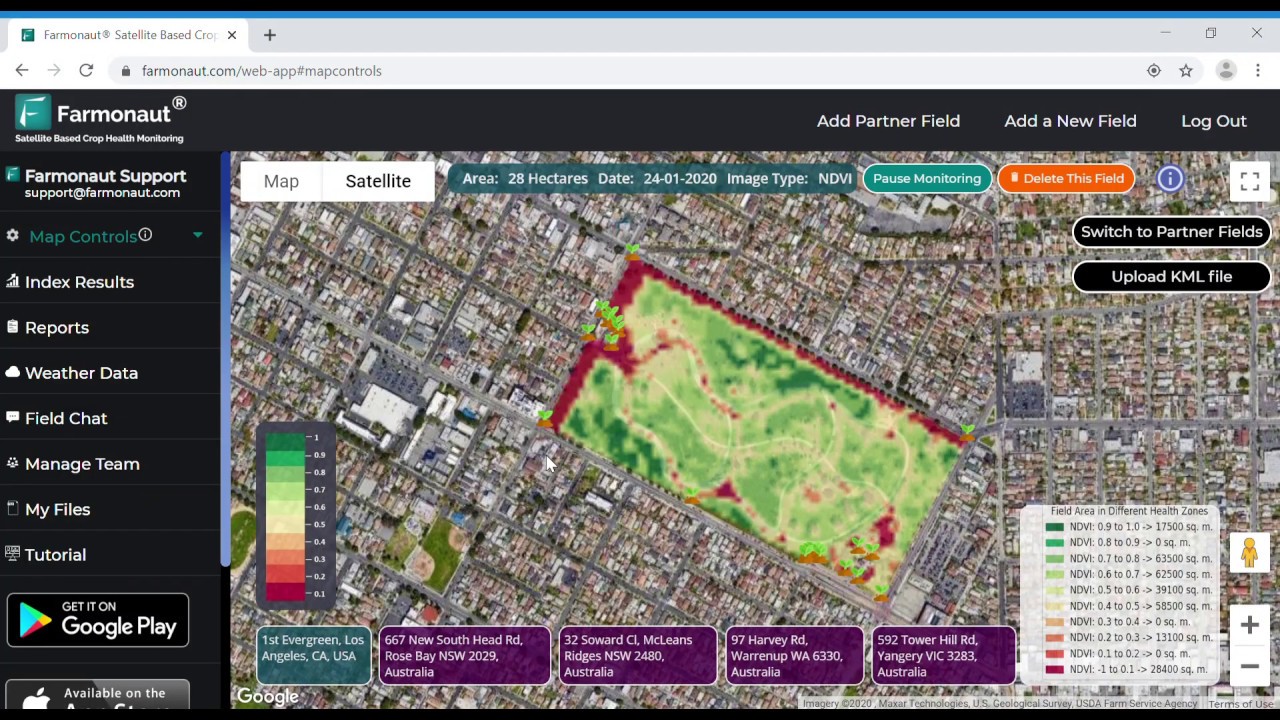
- Remote Sensing and Satellite Monitoring: Satellite imagery, such as provided by Farmonaut, enables real-time detection of pest hotspots, tracking of vegetation health (NDVI), soil conditions, and crop growth anomalies.
- AI and Advisory Systems: Artificial intelligence, as part of AI-powered platforms, identifies risks, recommends personalized pest control strategies, and enhances responsiveness to environmental changes.
This new paradigm of precision agriculture reduces input costs, improves yield stability, and delays resistance—forming a core component of the next-generation IPM toolkit.





Farmonaut’s Technological Edge in IPM and Precision Agriculture
At Farmonaut, our mission is to empower agricultural stakeholders with the most advanced, satellite-driven insights for sustainable pest management and resource optimization in 2025 and beyond.
Our solutions revolve around a holistic approach to IPM for American bollworm in cotton, tomatoes, and sugarcane:
- Real-time Satellite Monitoring: Through multispectral imagery, we provide accurate, field-specific pest risk assessments and mapping of vegetation health and larval hotspots.
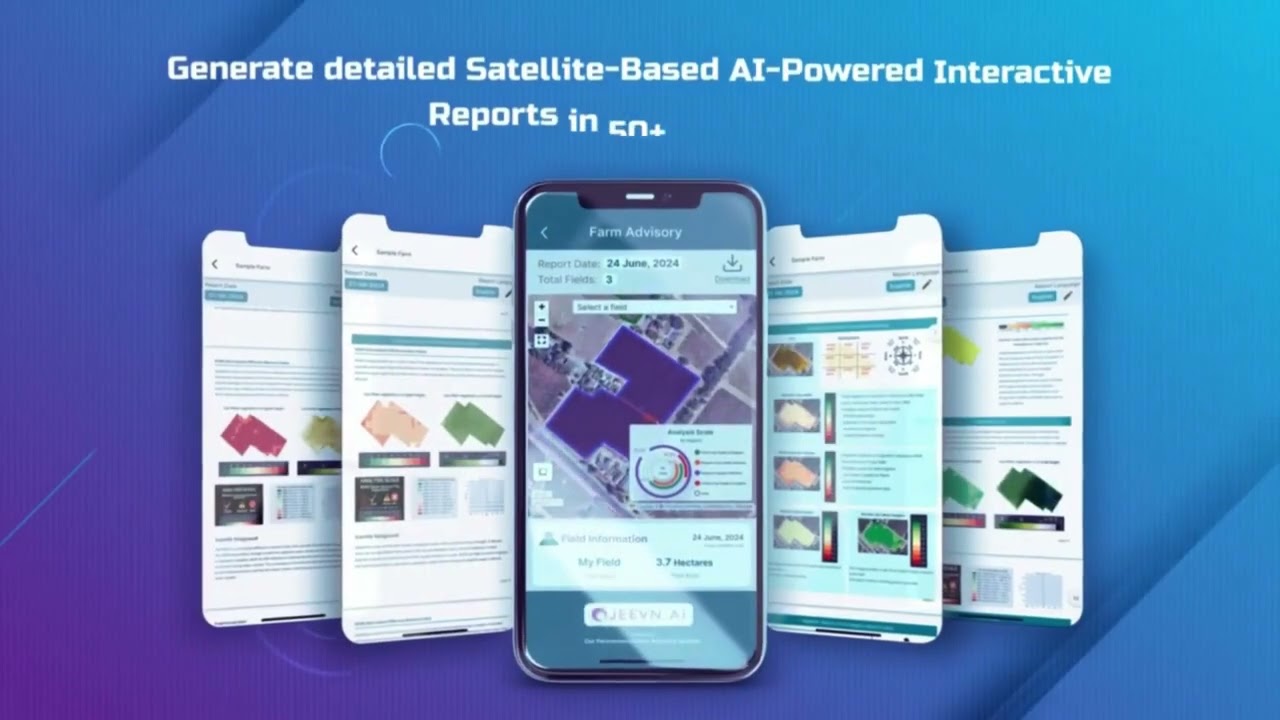
- Jeevn AI Advisory System: Our AI delivers tailored recommendations for pesticide applications, biological releases, and mating disruption based on real-time weather and crop data.
- Blockchain Traceability: We enable robust, blockchain-based product traceability for a secure, transparent agricultural supply chain.
- Environmental Monitoring: Our carbon footprinting tool helps users track, report, and manage agricultural emissions, supporting sustainability goals amid efforts to reduce chemical usage against resistant pests.
- Fleet and Resource Management: For large-scale operations, our fleet management features improve logistical planning of spray applications, ensuring timely interventions on large and diverse farms.
- Crop Loans and Insurance: Financial institutions benefit from satellite-based verification, reducing fraud, improving access to affordable lending for farmers implementing IPM programs.
Our platform is accessible via Android, iOS, web/browsers, and provides API support for seamless integration: Get Farmonaut API Access | API Developer Docs.
Through these technologies, we enable smarter, faster, and more sustainable responses to American bollworm outbreaks—reducing damage, boosting yields, and supporting resilient agriculture.
Comparison of Integrated Pest Management (IPM) Strategies and Technological Innovations Against American Bollworm in Key Crops (2025)
| IPM/Technology Name | Crop Targeted | Mode of Action | Estimated Effectiveness (% 2025) | Pest Resistance Risk | Impact on Yield Loss Reduction (%) |
|---|---|---|---|---|---|
| Augmentative Biological Control (Trichogramma, fungi, nematodes) | Cotton, Tomato, Sugarcane | Parasites/predators attack bollworm eggs or larvae | 70–85% | Low | 30–40% |
| Gene-Edited, Bt, or CRISPR-Enhanced Seeds | Cotton, Tomato (emerging: Sugarcane) | Plants express toxin/trait deterring larvae | 80–95% | Medium-High (without refuge management) | 40–60% |
| Pheromone Traps & Mating Disruption | Cotton, Tomato, Sugarcane | Attract/trap moths or confuse mating | 60–75% | Low | 20–35% |
| Precision Drone Spraying | Cotton, Tomato, Sugarcane | Targeted delivery of biocontrol or pesticide | 75–92% | Low-Medium | 30–50% |
| Remote Sensing & Satellite Surveillance (Farmonaut) | All | Detect crop stress & optimize interventions | 80–95% | Low | 35–55% |
| Rotational & Cultural Practices | All | Crop rotation, sanitation, resistant crops, optimal planting | 40–65% | Low | 10–20% |
Farmonaut Subscriptions & Pricing
To access advanced, scalable satellite-based monitoring solutions for pest management and crop health analysis, consider Farmonaut’s subscription packages below:
Challenges & Future Directions—Adapting to a Moving Target
Despite all advances, American bollworm management remains a complex challenge in 2025. Why?
- Climate Change: Ongoing environmental changes—increased temperatures, unpredictable rainfall, and shifting growing seasons—are expanding the geographic range and accelerating lifecycle development of bollworm populations.
- Pest Resistance: Persistent overuse of the same chemical or biological interventions can select for resistant pest populations, requiring careful rotation and diversified management strategies.
- Need for Coordination and Policy Support: Area-wide approaches, government policies, farmer education, and biological agent subsidies are needed for multi-scale implementation.
- Digital Divide: Adopting precision agriculture and AI-based IPM tools relies on sufficient digital infrastructure and farmer training, which are still uneven across all regions.
Nevertheless, the future is promising: Emerging innovations in gene editing, AI, satellite analytics, and stakeholder collaboration are equipping us for more adaptive, sustainable, and economically resilient pest management models.
For those interested in large farm operations and scaling up digital pest management, Farmonaut Large Scale Farm Management Solution helps operators orchestrate resource allocation and intervention at enterprise or regional scale.
Frequently Asked Questions – American Bollworm, 2025 IPM, and Technology
What is the American bollworm, and why is it a threat in 2025?
The American bollworm (Helicoverpa armigera), also known as corn earworm or army bollworm, is a highly adaptable moth species whose larvae attack a wide range of crops including cotton, tomatoes, and sugarcane. In 2025, it remains a major threat due to its resistance development to multiple pesticides, ability to devastate yields, and rapid adaptation to climatic and pest control changes.
What are the main symptoms of American bollworm infestation?
In cotton: Larval boring into flower buds, boll damage, premature boll shedding, and substantial yield reduction.
In tomato: Feeding on fruits and foliage, leading to damaged produce unsuitable for the market.
In sugarcane: Larval feeding disrupts internodes, weakens stalks, and affects sugar accumulation.
Why has pesticide resistance increased in American bollworm populations?
Resistance has escalated because of repeated use of the same type of chemicals, over-reliance on a small range of active ingredients, and the pest’s remarkable adaptability and rapid reproductive capability. Integrated approaches are required to reduce pressure on any single control method.
How do pheromone-based monitoring and mating disruption work?
Pheromone traps attract male moths using synthetic sex-attractant chemicals, signaling the presence of adult pests and indicating optimal intervention timing. Mating disruption saturates the field environment with pheromones, making it hard for males to locate females, significantly reducing pest reproduction rates.
What role does precision agriculture play in controlling bollworm outbreaks?
Precision agriculture uses technologies like drones, AI, and multispectral satellites to pinpoint pest hotspots, monitor crop stress, and enable targeted, less frequent pesticide or biocontrol applications. This approach reduces costs, delays resistance, and lessens environmental impact compared to blanket spraying.
How can farmers and agricultural companies access Farmonaut’s satellite data?
Farmonaut’s services are available through our Android, iOS, and web applications, and API integration for business and research use. Visit the app page or API documentation for access and more information.
What is blockchain-based traceability, and why does it matter for pest management?
Blockchain-based traceability is a secure system for verifying the origin, treatment, and movement of agricultural products. For pest management and IPM, it increases transparency, enables tracking of IPM practices, and enhances market and regulatory confidence in crops.
Conclusion: A Collaborative Path to Resilience in 2025 and Beyond
The American bullworm—despite decades of efforts and innovative science—remains a formidable pest across cotton, tomatoes, sugarcane, and other crops globally. Economic losses, pest resistance, and environmental pressures necessitate a paradigm shift toward integrated, technology-driven, and sustainable practices.
Through the strategic integration of biological controls, genetically enhanced varieties, pheromone and digital monitoring, and precision agriculture platforms like Farmonaut, farmers and agri-businesses are building a future of resilient, high-yield, and environmentally sound agriculture. Ongoing vigilance, continuing education, and broad-based adoption of these solutions will be crucial as we confront emerging threats and seize new opportunities for a sustainable food future.
To harness the power of real-time crop monitoring, AI-based advisory, and blockchain-enabled traceability for more effective pest management, we encourage stakeholders to explore our web and mobile platform and consider scalable Farmonaut plans for farms large and small.
By continuing to innovate, collaborate, and adopt new technologies in 2025 and beyond, we can reduce the threat of American bollworm—ensuring food security, economic resilience, and an environmentally healthier planet.
Further Reading & Useful Links
- Farmonaut Carbon Footprinting—Monitor and manage greenhouse gas emissions from pest control practices in agriculture.
- Farmonaut Crop Loan and Insurance Solutions—Satellite-powered verification to support financial stability for farmers tackling pest-related risks.
- Farmonaut Large Scale Farm Management—For multi-field, multi-region digital pest management, resource allocation, and intervention orchestration.
- Farmonaut Product Traceability—Blockchain-enabled for market transparency and regulatory compliance.
- Farmonaut Web & Mobile App—Get instant access to satellite-driven crop health monitoring, pest detection, and actionable advisory.

 Godrej Agrovet
 Hayleys Agriculture
 Linx Agritech
 Adinet
 Save Your Soils
 GalaxEye Space
 Grandstream Algérie
 XOS Realty
 Geospatial Lab Africa
 Agro La Gándara
 HIPSAC
 ZOL Zimbabwe
 Juligerm
 AdBio
AdBio MISE Maroc
 NWNS
NWNS Red August Group
 Farm Inc
 WeMe Global
