

Contents
- Introduction: Sustainable Urban Agriculture at the Intersection of 2026
- Urban Agriculture Trivia 2026
- Benefits of Sustainable Urban Agriculture
- Top Sustainable Urban Agriculture Practices (2026 & Beyond)
- Benefits and Best Practices Comparison Table
- Benefits Related to Urban Gardening & Community Well-being
- What Are the Three Biggest Benefits of Sustainable Farming?
- What Are the Goals of Sustainable Agriculture in Urban Contexts?
- Farmonaut Tools & Solutions for Smart Urban Farming
- Soil Health Trivia
- Frequently Asked Questions
- Farmonaut Subscription Plans
- Conclusion: Sowing Seeds of Resilience for 2026 & Beyond
Benefits & Practices of Sustainable Urban Agriculture 2026
“By 2026, sustainable urban agriculture could boost city food production by up to 20%, enhancing local food security.”
Sustainable urban agriculture sits squarely at the intersection of food production, ecological resilience, and community well-being within city landscapes. As we approach and move beyond 2025, its relevance continues to grow—spanning not just agriculture itself but reaching into forestry, infrastructure, and the systems that redefine how we grow, conserve, and distribute our resources.
In this guide, we explore what are some benefits of sustainable urban agriculture?, reveal crucial practices and methodologies, and clarify the goals of sustainable agriculture in rapidly urbanizing settings. You’ll find extensive information on food security, soil health, climate resilience, community partnerships, regenerative farming, and advanced tools that support a thriving ecosystem within every city.



Key Benefits of Sustainable Urban Agriculture (2026 Perspective)
What are some benefits of sustainable urban agriculture? The list is robust—sustainable urban agriculture provides not only vital local food security but also fundamentally transforms ecological, social, and economic health within cities. From resource efficiency and waste reduction to climate resilience and social inclusion, the multi-dimensional impact is setting the blueprint for resilient, nutritious cities of the future. Let’s break down these interconnected benefits in detail.
- ✔ Local food security & resilience: Urban farming shortens supply chains, buffers cities against external shocks, and provides fresh produce where it’s needed most—including in urban food deserts.
- ♻ Resource efficiency & waste reduction: Systems integrate rainwater harvesting, graywater use, composting, and closed nutrient cycles to cut waste, lower input costs, and conserve water.
- 🌱 Biodiversity & ecosystem services: Rooftop farms, pocket parks, and edible landscapes support pollinators, improve microclimates, and mitigate heat island effects via cooling green corridors.
- 🌍 Climate mitigation & adaptation: Local production lowers transportation emissions while diversified farms and peri-urban agroforestry enhance carbon sequestration and drought resilience.
- 💡 Economic & social benefits: Job creation, upskilling, and equitable access to fresh food foster dynamic local economies and strengthen community cohesion.
How Sustainable Urban Agriculture Sits at the Intersection of Resilience and Productivity
Cities are complex, dynamic ecosystems—high density means higher pressure on resources, food supply, soil quality, and resilience. Sustainable urban agriculture transforms underutilized city spaces (rooftops, vacant lots, setbacks, and corridors) into assets, supporting both nutritious food production and the health of the entire urban ecosystem.
For instance, integrating vertical farming, smart irrigation, and modular growing systems allows for the year-round cultivation of diverse crops, even as cities densify and climate risks increase. Benefits extend from soil and water conservation to improved air quality, economic opportunity, and inclusive community development.
Urban farms can rehabilitate marginal soils through regenerative methods, restoring organic matter and dramatically improving productivity and environmental stability within cities.

What Are Some Practices of Sustainable Urban Agriculture in 2026?
What are some practices of sustainable urban agriculture? Building sustainable urban food systems requires integrating a range of proven best practices that optimize for soil health, water management, biodiversity, and social inclusivity. In 2026 and beyond, leading practices include:
- Regenerative & soil-first methods — Composting, cover cropping, mulching, minimum tillage, and raised beds or corridors to rebuild and enrich urban soils.
- Water stewardship — Use of drip irrigation, rainwater harvesting, safe graywater reuse, and smart irrigation scheduling to minimize input costs and maximize resource efficiency.
- Integrated pest management (IPM) — Create beneficial habitats, encourage natural predators, plant trap crops, and minimize chemical inputs for safe crop production.
- Crop diversity & season extension — Mix of leaf crops, legumes, fruiting plants; use of season extension structures (cold frames, high tunnels) to optimize yields year-round.
- Urban forestry & agroforestry — Planting fruit/nut trees and native species along streets, vacant lots, setbacks, and rooftops for edible landscapes and shade.
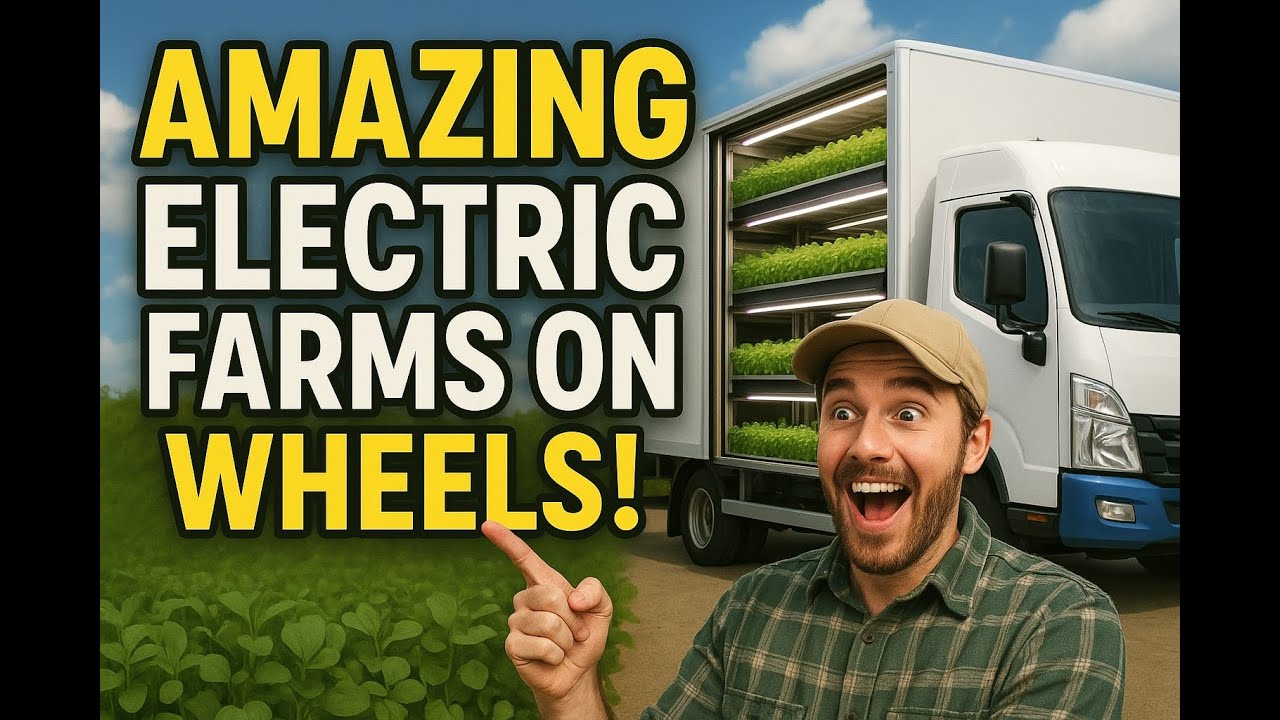
- Resource-efficient infrastructure — Modular, relocatable growing systems, vertical farming, and renewable-powered climate control reduce energy and land footprint.
- Strategic governance & partnerships — Collaborate with schools, municipalities, and local orgs to secure land access, distribution, and offer agri-education.
- Nutrition-sensitive design — Align crops with local consumption, reducing food waste via smart planning and responsive harvesting.
Combine crop rotation with cover cropping and composting for year-round soil health. This approach boosts productivity while naturally suppressing pests and weeds.
Over-reliance on a single crop or underestimating the importance of biodiversity can undermine ecosystem services. Prioritize diverse plantings and integrated systems for resilience.

Benefits and Best Practices Comparison Table
| Benefit | Best Practice | Estimated Impact | Urban Example |
|---|---|---|---|
| Improved Food Security | Rooftop Gardening, Raised Bed Community Plots | Up to 20% increase in local produce supply | New York City, USA |
| Resource Efficiency | Rainwater Harvesting, Graywater Reuse | 25-50% reduction in municipal water use | Melbourne, AUS |
| Waste Reduction | Composting, Closed-Loop Nutrient Cycling | 7–15 tons of compost produced per year (mid-sized city) | Berlin, DE |
| Enhanced Biodiversity | Pollinator Habitat, Urban Forestry | +50% in urban pollinator sightings | Singapore |
| Climate Mitigation | Agroforestry, Diversified Zones | Reduction of city surface temps by up to 3°C | Bangalore, India |
| Economic Development | Urban Orchards, Job Training Programs | 30–45 new jobs created annually/city district | Chicago, USA |
| Soil Health Improvement | Cover Cropping, Minimal Tillage | 15% increase in soil organic matter (3 years) | Toronto, Canada |
Urban agriculture & ag-tech markets are projected to exceed $30 billion globally by 2026, with investors increasingly prioritizing resource-efficient systems and carbon footprinting solutions for emissions tracking and reporting.

What Are Some Benefits Related to Urban Gardening?
What are some benefits related to urban gardening? Beyond measurable food production and resource gains, urban gardening dramatically improves community health, well-being, and city environmental quality.
- 📦 Fresh, accessible food: Raises household and school access to nutritious produce, building food literacy and healthy dietary patterns for all age groups.
- 🌳 Urban greening & microclimate: Reduces city heat, filters air, and cools neighborhoods as plant systems enhance air quality.
- 💬 Psychological & social well-being: Community plots, co-ops, and school gardens foster inclusion, engagement, and mental health support.
- 📚 Education & hands-on learning: Active learning for students/residents on ecology, nutrition, and sustainable practices builds knowledge for generations.
Greenspaces Reduce Stress
Community and school gardens boost collaboration and well-being in urban contexts.
Education for Future Leaders
School gardening curricula increase green career awareness and sustainability skills.
Food Literacy
Urban gardening links food production to healthy eating habits and reduced waste at the household level.
Bullet Points: Fast Facts About Urban Gardening Benefits
- 🌆 Increase in community cohesion and social capital within neighborhoods
- 🍽 Direct reduction of food insecurity among vulnerable urban populations
- 🌡 Urban gardens (rooftops, schools, green corridors) mitigate urban heat
- 🎓 Youth involvement in urban agriculture drives STEM and nutrition education
- 💧 Citizen-led rainwater harvesting projects feed community plots, building water resilience

What Are the Three Biggest Benefits of Sustainable Farming in Urban Contexts?
What are the three biggest benefits of sustainable farming? In the city, these directly drive resilience and sustainability for current and future generations.
- Food Security & Local Resilience: Proximity to consumers buffers against global supply chain shocks, providing fresh, diverse food close to need.
- Resource-efficient, Low-waste Systems: Closed-loop flows of water, nutrients, and organic matter cut input costs and minimize environmental footprint.
- Enhanced Ecosystem Services & Climate Resilience: Biodiversity, improved soils, pollinator habitats, and urban cooling foster a city-wide ecosystem able to adapt to changing climate conditions.
Integration of satellite-based monitoring with sustainable farming practices helps cities track input reduction, yield gains, and climate adaptation progress in real time.

What Are the Goals of Sustainable Agriculture in Urban Contexts?
What are the goals of sustainable agriculture? These strategic aims reflect not only food system transformation but also urban ecology, resilience, and social equity for 2026 and beyond:
- 🥕 Produce safe, nutritious food efficiently within dense city footprints
- 🌎 Protect and restore soil health, water quality, biodiversity in built environments
- 🔄 Minimize environmental footprint via reduced inputs, renewable energy, and waste valorization
- 🤝 Build equitable access to fresh food, education, and green jobs
- 🏙️ Create regenerative, resilient urban landscapes contributing to climate adaptation and community well-being
Leverage advanced satellite insights and blockchain traceability for transparent farm-to-fork tracking. Farmonaut Traceability Solutions ensure food safety, bolster consumer trust, and meet evolving urban certification standards.

Farmonaut Tools & Solutions for Smart Urban Farming (2026)
As cities embrace next-generation ag-tech, Farmonaut’s satellite-driven solutions help urban food system managers, farmers, and decision-makers monitor, optimize, and scale sustainable agriculture on every urban plot and rooftop. Here’s how we support resilient and resource-smart cities:
🛰️
Multispectral satellite imagery for real-time crop, soil, and infrastructure health across city farms and public plots.
🤖
The Jeevn AI Advisory System delivers custom strategies for crop production, resource efficiency, and climate-smart adaptation.
🔗
Ensure urban harvests are safe, tracked, and verified—essential for city food system transparency and safety.
🚚
Optimize logistics for city farms, delivery, and operations using precision fleet and asset management.
🌍
Track urban carbon footprint, water use, and regenerative progress across city landscapes.
- 🔄 Flexible plans via API integration: Integrate Farmonaut API into urban ag management systems (see API developer docs)
- 🛡 Satellite-based verification for sustainable crop loans and insurance: Learn about our solutions
All graywater reuse in city gardens must comply with health and safety regulations. Farmonaut’s remote sensing and AI advisories help guide safe irrigation practices in urban agriculture.

Soil Health Trivia
“Urban farms using regenerative practices can improve soil health by increasing organic matter by 15% within three years.”
Frequently Asked Questions (FAQ)
-
Q: What are some benefits of sustainable urban agriculture?
A: It increases food security, boosts community well-being, enhances soil and water health, reduces waste, stores carbon, fosters job creation, and supports biodiversity in city environments. -
Q: What are some practices of sustainable urban agriculture?
A: Composting, cover cropping, drip irrigation, rainwater harvesting, modular vertical farming, crop rotation, edible landscaping, integrated pest management, and nutrition-sensitive crop planning are all proven best practices. -
Q: How does sustainable urban agriculture build climate resilience?
A: By enhancing carbon sequestration with trees and diverse crops, lowering heat via green corridors, managing water more efficiently, and localizing production to reduce supply chain vulnerability. -
Q: Can schools and communities directly benefit from urban gardening?
A: Yes, school gardens and community plots improve health, food literacy, STEM education, and foster social inclusion. -
Q: Which technologies support urban agriculture in 2026?
A: Satellite monitoring, AI, blockchain traceability, smart irrigation, data-driven planning tools, and modular/flexible infrastructure, as provided by platforms like Farmonaut. -
Q: How can I access Farmonaut’s solutions?
A: Through our web and mobile apps, APIs, and subscription plans that make advanced satellite insights accessible and affordable for urban food system stakeholders.
Farmonaut Subscription Plans
Choose the best plan for your urban agriculture, infrastructure, or resource management needs. Flexible modules scale from community gardens to city-wide monitoring.
Conclusion: Sowing Seeds of Resilience for 2026 & Beyond
Sustainable urban agriculture in 2026 sits at the very heart of city resilience, ecological health, and social well-being. It achieves robust food security by shortening supply chains; rebuilds soil and water systems through regenerative, resource-efficient practices; creates green jobs and knowledge pathways for communities; and knits cities together as living, thriving ecosystems from the ground up.
As cities expand and climate events become more frequent, the integration of agriculture, forestry, and infrastructure—supported by transparent, data-driven platforms like Farmonaut—will define our ability to grow, adapt, and nourish vibrant urban landscapes. By moving toward inclusion, circularity, and regeneration, every city gains the tools needed to thrive—today and far into the future.
- ✅ Sustainable urban agriculture boosts city food resilience and reduces vulnerability to global shocks.
- ♻ Resource efficiency through closed loops, water reuse, and composting reduces waste and input costs.
- 🌱 Regenerative soil practices improve organic matter, biodiversity, and long-term productivity in urban plots.
- 🌎 Urban greening and agroforestry mitigate heat, sequester carbon, and foster thriving ecosystems.
- 📱 The Farmonaut platform delivers remote, real-time insights and affordable monitoring for city farmers, planners, and educators worldwide.

 Godrej Agrovet
 Hayleys Agriculture
 Linx Agritech
 Adinet
 Save Your Soils
 GalaxEye Space
 Grandstream Algérie
 XOS Realty
 Geospatial Lab Africa
 Agro La Gándara
 HIPSAC
 ZOL Zimbabwe
 Juligerm
 AdBio
AdBio MISE Maroc
 NWNS
NWNS Red August Group
 Farm Inc
 WeMe Global
 Agrotoken
 Blue BearX
 Insignito
 DnCubed
 Indosistim Teknologi
 Liquify Digital
 CU Foods
 BeyondTech Global
 Rouge VC
 AgroRisk
 Oath Inc
 Esri North East Africa
 MDCV UK
 Etech Consulting Madagascar
 Vestlandsforsking
 WB Dev
 Sama Premium
 Tres Valles
 Blickwinkel
 Agricultural Credit Policy Council
 eKGIS
eKGIS Mostas Tech
 Andex
Andex Deluxe Conseil
 WICO
WICO Chimera Innovation
 SkyHarvest
 Teledarbas
 Exurbia Geospatial
 FieldZero
