

Farmland vs Residential Land: 7 Must-Know Differences for 2025 and Beyond
Table of Contents
- Introduction: Navigating Farmland vs Residential Land in 2025
- Comparative Comparison Table: Farmland vs Residential Land 2025
- 7 Must-Know Differences: Farmland vs Residential Land
- Land-Use Dynamics & Economic Drivers
- Zoning, Policy, and Planning Considerations
- Agricultural Land Quality & Resilience
- Ecological & Socio-Economic Impacts of Conversion
- Practical Guidance for Stakeholders
- How Farmonaut Empowers Agricultural & Land-Use Decisions
- Frequently Asked Questions: Farmland vs Residential Land
- Conclusion: Balancing Tomorrow’s Land Needs
“By 2025, over 30% of global farmland faces conversion pressure to residential use, impacting food security and sustainability.”
Introduction: Navigating Farmland vs Residential Land in 2025
The allocation of land between agricultural use and residential development has become one of the most dominant strategic questions facing our societies as we move into 2025 and beyond. Urban expansion, food security imperatives, environmental safeguards, mining, and shifting government policies all contribute to the increasing tension over how our landscapes are shaped. The decision to preserve farmland or convert it for housing isn’t just about local planning—it reverberates through national food systems, climate resilience, biodiversity, and the long-term value of our most productive lands.
In this comprehensive guide, we’ll explore farmland vs residential land: zoning, pressures of conversion, impacts on food security, environmental integrity, and sustainable development strategies that will define the next decade. Backed by the latest research and our understanding at Farmonaut, let’s break down these transformational forces—and equip you with practical insights for navigating the future of agricultural land vs residential land.
Key Insight:
As of 2025, pressure to convert agricultural land to residential use is rising—particularly near urban centers, regional towns, and peri-urban corridors. Strategic planning and robust governance frameworks have never been more critical for preserving food security, climate resilience, and economic stability.
Comparative Comparison Table: Farmland vs Residential Land 2025
| Aspect | Farmland (2025 Estimate) | Residential Land (2025 Estimate) |
|---|---|---|
| Primary Use | Food, fiber, bio-materials, and fuel production; ecological services | Housing, commercial and infrastructural development, amenities |
| Average Land Value (per acre) | $10,000–$18,000 (varies by region & quality) | $50,000–$120,000 (proximity to urbanization increases value) |
| Typical Zoning Type | Agricultural, Green Belt, Strategic Agricultural Zones | Residential, Mixed-Use, Commercial-Residential Zoning |
| Conversion Process | Rezoning, development approvals, environmental assessment; 12–36 months average | Typically N/A. For further intensification: local approvals needed |
| Environmental Impact | Low-moderate (habitat, soil, watershed dependent) | Moderate–high (soil sealing, runoff, habitat loss, heat island effect) |
| Biodiversity Support | Biodiversity index: 6-8/10 (depending on management) | Biodiversity index: 2-4/10 (landscaped or gardened areas only) |
| Food Security Role | Crucial—enables regional, local food production, supply chain resilience | Indirect—can host home gardens/community farming but minimal production |
| Sustainability Contribution | Supports ecosystem services (carbon sequestration, soil health, aquifer recharge) | Can reduce local green cover if not planned ecologically |
Common Mistake:
Underestimating the time, cost, and ecological complexity of converting agricultural land to residential use. Environmental approvals, soil health standards, and community input processes in 2026 and beyond are increasingly rigorous—avoid short-term thinking and poor due diligence.
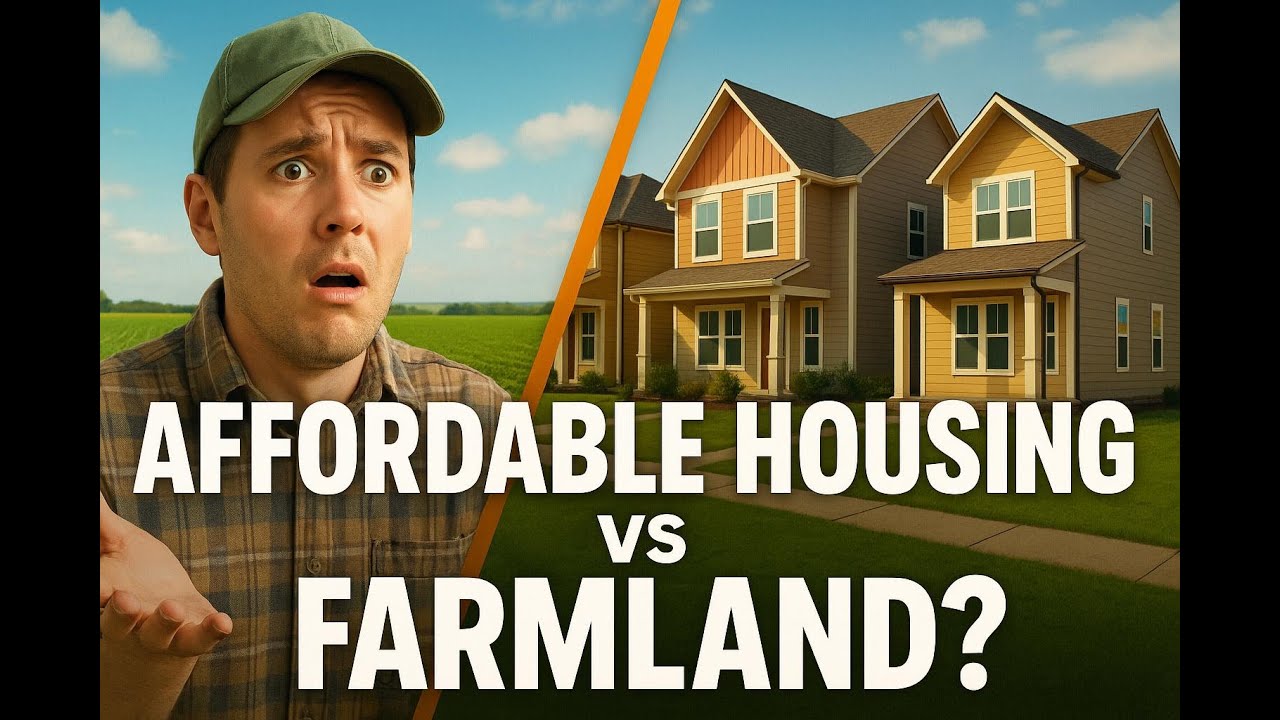
7 Must-Know Differences: Farmland vs Residential Land
Making informed decisions about land allocation in 2025 is complex. Here are the seven factors that most significantly distinguish farmland vs residential land:
- Zoning Status and Land Use Regulations: Agricultural land is protected by strict zoning and environmental safeguards; residential zones are typically more flexible for building—though often at the expense of ecological balance.
- Economic Value and Speculative Pressures: Proximity to urban centers can make farmland highly coveted for development, but residential land values often vastly outpace farming returns, fueling speculation and conversion.
- Role in Food Security: Farmland is essential to local and regional food systems; residential land rarely supports food production on a meaningful scale.
- Conversion Process Complexity: Turning agricultural land to residential often requires lengthy rezoning, environmental impact assessments, and public consultations.
- Environmental & Biodiversity Contribution: Farmland (if managed well) sustains higher biodiversity and provides ecological services; residential land—unless intentionally green—can reduce habitat and raise local temperatures.
- Water, Soil, and Infrastructure Access: Farmland is evaluated by soil quality, irrigation, and climate adaptability. Residential land is valued for access to transport, schools, and municipal utilities.
- Long-Term Sustainability Impacts: Land use changes driven by short-term gains can threaten climate resilience, amplifying fragmentation, and undermining future capacity to sustain populations and economies.
“Residential zoning can reduce local biodiversity by up to 50% compared to farmland, affecting ecological balance and resilience.”
Land-Use Dynamics & Economic Drivers: High-Stakes for Landowners and Society
The land-use dynamics shaping the residential vs agricultural land debate in 2025 are influenced by both macro and microeconomic drivers:
- ✔ Farmland remains a pivotal asset for food systems, fiber, and increasingly, sustainable bio-materials essential for climate mitigation and green industrial strategies.
- ✔ Urban and peri-urban land conversion is at a historic high, especially near urban centers, transport corridors, and regional towns. High-quality arable land is highly coveted for housing and retirement settlements.
- ✔ Residential demand drives conversion pressures; high property taxes and speculative investment often outpace farm profitability, nudging landowners toward sale or rezoning.
- ✔ Mining and mineral extraction also compete for land, imposing additional industrial demands and sometimes overlapping with productive farming or forestry zones.
- ✔ Surface disturbances from mining or infrastructure can reduce arable capacity and require significant remediation, impacting long-term land use even after operations end.
Pro Tip:
Early-stage planning for land development should integrate land classification and soil health monitoring to ensure future flexibility. Check out this comprehensive guide to land cover classification and farm land types for in-depth strategies.

Navigating Pressures: Top 5 Reasons Farmland Conversion Is Accelerating
- Urban expansion and population influx into regional towns
- Rising land values and speculative investment incentives
- Shift in policy frameworks (increasingly recognizing both agricultural and housing needs)
- Profitability pressures on traditional farming due to market volatility
- Competing uses: mining, infrastructure, commercial expansion

Investor Note:
Compared to traditional farmland, zoned residential plots near urban centers may offer higher short-term gains. However, investing in strategic arable land with resilience to conversion can secure sustainable returns, especially when leveraging new tech like Farmonaut’s carbon footprinting tools for environmental compliance and climate-resilient valuation.
Policy, Zoning, and Planning: The Gatekeepers of Land Transformation
Policy and zoning frameworks are critical levers in how farmland vs residential land conflicts play out. These frameworks both govern what land can be used for, and influence the tempo of land allocation across sectors.
- Agricultural Protection Zones, Strategic Agricultural Lands, and Green Belts: These are vital tools for curbing fragmentation, ensuring the integrity of food production areas, and preserving biodiversity. Rezoning these for residential use is highly regulated and often contentious.
- Zoning Incentives and Disincentives: Tax breaks and subsidies stabilize farming operations, reducing the incentive to sell out for housing. Conversely, powerful development incentives can accelerate the agricultural land to residential trend, especially in regions with relaxed planning controls.
- Environmental Safeguards: Governments increasingly enforce soil health standards, water rights, and watershed management practices before approving zoning changes. Watershed management is especially crucial to reducing downstream flood and pollution risks.
- Gradual Rezoning and Transition Strategies: Many regions are adopting transfer of development rights (TDRs), gradual rezoning, and mixed-use zoning to preserve key agricultural corridors and mitigate the risks of abrupt land conversion.

Key Regulatory Insight:
In emerging policies for 2026 and beyond, agricultural land to residential conversions are more likely to require robust environmental impact assessments (EIA) and advanced traceability solutions—like Farmonaut’s blockchain-based product traceability platform—to document pre-conversion ecological baselines and ensure compliance.
Agricultural Land Quality & Resilience: Sustaining Value Beyond 2025
One of the most misunderstood aspects of agricultural land vs residential land is land quality and climate resilience. Not all farmland is created equal—its long-term value ties directly to characteristics like soil resilience, climate adaptability, irrigation infrastructure, and ecological integration.
- 🌱 Soil Health: Deep, fertile, and resilient soils underpin productivity, carbon sequestration, and water retention under climate strain.
- 💧 Irrigation and Water Access: Regions with reliable water rights, modern irrigation and proximity to storage or rivers retain higher value over time.
- 🌾 Farming Systems and Technology: Precision agriculture, cover cropping, and satellite crop monitoring (as offered by Farmonaut) can maximize resilience and delay conversion pressure.
- 🌲 Agroforestry and Biodiversity: Intermixing crops, timber, and habitat features sustains ecological functions and diversifies land value.
- 🛤️ Infrastructure and Access: Proximity to transport corridors, storage facilities, and supply chains amplifies agricultural land’s competitive value vs more remote or fragmented plots.

- 📊 Data Insight: Smart farming tech adoption delays conversion of marginal lands by boosting productivity; in many regions, this can extend the agricultural viability by 5–15 years.
- ⚠️ Risk: Over-extraction of water or poor land management can accelerate land degradation, prompting faster conversion or loss of ecosystem services.

Operational Excellence:
Landowners seeking to sustain or enhance land value can leverage Farmonaut’s large-scale farm management solutions at this link to integrate satellite analytics, smart mapping, crop health monitoring, and fleet resource tracking—empowering informed diversification and lower operational risks.
Environmental & Socio-Economic Impacts of Conversion: What’s at Stake?
- ⚠️ Food Security Volatility: Local food production capacity drops when prime farmland is lost to housing, heightening reliance on imports and exposing communities to global supply chain disruptions.
- 🌳 Biodiversity Loss: Habitat fragmentation and green cover reduction decrease ecological resilience and pollinator populations vital to both farming and climate stability.
- 🌡️ Urban Heat Islands & Runoff: Paving and impermeable surfaces raise local temperatures and increase runoff, leading to new infrastructure costs and, sometimes, flood risks.
- 🏠 Community Adaptation: In some cases, well-planned residential and mixed-use developments can mitigate impacts by integrating green spaces, urban food gardens, and biodiversity corridors.
- 🛡️ Ecosystem Service Erosion: Loss of farmlands diminishes natural carbon sequestration, soil fertility, and watershed protection unless “green infrastructure” is mandated in new residential plans.
Sustainability Callout:
Environmental impact tracking is no longer optional for landowners or developers converting agricultural land. Consider Farmonaut’s carbon footprinting solution for regulatory compliance, investor confidence, and long-term ecological integrity.

Practical Examples: Transition Strategies That Work
- Gradual Rezoning: Manage transformation by allowing phased conversion, keeping critical agricultural corridors intact.
- Transfer of Development Rights (TDR): Incentivize preservation of key lands by letting developers purchase rights for denser urban projects elsewhere.
- Mixed-Use Agricultural-Residential Zoning: Plan for agro-eco-settlements with buffers, micro-farms, and integrated habitat strips.
Practical Guidance for Navigating Farmland vs Residential Land
- 🧑🌾 Farmers & Landowners: Evaluate long-term land value and diversify operations with techniques such as crop diversification, agroforestry, and niche product development.
- 🏘️ Developers & Planners: Adopt comprehensive growth strategies that designate agricultural preserves, create green buffer zones, and integrate agro-eco-settlements to reduce conflict with ongoing farm operations.
- 🛡️ Policymakers: Align land-use incentives with climate resilience, ecosystem protection, and rural livelihood support. Ensure fair, sustainable compensation for any land use changes that fragment or diminish productive landscapes.
- 💡 Tech Tools: Use real-time monitoring and blockchain-based traceability for regulatory compliance, food safety, and managing claims in land transformation. See Farmonaut Product Traceability.
- 🪙 Financial Institutions: Use satellite-based verification for loans and insurance—see Farmonaut Crop Loan & Insurance.
Smart Diversification:
In many regions, agritourism, regenerative farming, and carbon farming are increasingly profitable diversification paths that can “compete” with speculative urban land sale prices—especially for land with high ecological or climate value.



How Farmonaut Empowers Agricultural and Land-Use Decisions
At Farmonaut, we are committed to making satellite-driven insights affordable and accessible for anyone navigating land transformation across agricultural, mining, and infrastructural sectors:
Satellite-Based Monitoring
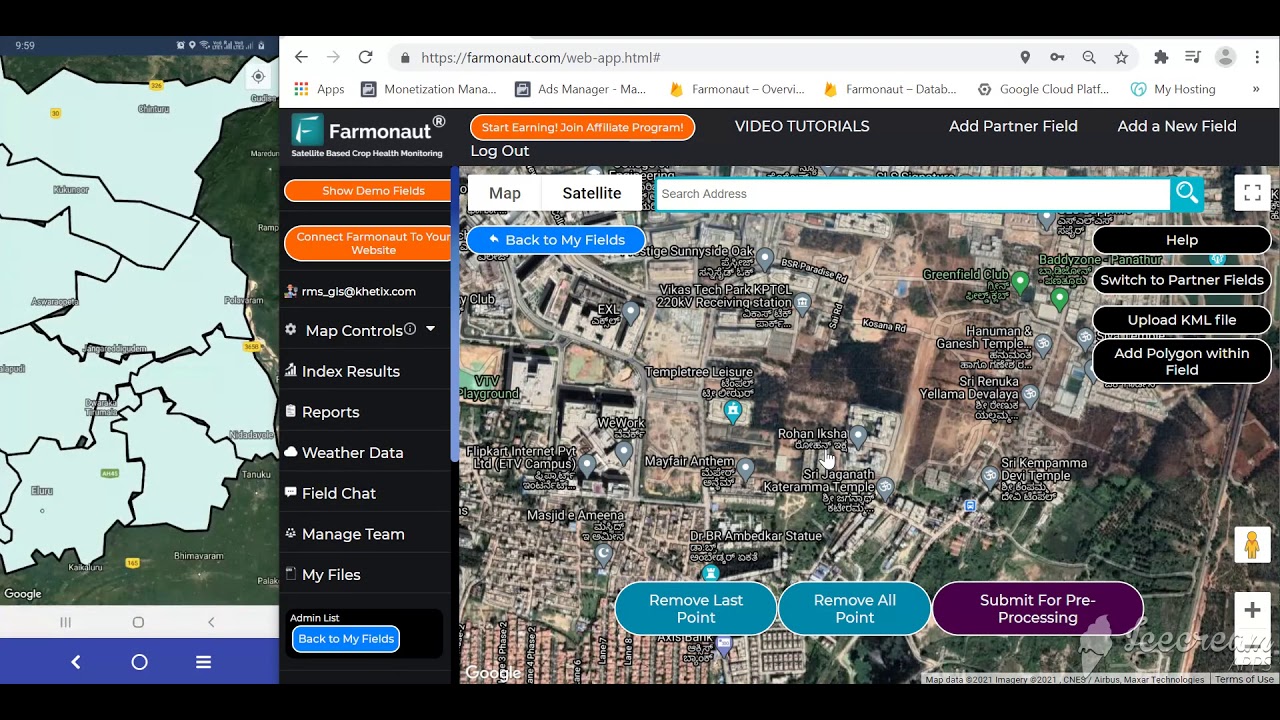
We leverage multispectral satellite images and AI-based analytics to monitor crop health (NDVI), soil moisture, water bodies, and infrastructural changes. These insights empower users to make data-backed decisions for agricultural, mining, and infrastructure management.
Real-Time AI Advisory
Our Jeevn AI Advisory System delivers real-time satellite- and climate-driven recommendations for agricultural efficiency, risk mitigation, and operational planning—across farms, mining sites, and beyond.
Blockchain Traceability
We bring blockchain traceability (Farmonaut Traceability Solutions), ensuring transparency, reliability, and fraud reduction for products spanning agricultural, mining, and logistics supply chains.
Environmental Monitoring
Our environmental impact monitoring delivers actionable insights on carbon footprint, resource usage, and soil health. This assists businesses, users, and governments in complying with regulations and enhancing their sustainability profiles. Learn more about carbon footprinting.
Fleet and Resource Management
For large and small operations, our resource and fleet management tools improve operational efficiency, monitoring vehicles, machinery, and logistics across agriculture, mining, and construction.
- ✔ Cost-Effective: Subscription-based, pay-as-you-grow platform—no bulky hardware investments required.
- ✔ Accessible: Available on web, browser, Android, and iOS for maximum mobility—use our web app above for instant access.
- ✔ Scalable: Designed for users at any scale—farmers, agribusinesses, mining operations, municipal authorities, or national governments.
- ✔ API Integration: Developers and corporates can plug our Farmonaut Satellite Weather API (API Developer Docs) directly into their operational systems for automation and custom insights.
Choose The Right Farmonaut Plan For Your Land Monitoring Needs:
See transparent pricing for individuals, businesses, and government institutions below. Empower data-driven farm and land management, in real time, anywhere:
Data Security Highlight:
All Farmonaut services embrace best-in-class data security, blockchain transparency, and regulatory compliance to future-proof your agricultural, mining, or land development journey.
Frequently Asked Questions: Farmland vs Residential Land (2025 & Beyond)
What are the main challenges in converting farmland to residential land?
Rezoning, environmental impact assessment, loss of agricultural productivity, community resistance, and the complexity of securing utilities and infrastructure make the conversion process time-consuming and costly.
How does farmland conversion affect local food security?
Every acre of productive farmland lost to housing or commercial development reduces local/regional food production capacity, exposing the community to food supply shocks and higher prices.
Can residential development be environmentally sustainable?
Yes, if planned responsibly. Incorporating green buffers, community gardens, urban forests, and biodiversity corridors minimizes ecological impacts. Monitoring and environmental compliance—supported by technology like Farmonaut—are recommended.
Does Farmonaut monitor non-agricultural land?
Yes. We offer satellite-based monitoring for agriculture, mining, infrastructure, and environmental impact assessment—ideal for managing lands during and after conversion or remediation.
Is agricultural land always lower in value than residential land?
No. While residential land closer to cities typically values higher, high-quality farmland with strong ecosystem and water rights can appreciate rapidly—especially with integrated data-driven management or eligibility for green bonds and environmental credits.
Conclusion: Balancing Tomorrow’s Land Needs—A Strategic Imperative
Farmland vs residential land is a debate shaped by more than economics or planning codes—it’s the front line of our future food security, environmental integrity, and climate resilience. With mounting pressures for land conversion, the best approach for 2026 and beyond unites robust zoning, transparent governance, data-driven technology, and sustainable transition strategies.
At Farmonaut, we’re dedicated to supporting landowners, planners, investors, and governments with advanced, affordable satellite solutions for every stage of the agricultural land vs residential land journey. By weaving together real-time data, AI-powered advisory, and blockchain traceability, we can together ensure that land transformation empowers—not erodes—our collective future.
The path forward requires strategic, collaborative stewardship—balancing productive landscapes, ecological health, and housing imperatives for generations to come.
Discussion
Questions, corrections or field experience? Share them below. First-time comments are reviewed before they appear, and your email is never published.
No comments yet. Be the first to add a question or your experience.

 Sama Premium
 Mahaswami
 Prochecker
 Tres Valles
 LACOS Geoinformation
 Pulsar Supernova
 Magrifly
 LatConnect 60
 WebsEdge
 Blickwinkel
 Agricultural Credit Policy Council
 MCSOD
 Marei Nursery
 eKGIS
 Mostas Tech
 Andex
 FCF India
 Unifrutti Gulf
 Deluxe Conseil

 Licence holder · Niger · Gold
 Licence holder · Nigeria · Gold + lithium










