

Harvesting Beets at the Right Time: 7 Expert Tips
When it comes to raising the quality of your homegrown beets, nothing is as important as harvesting beets at the right time. Knowing when to harvest beets involves more than just looking at the calendar—it’s about paying close attention to the signs that your beet roots reveal. Beets are unique vegetables with a dual-purpose: their roots can be enjoyed in fresh salads, pickled preserves, or roasted and boiled for versatile culinary applications. The timing of beet harvest influences flavor, texture, and how long your beets will stay fresh during storage.
In this comprehensive guide, we’ll explore the art and science of beet harvesting. We’ll cover:
- Critical signs beets are ready to harvest
- Best time to pick beets based on variety, growth, and local weather
- Step-by-step beet harvesting techniques to avoid damage and prevent rot
- Full spectrum of storage and preservation options, including storing beets in refrigerator and root cellar tips
- How Farmonaut’s precision agriculture technology can help you monitor crop readiness, soil moisture, and yield predictions for superior results
- Common questions about proper beet storage methods and maximizing freshness



7 Expert Tips for Harvesting Beets at the Right Time
Let’s break down each step for successful beet harvesting, with a focus on signs, techniques, and best practices for maximum quality and storage life.
- Check the size of your beet roots: Beets are typically ready for harvest when the roots are between 1 and 3 inches in diameter — the ideal range for most varieties.
- Look for signs of maturity at the soil surface: Emergence of the beet root “shoulders” just above the soil surface signals a maturing beet, often ready for harvest.
- Don’t rely on the leaves : Beet tops usually stay green at harvest time; yellowing leaves more often point to stress, drought or disease than to ripe roots. Go by root size.
- Monitor planting dates and days to maturity: Most beets mature in 50–70 days after planting, depending on the specific variety and local growing conditions.
- Assess texture by gentle hand feel: A properly mature beet is firm, not squishy or woody. Smaller beets are often preferred for pickling and canning (1–2 inches), while larger beets suit roasting and boiling.
- Plan harvesting during cool, moist weather: Beets prefer cool soil. Harvesting in the early morning or after a light rain can make pulling beets easier and prevent damage.
- Stagger harvest for continuous supply: For extended harvest and storage, sow beets every 3–4 weeks until midsummer and harvest as each row matures (Illinois Extension).
Inspecting Beets: Best Practices Before Harvest
Before you remove any beet root from the soil, it’s best to monitor the growth by gently checking the size and emergence at the surface. This step helps prevent accidental harvesting of immature or overly fibrous beets.
- Loosen the soil first with a garden trowel or spading fork to minimize damage to roots.
- Check the base of the leaves: The base should remain firm, and the leaves should be mostly green — avoid harvesting with excessive yellow or wilting.
- Monitor weather patterns: Hot, dry weather can make beets tough, while excessive moisture increases risk of rot.
- Avoid large, over-mature roots: Bigger isn’t always better. Overly large beets may become woody and fibrous, reducing quality and storage life.

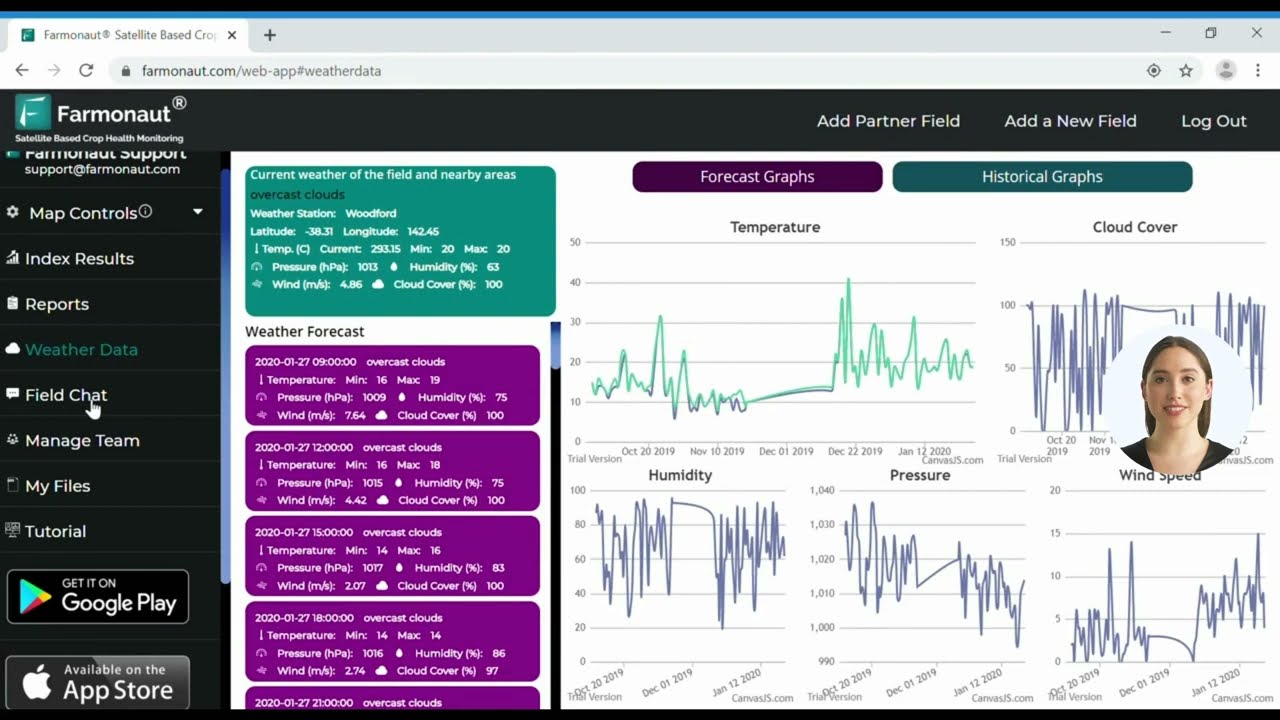
For advanced growers, real-time satellite-based weather monitoring is invaluable for predicting the best time to pick beets. Farmonaut provides an accessible API that delivers detailed, up-to-date weather and crop health data. Our Developer Docs help you harness this technology for optimal beet growth and yield.
Pro Harvesting Techniques for Quality Beets
Successful beet harvesting techniques begin long before you pull the roots from the soil. Proper techniques minimize damage, prevent beet rot, and maintain post-harvest freshness.
How to Harvest Beets Without Damage
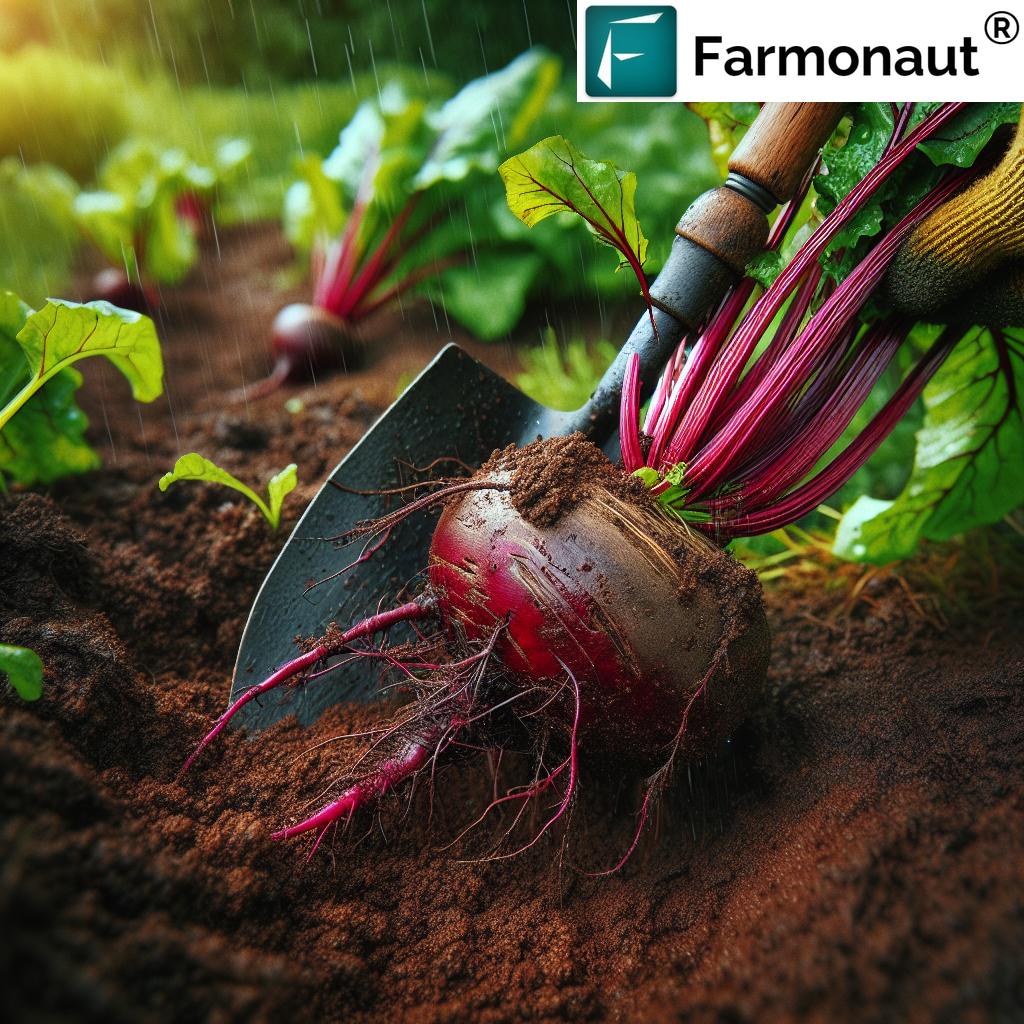
- Loosen the soil around each root using a spading fork or garden trowel. Dig several inches away from the beet base to prevent damage.
- Gently lift the beet by grasping the base of the leaves and pulling upward, keeping the root as intact as possible.
- Cut or remove the tops, leaving about an inch of leaf stalk and stem attached to minimize bleeding and preserve moisture during storage.
- Remove excess soil by gently brushing rather than washing, as excessive moisture can result in rot during long-term storage.
Tips to Prevent Beet Rot During Harvest and Storage
- Harvest only mature, healthy beets: Avoid roots with cracks, wounds, or decay.
- Don’t wash beets before storage: Moisture can accelerate rot; always store dry.
- Store in cool, humid conditions: Use a root cellar or high-humidity refrigerator drawer.
Stored at 32°F and 95% relative humidity, beet roots keep for 2 to 4 months (USU Extension).
Why Leave the Leaf Stalk Intact?
Leaving about 1 inch of the leaf stalk and stem attached to your beet root reduces moisture loss and extends storage life. It’s especially important for pickling and canning beets, maintaining ideal freshness and texture during culinary use.
Beet Harvesting and Storage Guide
How to Store Beets for Maximum Freshness
Beet root preservation tips are crucial for enjoying your harvest well beyond the growing season. Proper beet storage methods keep your beets fresh and flavorful, whether you store them in the refrigerator or in a traditional root cellar.
Storing Beets in the Refrigerator
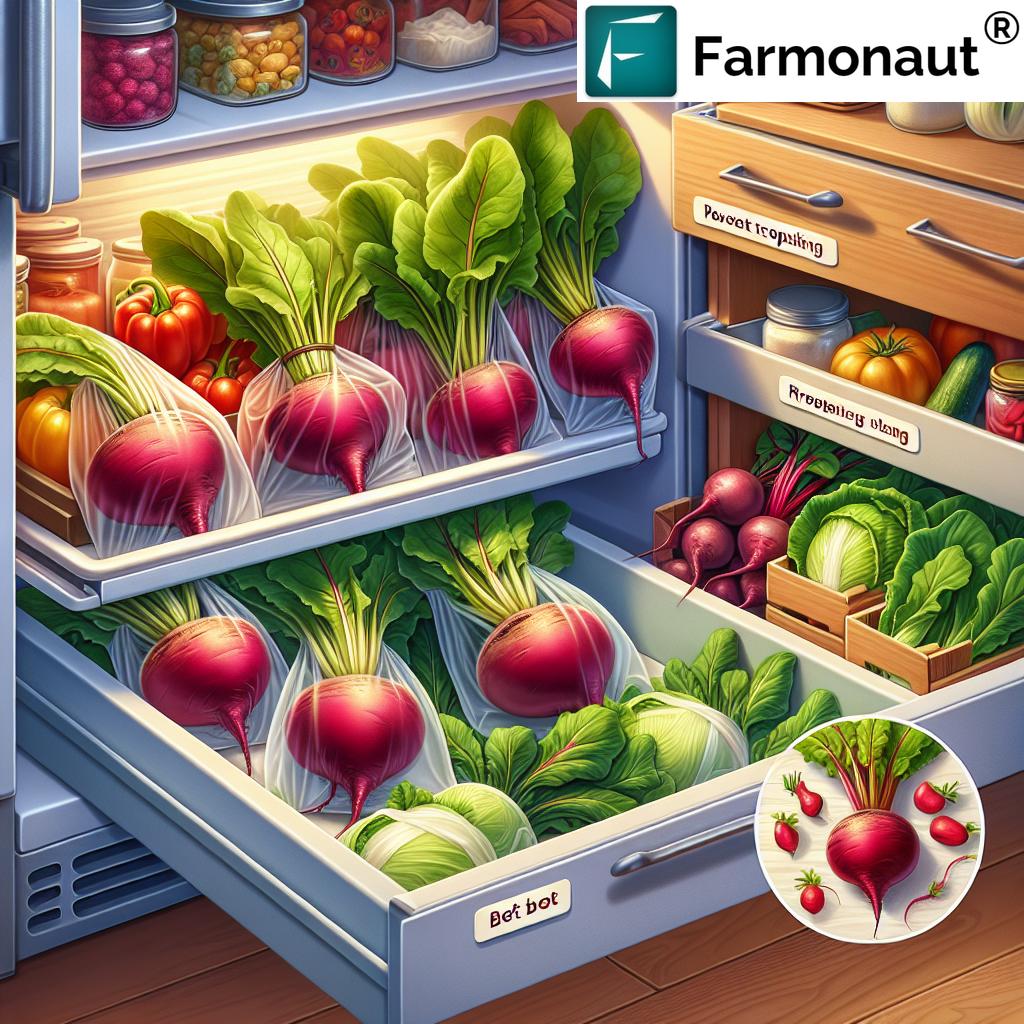
- Remove greens as soon as possible after harvesting, leaving about 1-inch of stem attached to the root.
- Place in a plastic bag (such as a zip-top produce bag), ensuring the bag is loosely closed to allow some airflow.
- Store the bag in your refrigerator’s produce drawer for up to 2–3 weeks.
- Avoid stacking beets; give them some space to maintain quality and prevent bruising.
Root Cellar and Long-Term Storage
- If you have a root cellar or cool, humid basement (32–40°F; 90–95% humidity), beets can stay fresh for 2–4 months.
- For longer preservation, store beets in a container filled with barely damp sand or sawdust.
- Do not wash beets for storage: excess moisture encourages rot. Gently brush off soil residue.
How to Prevent Beet Rot
- Check for signs of mold or decay during storage and remove any affected beets promptly.
- Always store beet roots away from fruits like apples or pears, which emit ethylene gas that accelerates spoilage.

Freezing, Pickling, and Preservation Tips
- For longer shelf life, beets can be canned or pickled. Pickled beets and canned beets can last 6–12 months in a cool, dark pantry.
- To freeze beets: Wash, peel, and cut into slices or cubes after boiling. Freeze in airtight containers for up to 6 months.
Weather and Local Conditions: Timing Your Beet Harvest
Understanding your local weather and soil conditions can make a dramatic impact on beet quality. Beets thrive in cool weather and can tolerate light frosts, but they’re sensitive to periods of drought or excessive rainfall. Hot, dry weather produces smaller, fibrous roots that store less well, while excess moisture heightens the risk of rot and fungal disease. Always monitor local forecasts and consider using Farmonaut’s weather monitoring tools to plan harvest timing.
- If a hard frost is predicted, harvest beets beforehand to avoid freeze injury.
- In high rainfall periods, ensure proper drainage to prevent rot.
- For local conditions, seed beet varieties best suited to your climate, and check roots regularly for signs of over-maturity or disease.
Beet harvest season by planting time
Beets are a cool-season crop, so the harvest season depends on when you sow:
- Spring sowing: sow about 30 days before your last frost date (Illinois Extension). Harvest runs from late spring into early summer, roughly two months later.
- Succession sowing: sow again every 3 to 4 weeks until midsummer for a steady supply.
- Midsummer sowing for autumn: gives a crop you can lift in autumn and keep through winter. SDSU notes beets can be planted in midsummer and harvested before an intense freeze (SDSU Extension).
Autumn beets are the ones to store. At 32°F and 95% relative humidity, roots keep for 2 to 4 months (USU Extension). Cut the tops off before storing, leaving about an inch of stem, because leaves draw moisture from the root and make it shrivel (Illinois Extension).
Fresh Beet Culinary Uses and Popular Recipes
Beets are beloved for their earthy-sweet flavor and nutritional value. Their culinary uses cover everything from fresh salads to preserves, pickling, boiling, and roasting. Here’s how to make the most of your fresh beet harvest:
Popular Culinary Applications:
- Fresh Salads: Grate raw beets or slice thinly for a crunchy, sweet addition to salads.
- Roasted Beets: Toss peeled beet chunks in olive oil and roast at 400°F for 35–45 minutes for caramelized flavor.
- Pickled Beets: Enjoy the classic tang of preserved beets — ideal for long-term culinary use.
- Boiling or Steaming: Boiled beets can be eaten alone, with butter and herbs, or included in dishes like borscht.
- Canning: Process beets in jars for a shelf-stable veggie during winter months.
Beet Greens are Edible Too!
The greens you remove at harvest can be sautéed or added to soups, providing nutrients and variety in the kitchen.
Precision Farming Tech: How We Empower Harvest Decisions
At Farmonaut, our mission is to empower farmers worldwide with affordable, data-driven farm management tools for superior crop outcomes. Our large scale farm management app brings satellite-based crop health monitoring, soil moisture tracking, and real-time weather advisories directly to growers via the web or mobile app. With our solutions, you can:
- Remotely monitor beet growth and spot emergence of maturity signs
- Receive AI-based advisories for optimal harvest timing
- Leverage carbon footprinting tools for sustainable beet cultivation and reduction of climate impact
- Utilize fleet and resource management for efficient harvesting logistics and field operations
- Employ crop loan and insurance verification to streamline financial planning of beet harvesting activities
- Leverage blockchain-based traceability to assure supply chain transparency for the end consumer (ideal for organic and specialty beets)
Our advanced tech is available via web app, Android and iOS platforms, or can be integrated via our satellite and weather API — all to maximize your beet harvest quality and return.
When are beets ready to harvest? The short answer
Most beets are ready to harvest 50 to 70 days after sowing, when the roots are golf-ball sized, or 1 to 3 inches across (SDSU Extension). Some varieties take closer to 80 days (Utah State University Extension).
- Best size for eating: 1½ to 3 inches. Illinois Extension says beets reach about 1½ inches, a standard cooking size, around 60 days after sowing, and roots bigger than 3 inches often turn tough and fibrous (Illinois Extension).
- Small beets for pickling or canning whole: 1 to 2 inches.
- Beet greens: leaves can be picked once they are 4 to 6 inches tall (USU Extension). Take only a few leaves per plant if you want the roots to keep growing.
- Autumn crop: beets handle light frost, but pull them before heavy frosts or a hard freeze.
The most reliable test is to brush soil away from the top of one or two roots and measure them, or pull a sample beet. Days from sowing are only a guide, because cool weather slows growth and crowded rows give smaller roots.
Frequently Asked Questions: Beet Harvesting & Storage
Q1: What are the clear signs beets are ready to harvest?
Look for beet roots 1–3 inches in diameter, firm texture, and the top of the root visible at the soil surface. Monitoring planting dates also helps.
Q2: When is the best time to pick beets?
The best time to pick beets depends on the variety: generally, 50–70 days after planting, once roots have reached the recommended size for your intended use (smaller for canning, larger for roasting).
Q3: How do I store beets in the refrigerator?
Storing beets in refrigerator is simple: remove greens (leave 1″ of stem), place unwashed roots in a plastic bag, and store in the produce drawer. They’ll last 2–3 weeks.
Q4: How do I prevent beet rot during storage?
Always store beets dry and in cool, humid conditions. Remove greens, check for damaged roots, and don’t wash before storing. Use containers with damp sand for root cellaring and inspect regularly for signs of mold or decay.
Q5: Are beet greens edible?
Absolutely! Beet greens are a nutritious addition to sautés or salads. Use them soon after harvest for best quality.
Try Farmonaut Today: Subscription Plans for All Growers
Access real-time weather, satellite crop health analysis, carbon footprint tracking, resource management, and more by subscribing to our flexible plans, tailored for hobbyists, smallholders, and large-scale agribusinesses.
Conclusion
Mastering beet harvesting at the right time is essential for ensuring unsurpassed freshness, flavor, and quality—whether you’re preparing vibrant salads, nutritious preserves, or delectable pickled treats. Follow expert tips for monitoring growth, checking for signs, and using the best techniques to harvest and store your beets for months of culinary enjoyment. For growers eager to optimize every step, our Farmonaut platform delivers the gold standard in precision farm management, supporting everything you need for a successful beet harvest.
Happy harvesting — and may your next batch of beets be your best ever!

 CU Foods
 BeyondTech Global
 Consulthink Global
 Rouge VC
 Yutz Automation
 AgroGreen Dynamics
 AgroRisk
 Oath Inc
 Reddane Farming
 Esri North East Africa
 Cresol
 Atur Kuliner
 MDCV UK
 Zerella Group
 Etech Consulting Madagascar
 Vestlandsforsking
 Delicio
 WB Dev
 Sama Premium
 Prochecker
 Tres Valles
 LACOS Geoinformation
 Magrifly
 LatConnect 60
