

Hydroponic Farming Setup 2026: Small Grow & Sand Systems
Advancing Sustainable Agriculture: A Comprehensive Guide to Hydroponic Farming Setup in 2026
“Hydroponic sand systems use up to 90% less water compared to traditional soil farming methods.”
As the global population surges and arable land becomes increasingly scarce, modern agriculture must evolve to meet food demand sustainably. Hydroponic farming setup is a revolutionary solution that allows for growing crops without soil, vastly improving resource efficiency and boosting yields year-round. By 2026, both small hydroponic setups and commercial-scale systems are dramatically reshaping urban, peri-urban, and rural agricultural landscapes—enabling fresh, local food production, even in environments never before considered.
This comprehensive guide explores the latest in hydroponic setup, highlights the comparative strengths of small grow hydroponic systems and hydroponic sand-based systems, and examines the critical role of high-tech solutions—such as those powered by Farmonaut—in promoting sustainability and environmental resilience.

What is a Hydroponic Farming Setup?
Hydroponics is a technique that allows for growing plants using a nutrient-rich water solution—eliminating the need for conventional soil. Unlike traditional farming, a hydroponic grow setup provides complete control over nutrient delivery, pH, water, light, and other critical growth parameters.
Small hydroponic setups range from DIY units for homes and balconies to complex, automated systems suitable for commercial and industrial-scale food production. With precise monitoring and precise resource management, hydroponics drastically minimizes input wastage, boosts crop yield, and supports year-round cultivation.
- Hydroponic setup allows for growing food in urban and non-arable environments.
- Soil is replaced by a growing medium such as sand, perlite, or coco coir.
- Nutrient control is vital for plant health and accelerated growth.
- Hydroponic systems enable vertical farming, increasing space efficiency.
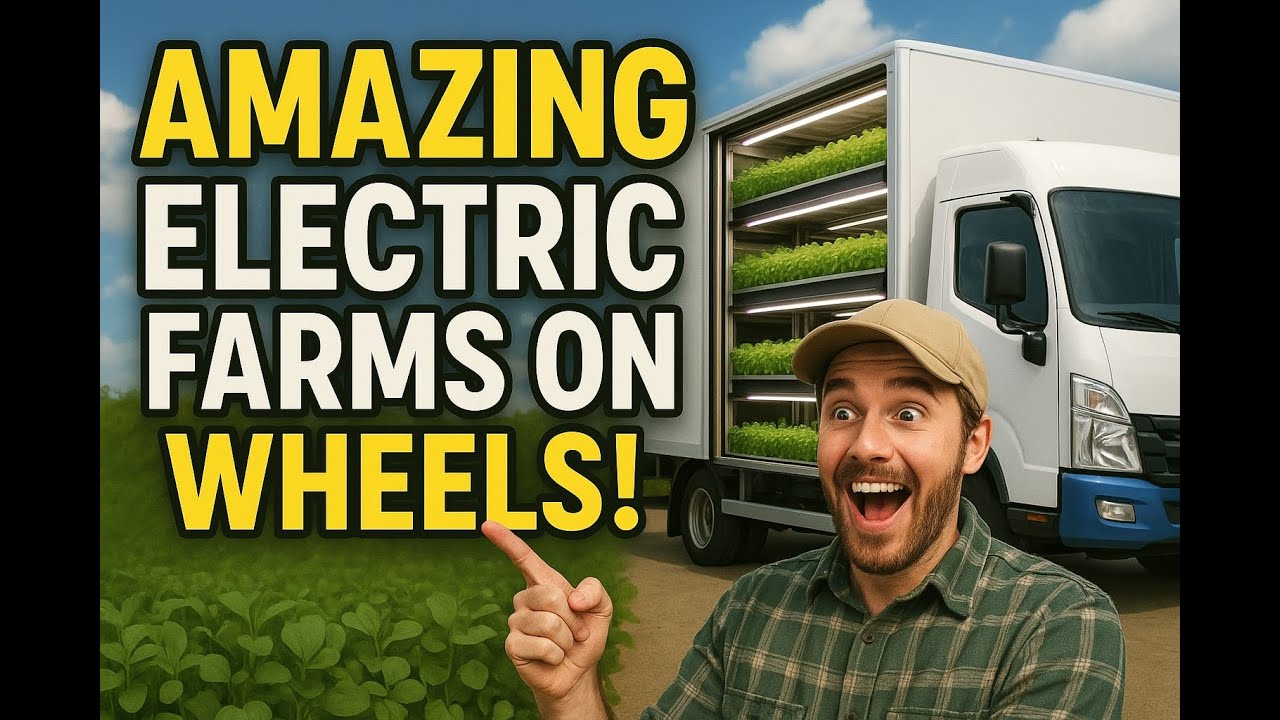
Components of a Hydroponic Grow Setup
Every hydroponic farming setup consists of several key components designed to deliver water, nutrients, and oxygen efficiently to plant roots:
- Growing Channels or Beds
– Support the plants physically, with plant roots immersed, anchored, or periodically flooded in a nutrient solution. - Nutrient Reservoir
– Stores water and dissolved essential nutrients for circulation. - Pump and Tubing
– Circulates or delivers the nutrient solution to plant zones; tubing is often made of food-grade plastics to avoid contamination. - Growing Medium
– Media like hydroponic sand, rockwool, perlite, or coco coir are used instead of soil, supporting the root system while allowing the right amount of moisture retention and aeration. - LED Grow Lighting
– LED lights tailored to plant growth spectra are critical for indoor or non-optimal sunlight environments. - Monitoring Systems & Sensors
– Modern systems may use pH, humidity, temperature, electrical conductivity (EC), and other sensors to optimize conditions.
✔ Main Components of a Hydroponic Farming Setup:
- 🌱 Growing channels
- 🌊 Nutrient reservoir
- 💧 Pump & Tubing
- ⚗️ pH, EC, Temp Sensors
- 💡 LED Lighting
- 🪨 Hydroponic sand or inert media

Hydroponic Sand and Growing Media in 2026
Hydroponic sand is rapidly emerging as a sustainable and renewable growing medium for hydroponic setups. In 2026, the focus has shifted to processed, sterilized sand, optimized for moisture retention and aeration—unlike raw river sand or conventional soil. The clean, granular nature of hydroponic sand allows roots to access oxygen efficiently while ensuring the required anchorage for plant growth.
- Hydroponic sand setups minimize pathogens—the medium is sterilized and inert.
- Supports environmental sustainability: Sand can be reused multiple times after proper sterilization.
- Perfect for urban agriculture: Enables farm setups in places where traditional soil farming is impossible.
“By 2026, small hydroponic setups can increase urban crop yield by 40% within limited indoor spaces.”
Comparative Features & Advantages Table: Small Grow vs. Sand-Based Hydroponic Systems
| System Type | Estimated Initial Setup Cost ($) | Water Usage Efficiency (%) | Yield Increase vs. Traditional Farming (%) | Average Crop Cycle Duration (days) | Energy Requirement (kWh/month) | Urban Suitability | Sustainability Score (1–5) |
|---|---|---|---|---|---|---|---|
| Small Grow Hydroponic System | $200 – $900 | 85% – 95% | 35–45% | 21–35 | 40–70 | High | ⭐⭐⭐⭐ (4) |
| Sand-Based Hydroponic System | $350 – $1,400 | 90% – 98% | 40–55% | 18–30 | 50–85 | Medium–High | ⭐⭐⭐⭐⭐ (5) |
Estimated values: Actual system costs may fluctuate due to scale, component choices, and local prices. Both systems offer significant improvements in resource use, yield, and urban adaptability compared to traditional soil agriculture.
🌱 Key Insight
Hydroponic sand is revolutionizing water efficiency and urban sustainability in 2026—making eco-friendly crop production viable just about anywhere.

Setting Up Hydroponic System: Key Steps for Small Grow or Sand-Based Setups
- Planning & Design: Assess crop type, available space, and select the ideal system (e.g., NFT, Deep Water Culture, Drip, Sand Bed).
- Selecting the Growing Medium: Choose between hydroponic sand or alternatives like perlite, based on root requirements and aeration needs.
- Assembling Equipment: Install beds/trays, reservoir, pump, tubing, and lighting for consistent nutrient and light delivery.
- Preparing Nutrient Solution: Mix hydroponic nutrients to balance essential elements—monitor pH and EC for optimal uptake.
- Environment Calibration: Set up sensors and calibrate ambient temperature, humidity, and light cycles per plant species.
- Planting & Maintenance: Insert seedlings, monitor root development, and regularly adjust solution composition, moisture, and aeration.
🔧 Steps for Setting Up an Efficient Small Hydroponic Setup:
- 1️⃣ Analyze space, light, and crop requirements
- 2️⃣ Pick best system form: DIY, modular kit, or sand-based bed
- 3️⃣ Choose sustainable, sterile growing media (sand, coir, perlite)
- 4️⃣ Use calibrated sensors for real-time monitoring
- 5️⃣ Iteratively optimize nutrient recipes using sensor feedback

💡 Pro Tip
For small hydroponic setups, invest in affordable wireless sensors to remotely track humidity, temperature, and EC—allowing rapid adjustments and higher yields.
Hydroponic Setup: Environmental Benefits & Sustainable Growth in 2026
Hydroponic farming setup is increasingly recognized as vital for environmental sustainability in global food production:
- 🌱 Water Efficiency: Uses over 90% less water versus traditional soil agriculture, critical in arid urban and peri-urban areas.
- 🍅 Higher Yields & Shorter Growth Cycles: Hydroponically grown plants mature up to 50% faster and yield more per square meter—delivering more food with less land.
- 🏙️ Space Optimization: Vertical and stackable designs maximize limited city or rooftop space, enabling food cultivation directly where needed.
- 🦠 Reduced Chemical Inputs: Precise environmental control drastically cuts pesticide and herbicide use.
- ⏳ Year-Round Production: Independent of seasonal changes or arable land—resilient to climate fluctuations.
Beyond production, hydroponic setups can also play a role in carbon footprinting—measuring and minimizing the environmental impact of agriculture for a sustainable future.
💼 Investor Note
The global hydroponic market is projected to surpass $20 billion by 2027—driven by water scarcity, urbanization, and demand for reliable, local food supplies. Sand-based and small grow systems are expected to command a significant share of this sustainable agri-tech revolution.
Harnessing Technology: Farmonaut’s Role in Sustainable Hydroponics
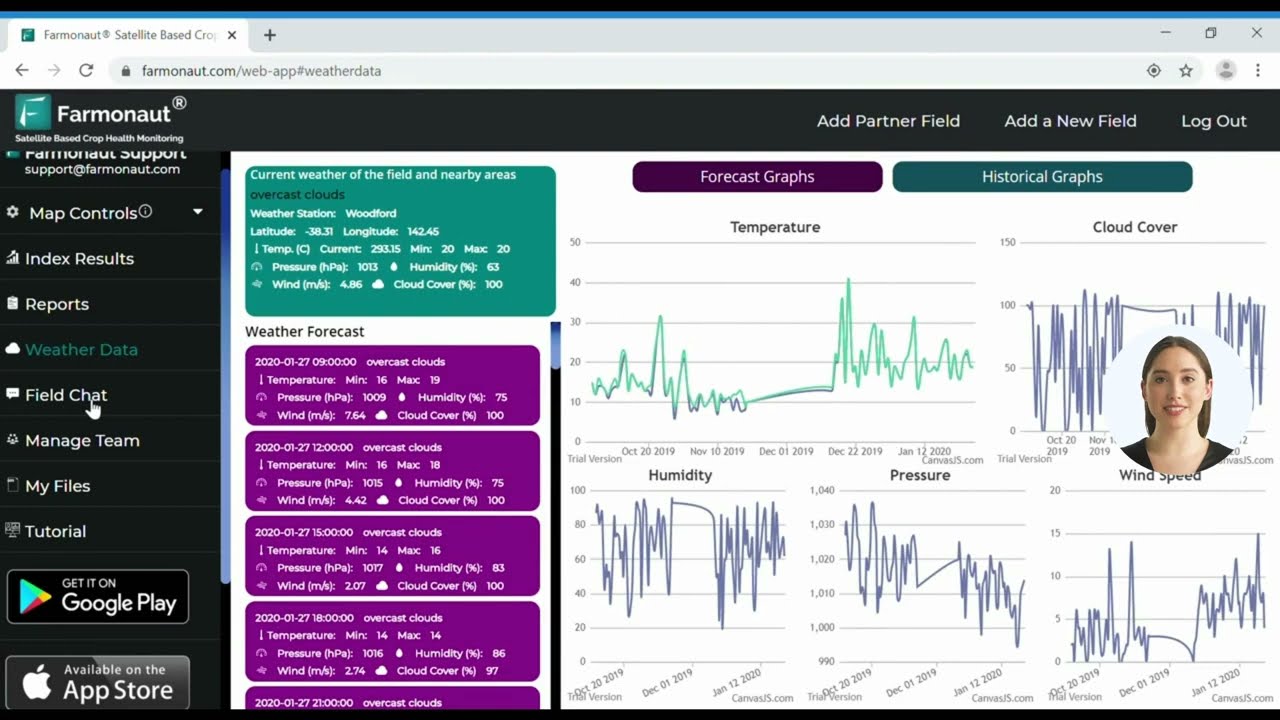
As we embrace advanced hydroponic setups in 2026, real-time data and AI-driven insights are fundamental for optimizing both small and commercial-scale systems. Farmonaut provides a powerful suite of satellite-based solutions, delivering actionable intelligence to hydroponic farms via web & mobile apps and API.
- 📡 Satellite-Based Monitoring: Track crop health and environmental conditions (NDVI, soil status, humidity, and temperature) with high precision to plan irrigation and nutrient cycles.
- 🤖 AI Advisory Systems: Leverage Farmonaut’s Jeevn AI for personalized, real-time agricultural advice based on multi-spectral satellite imagery.
- 🌱 Blockchain Traceability: Securely trace the journey of hydroponic produce from seed to table with product traceability tools, boosting food safety and consumer trust.
- 🌍 Environmental Impact Tracking: Utilize Farmonaut to monitor and reduce hydroponic systems’ carbon footprint, maximizing the sustainable benefits of soilless agriculture.
- 📲 Seamless Access: Hydroponic operators can remotely monitor farms via
 Farmonaut App.
Download for or
or 
- 💻 API Integration: Developers can embed satellite and environmental insights into their hydroponic setup using the Farmonaut API and Developer Docs.
Farmonaut’s technology is essential for monitoring and maximizing yields in hydroponic setups, large or small—supporting sustainable farming in an unpredictable climate.
Highlights, Insights & Pro Tips For Your 2026 Hydroponic Setup
❌ Common Mistake
A frequent error is using non-sterilized sand or the wrong grain size in a sand-based hydroponic system—this can lead to drainage problems, root suffocation, or pest outbreaks. Always use specialty hydroponic sand, and flush/sterilize between crop cycles to ensure consistent yields and plant health.
🛰️ Application Enhancement
Pairing hydroponic setups with satellite-driven monitoring dramatically improves efficiency. For instance, use Farmonaut’s environmental data to plan nutrient adjustments in real time—maximizing resource use and cutting input costs over the year.

Quick Highlights & Visual Lists
- ✔ Hydroponic setup enables high density food production on urban rooftops, containers, or indoors.
- 📊 Sand-based hydroponics can increase yields by up to 55%—while using less water and space.
- ⚠ Careful monitoring of pH and EC is vital; imbalances cause stunted growth or plant stress.
- 🌬️ Proper aeration and moisture management in sand-based systems prevent root rot and ensure plant health.
- 💡 LED lighting for hydroponics is highly energy efficient—choose spectra matched to your crops’ growth stage for optimal photosynthesis.

Hydroponic Setups & The Urban Agriculture Boom in 2026
With urbanization increasing and food chains stressed by climate change, the urban agriculture boom continues into 2026. Here’s how hydroponic grow setups are transforming cities:
- 🏬 Food Security in Cities: Hydroponic setups allow local, fresh food production in small spaces—balconies, basements, containers, or rooftop farms.
- 📦 Vertical Integration: Vertical hydroponic systems stack production, maximizing output per square meter—even without arable soil.
- ⚡ Integrated AI Monitoring: Sensors and AI control lighting, nutrient dosing, and climate—delivering optimal growth, higher productivity, and automatic failure alerts.
- 🛡️ Low Environmental Impact: Closed-loop water recirculation and limited chemical use mean urban hydroponic setups create little pollution or waste water.
Fleet management tools and resource tracking from Farmonaut help urban farms optimize logistics, maximizing delivery efficiency and minimizing transportation emissions.
Automation, Advances and AI Monitoring: Taking Hydroponic Farming to the Next Level in 2026
Technology is making hydroponic setups more user-friendly in 2026. Automated nutrient dosing, AI-driven advisory systems, and remote sensor integration are transforming even small hydroponic setups into precision farming units.
- 💻 Remote Sensing: Environmental and growth data is collected and analyzed in real-time.
- 🧠 Predictive Analytics: AI can now recommend precise scheduling for irrigation, lighting, and nutrient mixing—reducing manual labor and minimizing human error.
- 📱 Mobile Alerts: Failures in pumps, deviations in pH, or out-of-bounds humidity trigger smartphone notifications so you can act instantly—no matter where you are.
- 🔗 API Integration: Easily embed farm data into your own applications or services using the Farmonaut API for hydroponic system management.
Farmonaut’s large-scale agri & farm management platform empowers commercial farms to scale up, optimize, and digitize operations for maximum profitability and sustainability.
Meeting Global Food Demand: The Future of Hydroponic Farming Setups
We are facing a paradigm shift in global agriculture. Hydroponic farming setups provide the means to meet rising food demand as global population surges and arable land becomes scarce, especially in 2026 and beyond.
The future of sustainable food production lies in:
- 🌱 Resource Optimization: Hydroponic setups conserve water and land, reduce input waste, and leverage renewable resources like hydroponic sand.
- 📈 Yield Maximization: Year-round crop cycles and faster plant turnover keep supply consistent and nutritious.
- 🏙️ Urban Growth Integration: Small scale hydroponic setups support resilient food networks in urban, peri-urban, and even off-grid locations.
- 🤝 Tech Integration: Platforms like Farmonaut are vital for actionable insights, digital traceability, and eco-footprint management.
Hydroponic farming setup is not just a trend—it’s a necessary solution to reshaping agricultural landscapes, supporting urbanization, and ensuring food access for generations to come.
🌍 Sustainable Takeaway
Hydroponics, led by technology and optimized growing media like sand, advances us toward a future of climate-resilient, resource-efficient, and high-yield agriculture—crucial for global food security in the face of unpredictable change.
Frequently Asked Questions: Hydroponic Farming Setup
Q1: What is the biggest challenge for hydroponic farming setup in 2026?
While technology has lowered entry barriers, knowledge and monitoring remain crucial. Success relies on consistently tracking pH, EC, nutrient levels, and environmental variables to maintain high-yielding systems.
Q2: Can anyone use a small hydroponic setup at home?
Yes! Small hydroponic setups are now widely accessible as DIY units or ready-to-use kits. All you need is a suitable space, lighting, and a commitment to regular monitoring and maintenance.
Q3: Why is hydroponic sand a sustainable growing media?
Hydroponic sand can be sterilized and reused multiple cycles, reduces pathogen risk, and provides excellent control of water, nutrients, and aeration—making it an eco-friendly alternative to soil or less renewable media.
Q4: How do I monitor my hydroponic setup remotely?
Utilize integrated sensors linked to Wi-Fi or cloud-based platforms. For professional operations, we recommend Farmonaut’s satellite monitoring and resource management tools for real-time environmental and crop insights.
Q5: Can hydroponics address global food security in the future?
Absolutely. Hydroponic farming setups boost yield, reduce resource use, and enable food production anywhere—crucial assets in meeting global food security goals under climate and space constraints.
Farmonaut Subscriptions
For affordable, advanced satellite-based monitoring, AI-driven insights, and digital resource management for farms, hydroponic setups, and agritech ventures, explore our Farmonaut plans below:
Start optimizing your hydroponic farming setup or commercial operation—monitor, analyze, and grow sustainably with Farmonaut technology!
For more resources, check out our guides on crop loan and insurance, product traceability, and crop plantation advisory to further support sustainable hydroponic and agricultural practices.

 Godrej Agrovet
 Hayleys Agriculture
 Linx Agritech
 Adinet
 Save Your Soils
 GalaxEye Space
 Grandstream Algérie
 XOS Realty
 Geospatial Lab Africa
 Agro La Gándara
 HIPSAC
 ZOL Zimbabwe
 Juligerm
 AdBio
AdBio MISE Maroc
 NWNS
NWNS Red August Group
 Farm Inc
 WeMe Global
 Agrotoken
 Blue BearX
 Insignito
 DnCubed
 Indosistim Teknologi
 Liquify Digital
 CU Foods
 BeyondTech Global
 Rouge VC
 AgroRisk
 Oath Inc
 Esri North East Africa
 MDCV UK
 Etech Consulting Madagascar
 Vestlandsforsking
 WB Dev
 Sama Premium
 Tres Valles
 Blickwinkel
 Agricultural Credit Policy Council
 eKGIS
eKGIS Mostas Tech
 Andex
Andex Deluxe Conseil
 WICO
WICO Chimera Innovation
 SkyHarvest
 Teledarbas
 Exurbia Geospatial
 FieldZero
