

Storage Unit Farmland: Top 7 Agriculture Storage Trends Enhancing Efficiency and Sustainability in 2025
“”
The Importance of Storage in Modern Agriculture
Storage unit farmland and agricultural storage have become mission-critical pillars in the 2025 farming landscape. Gone are the days when agriculture was simply about sowing and reaping. Today’s efficient and sustainable farming practices require a holistic management approach — from careful storage of farm inputs to optimized handling of harvested produce.
Weather swings, volatile prices and supply chain disruptions make on-farm storage more valuable. Storage units near farmland are not just convenient — they play an essential role in minimizing losses caused by spoilage, pest attacks, and adverse weather effects. By integrating advanced storage units adjacent to farmland, farmers are empowered to promptly, safely, and efficiently store seeds, fertilizers, pesticides, grains, fruits, vegetables, and valuable farming equipment.
This intersection of technology and agricultural storage units continues to evolve, making profitable, resilient, and climate-smart farming a reality for farms of all sizes.
Types of Agricultural Storage Units: From Traditional to Smart
Agricultural storage units in 2025 vary widely, blending traditional wisdom with the latest technological advances to address the growing needs of storage farmland. Let’s explore the major types of storage units near farmland and how they provide efficient solutions for modern farm management:
1. Grain Silos: The Backbone of Bulk Storage
- Purpose: Essential for storing bulk grains such as wheat, rice, maize, and pulses.
- Functionality: Equipped with automated sensors to help maintain optimum quality by controlling humidity, temperature, and aeration. Many modern silos are fitted with IoT devices for real-time monitoring and smart alerts.
- Benefits: Grain spoilage is minimized, pest activity is tracked, and operational safety is increased due to advanced storage management capabilities.
2. Cold Storage Facilities: Preserving the Perishables
- Purpose: Particularly important for storing fruits, vegetables, flowers, dairy, and meat.
- Functionality: Cold storage units maintain strict temperature and humidity control, extending the shelf life and preserving the freshness of perishable produce.
- Benefits: Help farmers, especially in horticulture and floriculture, gain flexibility in marketing, avoid gluts, and reduce post-harvest losses caused by deterioration.
3. Modular Storage Containers: Flexibility Meets Innovation
- Purpose: Used for tools, equipment, seeds, fertilizers, and sometimes converted into onsite mini-processing or packaging units.
- Functionality: Portable, customizable, and stackable, these containers are often fabricated with eco-friendly materials and sustainable energy systems.
- Benefits: Their modular nature allows for easy expansion, relocation, and integration within different farming contexts, from smallholders to large agribusinesses.
4. Traditional Barns With a Modern Twist
- Purpose: Historically used for multi-purpose storage (hay, equipment, livestock feed).
- Modernization: Now retrofitted with smart sensors, fire suppression systems, and automated access control, enabling seamless inventory and input management even in legacy infrastructure.
Storage units near farmland are diversifying in design and capability, aligning with farm size, produce type, and region-specific needs. This transition towards tailored agricultural storage is central to driving both productivity and sustainability in 2025.
Which agricultural storage solution fits which crop
Storage matters because losses after harvest are large. The FAO estimates that about 13% of food produced worldwide is lost after harvest and before retail, including on-farm storage and transport (FAO SDG 12.3.1 data portal). Picking the right store for each product is the first defence.
| What you store | Usual storage | What to control |
|---|---|---|
| Corn, wheat, soybeans | Steel grain bins or silos with aeration fans | Grain moisture and temperature |
| Hay and straw | Hay barns or covered stacks | Rain and ground moisture |
| Apples, pears, potatoes, onions | Cold rooms or controlled-atmosphere stores | Temperature, humidity, oxygen and CO2 |
| Milk | Refrigerated bulk tanks | Temperature |
| Seed, fertilizer, chemicals, tools | Sheds or modular steel containers | Security, dryness, spill containment |
For grain, moisture is the main risk. Iowa State University Extension advises drying or moving corn stored above 15% moisture, and soybeans above 13%, once the grain can no longer be kept cool (Iowa State ICM).
In the US, the Farm Service Agency’s Farm Storage Facility Loan covers grain bins, hay barns, bulk tanks, cold storage and controlled-atmosphere storage, new or used. Loans run up to $500,000 for storage facilities, with terms of 3 to 12 years (USDA FSA).
Farmland Storage Unit Integration and Benefits
The concept of storage unit farmland implies more than simply placing a shed next to a crop field. It’s about strategic integration — weaving storage infrastructure into the very fabric of farmland design. In 2025, this approach enables a seamless intersection of production, post-harvest handling, and eco-friendly management. Here’s why integration is so critical:
Key Benefits of Storage Farmland Integration
- Reduce Post-Harvest Losses: With storage units right on or near the farmland, harvested crops are shielded from spoilage, adverse weather, and pests at the moment they leave the field. This proximity is particularly vital for high-value, perishable crops.
- Enhance Supply Chain Flexibility: By storing produce onsite, farmers can regulate their distribution schedules, hold back surplus for better market prices, and buffer themselves against market shocks.
- Improve Resource Management: Inputs like fertilizers and pesticides, when stored nearby and under optimal conditions, can be applied timely and efficiently, driving both yields and sustainability.
- Increase Security: Proximity means less opportunity for theft, vandalism, or accidental losses. The integration of smart surveillance and access controls further enhances operational security.
The growing adoption of smart agriculture technologies is magnifying these benefits, as intelligent storage management becomes interconnected with farm data, field conditions, and market intelligence.
Storage Units Near Farmland: Infrastructure & Location Considerations
The siting and design of agricultural storage units are as critical as their functionality. In 2025, the focus is on building storage units near farmland that are not only strategically located but also harmonized with environmental and logistical best practices. Key considerations include:
Infrastructure Planning: Connectivity and Accessibility
- Road Networks: Good road connectivity ensures smooth and damage-free transfer of crops, equipment, and inputs between field and storage, which minimizes transportation delays and costs, especially for small farms and large agribusinesses alike.
- Utility Access: Reliable electricity (preferably renewable), water supply, and telecommunications are essential for modern storage units equipped with automation, climate control, and monitoring systems.
- Environmental Controls: Storage units should be designed with robust drainage and runoff containment to prevent contamination of adjacent lands and crops, upholding the standards of safe and responsible farm management.
Sustainability by Design
- Eco-Friendly Materials: The use of sustainable building materials and recycling initiatives is enhancing the “green” footprint of farmland storage units.
- Renewable Energy: Solar panels, wind turbines, and battery storage solutions are increasingly incorporated to reduce reliance on grid power and minimize carbon emissions, aligning with climate-smart practices.
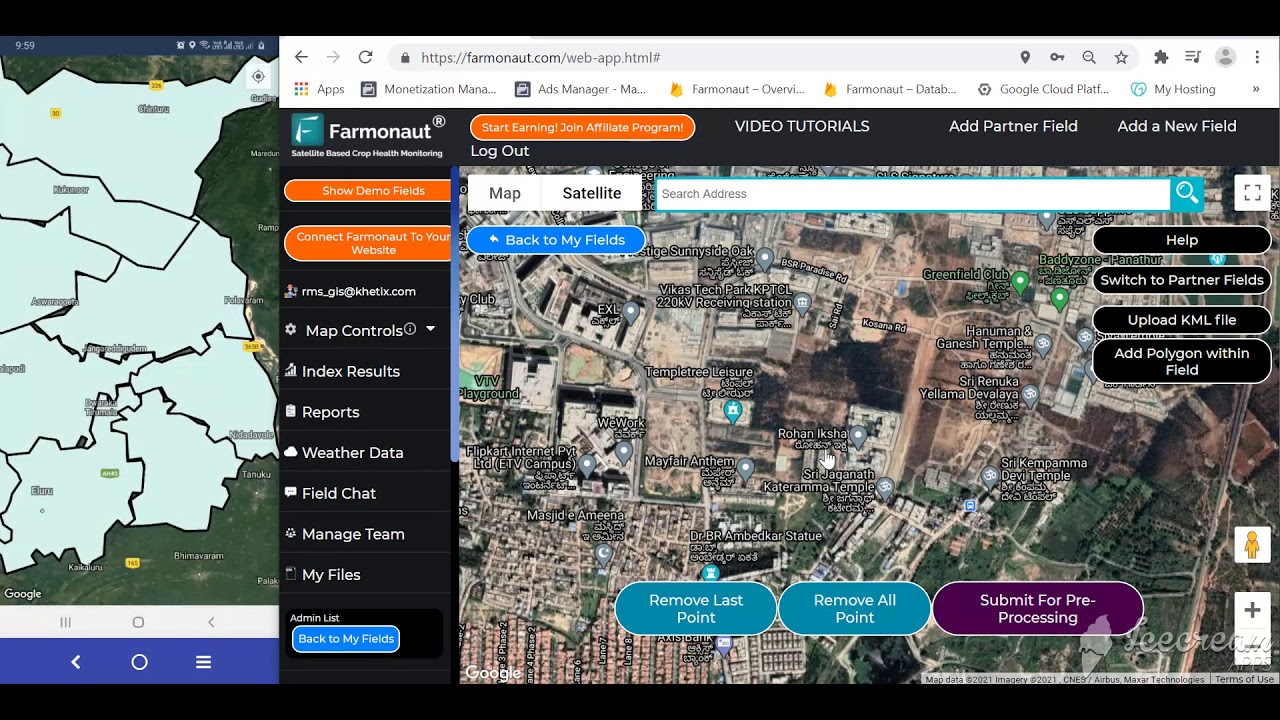
Modern fleet and resource management is a cornerstone in optimizing agricultural logistics. Discover how Farmonaut’s fleet management solution streamlines vehicle and machinery usage for better storage transfer, saves operational costs, and enhances farm equipment efficiency.
Top 7 Agriculture Storage Trends for 2025
Let’s delve into the specific trends reshaping storage unit farmland in 2025. Each of these innovations addresses crucial aspects of efficiency, sustainability, and adaptability for today’s agricultural reality.
-
Smart Climate-Controlled Storage Units
What: Advanced storage facilities embedded with IoT sensors and automated systems for temperature and humidity control.
Why It Matters: These units act as a shield against fluctuating weather and climate variability, ensuring crop quality.
Example Tech: IoT, remote telemetry, wireless sensors, predictive climate control algorithms. -
Automated Storage & Retrieval Systems (AS/RS)
What: Robotics and automation solutions for faster, efficient storage and retrieval of produce and farm inputs.
Why It Matters: Minimizes downtime and labor costs, while reducing handling losses.
Example Tech: Robotics, conveyor belts, automated stacking and indexing. -
Blockchain-Based Traceability in Storage Management
What: Tamper-proof ledger systems record every step in the storage and logistics lifecycle, boosting transparency.
Why It Matters: Builds trust with buyers and regulators by verifying storage conditions and inventory movement.
Example Tech: Blockchain, QR code tagging, digital ledgers, traceability APIs.Explore how Farmonaut’s blockchain-based traceability solutions improve supply chain transparency in agricultural storage units, protecting quality and provenance from farm to fork.
-
Renewable Energy Integration in Storage Facilities
What: Solar, wind, and hybrid systems that power storage units, reducing dependency on conventional grid sources.
Why It Matters: Not only minimizes costs but aligns with rising carbon footprint regulations and eco-labelling initiatives.
Example Tech: Solar panels, battery backups, smart grid integration. -
Portable & Modular Storage Containers
What: Easily relocatable, customizable units that serve multi-purpose storage needs throughout the farm’s lifecycle.
Why It Matters: Suits farmers with changing field patterns, crop rotations, or expanding operations.
Example Tech: Stackable designs, RFID inventory tracking, mobile container systems. -
Integrated Pest and Spoilage Monitoring
What: Smart sensors, data analytics, and AI-driven alerts that detect and prevent spoilage or pest outbreaks.
Why It Matters: Helps protect both stored inputs and harvested crops without excessive chemical intervention.
Example Tech: Machine learning, image/audio analytics, connected sensors. -
Data-Driven Storage Intelligence Platforms
What: Centralized dashboards and applications that integrate weather forecasts, market trends, and inventory tracking to inform real-time storage decisions.
Why It Matters: Enables seamless management of storage unit farmland by aggregating critical data streams.
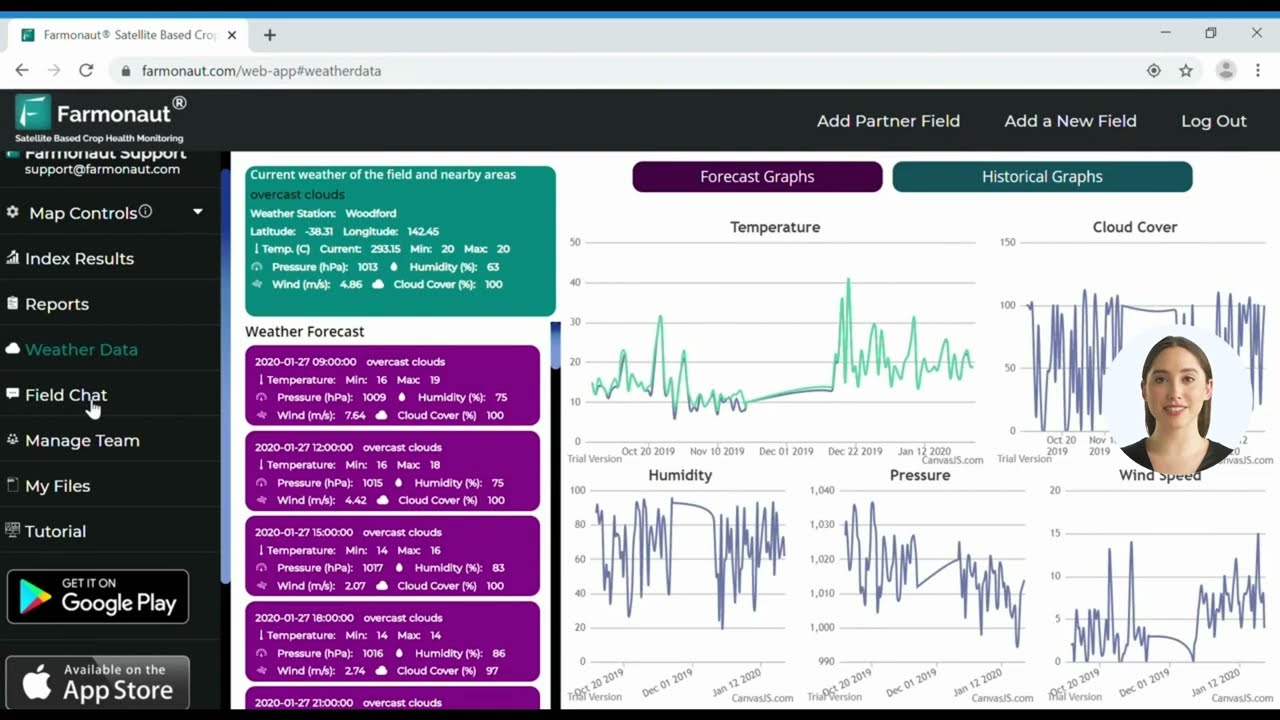
Example Tech: Cloud computing, advanced analytics, AI-powered advisories.Farmonaut’s large-scale farm management platform helps digitalize and optimize storage and field operations using satellite data, making smart agriculture storage decisions easy and actionable.
“”

Comparison Table of Top Agricultural Storage Trends (2025)
Emerging Technologies & The Future of Storage Farmland
As agriculture storage infrastructure continues its rapid evolution, the following emerging technologies stand out in the quest for efficient, smart, and sustainable storage units in and near farmland:
- IoT Sensors: Provide real-time data on storage conditions (temperature, humidity, gas levels) ensuring rapid intervention and customized climate management.
- AI Analytics: Algorithms predict optimal storage needs, detect patterns in spoilage risk, and issue proactive advisories — all now accessible through agri-tech platforms.
- Blockchain Verification: Every action, from input storage to produce offloading, is logged for transparent tracking and regulatory compliance, raising quality standards across the food system.
- Automated Robotics: Drones and sensor-guided robots now facilitate rapid, damage-free movement of produce within large agriculture storage units — crucial for fast-moving supply chains.
- Renewable Energy Storage: Automated load-balancing between solar generation and storage unit consumption, supporting cutting-edge carbon footprint management.
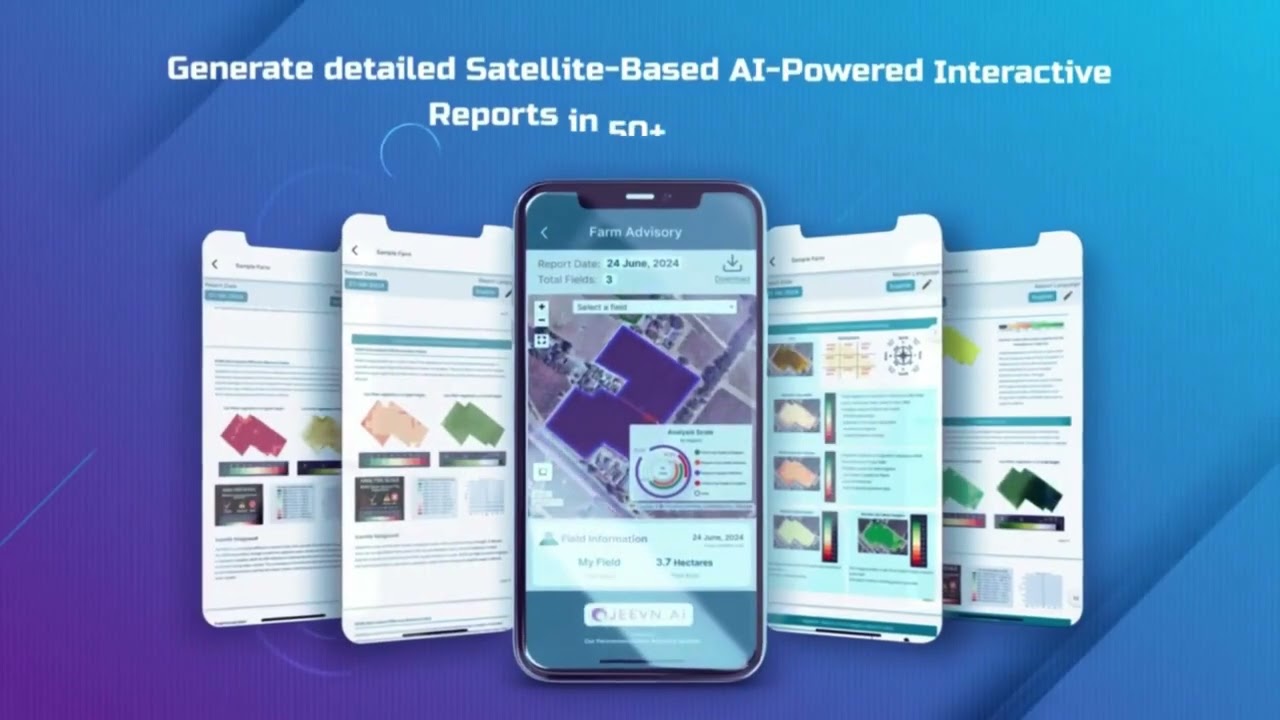
- Mobile App Integration: Farm management apps with satellite-powered insights inform when and how storage units should be used, blending digital intelligence with real-world outcomes.
If you’re focused on making your agricultural operations climate-smart, explore Farmonaut’s carbon footprinting solution — it enables real-time GHG emission tracking, optimized input usage, and helps meet 2025’s environmental standards for sustainable storage farmland.
How Farmonaut Empowers Smart Storage Farmland
At Farmonaut, we recognize the critical role that data-driven, technologically advanced storage units play in the future of agriculture. By integrating satellite imagery, AI, blockchain, and advanced analytics into our platform, we empower farmers, agribusinesses, institutions, and even governments to:
-
Monitor Crop Health Remotely:
Our satellite-based crop health monitoring provides insights into the vigor and health status of fields, helping users predict storage needs for grains, fruits, vegetables, and other produce. -
Streamline Resource Management:
Real-time recommendations and smart alerts ensure that inputs (fertilizers, pesticides, seeds) are stored, used, and replenished with maximum efficiency. -
Enhance Traceability:
Blockchain-powered product traceability makes it simple to guarantee storage and supply chain integrity, increasing trust with consumers and complying with market requirements. -
Reduce Operational Costs:
Through our fleet and resource management tools, users manage the movement of inputs and harvested produce between storage units and fields, making transfer seamless and cost-effective. -
Advance Sustainability:
Our carbon footprinting systems (see details here) help users assess and reduce the environmental impact of every operation, storage included. -
Support Financial Access:
By enabling reliable satellite-based farm verification, we simplify the storage, security, and verification processes required for crop loans and insurance. -
Scale Up with Ease:
Our platforms are designed for scalability, with APIs (API access, API Developer Docs) that plug storage and resource data directly into your existing systems.



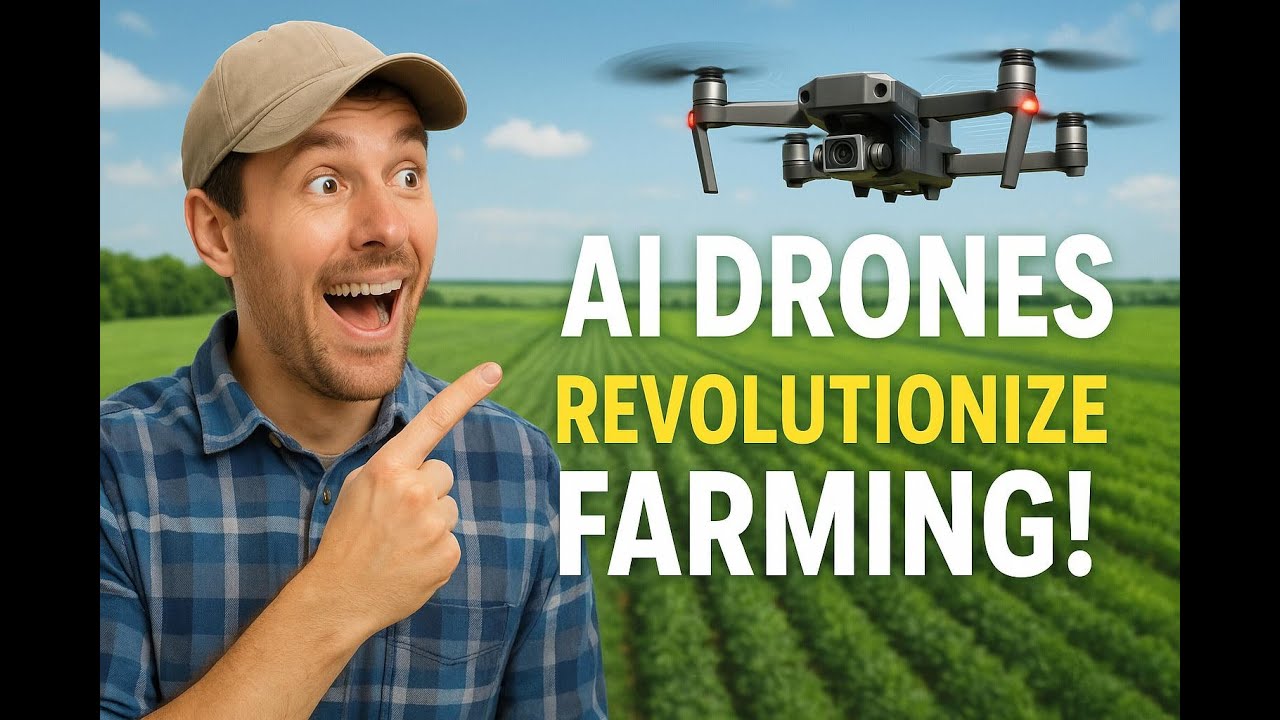
Need to integrate storage and plantation intelligence? Use Farmonaut’s crop, plantation & forest advisory app to monitor, manage, and optimize your farmland resources in just a few clicks.
Frequently Asked Questions: Storage Unit Farmland & Agriculture Storage Trends 2025
Q: What is a storage unit farmland and how is it different from traditional storage?
Storage unit farmland refers to modern storage infrastructure integrated within or adjacent to agricultural lands, specifically designed for efficient and safe storage of farm inputs (e.g., seeds, fertilizers, pesticides) and harvested outputs (like grains, fruits, vegetables, and equipment). It differs from traditional barns/silos by incorporating smart technologies (e.g., climate and pest control sensors, automation) that optimize efficiency, minimize losses, and support sustainable agriculture.
Q: Why are smart climate-controlled storage units so important in 2025?
In 2025, smart storage units with automated temperature and humidity controls are crucial for minimizing spoilage and maintaining the quality of both perishable (fruits, vegetables) and non-perishable (grains) agricultural produce. With extreme weather and climate change impacts, these automated systems ensure optimal storage conditions at all times.
Q: How does the location of storage units near farmland improve operational efficiency?
Storage units near farmland reduce transport time and costs, prevent quality loss, and enable timely storage and resource use. Their proximity means farm inputs and harvested produce can be handled efficiently, boosting both productivity and supply chain resilience.
Q: What technologies are being used to modernize agricultural storage units?
Key technologies include IoT sensors, AI analytics, blockchain-based traceability, robotics, renewable energy integration, and cloud-linked data dashboards. These platforms advance storage management by providing real-time insights, automation, and increased traceability.
Q: Can small farms benefit from advanced storage unit farmland trends?
Absolutely. Many modular storage containers and affordable climate-control solutions are designed for scalability, making them suitable for both smallholder and large-scale operations. Smart storage units help small farms especially by reducing losses and enabling better market access.
Q: How does Farmonaut support data-driven decision-making for storage management?
At Farmonaut, we offer real-time satellite insights, AI-powered advisories, blockchain traceability, fleet logistics, and resource management tools — all through mobile and web platforms — helping users make smarter decisions about when and how to use their storage units near farmland.
Conclusion: Storage Unit Farmland as a Cornerstone of Agriculture’s Future
As we look toward the future of farming in 2025 and beyond, the intersection of storage unit farmland and modern agricultural practices will continue to play a critical role in enhancing productivity, minimizing losses, and driving sustainability. From smart, climate-controlled units — equipped with IoT and AI — to blockchain-based traceability and renewable energy integration, storage is no longer an afterthought: it’s a strategic asset that empowers efficient, profitable, and resilient farm operations.
By embracing these top agriculture storage trends, farmers and agricultural businesses gain the flexibility, control, and insight required to meet the growing demands of food security and market quality, all while stewarding land and resources more responsibly. At Farmonaut, our mission is to make these innovations accessible and scalable for anyone committed to the next generation of smart farming.
Ready to digitize and optimize your storage, field, and resource management?
Discussion
Questions, corrections or field experience? Share them below. First-time comments are reviewed before they appear, and your email is never published.
No comments yet. Be the first to add a question or your experience.

 Farmo
Farmo Kubota
 FFBS
FFBS Jontra
 Kalustyan
 Tucor
Tucor Geno
Geno Hayleys Agriculture
 Linx Agritech
 Adinet
 Save Your Soils
 Grandstream Algérie
 XOS Realty
 Geospatial Lab Africa
 Agro La Gándara
 HIPSAC
 Licence holder · Niger · Gold










