

Pentagon Rare Earth: 7 Powerful Shifts in US Production 2026
Contents
- Introduction: Why Pentagon Rare Earth Production Matters in 2026
- Key Trivia on US Rare Earth Expansion
- 7 Powerful Shifts in Pentagon Rare Earth Production by 2026
- Comparative Timeline Table: US Rare Earth Production Shifts (2022-2026)
- Advanced Mining & Extraction Techniques
- Modernizing Rare Earth Processing & Refining
- Supply Chain Security and Strategic Defense Preparedness
- Sustainability and Reducing Environmental Impact
- Pentagon’s 2026 Strategy: Investment, Innovation, and Allies
- Farmonaut: Satellite Intelligence for Next-Level Mining & Infrastructure
- FAQ – Pentagon Rare Earth Production & National Security
“U.S. rare earth output is projected to increase by 40% by 2026, strengthening critical defense and technology supply chains.”
Introduction: Why Pentagon Rare Earth Production Matters in 2026
The strategic importance of Pentagon rare earth production has never been more pronounced than in the current decade. As we move towards 2026, the urgency to secure sustainable supply of these essential minerals for defense, technology, and infrastructure is at its peak. Rare earth elements—comprising 17 chemically similar metallic elements like neodymium, dysprosium, and terbium—are foundational in manufacturing advanced electronics, renewable energy technologies, precision-guided munitions, and almost every critical infrastructure that underpins our national security and economic progress.
Despite being relatively abundant in the Earth’s crust, rare earth elements are typically dispersed and demand sophisticated mining and processing techniques for economic extraction. Throughout the past two decades, the United States, historically a significant producer, experienced major decline as China established a near-monopoly, controlling 70–80% of global supply by the early 2020s. This global dominance has exposed supply chains to severe vulnerabilities, especially for sectors reliant on a steady inflow for national defense, advanced manufacturing, and critical infrastructure systems.
Amidst geopolitical tensions and heightened demand, the Pentagon’s increased attention underscores the strategic imperative to rebuild and modernize domestic rare earth production. The vision extends beyond resource extraction: it encompasses adoption of advanced, sustainable technologies, integrating defense infrastructure, and fostering resilience through innovation and international alliances.
In this comprehensive guide, we dive deep into the seven powerful shifts shaping rare earth production in the US by 2026, spotlighting transformative advances in mining, processing, and sustainability, and analyzing how these shifts protect our national and technological future.

“Advanced processing could reduce rare earth supply risks for U.S. defense by up to 60% within two years.”
7 Powerful Shifts in Pentagon Rare Earth Production by 2026
By 2026, the US approach to rare earth production is defined by seven game-changing transformations:
- Scaling Technologically-Driven Domestic Mining Operations
- Revolutionizing Processing & Refining with Environmental Stewardship
- Expanding Vertical Integration in Rare Earth Element Companies
- Establishing Secure, Resilient Supply Chains for Defense and Industry
- Accelerating Sustainable Resource Recovery and Recycling
- Strengthening US-Allied Strategic Partnerships
- Empowering National Security with Next-Gen Rare Earth Infrastructure
Each shift is underpinned by significant advances in technology, sustainability, and Pentagon-driven strategy—ensuring the US regains and maintains its leadership and resilience in this critical arena.
Comparative Timeline Table of US Rare Earth Production Shifts (2022–2026)
To better understand this transformation, let’s consider a year-on-year comparison of the Pentagon rare earth industry’s evolution, measured across key strategic dimensions:
| Year | Estimated Production Volume (metric tons) | Technological Advancements Applied | Key Defense Applications Enabled | Supply Chain Security Rating | Sustainability Rating | Major Policy/Investment Initiatives |
|---|---|---|---|---|---|---|
| 2022 | 44,000 | Basic mining tech; legacy separation | Limited guidance systems, minor electronics | Low | Low | Initial supply chain audits; DOD risk reviews |
| 2023 | 49,000 | Upgraded separation, initial automation | Increased electronics & renewable integration | Medium | Low-Medium | DOE R&D investment; supply chain mapping |
| 2024 | 53,000 | AI analytics; modernized mining ops | Missile systems, avionics upgrades | Medium | Medium | First commercial recycling pilots; DOD contracts |
| 2025 | 58,000 | Hydrometallurgical & bioleaching widespread | Integrated defense electronics, guided munitions | Medium-High | High | Major DOD/DOE/JV investments; ESG mandates |
| 2026 | 61,600 | Automation, AI, satellite monitoring, circular economy models | Autonomous systems, hypersonics, energy grid | High | High | Allied mineral pacts; cross-sector ESG compliance; vertical integration |

Advanced Mining & Extraction Techniques: Laying the Critical Foundation
A dynamic shift in rare earth mining is sweeping across the United States. Informed by Pentagon requirements, modern mining operations are leveraging AI, automation, and satellite monitoring to maximize efficiency in extracting these essential minerals. The adoption of hydrometallurgical and bioleaching techniques has been a game-changer. These next-generation extraction methods significantly lower toxic waste, improve recovery rates, and allow the industry to scale production while staying responsive to environmental concerns.
Key mining sites like Mountain Pass, California, and resource-rich regions in Alaska are undergoing rapid modernization. AI-powered geospatial data and remote sensing help rare earth element companies pinpoint high-value deposits, reducing exploration risks and costs. Notably, mining companies are investing in localized soil geochemistry and microbial marker analysis—examples of advanced innovations that optimize resource investments and minimize environmental impact.
By 2026, automation extends to ore handling, crushing, and material transport, guided by real-time satellite intelligence. This not only supports safe operations but also enables continuous monitoring for regulatory compliance and environmental stewardship—all critical for meeting Pentagon and Department of Energy standards.

Modernizing Rare Earth Processing & Refining for a Secure Future
The path from mined ore to usable rare earth materials runs through complex processing and refining stages. Historically, much of the US-mined rare earth feedstock was exported for refining—a vulnerability the Pentagon is now determined to eliminate. Today, innovative hydrometallurgical processes and bioleaching are replacing older, polluting methods. These advanced techniques significantly reduce toxic byproducts and energy use, delivering both cost savings and increased sustainability.
Cutting-edge pilot plants, like those at Mountain Pass, now utilize closed-loop water treatment, emission capture, and digital process control. These aid in maximizing the recovery of critical elements (neodymium, dysprosium, terbium) vital for defense manufacturing and renewable energy technologies. This modernization also empowers rare earth element companies in the US to deliver feedstock quality that matches—and increasingly surpasses—global standards.
AI and satellite observations further enhance operational efficiency. Real-time feedback from satellite-based sensors now guides processing adjustments, resource allocation, and environmental compliance. Blockchain technologies—such as those provided by Farmonaut—are increasingly integrated to enhance traceability and security in rare earth supply chains.

Supply Chain Security and Strategic Defense Preparedness
At the intersection of technology, security, and critical infrastructure lies the Pentagon’s foremost concern: ensuring a twofold rare earth supply chain resilience and defense readiness. As of 2026, the US has made remarkable progress toward vertical integration—from mining and refining to alloy-making and component manufacturing. Rare earth element companies now take active control across every stage, reducing bottlenecks and foreign dependencies.
- High-Performance Magnets: Elements like neodymium and dysprosium are irreplaceable in the production of lightweight, powerful magnets for missile guidance systems, aircraft actuators, and secure communication devices.
- Smart Sensors & Networks: Rare earths underpin sensor technology, electronic warfare systems, and autonomous vehicles, all key areas of modern defense strategy.
- Infrastructure Modernization: REEs are foundational in energy grid upgrades, secure communications, and next-generation munitions—core to robust, future-proof defense infrastructure.
By 2026, with substantial Department of Defense and Department of Energy support, these chains are becoming increasingly protected by real-time monitoring and analytics. Notably, Farmonaut’s fleet management and satellite monitoring tools are now essential for tracking resources and ensuring compliant logistics throughout the mining and materials lifecycle. For organizations seeking advanced logistics and mining oversight, using Farmonaut Fleet Management reduces risks, ensures regulatory compliance, and enhances supply chain transparency.
Sustainability & Reducing Environmental Impact in Rare Earth Production
The revitalization of the US rare earth industry comes with a clear responsibility: sustainable growth. Pentagon rare earth strategies are built on the premise that long-term production must mitigate environmental footprint and ensure community safety. To this end, sustainability is advancing on three fronts:
- Reducing Toxic Waste: The transition to advanced processing, including hydrometallurgical and bioleaching methods, has demonstrably lowered the generation of toxic byproducts.
- Recycling Rare Earths: Innovative urban mining and electronics recycling programs, backed by federal R&D and private sector investment, are ramping up. These initiatives reclaim valuable elements from e-waste, reducing both dependence on virgin ore and total environmental burden.
- Real-Time Environmental Monitoring: Satellite and AI-based monitoring now offers real-time data on emissions, land use, and compliance. Platforms such as Farmonaut provide tools for carbon footprint tracking, aiding companies in aligning with ESG and legal mandates.
As these practices become industry standards by 2026, the US is set to achieve a rare earth production model that is not only resilient but also globally recognized for its sustainability.




Pentagon’s 2026 Strategy: Investment, Innovation, and Allied Resilience
To restore and advance US leadership in rare earth production, the Pentagon’s 2026 strategy features four interlocking priorities:
- Substantial Investments: Focused capital in exploration, new mining, and modern processing plants across California, Alaska, Texas, and allied countries like Australia and Canada—diversifying the supply base and building redundancy against global disruptions.
- Vertical Integration by Rare Earth Element Companies: Encouraging companies to operate across mining, refining, alloy production, and component fabrication. This tightens control, optimizes output, and protects critical defense and technology chains from external shocks.
- Emphasis on Sustainable Innovation: Adoption and continued R&D of techniques like bioleaching, water recycling, and closed-loop processing. Government R&D investments incentivize industry-led green practice adoption.
- Robust Public-Private Coordination: Dedicated Pentagon and DOE programs support companies through grants, offtake agreements, and regulatory streamlining, all while fostering private innovation.
This holistic, multi-layered approach drastically reduces vulnerability to supply disruptions, positions the US as a global leader in advanced and sustainable rare earth supply chains, and ensures vital materials are always available for tomorrow’s defense and industrial needs.

Farmonaut: Satellite Intelligence for Next-Level Mining & Infrastructure
For rare earth mining, supply chain monitoring, and infrastructure oversight, satellite intelligence, AI, and blockchain are now essential technological assets. At Farmonaut, we deliver cutting-edge, affordable tools to businesses, governments, and defense agencies seeking to optimize their operations and integrate real-time monitoring across critical minerals and infrastructure projects.
- Satellite-Based Monitoring: Our multispectral satellite imagery and AI detect mineral-rich zones, monitor mining impacts, and support compliant mining operations. This empowers decision-makers to plan extraction, process recovery, and ensure environmental compliance with unmatched accuracy.
- AI & Blockchain Traceability: Using our traceability solutions, rare earth miners and defense contractors can ensure secure, authentic records for material origin, movement, and processing.
- Fleet & Resource Management: The Fleet Management system reduces operational costs and improves logistics across mining and refining. It ensures resource allocation, vehicle safety, and equipment utilization are always optimized.
- Environmental & Carbon Monitoring: With carbon footprinting tools, companies track and reduce mining emissions, support ESG compliance, and proactively address regulatory requirements.
- Resource Financing Support: Our platform assists banks and insurers with satellite-verified agricultural and mining data, supporting rare earth supply chain lending and insurance for companies and stakeholders.
- Scalable Access Across Devices: Users can access these tools through Android, iOS, browser apps, and API integration for seamless in-house workflows. Learn more about our developer API in our API Documentation.
We are committed to making advanced satellite, AI, and blockchain insights accessible and actionable, enabling stakeholders to meet strategic, operational, and regulatory objectives at scale.
For operations involving large tracts of mining or agricultural zones, managers can benefit from Farmonaut Large Scale Farm Management to monitor vast areas efficiently, reduce losses, and enhance productivity through real-time, satellite-driven insights.
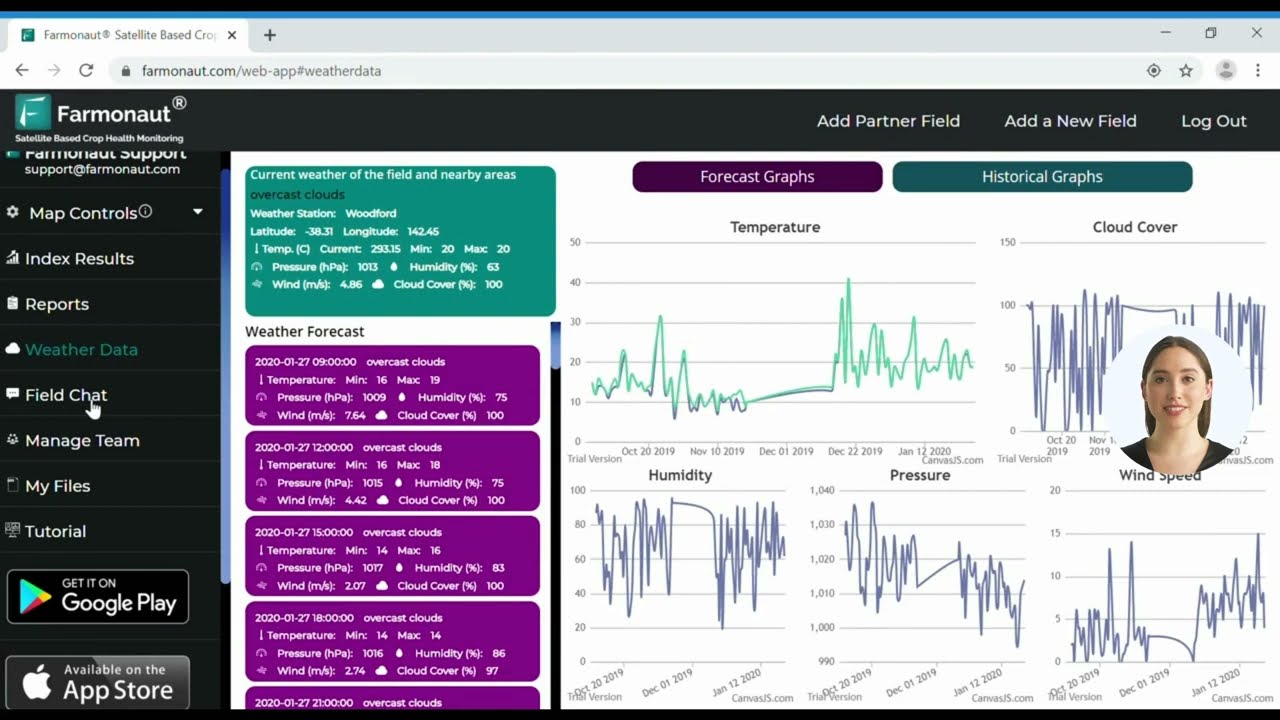
Explore our offerings in detail and subscribe to access the full range of Farmonaut solutions:
FAQ – Pentagon Rare Earth Production & National Security
What are rare earth elements and why are they important?
Rare earth elements consist of 17 chemically similar metallic elements, including neodymium, dysprosium, and terbium. They are indispensable for manufacturing advanced electronics, renewable energy, precision-guided munitions, and critical defense infrastructure. Their importance has become heightened as global supply chain vulnerabilities and technological competition have increased.
Why is the Pentagon so focused on rare earth production by 2026?
Pentagon rare earth strategies ensure a secure, consistent, and sustainable supply, vital for defense systems and national critical infrastructure. Renewed focus comes after supply disruptions and dominance by foreign sources, which posed strategic risks to defense readiness and technological leadership.
How does advanced mining impact rare earth supply?
Advanced mining technologies, such as AI-driven exploration, hydrometallurgical extraction, and real-time satellite monitoring, maximize resource recovery and minimize environmental impact. These methods make US rare earth production more secure and sustainable, directly supporting national security needs.
What is supply chain security in the context of rare earths?
Supply chain security refers to ensuring uninterrupted, traceable, and authentic flows of rare earth elements from mine to final product. This reduces the chance of disruptions that could harm defense or tech industries, especially amidst geopolitical tensions.
How do rare earth element companies support sustainability?
Leading rare earth element companies adopt environmentally responsible mining, invest in recycling programs, use new, less toxic processing methods, and leverage real-time environmental monitoring. This approach ensures continued production while mitigating ecological risks.
How does Farmonaut help rare earth mining and infrastructure?
Farmonaut delivers satellite imagery, AI analytics, blockchain-based traceability, and resource management tools. These services empower companies, governments, and businesses to monitor mining operations, ensure regulatory compliance, reduce environmental impact, and optimize resource management—driving strategic, efficient, and transparent mining and infrastructure development.
Where can I access Farmonaut’s tools and solutions?
Access our platform through the Web App, Android and iOS Apps. Developers and enterprises can connect via the API and review our API documentation.
Conclusion: Pentagon Rare Earth 2026 – Securing America’s Strategic Future
As we approach 2026, the Pentagon’s rare earth strategy is fueling the most robust era of US rare earth production since the early 2000s. By investing in advanced mining, processing, recycling, and allied cooperation, the United States is decisively reducing supply risks, ensuring defense readiness, and fostering innovation across pivotal sectors.
This progress goes beyond mining—it is about building a sustainable, technologically advanced ecosystem that underpins our industrial, defense, and national interests for the long term. With industry pioneers, government investment, and innovative platforms like Farmonaut, the US is reclaiming strategic leadership and demonstrating that secure, critical mineral chains are indispensable to the infrastructure and security of tomorrow’s world.
To read more about sustainable mining, advanced traceability, and satellite-supported infrastructure, discover the full suite of Farmonaut solutions and take your strategic projects into the future.

 GemSprout Metals Limited
 Qader Group
 Ileys General Trading
 SG Gold Mining LLC
 VRV Global Pte Ltd
 Omsri International FZE
 G.I.T.T.
 Jaunita Erss Ltd
 Almosi SARL
 SRK Consulting
 Berks Gold Limited
 Mwerezi Minerals Company Limited
 Mining SARL
 SenGold Invest SAS
 Sean Mining Limited
 NTS Group (Pty) Ltd
 Mine4Africa
 Lithspo Minerals Limited
