

Agriculture Netherlands: Sustainable Innovation 2026 — How Dutch Agriculture Leads the Globe in Tech-Driven Sustainability
Summary:
The Netherlands emerges as a **global leader** in sustainable and innovative agriculture by 2025, seamlessly combining Dutch tradition, cutting-edge technology, circular economy principles, and a strong focus on climate and environmental stewardship. Amidst iconic windmills and flourishing tulip fields, this small country stands as a testament to the power of advanced techniques, research-based progress, and resilience in modern agricultural practices.
This comprehensive exploration of agriculture Netherlands will guide you through high-tech farming, climate-smart solutions, and the remarkable impact the Dutch model has on food security, the global economy, and sustainability worldwide.
Table of Contents
- Dutch Agriculture in 2025: An Overview
- Advanced High-Tech Farming Techniques
- Sustainability and Circular Agriculture
- Integration of Agroforestry & the Circular Economy
- Education, Research & Global Influence
- Economic Impact and Food Security
- Comparative Innovation and Sustainability Impact Table
- Farmonaut: Satellite-Driven Innovation for Sustainable Growth
- FAQs: Dutch Agriculture in 2026
- Conclusion: The Future of the Dutch Model
“In 2025, Dutch farms yield over 10 tons of tomatoes per hectare—double the global average due to advanced technology.”
The Netherlands: Agriculture Powerhouse in 2025 — Where Innovation Meets Sustainability
The Netherlands—often celebrated for its iconic windmills and vibrant tulip fields—has consistently captivated the world with its commitment to agricultural innovation and sustainable farming practices. In 2025, this small country (just over 41,000 square kilometers) stands as the second-largest agricultural exporter worldwide, trailing only the United States. This remarkable status underscores the effectiveness of Dutch ingenuity in creating efficient, climate-adaptive, and circular production systems.
- ✔ Efficiency: Dutch farms use high-yield methods, precise nutrient management, and advanced water control.
- 📊 Data Insight: Over 85% of Dutch greenhouses recycle water, showcasing leadership in sustainable, circular agriculture by 2026.
- ⚡ Innovation: Automated greenhouses, AI decision support, and drone-based monitoring are standard across the sector.
- 🌎 Global Impact: Dutch agricultural exports are key to worldwide food security and economic development.
- 🌱 Sustainability: Emphasis on bio-based composting, closed-loop nutrient recycling, and emission reductions sets new benchmarks.
Despite its relatively small land area, the Netherlands’ position as a top global exporter is a testament to both innovative methods and a robust, sustainability-focused agricultural economy.
Advanced High-Tech Farming Techniques: The Heart of Agriculture Netherlands
At the heart of Dutch agriculture is a relentless pursuit of technological advancement. By 2025, high-tech greenhouses equipped with AI-powered climate control systems and precision agriculture tools dominate the country’s landscape, setting the standard for worldwide agricultural innovation.
Greenhouses Equipped with Artificial Intelligence & IoT
Modern greenhouses in the Netherlands represent an intersection of technology, resource efficiency, and production excellence:
- ✔ AI-Driven Climate Control: Automated systems continuously analyze weather, humidity, and soil data to optimize growing conditions, ensuring peak yields with minimal resource consumption.
- ✔ LED Lighting: Custom-spectrum lighting boosts photosynthesis and extends growing seasons, allowing year-round production regardless of external weather.
- ✔ Water Management Integration: Sensors and smart irrigation recycle water in controlled environments, minimizing both waste and runoff.
- ✔ Energy Efficiency: Renewable energy sources, such as solar panels, integrate with greenhouse systems to reduce carbon footprints.

Precision Agriculture: Data-Driven, Resource-Smart Farming
The Netherlands has made precision farming the standard practice, with satellites, drones, and IoT sensors collecting detailed, actionable data:
- Satellite & Drone Monitoring: Devices deliver real-time imagery of crop health, soil moisture, and nutrient content, empowering farmers to respond proactively.
- Variable Rate Application: Tech-powered systems enable farmers to apply water, fertilizers, and pesticides precisely where needed—reducing waste and improving economic outcomes.
- Predictive Analytics: AI and machine learning help forecast yields, optimize planting schedules, and detect pest risks.
- Resource Conservation: Efforts significantly diminish environmental impacts and lower operational costs.
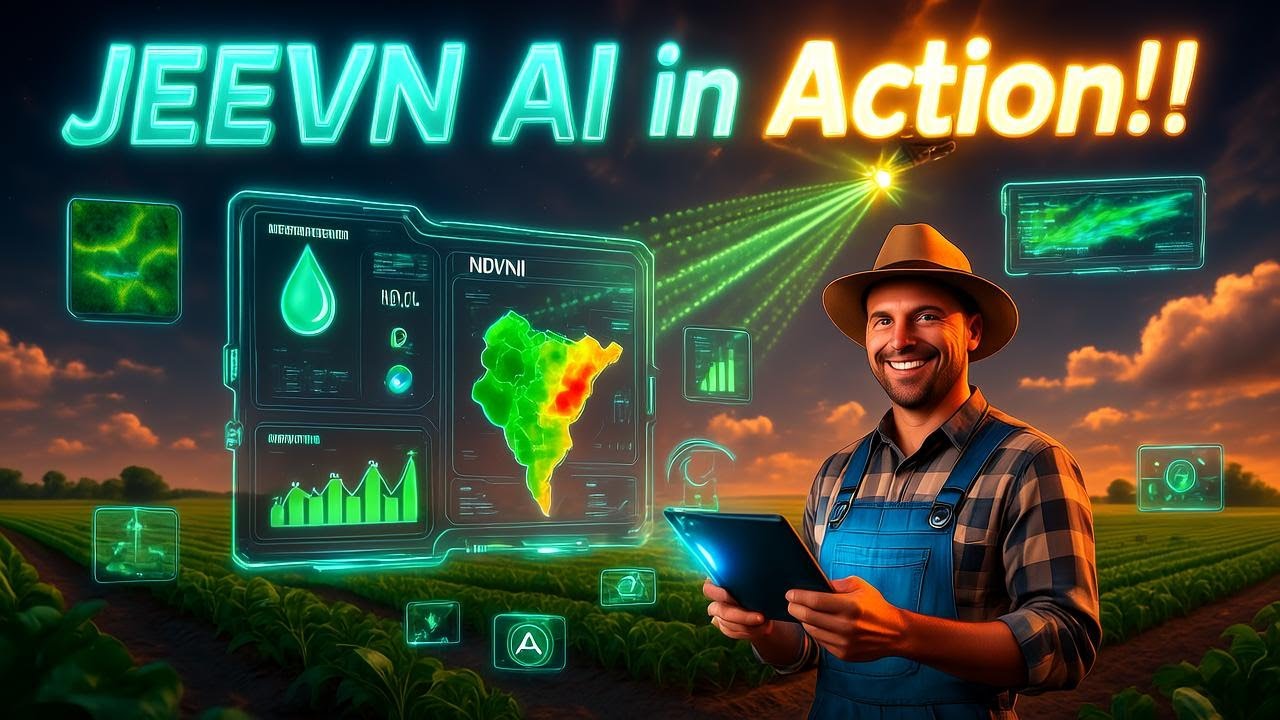
Leveraging real-time crop health data can help farmers minimize resource use, maximize yields, and adapt rapidly to changing field conditions—key to thriving in increasingly unpredictable climate scenarios.
- ✔ Precision irrigation cuts water waste by up to 30%.
- ✔ Farmers use satellite imagery apps (like Farmonaut’s platform) for field monitoring and yield assessment.
- ✔ NDVI and AI analytics spot nutrient deficiencies before they impact yields.
- ✔ Integration of blockchain traceability increases transparency in agricultural supply chains (see how product traceability works).
- ✔ Automated field mapping improves logistics and reduces operational costs.
If you’re interested in scalable field management across large farming operations, explore advanced agri-administration tools designed for multi-plot monitoring, AI advisory, and crop insurance validation.
“Over 85% of Dutch greenhouses recycle water, showcasing leadership in sustainable, circular agriculture by 2026.”
Sustainability Netherlands: Circular Agriculture Takes Root
Sustainability is deeply rooted in Dutch agricultural practice. By 2026, the Netherlands further advances circular economy principles, closing nutrient loops and recycling organic waste into valuable fertilizers. This shift is transforming the agricultural landscape in several profound ways:
- Closed Nutrient Cycles: Composting and bio-based materials keep valuable nutrients within the production system, reducing environmental impact and external input dependency.
- Innovations in Waste Management: Food, crop, and livestock waste is repurposed in biogas plants, energy production, or animal feed, supporting a sustainable circular flow.
- Water Management: Facing rising sea levels and climate volatility, advanced irrigation and water recycling systems are a cornerstone of Dutch adaptation.
- Emission Reduction: The sector is embracing methane reduction for livestock and intensifying research into protein alternatives to minimize the industry’s climate impact.
Confusing circular agriculture with simple recycling—true circular systems in the Netherlands involve proactive nutrient input management, energy recovery, and minimizing external resource dependency for greater farming resilience.
Circular Economy Systems and Climate Adaptation in Action
Key initiatives in 2025 and beyond include:
- ✔ Integration of salt-tolerant crop varieties for coastal regions affected by sea-level rise.
- ✔ Biogas plants utilize livestock and crop waste to generate renewable energy.
- ✔ Support for methane-reducing livestock diets and stringent emission controls.
- ✔ Scaling up of bio-based composting, reducing chemical fertilizer use and hazardous runoff.
- ✔ Incentives for carbon footprinting and sustainability monitoring—find out about advanced carbon measurement tools for agriculture.

Visual List: Climate and Sustainability Solutions
- 🌿 Bio-based fertilizers: minimize chemical use, recycle nutrients
- 🌊 Water recycling: closed-loop irrigation for efficiency
- 🪴 Composting innovation: advanced organic matter processing
- 🔥 Biogas energy: transforming waste into power
- 🌾 Salt-tolerant crops: farming on changing coastlines
Integration of Agroforestry and Circular Economy Systems: Towards a Biodiverse and Climate-Resilient Landscape
Since 2025, agroforestry in the Netherlands has advanced as a multifunctional, climate-smart land management approach. By integrating trees with conventional crop and livestock systems, farmers achieve a unique blend of productivity, biodiversity, and ecological resilience:
- ✔ Trees increase soil carbon sequestration, helping meet climate goals.
- ✔ Agroforestry buffers farms against extreme weather, supporting climate adaptation.
- ✔ Pollinator habitats and wildlife corridors are enhanced, leading to increased biodiversity and healthier crop ecosystems.
- ✔ Livestock benefit from shelter, improved feed diversity, and healthier environments.
Visual List: Circular Economy in Practice
- ♻️ Potato processing waste → Biogas energy
- 🌱 Dairy byproducts → Animal feed supplements
- ⚡ Crop residues → Biomaterials for packaging
- 🥬 Green waste → High-quality compost for fields
The circular economy and agroforestry models not only improve ecological outcomes but also increase long-term land value and economic security for farmers embracing modern Dutch innovation.
If you want to try sustainable landscape advisory, comprehensive plantation and forestry support tools for circular economy optimization are available for practitioners and researchers worldwide.
Education, Research, and Influence: Wageningen University and Dutch Global Agricultural Leadership
A pillar of Dutch agricultural success is its emphasis on education and research. The globally renowned Wageningen University & Research fuels the sector through breakthrough research, international partnerships, and technology transfer.
- ✔ Research & Innovation: Development of resilient crop varieties, AI-based pest management, and soil health diagnostics.
- ✔ Exportable Models: Collaborative research enables Dutch systems to be adapted for climate-challenged regions worldwide.
- ✔ Knowledge Transfer: Dutch educational institutions empower new generations of global leaders in sustainable agriculture.
- ✔ Technology Incubation: Startups and agri-tech companies benefit from robust support structures.
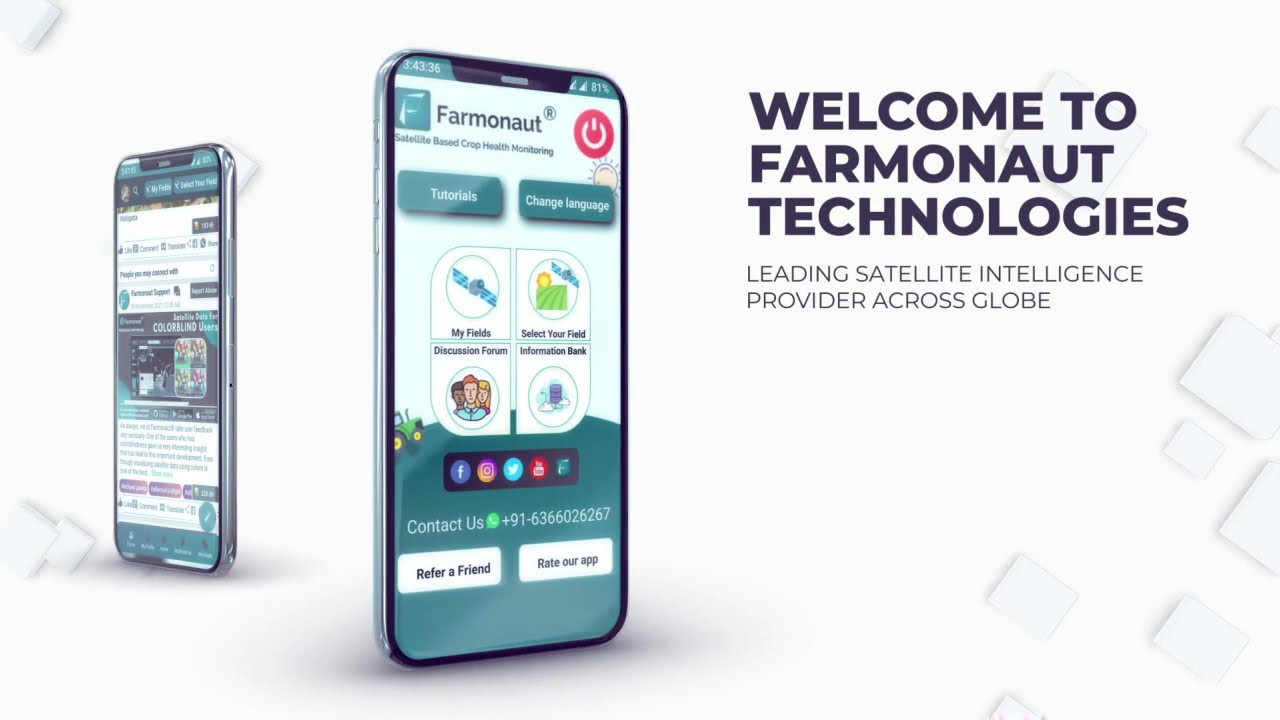
The impact of the Netherlands agricultural research ecosystem is felt worldwide: sustainable farming in Netherlands is not only about local prosperity, but about meeting global food demands and securing food security for generations to come.
Economic Impact and Food Security: The Dutch Model in the Global Context
The Dutch agricultural sector is a major contributor to the country’s economic health, employing hundreds of thousands and generating tens of billions of euros annually. As exporters of high-quality produce, advanced farming systems, and sustainable know-how, Dutch farmers ensure food security for populations across Europe, Asia, the Middle East, and beyond.
- 💶 Economic Powerhouse: The sector showcases how efficiency and circular management drive high-value exports.
- 🌏 Food Security Leadership: The Dutch model provides crucial produce, technology, and intellectual capital for regions facing climate and resource constraints.
- ⏳ Adaptability: Dutch farming flexibility helps cushion the world against market disruptions, regulatory changes, and environmental challenges.
Smart API integrations—like the Farmonaut API and developer docs—offer scalable solutions for integrating agricultural monitoring and sustainability insights into your digital platforms.
Comparative Innovation and Sustainability Impact Table: Dutch Agricultural Technology Advances
| Technology/Innovation Name | Description | Adoption (2025, %) | Yield Increase (%) | Env. Impact Reduction (%) | Circular Economy Contribution |
|---|---|---|---|---|---|
| Precision Agriculture | Satellites/drones/IoT sensors for data-driven input application & monitoring | ~80% | 10–25% | Up to 35% | Reduces waste; optimizes fertilizer use for closed-loop nutrient cycles |
| High-Tech Greenhouses | AI, LED, and smart climate control in greenhouse farming | >90% | 30–50% | Up to 50% | Enables water/energy recycling, minimizes inputs/output losses |
| Closed-Loop Water Systems | Circular recycle & reuse of irrigation water | ~85% | 5–12% | 35–60% | Major reduction in freshwater use & nutrient runoff |
| Composting & Bio-based Fertilizers | Organic waste recycling for nutrient-rich amendments | ~75% | 7–15% | 20–30% | Closes organic material loops efficiently |
| Biogas Energy Production | Transforming livestock/crop waste into heat or electricity | ~40% | – | 5–12% (GHG emissions) | Promotes renewable circular energy flows |
| Agroforestry | Integration of trees into cropping and livestock landscapes | ~25% (rising) | 5–20% | 15–30% | Enhances biodiversity & carbon sequestration |
| Blockchain Traceability | Digital authentication of farm product origin and processes | ~20% (fast growth) | Indirect | Indirect | Reduces fraud, increases sustainability trust in supply chains |
Farmonaut: Satellite Technology Driving Sustainable Innovation Worldwide
In line with the Netherlands’ technology-driven vision for agriculture, Farmonaut provides state-of-the-art satellite-based solutions for field monitoring, resource optimization, real-time environmental impact tracking, and digital advisory systems.
- ✔ Real-time monitoring of soil health, crop growth, and climate conditions, empowering farmers, agronomists, and researchers worldwide to make informed decisions.
- ✔ AI-based advisory systems (such as Jeevn AI) for tailored recommendations on planting, resource use, and crop loan and insurance validation.
- ✔ Blockchain-based traceability for transparent, fraud-resistant food supply chains (read more here).
- ✔ Fleet and resource management tools for optimized logistics and equipment use.
- ✔ Environmental impact monitoring tools to promote sustainable agriculture and meet climate goals.

Farmonaut’s platform is available as a web, Android, and iOS app, as well as API integrations—making satellite insights accessible and actionable for individual farmers, large operators, infrastructure managers, and governments worldwide.
Start leveraging affordable, actionable insights for your operations. Download the Farmonaut app now:



With a scalable subscription model, Farmonaut offers affordable and powerful satellite services plus developer APIs (docs here) for businesses, governments, and innovators around the world.
Choose your Farmonaut subscription plan below to unlock access to cutting-edge satellite-driven insights and management tools:
Farmonaut’s tools can be implemented directly by small farmers or large agricultural enterprises for yield optimization, sustainability auditing, and meeting supply chain certification requirements.
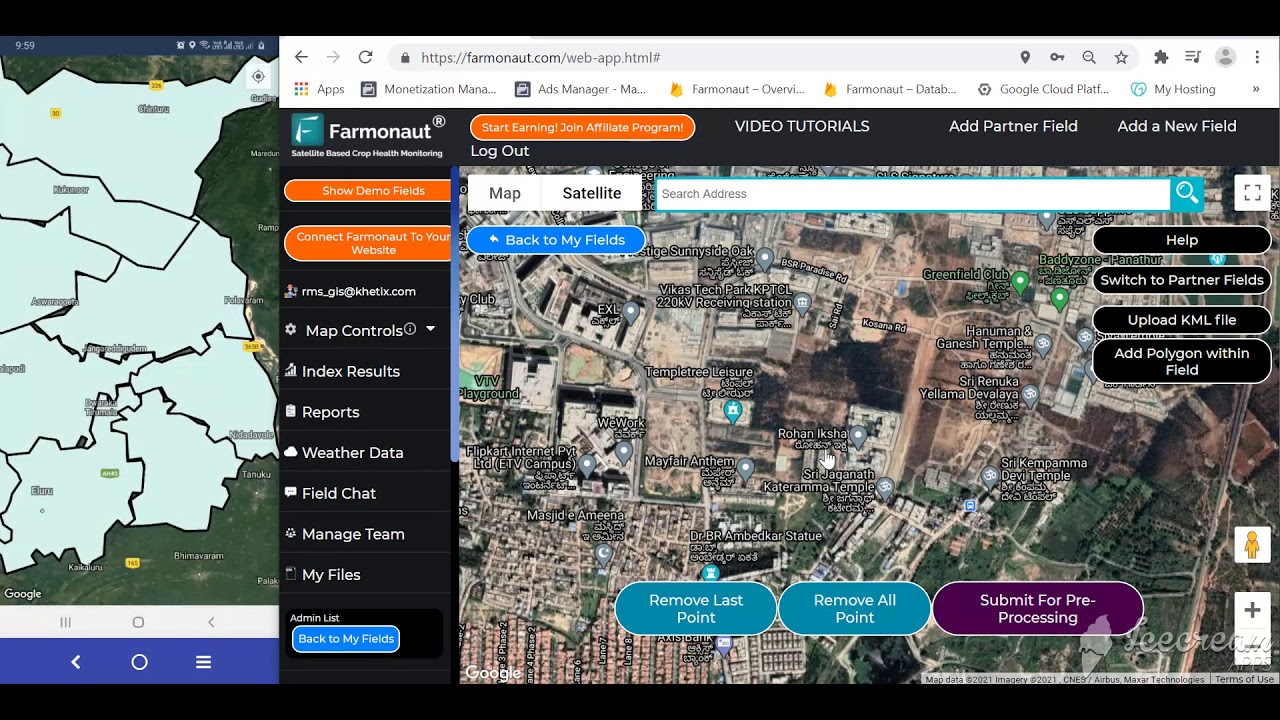
Farmonaut for Agriculture Netherlands: Key Features & Considerations
- ✔ Cost-effective monitoring for farms of every size
- 📊 AI-powered predictive analytics for crop planning & weather adaptation
- 👁️ Full operation visibility via web, mobile, and API platforms
- ⚠ Risk: Technology adoption may require capacity building for the smallest players
- 📈 Enhanced reporting for compliance and premium market access
FAQ: Dutch Agriculture, Technology, and Sustainability in 2026
Q: Why is the Netherlands a world leader in sustainable agriculture?
The country combines tradition, technology, and circular approaches to maximize productivity and minimize resource use, scaling up innovative models that can be replicated worldwide.
Q: What makes Dutch greenhouses unique?
Over 90% of Dutch greenhouses leverage AI-driven systems for climate control, water recycling, and yield optimization, supporting year-round production even under changing climate conditions.
Q: How do Dutch farmers ensure food security?
High efficiency, robust research, and advanced technology make Dutch exports critical for global food security, with resilient crops and exporting expertise that fills gaps in food-insecure regions.
Q: How do satellite and digital tools enhance farming in 2026?
Solutions like Farmonaut allow real-time crop monitoring, resource optimization, and environmental impact tracking, giving farmers an edge in both productivity and sustainability.
Q: Is circular agriculture only relevant in the Netherlands?
No. The Dutch model is increasingly being adapted by other countries aiming to meet climate, environmental, and food security targets sustainably.
Sustainable agriculture Netherlands is a continuous journey—where every new innovation or recycling initiative further reduces our collective climate impacts while supporting rural life, economic prosperity, and food security worldwide.
Conclusion: The Future of Dutch Agriculture — A Blueprint for Sustainable Innovation Worldwide
As we look toward 2026 and beyond, the Netherlands continues to stand as a beacon for sustainable, innovative agriculture. The blend of Dutch tradition, advanced technology, robust research, and pioneering circular economy practices delivers not just higher yields, but also resilience against climate change and a positive global economic impact.
With accessible management platforms like Farmonaut, the promise of technology-enabled, climate-smart agriculture is now available to all. The lessons of Dutch innovation remind us: even the smallest country can set the standard for food systems that feed the world while sustaining our planet for generations to come.
Experience the benefits of satellite-based, data-driven agriculture for yourself:
Discussion
Questions, corrections or field experience? Share them below. First-time comments are reviewed before they appear, and your email is never published.
No comments yet. Be the first to add a question or your experience.

 LatConnect 60
 Disease Free Life
 WebsEdge
 Blickwinkel
 Agricultural Credit Policy Council
 BayWa
BayWa MCSOD
MCSOD Marei Nursery
 eKGIS
eKGIS Mostas Tech
 Native Seeds
 Andex
Andex FCF India
 Unifrutti Gulf
 Deluxe Conseil
 WICO
WICO Chimera Innovation
 Licence holder · Niger · Gold
 Licence holder · Nigeria · Gold + lithium










