

Agriculture in Netherlands: 7 Innovations for 2025
“The Netherlands produces over 90% of its tomatoes using precision greenhouse technology, leading Europe in sustainable yields.”
The Netherlands, despite its small size, has built a remarkable agricultural footprint and consistently remains a global powerhouse in farming innovation. In 2025 and beyond, agriculture in Netherlands continues to set new standards by integrating advanced technologies, smarter resource management, and sustainable practices into its core. Dutch farmers, armed with the latest in precision agriculture, AI-infused analytics, and world-leading water management systems, have propelled their country to the frontline of agricultural innovation.
The tools behind this kind of progress feature in our round-up of agricultural innovations in use on farms around the world.
In this in-depth exploration, we’ll uncover the 7 transformative innovations that are defining agriculture in the Netherlands for 2025 & beyond—innovations that not only sustain the nation but inspire countries worldwide to achieve efficiency, food security, and environmental responsibility.



Introduction: The Netherlands as a Global Agricultural Leader in 2025
The Netherlands is renowned worldwide for its innovative and sustainable agriculture. Already the world’s second-largest exporter of agricultural products—despite its modest land size—this small country continues to prove that efficiency, precision, and sustainability can go hand in hand. In 2025, Dutch farming continues to set global standards by leveraging advanced technology and circular systems.
- Focus on Climate-Smart Innovation: Modern Dutch farming aligns with European Green Deal policies and global climate goals.
- Resource Optimization: Farmers are leading pioneers in precision agriculture, optimizing every aspect— from soil health to irrigation.
- Unmatched Efficiency and Scale: Greenhouses, automated robotics, and digitalization supercharge production and export capabilities.
- Environmental Stewardship: Sustainability and carbon footprint reduction are at the core of every Dutch agricultural innovation.
How much food does the Netherlands export?
The Netherlands exported agricultural goods worth €128.9 billion in 2024, up 4.8% on 2023, according to Statistics Netherlands (CBS) and Wageningen Economic Research (source). Most of the increase came from higher prices; export volumes also rose, but by less. The largest product groups were dairy and eggs (€12.3 billion), horticulture (€11.9 billion) and meat (€10.7 billion). Cocoa products rose to €9.9 billion after world cocoa prices jumped. Germany took about a quarter of the total, €32.0 billion. A large share of the trade is re-exports: CBS estimates the Dutch economy earned about €47.4 billion from these exports, mostly from goods produced in the Netherlands.
Overview: Why Dutch Agricultural Innovation Remains Unmatched
The combination of resource-conscious practices, intensive education, and forward-looking strategic policies has made agriculture in Netherlands the envy of nations worldwide.
- Data-driven Decisions: Smart use of data from sensors, drones, satellite, and AI maximizes yields & minimizes waste.
- Smart Water Management: Water is recycled, optimized, and protected through a nationwide network of hi-tech irrigation systems and earthworks.
- Focus on Circularity: Circular agriculture enables waste-to-resource conversion (like turning crop residues into biogas for energy).
- Global Mindset: Imports knowledge, exports food, seeds, and technologies – inspiring a new green revolution.
In the following sections, we’ll dive into the seven innovations that are defining agriculture in the Netherlands for 2025 and the years ahead. Each is essential to maintaining the Netherlands’ status as a global leader in sustainable agriculture.
7 Groundbreaking Innovations in Agriculture in Netherlands (2025)
These transformative approaches demonstrate why Dutch agriculture remains a global reference for efficiency, technological advancement, and environmental responsibility.
1. Precision Agriculture: Data, Drones, AI, and Satellite Monitoring
Precision agriculture stands at the heart of the Dutch farming revolution. By extensively using data analytics, sensors, drones, satellite imagery, and AI-powered machinery, farmers in Netherlands meticulously optimize resource usage and maximize yields— all while minimizing environmental impact.
- Smart Sensors & Drones: Monitor soil health, moisture levels, nutrient content, and pest infestations in real-time.
- Satellite Technology: Satellite monitoring platforms like Farmonaut’s Web & Mobile App empower users with actionable insights for crop health (NDVI), water stress (NDWI), and even carbon emissions.
- Pinpoint Application: By allowing farmers to apply fertilizers and pesticides with pinpoint accuracy, precision farming reduces waste, lowers costs, and curtails harmful runoff that could otherwise damage sensitive nearby ecosystems.
- Automated Machinery: Fields are sown, sprayed, and harvested using AI-powered robots and smart equipment.
The result? Unmatched production efficiency and sustainability—even on a modest land base.

To further understand how satellite & AI power modern Dutch agricultural management, see our demo video above.
2. Vertical Farming and Advanced Greenhouse Technologies
Vertical farming is redefining land use in Netherlands’ agriculture. Multi-layer cropping systems and fully climate-controlled greenhouses have matured significantly by 2025, boosting production of high-demand vegetables, flowers, and fruits.
- LED Lighting & Climate Control: Next-generation greenhouses are equipped with LED lighting tailored to plant needs and precision climate control for unmatched yields year-round.
- Automated Harvesting: Robots handle everything from planting to harvesting, increasing quality and labor efficiency.
- Resource Efficiency: These systems use up to 90% less water compared to traditional open-field agriculture, while generating yields several times higher per square meter.
“Dutch farms recycle more than 85% of their water, making them the world’s most efficient agricultural water managers by 2025.”
This revolution is evident in the striking greenhouse complexes spanning much of western Netherlands, often visible from space. Farms produce flowers, vegetables, and fruits for export globally while delivering on the promise of sustainable agriculture.
3. Circular & Sustainable Agriculture
Netherlands’ agriculture in 2025 emphasizes circularity and carbon neutrality. Circular agriculture systems transform waste into resources, maintaining soil fertility, biodiversity, and ecosystem health.
Key Elements:
- Closed-Loop Nutrient Systems: Livestock manure, crop residues, and other organic wastes are reused via anaerobic digestion to create biogas for energy and fertilizer, reducing synthetic input dependence.
- Agroforestry: Integration of tree cultivation with crops enhances carbon sequestration, buffers against climate shocks, and enriches habitats for wildlife.
- Crop Rotations & IPM: Smart crop cycles and integrated pest management (IPM) promote biodiversity and reduce reliance on synthetic pesticides and fertilizers.
- Carbon Footprinting: Farms measure and monitor their environmental impact including carbon footprint. Interested readers can explore Farmonaut’s Carbon Footprinting Tools for actionable insights on reducing farm-level GHG emissions and meeting compliance objectives.
Sustainable agriculture practices like these are transforming farming into a regenerative process—ensuring long-term viability for both the industry and the planet.
4. Smart Water Management Systems
Water has always been a critical constraint and an engineering opportunity in the Netherlands. By 2025, the country’s agricultural sector leads the world in efficient, sustainable water usage through a combination of sophisticated irrigation systems, canals, dikes, and advanced digital management.
- Recycling & Reuse: Over 85% of irrigation water is recaptured and reused on-site, aided by precision monitoring sensors and controlled delivery systems.
- Digital & Satellite Insights: Advanced solutions such as Farmonaut’s real-time water stress monitoring enable farms to detect drought or flooding risks, optimize irrigation timing, and safeguard yields.
- Protection from Sea Level Rise: An extensive network of pumps, dikes, and sluices keeps farmland productive despite increasing risks from climate change and saltwater intrusion.
- Innovation in Action: The Netherlands’ approach ensures that food production can continue thriving even as global water scarcity concerns increase.
5. Blockchain Traceability in Dutch Agricultural Supply Chains
In 2025, blockchain-based transparency systems underpin the integrity of Dutch agricultural exports. These systems, already being widely adopted, guarantee product authenticity, food safety, and sustainability certification in line with stringent global standards.
- End-to-End Traceability: Dutch produce (from vegetables and fruits to dairy products and flowers) can be traced from farm to fork, increasing consumer trust and market access worldwide.
- Blockchain Advantages: Eliminates data tampering, fraud, and errors in the chain. A must-have for exporting to markets with high transparency and compliance demands.
- Deployment for All: Blockchain platforms—such as Farmonaut’s Traceability solution—equip producers, processors, and retailers with digital tools for seamless supply chain management.
6. Renewable Energy Integration
Energy sustainability is a cornerstone of Dutch agricultural innovation in 2025. Many farms have adopted integrated solar panels, wind power, and biogas units—transforming waste into both heat and electricity.
- Solar & Wind: Rooftop solar installations power greenhouses, barns, and irrigation systems, while turbines offer additional energy security.
- Biogas from Waste: Closed-loop anaerobic digesters convert manure, crop residues, and even food processing waste into biogas, slashing reliance on fossil fuels.
- Self-Sufficiency: Many Dutch farms can operate largely “off-grid,” achieving carbon neutrality and lowering operating costs.
- Environmental Impact: Lower carbon footprint, reduced emissions, and increased climate resilience.
7. Digitalization & Agricultural Education for the Future
While automation levels rise rapidly, productive agriculture in Netherlands still depends on human expertise. The country continues to invest in education, training, and support for digital transformation for its agricultural workforce.
Key Components:
- Continuous Upskilling: Dutch farmers, agronomists, and agri-tech professionals have access to world-class education—learning everything from data analytics and AI decision-making to sustainable practices.
- Digital Management Platforms: Large-scale and small-scale farmers alike leverage end-to-end digital platforms (see Farmonaut’s Large-Scale Farm Management solutions) to oversee resources, labor, and fleets efficiently via web and mobile.
- Entrepreneurship: Government and industry encourage young innovators and startups to build next-gen agri-tech, securing Dutch leadership for generations to come.
The net result is a future-ready workforce that is prepared to meet the complex challenges of climate change, global food security, and sustainability.
Comparative Innovations Impact Table
| Dutch Innovation | Technology Description | Year of Introduction/ Implementation |
Estimated Yield Improvement (%) | Estimated Water Savings (%) | Environmental Impact | Adoption Rate (NL, 2025) |
|---|---|---|---|---|---|---|
| Precision Agriculture (Sensors, Drones, Satellites, AI) | Data-driven management of inputs (fertilizer/water/pesticides) for optimal efficiency and reduced waste | 2017-2025 (widespread by 2025) | +20 to 30% | Up to 40% | Positive (reduced chemicals, runoff, emissions) | Very High (>85%) |
| Advanced Greenhouses & Vertical Farming | Automated, climate-controlled, multilayer growing; LED lighting, robotics | 2015-2023 (mature by 2025) | +100 to 300% | 80-90% | Positive (less land, water, emissions) | High (>70%) |
| Circular & Sustainable Agriculture | Waste-to-resource systems, biogas, agroforestry, closed-loop nutrients | 2018-2024 | 15-25% | 30-40% | Positive (soil health, reduced emissions) | Medium (>50%) |
| Smart Water Management Systems | Precision digital irrigation; recapture and recycling with IoT controls | 2016-2025 | 10-15% | 85% | Positive (world leader: conservation & resilience) | Very High (>80%) |
| Blockchain Traceability | Blockchain-enabled, verifiable tracking of food from farm to table | 2020-2025 | 0–5% (mostly qualitative: trust, export gains) | N/A | Positive (transparency, food safety) | Medium-High (>60%) |
| Renewable Energy (Solar, Biogas, Wind) | Clean on-farm energy generation for powering farm operations | 2015-2024 | 10-20% | 10-30% | Positive (clean energy, resilience, lower CO2) | High (>65%) |
| Digitalization & Agricultural Education | Farmer training, digital management platforms, AI advisory | Ongoing, accelerated 2020-2025 | N/A (indirect: upskilling & efficiency) | N/A | Positive (innovation diffusion, workforce future-proofing) | Very High (>80%) |
Future Outlook: The Road to 2030 and Beyond
The Netherlands is unlikely to rest on its laurels. The path to 2030 will see continuous investments in research, AI-driven advisory (like Farmonaut’s satellite & AI-based Jeevn system), and smarter resource management. We anticipate:
- Deeper Integration of AI: AI systems will link weather, soil, crop and market trends for even smarter, real-time decisions.
- Full Water Circularity: Ambitious targets to recycle virtually all agricultural water and further optimize nutrient flows.
- Biodiversity and Nature: Growing use of agroforestry and nature-inclusive designs on every Dutch farm.
- Global Export of Knowledge: As international demand for sustainable food and climate-smart farming increases, Dutch expertise and technology will play a key role—setting new standards for agriculture worldwide.
Our Contribution at Farmonaut: Advancing Sustainable Solutions in Global Agriculture
At Farmonaut, we are deeply committed to empowering global agriculture—including forward-looking regions like the Netherlands—via affordable, scalable, and digital-first tools.
- Satellite-Based Monitoring: We provide real-time crop & soil monitoring through our web, Android, and iOS apps. This enables farmers, agronomists, and land managers to optimize resource use, detect pests, and boost yields using state-of-the-art remote sensing.
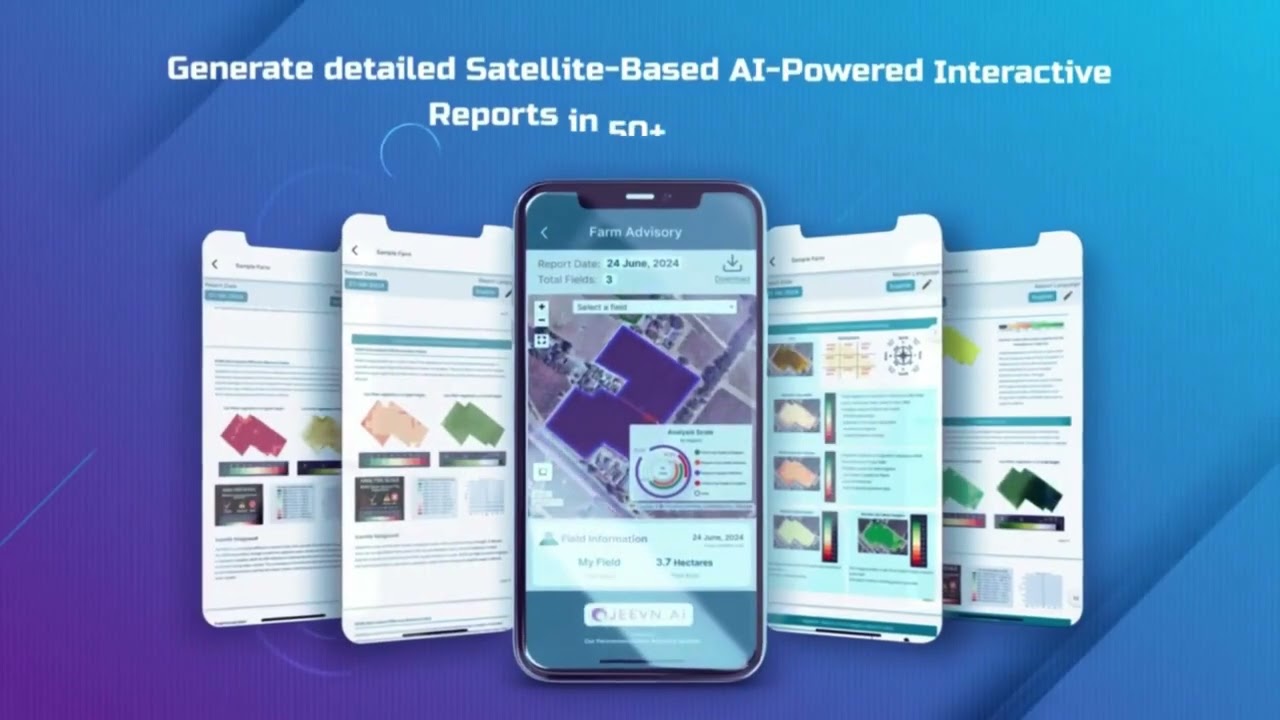
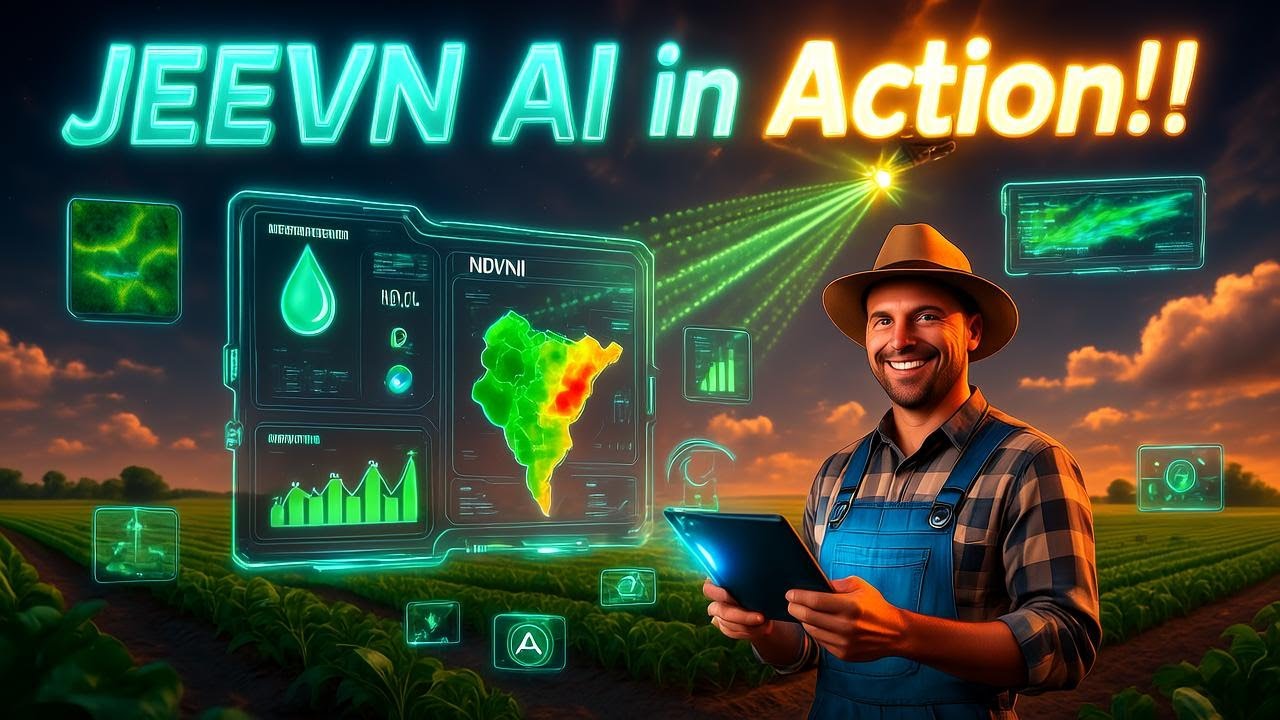
- AI-Powered Advisory: Our Jeevn AI system delivers custom advice and weather forecasts—precisely tailored to the farmers’ needs and evolving climate.
- Blockchain-Based Traceability: We support traceable, secure food supply chains that enhance transparency and consumer trust in food systems worldwide.
- Automated Carbon Footprinting & Compliance: Our carbon management tools help agricultural businesses monitor and reduce environmental impact.
- Fleet Management: For enterprises with large farms or fleets, our fleet and resource management solutions optimize logistics, reducing operational costs and inefficiency.
- Crop Loan & Insurance Verification: We assist banks and insurers using satellite-based verification to facilitate secure, fair access to credit and insurance.
- Flexible APIs for Integration: For developers and enterprises, our API and API documentation allow for seamless, automated integration.
- Scalable Access: Our subscription model is cost-effective, offering basic to advanced features via web and mobile platforms for every scale—from individual farmers to global agribusiness.
FAQs: Agriculture in Netherlands, Innovation & 2025 Insights
- What makes agriculture in Netherlands so efficient and productive?
- It’s a combination of innovative technologies (like sensors, drones, AI, and satellite monitoring), highly educated farmers, advanced greenhouses, investment in circular agriculture, and world-class water management that set the Netherlands apart.
- How is the Dutch agricultural sector addressing environmental and climate issues in 2025?
- The sector is minimizing environmental impact by adopting circular agriculture, precision input management, renewable energy, and carbon tracking. Farms in 2025 recycle most of their water, vastly reduce synthetic inputs, and promote biodiversity.
- What is the role of vertical farming and greenhouses in Dutch agriculture?
- Vertical farming and high-tech greenhouses allow year-round, high-yield production of vegetables, fruits, and flowers using a fraction of the land and water required for traditional open-field farming. This innovation is a major reason for the Netherlands’ global export status despite its small size.
- How does blockchain aid in Dutch agricultural exports?
- Blockchain ensures traceability of agricultural goods from farm to market, providing consumers and importers with transparency, authenticity, and trust in Dutch exports.
- How do Farmonaut services support sustainable agriculture?
- We at Farmonaut provide satellite-based real-time monitoring tools, AI-driven advisory systems, carbon and fleet management, and blockchain-based traceability—enabling all sizes of agricultural operations to become more efficient, sustainable, and competitive in global markets.
- Where can I learn more or try out these technology solutions?
- Explore our web & mobile app solutions or integrate Farmonaut’s API into your agricultural workflow.
Conclusion — The Netherlands: A Global Leader in Sustainable & Innovative Agriculture in 2025
In 2025, agriculture in Netherlands serves as a shining model of what is possible when technology, tradition, and environmental consciousness converge. Dutch farmers are world leaders in efficiency, sustainability, and innovation. They meet the demands of a growing food market while preserving the country’s remarkable environmental footprint.
- The use of precision agriculture tools and platforms (like those offered by Farmonaut) makes Dutch farming among the smartest and most productive in the world.
- Vertical farming and closed-loop greenhouses safeguard food supplies in the face of climate uncertainty and limited arable land.
- Circular systems, blockchain traceability, and renewable energy integration future-proof the sector for both economic and environmental success.
- Bold investments in digitalization, education, and AI ensure the Netherlands will continue to lead—and inspire agricultural innovation worldwide—for decades to come.
As the world looks to address climate change, water scarcity, and the need to feed a growing population, the Dutch example proves that strategy, science, and sustainability can transform even the smallest countries into powerhouses of agricultural innovation.
Are you ready to embrace the future of sustainable agriculture? Discover actionable, data-driven insights today with Farmonaut’s suite of monitoring, traceability, and resource management solutions.
Discussion
Questions, corrections or field experience? Share them below. First-time comments are reviewed before they appear, and your email is never published.
No comments yet. Be the first to add a question or your experience.

 IRE Soil
 Blickwinkel
 Agricultural Credit Policy Council
 BayWa
BayWa MCSOD
MCSOD Marei Nursery
 eKGIS
eKGIS Mostas Tech
 Native Seeds
 Andex
Andex FCF India
 Unifrutti Gulf
 Deluxe Conseil
 TVS Electronics
 WICO
WICO Chimera Innovation
 Licence holder · Niger · Gold
 Licence holder · Nigeria · Gold + lithium










