

Table of Contents
- Introduction
- Russia: Farmland & Agriculture Fun Facts
- Russian Farmland: Size, Regions, and Untapped Potential
- Modernization, Precision Farming, and Technological Trends in 2025
- Climatic, Soil & Environmental Challenges Facing Russian Agriculture
- Russia’s Role in Global Food Security and Commodity Markets
- Rural Development & Socioeconomic Dynamics
- Trends Comparison Table: Sectoral Growth & Challenges
- Satellite Technology & Data Solutions from Farmonaut
- Frequently Asked Questions
- Conclusion
Russian Farmland & Agriculture Russia: 2025 Trends
Russia has about 121.6 million hectares of arable land, according to World Bank data for 2023.
Summary: Russia’s Agricultural Landscape in 2025 – Challenges and Opportunities
As the largest country in the world by landmass, Russia’s vast farmland is a cornerstone of its economic and strategic power. This comprehensive article explores russian farmland, farming russia, and agriculture russia as we move through 2025. We examine the state of the sector, modernization trends, climatic challenges, regional disparities, global influence, and emerging opportunities across the agriculture of russia. Insights into government policies, environmental sustainability, and rural revitalization efforts reveal how russia agriculture is evolving on the world stage. Plus, discover how Farmonaut empowers stakeholders with satellite-driven agri-solutions for a sustainable future.



Russian Farmland: Size, Regions, and Untapped Potential
Russia has about 121.6 million hectares of arable land, according to World Bank data for 2023 — one of the largest cropland areas in the world. Yet, only a fraction of this arable land is intensively cultivated, leaving immense potential still untapped. Understanding the core regions and their unique qualities is essential to grasping the challenges and opportunities across farming russia and the broader agriculture russia sector.
Major Russian Agricultural Regions: The Black Earth Belt and Beyond
- Black Earth Belt (Chernozem Regions): The historic ‘chernozem’ strip, running through Kursk, Belgorod, Voronezh, and neighboring oblasts, is the heartland for Russian grain, especially wheat production. The soils here are among the most fertile on earth.
- Southern Russia: Includes Krasnodar, Stavropol, and Rostov oblasts, marked by favorable climate for crop cultivation and machinery-intensive farming. These areas drive much of Russia’s agricultural exports.
- Siberia and the Russian Far East: Vast tracts of uncultivated land are becoming more accessible as climate change extends growing seasons. New infrastructural investment is unlocking production potential here.
The scale of Russian farmland enables both large commercial farms and traditional rural holdings to coexist. While the south remains the main breadbasket, areas to the north and east offer immense yet challenging opportunities for growth.
Why So Much Untapped Potential?
- Climate Constraints: Large sections of Russian land lie in harsh or marginal climatic zones.
- Infrastructure Gaps: Limited transport, storage, and logistical facilities restrict access to remote regions.
- Legacy Land Use Patterns: Many areas remain underutilized due to historic land allocation and demographic declines.
Still, government incentives, digitization, and global market demands are driving new interest in harnessing Russia’s full agricultural capacity—especially in the context of 2025 and beyond.

Modernization, Precision Farming, and Technological Trends in Russian Farmland 2025
A defining theme of agriculture russia in 2025 is the rapid modernization of farming practices. This is marked by significant investments in digital technologies, mechanization, and sustainable intensification to meet evolving market demands.
Key Modernization Drivers in Russian Agriculture
-
Precision Agriculture: The adoption of GPS-driven equipment, drone surveillance, and digital soil monitoring systems has helped Russian farmers optimize input use, boost yields, and minimize waste.
- Satellite imagery allows for field-level monitoring of vegetation health and soil conditions.
- Large Scale Farm Management platforms such as Farmonaut’s empower enterprises to manage expansive farmland with real-time maps, resource allocation, and crop health analytics, driving operational efficiency and sustainability at scale.
- Mechanization and Improved Varieties: Farms, especially in the chernozem regions, are investing in updated machinery and deploying new high-yielding, climate-resilient seed varieties to adapt to changing weather and soil conditions.
- Greenhouse Technology & Controlled-Environment Agriculture: To extend growing seasons and boost year-round production of vegetables and fruits, there is a surge in greenhouse construction—supported by public policies for food security.
Impact of Government Initiatives and Policy
- Import substitution policies since 2014, and more recently, post-2022, have prioritized self-sufficiency in key food groups.
- Government subsidies encourage technology adoption, domestic machinery production, and improved logistics.
- Rural digitization brings smart-tool access to even remote farmers.
Overall, these modernization efforts signal a dynamic phase in farming russia, as digitalization, improved seeds, and better management practices converge to define the sector’s new competitive edge.

The Role of Drones, AI, and Data in Russian Agriculture
-
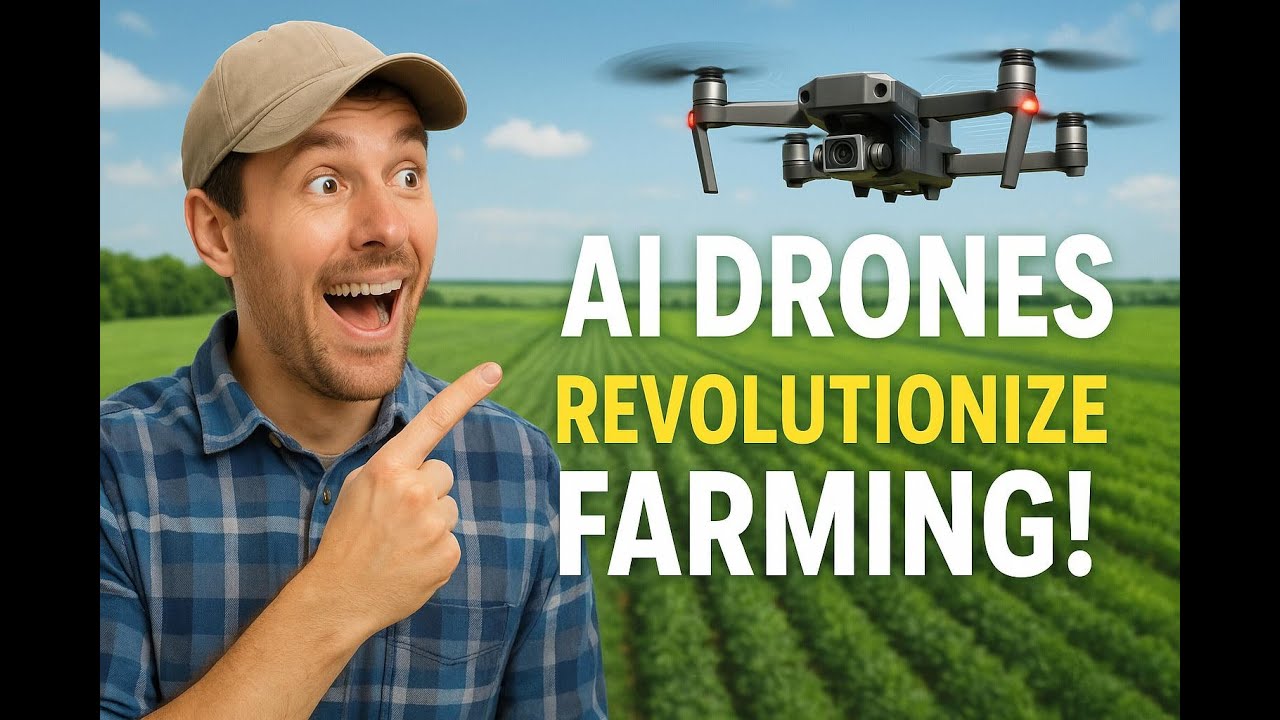
Drones & AI-driven Surveillance: Modern Russian farms are increasingly deploying drones for efficient weed management, crop health diagnostics, and even precision pesticide/fertilizer applications.
- Farmonaut’s carbon footprint monitoring tools can help track emissions and improve environmental compliance in agriculture, supporting Russia’s sustainability drive.
-
Satellite Data Platforms: AI-powered satellite platforms such as Farmonaut integrate soils, climate, yield, and growth stage data for a holistic farm view.
- Our platform delivers actionable satellite-driven insights accessible via web app, Android, or iOS, giving users real-time field status, environmental alerts, and more.
- For businesses building custom tools, our API (Farmonaut API, see developer docs) integrates precision ag data directly into your workflow.
- Blockchain-based Traceability: Ensuring food product authenticity is critical for Russian exports. Farmonaut’s blockchain-powered traceability can help Russian producers meet international standards and win consumer trust.
These tools not only drive productivity but also support sustainability—aligning russia agriculture with global best practices.
Russia’s agriculture ministry expects grain exports of about 60 million tonnes in the 2025/26 season (Interfax).
Climatic, Soil & Environmental Challenges Facing Russian Agriculture (2025)
While the potential of russian farmland is vast, environmental and climatic challenges increasingly shape the future of agriculture russia and its position as a global food producer.
Key Climatic and Environmental Challenges
- Climate Change and Longer Growing Seasons: Warming temperatures in Siberia and the Far East are opening up new regions for cultivation. However, this comes with unpredictable weather events, late frosts, and new pests.
-
Soil Degradation: Intensive farming in the Black Earth Belt (especially Kursk, Belgorod, Voronezh) risks chernozem soil depletion if not managed with conservation techniques.
- Conservation tillage, crop rotation, and cover cropping are now widely promoted for sustainability.
- Farmonaut’s AI-powered Crop Plantation Advisory supports soil health with field-specific, satellite-driven crop rotation and input management advice via our Jeevn AI system.
-
Water Scarcity and Resource Management:
Drought is an increasing risk in southern Russia and the Volga basin, needing careful irrigation management.- Fleet & Resource Management tools allow optimized water and machinery use, reducing costs and supporting rural resilience.
- Loss of Biodiversity: Monoculture cropping threatens native species in the agriculture of russia heartlands.

Sustainability and Government Response
- Policymakers promote eco-labels, stricter environmental standards, and sustainable intensification.
- Advisory services, such as those powered by AI and satellites (including Farmonaut’s Jeevn AI system), assist in managing soil, water, and crop health for resilient production.
- The expansion of organic farming and regional nature preserves aims to safeguard biodiversity and soil vitality.

As environmental challenges grow, the ability to monitor, predict, and react to climatic and soil threats will be a competitive differentiator in russia agriculture.

Russia’s Role in Global Food Security and Commodity Markets
Russia is a global leader in wheat and a growing producer of oilseeds and pulses. The expanding agricultural production footprint bolsters food security domestically and enhances Russia’s geopolitical leverage.
Key Features of Russia’s Global Food Role
- Grain Exports: Russia is the world’s largest wheat exporter (USDA ERS). The agriculture ministry expects grain exports of about 60 million tonnes in the 2025/26 season (Interfax).
- Market Diversification: Rapid growth in oilseeds (sunflower, soy, flax), legumes, and pulses which serve both domestic and export markets.
- Value-added Processing: Investments in the food industry (processing, packaging) increase export value and support rural jobs.
- Strategic Influence: Russia’s control over grain supply is used as a diplomatic and economic lever, especially in food-importing regions like Africa, the Middle East, and Asia.
- Volatility and Sanction Risks: Policy changes, logistics, and international sanctions can disrupt export flows. Diversification is crucial to maintain resilience in global commodity markets.

The Drive Toward Export Sustainability and International Standards
With increasing global scrutiny, transparency—enabled by platforms with blockchain and satellite traceability (Farmonaut Traceability)—is pivotal for food products on the world market. This helps Russian producers meet the evolving requirements of international partners.
Rural Development & Socioeconomic Dynamics in Farming Russia
The backbone of farming russia is its rural regions, where agriculture is both a source of income and the driver of infrastructural and social cohesion. Yet, these areas face unique challenges in the current phase of modernization.
- Demographic Challenges: Rural outmigration, aging farmer populations, and declining birth rates reduce the available labor force.
- Poor Infrastructure: Many villages lack adequate transport, digital, and social systems, hindering access to markets and information.
-
Rural Revitalization Efforts:
- Government support for rural housing, small business, and youth farming programs.
- Digitization and mobile connectivity bringing knowledge and innovation to remote farmers—here, Farmonaut’s mobile apps ensure even individual growers can leverage advanced monitoring and weather data, supporting their inclusion in modern markets.
- Youth Engagement: Specialized training and incentives for young professionals are prioritized to keep rural communities vibrant and innovative.
These ongoing efforts aim to balance the economic growth of russia agriculture with rural development and equitable prosperity.
Trends Comparison Table: Sectoral Growth & Challenges (2023 vs. 2025)
To provide a quantitative view of russian farmland trends, compare the leading agricultural sectors for production growth and highlight main opportunities and challenges shaping 2025.
Satellite Technology & Data Solutions: How Farmonaut Empowers Russian Farmland
Farmonaut delivers a comprehensive suite of satellite-driven precision agriculture tools that uniquely address the challenges and opportunities in farming russia and beyond in 2025 and onward.
How Farmonaut Supports Russian Agriculture Stakeholders
- Satellite-Based Monitoring: Real-time NDVI and multispectral imagery enable precise crop health and soil condition analysis, promoting higher yields and sustainability.
- AI Advisory (Jeevn): Our Jeevn system provides customized recommendations on sowing, input use, and climate resilience, supporting both large enterprises and smallholders.
- Blockchain for Supply Chain Transparency: Producers in Russia can certify and trace their products—vital for export success—with Farmonaut’s traceability solutions.
- Resource & Fleet Management: Optimize vehicle & machinery usage across large Russian farms, supporting logistic efficiency and minimizing costs.
- Environmental Impact Tracking: Using carbon footprinting, Russian farms can comply with environmental regulations and move toward climate-smart agriculture.
- Financing Made Easier: Our crop loan and insurance verification tools allow more farmers in Russia to qualify for credit and safeguard against natural risks.
- Accessible Platforms: Accessibly designed for use on the web, Android, and iOS, plus RESTful API integration for Russian AgriTech developers and enterprises.
Why Satellite Technology Matters for Farming Russia in 2025
- Enables precise monitoring of vast, often remote farmland
- Drives data-led, evidence-based decision making
- Promotes sustainability and resilience in a changing climate
- Facilitates access to loans and insurance, supporting rural economic inclusion
- Supports compliance with domestic and international food safety requirements—critical for Russian exporters
By leveraging these tools, russian farmland stakeholders—from family farmers to big agribusinesses—can unlock growth, efficiency, and environmental stewardship.
Russian Agriculture in Numbers
Russia farms at a scale few countries match, but most of its land is too cold or dry for crops. Arable land covered about 121.6 million hectares in 2023, or 7.4% of the country’s land area, according to World Bank data. Most of that cropland lies in a belt from the Black Earth oblasts south to Krasnodar, Stavropol and Rostov, and east along the Volga into southern Siberia.
Wheat is the main crop. The key recent figures:
| Measure | Figure | Source |
|---|---|---|
| Arable land (2023) | 121.6 million ha | World Bank |
| Wheat harvest, 2024 | 83.5 million tonnes | Rosstat, via Reuters |
| Wheat harvest, 2025 | 91.4 million tonnes (clean weight) | Rosstat, via Reuters |
| Grain export forecast, 2025/26 season | About 60 million tonnes, including about 50 million tonnes of wheat | Interfax, citing the agriculture minister |
| Rank in world wheat exports | First | USDA ERS |
Harvests swing with weather. Drought in the south and frost in spring can cut output sharply in a single season, which is why Russian export forecasts are revised several times a year.
Frequently Asked Questions (FAQ)
- Q: What makes Russia unique in the global agriculture landscape in 2025?
A: Russia has about 121.6 million hectares of arable land (World Bank), largely in the Black Earth Belt and southern regions. The country is a top global grain exporter, particularly of wheat, and is seeing growth across oilseeds, pulses, and value-added products. - Q: Which Russian regions are most important for farming?
A: The Black Earth Belt (Kursk, Belgorod, Voronezh), southern oblasts like Rostov and Krasnodar, and increasingly, Siberian areas benefiting from longer growing seasons. - Q: What are the key challenges for Russian agriculture in 2025?
A: Climate change, soil degradation, rural infrastructural deficits, demographic decline, export market uncertainties, and the need for upgraded logistics and sustainability compliance. - Q: How is modernization transforming farming Russia?
A: Through investments in precision agriculture, mechanization, improved seed varieties, digitization, greenhouse tech, and satellite data solutions—improving yields and resilience. - Q: How can technology like Farmonaut’s help Russian farmers?
A: Farmonaut provides satellite-based crop and soil monitoring, AI-driven advisory (Jeevn), climate and carbon footprinting, blockchain traceability, and resource management—making agriculture in Russia more profitable, transparent, and sustainable. - Q: Are Russian smallholders included in this modernization?
A: Yes. Digitization, mobile platforms, and subsidies are bringing advanced tools to farmers large and small, supporting inclusive growth. - Q: Where can I access Farmonaut platforms and data?
A: Farmonaut Web App, Android App, iOS App, and Farmonaut API for business/data integrations.
Conclusion: Russian Farmland, Agriculture Russia & the Road Ahead
In 2025, russian farmland, farming russia, and agriculture russia stand at a transformative crossroads—poised to harness vast potential amid complex challenges. The sector’s growth is shaped by modernization, climate adaptation, and structural reforms while remaining deeply entwined with global food security.
As Russian agriculture continues its dynamic phase—marked by technology adoption, policy innovation, and rural resilience—the focus must remain on sustainability, export competitiveness, and quality of life in rural regions. Through evolving practices, advanced monitoring, and agile responses to market and climatic shifts, the agricultural heart of Russia will continue to influence both its domestic prosperity and its standing on the world stage.
By integrating satellite technology, AI, and actionable data, Farmonaut is proud to empower users, businesses, and policymakers to realize the full promise of agriculture russia—making the sector smarter, more transparent, and ready for the challenges of tomorrow.

 AgriSevak
 CU Foods
 BeyondTech Global
 Rouge VC
 Yutz Automation
 AgroGreen Dynamics
 AgroRisk
 Oath Inc
 Reddane Farming
 Esri North East Africa
 Cresol
 Atur Kuliner
 MDCV UK
 Zerella Group
 Etech Consulting Madagascar
 Vestlandsforsking
 Delicio
 WB Dev
 Sama Premium
 Prochecker
 Tres Valles
 LACOS Geoinformation
 Magrifly
 LatConnect 60
