

Benefits of Strip Mining: Best Ways to Strip Mine 2025
Table of Contents
- Introduction
- What is Strip Mining?
- Benefits of Strip Mining in 2025
- Why Strip Mining Remains Essential for Industries
- Sustainable Strip Mining: Best Practices for 2025
- Technological Innovation in Strip Mining
- Comparative Table: Conventional vs. Sustainable Strip Mining in 2025
- Reclamation and Land Restoration: Returning Productivity
- Environmental Stewardship and Community Involvement
- Strip Mining and Water Management
- Strip Mining and Meeting Global Demands
- Future Trends: Strip Mining in 2025 and Beyond
- How Farmonaut Powers Excellence in Strip Mining
- Frequently Asked Questions
- Conclusion
- Farmonaut Subscriptions and Resources
Introduction
Strip mining remains one of the world’s most widely employed methods for extracting essential resources—like coal, phosphate, and other minerals—from the surface of the earth. Particularly in agricultural, infrastructure, and manufacturing industries, this technique has enabled efficient access to mineral deposits that are crucial for meeting global demands. However, with increased environmental awareness and evolving regulatory frameworks in 2025, the best way to strip mine involves balancing economic viability with environmental stewardship and community health.
This comprehensive guide explores the benefits of strip mining, details best practices for sustainable extraction, and highlights the latest technologies and approaches, including the integration of advanced tools like those offered by Farmonaut, for responsible and efficient resource use in 2025.
What is Strip Mining?
Strip mining is a surface mining technique primarily employed to obtain minerals or resources located close to the earth’s surface. Unlike underground mining—which requires tunnels and shafts—strip mining involves the systematic removal of overburden (the soil and rock covering the mineral deposits) in sequential strips to expose and extract resources like coal, phosphate, and limestone.
- Overburden Removal: The initial layer of soil and rock (overburden) is systematically stripped and stored for future reclamation activities.
- Resource Extraction: Once the mineral bearing layers are exposed, extraction proceeds along horizontal areas before the process is repeated with the next strip.
- Progressive Reclamation: Modern methods often involve concurrent reclamation to restore land as soon as it’s no longer in active use, supporting sustainability and ecosystem health.
The two main types of strip mining are area strip mining (used on flat terrain) and contour strip mining (used on hilly or mountainous areas). Both aim for high efficiency, improved safety, and reduced environmental impact when implemented with modern best practices.

Area strip mining vs contour strip mining
Strip mining is surface mining in long cuts. Machines strip off the overburden, the soil and rock above a flat-lying seam, dig out the coal or mineral, then move on to the next strip. The US Energy Information Administration says surface mining is often used when coal lies less than 200 feet down, and that about two-thirds of US coal comes from surface mines, which tend to cost less than underground ones (EIA).
Area strip mining is used on flat or gently rolling ground. The first cut, called the box cut, exposes the seam along a long trench. Overburden from each new cut is dumped into the empty trench beside it, so the mine advances across the property in parallel strips. Large draglines or shovels do most of the stripping. Because spoil goes straight back into the last cut, regrading and topsoil replacement can follow close behind the working face.
Contour strip mining is used in hilly country where a seam outcrops along a slope. The mine follows the seam around the hillside, cutting a bench into the slope until the overburden gets too thick to remove. The result is a narrow, winding cut rather than a wide field of strips.
Mountaintop removal is a related surface method that removes the top of a ridge to reach several seams at once (EIA).
In the US, coal strip mines operate under the Surface Mining Control and Reclamation Act, enacted on 3 August 1977, which set federal rules for surface coal mining and for reclaiming abandoned mines (OSMRE).
Benefits of Strip Mining: Unveiling the Best Advantages in 2025
The benefits of strip mining are increasingly significant as the method continues to evolve in 2025. By focusing on high efficiency, cost-effectiveness, and environmental stewardship, strip mining offers distinct advantages across essential industries—especially as new practices and technologies emerge to mitigate its environmental footprint.
- High Efficiency and Cost-Effectiveness: Strip mining allows the rapid removal of large volumes of overburden, exposes mineral seams efficiently, and offers lower costs compared to underground mining. Surface mines tend to cost less than underground mines, per the EIA, and supply lower-cost raw materials for use in agriculture, infrastructure, and manufacturing.
- Access to Shallow Deposits: Many valuable resources like phosphate and limestone occur near the earth’s surface. This technique allows for easy extraction of these minerals, making it especially beneficial for industries reliant on fertilizers and construction materials.
- Improved Safety Compared to Underground Mining: By moving extraction activities to the open surface, the risks of cave-ins, gas explosions, and flooding are dramatically reduced. This leads to safer work environments, reducing threats to both workers and equipment.
- Resource Recovery and Land Reclamation Potential: Modern strip mining methods can enable simultaneous mineral extraction and progressive reclamation of land, supporting biodiversity and restoring areas for productive agricultural or natural use.
- Supporting Global Demands: By facilitating efficient large-scale extraction, strip mining helps meet the world’s growing demands for key minerals, particularly in agriculture and infrastructure.

Why Strip Mining Remains Essential for Industries
As global resource demands continue to rise, strip mining remains a cornerstone for sectors like agriculture and infrastructure due to its:
- Reliability: Providing a steady supply of phosphate (for fertilizers vital to food security) and limestone (for construction materials).
- Scalability: The method can be rapidly deployed over extensive horizontal areas, which is often not feasible with underground mining. This scalability ensures availability of essential minerals for developing economies.
- Economic Viability: Strip mining offers lower operating costs per unit of resource extracted compared to underground mining, ensuring competitive pricing for critical inputs.
Sustainable Strip Mining: Best Practices for 2025
Escalating environmental concerns and stricter regulatory frameworks have made sustainable strip mining critically important in 2025. Best practices now emphasize reducing environmental impact while maintaining resource supply.
1. Precision Mining Technologies
- GPS-Guided Machinery: Uses precise GPS controls to optimize the removal of overburden, so only the necessary areas are disturbed and more mineral seams are efficiently recovered.
- Drones and Real-Time Monitoring: Drones provide instant surveys of land conditions, while AI-powered remote sensing allows near-instant feedback on extraction activities.
- Machine Learning: Algorithms analyze mineral deposit data to improve yield and minimize waste.

2. Progressive Reclamation
- Rehabilitating as You Go: Progressive reclamation restores land by regrading topography, replacing topsoil, and replanting native vegetation as soon as extraction in a particular strip is complete, supporting faster ecosystem and agricultural recovery.
- Reduces Rehabilitation Time: Early intervention reduces the period during which former mining areas remain barren or ecologically fragile.
3. Water Management and Pollution Control
- Sedimentation Ponds: Installation of ponds captures erosion and sediment runoff, preventing pollutants from reaching local waterways.
- Phytoremediation: Using selected plants to absorb or process contaminants, phytoremediation cleans and restores both soil and water in and around mined areas.
- Water Quality Monitoring: Ongoing testing ensures the safety of water for agricultural, industrial, and community use.
4. Community Engagement and Stakeholder Involvement
- Open Dialogue: Maintaining transparency—sharing plans, monitoring results, and environmental health data with the community—builds trust and ensures local concerns are addressed.
- Post-Mining Land Use: Collaborative decision-making regarding land after extraction promotes community acceptance while optimizing land value for either agricultural or ecological purposes.
5. Compliance with Environmental Standards
- International and National Guidelines: Adhering to frameworks such as those set by the International Council on Mining and Metals (ICMM) helps align mining activities with global best practices.
- Regular Audits: Scheduled internal and external audits verify compliance with regulations, reducing operational and reputational risks.

Technology Innovation: The Best Way to Strip Mine in 2025
Modern strip mining is being revolutionized by digital transformation. Advances in remote sensing, satellite monitoring, AI, and blockchain are fundamentally shifting the approach to extraction, reclamation, and resource management.
- Satellite-Based Monitoring: Real-time satellite imagery allows for continuous observation of land health, extraction rates, and progressive restoration.
- AI Advisory Systems: AI-based platforms like Farmonaut’s Jeevn AI provide tailored recommendations for optimizing extraction, reclamation, and environmental compliance.
- Blockchain Traceability: Blockchain ensures transparency and traceability of mined resources from the point of extraction to their use in manufacturing or agriculture.
How We at Farmonaut Enhance Sustainable Extraction and Strip Mine Management
As a satellite technology company, we at Farmonaut bring advanced, affordable digital solutions for monitoring mining sites, evaluating land health, tracking environmental impact such as carbon footprinting, and delivering actionable AI-based advice to improve operational efficiency, minimize waste, and ensure regulatory compliance. Our platform empowers mining operators, governments, and businesses to monitor extraction progress, plan reclamation, and adopt the best way to strip mine in 2025—with sustainability at the core.
- Satellite Crop & Mining Site Monitoring: Our multispectral satellite data makes it easy for mining operators and governments to track vegetation health (NDVI), soil recovery, and ongoing extraction—helping optimize operations and prevent environmental damage.
- API Access & Integration: For development and custom analytics, users can seamlessly integrate our satellite data into their mining resource workflows with Farmonaut API. For full documentation, refer to our API Developer Docs.
- Blockchain-Based Traceability: Our traceability solution fosters supply chain transparency for mined resources, building trust and meeting environmental requirements.
- Fleet Management Tools: Improve safety and efficiency in equipment and vehicle fleet management—lowering operational costs and enhancing productivity on mining and restoration sites.
- Large Scale Monitoring: Enterprises and governments leveraging large scale farm and land management tools can analyze everything from resource extraction intensity to progressive land rehabilitation.
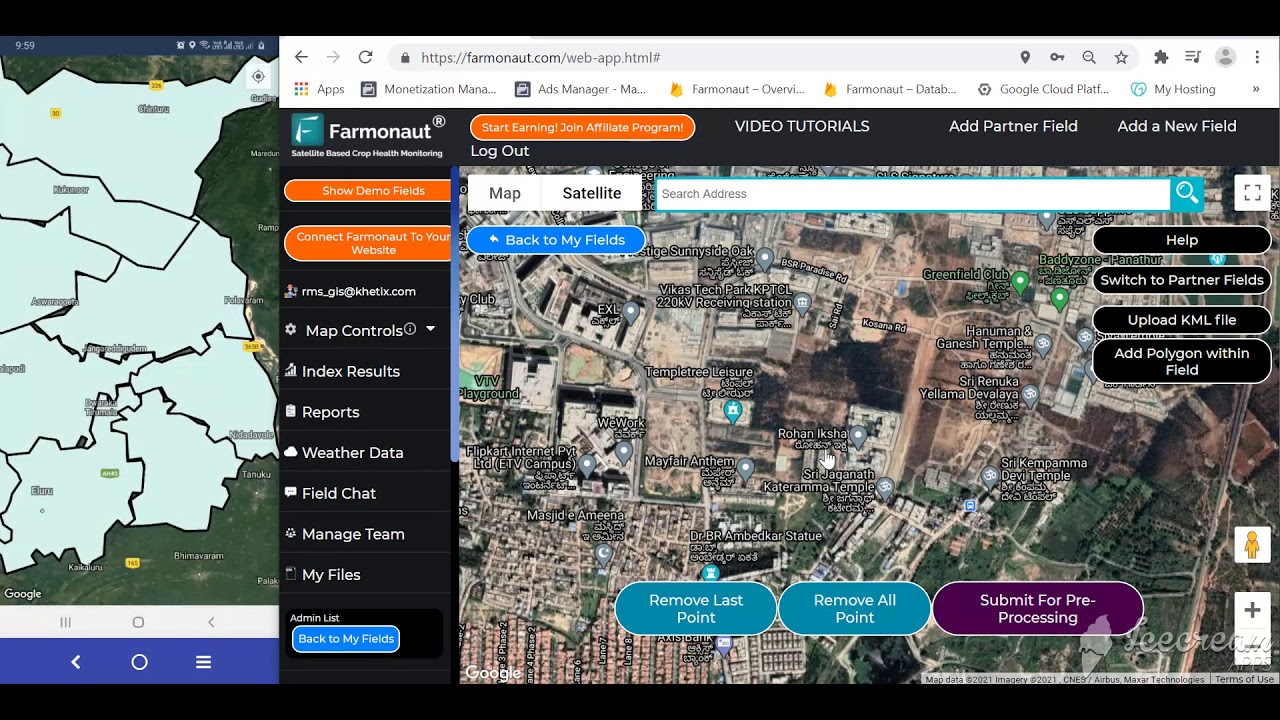
All of this is accessible via web and mobile:




Comparative Table: Conventional Strip Mining vs. Sustainable Strip Mining Practices (2025)

Reclamation and Land Restoration: Returning Productivity
Land reclamation is an integral part of the best practices for strip mining in 2025. With progressive techniques, areas previously disrupted by mining can be returned to agricultural use, forested for biodiversity, or transformed into valuable new landscapes.
- Soil Replacement and Regrading: Displaced soil is carefully returned and shaped to match natural contours, facilitating water drainage and vegetation regrowth.
- Native Vegetation: Replanting with native species prevents erosion, restores habitats, and accelerates ecological succession.
- Monitoring Restoration Progress: With satellite-based tools, such as those we offer at Farmonaut, the pace and success of land recovery is continually tracked, providing critical feedback for ongoing improvement.

Environmental Stewardship and Community Involvement
Sustainable strip mining in 2025 hinges on protecting ecosystems and engaging communities:
- Biodiversity Preservation: Implementing wildlife corridors, buffer zones, and minimizing the horizontal area of disturbance helps retain local species and natural balance.
- Air and Water Quality: Continuous monitoring ensures dust, emissions, and runoff are kept within safe limits for nearby community health.
- Community Dialogue: Regular meetings, transparent environmental reporting, and post-mining development planning support long-term benefits for local populations.
Strip Mining and Water Management
Water management is central to sustainable strip mining, ensuring both operational efficiency and environmental protection.
- Runoff Control: Grading, drainage ditches, and detention basins prevent sediment-laden runoff from entering rivers or agricultural irrigation systems.
- Contaminant Reduction: Techniques such as settling ponds and constructed wetlands, alongside ongoing water quality monitoring, prevent pollution of downstream water supplies.
- Data-Driven Water Use: Integrating platforms like Farmonaut’s real-time monitoring supports strategic water management for both extraction and reclamation activities.
Strip Mining and Meeting Global Demands
The ongoing need for agricultural fertilizers (especially phosphate), resource-intensive construction, and industrial production means that strip mining remains a vital component of global resource strategies. Sustainable extraction is not just about compliance—it’s about balancing the demands of human progress with the preservation of ecosystems for future generations.
Future Trends: Strip Mining in 2025 and Beyond
As we advance into and beyond 2025, key trends will continue to shape the sector:
- Smart Extraction: AI and satellite-guided extraction platforms will further improve both efficiency and environmental protection as machine learning becomes standard.
- Greater Transparency: Widespread use of blockchain-based traceability solutions (like those offered by Farmonaut) will ensure compliance and build public trust for mining operations.
- Increased Electrification: The shift towards electric and hybrid excavation machinery will reduce emissions, create safer workspaces, and aid in meeting global climate goals.
- Integrated Land Use: Mining sites will increasingly be planned with future agricultural or conservation use in mind, supporting long-term productivity and community prosperity.
How Farmonaut Powers Excellence in Strip Mining
As thought leaders in satellite technology, we at Farmonaut deliver end-to-end solutions for modern strip mining, helping operators:
- Remotely monitor site progress, disturbance, and rehabilitation in near real-time
- Access robust AI-powered advisory for safe, sustainable operations
- Manage vehicle and equipment fleets for higher efficiency and safety
- Utilize blockchain for resource traceability
- Leverage developer APIs for custom analytics and integrations—see our API documentation
From surface mining to land reclamation, our robust platform is trusted by businesses, governments, and institutions seeking to execute projects sustainably in 2025 and beyond.
Frequently Asked Questions (FAQ) – Benefits of Strip Mining & Best Practices 2025
1. What are the main benefits of strip mining in 2025?
The main benefits of strip mining include high efficiency in accessing near-surface mineral deposits, lower operational costs, improved worker safety, and the ability to reclaim land for future agricultural or biodiversity use using sustainable practices.
2. How is strip mining made environmentally sustainable?
Through methods such as progressive reclamation, real-time remote monitoring, strict pollution controls, advanced water management, and strong engagement with local communities, the environmental impact can be significantly minimized.
3. What minerals are most commonly extracted using strip mining?
Strip mining is primarily used for coal, phosphate rock, limestone, and certain industrial minerals that occur in shallow, horizontal seams.
4. What is progressive reclamation?
It involves restoring sections of land immediately as mining in those areas is completed—rather than waiting for the entire operation to end—thereby minimizing erosion and speeding up recovery of fertile soil and ecosystems.
5. How does Farmonaut assist strip mining operators in 2025?
We empower mining companies and regulators with satellite-based monitoring, AI-driven advisory, blockchain for traceability, and fleet management tools. These enable best-practice adoption, optimize resource extraction, and support progressive rehabilitation.
Conclusion: Unlocking the Benefits of Strip Mining with Sustainable Innovation in 2025
Strip mining remains indispensable for extracting resources vital to agriculture, infrastructure, and industrial development. Properly managed, its unique benefits—cost-efficiency, access to shallow mineral deposits, and improved safety—can be leveraged to meet global demands in 2025 and beyond. The evolving landscape of regulatory standards, environmental awareness, and digital innovation now mandates the adoption of best practices that make extraction not only more efficient but also responsible and future-proof.
By integrating technology, community engagement, and robust environmental stewardship, strip mining can actively contribute to sustainable development goals—protecting ecosystems, replenishing fertile land, and securing a steady flow of essential minerals for future generations.
Ready to take your strip mining operations to the next level? Explore how Farmonaut can help you monitor, track, analyze, and optimize your resource extraction and land management in 2025.
Learn more about Farmonaut’s Carbon Footprinting solutions for mining and agriculture.
Farmonaut Subscriptions and Resources
For businesses, governments, and individual users seeking affordable, scalable access to premium satellite monitoring and AI-driven advisory tools across the globe, refer to our pricing options below:
Discussion
Questions, corrections or field experience? Share them below. First-time comments are reviewed before they appear, and your email is never published.
No comments yet. Be the first to add a question or your experience.

 WSP Investment Company
 Dalgety Minerals Pty Ltd
 Vortex Minerals Pty Ltd
 Faith At Work (Pty) Ltd
 Geotech Mining Solutions plc
 Vulcan International Limited
 Kidepo Associates
 GKY Mining
 Alkimy SARL
 Double A Trading
 GemSprout Metals Limited
 Qader Group
 Ileys General Trading
 SG Gold Mining LLC
 VRV Global Pte Ltd
 Omsri International FZE
 G.I.T.T.
 Jaunita Erss Ltd
 Almosi SARL
 SRK Consulting
 Berks Gold Limited
 Mwerezi Minerals Company Limited
 Mining SARL
