

Chemicals Used in Gold Mining: Top Cyanide Mining Trends Shaping 2025
“Over 75% of global gold is extracted using cyanide-based processes, raising significant environmental concerns worldwide.”
Table of Contents
- Gold Mining Industry: A 2025 Overview
- Chemical Processes in Gold Mining: From Ore to Recovery
- Main Chemicals Used in Gold Mining: Cyanide, Mercury, and Beyond
- Cyanide Gold Mining Trends & Risks in 2025
- Environmental and Health Concerns of Cyanide Mining
- Chemical Innovations & Safer Gold Extraction in 2025
- Satellite, AI & Real-Time Monitoring in Modern Mining
- Comparative Table: Chemicals in Gold Mining & 2025 Innovation
- Sustainability Frameworks & Community Engagement
- How Farmonaut Empowers Mining Oversight & Resource Management
- FAQs: Chemicals Used in Gold Mining & Cyanide Mining Practices
- Conclusion: A Safer and More Sustainable Gold Mining Industry
Gold Mining Industry: A 2025 Overview
Gold mining remains one of the most vital and impactful industries globally. It contributes to economic development, formation of national investment portfolios, and spurs technological advancement in resource extraction and processing. However, the process of extracting gold from ore is far from straightforward. It often involves the use of hazardous chemicals that play a critical role in separating gold from rock.
In 2025, the global gold mining industry is not only focused on maximizing recovery rates but also on minimizing environmental and health risks associated with chemicals used in gold mining. Stringent regulatory frameworks, advances in monitoring, and a drive toward sustainability are reshaping practices worldwide. Let’s delve deeper into the pivotal chemical processes, cyanide mining trends, and the innovative shift toward safer extraction techniques.

Chemical Processes in Gold Mining: From Ore to Recovery
Why Chemicals Remain Critical in Gold Extraction
Gold is rarely found in pure form in nature; it’s usually embedded within rock formations as part of mineral ores. The extraction process, therefore, requires advanced mineral processing techniques that focus on separating valuable gold particles from host materials.
Key Steps in Gold Extraction:
- Crushing & Grinding: Breaking up ore-bearing rock into smaller materials.
- Leaching: Treating ore with a dilute chemical solution — predominantly cyanide — to dissolve and mobilize gold, forming a complex.
- Separation: Gold-cyanide complex is recovered via adsorption onto activated carbon or zinc precipitation.
- Refining: Final extraction and purification to yield high-purity gold.
Among the many gold mining chemicals in use, cyanide compounds dominate globally, due to their high efficacy in recovery and ability to extract even fine gold particles. Yet, this dominance is coupled with heightened risks and growing calls for safer practices in the wake of environmental and health concerns.

Main Chemicals Used in Gold Mining: Cyanide, Mercury, and Emerging Alternatives
Focus Keyword: Chemicals Used in Gold Mining
The choice and usage of gold mining chemicals directly influence environmental outcomes, operational efficiency, and technological advancement across the industry. Here are the principal compounds making an impact:
-
Cyanide (NaCN, KCN):
- The industry standard in leaching processes, dissolving gold from crushed ore to form a soluble gold-cyanide complex.
- Accounts for approximately 85-90% of global gold extraction.
- Extremely toxic; a small amount can lead to catastrophic effects on ecosystems and communities if improperly handled.
-
Mercury (Hg):
- Still used in artisanal and small-scale mining because of its ability to form amalgams with gold.
- Poses severe health risks and bioaccumulation concerns; now banned or heavily regulated in most large-scale operations.
-
Lime (Calcium Hydroxide):
- Added to cyanidation to control pH levels, preventing the formation of toxic hydrogen cyanide gas.
-
Other Agents:
- Thiosulfate, thiourea, glycine, and halide-based reagents represent rising alternatives being experimented with in 2025 to lower toxicity.
The 2025 landscape is marked by a shift to innovative reagents and chemical management strategies that seek to balance recovery efficiency with sustainability.

Cyanide Gold Mining Trends & Risks in 2025
Why Cyanide Dominates Gold Extraction
Cyanide gold mining remains the predominant method due to cyanide’s efficacy at dissolving and recovering gold, even from low-grade ores with minute gold concentrations. Yet, 2025 sees a stronger focus on mitigating the risks associated with cyanide mining:
-
Usage Trends:
- Chemical usage optimization driven by digital process controls and stricter regulatory frameworks.
- On-site detoxification solutions deployed industry-wide to reduce toxicity of tailings before discharge.
- By 2025, innovative gold extraction methods are projected to reduce cyanide use in mining by up to 30%.
-
Common Risks & Incidents:
- Accidental spills and improper storage have led to high-profile disasters, contaminating water bodies, soils, and threatening aquatic life.
- Hydraulic failures or severe weather can cause cyanide-laced tailings to reach surrounding communities and ecosystems.
-
Key Innovation Focus:
- Strong push toward automation, leak detection, and real-time monitoring to spot and contain spills instantly.
- Continued research into less toxic leaching reagents to replace cyanide in the future.
Cyanide mining trends are thus tightly linked to environmental performance, social license to operate, and public sentiment toward the industry.

Environmental and Health Concerns: Cyanide & Gold Mining Chemicals
Understanding the Impact on Ecosystems and Communities
The use of hazardous chemicals in gold mining is a long-standing source of controversy because of their potential to inflict lasting environmental and health risks. Cyanide remains at the center of these debates, though other toxic compounds, such as mercury and heavy metals, are implicated in various processes. Let’s analyze the main areas of concern:
-
Direct Toxicity:
- Cyanide, even in dilute solution, is highly toxic to aquatic life. A single accidental spill can cause catastrophic mortality events in rivers or lakes.
- Mercury vapor or compounds mobilized during mining operations pose neurological threats to local and distant communities.
-
Bioaccumulation & Chronic Effects:
- Prolonged exposure to cyanide or mercury can enter the food chain, accumulating in fish, invertebrates, and humans.
- Heavy metals mobilized in mining processes can linger in soils and water for years, compounding overall toxicity.
-
Hydrogen Cyanide Gas Formation:
- If pH is not carefully controlled, hydrogen cyanide gas can form, presenting acute risks to worker safety.
-
Waste & Tailings Disposal:
- Inadequate detoxification or improper tailings pond management leads to chemical migration into groundwater or surface waters, damaging surrounding ecosystems.
Governments have responded with regulatory mandates, such as the International Cyanide Management Code (ICMC), which prescribes best practices for use, storage, and disposal of cyanide and other gold mining chemicals.
“By 2025, innovative gold extraction methods are projected to reduce cyanide use in mining by up to 30%.”

Chemical Innovations & Safer Gold Extraction Technologies in 2025
Advancements Shaping the Future of Cyanide Mining
Chemical innovations in 2025 are reshaping gold mining toward safer, more sustainable, and efficient methods. Here’s how the landscape is evolving:
-
Deploying Alternative Reagents:
- Thiosulfate Leaching: A proven cyanide-free option—suitable for certain ores (notably carbonaceous)—with growing industrial interest due to lower toxicity. (Learn more about traceability and responsible chemical usage on our product traceability platform.)
- Glycine Gold Leaching: Environmentally benign, gaining ground in some regions—though scalability challenges remain for widespread adoption in 2025.
- Enzyme/Bacterial Bioremediation: Engineered biological agents accelerate the decomposition of residual cyanide, reducing the environmental risk of waste tailings.
-
Advanced Containment & Detoxification:
- Next-generation cyanide detoxification technologies—including hydrogen peroxide, SO2/air, Caro’s acid, and biotechnological solutions—are standardizing the effective neutralization of chemicals before disposal.
-
Sensor & Monitoring Technology:
- Networked sensors and AI-based platforms enable 24/7 measurement of cyanide levels in processing circuits, ponds, and effluent discharge points, allowing immediate intervention in case of abnormal readings. Real-time monitoring is crucial to prevent accidental spills and ensure compliance.
-
Automated Process Control:
- Automation significantly reduces human error in chemical dosing, pH balancing, and reagent handling, improving both environmental and worker safety.
-
Blockchain-based Supply Chain Traceability:
- Some operations adopt blockchain platforms to trace chemical usage throughout the extraction and refining chain. This boosts transparency, builds trust, and helps satisfy ESG demands from investors, governments, and consumers.
With growing scrutiny over chemical usage, the gold sector’s future remains tied to innovation—where efficacy meets safety, and economic performance aligns with the health of communities and ecosystems.
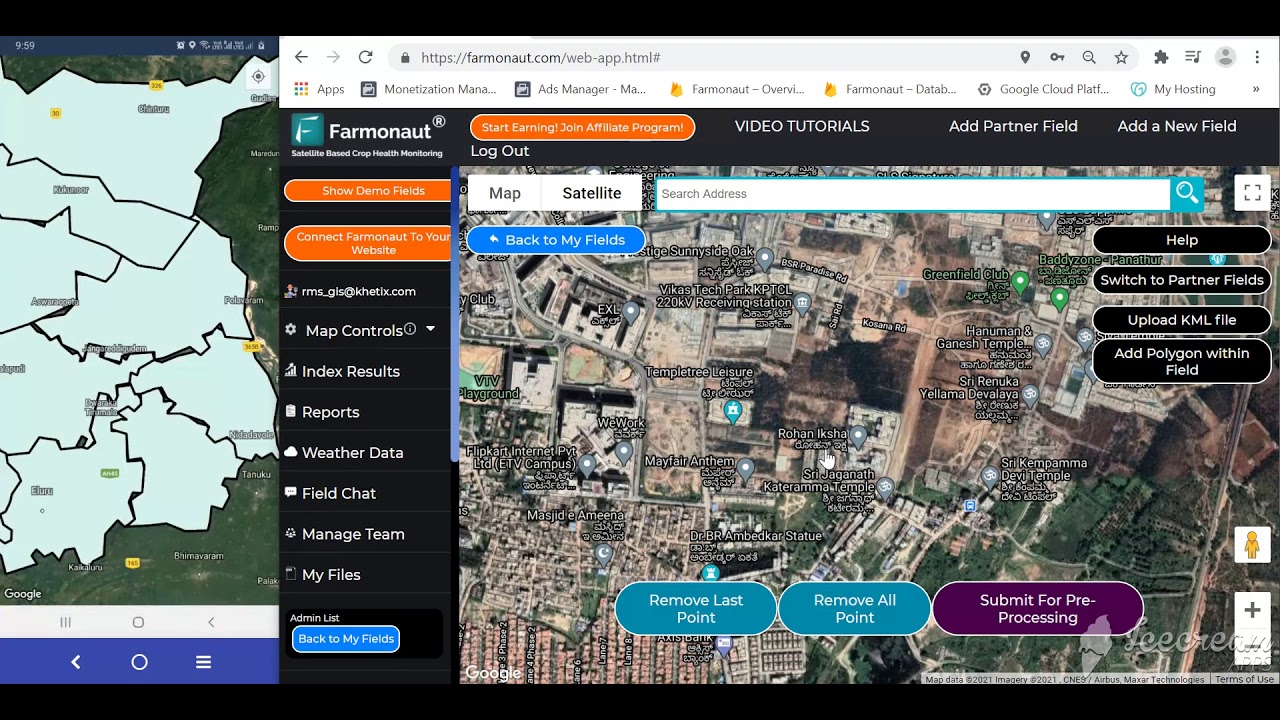
Satellite, AI & Real-Time Monitoring: The Technological Backbone of Safer Mining
Leveraging Data & Innovation for Environmental Protection
The widespread use of chemicals in gold mining demands robust monitoring — both for compliance and proactive risk management. Here’s how 2025 technologies are transforming the sector:
-
Satellite-Based Surveillance:
- Advanced multispectral satellites can detect chemical spills, monitor vegetation health downstream, and hedge against illegal or improper chemical usage.
- Far beyond simple imagery, modern systems allow real-time monitoring of environmental impact — enhancing both industry oversight and community assurance.
-
AI-Driven Analysis:
- Machine learning platforms process vast sensor arrays—correlating chemical concentrations with realtime environmental feedback.
- AI also assists in mineral processing optimization, reducing chemical overdosing while improving gold recovery rates.
-
API Integration for Custom Monitoring:
- Integration of flexible APIs enables companies to customize their chemical tracking, environmental compliance, and decision-making systems for maximal operational efficiency and real-time data access.
- Detailed developer documentation can be found here.
Digital platforms essentially become a safety net for responsible chemical management across the full lifecycle of extraction, ensuring continuous alignment with evolving regulations and ethical expectations.

Comparative Table: Chemicals in Gold Mining & 2025 Innovation Drivers




Sustainability Frameworks & Community Engagement in Gold Mining Operations
2025’s leading gold mining companies are embedding sustainability and chemical management directly into their environmental, social, and governance (ESG) frameworks. Here’s how these frameworks help minimize risks and maximize societal value:
-
Transparent Chemical Reporting:
- Mining operators issue public disclosures on chemical usage, spill events, and risk management strategies.
-
Community Consultation:
- Regular engagement with local communities ensures risks from cyanide and other chemicals are clearly communicated.
- Emergency response training provided to residents in case of chemical incidents.
-
Investment in Land Reclamation & Biodiversity:
- Gold mining’s environmental legacy is mitigated through restoration projects, native vegetation replanting, and soil stabilization.
-
Blockchain Traceability:
- Offers an immutable record of responsible chemical sourcing and usage—supporting both regulatory compliance and consumer confidence.
- Tap into the benefits of traceability platforms to enhance transparency in chemical management.
-
Compliance with International Codes:
- Strict adherence to the ICMC and similar frameworks is now expected for all major operations, with third-party verification processes in place.
The drive to align economic value with social well-being ensures that gold’s allure does not come at the cost of health or ecological disaster.
How Farmonaut Empowers Gold Mining Oversight and Resource Management (2025)
We at Farmonaut are committed to supporting sustainable, data-driven chemical management in mining. Leveraging satellite, AI, and blockchain, our platform enables robust oversight of chemical usage, environmental monitoring, and digital reporting solutions for the gold extraction sector.
- Satellite-Based Monitoring: With multispectral imaging, mining companies can track vegetation health, detect chemical spills, and gain visibility of operations in previously inaccessible locations.
- Real-Time Environmental Impact Tracking: Our carbon footprint monitoring (learn more) allows users to quantify their climate impact, while NDVI and soil mapping features provide critical ecological insights.
- AI-Powered Advisory and Alerts: With the Jeevn AI Advisory System, users receive tailored operational recommendations based on up-to-the-minute satellite data—improving chemical dosing, compliance, and overall process efficiencies.
- Blockchain Traceability & Transparency: Our blockchain-driven modules secure the traceability of chemicals, detect irregularities in mining supply chains, and ensure responsible sourcing.
- Fleet and Resource Management: Through our resource management portal, mining operators optimize vehicle and equipment deployment, reducing operational costs and enhancing safety.
- API and App Integration: Farmonaut platforms are available via web, Android, and iOS, making critical insights accessible on any device, at any scale.
Our large-scale management tools empower both individual users and businesses to seamlessly monitor and analyze field-level data, enabling rapid action and regulatory compliance in dynamic mining environments.
Discover how satellite verification simplifies crop loan and mining insurance processes
– reducing fraud, improving access to finance, and streamlining regulatory compliance.
FAQs: Chemicals Used in Gold Mining & Cyanide Mining Practices
What are the main chemicals used in gold mining?
The most widely used chemicals in gold mining are cyanide compounds (predominantly sodium cyanide and potassium cyanide) due to their high efficacy in gold leaching. Other common chemicals include lime (calcium hydroxide) for pH control and, to a lesser degree, mercury (mainly in artisanal mining). Emerging alternatives like thiosulfate and glycine are being explored to mitigate environmental risks.
How those alternatives measure up is covered in a cyanide and thiosulfate comparison of recovery performance and risk.
Why does cyanide remain the dominant gold extraction chemical?
Cyanide’s chemical properties allow it to dissolve gold efficiently from crushed ore, providing high recovery rates even from low-grade materials. Its process familiarity, relative cost-effectiveness, and proven efficacy make it the standard, despite environmental and health risks.
What are the main environmental and health risks of cyanide mining?
Major risks include acute toxicity to aquatic life, accidental spills contaminating water bodies, hydrogen cyanide gas formation (if pH is not controlled), and long-term bioaccumulation concerns in ecosystems and human communities. Mercury use leads to neurotoxic impacts and persistent environmental contamination.
How is the gold mining industry improving chemical safety in 2025?
- Deployment of alternative, less toxic leaching agents such as thiosulfate.
- Widespread use of real-time sensors and AI-based process controls for immediate leak/spill detection.
- Implementation of automated detoxification processes and more detailed ESG reporting frameworks.
- Increasing adoption of blockchain traceability systems for complete chemical lifecycle transparency.
What role does Farmonaut play in supporting safer gold mining practices?
We offer a suite of satellite, AI, and data management tools to monitor mining operations in real time, identify environmental risks quickly, and ensure chemical usage remains within safe and sustainable limits. Our platforms empower mining operators, regulators, and communities with actionable data for better chemical management and compliance.
Conclusion: A Safer and More Sustainable Gold Mining Industry
The use of chemicals in gold mining—especially cyanide compounds—remains central to gold extraction as we move into 2025. While this method delivers industry-leading efficacy in recovery, it is accompanied by significant environmental and health risks. Ongoing research, technological advancement, and new regulatory frameworks are driving a pivotal shift—prioritizing safer practices, robust monitoring, and more transparent chemical management.
The gold mining sector’s ability to balance economic success with environmental responsibility is underpinned by both innovative chemistry and state-of-the-art digital tracking solutions. As the industry undergoes its next transformation, comprehensive digital platforms—like those offered by Farmonaut—will ensure that extraction practices protect not only economic value, but the ecosystems and communities intertwined with gold’s enduring legacy.

 Swati Minerals
 Faith At Work (Pty) Ltd
 Geotech Mining Solutions plc
 Vulcan International Limited
 Kidepo Associates
 GKY Mining
 Alkimy SARL
 Double A Trading
 GemSprout Metals Limited
 Qader Group
 Ileys General Trading
 SG Gold Mining LLC
 VRV Global Pte Ltd
 Omsri International FZE
 G.I.T.T.
 Jaunita Erss Ltd
 Almosi SARL
 SRK Consulting
 Berks Gold Limited
 Mwerezi Minerals Company Limited
 Mining SARL
 SenGold Invest SAS
