

Buying a copper mine · Buyer's guide
Copper Mine for Sale: Where to Look and What to Check
Copper properties are advertised on listing sites, in company filings and in insolvency sales. Convert any asking price to US$ per recoverable tonne, then check title, permits, liabilities and who signed the resource number.
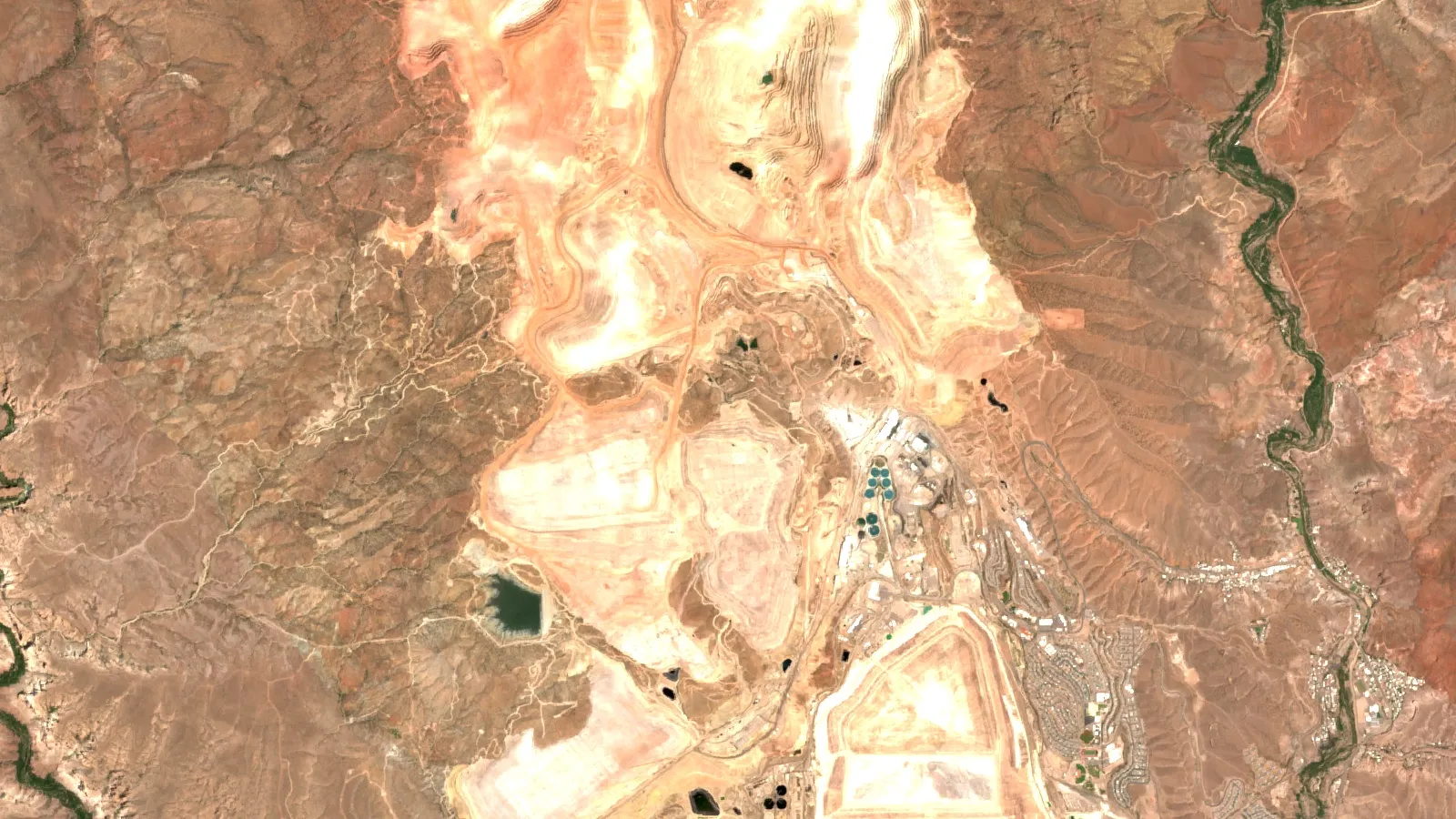
Key takeaways
- Recent closed copper deals: Harmony paid US$1.01 billion equity value for MAC Copper (24 October 2025); CoreX paid US$465 million, US$225 million of it contingent, for BHP’s Carajas assets (2 April 2026).
- SRK counted 25 copper deals, about 19% of 130 documented mining deals from 2020 to 2025, with more than US$90 billion disclosed (SRK, February 2026).
- LME three-month copper traded near US$14,089 a tonne on 22 October 2026, about US$6.39 a pound (Reuters via Kitco).
- World copper reserves are 980 million tonnes; Chile holds 180 million, Australia 100 million, the US 47 million (USGS, 2026).
- Holding a US lode claim costs US$200 a year in BLM maintenance fees; transferring one costs US$15 per claim per transferee (BLM schedule, February 2026).
In this article
- Where to find a copper mine for sale
- What kinds of copper asset are actually for sale
- What copper mines sell for: recent deals
- Turn an asking price into a price per tonne of copper
- Which countries hold the copper, and where output is moving
- What to check before you buy a copper mine
- Resource numbers: historical estimates and inferred tonnes
- Buying a US copper claim: fees and transfer
- Deal structures: outright purchase, option and earn-in
- Screening the ground from space before you pay
- Copper mine purchase in eight steps
- Frequently asked questions
A copper mine for sale is usually one of four things: an operating mine sold by a major or a bankrupt estate, a closed mine in care and maintenance, a development project with a resource estimate, or a package of claims with old drilling. Listings sites show mostly the last two, so a small buyer should expect a historical resource and a licence, not a working plant. Whatever you find, three checks decide whether the price is sensible: who holds clear title and permits, whether the tonnes and grade come from a qualified person, and what the asking price works out to per tonne of copper you could actually recover.
This guide is for licence and claim owners, consultants and investors who are looking at a purchase. It lists where assets are advertised, what recent deals closed at, how to convert an asking price into a comparable number, and the checks to run before you sign. It is general information, not legal or investment advice.
Where to find a copper mine for sale
There is no single register of mines on the market, so buyers combine several channels. Each has a different type of seller and a different level of detail.
- Listing marketplaces. MineListings.com describes itself as a global marketplace for mining properties, claims and equipment, operating since 2009. On 5 November 2026 its featured copper entries included a Montana copper-silver project quoting a historical resource of 1,000,000 tons at 1.2% copper, a historic Arizona underground gold-copper project with 28 lode claims, and a high-grade copper-silver property in Ontario with historical samples up to 19.9% copper. These are seller descriptions, not verified estimates.
- Company news and filings. Listed juniors and majors announce disposals through stock exchange filings, such as SEDAR+ in Canada, EDGAR in the United States and the ASX announcements platform in Australia. Divestments of non-core mines are often announced here.
- Insolvency and receivership sales. When a producer fails, the court-appointed administrator runs a sale process with a data room and a bid deadline. The buyer may inherit permit and closure obligations unless the sale order says otherwise, so read the order and the permits before you bid.
- Brokers and advisers. Mining-focused M&A advisers and regional brokers market assets that sellers want to keep quiet. Ask for a written mandate and a fee schedule before you share your financial position.
- Direct approaches. Many claims and small licences never reach a listing. Staking and title records at the regulator show who holds ground; the owner can be contacted directly. If you are on the other side of the table, see our guide on how to sell a mine for how sellers prepare.
What kinds of copper asset are actually for sale
The label “mine” covers very different risk levels. Sort every lead into one of these groups before you compare prices, because a price per tonne only makes sense within a group.
| Asset type | What you get | Main risk |
|---|---|---|
| Operating mine | Plant, workforce, permits, cash flow | Price reflects the copper market and debt; closure liabilities come with it |
| Care and maintenance | Infrastructure and permits, no production | Restart cost, pit or shaft condition, water, power and permits that lapse |
| Development project | Resource, studies, often a draft permit | Study quality, financing, community and permitting timelines |
| Exploration claims | Ground, historical drilling, maps | No reserve; old numbers may not be reproducible |
For readers with a small budget, the last row is where most advertised ground sits. Our overview of where copper is found explains the ore types you will see in listings, such as porphyry, sediment-hosted and volcanic-hosted deposits.
What copper mines sell for: recent deals
Large transactions give a reality check on pricing, even if your target is much smaller. In its review of 130 documented mining deals from 2020 to 2025, SRK Consulting counted 25 copper deals, about 19% of the database, with more than US$90 billion in disclosed value (February 2026). SRK notes that many deals do not disclose a value, so the totals cover disclosed deals only.
Chart
Copper price, annual average
COMEX high-grade, first position, US$ per pound
Three recent closed purchases of copper mines show how structures differ:
| Deal | Closed | Asset | Disclosed terms |
|---|---|---|---|
| Harmony Gold buys MAC Copper | 24 October 2025 | CSA copper mine, New South Wales | US$12.25 a share, equity value of US$1.01 billion (Mining Technology) |
| Rio2 buys 99.1% of Condestable from Southern Peaks Mining | 30 January 2026 | Condestable mine, Peru, target of about 27,000 t copper equivalent a year | US$55 million secured note and US$10 million subordinated note to the seller, alongside a C$191.1 million equity raise (Crux Investor) |
| CoreX Holding buys BHP’s Carajas assets | 2 April 2026 | Operating underground mine, plant and about 1,800 km² of exploration ground, Brazil | US$465 million: US$240 million at closing and US$225 million contingent (SMM) |
Notice how much of the Carajas price is contingent, and Condestable was part-paid with vendor notes. The headline number is rarely the cash a seller receives on day one. When you compare an asking price with a deal, count only the payments that are certain and note the dates of the rest.
Copper itself set the backdrop. On 22 October 2026 the three-month LME copper price traded near US$14,089 per tonne, about US$6.39 per pound, after touching a five-week low, while LME warehouse stocks had risen to 272,950 tonnes (Reuters via Kitco). The USGS records the annual average COMEX price rising from 385.7 cents per pound in 2023 to an estimated 480 cents in 2025, as the chart shows. Prices move daily, so use today’s quote when you run your own numbers.
Turn an asking price into a price per tonne of copper
Sellers quote prices in many ways: a lump sum, a price per claim, or a price per share. To compare, convert the ask to dollars per recoverable tonne of copper. The steps are simple.
- Contained copper (tonnes) = ore tonnes x grade % / 100.
- Recoverable copper = contained copper x metallurgical recovery %. Recovery depends on the ore type and process route, so ask for metallurgical test work.
- Ask per recoverable tonne = asking price / recoverable tonnes.
- Compare with the metal price: one tonne is 2,204.62 pounds, so a US$6 per pound price is about US$13,228 per tonne.
The calculator below does this with your own inputs. The in-ground value it shows is a gross figure before mining, processing, royalties, tax and capital cost, so it is a ceiling for comparison and not a valuation. For margins by metal, see mining profitability and all-in sustaining cost.
Calculator
What is the asking price per tonne of recoverable copper?
Enter the seller’s tonnes and grade and your own recovery guess.
- Contained copper (tonnes): 40,000
- Recoverable copper (tonnes): 34,000
- Gross in-ground value at your price (US$): $449,742,480
- Asking price as share of gross value (%): 4.4
Example values only, not a benchmark or valuation. Copper price is an input: example, use today’s price. In-ground value is gross, before mining, processing, royalties, tax and capital cost. 1 tonne = 2,204.62 lb.
Which countries hold the copper, and where output is moving
Where the mine sits drives permitting, tax and sale rules. The USGS Mineral Commodity Summaries put world copper reserves at 980 million tonnes (980,000 thousand tonnes), with Chile holding 180 million, Australia 100 million and Peru 85 million. The United States holds 47 million tonnes. US mine output was an estimated 1.0 million tonnes in 2025, about 70% of it from Arizona, from 26 mines (USGS, 2026).
Chart
Mine output is moving between countries
Copper mine production, thousand tonnes, selected countries (eight largest in 2024)
Chart
World copper reserves by country
Million tonnes of contained copper, eight countries with the largest reserves (world total 980)
Production is shifting too. The USGS estimates Indonesian output fell from 1,010 to 710 thousand tonnes between 2024 and 2025, while the DRC rose from 2,990 to 3,200 and Russia from 1,020 to 1,300. Ask why output moved in any country you target: a fall may reflect export rules, closures or weaker grades, and a rise may mean more buyers chasing the same assets. Our table of the largest copper producers shows who the likely counterparties are.
▶ Explains why electric vehicles need more copper and where the metal is mined. · 6:03
What to check before you buy a copper mine
Title and permits
Confirm in the official register who holds the tenure, when it expires, and whether any royalty, lien, option or stream is registered against it. Check that the mining licence can be transferred; in many countries the regulator or minister must approve a change of control or an assignment, so make that approval a condition of closing. For an overview of concession rules, read what a mining concession is.
Environmental and closure liabilities
Copper mines carry tailings, waste rock, acid drainage and water-treatment obligations. Ask for the approved closure plan, the financial assurance held, and any notices from regulators. A cheap price on a closed mine can hide a large cleanup bill.
Technical data
Ask for assay certificates, drill logs, survey control, the block model and any metallurgical test work. Have an independent geologist visit and take check samples. For exploration ground, request the raw drilling and geophysics so that your own consultant can rebuild the interpretation.
Infrastructure and costs
Power, water, road or rail access, camp and a labour pool determine the capital needed to restart. Compare the cost per tonne milled with the grade: a low-grade deposit with high cost per tonne can fail even when the copper price is strong.
Resource numbers: historical estimates and inferred tonnes
Many advertised copper properties quote an old resource. In Canada, NI 43-101 section 2.4 lets an issuer repeat a historical estimate only if it names the source and date, comments on its relevance and reliability, says whether it uses non-standard categories, and includes any newer data (Ontario Securities Commission text). Private listings do not need to follow that rule, so treat any number without a source and date as a lead, not a fact.
Know the categories. Under the CIM definition standards, an inferred resource rests on limited sampling, has the lowest confidence and may not be included in the economic analysis of a pre-feasibility or feasibility study. Indicated and measured resources have more drilling behind them. A price built on inferred tonnes needs a discount.
In the United States, Regulation S-K subpart 1300 requires mining disclosure by SEC registrants to rest on a qualified person with at least five years of relevant experience, and a dated, signed technical report summary when resources or reserves are first reported (SEC small entity compliance guide). That applies to public filers; a private seller has no such duty, so ask for the same standard by contract.
Buying a US copper claim: fees and transfer
An unpatented US claim is real property that can be bought and sold even though the federal government holds the land title. The Bureau of Land Management explains that a transfer is effective under state law, and that you file a quitclaim deed or similar document with the BLM state office so the agency treats you as the owner of record (BLM, Transfers of Interest).
The BLM fee schedule updated in February 2026 lists a US$200 annual maintenance fee per lode claim, a US$49 location fee and a US$25 processing fee for new lode claims (US$274 in total), and a US$15 transfer fee per claim per transferee (BLM, mining claim fees). BLM’s 2027 mining packet (March 2026) shows the same US$200 maintenance, US$49 location and US$25 processing fees for the assessment year that began 1 September 2026, but fees can be adjusted, so confirm the current amounts. A 28-claim block therefore costs about US$5,600 a year to hold at the stated maintenance fee, before any state fees or work.
Ask the seller for the location notices, proof that every annual fee was paid, and a check of the BLM record for each claim serial number. To match a claim to its mineral system, see our guide to ore deposit types.
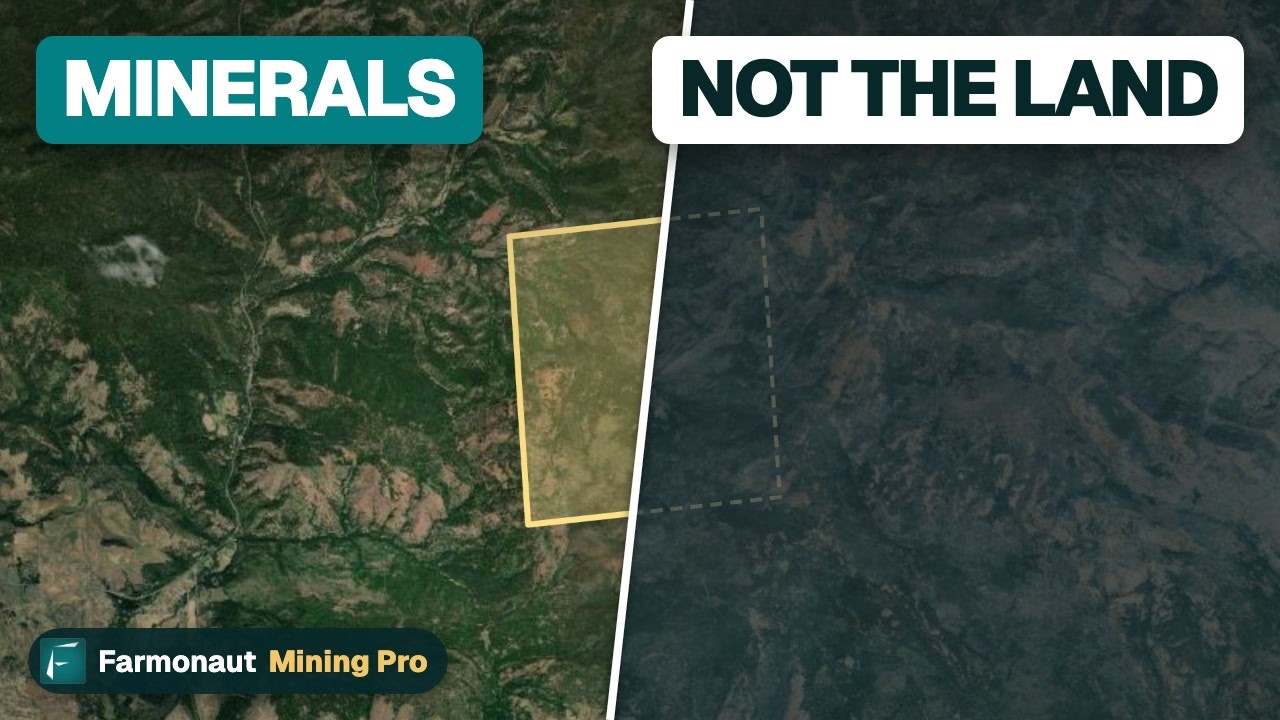
▶ Explains that a US claim gives mineral rights, not title to the land, and how to check ground first. · 3:19
Deal structures: outright purchase, option and earn-in
You do not have to pay the full price on day one. Buyers of exploration ground often use an option: small cash payments and work commitments over several years, with the right, not the duty, to complete the purchase. An earn-in lets a partner earn a percentage by spending money on the project. A purchase with a retained royalty reduces the upfront price by giving the seller a share of future revenue.
Chart
What kinds of mining deals get done
Number of deals by type, 2020 to 2025 (128 of 130 documented deals shown; 2 divestitures omitted)
Whole-company purchases dominate by count in public data. SRK’s database shows 55 corporate acquisitions, 25 asset or project sales, 25 streaming or royalty deals and 10 farm-ins or earn-ins among 130 deals. If you buy shares rather than the asset, you also take on every historical liability of the company; an asset purchase leaves liabilities behind but may need new permits.
Screening the ground from space before you pay
Satellite data cannot replace drilling or a resource estimate, but it is a low-cost way to test a seller’s story before due diligence. Multispectral and hyperspectral imagery can flag alteration zones, faults and fractures and other patterns linked to mineralisation across a licence area before a field team goes out. Farmonaut offers satellite mineral screening of a licence area as a service, which a buyer can order on a target block before spending on a site visit. Results are exploration targets, not a resource estimate.
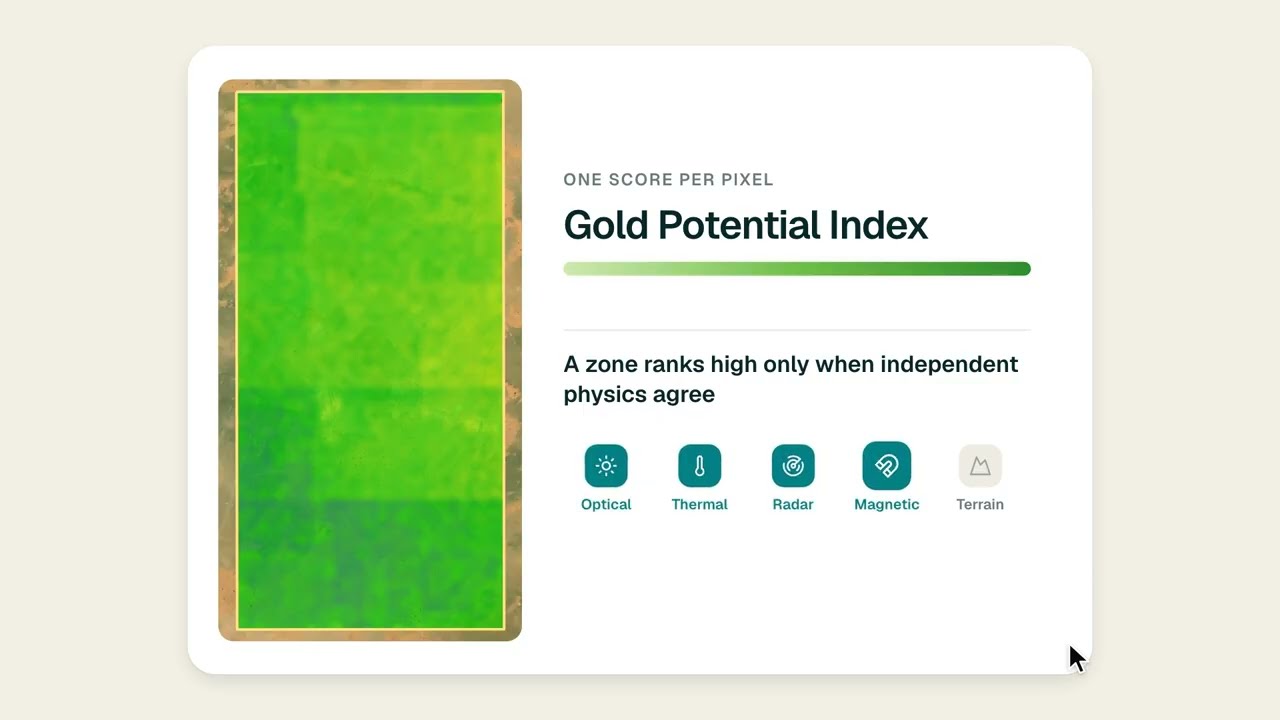
▶ Shows how Farmonaut Mining Pro screens a licence area from satellite data before drilling. · 1:46
Copper mine purchase in eight steps
- Define the budget, jurisdiction and asset type you can operate or finance.
- Search listings, filings and registers for candidates.
- Sign a confidentiality agreement and request the data room.
- Convert each asking price to a price per recoverable tonne.
- Check title, permits and liabilities with a mining lawyer.
- Commission an independent technical review and check sampling.
- Negotiate structure: option, earn-in, royalty or outright purchase.
- Close, register the transfer and obtain regulator approvals.
Infographic
Buying a copper property in eight steps
- 1Set scopeBudget, jurisdiction, asset type.
- 2SearchListings, filings, registers.
- 3Sign NDARequest the data room.
- 4Convert priceUS$ per recoverable tonne.
- 5Check titlePermits, liens, liabilities.
- 6Verify dataIndependent review, check samples.
- 7Choose structureOption, earn-in, royalty, purchase.
- 8CloseRegister transfer and approvals.
Frequently asked questions
How much does a copper mine cost?
Disclosed prices run from small claim packages to hundreds of millions of dollars for operating mines. In recent public deals, the Carajas assets in Brazil were priced at US$465 million including US$225 million of contingent payments, and MAC Copper at US$1.01 billion equity value. The price depends on stage, grade, tonnes and jurisdiction.
Where can I find a copper mine for sale?
Use listing marketplaces such as MineListings.com, stock exchange filings for corporate disposals, insolvency sale processes, specialist brokers, and the tenure registers of the regulator to contact owners directly.
Can a private person buy a copper mine?
Yes, in many jurisdictions, but licence transfers can need regulator approval and some countries restrict foreign ownership. Check eligibility rules for your own country and the asset’s country with a mining lawyer.
What is the difference between buying a claim and buying a mine?
A claim is the right to explore or mine ground; a mine includes permits, infrastructure and often a plant. A claim has no value as a producer until a resource is proven and permits are granted.
What is a price per tonne of contained copper?
It is the asking price divided by the tonnes of copper in the ground. Dividing by recoverable tonnes, after metallurgical recovery, gives a fairer comparison. The calculator on this page does both.
Is a historical resource reliable?
Only if it has a source, date, method and sample data you can check. Under NI 43-101, issuers must label such numbers as historical and explain their reliability; private listings have no such duty.
What liabilities come with a closed copper mine?
Closure and rehabilitation, tailings stability, water treatment, and unpaid royalties or taxes. Ask for the closure plan and the financial assurance held.
How much does it cost to hold a US claim?
The BLM schedule updated in February 2026 lists US$200 per lode claim a year as the maintenance fee, plus US$15 per claim per transferee when a claim is transferred. State recording fees also apply.
Should I pay for a satellite survey before buying?
It can help screen ground and check a seller’s claims about alteration or workings at low cost. It does not replace drilling, sampling or a qualified person’s report.
How long does it take to buy a mine?
Small claim transfers can take weeks. Option deals, regulator approvals and due diligence on a mine often take several months, and public company deals longer.
This page is for information only. It is not legal or investment advice and not a valuation. Confirm title, permits and transfer rules with the regulator and a mining lawyer before you sign.
Farmonaut mining
Screen a target block before you buy
Request a quote to have a licence or claim block screened with satellite data before you commit to a site visit.

Mining Pro sample view, synthetic data
Sources
- USGS, Mineral Commodity Summaries 2026: Copper: pubs.usgs.gov
- SRK Consulting, M&A Trends 2020 to 2025 (February 2026): cdn-web-content.srk.com
- Reuters via Kitco, copper falls to five-week low (22 October 2026): kitco.com
- Mining Technology, Harmony completes MAC Copper acquisition: mining-technology.com
- Crux Investor, Rio2 acquires 99.1% of Condestable: cruxinvestor.com
- SMM, CoreX acquires BHP’s Carajas copper assets: news.metal.com
- MineListings.com, mining property marketplace: minelistings.com
- BLM, Transfers of Interest: blm.gov
- BLM, mining claim fees (updated February 2026): blm.gov
- Ontario Securities Commission, NI 43-101 text: osc.ca
- CIM, Definition Standards (2014): mrmr.cim.org
- SEC, Modernization of property disclosures for mining registrants: small entity compliance guide: sec.gov
- BLM, 2027 mining season packet (March 2026): blm.gov
Discussion
Questions, corrections or field experience? Share them below. First-time comments are reviewed before they appear, and your email is never published.
No comments yet. Be the first to add a question or your experience.

 Sania Corporation
 Sean Mining Limited
 NTS Group (Pty) Ltd
 Mine4Africa
 Lithspo Minerals Limited
 Tintina Mining Group
 Dalgety Minerals Pty Ltd
 Vortex Minerals Pty Ltd
 Faith At Work (Pty) Ltd
 Geotech Mining Solutions plc
 Vulcan International Limited
 Kidepo Associates
 GKY Mining
 Alkimy SARL
 Double A Trading
 GemSprout Metals Limited
 Qader Group
 Ileys General Trading
 SG Gold Mining LLC
 VRV Global Pte Ltd
 Omsri International FZE
 G.I.T.T.
 Jaunita Erss Ltd
 SRK Consulting











