

Buying a silver mine · Buyer's guide
Silver Mines for Sale: Where to Look and What to Check
Silver properties are advertised on listing sites, in company filings and in insolvency sales. Convert any asking price to US$ per recoverable ounce, then check title, permits, liabilities and who signed the resource number.
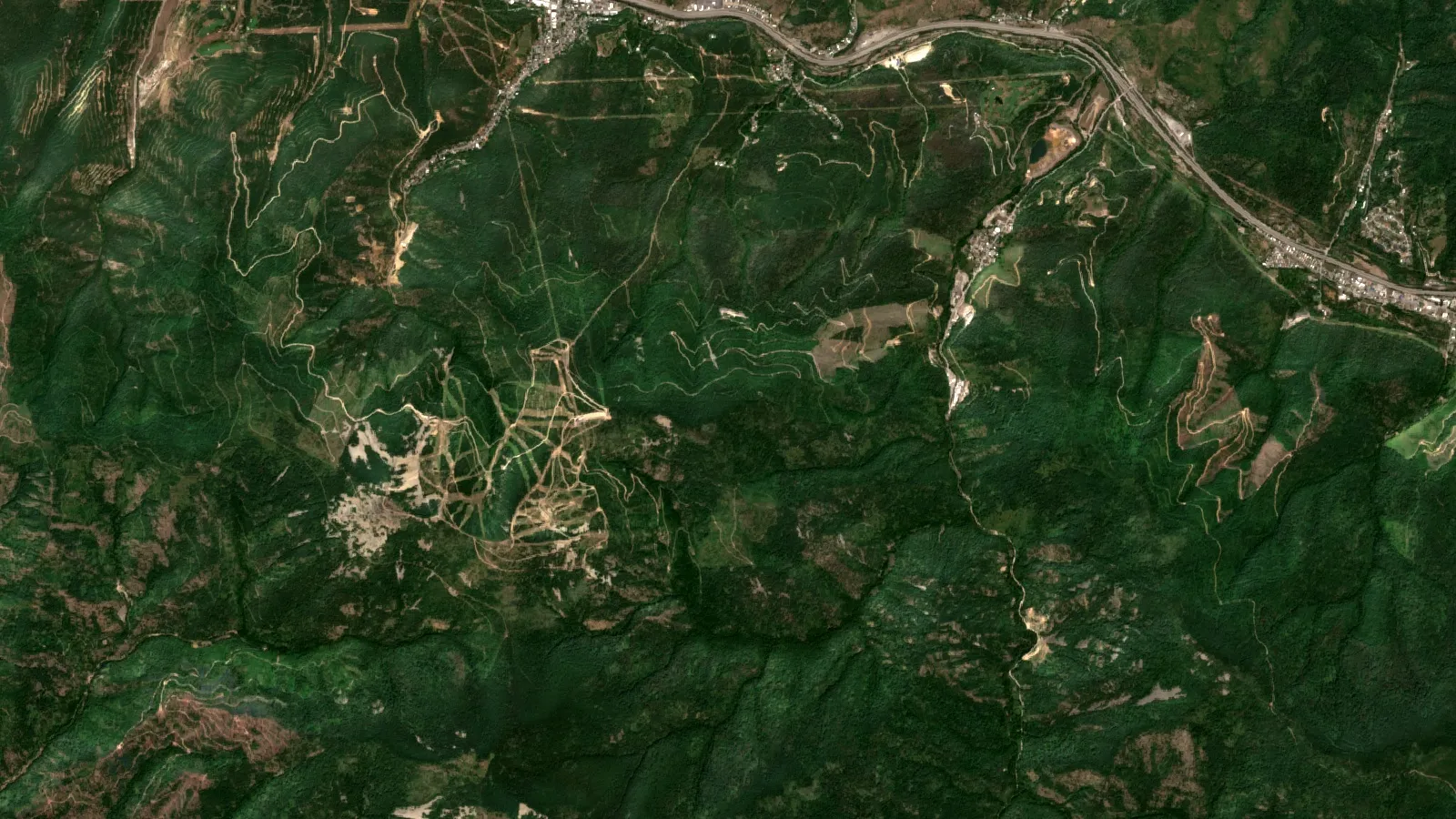
Key takeaways
- Only about 26% of mined silver came from primary silver mines in 2025; lead-zinc mines supplied 249.1 million ounces and copper mines 237.3 million (Silver Institute, 2026).
- Recent closed deals: First Majestic valued Gatos Silver at US$1.05 billion on 16 January 2025; Pan American Silver completed its roughly US$2.1 billion MAG Silver purchase in September 2025.
- Silver traded near US$52.28 an ounce in late US trading on 4 November 2026 (Kitco, intraday).
- World silver reserves are 610,000 tonnes; Peru holds 110,000 and the United States 23,000 (USGS, 2026).
- Holding a US lode claim costs US$200 a year in BLM maintenance fees; transferring one costs US$15 per claim per transferee (BLM, February 2026).
In this article
- Where to find silver mines for sale
- What kinds of silver asset are actually for sale
- What silver mines sell for: recent deals
- Turn an asking price into a price per ounce of silver
- Which countries hold the silver, and where output is moving
- Silver deposit types and what grade means
- What to check before you buy a silver mine
- Resource numbers: how to read a seller's tonnes
- Silver mines for sale in the USA: claims, fees and transfer
- Gold and silver mines for sale
- Deal structures: outright purchase, option and earn-in
- Screening the ground from space before you pay
- Buying a silver mine in eight steps
- Frequently asked questions
A silver mine for sale is rarely a working plant with a price tag. Most listings are closed mines, patented or unpatented claim groups and exploration projects with old drilling, while operating silver mines change hands mainly through company takeovers. The reason is structural: only about 26% of the world’s mined silver came from primary silver mines in 2025, and the rest was a by-product of lead-zinc, copper and gold operations (Silver Institute, World Silver Survey 2026). So a buyer has to decide first whether they want a silver-first property or a base-metal or gold mine with silver credits.
This guide is for claim and licence owners, consultants and investors who are looking at a purchase. It covers where silver properties are advertised, what recent deals closed at, how to turn any asking price into a US$ per ounce figure you can compare, and the checks to run before you sign. It is general information, not legal or investment advice.
Where to find silver mines for sale
There is no single register of mines on the market. Buyers combine several channels, and each one has a different type of seller.
- Listing marketplaces. MineListings.com is a marketplace for mining properties, claims and equipment. Its front page on 5 November 2026 showed gold-silver and silver properties including the Historic Ruby Trust Mine near Ouray, Colorado (23 patented and 35 unpatented claims, 830.90 acres in total), the Silver Cup Mine in British Columbia (ten tenures over 4,000 acres), the 315 Mine in the Lucky Boy district of Nevada, and the Pino Alto Silver Mine in Hidalgo, Mexico, described by the seller at 900 g/t silver, 9.4% lead and 2.9% zinc. None of these entries showed an asking price on the front page, and the grades are seller descriptions, not verified estimates.
- Company news and filings. Listed juniors and majors announce disposals of non-core mines through exchange filings, such as SEDAR+ in Canada, EDGAR in the United States and the ASX platform in Australia. Silver is often sold inside a gold or base-metal asset package.
- Insolvency and receivership sales. When a producer fails, a court-appointed administrator runs a sale with a data room and a bid deadline. Read the sale order and the permits: closure and water-treatment duties may pass to the buyer.
- Brokers and advisers. Mining-focused advisers market assets that sellers want kept quiet. Ask for a written mandate and a fee schedule before you share your financial position.
- Direct approaches. Many claims never reach a listing. Title records at the regulator show who holds ground, and the owner can be contacted directly. Our guide to mining cadastre portals by country lists where to search. If you are on the other side of the table, read how to sell a mine.
What kinds of silver asset are actually for sale
The word “mine” covers very different things. Sort the listing into one of these groups before you compare prices.
Chart
Where mined silver comes from, by host metal
Million ounces of silver, world mine supply 2025 (total 846.6)
- Operating primary silver mine. Silver is the main revenue source. These are mostly owned by listed companies and sold through takeovers. The Silver Institute reports that primary silver mines’ all-in sustaining costs (AISC, the full cost of producing and sustaining output per ounce) fell to US$12.21 an ounce in 2025.
- Polymetallic mine with silver credits. Lead-zinc mines were the largest source of silver in 2025 at 249.1 million ounces, followed by copper mines at 237.3 million ounces, according to the same survey. Here silver is a credit that lowers the cost of the main metal.
- Gold-silver mine. Silver is a by-product or co-product of a gold operation, as in many Nevada and Mexican vein systems.
- Closed or care-and-maintenance mine. Old workings with some infrastructure, an existing permit history and often a closure liability.
- Exploration property. Claims or licences with surface sampling and a few drill holes. The price rests on geology and the next stage of work.
The USGS counts only four silver mines in the United States where silver is the main product, plus 31 domestic base-metal and precious-metal operations that produce it as a by-product or co-product (Mineral Commodity Summaries 2026). That is why a search for a US silver property usually ends in a gold-silver claim group or a historic district rather than a producing mine.
What silver mines sell for: recent deals
Prices on listing sites are asks. Closed deals are a better guide, although the biggest ones are company takeovers that include other assets, debt and cash. The table shows two recent silver takeovers whose terms are in public filings or reports.
Chart
Silver price, annual average
Bullion, US$ per troy ounce
| Deal | Completed | What was bought | Value reported |
|---|---|---|---|
| Pan American Silver buys MAG Silver | September 2025 | All of MAG, including its 44% interest in the Juanicipio mine, Mexico | About US$2.1 billion at signing; MAG holders received about US$500 million in cash plus about 60.2 million Pan American shares |
| First Majestic buys Gatos Silver | 16 January 2025 | Gatos Silver and its 70% interest in the Los Gatos joint venture (Cerro Los Gatos underground mine) | US$1.05 billion at closing, paid mainly in 177.4 million First Majestic shares |
Both prices are mostly share-based, so the cash value moved with the buyer’s share price. Pan American’s deal was reported at about US$2.1 billion by Northern Miner and its completion followed Mexican competition approval in late August 2025 (Mining Technology). First Majestic reported that it issued 177,433,006 shares and valued the Gatos purchase at US$1.05 billion on the acquisition date (First Majestic filing with the SEC).
Across the market, the Silver Institute says announced silver mergers and acquisitions reached a record US$10.8 billion in 2025 (World Silver Survey 2026). Those are deals between listed companies. A claim group or a small closed mine sells for a very different price, usually set by the seller’s costs and hopes rather than by a resource estimate.
Silver itself traded at about US$52.28 an ounce in late US trading on 4 November 2026, up 5.25% on the day, with gold at about US$4,066 an ounce (Kitco; intraday quotes, not official closing prices). The USGS gives the annual average for comparison: US$25.23 an ounce in 2021, US$38 in 2025 (estimate).
Turn an asking price into a price per ounce of silver
The fastest way to compare two offers is to divide the asking price by the silver you could actually recover. Sellers quote tonnes and grade; you supply a recovery assumption. Silver is traded in troy ounces, and one troy ounce is 31.1035 grams, so a tonne of ore at 150 g/t holds 150 / 31.1035 = 4.82 ounces.
Many US and Canadian reports quote grade in ounces per short ton instead. One ounce per short ton equals 34.29 g/t, so the 900 g/t in the Pino Alto listing equals about 26.2 oz/ton. Convert before you compare.
Worked example with round numbers: 2 million tonnes at 150 g/t holds about 9.6 million ounces of silver. At 85% recovery that is about 8.2 million recoverable ounces, so a US$25 million asking price is about US$3.05 per recoverable ounce. At an example silver price of US$50 an ounce, the gross in-ground value is about US$410 million, and the ask is about 6% of it. Gross value is before mining, processing, royalties, tax and capital cost, so it is a ceiling, not a valuation. Use the calculator below with the seller’s numbers.
Calculator
What is the asking price per recoverable ounce of silver?
Enter the seller’s tonnes and grade and your own recovery guess.
- Contained silver (ounces): 9,645,217
- Recoverable silver (ounces): 8,198,434
- Gross in-ground value at your price (US$): $409,921,713
- Asking price as share of gross value (%): 6.1
Example values only, not a benchmark or valuation. Silver price is an input: example, use today’s price. Gross value is before mining, processing, royalties, tax and capital cost. 1 troy ounce = 31.1035 g; 1 oz per short ton = 34.29 g/t.
Which countries hold the silver, and where output is moving
Silver supply is concentrated. The USGS puts world mine production at 26,000 tonnes in 2025 (estimate) and world reserves at 610,000 tonnes. Peru holds the largest reserves at 110,000 tonnes, followed by Russia at 92,000, Australia at 91,000 and China at 67,000; the United States holds 23,000 tonnes (USGS, Mineral Commodity Summaries 2026). Mexico is the largest producer at 6,300 tonnes in 2025 (estimate), followed by Peru at 3,600 and China at 3,400.
Chart
Mine output by country, 2024 and 2025
Silver mine production, tonnes, six selected producers
Chart
World silver reserves by country
Thousand tonnes of contained silver, seven selected countries (world total 610)
The Silver Institute adds that Mexico’s output fell for a third year in 2025, by 5%, while Peru rose 7% on copper by-product silver. For a closer look at the main producing country, see silver mines in Mexico, and for the biggest operations worldwide see the largest silver mines in the world. Where the silver comes from by host metal matters for a buyer, because it decides whose price moves your asset.
Silver deposit types and what grade means
Deposit type tells you how the silver sits in the rock, how it is processed and how the grade should behave with depth. Five groups cover most listings.
- Epithermal veins. Shallow hot-water veins with silver and gold, common in Mexico, Nevada and the Andes. Grades vary sharply over short distances, so sampling density matters.
- Polymetallic vein and replacement deposits. Silver with lead and zinc, such as the Coeur d’Alene district of Idaho. Smelters pay for the lead and zinc, so concentrate terms matter.
- Volcanogenic and sedimentary exhalative deposits. Large stratiform lead-zinc-silver bodies.
- Porphyry and skarn copper systems. Silver as a copper by-product at low grade but large tonnage.
- Silver-gold oxide heaps. Nevada-style disseminated ore processed by leaching.
For tonnages and grades by type, see our guide to types of ore deposits. Silver grades in g/t are not comparable across types: 40 g/t in a bulk heap-leach deposit is a very different asset from 400 g/t in a narrow vein.
▶ Explains how satellites map the altered rock around hot-water mineral systems, the same clues used for epithermal silver-gold. · 4:25
What to check before you buy a silver mine
Title and permits
Confirm in the official register who holds the tenure, when it expires, and whether a royalty, lien, option or stream is registered against it. Check whether the mining licence can be transferred; in many countries the regulator must approve an assignment or a change of control, so make approval a condition of closing. For an overview of rights, read what a mining concession is. Our gold mine due diligence checklist applies equally to gold-silver properties.
Environmental and closure liabilities
Old silver districts carry tailings, waste rock, acid drainage and water-treatment duties. Ask for the approved closure plan, the financial assurance held and any regulator notices. A low price on a historic mine can hide a large cleanup bill.
Technical data
Ask for assay certificates, drill logs, survey control and metallurgical test work. Have an independent geologist visit and take check samples. Silver is prone to nugget-like variation in veins, so one high assay proves little. For exploration ground, ask for the raw data so your consultant can rebuild the interpretation.
Infrastructure and costs
Power, water, road access, camp and labour determine the capital to restart. Compare cost per tonne milled with grade and with the silver price you assume. On a polymetallic mine, include smelter charges and the lead and zinc prices.
Resource numbers: how to read a seller’s tonnes
Canadian rules (National Instrument 43-101, published by the Ontario Securities Commission) require public resource statements to be prepared by a qualified person using the CIM categories. The CIM definition standards separate inferred, indicated and measured resources by confidence, and reserves are a further step that needs economic study (CIM Definition Standards). In the United States, the SEC’s property disclosure rules for mining registrants set the equivalent framework for listed companies (SEC compliance guide).
A private seller is usually not bound by these rules. When a listing says “proven” or “historical resource”, ask who signed it, when, to what standard, and whether the drill data exist. An old estimate that does not meet a current standard can be a useful lead, but it cannot be the basis of a price.
Silver mines for sale in the USA: claims, fees and transfer
In the United States, most small silver properties are unpatented claims on federal land. The government keeps the land title, and the claimant holds a right to the minerals. Patented claims, such as the 23 patented claims in the Ruby Trust listing, are private property with title. The BLM explains that a transfer of an unpatented claim is effective under state law, and that the new owner records it with the BLM state office (BLM, Transfers of Interest).
The BLM fee schedule updated in February 2026 lists a US$200 annual maintenance fee per lode claim, a US$49 location fee and a US$25 processing fee for new lode claims, and a US$15 transfer fee per claim per transferee (BLM, mining claim fees). The 2027 mining packet shows the same US$200 maintenance fee for the assessment year that began 1 September 2026 (BLM, March 2026), but fees can change. Claimants who, with related parties, own 10 or fewer claims nationwide can file a small miner’s waiver instead of paying the fee, provided they have performed US$100 of assessment work per claim, so the US$200 figure is not universal. A group of 35 unpatented claims, like the unpatented part of the Ruby Trust listing, would cost about US$7,000 a year to hold at that fee, before state fees or work; patented claims carry no federal maintenance fee but are subject to local property taxes.
Ask the seller for location notices, proof that each annual fee was paid, and check the BLM record for every serial number. Owning a claim is not owning the surface, which is why you should confirm access, water and local permits. For state-by-state ground, see our US mining map.
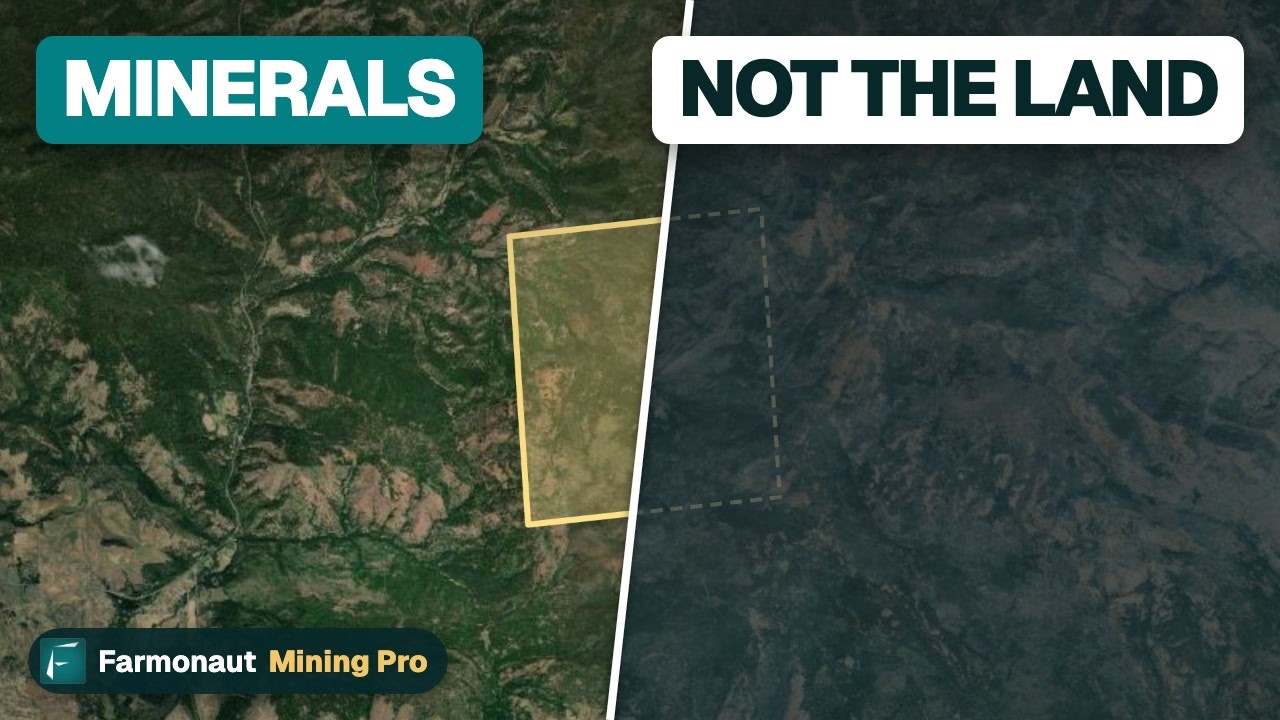
▶ Explains that a US claim gives mineral rights, not title to the land, and how to check ground first. · 3:19
Gold and silver mines for sale
Searches for gold-silver properties are common, and many listings are exactly that. In epithermal systems, silver may be a minor credit or a main product depending on the ratio. Ask for the gold-to-silver ratio of the reported grades and for both metals’ recoveries; silver and gold often recover differently from the same ore. Price the property on gold-equivalent ounces only if you understand the ratio used by the seller, and compare it with the market ratio on the day.
Deal structures: outright purchase, option and earn-in
You do not have to pay in full on day one. Buyers of exploration ground often use an option: small cash payments and work commitments over several years, with the right, not the duty, to complete. An earn-in lets a partner earn a percentage by spending money. A purchase with a retained royalty lowers the upfront price by giving the seller a share of future revenue. If you buy shares rather than the asset, you also take on every historical liability of the company; an asset purchase leaves liabilities behind but may need new permits.
Screening the ground from space before you pay
Before a site visit, satellite data can show whether a claim block sits on altered rock. Sentinel-2 and ASTER imagery map iron-oxide staining and clay minerals, and radar and terrain layers show faults and fractures. This does not detect silver or confirm a resource. It helps rank claims, spot alteration the seller did not mention, and decide where check samples should go. Farmonaut offers satellite mineral screening of a licence or claim area, with results as exploration targets, not a resource estimate.
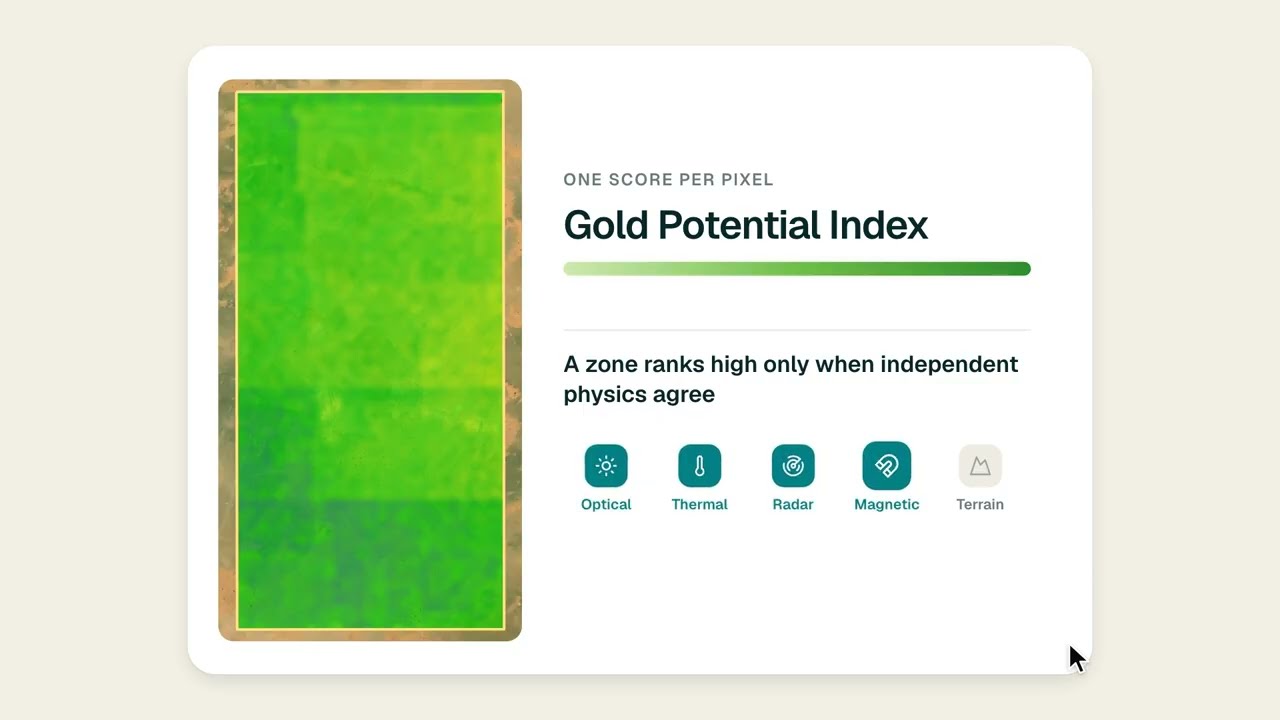
▶ Shows how Farmonaut Mining Pro screens a licence area from satellite data before drilling. · 1:46
Buying a silver mine in eight steps
The order below keeps cost low: cheap checks first, expensive ones last.
Infographic
Buying a silver property in eight steps
- 1Set scopeBudget, country, asset type.
- 2SearchListings, filings, registers.
- 3Sign NDARequest the data room.
- 4Convert priceUS$ per recoverable ounce.
- 5Check titlePermits, liens, liabilities.
- 6Verify dataIndependent review, check samples.
- 7Choose structureOption, earn-in, royalty, purchase.
- 8CloseRegister transfer and approvals.
- Set your scope: budget, country, asset type, primary or by-product.
- Search listings, filings and registers.
- Sign a non-disclosure agreement and request the data room.
- Convert the ask into US$ per recoverable ounce.
- Check title, permits and liabilities.
- Verify the data with an independent geologist and check samples.
- Choose the structure: option, earn-in, royalty or purchase.
- Close, register the transfer and obtain approvals.
Frequently asked questions
How much does a silver mine cost?
There is no standard price. Listed-company takeovers in 2025 ran from about US$1.05 billion (First Majestic and Gatos Silver) to about US$2.1 billion (Pan American and MAG Silver), and the sector’s announced deals reached US$10.8 billion (Silver Institute, 2026). Small claim groups sell for far less and rarely publish a price. Convert any ask to US$ per recoverable ounce and compare.
Where can I find silver mines for sale?
Marketplaces such as MineListings, exchange filings from listed sellers, insolvency sale notices, brokers and direct approaches to claim holders found through the regulator’s register.
Are there silver mines for sale in the USA?
Yes, mostly claim groups and historic mines, often gold-silver. The USGS counts only four US mines where silver is the main product (2026), so producing US silver mines are normally bought through company takeovers.
Can a private person buy a silver mine?
Often yes for claims and small private property, subject to local rules. Some countries restrict foreign ownership or require regulator approval for transfers. Check with a mining lawyer.
What is the difference between buying a claim and buying a mine?
A claim is a right to explore or mine on a defined piece of ground. A mine implies permits, infrastructure and a resource. Many “mines” for sale are claims with historic workings.
How do I convert ounces per ton to grams per tonne?
Multiply ounces per short ton by 34.29 to get grams per tonne.
Is a historical resource reliable?
Treat it as a lead. Unless a qualified person has reviewed the data to a current standard, it should not set the price.
What liabilities come with an old silver mine?
Tailings, mine waste, acid drainage, open shafts and water-treatment duties. Ask for the closure plan and financial assurance.
How much does it cost to hold a US claim?
The BLM maintenance fee is US$200 per lode claim a year, and transferring a claim costs US$15 per claim per transferee (BLM, February 2026). Holders of 10 or fewer claims may file a maintenance fee waiver instead (BLM, March 2026). Confirm the current fees before you buy.
Should I pay for a satellite survey before buying?
It can be a low-cost first screen on a large block, but it does not replace sampling, title checks or a qualified person’s report.
How long does it take to buy a mine?
A small claim transfer can take weeks. A mine with permits and approvals usually takes months, especially if regulator consent is needed.
This page is for information only. It is not legal or investment advice and not a valuation. Confirm title, permits and transfer rules with the regulator and a mining lawyer before you sign.
Farmonaut mining
Screen a target block before you buy
Request a quote to have a licence or claim block screened with satellite data before you commit to a site visit.

Mining Pro sample view, synthetic data
Sources
- USGS, Mineral Commodity Summaries 2026: Silver: pubs.usgs.gov
- Silver Institute, World Silver Survey 2026: silverinstitute.org
- Kitco PM Report, 4 November 2026: kitco.com
- Mining Technology, Pan American Silver completes MAG Silver acquisition: mining-technology.com
- Northern Miner, Pan American deal to buy MAG Silver: northernminer.com
- First Majestic Q1 2025 financial statements (SEC): sec.gov
- MineListings.com, mining property marketplace: minelistings.com
- BLM, Transfers of Interest: blm.gov
- BLM, mining claim fees (updated February 2026): blm.gov
- BLM, 2027 mining season packet (March 2026): blm.gov
- Ontario Securities Commission, NI 43-101 text: osc.ca
- CIM, Definition Standards (2014): mrmr.cim.org
- SEC, Modernization of property disclosures for mining registrants: small entity compliance guide: sec.gov
Discussion
Questions, corrections or field experience? Share them below. First-time comments are reviewed before they appear, and your email is never published.
No comments yet. Be the first to add a question or your experience.

 Imperial Impex FZE
 Congo Mining Solutions
 Mining SARL
 SenGold Invest SAS
 Sania Corporation
 Sean Mining Limited
 NTS Group (Pty) Ltd
 Mine4Africa
 Lithspo Minerals Limited
 Tintina Mining Group
 Dalgety Minerals Pty Ltd
 Vortex Minerals Pty Ltd
 Faith At Work (Pty) Ltd
 Geotech Mining Solutions plc
 Vulcan International Limited
 Kidepo Associates
 GKY Mining
 Alkimy SARL
 Double A Trading
 GemSprout Metals Limited
 Qader Group
 Ileys General Trading
 SG Gold Mining LLC











