

Environmental Regulations in Copper Mining: Pros & Cons
Environmental Regulations and Compliance in Copper Mining: Pros and Cons is at the heart of the current global mining discourse, especially as the industry stands at a pivotal crossroads in 2025. The copper mining industry continues to be a cornerstone of the global economy, fueling high-tech sectors like electronics, construction, and energy infrastructure. However, the environmental footprint of copper extraction has prompted governments and regulatory bodies worldwide to enact stringent frameworks and standards designed to mitigate ecological degradation and guarantee long-term sustainability.
In this in-depth article, we explore the multifaceted pros and cons of such environmental regulations and compliance within the copper mining industry. We’ll analyze key benefits—including ecosystem protection, sustainable practices, and community relations—while contrasting them with notable challenges, costs, and operational complexity. Our objective: offer a clear, unbiased guide to the current regulatory landscape and provide actionable insights for operators, companies, and local communities navigating a rapidly evolving environment.
“Over 60% of global copper operations face stricter environmental regulations, driving significant changes in mining practices.”
Copper Mining & Environmental Regulatory Overview (2025 & Beyond)
The demand for copper remains high in 2025, as nations upgrade their electrical grids, expand renewable energy systems, and push technological evolution in sectors from electronics to construction. However, the hidden costs of copper mining—notably habitat destruction, soil erosion, water contamination, and toxic waste generation—have made environmental regulations and compliance more pivotal than ever. Stringent standards are enforced at local, national, and increasingly international markets to balance economic growth with ecological protection.
- The regulation frameworks in place include strict limits on emissions, mandates for environmental impact assessment, comprehensive waste management protocols, detailed water treatment processes, and requirements for post-mining land rehabilitation.
- Stakeholders—ranging from mining companies to government agencies, investors, and local communities—are now highly invested in the effective enforcement of these measures.
- In 2025 and beyond, sustainable mining practices are not just ethical imperatives but commercial necessities—opening access to premium markets and supporting long-term industry viability.
This shift has ushered in a new era where regulatory compliance, technological innovation, and environmental stewardship must co-exist within copper mining operations.
“Copper mining can generate up to 99 tons of waste rock per ton of copper; regulations aim to mitigate this impact.”
Pros of Environmental Regulations in Copper Mining
Examining the pros of environmental regulations and compliance in copper mining provides a comprehensive understanding of their ecological, economic, and social significance.
Below, we delve into major benefits and their implications for sustainability and industry growth.
1. Protection of Ecosystems and Biodiversity
- Mining activities often lead to habitat destruction, soil erosion, and contamination of water sources due to inadequate waste disposal and improper dust control.
- Stringent regulations enforce proper disposal of mining waste, treatment of effluents, and implementation of dust suppression strategies.
- Such controls help safeguard flora and fauna, maintaining a balance within ecologically sensitive areas and contributing to the overall biodiversity protection.
Regulatory frameworks require mining operators to conduct environmental impact assessments and implement restoration plans. This ensures that mining operations respect regional ecological limits—protecting vulnerable ecosystems for present and future generations.
2. Reduction of Pollution and Health Risks
- Mining processes often release toxic substances, including heavy metals, acid mine drainage, and airborne particulates.
- Strict standards mandate that such pollutants are minimized through advanced water treatment and air filtration systems, effectively reducing the presence of dangerous substances.
- This helps protect local communities living near mining sites as well as agricultural lands and waterways they depend upon for livelihood.
Well-designed regulatory measures thus reduce health risks to both human populations and the wider environment—making compliance a lifecycle imperative.
3. Promotes Sustainable Mining Practices & Innovation
- Through environmental regulations and compliance, mining companies are incentivized to adopt sustainable technologies such as precision excavation, waste recycling, and AI-enhanced monitoring.
- This transition supports the long-term ecological sustainability of mining operations, reduces resource wastage, and limits degradation without depriving future generations.
- Examples of such innovations include satellite-based resource tracking, real-time carbon footprint analysis, and blockchain-backed traceability for greater transparency.
Technological innovation and the adoption of intelligent environmental management systems encourage improved operational efficiency and resource utilization.

4. Enhances Community Relations and Social License to Operate
- Transparent and responsible compliance with regulations builds credibility and social license to operate in the eyes of local stakeholders, communities, and indigenous populations.
- Reduced environmental impacts lessen conflicts and legal disputes—paving the way for productive, long-term engagement and mutual benefit.
- Responsibly operated mines often contribute to local development by investing in infrastructure, education, and healthcare.
The benefits extend beyond pure compliance, fostering a shared sense of stewardship and partnership between mining operators and communities.
5. Market Access, Investor Confidence & Global Competitiveness
- Aligning with strict international standards opens doors to premium markets and lucrative investment opportunities.
- Environmental, Social, and Governance (ESG) performance is now a top criterion for global investors, partners, and customers.
- Compliance with stringent environmental regulations signals accountability and resilience—attracting capital and a robust customer base.
Conversely, failure to comply can lead to market exclusion, loss of investor confidence, and irreparable reputational damage.
How Farmonaut Satellite Solutions Empower Regulatory Compliance
At Farmonaut, we understand that environmental regulations and compliance in copper mining: pros and cons are a top concern for modern mining companies, regulators, and local communities. Our mission is to make advanced satellite-driven technology—once available only to a select few—affordable and accessible worldwide.
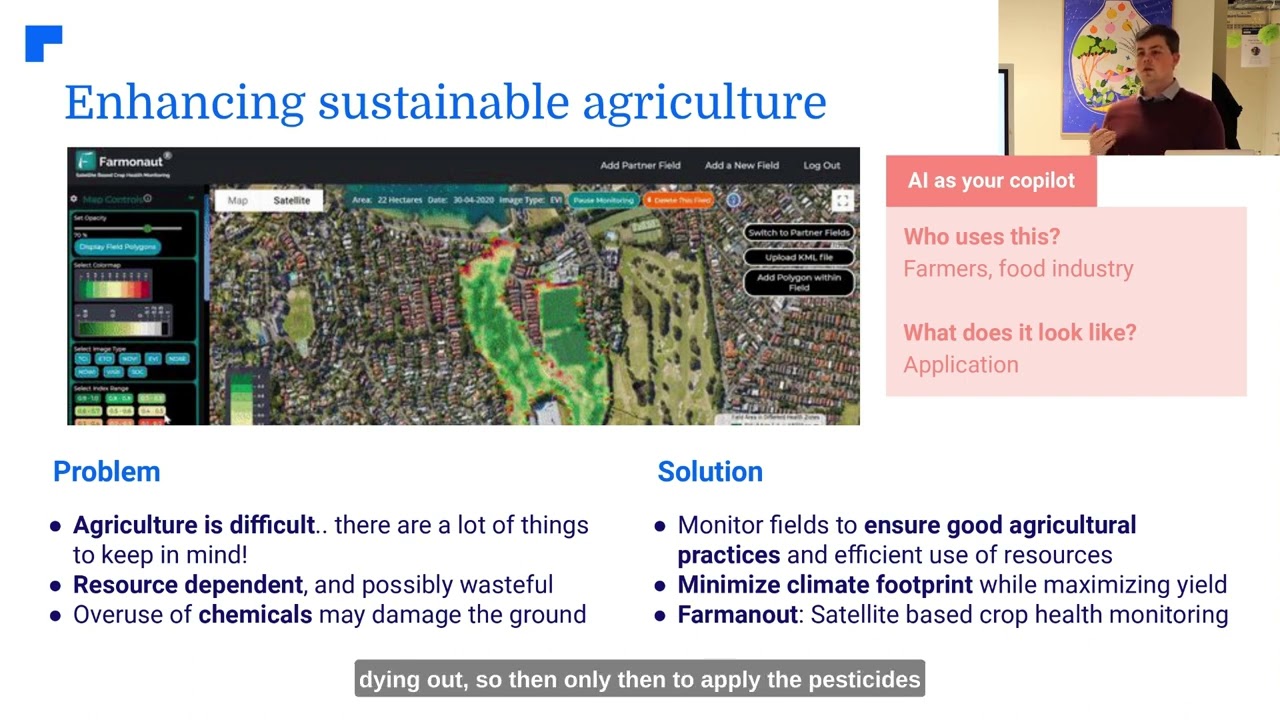
- Satellite-Based Monitoring: Our multispectral imagery and real-time carbon footprint monitoring solutions enable mining teams to proactively track emissions and evaluate operational impacts for regulatory compliance. By offering precise data on vegetation, soil, and structural changes, companies can respond rapidly to emerging risks.
- Blockchain-Based Traceability: Farmonaut’s traceability tools ensure full transparency across the mining and supply chain. Blockchain records help companies demonstrate ethical sourcing and responsible environmental stewardship, building trust with regulators, investors, and customers.
- Fleet and Resource Management: Optimize mining logistics, machine usage, and energy consumption with our resource management platform. Improved coordination translates to reduced operational costs and ensures compliance with environmental standards.
- AI Advisory & Environmental Impact Monitoring: Our advanced AI tools, like Jeevn AI, offer tailored regulatory and operational guidance in real time, helping ensure that each step—from extraction to waste disposal—meets or exceeds compliance thresholds.
Farmonaut empowers users to report, rectify, and audit their operations—driving both commercial success and sustainable growth.
Take control of your mining operations, monitor compliance effortlessly, and reduce your environmental footprint with cutting-edge satellite technologies designed for tomorrow.
Cutting-edge Mining Technologies in Action (Video Resources)
Explore how AI, satellite technology, and precision analytics are shaping the future of mining, environmental compliance, and resource management with these exclusive video resources:


Cons of Environmental Regulations in Copper Mining
While the environmental benefits of regulations are significant, the cons are equally important to understand—particularly as stakeholders look to balance growth with operational efficiency and social responsibility.
1. Increased Operational Costs
- Complying with environmental standards means significant investment in technology, environmental monitoring systems, and specialized personnel.
- For smaller mining operators and emerging companies, such costs may lead to reduced profit margins, limited project development, or delayed site expansions.
- Examples include the costs of waste water treatment plants, air filtration equipment, and precision geochemical analysis.
The resulting financial burden can create disparities between large, well-capitalized players and smaller entrants, potentially narrowing the field of competition and innovation.
2. Regulatory Complexity and Bureaucratic Delays
- The complexity of environmental regulations—often spanning local, national, and international jurisdictions—demands extensive documentation and compliance audits.
- This can slow permitting processes, increase administrative workload, and delay project initiation and expansion. For regulated entities, time spent on paperwork can mean lost opportunity and stalled growth.
- Legal ambiguity or overlapping mandates complicate enforcement and create further uncertainty.
Navigating this regulatory landscape requires skilled compliance officers and advanced management systems—raising operational overheads.
3. Regulatory Overreach and Inflexibility
- When regulations are overly stringent or fail to account for regional variability and emerging technological innovations, they may stifle industry adaptation.
- Inflexible rules risk locking companies into outdated practices, suppressing the development of safer, more efficient methods.
- Excessive regulation may even push some mining operators toward unregulated or informal activities that bypass compliance.
A collaborative, outcome-focused approach to regulatory frameworks is needed to avoid stagnation and ensure progressive, sustainable practices.

4. Short-term Economic Impacts on Communities
- Regions dependent on resource extraction may experience economic downturns if regulations restrict mining operations or result in mine closures.
- This threatens employment, reduces local government revenues, and can destabilize entire communities without alternative livelihoods or transition strategies in place.
Balancing regulatory protection with support for affected populations is an ongoing challenge in regions where copper mining remains the economic backbone.
5. Enforcement Challenges and Corruption Risks
- Enforcement of regulations is critical but remains inconsistent in some jurisdictions, especially those with limited resources, capacity, or robust governance structures.
- Poor oversight can create unfair competitive conditions, hinder industry-wide progress, and lead to persistent environmental degradation.
- Corruption risk increases where oversight is weak, with illicit operators sometimes skirting environmental responsibilities entirely.
Effective compliance programs, empowered inspectors, and technological tools for transparency (such as blockchain-based reporting) can help to address these pressing challenges.
Comparative Pros and Cons Table with Quantitative Impact Estimate
| Aspect | Pros | Cons | Estimated Impact (Quantitative) |
|---|---|---|---|
| Water Usage | Reduces contamination, protects local water resources | Higher water treatment costs, increased monitoring required | ~30% reduction in local water pollution |
| Emissions | Cuts airborne pollutants, improves air quality | Initial capital investment for emissions controls | ~40% decrease in SOx/Nox emissions within regulated mines |
| Biodiversity Protection | Ensures conservation of local flora and fauna | Can restrict expansion in ecologically sensitive zones | ~20% reduction in habitat destruction per major project |
| Compliance Costs | Drives innovation, supports ESG investment | Increases operational and reporting costs by 10-30% | ROI over 3-5 years with green premiums and incentives |
| Operational Delays | Ensures thorough preparation and risk assessment | May delay permitting and execution by 6–18 months | 10–25% longer average project lifecycle, offset by reduced environmental fines |
“Copper mining can generate up to 99 tons of waste rock per ton of copper; regulations aim to mitigate this impact.”
Looking Ahead: Regulations, Innovation & Sustainable Growth in Copper Mining
In 2025 and beyond, the conversation around Environmental Regulations and Compliance in Copper Mining: Pros and Cons will continue to shape industry strategy and public policy. The following trends and implications are likely to dominate:
- Technological Innovation: The integration of AI, satellite monitoring, and blockchain into mine management is set to transform both regulatory compliance and operational efficiency. Companies employing precision technologies minimize resource wastage and strengthen their regulatory credibility.
- Dynamic Regulation: Adaptive frameworks are replacing rigid, one-size-fits-all regulations. These recognize regional ecological realities and promote risk-based compliance for sustainable growth.
- Community Participation: Local communities now have a significant voice in decision-making, consultation, and monitoring—further embedding social responsibility into operational mandates.
- International Alignment: Cross-border harmonization of environmental standards ensures that all players in the global market compete fairly, raising minimum compliance thresholds worldwide.
Continuous review, responsible innovation, and a balanced approach to enforcement are key ingredients for a thriving, resilient mining sector that aligns with both economic and environmental objectives.
Farmonaut App Access & API Integrations
For operators, companies, and regulators seeking to automate compliance and monitor environmental impact in real time, Farmonaut offers seamless access to its satellite technology and analytics platform via web, API, and mobile apps.
-

Farmonaut Web App: Access advanced ecosystem and mining monitoring tools via any browser, improving oversight and maintaining compliance effortlessly. -


Farmonaut Mobile Apps: Monitor mining compliance on the go; receive instant alerts on risk hot spots.
Supports both Android and iOS devices. -
Farmonaut API: Integrate satellite-based environmental monitoring directly into your enterprise resource planning (ERP) or operations software—ideal for real-time compliance checks and reporting.
(API Developer Docs) - Carbon Footprinting Tools: Accurately track and report mining-related emissions, fulfilling ESG and international investor requirements.
- Fleet Management Solutions: Reduce operational costs, ensure energy-efficient mining logistics, and stay compliant with vehicle emissions standards.
- Product Traceability via Blockchain: Enhance transparency in copper supply chains and provide regulators with verifiable, tamper-proof records.
- Risk Assessment for Mining Loans & Insurance: Enable lenders to verify site compliance remotely, improving credit/insurance approval times and reducing default risk.

Frequently Asked Questions (FAQ): Environmental Regulations and Compliance in Copper Mining
What are the key environmental regulations affecting copper mining in 2025?
The key regulations include limits on airborne and water-based emissions, mandatory environmental impact assessments, stringent waste management requirements (incl. dust control), land rehabilitation policies, and increasing adherence to global ESG reporting frameworks.
Why is regulatory compliance more important now than ever?
In 2025, increasing demand for copper, stricter social and investor scrutiny, and global alignment on climate goals make compliance a commercial and ethical necessity. It safeguards ecosystems, protects communities, and secures access to premium international markets.
How can technology help meet compliance goals in mining?
Satellite monitoring, AI-driven advisory systems, and blockchain traceability are revolutionizing compliance monitoring, providing real-time data for emissions tracking, land restoration, and supply chain transparency.
What are the main challenges for small and mid-scale mining operators?
Smaller operators may struggle with increased operational costs, administrative complexity, and the need for technology upgrades. Access to affordable solutions—like those offered by Farmonaut—can help level the playing field.
Can environmental regulations be both strict and supportive of innovation?
Yes—adaptive, risk-based regulations can incentivize the adoption of new green mining technologies, precision resource extraction, and transparent reporting, ensuring both ecological protection and industry advancement.
Conclusion: Achieving Balance in Environmental Regulations and Copper Mining
Today’s global copper mining industry stands at a crossroads—where environmental regulations and compliance are both opportunity and challenge. The need to reduce environmental degradation, protect biodiversity, ensure community well-being, and secure market access is driving unprecedented change in regulatory frameworks worldwide.
- The pros of stringent compliance include substantial improvements in ecological sustainability, public health, and investor confidence.
- The cons are found in increased costs, bureaucratic hurdles, and short-term economic risks—especially for local communities and smaller players.
- The way forward lies in collaborative approaches, continuous innovation, and the responsible application of emerging technologies like satellite monitoring, AI, and blockchain.
At Farmonaut, we are committed to supporting responsible operators, regulators, and communities with the most advanced, accessible, and cost-effective satellite solutions on the market. By bridging the gap between compliance and sustainability, we aim to empower every stakeholder to thrive in a data-driven, environmentally responsible future.
Start your journey toward 100% regulatory compliance and sustainable copper mining today—explore our web and mobile platforms for real-time environmental monitoring and risk management.
Farmonaut Subscriptions: Affordable Satellite Monitoring for Mining & Beyond
Unlock access to real-time satellite, AI, and blockchain-driven analytics for mining, agriculture, and infrastructure compliance. Explore seamless integration options for your business or government organization.

 Swati Minerals
 Faith At Work (Pty) Ltd
 Geotech Mining Solutions plc
 Vulcan International Limited
 Kidepo Associates
 GKY Mining
 Alkimy SARL
 Double A Trading
 GemSprout Metals Limited
 Qader Group
 Ileys General Trading
 SG Gold Mining LLC
 VRV Global Pte Ltd
 Omsri International FZE
 G.I.T.T.
 Jaunita Erss Ltd
 Almosi SARL
 SRK Consulting
 Berks Gold Limited
 Mwerezi Minerals Company Limited
 Mining SARL
 SenGold Invest SAS
