

Kisanfu, Mingomba Copper Cobalt Mine & Cobalt Rare Earth: Strategic Drivers of Global Mineral Supply, Energy, and Defence in 2025
“Kisanfu and Mingomba mines are projected to contribute over 15% of global cobalt output by 2025, crucial for batteries.”
Introduction: The New Backbone of the Global Economy
In the ever-evolving landscape of global industry, renewable energy, and advanced technologies, the demand for critical minerals such as copper and cobalt has surged dramatically. These indispensable metals are at the heart of the manufacturing, infrastructure, and defence sectors—powering everything from electrical wiring, batteries, and renewable energy technologies to advanced military equipment.
In 2025 and beyond, two sites — the kisanfu copper cobalt mine and mingomba copper cobalt mine, both located in the mineral-rich southern part of the Democratic Republic of Congo (DRC) — stand out as cornerstone contributors to the global supply of these critical minerals. The output from these mines not only supports burgeoning sectors like electric vehicles (EVs) and renewable energy but also plays a vital role in international defence modernization and the overall sustainability journey.

The Strategic Relevance of Copper and Cobalt in 2025
Copper has long been the backbone metal for infrastructure development, securing its place in traditional electrical wiring as well as in emerging fields. As we progress through 2025, its importance is magnified, primarily due to the following:
- Vital role in clean energy: Copper is foundational for solar panels, wind turbines, and the modern electrical grid.
- Ubiquity in infrastructure: Supporting everything from residential wiring to major urban infrastructure projects worldwide.
- Enabler of advanced technology: Used in high-tech equipment and industrial machinery, advancing manufacturing capacities.
Meanwhile, cobalt has skyrocketed in strategic value, as it is a fundamental component of lithium-ion batteries — essential for electric vehicles, grid storage solutions, and high-performance portable electronics. The unique properties of cobalt, including its rarity and difficulty to substitute, also make it critical for defence equipment and military hardware, such as jet engines and missile guidance systems.
Notably, cobalt extracted from these DRC mines is often classified under the umbrella of “rare earth” and critical minerals, amplifying its strategic relevance for economies investing in high-technology and clean-energy sectors.

Why 2025 Is a Watershed Year for Copper and Cobalt
- Projection: 8% rise in global copper-cobalt demand—spurred by growth in energy and defence sectors.
- Market tightness: As demand outstrips new discoveries, high-concentration mines like kisanfu and mingomba become even more critical.
- Supply security: Nations are racing to secure stable mineral supply chains for long-term economic and strategic security.

Kisanfu and Mingomba Mines: National Wealth, Global Impact
The kisanfu copper cobalt mine and mingomba copper cobalt mine are located in the southern part of the Democratic Republic of Congo—a region recognized as one of the richest sources of copper and cobalt deposits globally.
- Exceptional concentration: Both mines possess high-grade ore, ensuring they remain at the forefront of copper and cobalt production.
- Solidified supply status: By 2025, these mines have become key suppliers to the global market, underpinning essential energy projects and defence modernization worldwide.
- Strategic assets: Their mineral wealth gives the DRC outsized influence on international mineral supply chains and technological progress.
In addition, these operations have increasingly adopted sustainable practices, deploying advanced technologies to reduce environmental impact and improve mining efficiency, ensuring responsible extraction for the long term.

“Global copper-cobalt demand is expected to rise 8% in 2025, driven by energy and defence sector needs.”
Comparative Trends & Impact Table: Kisanfu and Mingomba Mines in 2025
| Mine Name | Location | Estimated Copper Output (2025, kt) | Estimated Cobalt Output (2025, kt) | Associated Rare Earth Elements | Main End-Use Sectors (Energy/Defence) | Key 2025 Trends | Identified Challenges |
|---|---|---|---|---|---|---|---|
| Kisanfu | Lualaba Province, Southern DRC | ~350 | ~55 | Cobalt, Nickel, Minor REEs* | Energy Storage, Batteries, Defence Alloys | Ramp-up in battery/EV supply chains, increased automation, ESG initiatives | Political instability, supply chain risk, artisanal mining concerns |
| Mingomba | Copperbelt, Southern DRC | ~275 | ~44 | Cobalt, Nickel | Electric Vehicles, Military Equipment, Power Infrastructure | Expansion of electric and green energy markets, technological upgrades | Environmental scrutiny, logistical disruption, resource governance |
*REEs: Rare Earth Elements, accompanying ores vary by extraction context.
Critical End-Use Sectors for Kisanfu and Mingomba: Energy, Infrastructure, Defence
The output from kisanfu copper cobalt mine and mingomba copper cobalt mine is essential across a spectrum of end-use sectors that shape our daily lives and safeguard national interests.
Energy and Power Infrastructure
- Electric Grid Expansion: Copper‘s excellent conductivity supports electrical wiring in vast urban and rural grid development.
- Renewable Technologies: Solar panels and wind turbines depend on high-grade copper for efficient energy harnessing.
- Grid Storage: Cobalt is a core element in battery storage solutions crucial for energy transition and grid stability.
Electric Vehicles (EVs) and Sustainable Transportation
- Cobalt rare earth is vital for the long-life, high-density batteries that power electric vehicles worldwide.
- The EV sector’s growing demand for sustainable, reliable supply of cobalt and copper has dramatically elevated the profile of the kisanfu and mingomba mines.
Defence and Security
- Military Equipment: Cobalt is indispensable for high-strength, heat-resistant alloys used in jet engines, missile systems, and advanced military armor.
- Secure Supply Chains: With the intensifying geopolitical focus on critical materials, stable mineral supply from the DRC is essential for future-proof national defense capabilities.
Other Growing Sectors
- Electronics Manufacturing: Cobalt enhances the performance of portable electronics—phones, laptops, and more.
- Industrial Storage: Both metals underpin advancements in grid-scale storage solutions, supporting decarbonization goals.



Need to integrate satellite observation into mining or infrastructure operations? Experience the Farmonaut Web App for real-time monitoring and rapid decision-making in resource industries.
Developers can leverage our robust Farmonaut Satellite Data API to connect mining, agriculture, and defence operations with the latest satellite insights for real-time visualization and analytics. Check out our API Developer Docs for seamless integration.

Technology, Sustainability & The Evolution of Mining Practices
In 2026 and beyond, the mining industry, especially in globally significant sources like Kisanfu and Mingomba, is characterized by a bold embrace of sustainable practices and cutting-edge technology to reduce environmental impact and maximize efficiency.
Key Technological Trends in Mining
- Automation & Remote Sensing: Automation, drones, and real-time remote sensing accelerate mineral extraction with minimal risk and higher precision.
- Artificial Intelligence: AI-fueled data analytics forecast extraction efficiency, optimize resource allocation, and predict market shifts.
- Satellite Monitoring: Satellite technology, such as solutions provided by Farmonaut, enables real-time tracking of extraction sites, carbon emissions, and landscape impact.
- Blockchain Traceability: Piloted for improving supply chain ethics, transparency, and anti-fraud efforts in mining and associated sectors.

Farmonaut’s Role in Mining Sustainability and Monitoring
As a satellite technology company, we at Farmonaut empower mining companies, agencies, and governments to monitor and manage mining operations like Kisanfu and Mingomba more efficiently. With features including multispectral satellite image analysis, AI-based advisory, real-time environmental impact tracking, and Carbon Footprinting dashboards, we help optimize extraction while ensuring compliance with industry-leading sustainable practices.
- Reduce the environmental footprint of mining by identifying hotspots for remediation and restoration.
- Track carbon emissions in line with regulatory and ESG (Environmental, Social, Governance) standards.
- Visualize deforestation, landscape alteration, or water impact with satellite evidence for management and governance improvement.

Above: JEEVN AI is our advanced AI advisory system—analyzing remote satellite data for actionable recommendations in agriculture and mining.
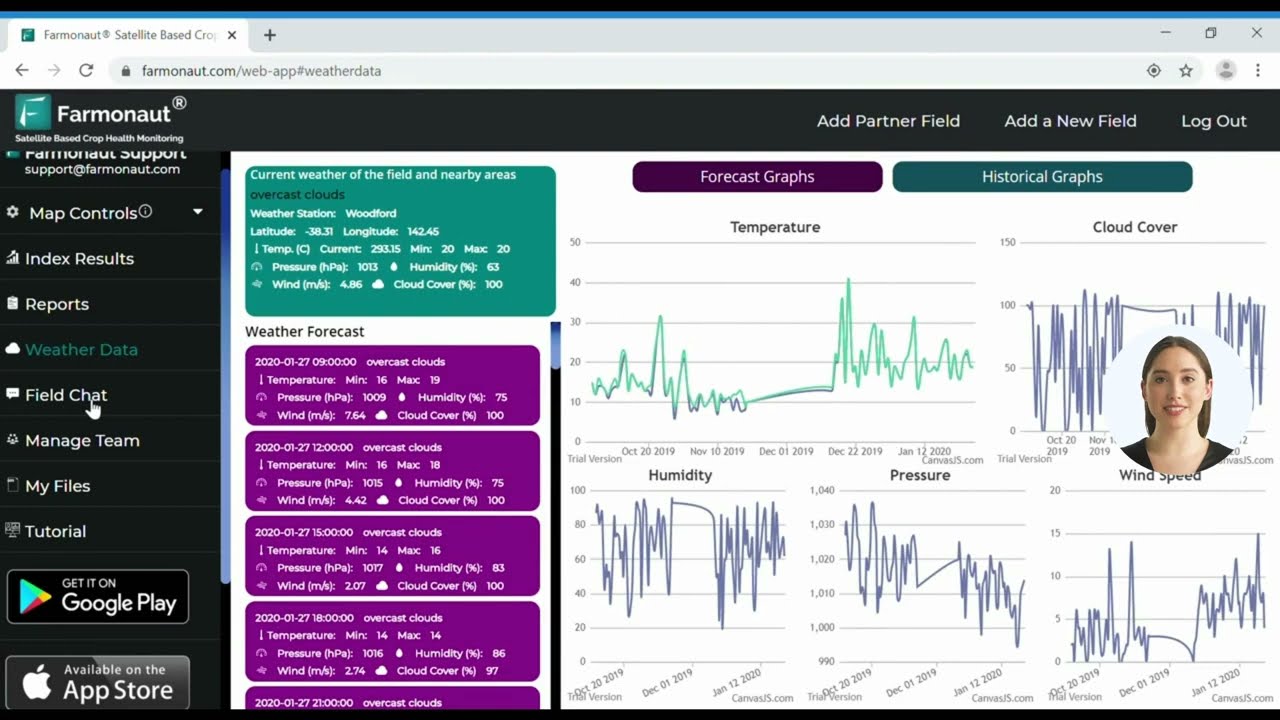
Learn how our Satellite-Based Crop & Mining Monitoring App serves resource managers globally with up-to-date, actionable insights.
Other Farmonaut Solutions for Mining and Minerals:
- Blockchain-based Traceability for mining and supply chains strengthens transparency and minimizes exploitation and fraud in high-value mineral trade. This feature is vital for companies and consumers aiming to verify the ethical origin of cobalt rare earth and copper products.
- Fleet Management Tools enable operations to optimize vehicle and machinery deployment, ensuring improved safety and minimized downtime in mining logistics.
- Mining Loan & Insurance Verification Services help reduce fraud and make access to finance more accessible for mining and infrastructure projects through satellite-aided documentation and validation.
Flexible Satellite Service Subscriptions for Mining, Energy, and Infrastructure
Global Mineral Supply Chains: Challenges and Geopolitics
Despite their extraordinary potential, the kisanfu and mingomba copper cobalt mines face a complex landscape of challenges as global demand intensifies:
- Political and Regulatory Risk: Ongoing instability in the DRC, coupled with policy unpredictability, complicates long-term planning for international buyers and operators.
- Supply Chain Disruptions: Logistical bottlenecks, border delays, commodity price swings, and resource nationalism continue to be key risks for global mineral chains.
- Environmental Scrutiny: With global ESG standards tightening, mining operations are under constant observation to minimize land, air, and water impact.
- Ethical Sourcing and Human Rights: International companies are facing pressure to demonstrate ethical sourcing, particularly in cobalt mining, which has historically faced concerns related to artisanal mining and labor practices.
To ensure a stable, ethical, and sustainable supply of cobalt rare earth and copper, mining companies are increasingly turning to satellite-based monitoring, blockchain-enabled traceability, and AI-driven resource optimization to safeguard operations and deliver accountability.
Farmonaut: Empowering Mining & Mineral Supply Chains Via Satellite
We at Farmonaut offer a unique suite of satellite-enabled tools serving mining, infrastructure, and defence industries:
- Satellite-Based Monitoring: Real-time, multispectral images help companies monitor everything from ore extraction to environmental impact—key for compliance and efficiency.
- AI-Powered Advisory: Jeevn AI provides actionable insights for operational optimization—whether scheduling equipment or adjusting mining plans based on weather and satellite data.
- Blockchain-Backed Traceability: Assure your buyers and regulators of ethical sources and transparent supply history, essential for critical minerals.
- Fleet and Resource Management: Our platforms provide robust logistics optimization for mining vehicles and heavy machinery, minimizing downtime, maximizing productivity, and supporting safer operations.
- Environmental Impact Monitoring: From individualized carbon footprint dashboards to large-scale compliance tracking, we help clients meet the ESG requirements for sustainable mining.
Our large-scale management platform is ideal for resource managers handling diverse mining or infrastructure portfolios, providing unified insights and seamless administration via web and mobile interfaces.
Future Outlook: Meeting Global Mineral Demands in 2026 & Beyond
As we look towards 2026 and beyond, the dual roles of Kisanfu and Mingomba remain critical—not just for maintaining today’s global mineral supply chains, but for powering the green energy transformation, defence modernization, and sustainable economic development.
- Resource security: These mines will continue to be a bulwark against mineral scarcity as competition for cobalt rare earth and copper intensifies between nations.
- Technology advancement: Ongoing integration of AI, satellite monitoring, and blockchain traceability will anchor sustainable practices and drive operational innovation.
- Policy shifts: International policy and trade agreements will increasingly factor in responsible mining and transparent traceability—factors supported by platforms like Farmonaut’s Traceability System for global supply chains.
- Community and environmental stewardship: Companies will be expected to contribute to local prosperity, reduce their environmental impact, and invest in safer working conditions and community upliftment, with digital oversight and reporting as the new norm.
Frequently Asked Questions (FAQ)
-
What makes the Kisanfu and Mingomba copper cobalt mines globally significant?
The Kisanfu and Mingomba mines in southern DRC possess some of the world’s richest copper and cobalt deposits. By 2025, they are projected to contribute over 15% of global cobalt supply, underpinning the EV, renewable energy, and defence sectors.
-
Why is cobalt called a “rare earth” mineral, and what is its primary use?
Cobalt is termed a “rare earth” mineral because of its scarcity and critical uses in high-tech and national security applications. It is essential for high-performance batteries (EVs, grid storage), superalloys (for jet engines), and electronics.
-
How do the Kisanfu and Mingomba mines support sustainable mining practices?
Both sites are increasingly using advanced technologies such as automation, satellite monitoring, and cleaner extraction methods to reduce their environmental impact and improve operational efficiency—crucial for meeting international ESG standards and sustainability mandates.
-
What challenges threaten the future of these mining operations?
The key challenges include political instability in the DRC, regulatory shifts, ethical sourcing issues, environmental scrutiny, and global competition for critical minerals. Addressing these requires innovation in supply chain transparency and sustainability.
-
How can companies ensure ethical and sustainable sourcing of cobalt and copper?
Companies can utilize digital solutions such as satellite monitoring, AI-advisory, and blockchain-based traceability (see Farmonaut Traceability) to ensure their supply chains are transparent and ethically managed.
Conclusion: The Growing Strategic Importance of Kisanfu and Mingomba Copper-Cobalt Mines in 2025
The kisanfu copper cobalt mine and mingomba copper cobalt mine in southern DRC are not just noteworthy for their natural mineral wealth — they are vital linchpins in the global supply of critical minerals for energy, infrastructure, and defence sectors. As global demand for copper and cobalt rare earth continues to surge into 2026 and beyond, these mines will stand as the backbone of new technological advancements and the global push toward sustainability.
Their ongoing relevance will hinge on how effectively stakeholders address challenges of political stability, sustainable extraction, ethical labor, and supply chain transparency—all areas where satellite technology and digital oversight (like ours at Farmonaut) can make a profound difference.
We invite businesses, government agencies, and resource managers to explore Farmonaut’s advanced solutions for satellite-based monitoring, AI advisory, blockchain traceability, and real-time environmental impact monitoring to ensure efficient, secure, and sustainable operation of resource projects—helping to power a brighter, cleaner future for all.

 Energy and Resources Ltd
 Mwerezi Minerals Company Limited
 Congo Mining Solutions
 Mining SARL
 SenGold Invest SAS
 Sania Corporation
 Sean Mining Limited
 NTS Group (Pty) Ltd
 Mine4Africa
 Lithspo Minerals Limited
 Tintina Mining Group
 Dalgety Minerals Pty Ltd
 Vortex Minerals Pty Ltd
 Faith At Work (Pty) Ltd
 Geotech Mining Solutions plc
 Vulcan International Limited
 Kidepo Associates
 GKY Mining
 Alkimy SARL
