

Lithium Supply Mine Growth for Clean Energy & Agriculture: The Future in 2026 and Beyond
“Lithium mine production grew by over 25% in 2022, powering rapid expansion in clean energy technologies worldwide.”
Table of Contents
- Introduction: The Pivotal Role of Lithium Supply Mines
- Rising Global Demand: Why Lithium is a Critical Mineral
- Lithium’s Role in Clean Energy and the Green Transition
- Lithium’s Indirect yet Significant Impact on Sustainable Agriculture
- Sustainable Mining & Extraction: Modernization and Environmental Stewardship
- The Global Lithium Supply Mine Landscape in 2026
- Comparative Impact Table: Environmental and Industry Benefits
- Strategic Growth, Geopolitics, and Investment in Lithium Regions
- Challenges, Social Considerations, and Responsible Lithium Sourcing
- Enhancing Mining, Agriculture & Infrastructure with Farmonaut Satellite Solutions
- Explore Farmonaut Apps and API: Plugging into Sustainable Lithium Operations
- Conclusion: Lithium’s Sustainable Future in Global Infrastructure & Agriculture
- FAQ: Lithium Mining, Sustainability, and Technology
Introduction: The Pivotal Role of Lithium Supply Mines
As we enter 2026, lithium has become one of the most critical minerals driving the clean energy transition and underpinning transformative changes in agriculture and infrastructure. Geological fortunes are concentrated, but the global demand for lithium-based technologies, especially batteries for electric vehicles (EVs) and energy storage systems, continues to accelerate, fueling a new wave of lithium supply mine growth.
This expansion is reshaping entire sectors, creating strategic hubs in South America, Australia, and emerging regions like Africa. More than a mineral for gadgets, lithium now stands at the forefront of industrial expansion, linking the sustainability narrative of clean energy with the future of agriculture, logistics, urban development, and beyond.
Rising Global Demand: Why Lithium is a Critical Mineral in 2026
The surge in lithium supply is no coincidence. In the context of the climate crisis and the urgent need for renewable energy systems, lithium’s importance has emerged as essential for large-scale batteries powering EVs and stabilizing electric grids. As countries push for carbon-neutrality, governments and industry stakeholders are investing heavily to meet not only domestic but also international demand for this element.
- Lithium is a pivotal component in most high-density battery chemistries.
- Global EV demand is projected to increase lithium demand by over 250% by 2030.
- Energy storage for grids depends on lithium-ion battery technology to manage volatility of renewable sources.
- Emerging uses in precision agriculture and future infrastructure depend on reliable, scalable power supplies.

Lithium’s Role in Clean Energy and the Green Transition
The role of lithium supply mines goes far beyond the supply chain for electronics. In 2026 and beyond, lithium is at the core of the green transition towards clean energy systems:
- Electric Vehicles (EVs): The rise of EVs is increasing the demand for robust batteries that deliver range, reliability, and sustainability. Lithium-ion batteries are essential for powering both consumer and commercial vehicles, including those used in agriculture and industrial logistics.
- Energy Storage Solutions: Lithium-based batteries help support the stabilization of grids with large quantities of intermittent renewable inputs such as solar panels and wind turbines. Storage systems are now a crucial component of infrastructure developments worldwide.
- Reducing Carbon Footprint: By replacing fossil-fuel machinery and transport with lithium-powered solutions, industries are able to reduce their environmental impact and accelerate their sustainability goals. Learn how carbon footprint tracking enhances sustainability goals here.
These battery technologies are shaping the future pathways for countries and regions looking to balance economic growth with climate commitments.
Lithium’s Indirect yet Significant Impact on Sustainable Agriculture
While lithium‘s role in agriculture is often indirect yet significant, its impact will only strengthen in the years ahead. Here is how lithium-powered technologies are revolutionizing modern farming and food production:
Precision Agriculture and Smart Farming
- Battery-powered Drones and Sensors: drones and precision sensors, vital for monitoring crop health, rely on long-lasting, lightweight lithium-ion batteries to operate in the field for extended periods.
- Electric Farming Machinery: New fleets of EV-farming equipment are reducing operational carbon footprint, lowering fuel costs, and enhancing overall efficiency on modern farms.
- Sustainable Irrigation and Smart Water Use: Lithium-enabled battery storage systems allow automated irrigation pumps and water management solutions to function independently of unreliable grid power, helping farmers optimize usage and mitigate stressors like drought.
- Clean Energy Integration: Pairing solar panels with lithium-ion batteries provides agriculture with continuous, reliable energy—crucial for remote and off-grid operations.
“Sustainable lithium extraction could reduce agricultural water waste by up to 30% through efficient resource management.”
Lithium in Agricultural Infrastructure Development
- Smart Irrigation Infrastructure: Energy storage systems support the deployment of automated, digitally-controlled irrigation that responds to real-time soil and environmental data.
- Agri-logistics & Crop Transport: Electric vehicles and grid-integrated infrastructure, enabled by lithium batteries, streamline supply chains, reduce emissions, and lower energy usage in transport and cold storage.
Lithium’s influence on agriculture aligns with a broader movement toward sustainable and precision practices—from seed to market. These advancements enhance both yield and environmental outcomes.
Sustainable Mining & Extraction: Modernization and Environmental Stewardship
With surging global demand, the environmental challenges of lithium mining and extraction are under increasing scrutiny by industry, regulators, and society.
Direct and Indirect Environmental Impacts of Lithium Supply Mines
- Traditional Techniques: Brine extraction in regions like South America’s “Lithium Triangle” (Chile, Argentina, and Bolivia) historically resulted in high water usage and habitat disruption.
- Hard Rock Mining: In Australia, hard rock lithium mines (spodumene-concentrated) rely on intensive processing technologies to maintain quality and output, with environmental impacts from land disturbance and chemical byproducts.
Industry-wide, there is modernization and adoption of more responsible practices:
- Direct Lithium Extraction (DLE): A key technological breakthrough, DLE enables more efficient recovery from brines with less water consumption and minimal chemical waste.
- Closed-loop Water Systems: Mining operations are addressing historic water usage with recirculation technology—maximizing reuse and reducing impact on local resources and ecosystems.
- Real-time Environmental Monitoring: Satellite-based technology and AI-driven analysis empower continuous tracking of extraction sites, air, soil, and water quality. (Farmonaut supports companies with environmental impact monitoring—carbon footprinting and resource use tracking.)

Land restoration, community engagement, and responsible sourcing are quickly becoming industry standards as the sector strives for a balance between resource yield and sustainability.
The Global Lithium Supply Mine Landscape in 2026
By 2026, the lithium mining landscape continues to be concentrated in specific key geographic areas—each playing a strategic role in global supply and technological leadership.
Lithium Triangle: America’s South—Chile, Argentina, and Bolivia
- South America holds some of the largest brine resources on earth, with the “Lithium Triangle” producing roughly 60% of global lithium in 2025.
- Modernization projects in Chile and Argentina aim to increase extraction efficiency, reduce water usage, and implement transparent social and environmental safeguards.
Australia: Hard Rock Lithium Mining Powerhouse
- Australia is the global leader in spodumene extraction, leveraging technological advancements to meet growing international export opportunities.
- The sector is investing in responsible practices with closed-loop water systems and digital site monitoring (satellite, drone, IoT integration).
Emerging Players: Africa and Beyond
- New mines in Africa and other regions are leveraging advanced extraction technology to ensure compliance with future sustainability benchmarks.
Each region’s growth contributes to a complex, resilient, and diversified global supply chain that is essential for the world’s clean energy and sustainable agriculture ambitions.

Technological Ecosystem Enhancements
The sector is being transformed by continuous monitoring and predictive insights provided through advanced digital solutions—including AI, blockchain, and satellite imagery. In particular, Farmonaut provides real-time satellite-based monitoring of mining operations, supporting the management of environmental impact and operational efficiency.

Comparative Impact Table: Environmental and Industry Benefits of Lithium Supply Mine Growth
To understand the multi-industry significance, below is a comparative table demonstrating the estimated impact of increased lithium supply mine growth on clean energy, agriculture, and infrastructure between 2024 and 2030.
| Application Area | Estimated Lithium Demand Increase (2024-2030, %) | Estimated Reduction in CO₂ Emissions (tons/year) | Estimated Impact on Sustainable Agriculture (Index, 1-10) |
|---|---|---|---|
| Electric Vehicles (EVs) | +270% | 75,000,000 | 6 |
| Grid Storage (Renewable Integration) | +400% | 110,000,000 | 7 |
| Smart Irrigation & Precision Agriculture | +135% | 18,000,000 | 9 |
| Cold Storage & Agri-logistics | +145% | 23,500,000 | 8 |
| Smart Infrastructure & Grid Management | +220% | 41,000,000 | 7 |
This comparative impact table demonstrates the transformative power and environmental potential of sustainable lithium supply mine growth—especially as clean energy and agriculture transition away from fossil dependencies.
Strategic Growth, Geopolitics, and Investment in Lithium Regions
Owing to lithium’s strategic importance, nations are developing policies to obtain energy independence and manage supply chain risks:
- Governments in the EU, US, and Asia-Pacific (notably Australia) offer incentives for domestic mining expansion and infrastructure development to ensure stable access and reduce geopolitical risk.
- Trade Agreements and Export Controls are deployed to maintain domestic supply for clean energy and agriculture while maximizing international opportunities.
- Investing in Emerging Players: Countries in Africa and Latin America are becoming global investment destinations as players seek diversified supply and access to untapped resources.
As the sector grows, technological advancements—from AI-driven forecasting to blockchain-based traceability—will remain key differentiators for responsible mining and secure access. Tracking supply chains is now essential for assurance and financing. (Discover blockchain traceability solutions for mining and agri-supply chains here: Traceability Product Page)
Challenges, Social Considerations, and Responsible Lithium Sourcing
Despite cell chemistry innovations, lithium extraction still brings environmental and social challenges. Issues of water usage, emissions, and community impact must be mitigated for the sector to maintain social license and align with sustainable goals.
Key Challenges Ahead
- Water Scarcity and Ecosystems: Brine operations in arid regions create direct competition for limited water resources. Sustainable extraction and real-time monitoring are vital to protect local ecosystems.
- Social Responsibility & Indigenous Rights: Respecting local, traditional, and indigenous communities is critical for the success of new and expanding mines.
- Supply Chain Transparency: As lithium becomes a keystone component in strategic resource discussions, certification and transparency become central. Ethical, responsible sourcing frameworks are a must for long-term sector legitimacy.
Technological tools for supply chain verification, impact tracking, and community feedback are essential assets for all stakeholders moving forward.
Enhancing Mining, Agriculture & Infrastructure with Farmonaut Satellite Solutions
At Farmonaut, we harness advanced satellite imagery, AI, and blockchain to enable data-driven insights and sustainable resource management in agriculture, mining, and infrastructure.
How Our Satellite Platform Empowers the Lithium Mining Sector
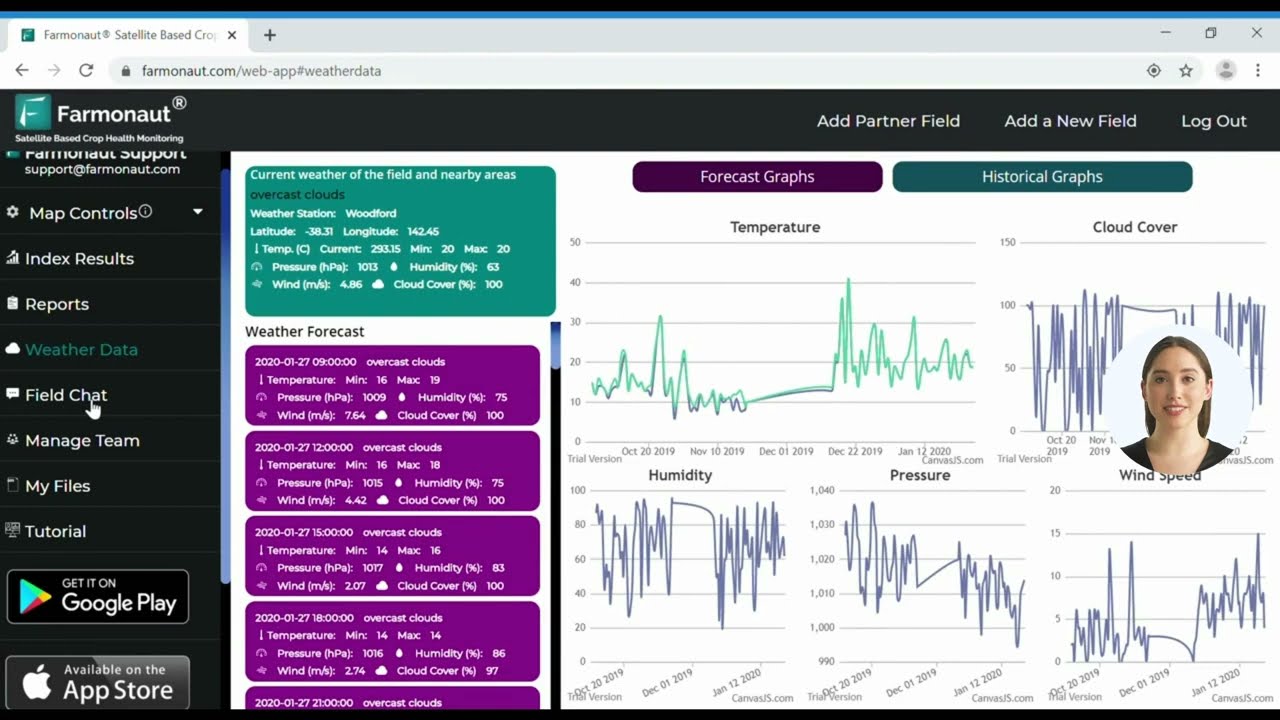
- Real-Time Monitoring: We provide satellite-based monitoring for mining sites to track ecological impact, water usage, and vegetation health—helping companies optimize extraction with minimal footprint.
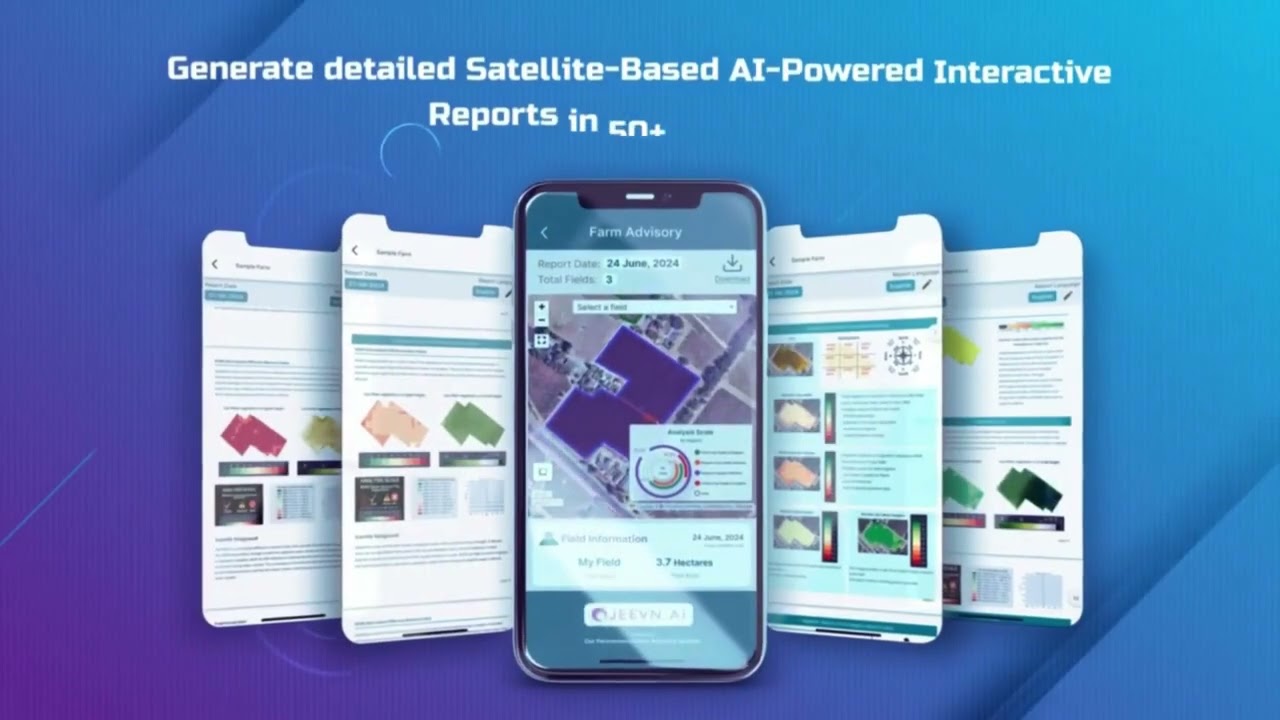
- AI-Based Advisory: Our Jeevn AI Advisory System delivers operational forecasts, risk alerts, and strategic mining and agricultural advice, directly using satellite data.
- Blockchain Traceability: We offer robust traceability for lithium and mineral supply chains, ensuring transparency and compliance at every transfer stage. (Learn about blockchain-enabled traceability here.)
- Fleet and Resource Management: Our tools aid in optimizing the deployment and usage of EV-powered mining and agricultural machinery, supporting both efficiency and cost-effectiveness across logistics. (Explore Farmonaut Fleet Management Solutions)
- Environmental Compliance & Carbon Tracking: We monitor and report on environmental impacts, supporting regulatory adherence and sustainable mining certifications. (Carbon Footprinting Product Details)
Agriculture and Mining Synergy: Why Satellite Technology Matters
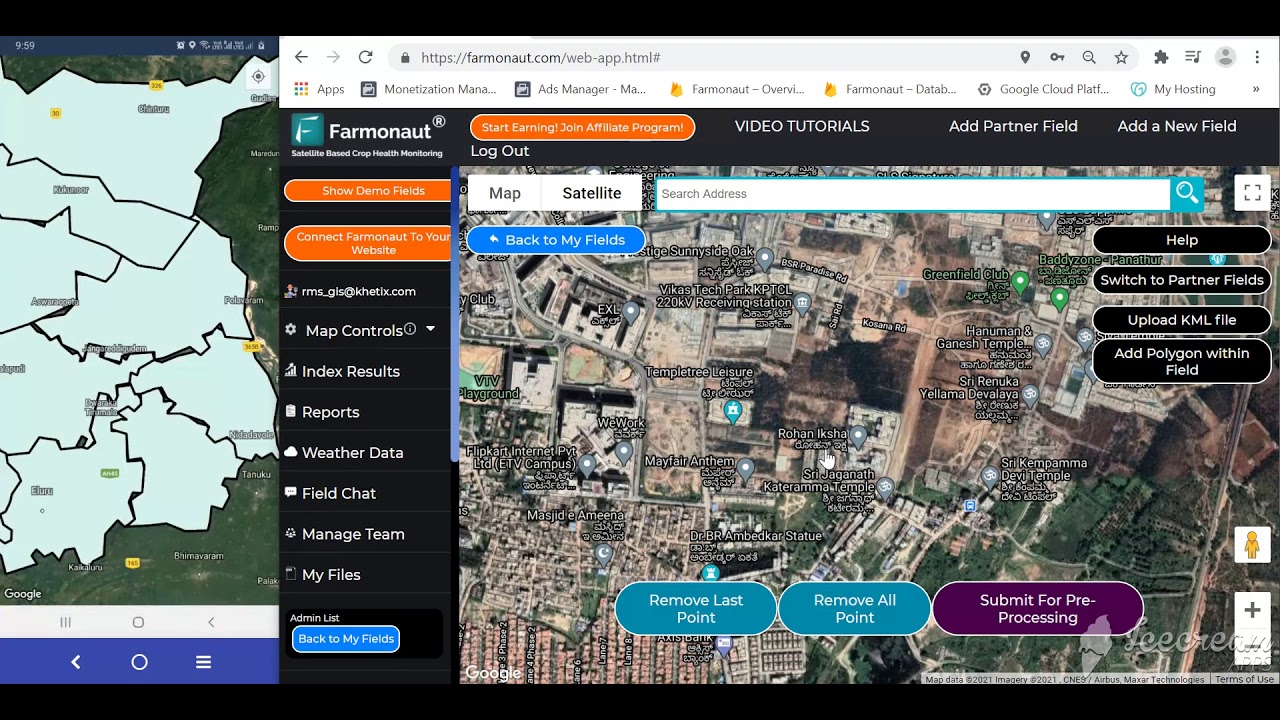
- Our system helps optimize both crop health and resource extraction, leveraging real-time satellite-data for smarter, more sustainable decisions.
- We provide API-driven integrations, allowing businesses to embed powerful agricultural, mining, and weather data into third-party platforms. (Access Farmonaut APIs for advanced integration) and Developer API Documentation
For large-scale farm management, we empower organizations with seamless mapping, monitoring, and advisory capabilities, accessible through the Large Scale Farm Management App.
Enabling Financial Inclusion with Technology
- Our satellite-based verification system simplifies crop loan and mining insurance approvals for banks and insurance companies—ensuring financial services reach more stakeholders securely and efficiently. (Learn about Farmonaut Satellite Verification for Finance)
All these features are available through user-friendly apps and APIs—connecting the mining, agricultural, and infrastructure sectors to a more sustainable, data-empowered future.

Explore Farmonaut Apps and API: Plugging into Sustainable Lithium Operations
Unlock next-generation monitoring, traceability, and resource optimization for mining and agriculture—with Farmonaut’s mobile and web apps:
-

Access Farmonaut Web App—real-time monitoring and advisory for agriculture and mining operations. -

Get Farmonaut Android App—monitor lithium mines, agricultural fields, and infrastructure projects on the go. -

Farmonaut for iOS—advanced lithium, crop, and infrastructure monitoring for Apple users, anywhere.
For integration into business, government, and developer systems:
- Farmonaut API Platform—powerful seamless data access for agriculture, mining, and infrastructure monitoring.
- Developer Documentation for API Integrations.
Subscriptions are affordable and scalable—from smallholders to large businesses, government, and corporate users.
Conclusion: Lithium’s Sustainable Future in Global Infrastructure & Agriculture
As we look to 2026 and beyond, the future of lithium supply mine growth will determine the trajectory of global clean energy ambition—and the modernization of agriculture, mining, and infrastructure. Lithium is not just a component for batteries; it is the foundational enabler for sustainable logistics, modern farms, precision irrigation, smart transport, and resilient cities.
However, the path forward is not without its challenges: water scarcity, social impact, and environmental responsibility must remain at the forefront of operational excellence and industry expansion. The sector’s ability to implement advanced, ethical, and transparent extraction methods will directly impact societal and environmental outcomes.
Ultimately, lithium supply mines stand as the cornerstone of the global green transition, shaping the integrated future of energy, agriculture, and infrastructure for generations.
FAQ: Lithium Mining, Sustainability, and Technology
-
Q: Why is lithium considered a critical mineral for clean energy and agriculture?
A: Lithium is essential for high-density battery technologies. These batteries power electric vehicles, energy storage for renewable grids, and critical infrastructure in agriculture and logistics. As society accelerates towards decarbonization, lithium remains essential for sustainable development. -
Q: What are the primary environmental concerns with lithium mining?
A: Traditional lithium mining (especially from brines) can cause water scarcity and habitat disruption. Hard rock mining may result in land and chemical impacts. Modernization efforts focus on direct lithium extraction (DLE), closed-loop water systems, and digital monitoring to alleviate these challenges. -
Q: How does lithium mining benefit agriculture?
A: Lithium-powered batteries enable electric machinery, smart irrigation, drones, and monitoring systems, which improve efficiency and enable clean energy use across farm operations. They also enable remote and resilient agri-logistics. -
Q: How does Farmonaut support lithium supply mine sustainability?
A: We provide satellite-based monitoring, AI-powered insights, environmental impact tracking, fleet management tools, and blockchain-enabled traceability, all supporting sustainable, responsible mining, agriculture, and infrastructure operations at scale. -
Q: Can satellite data help address water management and social impacts at mine sites?
A: Yes, continuous satellite monitoring allows real-time tracking of water usage and ecosystem changes, supports compliance, and informs transparent, responsible decision-making for both environment and communities. -
Q: How can organizations start with Farmonaut?
A: By signing up for our web or mobile app, businesses, governments, and individuals can leverage affordable, scalable insight for mining, agriculture, and infrastructure. API integration is also available for custom solutions. -
Q: Where is global lithium supply most concentrated?
A: The Lithium Triangle in South America (Chile, Argentina, Bolivia), Australia (hard rock), and emerging regions in Africa currently hold the largest global lithium resources. They are at the forefront of clean energy supply chain growth.
Ready to take the next step in sustainable mining or agriculture?
Download the Farmonaut app on your device, access APIs, and start your data-driven journey today.
-
Farmonaut Web App—your portal for sustainable mining and smart agriculture insights. -
Farmonaut for Android—monitor lithium mines, agricultural yield, and infrastructure anytime. -
Farmonaut for iOS—advanced, responsive, and ready for your sustainable energy future.
Explore our resource links throughout this blog for detailed product use cases such as
carbon footprinting,
blockchain traceability,
crop loan/insurance,
fleet tracking,
and large scale farm management
—all designed to empower your journey in the sustainable lithium, agriculture, and mining landscape.

 Critica Metals Limited
 Congo Mining Solutions
 Mining SARL
 SenGold Invest SAS
 Sania Corporation
 Sean Mining Limited
 NTS Group (Pty) Ltd
 Mine4Africa
 Lithspo Minerals Limited
 Tintina Mining Group
 Dalgety Minerals Pty Ltd
 Vortex Minerals Pty Ltd
 Faith At Work (Pty) Ltd
 Geotech Mining Solutions plc
 Vulcan International Limited
 Kidepo Associates
 GKY Mining
 Alkimy SARL
 Double A Trading
 GemSprout Metals Limited
 Qader Group
 Ileys General Trading
