

Table of Contents
- Introduction
- The Importance of Lithium in Agriculture and Infrastructure
- Major Lithium Producers in the World 2025: Overview
- Comparative Table: Major Lithium Producers in the World 2025
- Deep Dive: Country-by-Country Insights on Major Lithium Producers
- Production Trends, Mining Technology & Sustainability Initiatives
- Lithium Value Chain, Supply & Demand Dynamics
- Lithium in Sustainable Agriculture and Infrastructure Development
- How Farmonaut Empowers Lithium Mining, Agriculture & Infrastructure Projects
- FAQ: Major Lithium Producers in the World 2025
- Conclusion
“Australia remained the top lithium miner in 2025, with an estimated 92,000 tonnes of lithium content, about 32% of world output (excluding the US).”
Major Lithium Producers in the World 2025: A Comprehensive Overview
Lithium has quickly emerged as the indispensable mineral of the 21st century, powering the batteries that drive electric vehicles (EVs), renewable energy grids, modern agricultural equipment, and remote infrastructure. As the demand for efficient energy storage technologies surges globally, the landscape of major lithium producers in the world has grown more pivotal and competitive than ever. Understanding the dynamics of lithium mining, production, supply chains, and global markets is not just beneficial — it is critical for stakeholders in industries like agriculture, infrastructure development, energy, and technology.
In this in-depth exploration, we map out the leading lithium producers set to shape the world in 2025 and beyond. We also uncover how the mineral’s role is extending into sustainable farming, large-scale infrastructure projects, and new technologies that will define our interconnected, greener future.
The Importance of Lithium in Agriculture and Infrastructure
Lithium is renowned for its application in battery technologies that power our phones, laptops, and electric vehicles. However, its impact goes much further, especially as we focus on sustainable farming and smart infrastructure solutions:
- Modern Agriculture: Advanced lithium-ion batteries drive electric tractors, agricultural drones for crop monitoring, automated irrigation systems, and off-grid farm equipment. By enabling efficient energy storage and deployment, lithium makes precision agriculture in rural and remote areas possible.
- Energy Infrastructure: Lithium batteries enable the storage of intermittent renewable energy (solar, wind) and ensure a reliable power supply for rural electrification, critical infrastructure projects, and remote area development. From clean power grids to disaster-resilient infrastructure, lithium’s contribution is indispensable.
- Public and Private Sector Growth: The economic significance of lithium extraction is extending into sectors beyond traditional technology firms and automakers, including public works, rural energy access, mining, defence strategies, and transport planning.

Lithium’s global role is only set to grow as various industries seek cleaner energy, automation, and resilient infrastructure—which rely on the advancements and output of the major lithium producers in the world.
Major Lithium Producers in the World 2025: Overview & Global Production Trends
As of 2025, a handful of countries dominate global lithium production, each bringing advanced mining technologies, extensive reserves, and strategic export capacities to the international supply chain. This has not only satisfied current demand but also paved the way for robust growth to meet the needs of energy storage, renewable grids, sustainable agriculture, and high-tech manufacturing sectors globally.
- Australia: The largest producer, with about 32% of 2025 world mine output from hard-rock (spodumene) mining in Western Australia. Key mines like Greenbushes set production standards for the world.
- Chile: The world’s top lithium brine producer, with vast operations in the Atacama Desert. Chile’s cost-effective and high-grade salt flat production makes it a cornerstone for lithium supply in South America and beyond.
- Argentina: Another major brine producer, forming the ‘Lithium Triangle’ alongside Chile and Bolivia. Rapid mining development and advanced extraction technologies support Argentina’s rise in the global market.
- China: Leveraging both domestic resources and strategic foreign investments, China exerts immense influence across the entire lithium value chain—mining, refining, and battery manufacturing.
- United States: Revitalizing its domestic lithium industry with innovative projects in Nevada and North Carolina, the U.S. seeks supply chain resilience and to capture a significant share of the market for energy, battery, and infrastructure sectors.

The dominance of these major lithium producers is driven by global investment, technological improvements, and growing demand for green energy, electrification, and digital transformation across all industries.
Comparative Table: Major Lithium Producers in the World 2025
Lithium production by country: the USGS figures
The US Geological Survey publishes the standard country estimates each February. Its Mineral Commodity Summaries 2026 puts world mine output at about 290,000 tonnes of lithium content in 2025, up 31% from 222,000 tonnes in 2024. Both totals exclude the United States, whose output is withheld to protect company data.
| Rank | Country | 2024 (t Li) | 2025 est. (t Li) | Share of 2025 total | Main source |
|---|---|---|---|---|---|
| 1 | Australia | 82,700 | 92,000 | 32% | Hard rock (spodumene) |
| 2 | China | 41,400 | 62,000 | 21% | Hard rock and brine |
| 3 | Chile | 48,900 | 56,000 | 19% | Brine |
| 4 | Zimbabwe | 20,000 | 28,000 | 10% | Hard rock |
| 5 | Argentina | 13,800 | 23,000 | 8% | Brine |
| 6 | Brazil | 10,200 | 12,000 | 4% | Hard rock |
| 7 | Mali | 770 | 9,400 | 3% | Hard rock |
| 8 | Canada | 4,820 | 5,600 | 2% | Hard rock |
Shares are calculated from the USGS table against the 290,000-tonne total. Two shifts stand out. China moved past Chile into second place, and Zimbabwe is now the fourth-largest producer. Chile still holds the largest reserves, at 9.2 million tonnes, against 8.4 million tonnes in Australia (USGS).
USGS says commercial-scale US production came from a single brine operation in Nevada. The USGS also estimates that batteries took 88% of lithium use worldwide in 2025.
Deep Dive: Country-by-Country Insights on Major Lithium Producers
Australia: The Dominant Lithium Producer
Australia remains the world’s largest lithium producer, driven primarily by hard rock (spodumene) mining in Western Australia. Greenbushes, one of the world’s largest hard-rock lithium mines with one of the highest ore-reserve grades, is the flagship operation. Critical mining operations employ advanced extraction and processing technologies, directly supplying both domestic and international refineries serving Asia, Europe, and beyond.
- Output (2025): about 92,000 metric tons of lithium content (USGS estimate).
- Market Share: about 32% of world mine output.
- Key Applications: Energy storage solutions, electric vehicles, agricultural electrification, smart farming equipment.
- Sustainability: Investments in water conservation, low-energy processing, strict biodiversity controls.

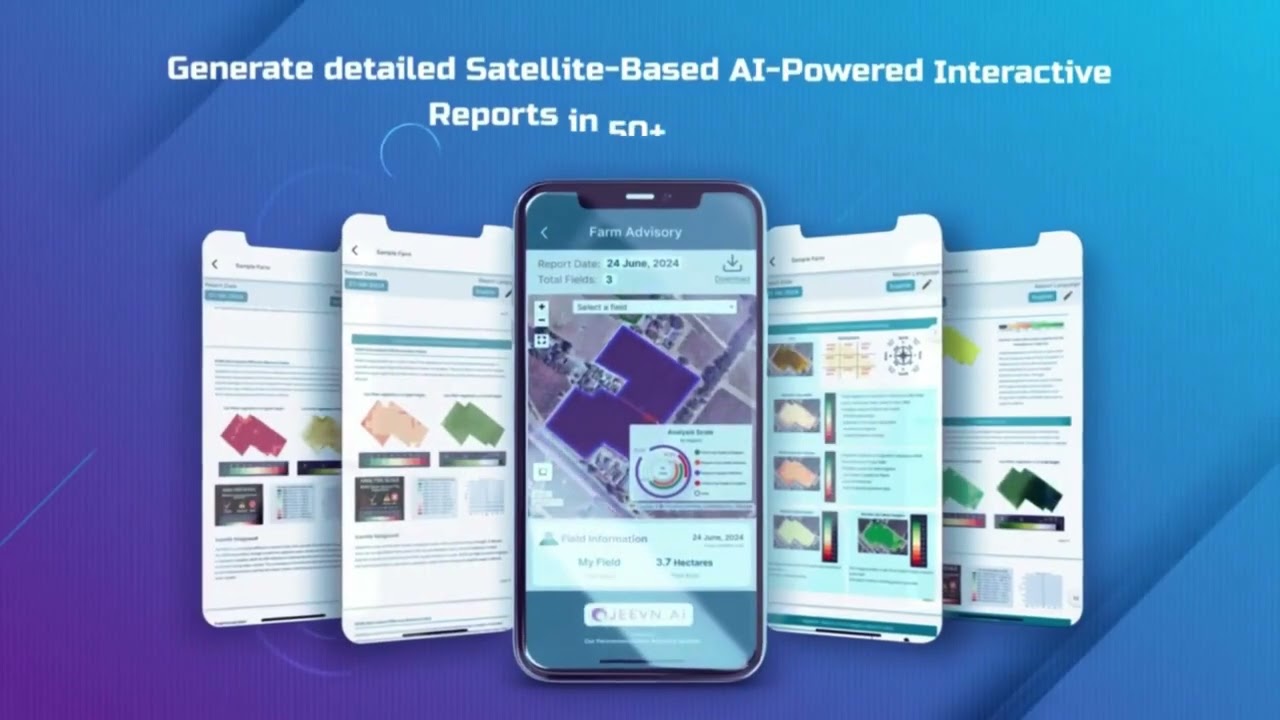
Explore Farmonaut’s Web App for real-time crop and mine monitoring in Australia.

Chile: The Brine Extraction Leader
Chile is globally recognized for lithium production from brine extraction in the Atacama Desert—one of the driest places in the world, but host to exceptional salt-based lithium reserves. Brine operations in vast salt flats generally have cost advantages over hard-rock mining, though their water use in the Atacama remains closely watched.
- Output (2025): about 56,000 metric tons of lithium content (USGS estimate).
- Market Share: about 19% of world mine output.
- Applications: EVs, energy storage, agricultural electrification, export to North America and Asia.
- Sustainability: Solar evaporation ponds, brine balancing, local community engagement.
Manage large mining fleets or agricultural machinery efficiently across Chile’s remote areas using Farmonaut’s Fleet Management solutions. Streamline logistics, track resources, and make operations greener and safer.
Argentina: The Rising Lithium Star
Argentina’s lithium story is woven into the fabric of the South American Lithium Triangle. Its development has accelerated thanks to advanced brine extraction and adoption of Direct Lithium Extraction (DLE) techniques, fostering partnerships with technology innovators focused on resource efficiency and rural sustainability.
- Output (2025): about 23,000 metric tons of lithium content (USGS estimate).
- Market Share: about 8% of world mine output.
- Applications: Mechanized farming, EVs, large-scale battery manufacturing, rural energy projects.
- Sustainability: Reuse in agricultural projects, salt flat conservation, social responsibility programs.
Access mining and agriculture satellite insights across Argentina via Farmonaut’s robust API. Seamlessly integrate resource data for monitoring, reporting, and operational improvement.
Get started with our Developer Documentation.
China: The Vertically Integrated Powerhouse
China is unique among major lithium producers for its extensive vertical integration — mining, refining, and battery manufacturing are deeply intertwined. Combining hard rock, brine, and substantial foreign lithium mine investments, China assures resource supply for its huge electric vehicle and battery production sectors.
- Output (2025): about 62,000 metric tons of lithium content from domestic mines (USGS estimate), plus stakes in foreign mines.
- Market Share: about 21% of world mine output, second only to Australia.
- Applications: Batteries, grid storage, rural fleet electrification, smart agriculture equipment.
- Sustainability: Major investments in battery recycling tech and lower-emission refining.
United States: The Strategic Revitalizer
The United States is actively revamping its lithium mining sector, with Nevada at the forefront. The Silver Peak mine leads today, but advanced clay extraction projects and new opportunities in North Carolina and other states are underway, with a focus on rural infrastructure, EVs, and grid storage projects.
- Output (2025): not published; the USGS withholds US production figures to protect company data.
- Market Share: not published; the US has one commercial lithium mine, a brine operation in Nevada.
- Applications: Support domestic EVs, rural electrification, renewable grid projects, defense applications.
- Sustainability: Land reclamation, environmental oversight, next-gen recycling R&D.
Largest lithium companies and the mines they control
A handful of companies own most of the big operations. Ownership is often shared, so one mine can count towards several producers.
- Greenbushes, Western Australia is a large hard-rock lithium mine with one of the highest ore-reserve grades of any hard-rock mine. Operator Talison is owned 49% by Albemarle and 51% by a joint venture of Tianqi Lithium and IGO (Albemarle).
- Rio Tinto became a major lithium producer when it completed its $6.7 billion purchase of Arcadium Lithium on 6 March 2025 (Rio Tinto). Arcadium, formed in January 2024 from the merger of Allkem and Livent, ran the Fénix and Olaroz brine operations in Argentina (Arcadium 10-K).
- SQM runs the Salar de Atacama in Chile. On 27 December 2025 its joint venture with state miner Codelco, NovaAndino Litio, took effect and will operate the salt flat until 2060 (Codelco). SQM manages it until 2030, then Codelco takes over from 2031 (NovaAndino Litio).
Production Trends, Mining Technology & Sustainability Initiatives
The global landscape of lithium production is constantly evolving. The next phase—from 2025 onward—will be marked by several critical trends:
- Advances in Extraction Technology: Adoption of Direct Lithium Extraction (DLE), low-energy brine processes, and advanced spodumene conversion are improving yields while minimizing water and energy use. Australia, Argentina, and Chile lead with such technologies.
- Battery Recycling & “Urban Mining”: Countries worldwide, especially China, are increasing focus on lithium-ion battery recycling to recover valuable minerals, reduce environmental impact, and foster a circular economy.
- Sustainability Commitments: Major producers are investing in water management technologies, renewable energy use for processing plants, reforestation, and biodiversity restoration to counter ecological risks from mining.
Ensure full traceability of lithium mined for agriculture or energy through Farmonaut’s blockchain-powered traceability tools. This promotes transparency and accountability from extraction to application.
Lithium Value Chain, Supply & Demand Dynamics for 2025 and Beyond
The major lithium producers in the world form the backbone of a complex, agile value chain linking exploration and mining to processing, battery manufacturing, transportation, and application in key sectors like energy storage, EVs, and agriculture.
- Supply Side: Chile and Australia hold the largest lithium reserves, followed by China, Argentina and the United States, and output is rising to meet demand. However, regional disruptions such as water management or regulatory hurdles can affect the consistency of supply.
- Demand Side: The boom in electric vehicles, utility-scale battery storage, farm electrification, and green infrastructure is fueling exponential lithium demand. Densely populated countries and advanced economies are rapidly electrifying logistics and agricultural equipment.
- Global Trade: With the world’s top producers focused on securing reliable exports, international supply chains will remain robust but need increased resilience to absorb market shocks and ensure continuous flow to battery, infrastructure, and agriculture sectors.

Lithium in Sustainable Agriculture and Infrastructure Development
Lithium-ion batteries and related technologies are fast becoming the cornerstone of efficient, sustainable agriculture and modernized infrastructure:
- Smart Farming Tools: Lithium batteries enable electric tractors, drones for crop health monitoring, and portable irrigation control, even in remote or power-deficient areas, thus driving advances in yield and efficiency.
- Rural Electrification: Remote villages and farming communities gain access to stable electricity via solar arrays backed by lithium battery packs—facilitating nighttime irrigation, cold storage, communication, and rural development projects.
- Energy Grids: Utility-scale lithium storage systems balance renewable energy supply, store surplus production, and unleash reliable power during peak demand or grid failures, making rural and urban infrastructure more adaptive.
Monitor and reduce the environmental impact of lithium mining and agriculture projects using Farmonaut’s Carbon Footprinting tools. Satellite-based CO2 tracking ensures compliance and fosters sustainability.

How Farmonaut Empowers Lithium Mining, Agriculture & Infrastructure Projects
As satellite monitoring, artificial intelligence, and blockchain integration reshape the lithium value chain, our team at Farmonaut delivers advanced geospatial and analytical solutions tailored for the following applications:
-
Real-Time Satellite Monitoring:
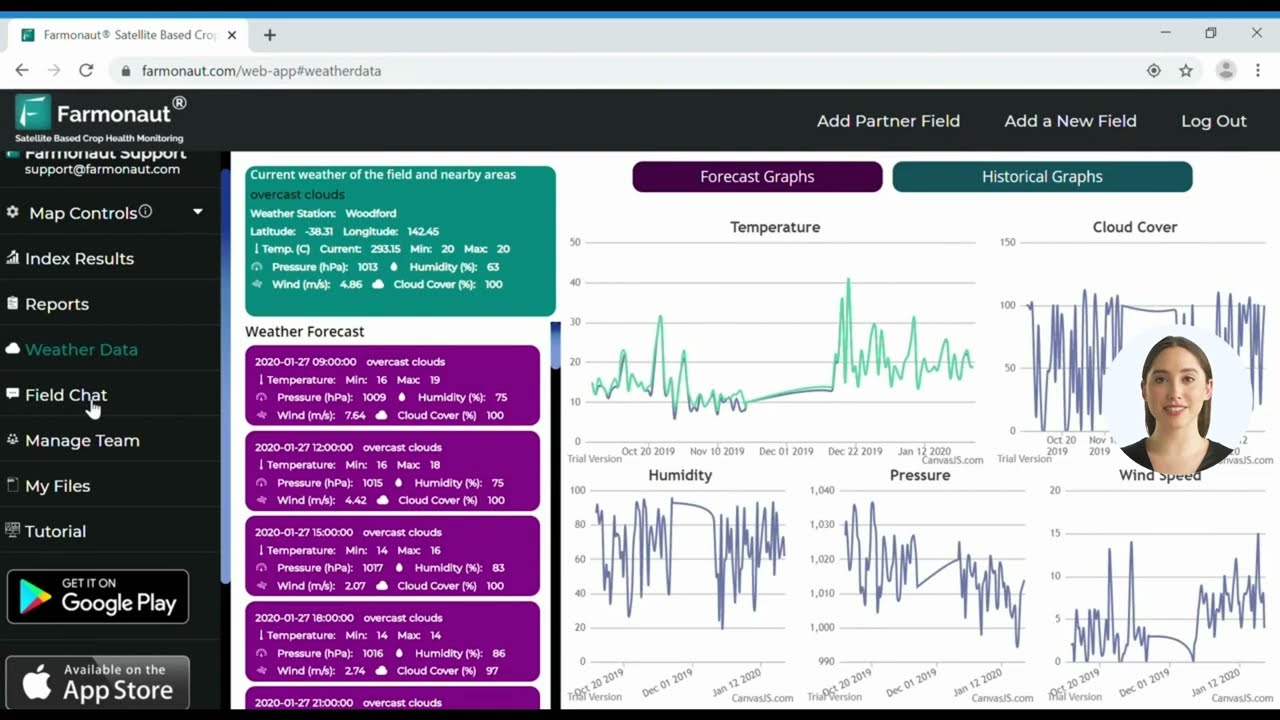
We use multispectral satellite imaging and AI-based analytics to deliver actionable insights on mining sites, vegetation health, soil conditions, and project management. Our platform assists lithium producers, agricultural enterprises, and infrastructure developers in Australia, Chile, Argentina, the United States, and globally. -
Fleet and Resource Optimization:
Our fleet management tools help users streamline vehicle utilization, reduce operational costs, and enhance safety—crucial for mining and large-scale agricultural operations. -
Blockchain-Based Traceability:
With traceability solutions, we support major lithium producers and agricultural supply chains in building transparency, boosting consumer trust, and minimizing fraud from extraction to end product. -
Environmental Impact Monitoring:
Advanced CO2 and ecological tracking, as well as compliance reports, make it easier for producers to meet sustainability goals and regulatory demands across mining and agricultural sectors.
Our suite of satellite-driven, AI-powered, and blockchain-integrated services is engineered for everyone—from individual users and businesses to governments and financial institutions, driving productive, transparent, and sustainable lithium development in 2025 and beyond.


Empower Large-Scale Lithium or Agri Projects:
Build, oversee, and analyze vast projects with Farmonaut’s Large Scale Farm Management tools for better resource allocation, risk mitigation, and production forecasting.
Financial institutions can verify resources and lands using Farmonaut’s satellite data to streamline crop loan and mining insurance applications, minimizing paperwork and fraud.
Leverage AI for Crop & Forest Advisory:
Maximize land utility and ecosystem health by receiving satellite and AI-based plantation advisories in lithium mining environments and agricultural redevelopment projects.
FAQ: Major Lithium Producers in the World 2025
Which countries are the major lithium producers in the world in 2025?
The global landscape is led by Australia (about 32% of 2025 mine output), followed by China, Chile, Zimbabwe and Argentina; US output is not published. These countries dominate due to large reserves, advanced mining and extraction technologies, and strong export capacities.
Why is lithium important for agriculture and infrastructure?
Lithium is indispensable for powering energy storage solutions, electric tractors, precision farming drones, rural irrigation, and grid batteries—enabling sustainable agriculture and infrastructure growth worldwide.
How do lithium production trends affect global supply chains?
Ramping production, technological improvements in extraction (like DLE and recycling), and a focus on sustainable operations ensure a reliable global supply to meet growing demand in EV, energy, and agricultural equipment sectors.
How does Farmonaut support mining and agriculture stakeholders?
Farmonaut provides advanced satellite, AI, and blockchain tools for real-time monitoring, fleet/resource management, carbon tracking, and supply chain traceability—helping stakeholders optimize projects, meet sustainability standards, and make smarter decisions.
Conclusion: The Future of Major Lithium Producers, Energy, and Agriculture (2025 and Beyond)
As we move towards an energy-resilient, sustainable, and interconnected future, major lithium producers in the world—notably Australia, Chile, Argentina, China, and the United States—will continue to play a pivotal role across mining, infrastructure, agricultural electrification, and renewable energy sectors. Their ability to meet rising demand sustainably while advancing extraction technologies and supply chain transparency will shape the course of farming, energy storage, and global development in 2025 and beyond.
By leveraging the latest satellite-driven, AI-powered solutions—such as those offered by Farmonaut—stakeholders across mining, agriculture, and infrastructure can gain actionable insights, optimize resources, enhance sustainability, and drive growth toward a low-carbon, technology-driven future. The evolution of major lithium producers will be instrumental in powering the innovations that will define the next decade and reshape our world.
For further insights on lithium mining, sustainable farming, and technology-powered infrastructure management—visit Farmonaut’s official site or explore our platform on web, Android, or iOS.
Discussion
Questions, corrections or field experience? Share them below. First-time comments are reviewed before they appear, and your email is never published.
No comments yet. Be the first to add a question or your experience.

 Lithspo Minerals Limited
 Tintina Mining Group
 Dalgety Minerals Pty Ltd
 Vortex Minerals Pty Ltd
 Faith At Work (Pty) Ltd
 Geotech Mining Solutions plc
 Vulcan International Limited
 Kidepo Associates
 GKY Mining
 Alkimy SARL
 Double A Trading
 GemSprout Metals Limited
 Qader Group
 Ileys General Trading
 SG Gold Mining LLC
 VRV Global Pte Ltd
 Omsri International FZE
 G.I.T.T.
 Jaunita Erss Ltd
 Almosi SARL
 SRK Consulting
 Berks Gold Limited
 Mwerezi Minerals Company Limited
