

Precious metals · Alloy guide
Gold Platinum Alloy: Ratios, Uses and Metal Value
Gold-platinum alloys are mostly platinum with 5-10% gold, used for lab crucibles and wear-resistant contacts; in jewellery they are marked by platinum content. Here are the ratios, the marking rules, a value calculator and where both metals are mined.
Key takeaways
- 95% platinum with 5% gold is the standard alloy for XRF and ICP fusion crucibles, because gold reduces wetting by the melt (Heraeus; Malvern Panalytical).
- Sandia National Laboratories reported in 2018 that a 90% platinum, 10% gold alloy was 100 times more durable than high-strength steel.
- US rules allow the plain word “Platinum” only at 950 parts per thousand pure platinum (FTC Guides, 16 CFR 23.7).
- Kitco quoted gold at about US$4,098 and platinum at about US$1,526 per troy ounce on 5 November 2026.
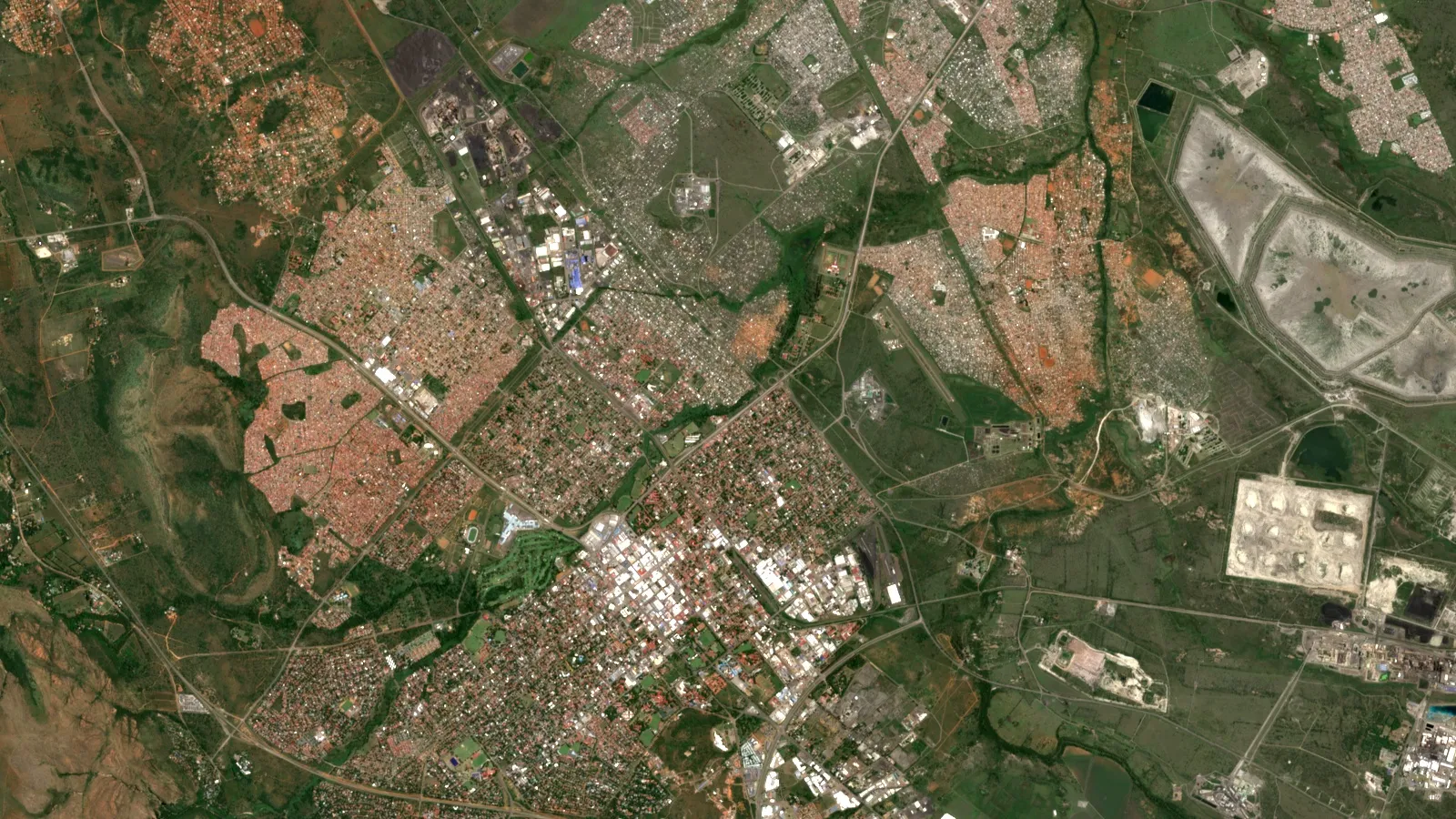
- South Africa mined about 120,000 of the world’s 170,000 kg of platinum in 2025 (USGS estimate).
In this article
- What is a gold platinum alloy?
- Common gold-platinum alloy ratios and their uses
- How a platinum-gold alloy is marked in jewellery
- How much is a gold platinum alloy worth?
- Platinum and gold prices over five years
- Where platinum and gold ore are mined
- Platinum gold ore: deposits that carry both metals
- Gold platinum alloy compared with other gold alloys
- What mining consultants should check
- Frequently asked questions
A gold platinum alloy is a metal made by melting gold (Au) and platinum (Pt) together in a set ratio. The best-known mixes are 95% platinum with 5% gold, used for laboratory crucibles, and 90% platinum with 10% gold, which Sandia National Laboratories reported in 2018 as the most wear-resistant metal alloy it knew of. In jewellery, the same two metals appear together far less often than people think, because platinum and gold do not mix evenly in the solid state and each metal has its own marking rules.
This guide explains what the alloy is, the ratios that are actually used, how it is marked, how to work out what a piece is worth at today’s prices, and where the platinum and gold in it are mined. It is written for mining consultants, refiners and buyers who need numbers rather than slogans.
What is a gold platinum alloy?
An alloy is a mixture of a metal with one or more other elements, melted and cooled together. A gold-platinum alloy contains both precious metals and sometimes small amounts of others such as palladium, silver or copper. The ratio decides its colour, hardness, melting range and price.
Two families exist. Platinum-rich alloys (mostly platinum with a few percent of gold) are white, very heavy and resist heat and chemical attack. Gold-rich alloys (mostly gold with some platinum) were developed mainly for dental work and some jewellery, where platinum hardens the gold and lightens its colour.
The two metals start from very different points. Gold melts at 1,064.18°C and has a density of 19.3 g/cm³, according to the Royal Society of Chemistry element data. Platinum melts at 1,768.2°C and has a density of 21.5 g/cm³ (RSC). Any alloy of the two therefore melts somewhere between those temperatures and is heavier than pure gold.
Why the two metals do not mix evenly
Liquid gold and liquid platinum mix completely. As the solid alloy cools slowly, though, the gold-platinum system separates into a gold-rich phase and a platinum-rich phase over a wide range of compositions. Metallurgists call this a miscibility gap. In practice it means that the heat treatment matters as much as the recipe: a quenched alloy can be uniform, while a slowly cooled or aged one can form two phases, which raises hardness but can make the metal harder to work. This is one reason commercial products stick to a few proven ratios rather than any mix a buyer might ask for.
Common gold-platinum alloy ratios and their uses
The table lists the gold and platinum combinations that buyers meet most often, with the source for each.
| Composition | Main use | Why this ratio | Source |
|---|---|---|---|
| 95% Pt, 5% Au | Crucibles and casting dishes for XRF and ICP sample fusion | Gold lowers wetting by molten silicate, so the glass bead releases cleanly; strength at 1,100-1,200°C improves | Heraeus, Malvern Panalytical |
| 90% Pt, 10% Au | Sliding electrical contacts (research stage) | Stable grain structure under heat and repeated sliding; reported 100 times more durable than high-strength steel | Sandia National Laboratories, 2018 |
| 950 parts Pt per 1,000 | Platinum jewellery | The level at which US rules allow the plain word “Platinum”; the rest can be other metals, gold included | US FTC Guides, 16 CFR 23.7 |
| 850-900 parts Pt | Platinum jewellery | Allowed if the number is stamped, such as “900Pt.” | US FTC Guides, 16 CFR 23.7 |
| Gold with a few percent Pt | Dental casting alloys, some jewellery | Platinum hardens gold and raises its melting range | USGS lists dental devices among PGM uses |
Laboratory crucibles: the biggest everyday use
Every mining assay lab that prepares fused glass beads for X-ray fluorescence (XRF) analysis uses platinum ware. Heraeus says that adding 5% gold improves platinum’s stability in the 1,100-1,200°C range and gives low wettability, so the melt can be removed easily from crucibles and casting dishes. Malvern Panalytical also states that crucibles for XRF and ICP work and moulds for XRF are made of 95% Pt and 5% Au. If you send core or rock samples for whole-rock or ore-grade XRF, your results almost certainly passed through this alloy.
Electrical contacts: the wear-resistance research
The 2018 Sandia work, published in Advanced Materials, used a 90% platinum and 10% gold mix. Sandia noted that this ratio is not new. What was new was the processing and the theory: the team found the alloy kept a stable grain structure under heat and long cyclic sliding, and it was a hundred times more wear resistant while being no harder than other platinum-gold alloys. The target market is electronics, where sliding metal contacts wear out. It is a coating idea, not a bulk jewellery metal.
How a platinum-gold alloy is marked in jewellery
In the United States, the FTC Guides for the jewelry industry (16 CFR Part 23) set the marking rules. A product can be called simply “Platinum” if it contains at least 950 parts per thousand pure platinum. Items with 850, 900 or 950 parts can be marked with the number, for example “900Pt.” or “850Plat.”. A piece with 500 to 849 parts platinum that does not reach 950 parts of platinum group metals must show every metal, such as “585 Pt., 415 Co.”, and may need a disclosure that it may not behave like traditional platinum.
Gold is not a platinum group metal, so under these rules a ring that is 900 parts platinum and 100 parts gold is marked by its platinum content, not as a combined “gold platinum” metal. Gold karat marks (14K, 18K and so on) describe only the gold share. A buyer who sees “18K/Pt” on a two-tone ring is usually looking at two separate metals joined together, not one alloy. Ask the seller for an assay or the stamp meaning before paying a premium.
Points to check before buying
- The stamp: a parts-per-thousand number (950, 900, 850) for platinum, a karat or fineness for gold.
- Whether the piece is solid or plated. Rhodium plating on white gold is common and wears off.
- The weight in grams, so you can compare the price with the metal value in the calculator below.
- For scrap, a refiner’s assay. Refiners pay on measured content, not on the stamp.
How much is a gold platinum alloy worth?
The metal value of an alloy is the weight of each metal multiplied by its price. Spot prices on Kitco on 5 November 2026 were about US$1,526 per troy ounce for platinum (bid) and about US$4,098 per troy ounce for gold (bid). Those prices move every minute, so treat them as an example and use the price on the day you sell or buy.
At those levels gold was worth well over twice as much per ounce as platinum. That reverses the old rule of thumb that platinum is the dearer metal, and it means adding gold to platinum now raises the metal value of an alloy rather than lowering it. A troy ounce is 31.1035 grams.
Scrap buyers and refiners pay less than spot. They deduct refining charges and a margin, and for mixed platinum-gold scrap they have to separate the two metals, which costs more than refining a single metal. Ask for the payable percentage of each metal in writing.
Calculator
What is the metal in your platinum-gold piece worth?
Enter the weight, the platinum share and today’s prices.
- Platinum value (US$): $434
- Gold value (US$): $129
- Likely offer at your payable share (US$): $506
Example values only, not a benchmark. Prices are inputs: example, use today’s price (Kitco, LBMA). 1 troy ounce = 31.1035 g. Buyers and refiners pay less than full metal value.
Platinum and gold prices over five years
The USGS publishes an annual average price for both metals. From 2021 to 2024 platinum averaged between about US$960 and US$1,094 per troy ounce, while gold climbed from about US$1,801 to US$2,388, according to the USGS Mineral Commodity Summaries 2026 for platinum group metals and the USGS gold summary. The USGS estimate for 2025 is US$1,200 for platinum and US$3,300 for gold. The gap between the two metals widened every year in that series.
Chart
Gold has pulled far ahead of platinum
Annual average price, US$ per troy ounce (2025 estimated)
For anyone pricing an alloy, the lesson is that the gold share now carries most of the value per gram even when it is the smaller part by weight. In a 90/10 platinum-gold piece at the November 2026 Kitco prices, gold is 10% of the weight but nearly a quarter of the metal value.
Where platinum and gold ore are mined
The metals in any alloy started as ore. Platinum supply is far more concentrated than gold supply. The USGS estimates world platinum mine production at about 170,000 kilograms in 2025, of which South Africa produced about 120,000 kg, followed by Russia (20,000 kg), Zimbabwe (18,000 kg), Canada (5,000 kg) and the United States (1,800 kg). The largest platinum group metal resources and reserves are in the Bushveld Complex of South Africa (USGS, 2026).
Chart
Leading gold mining countries
Gold mine production, tonnes, 2025 estimate
Chart
Platinum mine output by country
Kilograms of platinum, 2024 vs 2025 estimate
Gold mining is spread across many more countries. USGS estimates world gold mine production at about 3,300 tonnes in 2025, led by China (380 t), Russia (310 t), Australia (280 t) and Canada (200 t). The US produced about 160 t.
Why US platinum output fell
The USGS reports that one company in Montana mined and processed platinum group metals in 2025, with an estimated value of US$290 million, down 31% from 2024. Total US palladium and platinum output fell by about 40% because one operation stayed on care-and-maintenance. Small amounts of platinum group metals were also recovered as byproducts of copper-nickel mining in Michigan and exported for refining. The US relied on imports for about 89% of the platinum it used in 2025 (USGS estimate).
Canada is a steady secondary source. Natural Resources Canada reports that Canadian mines produced 746,000 troy ounces of platinum group metals in 2024, about 74% of it from Ontario.
Platinum gold ore: deposits that carry both metals
Gold and platinum do occur together in nature, but rarely as an economic “platinum gold ore” on their own. Three settings matter to explorers:
- Layered mafic-ultramafic intrusions. Large, slowly cooled bodies of magnesium- and iron-rich rock, such as the Bushveld Complex. Platinum group metals sit in thin layers called reefs, with gold and base metals as smaller byproducts. Grades are given in grams per tonne (g/t), meaning grams of metal in each tonne of rock.
- Magmatic nickel-copper sulphide deposits. Ores like those at Sudbury in Ontario and the Michigan deposit named by the USGS, where platinum, palladium and gold are recovered from the nickel and copper concentrate.
- Placers. Loose sand and gravel deposits where heavy minerals settle in rivers. Platinum nuggets and grains occur with placer gold in some districts, because both metals are dense and resist weathering.
For a consultant, the practical point is that the gold in a platinum deposit is usually a credit that improves the economics, not the reason to mine. The opposite is also true: a gold project rarely produces saleable platinum unless it sits on mafic or ultramafic rock. If you are reading a grade figure, check whether it is reported as platinum alone, as “3E” (platinum, palladium and gold) or as “4E” (with rhodium), because the totals are not comparable. Our guide to grams per tonne gold explains grade units in more detail, and the overview of types of ore deposits compares these settings with other deposit styles.
How the ore is processed
Platinum and gold ores are usually crushed, milled and concentrated by gravity or flotation before smelting and refining. Gold-only ores are often leached instead. The steps and their trade-offs are covered in our article on gold ore processing methods, and the platinum side in the steps in a platinum mine. Refined metal from both chains is what alloy makers buy.
▶ How gold is mined and refined, from rock to ring, step by step. · 5:27
Gold platinum alloy compared with other gold alloys
Most gold alloys in daily use mix gold with silver and copper (yellow and rose gold) or with palladium or nickel (white gold). Platinum is the least common partner because it is costly to melt and work. Compared with those mixes, a gold-platinum alloy is denser, has a higher melting range, does not tarnish and can be made without nickel, which matters for people with nickel allergies. The trade-off is price and fabrication cost. For the more common combinations, see our guide to gold-silver and gold-copper alloys.
What mining consultants should check
Consultants rarely deal with finished alloys, but the two metals show up in their work in three ways: assays, project economics and supply risk.
- Assay method. Fire assay with a lead collector is standard for gold and platinum group metals; XRF fusion in platinum-gold crucibles is used for major elements. Confirm the lab’s method and detection limit before trusting a low-grade result.
- Payable metals. In platinum projects, check whether gold is included in the payable basket and at what payability.
- Price basis. Gold and platinum prices have moved apart quickly since 2021 (USGS). Run economics at more than one price and show the date of each.
- Supply concentration. Platinum comes mostly from one country. A disruption there affects alloy and crucible costs everywhere.
- Land and title. Before field work in a US state such as Montana, confirm who holds the minerals; our note on Montana mineral rights covers the basics, and the US mining map shows active mines by state.
For early-stage ground, satellite imagery can screen large areas for alteration and rock types before you commit to sampling. Farmonaut offers this as a satellite-based mineral detection service, and you can send a site through the mining query form. Results are exploration targets that still need field checks and drilling.
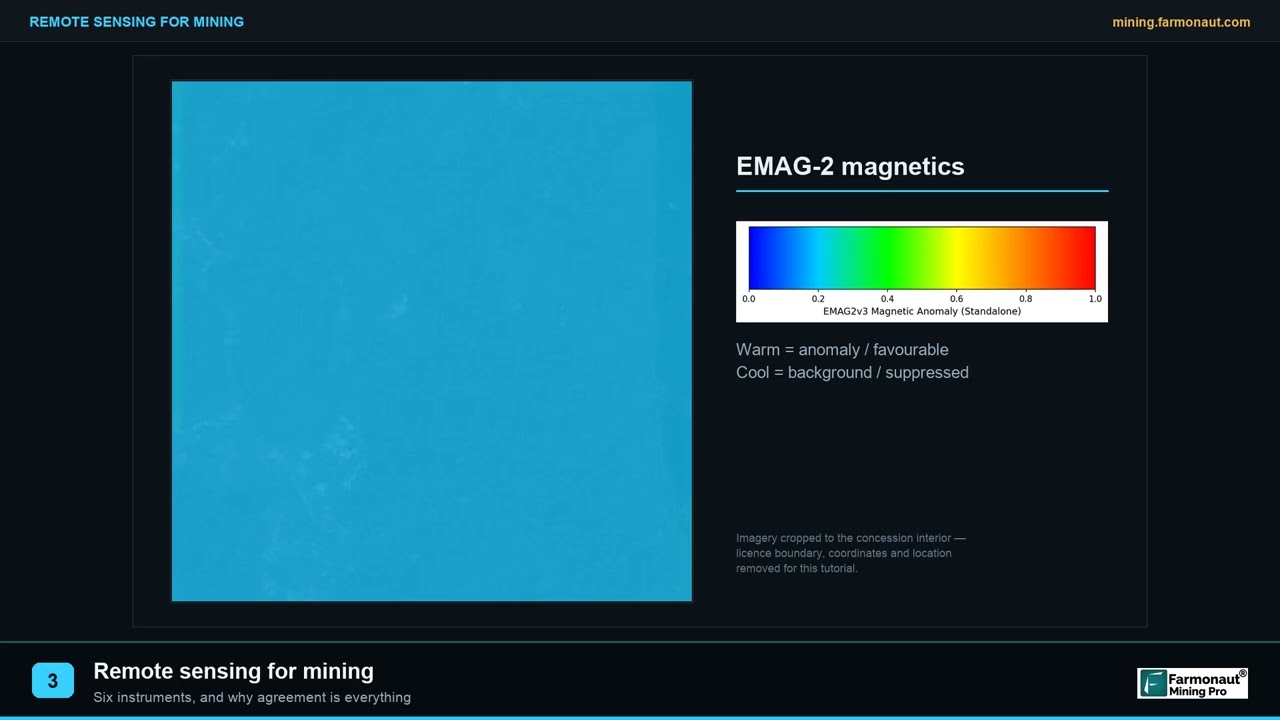
▶ Remote sensing for mining explained in three minutes. · 2:01
Frequently asked questions
What is an alloy of gold and platinum called?
There is no special trade name. It is described by its ratio, such as Pt-5Au (95% platinum, 5% gold) or 90Pt-10Au. In jewellery it is marked by its platinum content, for example “950Pt.”.
Can you mix gold and platinum?
Yes. They mix fully when molten, but in the solid state they tend to separate into gold-rich and platinum-rich phases, so the cooling and heat treatment have to be controlled.
Is a platinum-gold alloy stronger than pure platinum?
Yes, for high-temperature use. Heraeus reports that 5% gold improves platinum’s strength in the 1,100-1,200°C range, and Sandia found a 90/10 mix far more wear resistant than steel.
What colour is a gold platinum alloy?
Platinum-rich alloys look silver-white, like platinum. Sandia described its 90/10 alloy as looking like ordinary platinum. Gold-rich alloys with a little platinum are pale yellow.
Why are XRF crucibles made of platinum and gold?
Gold reduces how much molten silicate sticks to the crucible, so the fused bead comes out cleanly, and it improves strength at fusion temperatures (Heraeus; Malvern Panalytical).
Is platinum worth more than gold?
Not in recent years. On 5 November 2026 Kitco quoted gold at about US$4,098 and platinum at about US$1,526 per troy ounce. Check the live price before any sale.
How do I value a platinum-gold ring?
Weigh it in grams, find the stamp or an assay for each metal’s share, convert to troy ounces (divide by 31.1035) and multiply by each metal’s price. The calculator on this page does this for you. Expect a buyer to pay less than the full metal value.
Where does most platinum come from?
South Africa, which produced about 120,000 of the world’s roughly 170,000 kilograms of mined platinum in 2025 (USGS estimate).
Is there a platinum gold ore?
Some deposits carry both metals, mainly layered intrusions, nickel-copper sulphide ores and some placers. Gold is usually a byproduct of platinum mining rather than the main product.
Is a “gold platinum” ring one alloy or two metals?
Usually two. Two-tone rings join a gold part and a platinum part. A true single alloy will be marked by its platinum content under US rules.
More from Farmonaut: contact us, platinum gold alloy platinum alloys gold ore 2026 innovations.
This page is for information only. It is not investment advice.
Farmonaut mining
Map your own project area from space
Screen a gold or platinum licence area with satellite data before planning field sampling.

Mining Pro sample view, synthetic data
Keep reading
Sources
- Sandia National Laboratories, Most wear-resistant metal alloy in the world (2018): newsreleases.sandia.gov
- Royal Society of Chemistry, Gold element data: periodic-table.rsc.org
- Royal Society of Chemistry, Platinum element data: periodic-table.rsc.org
- Heraeus, Platinum labware for XRF: heraeus.com
- Malvern Panalytical, The ABCs of platinumware for fusion: malvernpanalytical.com
- eCFR, 16 CFR Part 23 Guides for the jewelry industry: ecfr.gov
- Kitco, Platinum spot price (5 Nov 2026): kitco.com
- Kitco, Gold spot price (5 Nov 2026): kitco.com
- USGS, Mineral Commodity Summaries 2026: Platinum-group metals: pubs.usgs.gov
- USGS, Mineral Commodity Summaries 2026: Gold: pubs.usgs.gov
- Natural Resources Canada, Platinum facts: natural-resources.canada.ca
Discussion
Questions, corrections or field experience? Share them below. First-time comments are reviewed before they appear, and your email is never published.
No comments yet. Be the first to add a question or your experience.

 Enterprise Takreem
 Sean Mining Limited
 NTS Group (Pty) Ltd
 Mine4Africa
 Lithspo Minerals Limited
 Tintina Mining Group
 Dalgety Minerals Pty Ltd
 Vortex Minerals Pty Ltd
 Faith At Work (Pty) Ltd
 Geotech Mining Solutions plc
 Vulcan International Limited
 Kidepo Associates
 GKY Mining
 Alkimy SARL
 Double A Trading
 GemSprout Metals Limited
 Qader Group
 Ileys General Trading
 SG Gold Mining LLC
 VRV Global Pte Ltd
 Omsri International FZE
 G.I.T.T.
 Jaunita Erss Ltd
 SRK Consulting
 Berks Gold Limited

 Client · Tanzania · Gold










