

Table of Contents
- Introduction: Rare Earth Elements as Pillars of Sustainability (2025)
- Did You Know? Quick Trivia
- Understanding Rare Earth Elements: The Building Blocks of Modern Progress
- 7 Defining Roles of Rare Earth Elements in Sustainable Agriculture & Infrastructure
- 1. Biostimulants & Micronutrient Supplements
- 2. Enhancing Photosynthesis and Root Growth
- 3. Boosting Crop Yield and Resistance
- 4. Forestry: Tree Growth, Biomass & Timber Sustainability
- 5. Modern Infrastructure & Precision Agriculture Systems
- 6. Environmental Management, Green Mining & Eco-Responsibility
- 7. Securing Supply Chains, Strategic Resources & Global Stability
- Rare Earth Elements: Comparative Role Table
- Sustainability Trends: Mid-Article Trivia
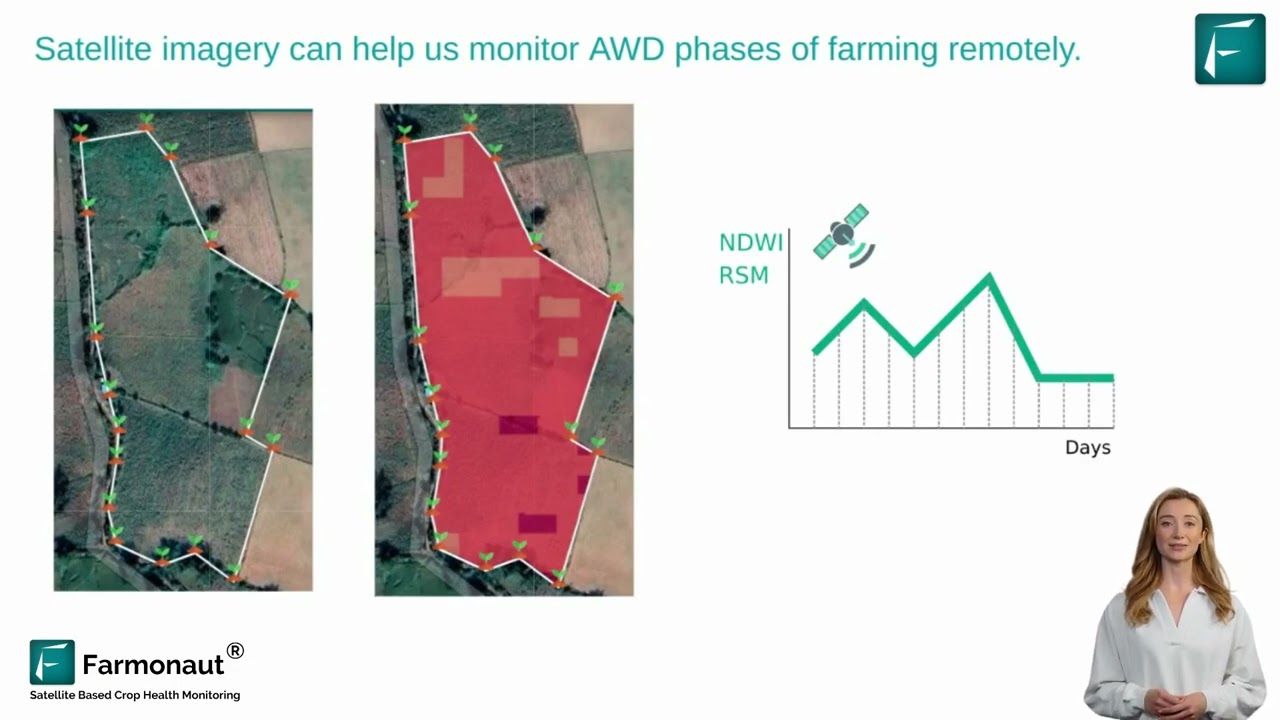
- Integrating Satellite Intelligence for Sustainable Industry (Farmonaut)
- Global Supply Chain, Geopolitics & Recycling in 2025
- FAQ: Rare Earths and the Future of Sustainable Agriculture
- Farmonaut Subscription & Solutions
- Conclusion: Rare Earth Elements – Foundations of Sustainable Progress
Rare Earth Elements: 7 Roles in Sustainable Agriculture
Rare Earth Elements (REEs) form the silent backbone of sustainable agriculture, forestry, and modern infrastructure as we step into 2025 and beyond. Serving as the driving force behind greener technologies, eco-friendly food production, and resilient global supply chains, these elements are more than mere metals: they are the pillars of growth, innovation, and environmental responsibility.
As the global demand for sustainable food, timber, energy, and defence intensifies, understanding the unique roles of rare earth elements is more critical than ever. In this comprehensive article, we delve deeply into the science, innovations, and future perspectives surrounding REEs in agriculture, forestry, infrastructure, and global industry—with a keen focus on technological sustainability and eco-friendly advances for 2025.



Understanding Rare Earth Elements: The Building Blocks of Modern Progress
Rare earth elements are a group of 17 chemically similar metallic elements that serve as essential, strategic resources for numerous industrial applications worldwide. The group consists of 15 lanthanides (from lanthanum to lutetium), plus scandium and yttrium. These metals are often found together in mineral deposits throughout Earth’s crust—making the term “rare” a bit misleading since some are relatively abundant. However, their economically exploitable deposits remain rare, leading to challenging and environmentally sensitive extraction and processing.
Key Facts about Rare Earth Elements:
- Found in concentrated mineral deposits, often alongside other metallic minerals
- Crucial for renewable energy, electronics, automotive technologies, and defence systems
- Play an increasingly pronounced role in agriculture, mining, forestry, infrastructure, and environmental management in 2025
- Require advanced, green extraction and processing methods to minimize waste and environmental impact
- The global supply chain is often influenced by geopolitics, technology, and environmental regulations
This article will delve deeper into the seven defining roles of rare earth elements within the most impactful sectors for sustainable development: agriculture, forestry, infrastructure, mining, and defence.

7 Defining Roles of Rare Earth Elements in Sustainable Agriculture & Infrastructure
The importance of rare earth elements in sustainable development has become increasingly pronounced as we tackle food security, climate resilience, efficient material use, and smart resource management. Let’s explore the 7 most pivotal roles of rare earth elements in 2025 and beyond:
1. Biostimulants & Micronutrient Supplements
REEs—especially lanthanum and cerium—have gained attention as technologically advanced biostimulants and micronutrient supplements in agriculture. Applied in minute quantities to crops or soils, they:
- Enhance root and shoot development in many crop species
- Boost nutrient uptake and photosynthetic activity
- Increase plant resilience to environmental stress (such as drought and disease)
- Support sustainable yield gains with reduced input levels
Their role is particularly valuable as climate change intensifies stress on crops globally. Modern fertilizer formulations enriched with REEs improve use efficiency by up to 20%—meaning less fertilizer is required to achieve the same yield.

2. Enhancing Photosynthesis and Root Growth
Both lanthanum and cerium, often applied in trace amounts, have been shown to increase chlorophyll content and improve photosynthetic efficiency in crops like rice, maize, wheat, and soybeans. By stimulating plant metabolism at the cellular level, rare earth elements result in:
- Stronger and deeper root systems: allowing plants to maximize water and nutrient uptake
- Higher biomass production, supporting sustainable food and energy crop systems
- Improved drought resistance and general crop adaptation to environmental change
These benefits are critical, especially in drought-prone or degraded regions, for maintaining global food security without exacerbating environmental waste.

3. Boosting Crop Yield and Resistance
Through improved root systems, photosynthesis, and micronutrient synergy, REEs:
- Increase crop yields—especially in cereal grains, vegetables, and commercial cash crops
- Boost plant stress resistance: enhancing tolerance to drought, pests, and diseases
- Reduce reliance on chemical pesticides and traditional fertilizers—contributing to eco-friendly farming practices
- Deliver eco-sustainability by promoting resource use efficiency and reducing agricultural waste
The integration of rare earths in modern agro-technologies—precision irrigation, AI monitoring, and satellite analytics—further potentiates these benefits, creating a future where sustainable agriculture is a global reality.
Looking for advanced digital tools to optimize crop health and resilience in your fields? Farmonaut’s Large-Scale Farm Management Platform delivers satellite-powered monitoring, AI-based advisory, and actionable insights for agriculture at scale, supporting higher sustainable yields and lower environmental impact.

4. Forestry: Tree Growth, Biomass & Timber Sustainability
Rare earth elements play an increasingly pronounced role in forestry management and timber sustainability by acting as:
- Biostimulants for tree species: Increasing rates of photosynthesis and root strength in commercially valuable trees such as pine, eucalyptus, and poplar
- Enhancing nutrient uptake and water use efficiency—critical for faster, healthier tree growth without exacerbating deforestation
- Supporting sustainable timber harvesting: allowing higher productivity from managed forests to meet growing construction demands with reduced pressure on natural forests
- Promoting biomass production, supporting renewable energy and eco-friendly building materials
The integration of satellite monitoring and AI-driven analysis, like those offered by Farmonaut, further optimizes forest health assessment, harvesting cycles, and carbon inventory. Want to maximize healthy tree cover, prevent illegal harvesting, and empower eco-friendly timber supply? Explore Farmonaut’s Crop, Plantation & Forest Advisory Solutions.

5. Modern Infrastructure & Precision Agriculture Systems
Rare earth elements remain integral to the materials science underpinning modern infrastructure. Their unique magnetic, catalytic, and optical properties are critical in:
- Manufacturing permanent magnets for wind turbine generators, electric vehicle motors, and high-efficiency pumps
- Assembling Sensors, lasers, and batteries used in automated irrigation, drone crop monitoring, and environmental surveillance
- Enhancing precision agriculture systems with advanced electronics and geolocation tools to improve crop yield, reduce waste, and enable sustainable water management
- Ensuring defence infrastructure—such as secure communication platforms, advanced sensors, and guidance systems—remains reliable and ahead of emerging threats
Want to enable real-time monitoring and automated advisory on your farm, mining site, or infrastructure project? Farmonaut’s Fleet & Resource Management Tools enable efficient logistics, lower costs, and improved safety for large and small organizations.
Explore Farmonaut’s Carbon Footprinting solutions to monitor, quantify, and reduce the environmental impact of your infrastructure or supply chain.

6. Environmental Management, Green Mining & Eco-Responsibility
The mining, processing, and recycling of REEs is both technologically challenging and environmentally sensitive. By 2025, the industry is:
- Moving towards green extraction techniques such as bioleaching, solvent-free separation, and minimized waste discharge
- Implementing AI-powered satellite monitoring to ensure regulatory compliance and monitor real-time environmental impact
- Increasing recycling rates for REEs from electronic waste—crucial for circular economy models and reducing supply disruptions
- Pioneering traceable, low-carbon supply chains that ensure ethical sourcing and eco-friendly production
Looking to achieve transparency across your agriculture, mining, or food supply? Farmonaut’s Blockchain Traceability Solutions empower eco-friendly product tracking & verification at every supply chain stage.
7. Securing Supply Chains, Strategic Resources & Global Stability
Supply chain security for rare earth elements remains a strategic global concern in 2025 due to:
- Concentration of REE deposits: with the majority found in a handful of countries such as China, the USA, and Australia
- Geopolitical risk: Export restrictions, trade tensions, and changing regulations can disrupt access to these essential resources
- Increasing global demand for sustainable agriculture, clean tech, renewable energy, and defence infrastructure
- The growing importance of recycling and domestic production to secure sustainable and ethical supply chains
Need to manage agricultural, mining, or forestry operations with confidence, even in uncertain supply conditions? Farmonaut’s Crop Loan and Insurance Verification ensures financial support, resilience, and fraud risk reduction through satellite-based validation.
API Integrations: Unlock the full power of satellite monitoring, AI, and blockchain for your business with our:
Farmonaut API |
Developer Docs
Rare Earth Elements and Their Roles in Sustainable Agriculture
| Rare Earth Element | Primary Agricultural Role | Estimated Annual Global Usage (tonnes, 2025 est.) | Contribution to Sustainability (Eco-Friendly Impact) | Key Application Example |
|---|---|---|---|---|
| Lanthanum (La) | Biostimulant, micronutrient supplement | 1,800–2,400 | Reduces fertilizer use, boosts crop resilience | Rice and wheat yield enhancement |
| Cerium (Ce) | Promotes root development, photosynthesis | 1,200–1,700 | Eco-efficient growth, strengthens plant health | Vegetable and cereal root fortification |
| Neodymium (Nd) | Key in sensors, magnets for agri-infrastructure | 1,000–1,500 | Powers precision irrigation & tech systems | Magnetic sensors in smart irrigation/fertilizer |
| Praseodymium (Pr) | Enhances fertilizer efficiency, seedling vigor | ~600 | Lowers chemical input needs | Seed coating, controlled-release fertilizers |
| Dysprosium (Dy) | Magnets in agri drones, electric farm vehicles | 350–500 | Enables low-carbon digital farming | Drone navigation/control magnets |
| Yttrium (Y) | Seed treatment, disease resistance | 200–350 | Supports crop health under stress | Seedling fortification additives |
| Scandium (Sc) | Agri-alloys for equipment, sensors | ~100 | Lightens, strengthens farm tools | Lightweight irrigation pipe alloys |
Integrating Satellite Intelligence for Sustainable Industry: Farmonaut’s Approach
As rare earth elements become increasingly central to sustainable agricultural, forestry, and mining sectors, access to real-time data, resource management tools, and AI-driven advisory is mission-critical for businesses and government agencies.
- At Farmonaut, we leverage cutting-edge satellite imagery, machine learning, and blockchain to deliver actionable intelligence—for crop health monitoring, soil assessment, forest tracking, and infrastructure oversight.
- Our systems make rare earth element-driven eco-innovations quantifiable and accessible, supporting clients with environmental impact data, carbon footprint tracking, and large-scale agri-analytics.
- By integrating REE applications—such as drone-based sensors and soil health insights—we empower precision agriculture and mining globally.
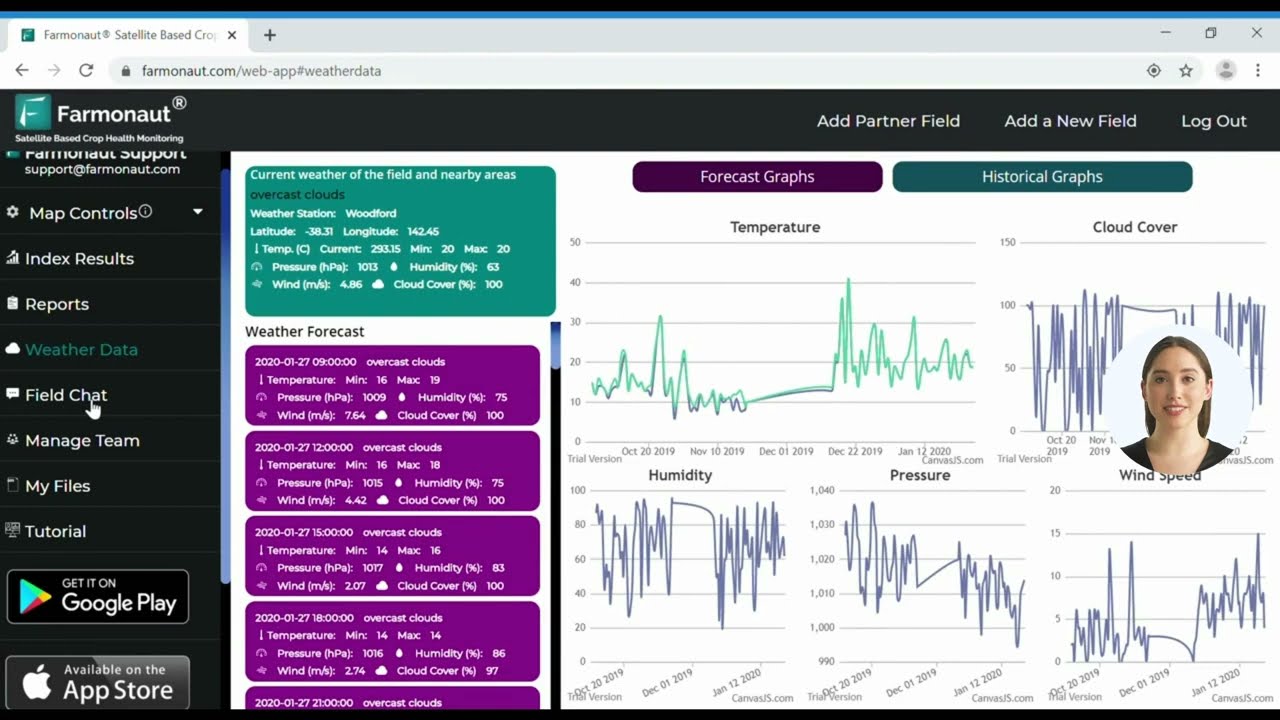
Learn more about maximizing sustainability, traceability, and operational efficiency with Farmonaut’s satellite-integrated platform—from real-time monitoring to secure product validation. Whether you are managing agricultural lands, mining sites, or infrastructure assets, our tools can be scaled to suit operations ranging from small farms to national enterprises.
Global Supply Chain, Geopolitics & Recycling in 2025
The strategic importance of rare earth elements continues to shape international economic and security policy. By 2025:
- Countries with large REE deposits—notably China, the United States, and Australia—play critical roles in global supply stability
- Efforts to diversify mining and processing (via green methods and new deposits) gain urgency as demand rises for critical minerals in agriculture, infrastructure, and green tech sectors
- Recycling of e-waste for rare earths becomes an industry focus, reducing extraction pressures and supporting the circular economy
- Companies invest in transparent supply chains with blockchain-enabled traceability, satellite monitoring, and AI-driven risk assessment to anticipate market disruptions and regulatory shifts
In parallel, the focus intensifies on eco-friendly practices to ensure that rare earth extraction and use software integrate sustainable development principles for next-generation agriculture, forestry, and defence.
FAQ: Rare Earth Elements and the Future of Sustainable Agriculture
What are rare earth elements and why are they critical for agriculture?
Rare earth elements (REEs) are a group of 17 chemically similar metallic elements, including the 15 lanthanides plus scandium and yttrium. They are critical in agriculture as micronutrient supplements, biostimulants for enhanced crop growth, and essential materials for precision farming tools, sensors, and automated systems.
How do rare earth elements improve crop yields?
REEs, when applied in minute quantities, stimulate plant physiology—enhancing photosynthesis, developing stronger root systems, increasing nutrient uptake, and enabling crops to withstand stressors like drought or disease. This results in higher, more resilient yields with reduced need for chemical inputs.
Is the supply of rare earth elements guaranteed in 2025 and beyond?
The supply chain for rare earths remains sensitive to geopolitical shifts, export policies, and environmental regulations. Strategic moves toward domestic production, recycling electronic waste, and improving green mining practices aim to secure sustainable supplies for agriculture, technology, and defence sectors.
What role does Farmonaut play in rare earth-enabled agriculture?
We at Farmonaut provide satellite-driven monitoring, AI advisory, and traceability tools that help integrate REE-enabled innovations into agriculture, forestry, and mining—promoting sustainability, efficiency, and transparency in the industry.
How do rare earth elements contribute to sustainable forestry?
When used as biostimulants and growth enhancers, REEs improve the resilience and productivity of commercial tree species. This leads to increased sustainable timber output and biomass, reducing deforestation by allowing more yield per managed acre.
Farmonaut Subscription & Solutions
Ready to advance your agri-business, mining operations, or forestry management with satellite intelligence, environmental compliance, or AI-powered insights? Our scalable, cost-effective, and eco-focused subscription plans put cutting-edge technology and actionable data at your fingertips—for operations ranging from individual users to government agencies.
Conclusion: Rare Earth Elements – Foundations of Sustainable Progress
As industries and governments across the globe strive to meet climate goals, food security targets, and infrastructure demands by 2025, rare earth elements have emerged as indispensable resources. Their roles in agriculture, forestry, mining, infrastructure, and defence—from boosting crop yields and enhancing forestry resilience to powering eco-friendly technology and ensuring secure supply chains—continue to underpin modern sustainability.
Innovations in green mining practices, digital monitoring solutions, traceability, and circular economy models will be essential to ensure these critical elements are available, affordable, and ethically sourced. At Farmonaut, we are committed to promoting sustainable development through satellite intelligence, AI, and accessible digital tools—enabling businesses, users, governments, and financial institutions to prosper in a data-driven, environmentally sensitive world.
The collective embrace of rare earth elements as pillars of sustainability in modern agriculture and infrastructure sets the foundation for a greener, more resilient, and technologically advanced future.

 Huckleberry Garnet LLC
 Dalgety Minerals Pty Ltd
 Vortex Minerals Pty Ltd
 Faith At Work (Pty) Ltd
 Geotech Mining Solutions plc
 Vulcan International Limited
 Kidepo Associates
 GKY Mining
 Alkimy SARL
 Double A Trading
 GemSprout Metals Limited
 Qader Group
 Ileys General Trading
 SG Gold Mining LLC
 VRV Global Pte Ltd
 Omsri International FZE
 G.I.T.T.
 Jaunita Erss Ltd
 Almosi SARL
 SRK Consulting
 Berks Gold Limited
 Mwerezi Minerals Company Limited
