

Agriculture News Today: Fertilizer Prices 2025 Forecast
Introduction: Agriculture News Today Fertilizer Prices 2025
In the rapidly evolving realm of agriculture news today fertilizer prices 2025, understanding the intricate factors guiding fertilizer costs is more critical than ever. As we approach 2026, the volatility seen in fertilizer markets continues to affect food security, rural economies, and the productivity of farms worldwide.
Fertilizers remain an essential input, enhancing soil fertility and boosting crop yields. Yet, fertilizer prices have shown significant volatility over the past several years, due in part to intertwined disruptions in global supply chains, shifting energy market dynamics, geopolitical tensions, and the ever-increasing costs of production.
Our deep dive into agriculture news today fertilizer prices 2025 will explore:
- Current market trends for fertilizers and price outlooks
- The critical factors influencing fertilizer prices worldwide
- Implications for farmers and stakeholders along the entire agricultural value chain
- Innovative, sustainable strategies and technologies for managing future fertilizer costs
We will also present the latest available projections and actionable advice, ensuring farmers, policymakers, and industry players are empowered to make data-driven decisions as the sector gears up for another transformative year.
Current State of Fertilizer Prices in 2025: Agriculture News Today Fertilizer Prices
In early 2025, fertilizer prices remain elevated compared to pre-pandemic levels. However, after the sharp spikes and significant volatility witnessed during 2021–2023, the market is beginning to show signs of stabilization.
The factors influencing this include:
- Disruptions in global supply chains affecting the availability of fertilizers across regions and increasing costs.
- Increased energy prices, notably natural gas, which remains the primary feedstock for nitrogen-based fertilizers.
- Ongoing geopolitical tensions in key fertilizer-exporting regions like Russia and China – both major players in potash, nitrogen, and phosphate fertilizer exports.
Nitrogen fertilizers (urea, ammonia, ammonium nitrate) are especially sensitive to natural gas price fluctuations. Even with somewhat moderated energy prices and diversified supplies in 2025, costs remain higher than historical averages, maintaining upward price pressure.
Phosphates and potash fertilizers have also experienced price fluctuations. Recent investments in mining infrastructure and new extraction technologies are gradually improving supply dynamics, but these fertilizers still face energy-intensive production and sensitivity to environmental regulations.
Bottom Line: The 2025 price outlook for agriculture fertilizer prices sees prices remaining elevated, yet less volatile, compared to previous years—marking a cautious optimism in the industry.

Fertilizer Price Trend Comparison Table: 2023–2025 Outlook
| Fertilizer Type | 2023 Est. Price (USD/ton) |
2024 Est. Price (USD/ton) |
2025 Projected Price (USD/ton) |
% Change (2023–2025) |
|---|---|---|---|---|
| Urea | 410 | 430 | 440 | +7.3% |
| DAP | 595 | 612 | 635 | +6.7% |
| Potash | 430 | 444 | 464 | +7.9% |
| NPK | 525 | 548 | 566 | +7.8% |
Note: These price estimates synthesize market reports, global trade data, and projections from multiple analysts specializing in agriculture fertilizer prices for 2025.
Key Factors and Drivers Shaping Fertilizer Prices in 2025
Multiple dynamics converge to shape the trajectory of agriculture fertilizer prices in 2025:
- Energy Market Dynamics: Reliance on natural gas and coal continues to influence the fertilizer industry’s production costs.
- Geopolitical Tensions: Fluctuations in policies among key fertilizer-exporting countries like Russia and China impact global supply and availability.
- Environmental Regulations: The push for sustainable and environmentally friendly fertilizers brings added cost but enhances long-term sustainability.
- Technological Innovations: New production and application practices (precision agriculture, slow-release, and bio-based fertilizers) drive efficiency, albeit at a premium price today.
- Demand Patterns: Global population growth and elevated food demand keep agricultural input usage high, sustaining pressure on prices.

Geopolitical Factors & Supply Chain Disruptions Influencing Fertilizer Prices in 2025
Geopolitical tensions and supply chain constraints remain among the most significant factors influencing agriculture news today fertilizer prices 2025 outlook.
- Russia remains a dominant exporter of potash and nitrogen. Ongoing conflicts, economic sanctions, or political instability in Russia or its allies can disrupt global fertilizer supply, leading to sharp price spikes.
- China is a top exporter of phosphate fertilizers. Export curbs or restrictive trade policies from China—often to protect its domestic agricultural needs—create ripples across international agriculture fertilizer prices.
- Supply Chain Chains: Persisting post-pandemic bottlenecks, shipping delays, and logistical hurdles, particularly for essential minerals, restrict movement and availability of fertilizers worldwide, boosting costs.
Industry stakeholders continue to monitor these evolving regional tensions closely, acknowledging that even minor occurrences in these key regions can have cascading effects across the entire global market.
For farmers and rural economies, these factors amplify the need for robust supply chain monitoring and contingency strategies.

Energy Costs and Industry Dependence: A Major Driver of Agriculture Fertilizer Prices
The link between energy market dynamics and fertilizer production is particularly pronounced in the nitrogen segment, which is heavily reliant on natural gas as a primary feedstock.
Key takeaways:
- Even as global energy prices have somewhat moderated thanks to diversified supply sources and improved geopolitical conditions in 2025, they remain higher than long-term historical averages.
- Fertilizer manufacturers continue to face upward cost pressure, which is passed downstream, impacting input costs for end users.
- New investments in energy-efficient technologies and alternative feedstocks (like green ammonia) are promising for long-term sustainability but may increase short-term costs for businesses and farmers.
Increased attention on energy-efficient fertilizer production remains a top trend in agriculture news today fertilizer prices discussions for 2025 and beyond.

Environmental Concerns & Evolving Regulations: Encouraging Sustainable Fertilizer Use
Environmental regulations and sustainability goals are increasingly influencing fertilizer prices and usage patterns on a global scale.
- Governments worldwide have adopted policies aimed at reducing greenhouse gas emissions, cutting down on water pollution from fertilizer runoff, and encouraging independent environmental footprint monitoring.
- Compliance often means higher costs and more paperwork for fertilizer producers, which may be reflected in the market price.
- Subsidies and support programs: In some countries, governments introduce schemes for sustainable fertilizer application and precision farming, offsetting the initial costs for farmers.
Regulation-driven innovations in fertilizer formulation—such as slow-release granules, enhanced efficiency products, and bio-fertilizers—are gaining momentum, though generally at a premium compared to traditional fertilizers.
For insight into environmental tracking, Farmonaut offers carbon footprint monitoring tools that help the agricultural sector comply with such regulations. These tools provide actionable data to monitor emissions and adopt sustainable practices, directly supporting regulatory compliance and long-term value.
Technological Innovations Shaping Agriculture News Today Fertilizer Prices 2025
The race to improve fertilizer efficiency, reduce costs, and minimize environmental impact is ushering in a wave of technological innovation in the industry.
- Precision application powered by data analytics and AI reduces waste and enhances application rates.
- Slow-release and bio-fertilizer formulations are gaining traction for their ability to reduce nutrient losses and environmental footprints. However, these are still more expensive—but current trends point to cost reductions through scale and R&D.
- Satellite technology (like that provided by us at Farmonaut) allows for real-time monitoring of soil, crop health, and site-specific nutrient management. This helps farmers optimize fertilizer application to meet current and projected requirements, ultimately reducing input costs and improving yields. Explore Farmonaut’s Agro-Admin App for large-scale farm management and precision monitoring, available for both Android and iOS.
Additional innovations such as blockchain-based traceability help verify the authenticity and sustainability of agricultural inputs, as seen in our product traceability solutions.

Demand Trends in Fertilizer & Agriculture for 2025: What’s Driving Consumption?
Fertilizer demand is intricately linked to food security, population growth, and sustainable land use. In 2025, these trends are being shaped by several intertwined factors:
- Global food demand continues to rise as populations expand, especially in developing regions. This drives sustained, sometimes increased, use of nitrogen, phosphate, and potash fertilizers despite higher input costs.
- Environmental consciousness influences fertilizer use; many farmers are shifting toward optimized, precision-based application rates to maximize yields while minimizing environmental impact.
- Changing dietary preferences and growth in high-value crops alter fertilizer formulation and nutrient mix requirements.
For accurate, crop-specific advisory tools, our satellite-based verification platforms support farmers with AI-driven recommendations and monitoring, even aiding in the verification process for crop loans and insurance.

2025 Fertilizer Price Outlook: Implications for Farmers & the Agricultural Sector
The elevated—yet increasingly predictable—agriculture fertilizer prices shape decision-making at every level of the industry:
- Farmers face higher input costs, potentially squeezing margins—especially for smallholders in regions with less access to subsidies and support programs.
- Crop yields and food security are directly linked to fertilizer access and affordability. Policies and innovations that help stabilize availability and reduce costs are critical for ensuring both farm and national resilience.
- Policymakers are called to action to balance the affordability of fertilizers with sustainability regulations. Well-designed subsidies, infrastructure investments, and support for research/innovation help mitigate challenges ahead.
Ultimately, proactive adaptation and knowledge sharing are key for withstanding price fluctuations and building sustainable agribusinesses.



Sustainable & Precision Strategies for Fertilizer Cost Management in 2025
1. Adopting Efficient Fertilizer Use Practices
- Soil Testing & Site-Specific Analysis: Periodic soil health checks allow farmers to match nutrient application with precise needs, reducing waste and unnecessary spending.
- Nutrient Management Planning: Balancing macro and micro nutrients according to crop rotation and previous yields ensures better efficiency.
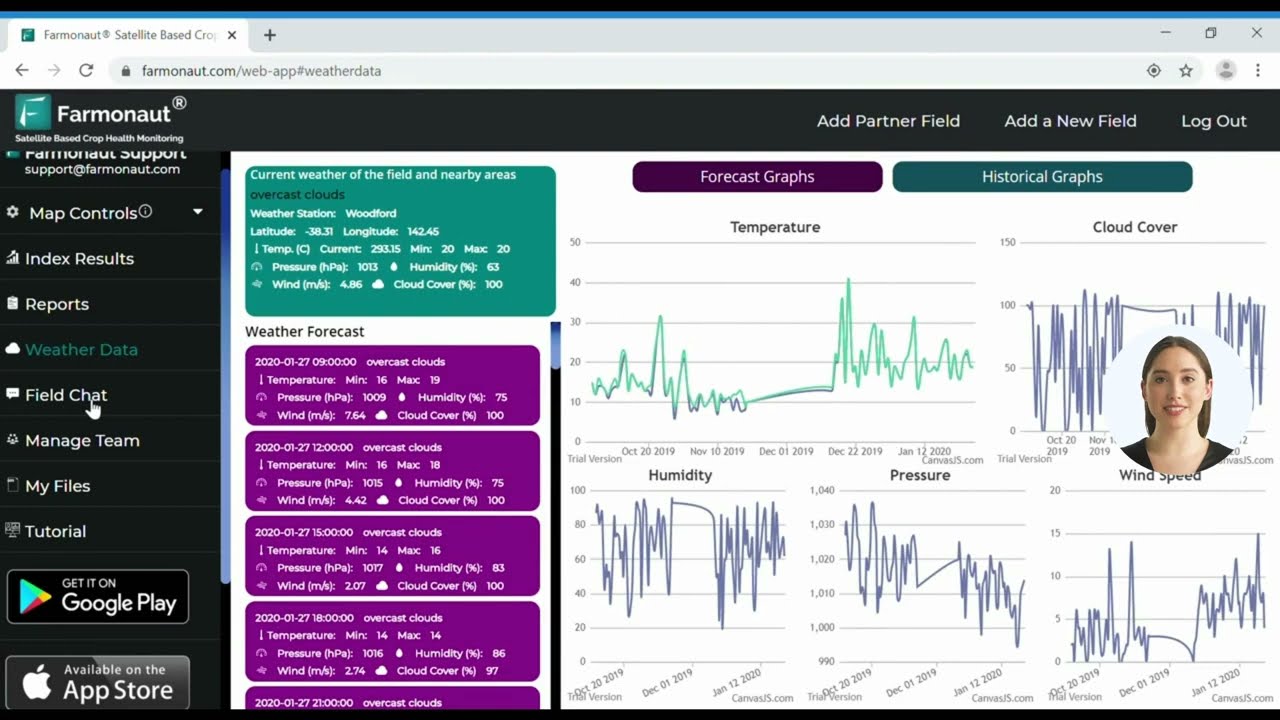
- Precision Fertilizer Application: Leveraging satellite and AI tools, such as those offered through Farmonaut’s Jeevn AI Advisory System, enables targeted fertilizer distribution and data-driven strategies. Explore more in our Agro-Admin platform.
2. Diversifying Fertilizer Sources
- Integrating Organic Fertilizers: Utilizing compost, green manure, or other organic sources to supplement synthetic fertilizers can offset dependence and reduce overall input costs.
- Local Resource Utilization: Adopting contextually appropriate, regionally available nutrients ensures resilience to global supply and price shocks.
3. Leveraging Government Support
- Subsidies & Support Programs: Policymakers are encouraged to implement targeted subsidies, especially for smallholders, safeguarding against extreme price fluctuations while discouraging overuse.
4. Investing in Infrastructure and Digital Supply Chains
- Improved Storage and Distribution: Reducing post-shipment losses, ensuring timely delivery, and strengthening rural logistics can help stabilize fertilizer prices.
- Blockchain Traceability: We offer blockchain solutions for agriculture supply chain traceability that improve the transparency and security of resource flows—from fertilizer acquisition to application.

5. Embracing Data-Driven Decision Making
- Satellite Data & AI: The integration of remote sensing (as provided in our Farmonaut platform) with AI-driven recommendations empowers precision, scalability, and sustainable practices across the sector.
How Farmonaut Empowers Agriculture for 2025 and Beyond
At Farmonaut, our mission is to democratize access to satellite-driven, data-centric solutions for agriculture, mining, infrastructure, and beyond. Our platform provides:
- Satellite-Based Monitoring for real-time soil fertility, crop health (NDVI), and environmental impact tracking, leading to better fertilizer and resource management.
- Jeevn AI Advisory System delivers precise, field-level weather, disease, soil nutrient, and operational strategies to continuously enhance farm productivity.
- Blockchain-Powered Traceability gives supply chains, including those involving fertilizers, greater integrity and transparency—critical to sustainable agriculture.
- Fleet and Resource Management tools help agricultural businesses optimize logistics, reduce operational costs, and maximize efficiency.
- Environmental Impact Monitoring features, like carbon footprinting, support compliance with evolving environmental regulations and foster sustainable agriculture.
The Farmonaut API and Developer Docs empower businesses and developers to integrate satellite insights directly into their agriculture or agri-finance systems, unlocking new value for 2026 and beyond.
Frequently Asked Questions (FAQ) on Agriculture News Today Fertilizer Prices 2025
Q1: What is the projected trend for agriculture fertilizer prices in 2025?
A: Fertilizer prices are projected to remain elevated in 2025, with an average global increase of up to 8% compared to 2023. This is primarily due to energy market pressures, supply chain disruptions, and continued strong demand—especially for key fertilizers such as urea, DAP, and potash.
Q2: Which regions are most affected by fertilizer price fluctuations?
A: Key fertilizer-exporting countries such as Russia (potash, nitrogen) and China (phosphate) have significant influence on global price trends. Developing regions dependent on imports are typically more exposed to global fluctuations.
Q3: How does energy pricing impact fertilizer costs?
A: Nitrogen fertilizer production is highly reliant on natural gas. Therefore, when gas and energy prices rise, fertilizer production costs increase, directly impacting end-user prices.
Q4: What are some sustainable strategies for managing high fertilizer prices?
A: Adopting precision application techniques, leveraging data from satellite-based platforms like Farmonaut, utilizing regionally available and organic nutrient sources, and participating in government support programs all provide pathways to optimize costs and ensure sustainable farming.
Q5: How does Farmonaut support the agriculture sector amidst volatile fertilizer prices?
A: Farmonaut equips users with real-time satellite imagery, AI-driven advisory, traceability, fleet, and environmental management solutions. These tools boost efficiency, transparency, and sustainability across the agricultural value chain, enabling stakeholders to adapt to market changes and comply with evolving regulations.
Q6: Where can I access Farmonaut satellite solutions and developer resources?
A: Farmonaut’s apps and API are available for businesses, individual users, and developers. For product access and tools, visit our web portal, Android App, or iOS App. Developer documentation can be found here.
Conclusion
As we navigate through 2025 and look toward the future, fertilizer prices in agriculture remain a pivotal driver of food security, productivity, and sustainability worldwide. The interplay of energy costs, global supply chains, environmental regulations, geopolitical trends, and technological innovations continues to shape the agriculture sector in profound ways.
The current outlook points to persistent pressures but also newfound resilience, thanks in large part to precision agriculture, digital monitoring platforms, and sustainable strategies being adopted at scale.
For stakeholders—whether farmers, policymakers, or agribusiness leaders—flexibility, innovation, and access to timely data will be the defining factors for thriving in a high-cost, high-opportunity environment.
We at Farmonaut are committed to supporting agriculture, infrastructure, and related sectors with cutting-edge satellite, AI, and blockchain solutions, enabling smarter, more sustainable decisions in the face of evolving fertilizer prices and market challenges—for 2025, 2026, and beyond.

 Godrej Agrovet
 Hayleys Agriculture
 Linx Agritech
 Adinet
 Save Your Soils
 GalaxEye Space
 Grandstream Algérie
 XOS Realty
 Geospatial Lab Africa
 Agro La Gándara
 HIPSAC
 ZOL Zimbabwe
 Juligerm
 AdBio
AdBio MISE Maroc
 NWNS
NWNS Red August Group
 Farm Inc
 WeMe Global
 Agrotoken
 Blue BearX
 Insignito
 DnCubed
 Indosistim Teknologi
 Liquify Digital
 CU Foods
 BeyondTech Global
 Rouge VC
 AgroRisk
 Oath Inc
 Esri North East Africa
 MDCV UK
 Etech Consulting Madagascar
 Vestlandsforsking
 WB Dev
 Sama Premium
 Tres Valles
 Blickwinkel
 Agricultural Credit Policy Council
 eKGIS
eKGIS Mostas Tech
 Andex
Andex Deluxe Conseil
 WICO
WICO Chimera Innovation
 SkyHarvest
 Teledarbas
 Exurbia Geospatial
 FieldZero
