

Factors Influencing Agriculture: 10 Key Drivers 2026
A concise, sector-focused overview for 2025 and beyond: Discover what are the factors influencing agriculture—climate, soil, water, management, policy, and more—shaping yield, resilience, and sustainability in global farming, forestry, and related sectors.
“By 2025, climate variability may impact up to 30% of global crop yields, highlighting the need for resilient farming practices.”
“Soil degradation threatens 33% of the world’s arable land, making sustainable management crucial for future food security.”
Table of Contents
- Introduction
- Comparative Table: 10 Key Drivers
- 1. Environmental & Climatic Factors
- 2. Biological & Agronomic Factors
- 3. Economic & Market Factors
- 4. Policy, Governance & Institutional Factors
- 5. Technological & Innovation Factors
- 6. Socio-demographic & Cultural Factors
- 7. Environmental Stewardship & Sustainability
- 8. Interconnected Influences for 2026
- 9. How Farmonaut Empowers Modern Agriculture
- 10. Frequently Asked Questions
- Conclusion



Introduction: Understanding What Are the Factors Influencing Agriculture in 2026 & Beyond
Agriculture globally—and especially in the context of 2025 and 2026—is shaped by a complex mix of natural conditions, socio-economic forces, evolving technologies, and regulatory policies. To optimize yield, sustainability, and resilience, it’s vital to name the factors influencing agriculture and understand how they affect everything from farm practices to market outcomes in farming, forestry, and related land-use sectors.
This comprehensive, SEO-optimized overview explores 10 key drivers and answers pressing questions like “what are the factors influencing agriculture?” or “name factors influencing agriculture”—covering climate, soil, water, crop management, policy, technology, economic pressures, and more. It presents clear strategies, up-to-date examples, visual resources, and actionable insights you can use to improve outcomes in local or global contexts for 2025/2026.
From evolving weather patterns to the latest in satellite-driven innovation, we dive deep into each driver, always returning to the themes of sustainability, adaptation, and resilience.
Key Insight
- Integrated approaches (using data, technology, and adaptive management) are crucial for sustainable agriculture in 2026.
- Climate adaptation and soil conservation are emerging as dominant trends shaping crop yields and viability.
- Technological tools such as satellite data, AI, and blockchain are increasingly accessible to all stakeholders.
Comparative Table: 10 Key Drivers of Agriculture for 2026
| Driver Name | Estimated Impact on Yield (%) | Influence on Sustainability | 2025/2026 Trend Relevance | Example Improvement Strategies |
|---|---|---|---|---|
| Climate Change & Variability | -15% (high risk in sensitive regions) | High | Rising extreme events, heat stress, rainfall variability | Climate-smart agriculture, diversified cropping, early warning systems |
| Soil Quality & Health | ±25% depending on conservation practices | High | Degradation, salinization, nutrient depletion | Cover crops, organic amendments, reduced tillage |
| Water Availability & Management | -10% to +20% with efficient irrigation | High | Increased scarcity, demand for water use efficiency | Drip irrigation, rainwater harvesting, scheduling |
| Crop Genetics & Variety Choice | +30% with improved varieties | Medium-High | Demand for resilience and yield potential | Adoption of resilient/hybrid varieties, CRISPR, GM crops |
| Pest & Disease Management | -20% if unmanaged; losses minimized with IPM | High | Changing pest dynamics due to climate shifts | Integrated pest management, resistant crops, monitoring |
| Economic & Market Forces | ±20% price-induced shifts, input volatility | Medium | Input prices, market access, consumer trends | Diversified marketing, value addition, input optimization |
| Policy & Regulations | ±15% for supportive/unsupportive policy | High | Subsidy changes, environmental compliance | Engagement in policy, monitoring regulations, advocacy |
| Technological Innovation | +15–40% with adoption; scales with digital tools | High | Precision farming, digital platforms, AI/ML | Satellite monitoring, data analytics, blockchain traceability |
| Socio-demographic/Cultural Trends | ±10% influenced by labor, education, demand | Medium | Aging workforce, health-conscious consumers | Training initiatives, organic farming, cooperative models |
| Environmental Stewardship | +8–12% long-term productivity gains | High | Sustainability certification, biodiversity focus | Conservation agriculture, agroforestry, resource protection |

1. Environmental & Climatic Factors: The Foundation Influencing Agriculture
To name the factors influencing agriculture, we must start with the environment: climate, soil, and water. These natural conditions fundamentally shape yield, sustainability, and even the viability of different crops in any given region. Let’s break down the core elements:
Climate and Weather Patterns
- ✔ Temperature: Dictates which crops can grow and when.
- 📊 Rainfall Patterns & Seasonality: Influence irrigation needs and determine growing periods.
- ⚠ Extreme Events: Droughts, floods, and heatwaves directly affect planting, harvest, and yield.
Climate-induced challenges affect up to 30% of global yield variability in 2025–2026, making meteorological data and climate adaptation essential.
Soil Health & Conservation
- ✔ Soil Texture, Structure, and Matter: Determine water retention, nutrient availability, and root health.
- 📊 pH & Nutrient Balance: Directly shape plant growth and input application strategies.
- ⚠ Soil Degradation: Erosion, salinity, and compaction reduce productivity and threaten sustainability.
By 2026, soil quality management is a driving force for food security. Technologies like satellite NDVI and real-time assessment support healthier soils.
Water Resources & Irrigation
- ✔ Irrigation Availability: Expands crop choices and buffers inconsistent rainfall.
- 📊 Groundwater Levels: Over-extraction leads to critical shortages and risk.
- ⚠ Watershed Health: Impacts both ecosystem services and farm-level yield.
By integrating carbon footprinting and crop plantation forest advisory services via Farmonaut, stakeholders gain precise insights for sustainable water and soil stewardship.
Biodiversity & Pest Dynamics
- ✔ Beneficial Organisms: Pollinators, natural pest predators, and soil microbes boost resilience.
- 📊 Crop Rotations & Pest Cycles: Break disease patterns, improve health, and maintain productivity.
- ⚠ Biodiversity Loss: Exacerbates pest pressure and reduces system resilience.
Introducing integrated pest management, cover crops, and diversified rotations helps to reduce disease and support sustainability in 2025 and beyond.
Pro Tip 🌦️
Regularly utilize real-time satellite monitoring tools and weather forecast systems to make timely decisions about planting, irrigation, and harvest—key practices to optimize productivity and respond proactively to climate variability.

2. Biological & Agronomic Factors: Genetics, Management & Post-Harvest Handling
To answer what are the factors influencing agriculture comprehensively, next we must consider biological and agronomic management. These factors directly shape crop performance, resilience, and profitability.
Crop Genetics & Variety Choice
- ✔ Adaptation: Selecting seeds and varieties suited to local climate, soil, and pest challenges boosts yield.
- 📊 Resistance Traits: Drought- and pest-resistant genetics reduce input needs and buffer climate risk.
- ⚠ Monoculture Risks: Over-reliance on a single variety makes crops more vulnerable to new threats.
Adoption of modern hybrids, CRISPR-informed, and open-pollinated varieties are expected to account for up to 30% yield improvement by 2026.
Nutrient Management
- ✔ Balanced Fertilization: Application based on real soil data optimizes yields while reducing environmental impact.
- 📊 Precision Application: Variable rate and smart delivery systems reduce costs and nutrient waste.
- ⚠ Overuse or Underuse: Both cause losses—use crop sensors and analytics for improvement.
Plant Health & Disease Management
- ✔ Monitoring: Early detection of disease and pest outbreaks saves crops.
- 📊 Integrated Pest Management (IPM): Combining cultural, biological, and chemical controls reduces risk.
- ⚠ Emerging Threats: Climate change alters pest and disease dynamics, demanding faster response.
Leverage Farmonaut’s API for automated NDVI mapping and pest detection, supporting better management decisions.
Post-Harvest Handling & Storage
- ✔ Harvest Timing: Closely linked to crop maturity and weather predictions for maximum quality.
- 📊 Efficient Storage: Reduces spoilage, loss, and economic waste.
- ⚠ Improper Handling: Directly reduces shelf life and profit margins.

Common Mistake ⚡
Many producers overlook the cumulative effect of small post-harvest losses. Even a 5% reduction in grain quality or shelf life, if unmanaged, can have a major impact on profitability. Implement improved handling, drying, and storage techniques for sustainable gains.
3. Economic & Market Factors: Prices, Access & Profitability Drivers Influencing Agriculture
Market and economic forces are chief among the factors influencing agriculture. Everything from input prices, access to markets, credit, infrastructure, and labor shapes decision-making and outcomes for farmers.
Input Costs, Credit, & Access
- ✔ Seed, Fertilizer, Fuel Prices: Volatile costs in 2025–2026 affect cropping strategies and budget allocation.
- 📊 Credit & Financing: Access to loans, risk insurance, and fair credit terms enables investment in technology and expansion.
- ⚠ Supply Chain Disruptions: Political, climatic, or economic shocks can sharply affect input availability and costs.
Farm loan insurance and satellite-based credit verification streamline finance for small and commercial operators. Learn how Farmonaut’s crop loan & insurance verification services can reduce fraud and improve access.
Commodity Prices, Market Demand/Access
- ✔ Price Volatility: Short/long term spikes impact planting decisions and risk tolerance.
- 📊 Value-Added Opportunities: Processing, branding, and direct marketing increase profit margins.
- ⚠ Infrastructure Gaps: Poor roads, storage, or electricity can impede efficient production and market reach.
Key Market Considerations for 2026:
- 💡 Consumer Trends:
Organic, fair-trade, and sustainable labeling on the rise. - 🏦 Credit Innovations:
FinTech integration, satellite verification, reduced paperwork. - 🚚 Infrastructure Investments:
Modern storage, solar-powered cold chains, improved logistics access.
Efficient fleet management and logistics optimization also cut costs, reduce risk, and improve consistency, especially for large-scale producers.

4. Policy, Governance & Institutional Factors: Policy and Regulation Drivers Affecting Agricultural Outcomes
Supportive policy and governance structures are among the most influential factors driving or limiting sustainable agriculture. Let’s name the factor influencing agriculture from the regulatory perspective.
Agricultural Policies and Incentives
- ✔ Subsidies & Price Supports: Encourage targeted production but must align with sustainability.
- 📊 Import/Export Regulations: Affect market access and competitiveness of local agricultural products.
- ⚠ Rural Development Investments: Infrastructure and extension services shape resource access.
Land Tenure & Property Rights
- ✔ Secure Tenure: Drives investment in improvements like efficient irrigation or soil protection.
- ⚠ Unclear Ownership: Deters long-term sustainable practices and advanced land management.
Environmental & Resource Regulations
- ✔ Water & Soil Protection Laws: Guard against pollution, overuse, and deforestation.
- 📊 Environmental Impact Monitoring: Emerging as a mandatory practice for larger operations.
New technologies (e.g., Farmonaut’s carbon footprint tracking) help farms comply with regulations and document sustainable practices.
Education, Research, and Extension Services
- ✔ Farmer Training: Bridges the gap between new technology and on-ground adoption.
- 📊 Technical Advisories: Satellite-driven, AI-supported guidance revolutionizes decision support.
Farmonaut’s Jeevn AI advisory system provides accessible, real-time insights and technical recommendations directly to mobile devices.
Investor Note 💹
As compliance requirements rise, technologies enabling climate-smart verification, traceability, and reporting will be a top investment theme in agtech and geospatial sectors through 2026.

5. Technological & Innovation Factors: Tools Reshaping Agriculture in 2026
Among the most dynamic drivers influencing agriculture for 2025 and beyond are emerging technologies. These tools and platforms amplify productivity, enable precise management, and fuel the adoption of sustainable practices.
- Precision Agriculture & Data Analytics: Sensors, drones, and satellite imagery reveal field variability, allowing optimized, site-specific input application (NDVI, nutrient, water usage).
- AI & Blockchain: Artificial intelligence supports pest/disease prediction; blockchain ensures traceability and transparency across supply chains (Farmonaut traceability solutions).
- Machinery & Automation: Autonomous tractors, irrigation systems, and robotics reduce labor and standardize crop quality.
- Real-Time Information Access: Instant weather, soil, and market data support timely, risk-aware decision-making.
Technological Breakthroughs Shaping 2026:
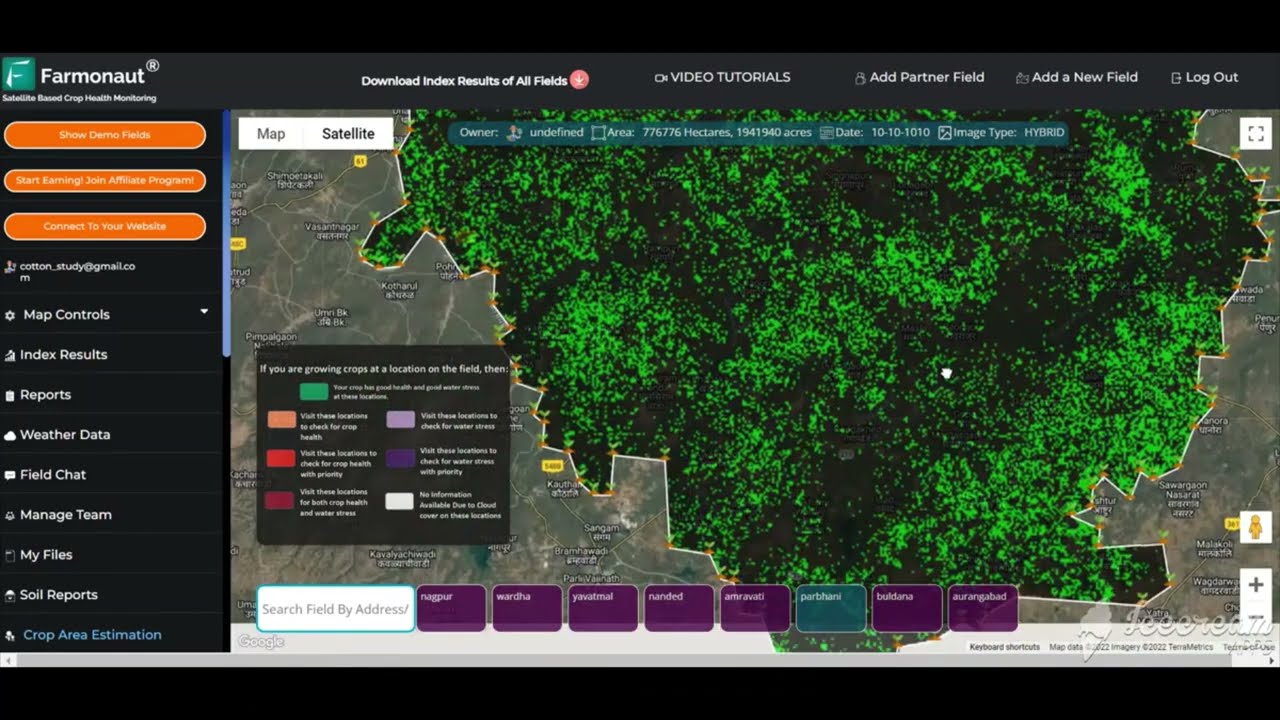
- 🛰️ Satellite Monitoring:
Farmonaut’s affordable satellite imagery for crop health and soil monitoring. - 🤖 AI-Driven Decision Support:
Quick, custom advisories via Jeevn AI for risk reduction and outcome optimization. - 🔗 Blockchain Traceability:
End-to-end product verification for food safety and fair market access.
Farmonaut’s platform (available via API and mobile/web apps) ensures even smallholders can access leading technology—which was once the reserve of only large enterprises.
6. Socio-demographic & Cultural Factors Affecting Uptake and Structure of Agriculture
Changing demographics, evolving consumer values, and education all influence agriculture’s trajectory—locally and globally.
Farm Size, Structure, and Collaboration
- ✔ Household, Commercial, and Cooperative Models: Diversity affects scale, resilience, risk, and resource allocation.
- 📊 Land Consolidation can drive efficiency but may threaten smallholder livelihoods if not managed ethically.
Education and Training
- ✔ Farmer Literacy & Training: Fundamental to innovation adoption and long-term productivity improvements.
Satellite and AI-based advisory tools (like Farmonaut’s) are increasingly closing the knowledge gap, making training and best practices accessible to all stakeholders.
Consumer Trends
- ✔ Organic and Sustainable: Growing segment for health-conscious, traceable food products.
- ⚠ Certification Requirements drive changes in input and farm system management.
Certified product traceability not only boosts market price but also builds long-term trust.
7. Environmental Stewardship & Sustainability: Ensuring Long-Term Productivity
Environmental stewardship is increasingly considered inseparable from high productivity and economic success. In 2026, sustainable land, soil, water, and biodiversity management will be non-negotiable cornerstones in all sectors of agriculture.
Key Environmental Practices for Resilient Agriculture:
- ✔ Efficient Water Management: Includes precision irrigation, rainwater harvesting, and strong watershed protection.
- ✔ Soil Conservation: Practices like reduced tillage, cover crops, and organic matter enhancement.
- ✔ Climate Adaptation Strategies: Crop diversification, agroforestry, and landscape-level risk reduction.
- ✔ Biodiversity Protection: Encourages pollinators, natural pest regulation, and robust ecosystem services.
Sustainability Spotlight 🌱
Carbon footprinting and product traceability will soon become essential for regulatory compliance and premium market access. Learn more about Farmonaut’s carbon tracking service.
New tools enable monitoring and verification, making it easier for even small farms to demonstrate stewardship to buyers, consumers, and regulatory authorities.
8. The Interconnected Nature of Factors Influencing Agriculture in 2026
The most important lesson for policymakers, farm managers, and researchers as we enter 2026 is this: Factors influencing agriculture are not isolated. They combine and interact—sometimes amplifying, sometimes reducing outcomes.
- ✔ Technological investments only yield benefits if paired with proper training and stable policy environments.
- ✔ Market innovations depend on reliable infrastructure and efficient, sustainable supply chains.
- ✔ Environmental conservation is tied to local community engagement, secure land rights, and financial incentives.
- ✔ Strong resilience relies equally on genetic diversity, healthy soils, robust data systems, and proactive risk management.
- ✔ Ultimately, sustainability requires integration of climate-smart, economically viable, and socially inclusive practices.
Key Insight: Smart Integration
The farms (and supply chains) of 2026 that succeed will be those that connect data, technology, training, and policy support into seamless, sustainable management systems.
9. How Farmonaut Empowers Modern Agriculture With Smart Tools
At Farmonaut, our mission is straightforward: make satellite-driven, affordable insights available to every operator in agriculture, mining, forestry, and related sectors. Our solutions power better decisions, improve sustainability, and help all stakeholders optimize outcomes—whatever their scale or context.
Key Benefits Our Platform Provides:
- ✔ Real-time crop, soil, and weather monitoring (via Android, iOS, browser, or API) for quick action and yield protection.
- ✔ AI-guided advisory (Jeevn AI): Custom, field-level decision support for planting, input application, and risk reduction.
- ✔ Blockchain traceability: Proves product authenticity and sustainability for higher-value market access (see details here).
- ✔ Resource & fleet management tools for improved logistics, reduced costs, and environmental protection for both small and large operations (learn more).
- ✔ Environmental impact monitoring and carbon footprint tracking to align operations with the latest standards (see our carbon footprinting solution).
With modular subscription tiers and API access (developer documentation here), our platform supports everyone from individual farmers to governments and large enterprises.
Seamless Monitoring With Farmonaut Mobile & Web Apps
Access all features—monitor crop health, manage fields, get AI-powered advisories, and view your environmental data—on the go using our web application or via downloadable apps for Android and iOS:
10. Frequently Asked Questions: Factors Influencing Agriculture
1. What are the factors influencing agriculture in 2026?
- Environmental factors: climate, soil, water availability, and biodiversity.
- Biological/agronomic factors: crop genetics, nutrient and disease management, post–harvest practices.
- Economic and market factors: input prices, market demand, access to credit and infrastructure.
- Policy & governance: agricultural policies, land tenure, environmental regulation, extension services.
- Technological innovation: digital agriculture, AI, blockchain, and satellite monitoring.
- Socio-demographic & cultural: education, training, farm structure, consumer trends.
- Environmental stewardship: sustainable soil and water management, climate resilience, ecosystem services.
2. How do climate and soil health influence crop yield?
- Climate (temperature, rainfall, extreme events) directly governs planting, pest pressure, and harvest timing.
- Soil health (structure, pH, nutrient content) determines root development, water retention, and nutrient uptake, accounting for up to 25% yield variability.
3. Can Farmonaut technology help small and large farms alike?
- Yes—our satellite and AI-driven platform is scalable, cost-effective, and easy to use for individuals, cooperatives, and large enterprises.
4. What strategies can reduce risk from extreme weather and climate variability?
- Adopt climate-smart crop varieties, monitor weather with satellite data, diversify crops, and implement precision irrigation and early warning systems.
5. Why is sustainability so important in agricultural management?
- Sustainable practices protect the natural resource base, buffer against climate and market shocks, improve long-term yields, and open access to premium markets.
Final Takeaway 🗝️
Successful farms and agribusinesses of tomorrow will not simply react to change—they’ll anticipate and shape it, leveraging data, science, and policy to drive sustainability and resilient productivity.
Conclusion: Shaping the Future of Agriculture—A Holistic, Data-Driven Approach
In 2025 and 2026, the factors influencing agriculture span natural, economic, technological, policy, and social domains. True optimization for yield, quality, and sustainability comes from integrating climate-smart, resilient, and resource-efficient strategies supported by powerful, accessible digital tools. By continuously monitoring, adapting, and improving, we can ensure food security, environmental health, and robust livelihoods in every context—farming, forestry, and related sectors.
If you’re planning ahead, start by evaluating each of these ten key drivers in your systems—and let innovative satellite and AI technologies like Farmonaut’s platform help you decide, adapt, and thrive.
Discussion
Questions, corrections or field experience? Share them below. First-time comments are reviewed before they appear, and your email is never published.
No comments yet. Be the first to add a question or your experience.

 XOS Realty
 Geospatial Lab Africa
 KhetiBuddy
 Agro La Gándara
 Global Agrifood
 HIPSAC
 ZOL Zimbabwe
 Juligerm
 AdBio
AdBio MISE Maroc
 NWNS
NWNS Red August Group
 Farm Inc
 WeMe Global
 Agrotoken
 Blue BearX
 Insignito
 Croptimum
 DnCubed
 Field Capacity
 Indosistim Teknologi
 Licence holder · Niger · Gold
 Licence holder · Nigeria · Gold + lithium










