

Forestry Equipment Sales: 2025 Trends & Top Innovations
Meta Description: Forestry equipment sales are rising in 2025 as advanced, sustainable machinery shapes the market. Explore key innovations, used forestry equipment, and future trends!
Introduction: The Role of Forestry Equipment in 2025
The forestry sector plays a pivotal role in maintaining ecological balance, supporting biodiversity, and contributing significantly to the global economy. As we progress into 2025, the demand for advanced forestry equipment continues to rise, propelled by the need for sustainable forest management, increased productivity, and effective environmental conservation. Forestry equipment sales are witnessing robust growth as operators seek modern, reliable, efficient, and eco-friendly tools to manage ever-increasing operations.
This comprehensive article explores the dynamics of forestry equipment sales, the essential role of used forestry equipment for sale, leading innovations, and the market’s shifting focus toward sustainability and technology in 2025 and beyond.

Forestry Equipment Sales: A Growing Market
Forestry equipment sales in 2025 are driven by a convergence of sustainability expectations, innovation, regulatory incentives, and operational needs. These machines encompass everything from feller bunchers, harvesters, skidders, and forwarders to advanced chippers, mulchers, and precision tools designed specifically for essential forestry tasks such as logging, thinning, harvesting, and transporting timber.
Let’s explore the primary growth factors shaping forestry equipment sales and their impact on the market:
1. Embracing Sustainable Forestry Practices
- Governments and environmental organizations worldwide are increasingly emphasizing sustainable forestry techniques to minimize ecological impact.
- Modern forestry equipment integrates advanced technologies—GPS, GIS, automated controls—to enable precision logging, reduce waste, protect soil and water resources, and support ongoing conservation.
- Environmental regulations and rising demand for certified sustainable timber further incentivize companies to adopt equipment built for sustainability.
2. Technological Innovation as a Market Driver
- Equipment manufacturers have accelerated the adoption of smart technologies such as telematics, IoT sensors, and autonomous machinery.
- Operators benefit from real-time data on machine performance, fuel efficiency, terrain analysis, and maintenance schedules.
- AI-driven analysis enables quick response to disruptions, reducing downtime and lowering operational costs.
- Examples:
- Harvesters with GIS-linked mapping for selective thinning and biodiversity support
- Autonomous skidders reducing safety risks and labor dependency
3. Fleet Modernization and Investment Shifts
- With older machinery becoming less efficient and increasingly costly to maintain, companies are investing in new advanced machines to boost productivity and sustainability.
- There is a marked push for greener solutions, with electric and hybrid forestry machines gaining market share in 2025.
- Manufacturers are offering flexible financing, leasing, and rental programs that enable operators to access the latest models while managing capital expenditure.
2025 forestry equipment sales are thus characterized by advancements in both hardware and software, delivering better performance, precision, and resource efficiency to forestry stakeholders worldwide.
2025 Forestry Equipment Innovations: Technology & Efficiency
The year 2025 marks a turning point as the forestry sector accelerates its adoption of advanced technological solutions and sustainable practices. Let’s delve deeper into the key innovations shaping the landscape of forestry equipment for sale:
Digitalization & Smart Machinery
- Telematics and IoT Sensors: New machinery integrates sensors that monitor fuel usage, performance, environmental conditions, and operator safety, allowing for real-time data collection and remote fleet management.
- Autonomous Equipment: Fully or semi-autonomous skidders, harvesters, and forwarders are reducing labor dependency, enhancing safety, and increasing operational efficiency.
- AI-Powered Analysis: Machine learning algorithms analyze data to optimize harvest planning, soil protection, and timber yield prediction.
Sustainability & Environmental Impact
- Electric and Hybrid Equipment: The 2025 market features a growing proportion of electric and hybrid forestry machines that significantly cut emissions and noise pollution.
- Eco-Friendly Components: More than 60% of new machines are built with sustainable materials and energy-efficient engines (as cited in our trivia).
- Water and Soil Protection: GIS-based controls and reduced ground pressure designs help protect vital resources and maintain forest ecosystem integrity.
Precision and Efficiency
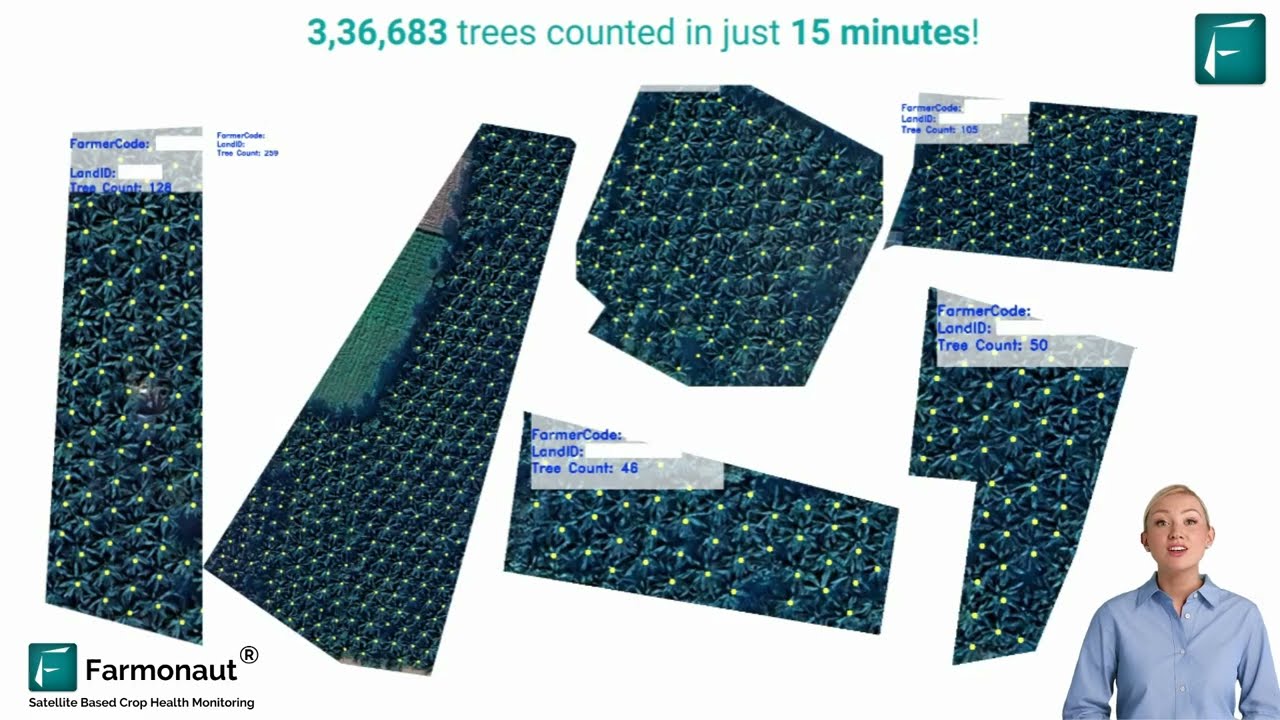
- GPS & GIS Precision: Operators use cutting-edge navigation to plan feller buncher routes and optimize timber transport logistics.
- Automated Controls: Reduce operator error and enable machines to adapt in real time to shifting ground and crop conditions, increasing timber harvesting efficiency.
Fleet Monitoring and Resource Management
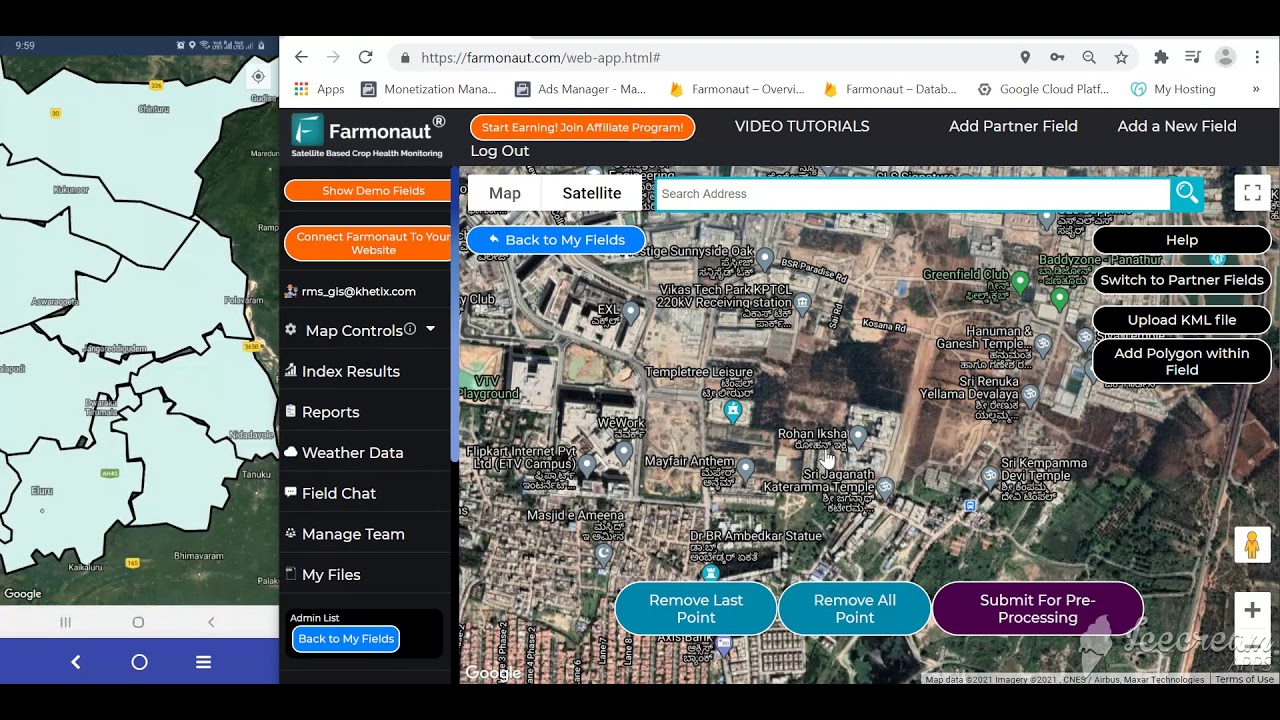
Leverage advanced fleet management platforms, like those accessible via Farmonaut’s Fleet Management tools, to monitor, analyze, and optimize the performance of entire machine fleets. This approach reduces operational costs, increases lifespan, and ensures safety.
Blockchain-Based Traceability
Traceability is increasingly important for timber, especially for operators serving global markets. Blockchain-integrated management, such as Farmonaut’s blockchain traceability product, verifies the sustainable origin and movement of timber throughout its lifecycle—enhancing transparency, trust, and regulatory compliance.
Environmental Monitoring & Sustainability Tracking
Operators and companies employ environmental tracking (e.g., carbon footprint monitoring available via Farmonaut’s carbon footprinting product) to measure, control, and reduce emissions consistently across operations.
Used Forestry Equipment for Sale in 2025
While the allure of new, high-tech machines continues, the used forestry equipment for sale market remains a vital component of the industry—especially for SMEs and regional forest operators.
Advantages of Used Forestry Equipment
- Affordability: Pre-owned machinery provides essential tools at a fraction of the price of new models, lowering the financial barrier to entry for sustainable operations.
- Instant Availability: The secondary market is robust; operators can source specific types (skidders, forwarders, harvesters, etc.) without long lead times.
- Proven Reliability: Most modern forestry machines are engineered for durability. When purchased from reputable dealers or as certified pre-owned, risks are mitigated.
- Green Credentials: Extending the lifecycle of equipment through reuse directly supports sustainability by reducing resource consumption and manufacturing-related emissions.
Best Practices When Buying Used Forestry Equipment
- Thorough Inspection: Check maintenance logs, age, hours, and ensure the performance of key components (hydraulics, engines, digital controls) to avoid unexpected repair costs.
- Reputable Dealers: Source from businesses with documented service records and transparent certifications.
- Access to Upgrades: Some used machines can be retrofitted with modern components such as GPS modules, telematics, or low-emission engines for improved effectiveness.

Agriculture Equipment Sales vs. Forestry Equipment Sales
While agriculture equipment sales and forestry equipment sales both drive technological innovation in heavy machinery, their markets are distinctly shaped by their operational environments and business objectives.
Key Differences in Equipment Applications
- Agriculture Equipment focuses on soil preparation, planting, crop protection, harvesting, and irrigation management.
- Forestry Equipment, by contrast, is designed specifically for logging, thinning, transporting timber, and forest resource management—often in rugged, sensitive, and remote areas.
Shared Innovations and Technological Crossover
- Both sectors use GPS-based automation, precision tools, IoT sensors, and AI-powered resource management platforms.
- Solutions such as large scale farm management—while originally targeting agriculture—are now increasingly deployed for large forestry operations to track health, manage assets, and monitor sustainability.
Despite these similarities, the forestry sector faces more stringent environmental regulations, a greater focus on ecosystem impact, and unique challenges in equipment design compared to agriculture.
Key Market Trends & Challenges in Forestry Equipment
The transition to 2025 brings forth a range of new dynamics, opportunities, and ongoing challenges within global forestry equipment sales.
Leading Market Trends
- AI-Driven Machines & Digital Twins: Machine learning optimizes harvest routes and predicts equipment failures before they occur.
- Sustainability as a Requirement: Larger buyers and policy frameworks now require evidence of sustainable forestry practices (via certifications, traceability, and restored land indices).
- Flexible Acquisition Models: Leasing, short-term rentals, and subscription services are becoming more prevalent, granting access to premium equipment and spreading capital risk.
- Resilient Supply Chains: Companies are diversifying suppliers and increasing inventories to buffer against disruptions seen in recent years.
- Expanded Used Market: The secondary market for used forestry equipment for sale is more organized, transparent, and integrated into digital sales platforms than ever before.
Persistent Challenges
- Supply Chain & Logistics Disruptions: Global events and logistical delays have impacted equipment availability and escalated costs.
- Operator Shortages: As machines become technically advanced, the need for skilled, digitally-savvy operators increases; ongoing workforce development is essential.
- Regulatory & Certification Evolution: The patchwork of national and international standards for sustainable timber continues to grow, affecting equipment setups and operational protocols.
- Fluctuating Timber Prices: Market volatility feeds directly into equipment acquisition strategies and fleet renewal decisions.

Comparison Table: 2025 Forestry Equipment Innovations & Market Trends
| Equipment Type | Key Innovation (2025) | Estimated Market Growth (%) | Average Price Change (%) | Sustainability Impact |
|---|---|---|---|---|
| Harvesters | AI Navigation, electric/hybrid drives, advanced operator assistance | +10 | +7 | High |
| Forwarders | Telematics, remote health monitoring, low ground pressure design | +8 | +6 | Medium |
| Chippers & Mulchers | Optimized rotors, automated feed controls, bioenergy integration | +7 | +8 | High |
| Skidders | Hybrid engines, GPS terrain mapping, enhanced safety features | +5 | +6 | Medium |
| Used Machinery | Upgradability, certification, eco-refurbishment | +8 | +2 | Medium-High |



Farmonaut: Supporting Sustainable Equipment Operations
As a pioneering satellite technology company, Farmonaut empowers forestry, agriculture, and resource management companies to embrace a sustainable, modern future. Though we do not sell or manufacture forestry or agriculture equipment, we provide advanced solutions that help operators, companies, and governments:
- Improve productivity and resource efficiency—through real-time monitoring of forests, soil conditions, and timber health with multispectral satellite imagery
- Reduce operational costs and environmental impact—using AI-driven advisory and fleet management systems to optimize machinery deployment, fuel use, and maintenance
- Enhance transparency and traceability—by integrating blockchain-based traceability solutions across timber and supply chains
- Access carbon footprint monitoring platforms—enabling companies to measure emissions and adopt greener practices via Farmonaut’s carbon footprint monitoring tool
- Streamline bulk operations—for large projects or governmental initiatives with scalable large scale farm and forest management systems

Our platform is available via web, API, Android, and iOS. Developers and corporate partners can integrate satellite analysis data directly using our API or review API developer documentation for industry-specific applications.
Farmonaut subscriptions are flexible and scalable. Explore our transparent pricing here:

Frequently Asked Questions (FAQs)
Q1: What is driving the growth in forestry equipment sales in 2025?
Key growth factors include increased regulatory and organizational focus on sustainability, the demand for advanced machinery with improved efficiency, investments in technological innovation (AI, telematics, GPS), and intensified global market activity requiring reliable and scalable equipment solutions.
Q2: What are the most important innovations in forestry equipment for 2025?
Key 2025 innovations include electric and hybrid machinery, AI-powered automation, blockchain-based traceability, IoT and telematics integration, and satellite-guided resource and fleet management for increased efficiency and sustainability.
Q3: Why is the used forestry equipment for sale market so robust?
Used forestry equipment remains essential due to affordability, immediate availability, proven durability, and sustainability. It provides accessible options for SMEs and fosters a circular approach to machinery lifecycle.
Q4: How is satellite technology changing forestry equipment operations?
Satellite technology (like Farmonaut’s platform) enables precise monitoring of forests, timber, soil, and operational conditions—facilitating real-time management, environmental impact reduction, and data-driven decision-making for operators and companies.
Q5: How can operators ensure their equipment strategy is future-proof?
Adopt a mix of new, upgradable used machines, and digital platforms focusing on sustainability, automation, and traceability. Consistent skill development for operators and leveraging tools like Farmonaut’s AI and monitoring solutions also enhance future-readiness.
Q6: What is the typical sustainability impact of the 2025 equipment market?
High—thanks to electric/hybrid engines, eco-friendly design, efficient use of resources, reduced emissions, and broader adoption of environmental data analytics to continually measure and reduce industry impact.
Conclusion: 2025 & Beyond
Forestry equipment sales in 2025 underscore the sector’s persistent commitment to sustainability, ongoing innovation, and operational efficiency. As technology reshapes everything from machine design to resource management, operators have unprecedented access to new and used equipment that directly supports modern, eco-friendly forestry operations.
Whether acquiring the latest AI-enhanced harvesters or leveraging the robust market of used forestry equipment for sale, success in the coming years will hinge on adaptability, upskilling, embracing digitalization, and prioritizing environmental responsibility. Platforms like Farmonaut, with their real-time satellite insights and management tools, empower individuals, companies, and governments worldwide to thrive in a future where forestry productivity and ecosystem conservation go hand in hand.
Explore the new era of forestry—where innovation, sustainability, and growth are within reach for every operator.
Discussion
Questions, corrections or field experience? Share them below. First-time comments are reviewed before they appear, and your email is never published.
No comments yet. Be the first to add a question or your experience.

 Gator Blueberries
 Liquify Digital
 Ascentya
 CU Foods
 BeyondTech Global
 Rouge VC
 AgroGreen Dynamics
 AgroRisk
 Oath Inc
 Reddane Farming
 Esri North East Africa
 Cresol
 Atur Kuliner
 MDCV UK
 Zerella Group
 Etech Consulting Madagascar
 Vestlandsforsking
 Delicio
 WB Dev
 Sama Premium
 Prochecker
 Tres Valles
 LACOS Geoinformation
 Exploration consultancy · South Africa · Gold
 Licence holder · Niger · Gold










