

Agriculture and Farming Hydraulics: Hydroponic Farming Benefits in 2025
“Hydroponic farming in 2025 uses up to 90% less water than traditional soil-based agriculture.”
Hydroponic Farming: Revolutionizing Agriculture with Advanced Hydraulics in 2025
The global population continues to surge, driving an unprecedented demand for sustainable, efficient, and high-yield agricultural practices. Traditional soil-based farming is increasingly challenged by mounting issues like land degradation, water scarcity, and climate change-induced weather variability. In this evolving agricultural landscape, hydroponic farming — a method of growing plants without soil using nutrient-rich water solutions — has emerged as a breakthrough technology that is revolutionizing the future of food production.
The core driver behind hydroponics’ 2025 surge is the integration of advanced agriculture and farming hydraulics. By harnessing hydraulic systems for precise and automated nutrient delivery, growers can optimize plant growth, enhance resource use, and address the constraints posed by land and water scarcity. From urban vertical farms to rural production hubs, hydroponic systems powered by modern hydraulics are paving the way for efficient, climate-resilient, and sustainable agriculture.
Our aim in this comprehensive blog is to unpack the advantages of hydroponic farming, explore how advances in agriculture and farming hydraulics are driving these solutions, and provide relevant, actionable insights for 2025 and beyond.
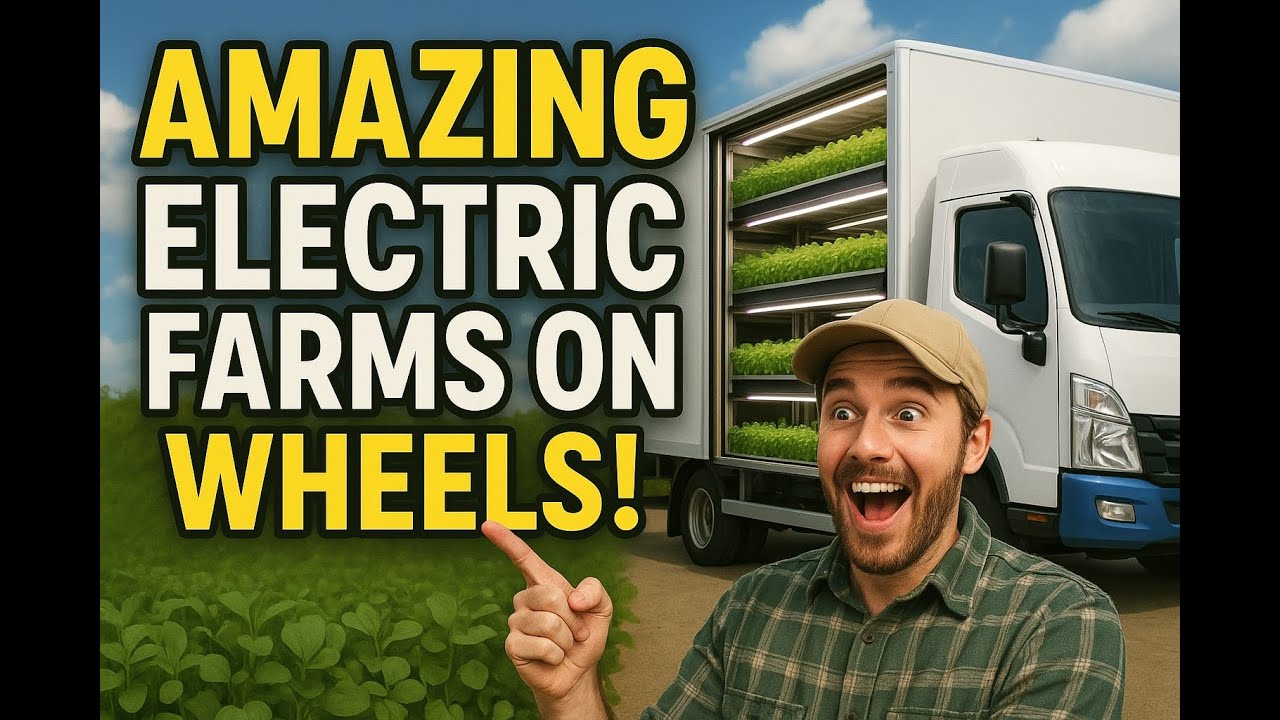
Understanding Hydroponic Farming and Advanced Hydraulics
Hydroponics is the method of cultivating plants without soil, where the plant roots are submerged in, or intermittently exposed to, nutrient-enriched water. Instead of relying on soil fertility, hydroponic systems utilize a balanced solution of essential nutrients precisely delivered to the plant’s roots via fluid circulation.
The efficiency and scalability of hydroponics in 2025 are underpinned by modern agriculture and farming hydraulics. Hydraulics, the science of controlling liquid movement, are employed through a network of hydraulic pumps, valves, sensors, and automated delivery systems. These technologies ensure precise distribution of nutrients, oxygen, and water, enabling plants to optimize their growth conditions while minimizing waste and resource use.
In modern hydroponic facilities, hydraulic sensors continuously monitor data points like water level, nutrient concentration, pressure, pH, and temperature. Automated pumps react to sensor feedback, enabling or restricting fluid movement as needed. Integrated valves control flow rates, while advanced networks distribute nutrients evenly across all growing zones. As a result, hydroponic environments become highly tunable, supporting year-round growth and optimal yields.

Comparative Table: Traditional Soil-Based vs. Hydroponic Farming with Advanced Hydraulics (2025)
For a practical overview, here’s a data-driven comparison highlighting key performance indicators in traditional farming and hydroponic farming with advanced hydraulics in 2025.
| Feature/Parameter | Traditional Farming (2025 est.) | Hydroponic Farming with Advanced Hydraulics (2025 est.) | Benefit Highlight |
|---|---|---|---|
| Water Usage per kg Crop | 250-350 liters | 20-35 liters | ~90% less water used, crucial in water-scarce regions |
| Nutrient Delivery Efficiency (%) | 40-55% | 95-98% | Minimizing waste, optimizing resource use |
| Average Yield per sq. m | 3-6 kg | 8-12 kg | ~30-50% higher yields, even in urban settings |
| Energy Consumption | Variable, often high for irrigation and field prep | Higher, but increasingly offset by renewables & efficiency | Hydraulics + smart tech enable net sustainability gains |
| Time to Harvest | 100-120 days | 65-85 days | Faster crop cycles, more production cycles per year |
As illustrated, hydroponic farming with advanced hydraulics delivers significant resource savings, boosts production yields, and shortens harvest cycles compared to conventional methods. These advantages are pivotal for global food security and environmental sustainability in 2025.
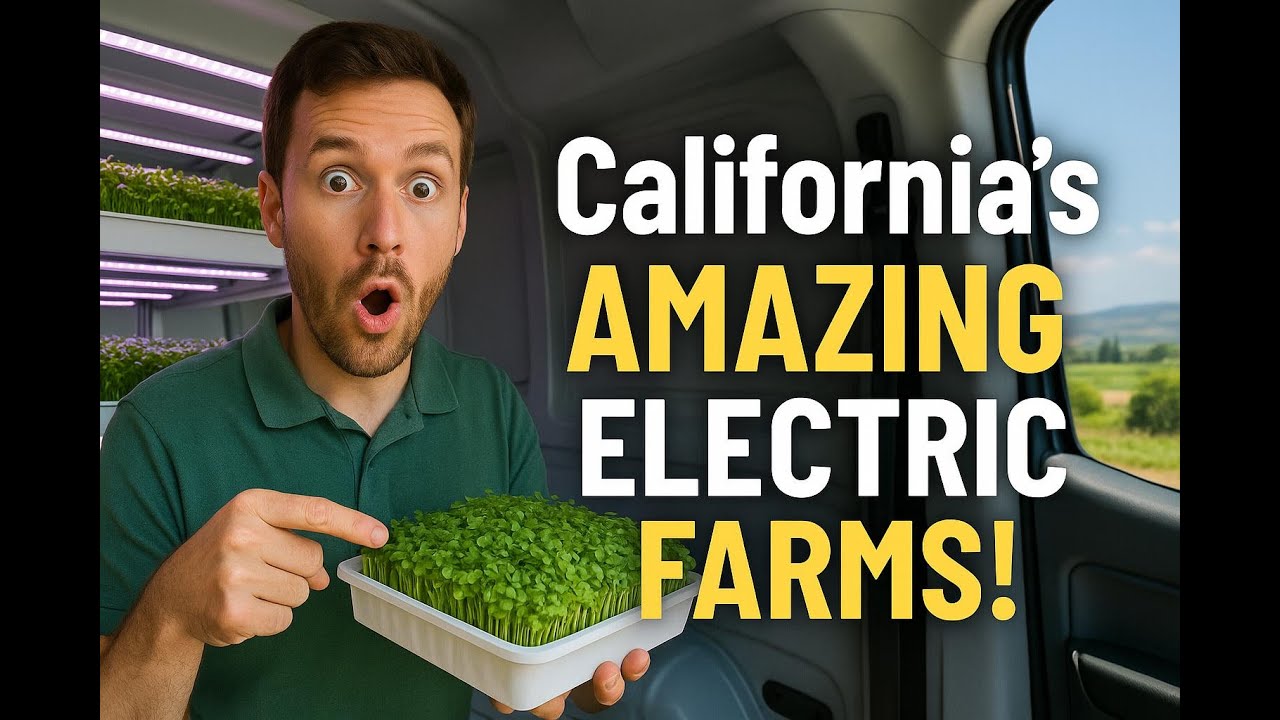
Key Benefits of Hydroponic Farming in 2025: Harnessing Agriculture and Farming Hydraulics
- Water efficiency and conservation
- Higher yields and faster growth cycles
- Year-round, climate-resilient production
- Reduced need for agrochemicals
- Urban and vertical farming integration
1. Water Efficiency and Conservation
Agriculture consumes approximately 70% of global freshwater resources. With increasing water scarcity and droughts affecting many regions, hydroponic systems have proven transformative. By leveraging hydraulic circulation and recirculation systems, hydroponics can reduce water consumption by up to 90% compared to conventional farming.
- Closed-loop hydraulic networks recycle drainage water after nutrient replenishment.
- Sensor-driven pumps minimize losses caused by evaporation and runoff.
- Reduced water dependency is crucial amid increasing climate variability in 2025.
By using advanced hydraulics, hydroponic farms promote sustainable agriculture and food security in otherwise water-stressed environments.

2. Higher Crop Yields and Faster Growth Cycles
In hydroponic farming, nutrient delivery is precisely managed and tailored to each crop species using sensor-based hydraulic automation. This ensures that plant roots receive a steady concentration of vital nutrients and oxygen. As a result:
- Plants grow 25%-50% faster than soil-based farming methods.
- Yields per unit area are substantially higher — a key advantage in urban vertical farms and restricted land scenarios.
- Hydraulic pumps and automated nutrient networks remove the guesswork, delivering resources exactly when and where needed.
These advantages mean increased food production for a growing population, while using less land.

3. Year-Round Production and Climate Resilience
Hydroponic systems — particularly those in greenhouses or integrated into urban vertical farms — shield plants from climate variability, drought, pests, and storms. Controlled hydraulic delivery means that crops can be grown regardless of outside temperature or rainfall patterns.
- Four-season production is possible in all climate zones, supporting local food security.
- Automated systems adapt nutrient and water delivery to optimize for growth, regardless of outdoor weather.
- This climate resilience is vital amid increasing environmental volatility projected for 2025.

4. Reduced Need for Agrochemicals
The hydroponic method eliminates soil-borne diseases and pests, reducing — and in some cases eliminating — the need for pesticides and herbicides. Modern hydraulic management enables growers to minimize or tailor fertilizer application with unprecedented precision.
- Cleaner, healthier crops with less chemical residue.
- Enhanced environmental sustainability: less runoff, reduced ecosystem contamination.
- Meeting consumer demand for organic, chemical-free produce in 2025.
5. Space Optimization and Urban Integration
Hydraulic-powered hydroponics have been pivotal in the development of vertical farms — multilevel farming units that can be incorporated into city infrastructure. Precise, high-pressure hydraulic pumps deliver nutrients to plants on every level, allowing space-efficient, high-density cultivation in the heart of urban areas.
- Urban farms reduce food-miles and logistics costs.
- Enhances local food security and environmental sustainability.
- Transforms rooftops, basements, and unused urban land into productive food hubs.
With global urbanization on the rise, the integration of hydroponic systems with advanced hydraulics will play a major role in future city planning and food distribution.
“Advanced hydraulic systems can boost hydroponic crop yields by up to 40% compared to conventional methods.”
Technological Innovations Shaping Hydroponic Hydraulics in 2025
Hydroponics in 2025 are undergoing a technological renaissance powered by advanced agriculture and farming hydraulics. The fusion of hydraulics with digital technologies brings about greater control, precision, scalability, and sustainability for food production across the globe.
Smart Hydraulics: IoT, AI, and Autonomous Management
- IoT Sensors: Real-time, connected sensors monitor vital hydraulic parameters such as water flow rate, nutrient concentration, system pressure, temperature, humidity, and oxygen levels. These sensors feed data directly into farm management systems for instant, actionable insights.
- AI-Driven Nutrient Management: Using machine learning algorithms, hydroponic environments can dynamically adjust nutrient profiles based on crop type, developmental stage, or observed deficiencies. This ensures optimized plant growth and resource efficiency.
- Automated and Remote Control Systems: Growers manage hydroponic farms via smartphones, tablets, and cloud platforms, adjusting hydraulic flows and environmental parameters with a tap or click. This also facilitates remote monitoring for large-scale urban or rural hydroponic installations.
- Renewable Energy Integration: Solar-powered hydraulic pumps and energy-efficient LED lighting further reduce carbon footprints, making hydroponics one of the most sustainable forms of agriculture by 2025.
These innovations, along with robust data analytics, are bringing unprecedented productivity, cost savings, and environmental benefits to the forefront of agriculture.
How Farmonaut Empowers Agricultural Sustainability & Efficiency in 2025
At Farmonaut, our mission is to democratize satellite-driven insights for agriculture and bring the benefits of technology to farmers, agri-businesses, and government agencies worldwide. By integrating advanced technology — from satellite imagery to artificial intelligence — we deliver data-backed solutions for resource management, environmental monitoring, and strategic decision-making.
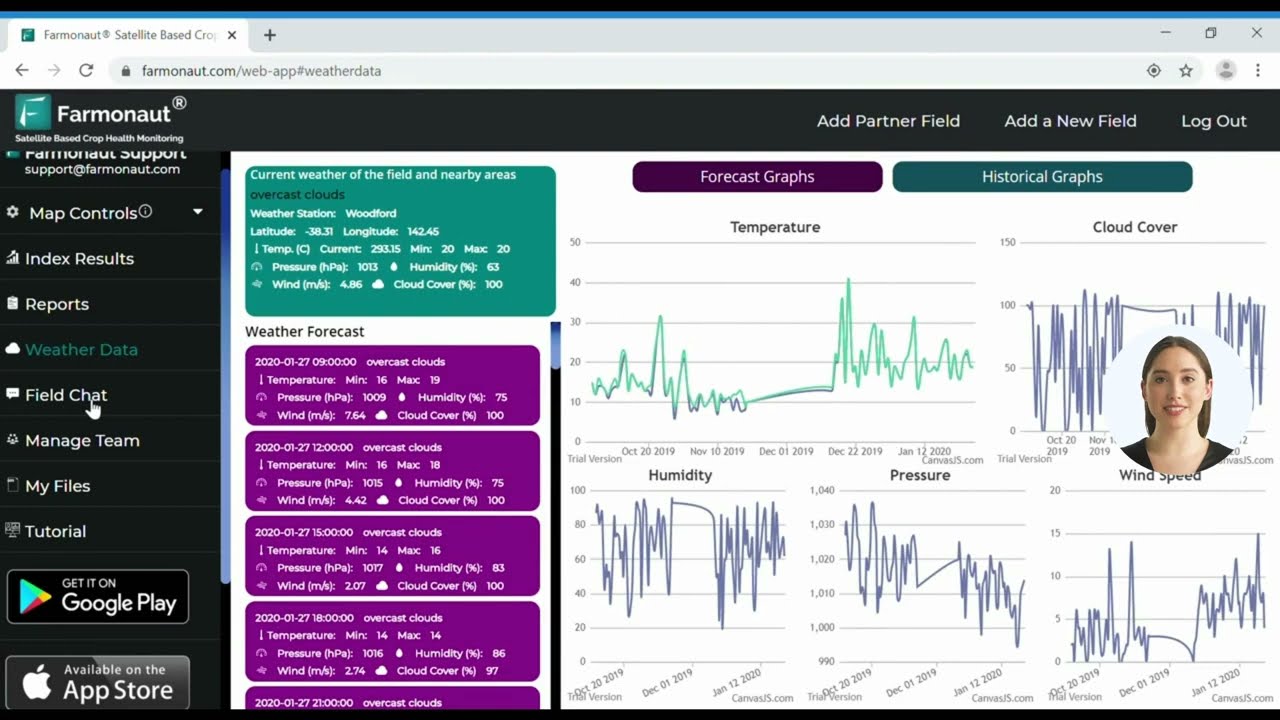
- Satellite-Based Crop Monitoring: Our proprietary satellite monitoring platform provides high-resolution imaging and analytics, allowing users to assess vegetation health, soil conditions, drought stress, and more.
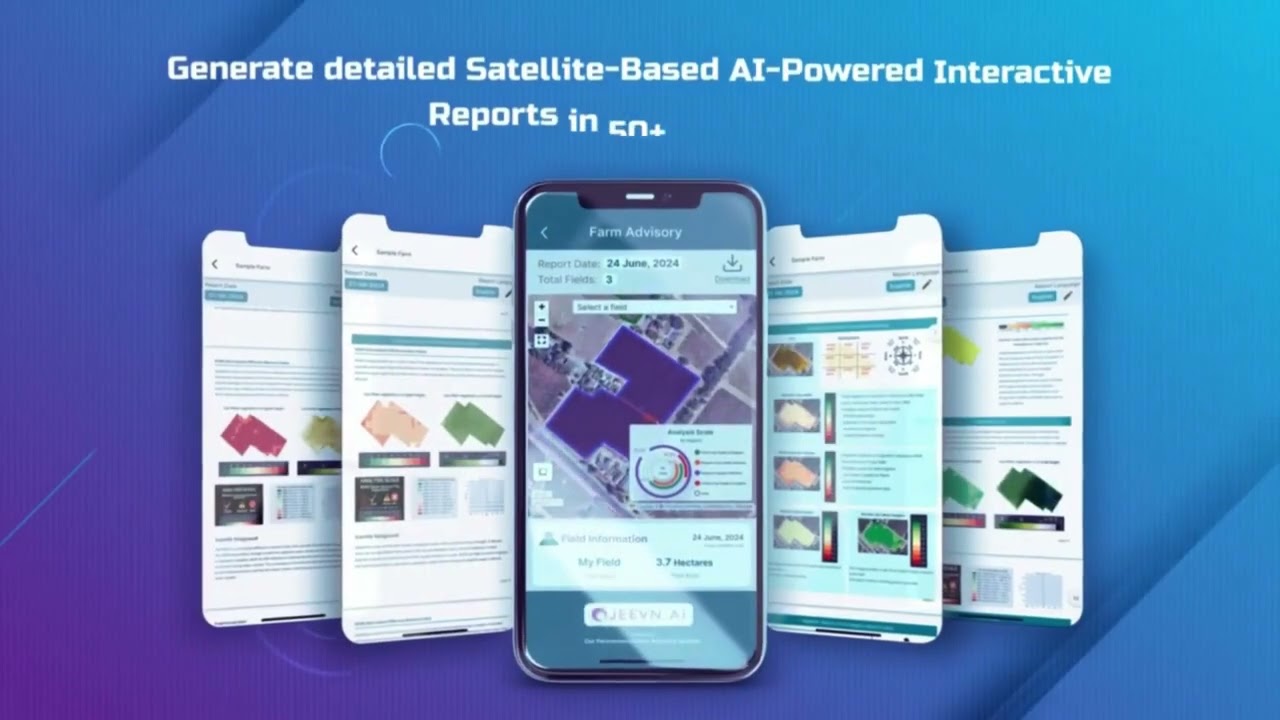
- AI-Driven Agronomic Advice: The Jeevn AI advisory system gives real-time insights and forecasts, helping optimize fertilizer, irrigation, and crop cycles for sustainable, efficient production — including integration with hydroponic and hydraulic systems for smarter nutrient management.
- Environmental Impact Monitoring: We support carbon footprint tracking and sustainability management for farms, aligning operations with global best practices for a cleaner future.
- Blockchain Traceability Solutions: Enhance product traceability and transparency across agricultural supply chains, helping users and organizations verify the authenticity of their produce and inputs.
- Resource and Fleet Management: Plan logistics at scale with smart, satellite-enabled fleet management tools, reducing waste and supporting agile farm operations.
Our mobile apps, web platforms, and APIs make these services accessible to all — from smallholders to large agricultural enterprises. Get started with real-time satellite crop monitoring and smart advisory through our platform.



Developers can also unlock our robust satellite data API
and consult the API documentation for integration into farm management platforms or third-party hydraulic systems.
Farmonaut’s Products: Powering Sustainable, Data-Driven Agriculture
- Large-Scale Farm Management: Streamline field planning, operation tracking, and resource allocation with Farmonaut’s Agro-Admin App. Ideal for monitoring hydroponic, vertical, and conventional farms with real-time satellite intelligence.
- Crop Loans & Insurance: Use satellite-verified crop health data to streamline agri-loan and insurance claims, helping farmers and financial institutions reduce fraud and risk.
- Forest and Plantation Advisory: Ensure environmental and crop sustainability with advisory products built upon satellite and AI technologies.
See how our latest technology empowers your farm or agribusiness for a more robust, resource-efficient, hydroponic-optimized future.
Frequently Asked Questions: Hydroponic Farming & Agriculture and Farming Hydraulics (2025)
What is hydroponic farming?
Hydroponic farming is a method of growing plants without soil. Instead, roots are supported in an inert medium or directly suspended in a nutrient-enriched water solution. The system relies on precise hydraulic and nutrient delivery to maximize plant growth, resource efficiency, and sustainability.
How do agriculture and farming hydraulics enhance hydroponic farming?
Hydraulics provide the fluid control necessary to deliver nutrients and oxygen consistently to plants. Advanced hydraulic pumps, sensors, and valves enable automated, optimized delivery of water and nutrients, leading to higher yields, faster growth cycles, and significant water savings compared to traditional farming.
What is the advantage of hydroponic farming over traditional farming in 2025?
The main advantages are water efficiency (up to 90% less water used), higher yields (30-50% more per square meter), faster crop cycles, less requirement for pesticides, robustness to weather and climate changes, and the ability to integrate into urban and vertical spaces for local and sustainable food production.
Is hydroponic produce as nutritious as soil-grown crops?
Yes. Hydroponically-grown produce can be equally — or even more nutritious — due to precisely controlled nutrient delivery. The key is diligent nutrient management and system maintenance, standards easily met with modern hydraulic systems in 2025.
Can hydroponic systems use renewable energy?
Absolutely. Many hydroponic farms are integrating solar-powered hydraulic pumps and energy-efficient systems to minimize environmental impact and support sustainable agriculture.
How can I use satellite technology from Farmonaut to monitor my hydroponic farm?
Our satellite imagery platform allows users to track plant health, soil moisture, and environmental variables in real-time. This empowers proactive farm management and aligns hydroponic production with best agronomic and sustainability practices.
You can start using it on our web and mobile apps, or integrate our API into your custom systems.
Is Farmonaut suitable for both large agricultural enterprises and smallholders?
Yes, our solutions and subscription models are modular and scalable, catering to urban vertical farm operators, conventional farmers, agribusinesses, and government agencies seeking to optimize hydroponic or traditional farming with advanced technology.
Conclusion: The Future of Hydroponic Hydraulics in Agriculture
Hydroponic farming, supercharged by advanced hydraulic technologies, is at the forefront of a global agricultural transformation in 2025. The ability to precisely manage water, nutrients, and energy, while minimizing waste and increasing yields, makes it a pivotal component of modern sustainable food systems.
With global population pressures, water scarcity, and climate uncertainty shaping our food future, hydroponic farming — particularly systems enhanced by intelligent hydraulics and data-driven management — offers a scalable solution for secure, local, and resilient food production. By embracing technology and innovation, we ensure our cities and rural regions alike are equipped for the next era of agriculture.
Explore how Farmonaut’s platform and products can optimize resource management, boost efficiency, and pave the way for sustainable agricultural practices — from hydroponic farms to conventional cropland. Together, we can revolutionize the future of farming.

 WebsEdge
 IRE Soil
 Blickwinkel
 Agricultural Credit Policy Council
 BayWa
BayWa MCSOD
MCSOD Marei Nursery
 eKGIS
eKGIS Mostas Tech
 Native Seeds
 Andex
Andex FCF India
 Unifrutti Gulf
 Deluxe Conseil
 TVS Electronics
 WICO
WICO Chimera Innovation
