

Agriculture Datasets: 7 Powerful AI Innovations for 2025
“By 2025, AI-powered agriculture datasets are projected to boost global crop yields by up to 20%.”
“Precision farming using AI datasets can reduce fertilizer usage by 15% while maintaining optimal plant health in 2025.”
Table of Contents
- Summary: AI in Agriculture Datasets – The Transformative Era
- Understanding Agriculture Datasets
- The Role of AI in Agriculture Using Datasets
- Comparative Impact Table: AI Innovations Using Agriculture Datasets
- The 7 Powerful AI Innovations in Agriculture Datasets (2025)
- How Farmonaut Empowers Tomorrow’s Agriculture
- Challenges and the Future of AI in Agriculture Datasets
- Frequently Asked Questions
- Farmonaut: Affordable Subscriptions for Sustainable Growth
- Conclusion: The Data-Driven Future of Farming
Summary: AI in Agriculture Datasets – The Transformative Era
In recent years, the integration of Artificial Intelligence (AI) with agriculture datasets has fundamentally revolutionized farming practices across the globe, marking a truly transformative phase for the agricultural sector. As we advance toward 2025, innovations fueled by vast repositories of structured and unstructured agricultural data are not only enhancing productivity, sustainability, and precision in decision-making but also redefining our approach to crop yield, precision agriculture, and environmental stewardship. This comprehensive blog explores how the synergy between AI algorithms, machine learning, and diverse agricultural datasets is shaping the future of global food systems.
Understanding Agriculture Datasets: The Backbone of Modern Farming
Agricultural productivity and sustainability are increasingly data-driven. But what exactly are agriculture datasets, and why are they pivotal to the rise of AI in farming?
Defining Agriculture Datasets
Agriculture datasets encapsulate a wide array of structured and unstructured data collected from various sources to support intelligent farming decisions. These come from:
- Satellite imagery (e.g., Farmonaut’s multispectral images of crop fields)
- Drones and aerial imaging systems
- IoT sensors in fields (measuring soil moisture levels, temperature, and more)
- Weather stations (providing real-time and historical weather data)
- Soil and water tests (identifying nutrient deficiencies, contamination, and pH)
- Crop health indicators (including NDVI and other vegetation indices)
- Machinery logs (documenting the operational status and performance of equipment)
- Market and supply chain datasets (harvest records, pricing trends, and demand forecasts)
This richness and diversity of data is critical for building AI models that yield actionable insights into crop performance, soil health, pest outbreaks, and weather patterns.
The Structure, Sources, and Example Types of Agricultural Datasets
- Structured data:
- Numerical datasets from sensors (e.g., hourly soil moisture readings, temperature logs)
- Market prices, crop yield records, and operational logs from machinery
- Unstructured data:
- Satellite/aerial imagery
- Text reports, weather advisories, and unlabelled drone scans
Integrating these varied sources is essential for a holistic understanding of agricultural practices and unlocking the full potential of AI in agriculture datasets.
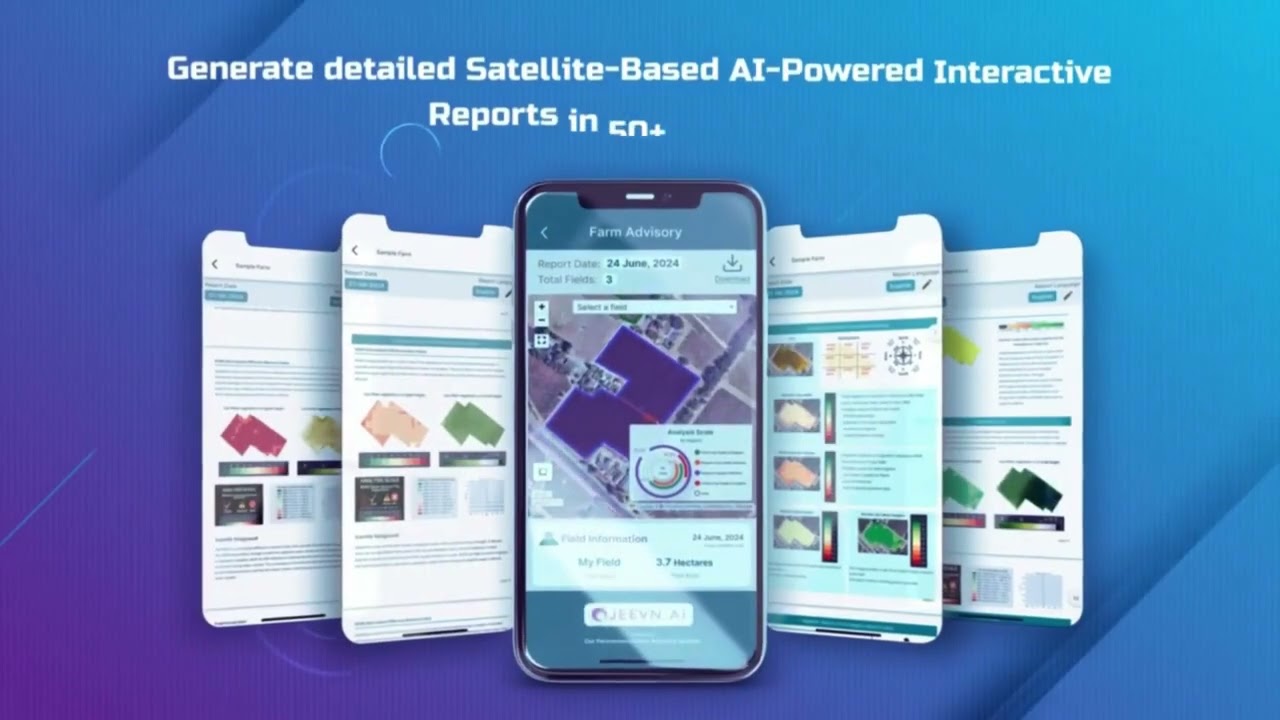
The Role of AI in Agriculture Using Datasets: Precision, Prediction, Performance
The role of AI in leveraging agriculture datasets is nothing short of revolutionary, especially as we move into 2025. With comprehensive data from fields, weather stations, and satellite sources, advanced AI models can:
- Detect subtle patterns and predict outcomes previously impossible to ascertain
- Forecast yield quantities by analyzing historical performance alongside real-time environmental conditions
- Rapidly identify early signs of disease, pest outbreaks, or soil stress using computer vision and pattern recognition
- Recommend optimal schedules for planting, fertilizing, and harvesting, fine-tuned to local microclimates
- Implement precision approaches—from variable-rate seed planting to targeted fertilizer and pesticide applications—reducing usage, costs, and environmental impact
In essence, AI in agriculture datasets translates data into actionable, real-time decisions for farmers, agribusinesses, and policymakers.
Agriculture Datasets in Action: AI-Powered Workflow
- Data Collection: Sensors, satellites, and drones gather real-time data in the field and throughout the food supply chain.
- Data Processing: Integrating atmospheric, soil, plant, and operational datasets via IoT hubs and cloud solutions.
- Model Training: Using machine learning and deep learning algorithms to analyze patterns, identify correlations, and develop predictive models.
- Decision Support: Delivering actionable insights and recommendations through dashboards, mobile apps, and automated equipment.
The fusion of advanced analytics fueled by vast data repositories heralds a new era for precision agriculture and sustainable yield improvement in 2025 and beyond.
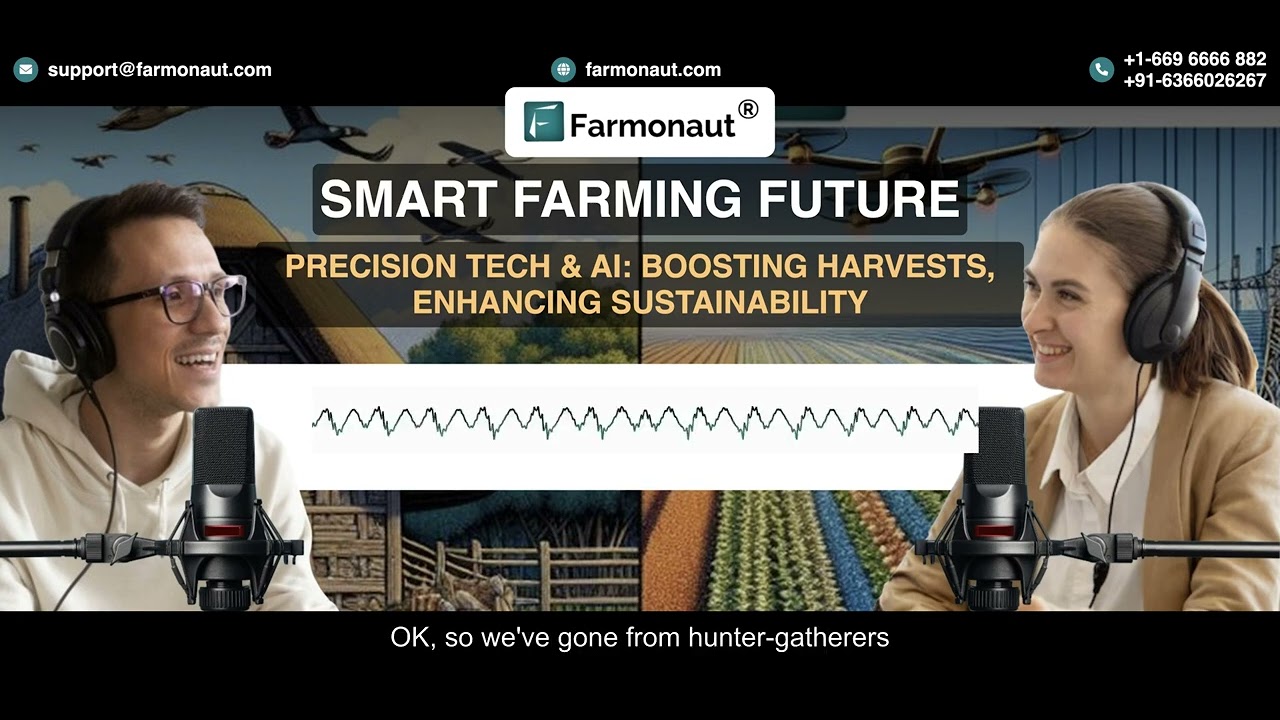
Comparative Impact Table: AI Innovations Using Agriculture Datasets
To illustrate the quantifiable benefits of dataset-driven AI innovations in agriculture, here’s a comparative table outlining the 7 most impactful AI applications for 2025.
| AI Innovation | Brief Description | Primary Dataset Type Used | Estimated Crop Yield Improvement (%) | Estimated Resource Usage Reduction (%) | Projected Sustainability Impact |
|---|---|---|---|---|---|
| AI-Driven Crop Yield Prediction | Advanced analytics predict yield quantities using multisource data (weather, soil, previous crops). | Meteorological, soil, yield records, remote sensing | 15-20% | 10% | High |
| Precision Irrigation Management | AI-powered systems deliver optimal water volumes based on real-time field data. | Soil moisture sensors, weather, satellite imagery | 8-12% | 20-30% | High |
| Automated Pest and Disease Detection | AI computer vision identifies early pest outbreaks and crop diseases for rapid intervention. | High-res imagery (satellite, drone), crop health indicators | 10% | 12-18% | High |
| Soil Health Analytics & Advisory | AI evaluates soil nutrient deficiencies, compaction, and pH enabling precise amendments. | Soil sensor data, lab tests, historical crop records | 10-15% | 15-20% | High |
| Automated Machinery & Robotics | Data-driven machinery optimizes planting, irrigation, and harvesting with minimal waste. | GPS logs, equipment sensors, field maps | 5-10% | 15-25% | Medium |
| Weather Prediction & Risk Management | AI integrates weather and crop data to forecast risks and improve farm preparedness. | Weather, crop stage, soil moisture, historical climate records | 8% | 8% | Medium |
| Market and Supply Chain Optimization | AI analyzes production and market datasets to minimize post-harvest loss and price volatility. | Production, pricing, demand, and logistics data | 5-7% | 10% | Medium |
As shown, AI in agriculture datasets is transforming both yield and resource use while supporting sustainability, data-driven transparency, and financial security in the sector.

The 7 Powerful AI Innovations in Agriculture Datasets (2025)
Let’s explore how each of these seven AI innovations—all powered by agriculture datasets—will drive sustainable and resilient farming in 2025.
1. AI-Driven Crop Yield Prediction
AI models use multispectral satellite imagery, real-time sensor data, and historical yield records to forecast crop quantities down to the field or even row level. These platforms constantly learn, adjusting predictions as conditions change.
- Key Dataset Types: Remote sensing, field sensors, historical yield data, weather records
- Benefits: Enables strategic planning and contract fulfillment, lowers economic risk, empowers farmers to make data-driven crop decisions
Example: Before sowing, farmers can view predicted field performance, optimizing input allocation for maximal output.
Related Farmonaut Product: Large-Scale Farm Management Suite – Leverage real-time satellite monitoring and AI predictions to plan, monitor, and manage extensive agricultural operations efficiently.
2. Precision Irrigation Management
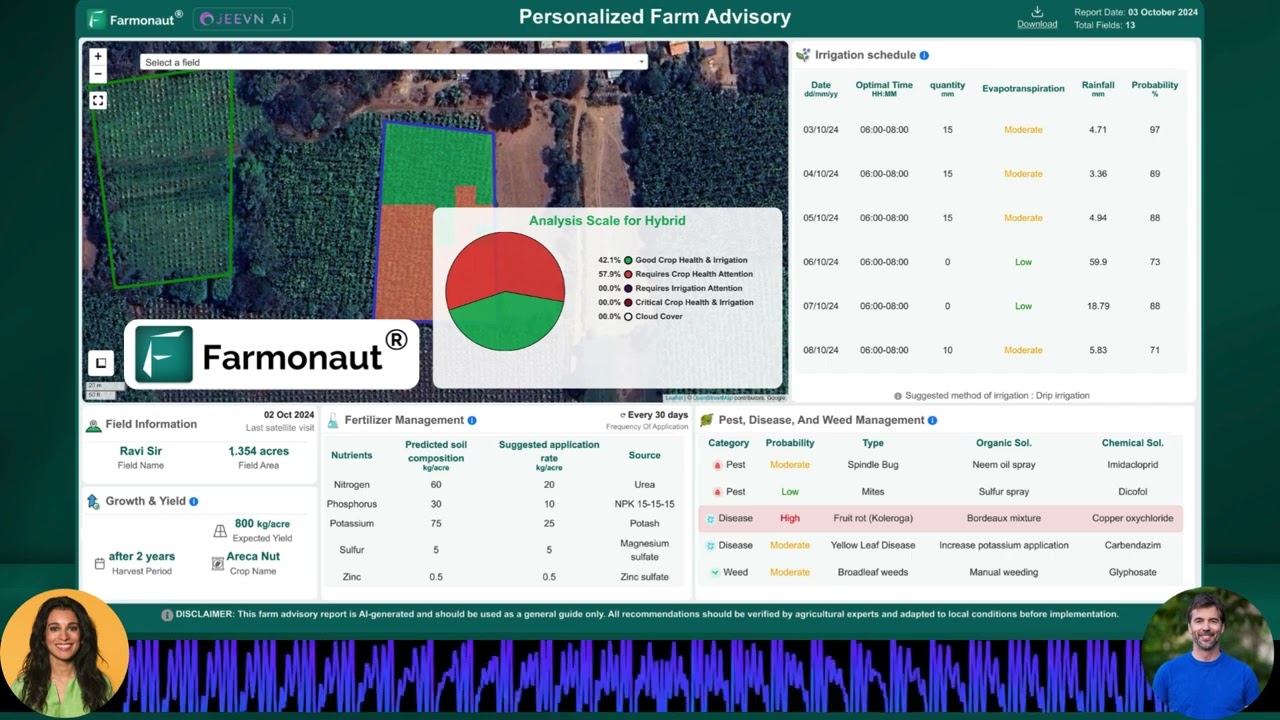
AI in agriculture datasets fuels smart irrigation systems that analyze soil moisture levels, evapotranspiration, plant requirements, and weather forecasts, ensuring water is delivered only where and when needed.
- Key Dataset Types: Soil moisture sensors, satellite water indices, weather prediction models
- Benefits: Reduces water consumption (up to 30%), increases productivity, improves plant health, especially vital in drought-prone regions
Example: Farmers receive real-time alerts and recommended irrigation schedules to maximize every drop.
Explore: Farmonaut’s Carbon Footprinting Suite – Measure environmental impacts, including water and carbon emissions, to support sustainable irrigation practices.
3. Automated Pest and Disease Detection
Using high-resolution drone and satellite images, AI computer vision detects patterns of pest infestation and early disease outbreaks invisible to the naked eye. By continuously scanning entire farm landscapes, these systems enable:
- Immediate alerts for localized outbreaks
- Pinpointing stress factors like nutrient deficiencies or water scarcity
- Minimizing unnecessary chemical usage, reducing costs and environmental impact
Dataset Types: Drone, satellite, and sensor imagery; climatic and crop health indicators
Explore: Farmonaut’s Traceability Solutions – Ensure transparency in the food chain by tracking input usage (e.g., pesticides) from field to market using robust AI and blockchain-based datasets.

4. Soil Health Analytics and Advisory
Soil analytics platforms integrate sensor data, lab test results, and historical crop records to provide tailored recommendations for:
- Correcting nutrient deficiencies
- Addressing soil compaction, acidity, and salinity
- Optimizing fertilizer and organic amendment application
Benefits: Healthier crops with less input waste and better long-term soil sustainability.

Discover: Farmonaut Crop Plantation & Forest Advisory – Receive AI-driven soil and crop health insights for better planting and forest management decisions.
5. Automated Machinery and Robotics
AI-powered robotics (tractors, drones, planters, and harvesters) use real-time geospatial and sensor data to:
- Navigate fields with centimeter precision
- Adjust seeding, watering, and pesticide applications dynamically
- Reduce overlap and resource waste, increasing operational efficiency
Primary Datasets: GPS positioning data, field boundary maps, machine performance logs
Benefit: Enhanced labor efficiency, lower input costs, and scalability for both large and small farms.
Learn More: Farmonaut’s Fleet Management – Advanced tracking and optimization for agri-machinery and vehicles, maximizing resource use and safety throughout the agricultural lifecycle.

6. Weather Prediction and Risk Management
Climate volatility is a major threat to agriculture. AI models trained on historical and live weather data, combined with soil moisture and growth stage information, can:
- Forecast adverse weather events (frost, drought, heavy rain)
- Model their potential impact on specific crop fields
- Recommend adaptation strategies (altering planting schedules, emergency cover)
Primary Datasets: Weather station records, remote sensing, climate databases, soil sensors
Enhance Resilience: Farmonaut Crop Loan & Insurance Tools – Satellite-based risk verification for easier access to agricultural finance and disaster compensation.
7. Market and Supply Chain Optimization
Cutting-edge AI platforms utilize production, inventory, demand, and distribution datasets to:
- Forecast market demand and optimize crop selection pre-planting
- Suggest the best timing for harvest and logistics to minimize perishability
- Reduce post-harvest losses by streamlining supply chains
Datasets: Market prices, logistical records, production stats, weather, and harvest forecasts
Benefit: More profitable, predictable, and less wasteful food systems.
“By 2025, AI-powered agriculture datasets are projected to boost global crop yields by up to 20%.”
“Precision farming using AI datasets can reduce fertilizer usage by 15% while maintaining optimal plant health in 2025.”
How Farmonaut Empowers Tomorrow’s Agriculture with Satellite-Driven AI Datasets
As a leader in satellite technology, we at Farmonaut are deeply invested in the global transition toward AI-empowered agriculture fueled by rich, multi-source datasets. Our mission is to provide cost-effective, accessible solutions to farmers, enterprises, and governments that leverage the combined strengths of satellite imagery, AI, and blockchain.
- Satellite-Based Monitoring: We deliver high-frequency, multispectral imagery to monitor vegetation health (NDVI), soil conditions, and environmental impacts for timely and informed agricultural decision-making.
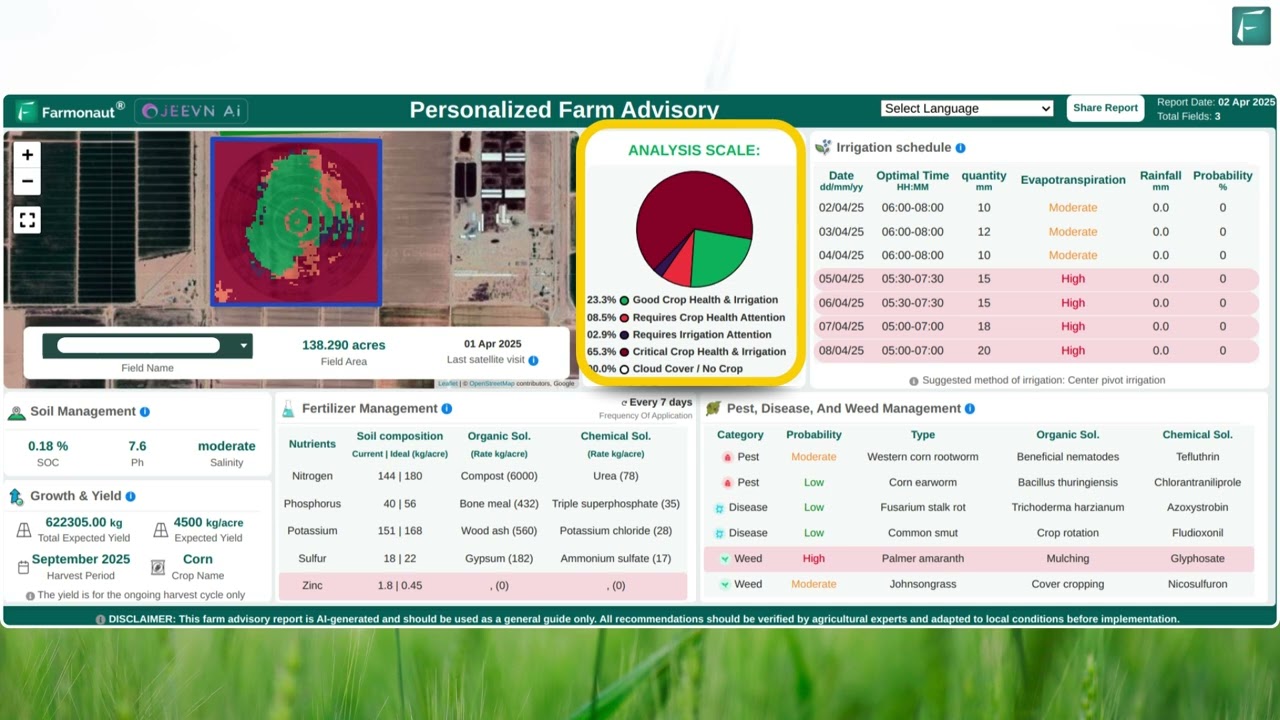
- Jeevn AI Advisory: Our AI system provides field-specific recommendations on planting, irrigation, crop selection, and climate resilience, using a comprehensive analysis of live and historical agricultural datasets.
- Traceability and Resource Management: Blockchain integration ensures end-to-end transparency, while our fleet management tools help optimize machinery usage, reduce operational costs, and minimize emissions.
- Environmental Impact Monitoring: We empower stakeholders to track and reduce their carbon and water footprints, supporting the adoption of sustainable practices at scale.
Getting Started:
-



- For developers and businesses: Leverage our real-time API to integrate satellite and weather insights. Full developer docs: Farmonaut API Docs.
Challenges and the Future of AI in Agriculture Datasets
The transformative power of AI in agriculture datasets is clear, but realizing its full potential comes with several challenges:
Key Challenges
- Data Quality and Representativeness: High-performance AI models require large, high-quality datasets that represent the diversity of climatic, soil, and crop conditions across regions—often lacking in many developing areas.
- Data Accessibility and Standardization: Much agricultural data remains siloed, unpublished, or in incompatible formats. Open, standardized repositories are necessary for widespread AI deployment.
- Infrastructure Gaps: Developing countries face limited internet access, lack of IoT sensor penetration, and constraints on affordable technology adoption.
- AI Model Bias and Generalizability: AI outcomes can be inaccurate or biased if trained only on limited or non-region-specific data, risking poor recommendations or overlooked risks.
- Privacy, Security, and Data Ownership: Clear frameworks are needed to protect farmers’ data and ensure fair use in AI-driven applications.
Future Directions and Opportunities (2025 & Beyond)
- Rise of Open-Access Platforms: Expect rapid growth in platforms sharing high-quality, anonymized agriculture datasets—democratizing AI benefits for farms of all scales.
- Affordable and Advanced Sensors: Proliferation of low-cost, durable IoT and edge computing devices to reach fields and farms previously left behind.
- Smarter AI-Driven Practices: Continuous learning models that adapt to micro-local trends in weather, soil, and market demand—delivering hyperlocal insights.
- Integration with Financial Products: As satellite verification and AI analytics become standard, global farmers will enjoy easier, more secure access to insurance and loans tied to real-time risk assessments.
- Stronger Focus on Sustainability: Enhanced environmental monitoring capabilities will promote eco-friendly farming and support climate-resilient agriculture policy worldwide.
Frequently Asked Questions (FAQ) – Agriculture Datasets & AI Innovations 2025
-
What types of agriculture datasets are most valuable for AI?
Satellite imagery, IoT sensor data (soil, weather, plant), machinery logs, historical yield records, and market trends are key. The more diverse and current the datasets, the more actionable and reliable the AI insights. -
How do AI-powered datasets help with sustainable agriculture?
AI optimizes fertilizer, water, and pesticide use (lowering costs and environmental impact), forecasts yields, improves crop health, and supports climate-resilient practices—leading to long-term agricultural sustainability. -
Are AI and data-driven innovations only for large farms?
No! Open-access platforms, affordable sensors, and satellite technologies are making these benefits accessible to smallholder and medium-scale farmers worldwide. -
How does Farmonaut contribute to the AI in agriculture datasets ecosystem?
We provide satellite-driven, AI-powered monitoring, advisory, traceability, and resource optimization tools for individuals, agribusinesses, governments, and financial institutions—democratizing access and supporting productivity, sustainability, and transparency. -
Where can I access Farmonaut’s data, APIs, or applications?
-
What are some of the challenges of adopting AI-based agriculture datasets?
Challenges include ensuring high-quality, representative, and accessible data; bridging digital infrastructure gaps; managing AI model bias; and protecting privacy and data rights—especially for small and developing-region farmers. -
Will AI replace farmers?
No. AI and agriculture datasets empower farmers to make better decisions, save resources, and increase yields—they do not replace the unique experience and knowledge of the farming community.
Farmonaut: Affordable Subscriptions for Sustainable Growth
Ready to harness the power of AI, satellite imagery, and actionable agriculture datasets?
We at Farmonaut offer flexible, scalable subscription models for:
- Individuals (farmers, land managers)
- Businesses and agribusinesses
- Government agencies, policymakers, and institutions
- Financiers and insurance providers
Choose real-time monitoring, tailored reporting, or integrate our robust data streams into your existing systems—grow with confidence, productivity, and sustainability.
Conclusion: The Data-Driven Future of Farming
Agriculture datasets and AI-driven analytics are more than just technological upgrades—they are the new foundation for resilient, productive, and sustainable agriculture as we move into 2025 and beyond. By fully utilizing structured and unstructured data from satellite imagery, sensors, weather stations, and market records, the sector can meet escalating global food demand while minimizing environmental footprints and supporting economic development at every level. The revolutionary integration of AI in agriculture datasets marks a future where human survival, sustainability, and prosperity are truly data-driven.
Unlock the next generation of productivity, resilience, and transparency in your agricultural journey with Farmonaut’s technology suite—built for the present and the future of global food security.

 Sapoznick Farms
 Agrotoken
 Blue BearX
 Insignito
 Croptimum
 Dalmia Bharat Sugar
 DnCubed
 Field Capacity
 Indosistim Teknologi
 Liquify Digital
 CU Foods
 BeyondTech Global
 Rouge VC
 AgroGreen Dynamics
 AgroRisk
 Oath Inc
 Reddane Farming
 Esri North East Africa
 MDCV UK
