

21st Century Agriculture: 7 Innovations for 2026
21st Century Agriculture: Innovations Driving Sustainable Farming in 2025
“Auto-steer and GPS guidance were used on more than half of US corn, soybean, winter wheat and cotton acres in USDA’s 2016–2019 surveys (USDA ERS).”

The Dawn of 21st Century Agriculture: Meeting Global Challenges with Innovation
Agriculture is undergoing a remarkable transformation in the 21st century as advanced technologies, precision farming, and sustainable practices converge to tackle the mounting challenges facing the sector. With global populations set to soar and environmental pressures intensify, modern agricultural systems must balance productivity, resource conservation, and ecological responsibility. As we look forward to 2026, we see a landscape where advanced innovations are reshaping everyday operations on the farm—from how we gather data, monitor soil health, and optimize inputs to how we conserve water and deliver food to market.
In this blog, we explore seven key innovations driving the future of sustainable agriculture by 2026 and beyond. We’ll provide context, detailed analysis, and real-world implications—helping stakeholders, farmers, investors, and agri-professionals understand how to thrive amid the evolving sector.
21st century agriculture isn’t just about adopting new tools—it’s about the integrated management of crop health, resources, markets, and environmental responsibility, all powered by connectivity and data.
What Counts as Agricultural Innovation
The UN Food and Agriculture Organization treats agricultural innovation as a process, not a gadget. A product, practice or way of organising work counts as an innovation when people use it for the first time in their own setting, even if it already exists elsewhere (FAO). A drip line new to one village is an innovation there.
FAO also stresses that innovation is not only technology. New ways of organising farmers, selling produce or sharing information count too. It describes an agricultural innovation system as the network of farmers, researchers, companies, institutions and policies that bring products and processes into use (FAO).
In practice, innovations in farming fall into four groups:
- Machines and data: GPS guidance, sensors, satellite imagery, drones and farm software.
- Biology: new crop varieties, including gene-edited ones, and biological pest control.
- Practices: cover crops, reduced tillage, drip irrigation and crop rotation.
- Organisation and markets: cooperatives, digital payments, crop insurance and traceability records.
Some ideas mix groups. Agrivoltaics puts solar panels over grazing land or crops. In the US it is still mostly grass and pollinator plants under panels. Just over a quarter of sites combine panels with sheep grazing, and fewer than 5% grow crops under the panels (USDA ERS, April 2024).
Innovations Comparison Table: Agricultural Technologies for 2026
“On the largest US corn farms, 73% used GPS guidance in 2016, versus 7% to 11% of farms in the smallest size groups for most crops (USDA ERS).”
Ignoring the sustainability impact of new technologies can result in regulatory challenges, soil degradation, and increased input costs. Sustainable integration is as critical as efficiency for 21st century agriculture.
1. Precision Agriculture & Smart Sensors: Hallmarks of Modern Farming
The integration of technology into everyday farm operations is reshaping how we optimize land, labor, and resources. Precision agriculture, powered by GPS-enabled machinery, Internet of Things (IoT) devices, and geographic information systems (GIS), is now a cornerstone of 21st century agriculture. In the US, auto-steer and GPS guidance were used on about 55% to 65% of corn, soybean, winter wheat and cotton acres in USDA surveys from 2016 to 2019 (USDA ERS).
- ✔ Key benefit: Maximizes input efficiency by applying water, fertilizers, and pesticides only where needed.
- 📊 Data insight: Continuous monitoring allows instant detection of soil deficiencies and pest stress.
- ⚠ Risk or limitation: Requires initial investment and farmer training for optimal results.
- ✔ Sustainability boost: Reduces waste and lowers environmental impact by preventing over-application of agrochemicals.
- 🔗 Integration: Tightly connects with crop modeling forecasts and remote sensing platforms for holistic management.
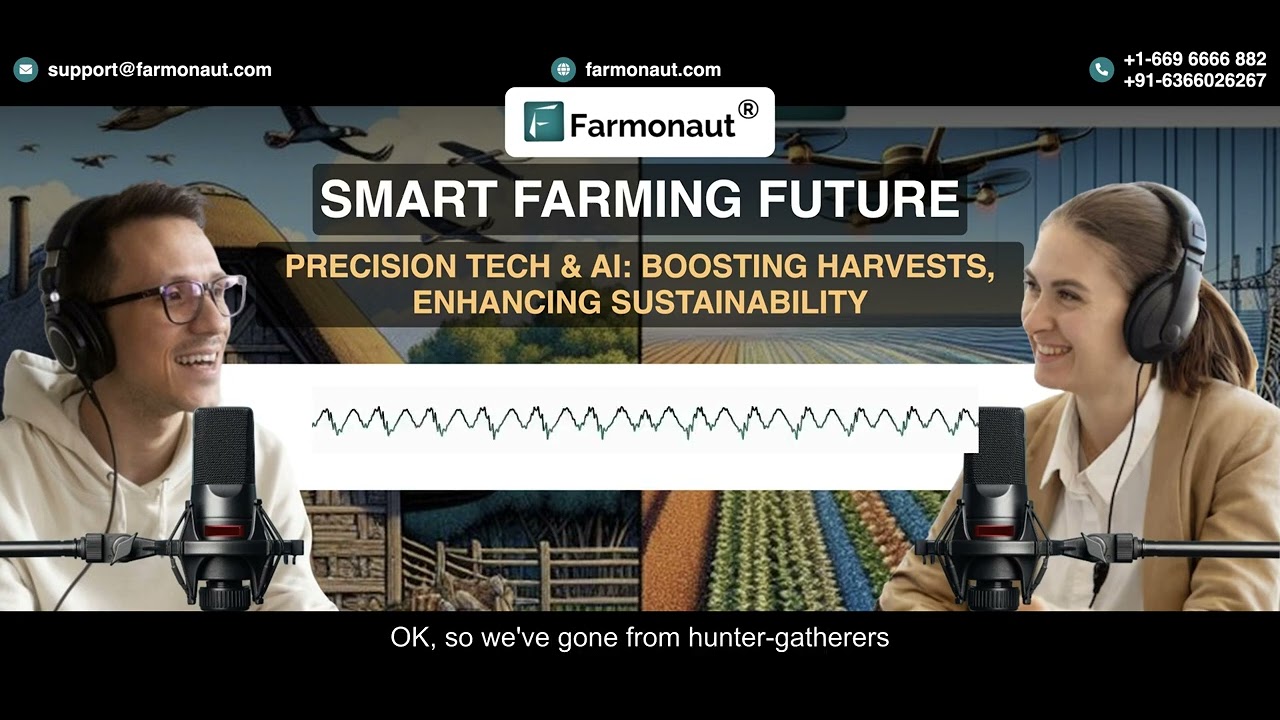
Why smart sensors are game-changers in the field
The use of soil and crop sensors enables farmers to monitor moisture, temperature, and nutrient status at multiple field points. These datasets are channeled through analytics software, optimizing irrigation scheduling and ensuring crops receive precisely what they need—with no excess and no shortage. The results: improved yields, lower input costs, and more consistent crop performance.
Combining on-field sensors with satellite remote sensing delivers both micro and macro crop insights, unlocking actionable intelligence to improve yields while protecting ecosystems.
How Widely Farmers Use These Technologies: US Survey Data
Forecasts of adoption vary widely, so survey data is a better guide. The US Department of Agriculture’s farm survey tracks how many acres are managed with auto-steer and GPS guidance, the most common precision agriculture tool.
| Crop | Survey year | Share of planted acres | Share of largest farms using it |
|---|---|---|---|
| Corn | 2016 | 58.4% | 73% (1,725+ acres) |
| Winter wheat | 2017 | 55.9% | 82% (3,140+ acres) |
| Soybeans | 2018 | 54.5% | 68% (3,430+ acres) |
| Cotton | 2019 | 64.5% | 67% (4,500+ acres) |
Source: USDA Economic Research Service, April 2023. The same survey found adoption on the smallest farms was far lower, mostly 7% to 11% of farms, except cotton at about 50%.
Two points follow. First, guidance is now standard on large row-crop farms, but small farms lag because the payback depends on acreage. Second, newer tools are less proven at scale. Soil moisture sensors are a good example. University of California research on strawberries and almonds found sensor-guided irrigation saved 10% to 16% of water while keeping maximum yield, and raised yields 9% for celery and 10% for strawberries compared with growers’ usual practice (UC Agriculture and Natural Resources).
2. Satellite Technology & Remote Sensing: A New Era of Vigilance
The launch of affordable, high-resolution satellites is transforming agriculture by providing frequent, repeat views of farmland anywhere on Earth, typically every few days rather than in real time. Through satellite imagery, NDVI (Normalized Difference Vegetation Index), and multispectral analysis, today’s farmers monitor vast fields, identify deficiencies, and predict crop issues before they escalate. This technology reduces costs, enhances field management, and supports both smallholders and large-scale growers alike.
- 🌍 Detailed aerial views of fields and crops from space—beyond human eye and drone limits.
- ⚡ Early detection of pest infestations, disease outbreaks, and water stress.
- 🔄 Non-invasive monitoring: Multispectral images provide ecosystem-safe insights without disturbing the soil.
- 💸 Cost-effective: Reduces need for frequent manual scouting across large and inaccessible terrain.
- 🔗 Useful Integration: Connect to Farmonaut’s Carbon Footprinting analysis to monitor emissions from fields in real time and orchestrate climate-positive strategies.


Visual List: Satellite-Driven Crop Management Workflow
- 🛰 Satellite captures field image
- 💡 AI analytics identify crop stress
- 🗺 Insights sent to farmer’s phone/Web app
- 🌿 Farmer adjusts irrigation or inputs
- 🏆 Improved yields & minimized impact
As climate change risks rise, sectors like crop loan and insurance increasingly rely on satellite images for verification. Farmonaut’s Crop Loan & Insurance Solution provides objective, tamper-proof monitoring, reducing risk for both farmers and financiers.
3. Artificial Intelligence & Big Data Analytics: The Brain of Modern Farms
Big data analytics and artificial intelligence (AI) have revolutionized the agricultural sector. By aggregating and processing data from soil tests, weather forecasts, market trends, and remote sensors, AI models forecast pest outbreaks, optimize inputs, and predict crop yields with unprecedented accuracy. Farmers only need a smartphone or app to access advanced advisory systems and digital field intelligence—leveling the playing field for all, regardless of farm size or location.
— Designed to streamline field operations, fleet tracking, and real-time resource planning for agribusinesses and cooperatives.
— Optimize vehicle and machinery usage, cut logistics costs, and improve farm-wide communication.
- 🔥 Predictive performance platforms: AI models anticipate disease, droughts, and yield variations—empowering informed decisions.
- 💡 Real-time advisory: Custom crop advice based on live field data and hyper-local weather.
- ⚡ Risk reduction: Identifies and prevents losses before they become costly.
- 💲 Market analytics: Helps farmers track prices, plan next season, and maximize profitability.
- 🔋 Sustainability integration: AI platforms optimize energy, water, and fertilizer usage.


Developers and startups can integrate satellite weather and crop insights directly through the Farmonaut API and gain full technical details from the Farmonaut API Developer Docs.
4. Robotics & Automation: Farming at the Speed of Innovation
One of the most visible innovations in 21st century agriculture is the surge in autonomous field machinery—tractors, seeders, sprayers, and robotic harvesters. Drones, equipped with HD cameras and remote sensors, perform rapid field assessments and deliver inputs with precision. GPS guidance, a first step toward autonomy, was used by 67% to 82% of the largest US row-crop farms in 2016–2019 surveys, depending on the crop (USDA ERS).
- 🚜 Autonomous tractors: Reduce labor dependency and deliver consistent results, 24/7.
- ✈️ Drones for crop spraying: Minimize input waste and enable hyper-targeted application over vast terrain.
- 🤖 Robotic harvesters: Solve labor shortages and allow for precise crop yield analysis at harvest.
- 💧 Automated irrigation: Sensors trigger watering only when and where required, conserving water and reducing costs.
- 🔌 Solar/battery powered equipment: Lower emissions and cut fossil fuels, advancing farm sustainability goals.
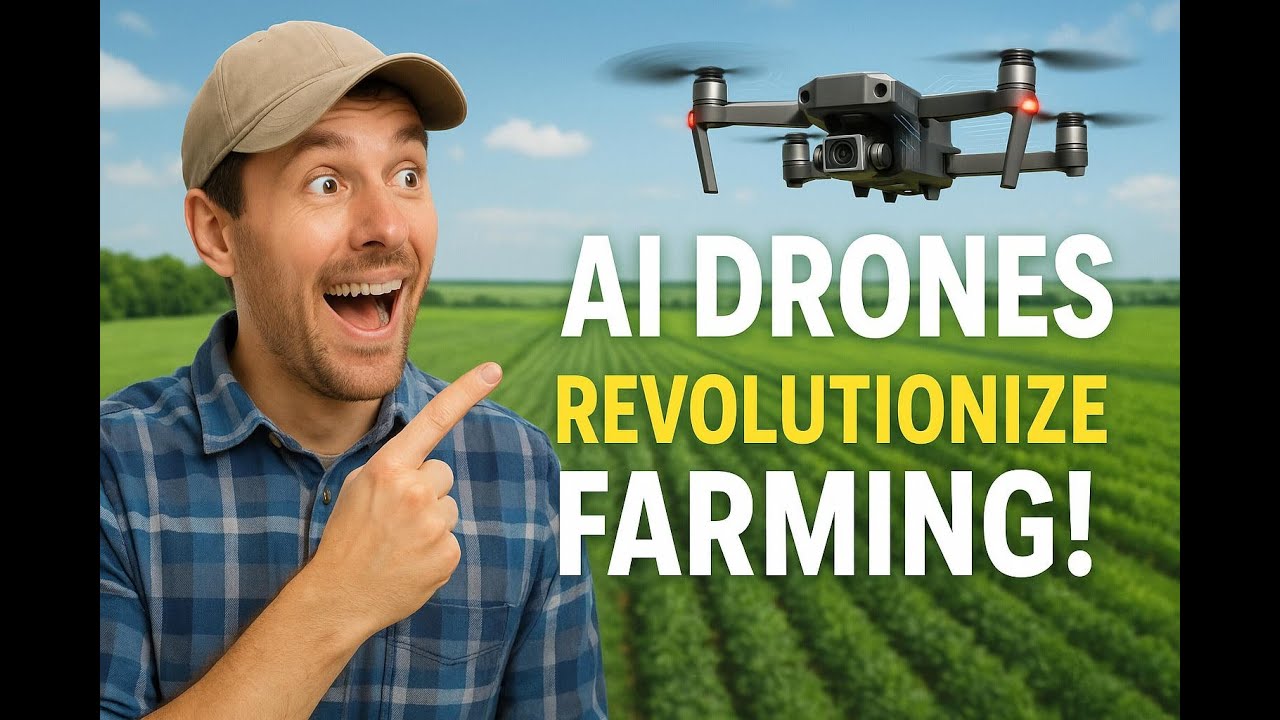
Visual List: Automation in Action for Crop Management
- 🤖 Robot harvesters pick crops at peak ripeness
- ✈️ Drones scan for disease and infested areas
- 🚜 Self-driving tractors plant and weed autonomously
- 💧 AI triggers targeted irrigation for stressed zones
- 📉 Farmers receive insights on field performance instantly


Neglecting maintenance scheduling for farm robots or drones often leads to sudden equipment failures during the most critical window (e.g., harvest or pest outbreak).
5. Climate-Smart Agriculture & Resilient Crop Systems: Defending Against Environmental Challenges
Climate-smart agriculture (CSA) is no longer a niche; it’s become a guiding principle in 21st century agriculture, especially amid erratic weather and a shifting global climate. CSA synergizes conservation tillage, agroforestry, crop rotation, integrated pest management, and new resilient varieties—those bred or gene-edited for drought or pest resistance.
Water-efficient irrigation systems (like drip and subsurface), adapted cropping calendars, and carbon-friendly field practices help conserve resources and enhance overall productivity.
- 🌦 Weather-resilient crop choices based on climate models and local conditions.
- 🌳 Agroforestry & cover crops: Boost soil carbon, prevent erosion, and shelter beneficial wildlife.
- 🔬 Gene-edited crops: Resilience to new pests and diseases, fewer chemical interventions.
- 💧 Smart irrigation controls: Deliver water exactly when and where needed, saving 10% to 16% of water in University of California trials on strawberries and almonds.
- 🌱 Precision fertilizer management: Reduces nitrate leaching, protects water bodies and groundwater.

Rotating crops and minimizing tilling both improve soil health and conserve water, delivering long-term productivity for farmers and global supply chains—while limiting environmental impact.
Gene-Edited Crops: From Lab to Market
Gene editing tools such as CRISPR change a plant’s own DNA at a chosen spot, without adding genes from another species. Many countries now regulate these crops more lightly than older GM crops. The first products have reached shops, and the rules are still changing.
| Where | Milestone | Date | Source |
|---|---|---|---|
| Japan | Sanatech Seed began selling Sicilian Rouge High GABA tomatoes, widely reported as the first CRISPR-edited food sold to consumers | September 15, 2021 | Sanatech Seed |
| United States | Pairwise launched Conscious Greens, a less bitter mustard green, in restaurants | May 2023 | Business Wire |
| United States | Pairwise stopped marketing Conscious Greens to focus on other crops | February 2024 | FoodNavigator-USA |
| England | Genetic Technology (Precision Breeding) Act received Royal Assent | March 23, 2023 | legislation.gov.uk |
| England | Precision breeding rules for plants came into force | November 13, 2025 | legislation.gov.uk |
| European Union | Regulation on plants from new genomic techniques entered into force | July 16, 2026 | European Parliament |
The EU law, published June 26, 2026, sets two groups. Plants with edits that could also arise from conventional breeding (NGT-1) are treated like conventional plants. Other edited plants (NGT-2) stay under GMO-style approval and labelling (European Parliament). The Pairwise case shows that regulatory approval does not guarantee a product will sell.
6. Blockchain-Based Traceability: Ensuring Food Safety and Market Trust
As consumers and regulators demand more transparency in agri-food supply chains, blockchain technology has emerged as a reliable tool for traceability. This technology creates a tamper-proof ledger for each batch of harvested crops, recording everything from field location and growing practices to quality checks and logistics. Traceability rules do not require blockchain: the US FDA Food Traceability Rule accepts paper or electronic records, and FDA will not enforce it before July 20, 2028.
- 🔗 Boosts trust across the supply chain—producers, traders, retailers, and end consumers.
- ✔ Reduces risk of fraud and enables rapid tracing of contamination or recalls.
- 📊 Detailed data logs: Input records, certifications, and movement updates are all tracked in immutable blocks.
- 🚩 Ensures fair trade and sustainability claims are verifiable.
- 📱 Accessible for all: Traceability logs can be explored via mobile/web/UI apps.
Blockchain isn’t only about cryptocurrencies—it’s a practical foundation for product traceability in agri-supply chains, fostering strong market reputations and sustainability certifications.
7. Renewable Energy Integration: Powering the Future of Farming
Modern farms are increasingly turning to renewable energy sources—solar, wind, and biogas—to power everything from irrigation pumps to cold storage and crop processing. Integrating green energy systems not only reduces operational costs but significantly diminishes the carbon footprint of rural food production. Many farms have adopted solar-powered water pumps, biogas digesters, and even on-site wind turbines.
- 🌞 Solar panels run pumps, sensors, and field machinery, even off-grid.
- 🔋 Biogas plants convert agricultural waste into clean fuel, offering a circular economy model.
- 🌬 Wind turbines: Supplement traditional energy sources and power large irrigation systems.
- 💸 Operational savings: Lower energy bills over time, and in some markets access to incentives or carbon-credit schemes.
- 🔄 Environmental impact: Directly supports net-zero and climate action commitments from agri-businesses and governments.
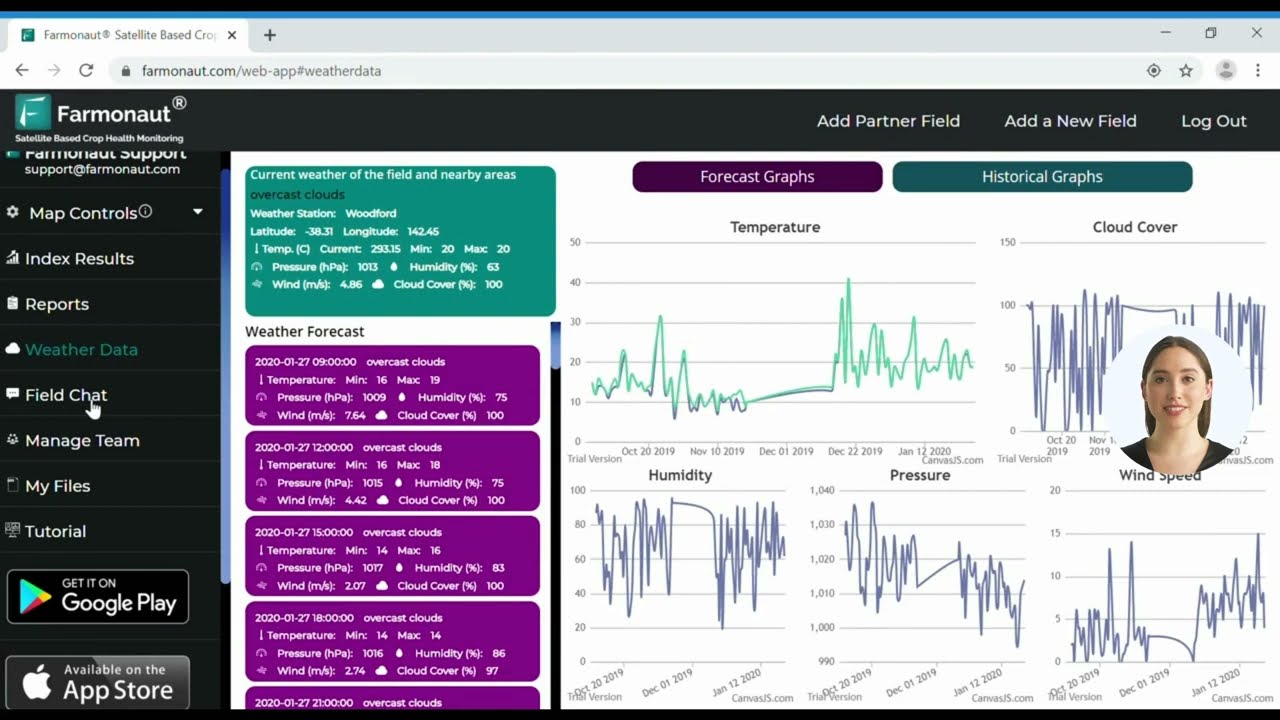
Depending on the country and programme, farms using renewables, especially solar and biogas, may qualify for green finance, grants or carbon-credit schemes—modernizing the rural economy while enhancing resilience.
Farmonaut: Leading the Data-Driven Revolution in 21st Century Agriculture
As the convergence of these innovations accelerates, Farmonaut stands out for providing affordable, scalable satellite-based management for crop production, sustainability, and market access. Our solutions combine:
- 🛰 Multispectral Satellite Imagery — To monitor soil condition, vegetation health (NDVI), and yield potential.
- 🧠 AI and Machine Learning — For real-time analysis and hyper-specific advisory.
- 🔗 Blockchain Traceability — Ensuring reliable product flow from farm to market, supporting food safety and fair trade.
- 🚚 Fleet & Resource Management Tools — Reducing wastage, optimizing logistics, and enhancing efficiency in rural supply chains.
- 🌿 Environmental Impact Monitoring — Track carbon footprints and enable sustainable decision-making at every stage of crop growth and marketing.
Our platform is available for all: farmers (small to large-scale), agribusinesses, financial institutions, and governments—delivered through web, Android, and iOS apps as well as APIs for full system integration.
- 🌱 Individual Farmers: Get access to real-time crop/soil/weather data and AI-based strategies.
- 🏢 Businesses & Institutions: Monitor sprawling farmland, optimize fleet/equipment, and run blockchain verification.
- 🏛 Governments: Plan agricultural policy using satellite-backed advisory and impact monitoring.
- 🏦 Banks/Insurers: Use objective satellite reporting for crop loan/insurance—unmatched transparency and speed!
With Farmonaut’s API, developers can build custom agri-apps or integrate reliable field data into any farm management platform. Access documentation here.
Frequently Asked Questions (FAQ): 21st Century Agriculture & Innovation
Q1: How does precision agriculture improve sustainability?
Precision agriculture uses sensors, satellite data, and AI to apply fertilizers, pesticides, and water exactly where and when crops need them. This minimizes resource waste and environmental damage while maximizing productivity, helping farmers meet global food demands sustainably.
Q2: Why is satellite monitoring crucial for farmers in 2026?
Satellite monitoring provides regular, field-wide insights into soil health, crop growth, irrigation needs, and potential threats (such as pests or drought). This tech empowers even remote or smallholder farmers to operate efficiently and react proactively.
Q3: What role does blockchain play in agricultural supply chains?
Blockchain documents every stage of a crop’s journey from field to market, making it tamper-proof. This ensures food safety, quality, and origin—strengthening market trust for agricultural exporters and local farmers alike.
Q4: Are renewable energy solutions affordable for rural farmers?
Often, but not always. Solar, wind and biogas costs have fallen and many governments offer support, but payback depends on local energy prices, subsidies, system size and how much energy the farm uses.
Q5: How can smallholder farmers benefit from AI-driven advice?
Mobile apps and affordable digital platforms like Farmonaut provide smallholders with timely, personalized weather updates, nutrient management tips, disease diagnostics, and best-practice suggestions—helping close the yield gap and ensure sustainable rural livelihoods.
Conclusion: Building Resilient Food Systems for the Present and Future
The embrace of advanced technologies and sustainable practices is accelerating, positioning 21st century agriculture at the frontier of innovation, resilience, and environmental stewardship. Through precision farming, satellite monitoring, robotic automation, AI-powered data insights, climate-smart crop planning, blockchain traceability, and renewable energy adoption, farms are set to meet the immense global challenges ahead.
As we move into 2026 and beyond, the quest to balance productivity with sustainability will not just define our agricultural success—it will determine our planet’s future. Farmonaut will continue driving this evolution by making technological integration accessible and actionable, helping every farmer and agri-business maximize potential while safeguarding the earth’s natural resources.
Are you ready to embrace the future of agriculture? It’s already here—innovative, connected, and sustainable.
- Integrate precision technology for resource efficiency and higher yields.
- Leverage AI and data-driven insights for smarter, timely decisions.
- Adopt renewable energy and climate-resilient crop systems for futureproofing your farm.
- Use satellite-based monitoring for scalable, cost-effective field management.
- Implement blockchain traceability to win market trust and ensure food safety.
Discussion
Questions, corrections or field experience? Share them below. First-time comments are reviewed before they appear, and your email is never published.
No comments yet. Be the first to add a question or your experience.

 Sama Premium
 Mahaswami
 Prochecker
 Tres Valles
 LACOS Geoinformation
 Pulsar Supernova
 Magrifly
 LatConnect 60
 WebsEdge
 Blickwinkel
 Agricultural Credit Policy Council
 MCSOD
MCSOD Marei Nursery
 eKGIS
eKGIS Mostas Tech
 Andex
Andex FCF India
 Unifrutti Gulf
 Deluxe Conseil
 Licence holder · Niger · Gold
 Licence holder · Nigeria · Gold + lithium










