

Agriculture Security Systems: IoT & Biosecurity in Farms—The 2025 Revolution for Sustainable Food Production
- Introduction: Agriculture Security Systems in 2025
- Fascinating Farm Security Fact #1
- The Threat Landscape in Modern Farming
- Evolution of Physical Agriculture Security Systems
- Biosecurity in Farms: Foundation for Disease Prevention
- Role of Agriculture IoT Systems in 2025
- Fascinating Farm Security Fact #2
- IoT Integration in Agriculture Security & Biosecurity
- Advanced Analytics and AI: Predictive & Proactive Protection
- Comparative Feature & Impact Table
- Farmonaut & Satellite Data: The Edge in 2025 Farm Security
- Challenges & The Future of Secure, Resilient Farming
- Frequently Asked Questions
- Conclusion
Introduction: Agriculture Security Systems in 2025
As we enter 2025, agriculture security systems, biosecurity in farms, and agriculture IoT system integration are redefining how global food supply chains are protected. The combination of advanced digital technologies, real-time monitoring, and intelligent automation brings new levels of efficiency and risk mitigation to farms worldwide. With rising populations and escalating impacts of climate change, these transformative platforms are now critical for safeguarding food production, reducing disease, and ensuring sustainability across modern agriculture.
The Threat Landscape in Modern Farming
Agriculture today faces a broad range of physical and biological threats—from the theft of valuable machinery and resources to severe pest infestations and disease outbreaks in crops and livestock. Traditional security measures such as fencing, padlocks, and periodic patrols while still in use, cannot fully address the sophistication and speed of today’s threats.
- Physical threats: Theft, vandalism, unauthorized access, natural disasters.
- Biological threats: Invasive pests, emerging diseases, cross-species pathogens, and contamination from invasive species.
- Environmental risks: Drought, floods, unpredictable weather events—all intensified by climate change.
Without advanced security and biosecurity integration, the risk to farm operations and global food supplies is unprecedented in scale and complexity.



Evolution of Physical Agriculture Security Systems
In 2025, physical security systems have evolved far beyond basic fences—embracing smart sensors, remote surveillance, drones, and automated barriers supported by agriculture IoT system technology. These digital frameworks continuously monitor perimeters, detect threats, and deliver instant alerts and automated responses, significantly reducing potential losses.
- Smart surveillance cameras with facial and motion recognition to spot intrusions and unusual movement in real time.
- IoT-enabled locks and gates that can be remotely managed and monitored via secure platforms or smartphones.
- Perimeter sensors (infrared, laser) providing continuous digital monitoring of high-value zones.
- Drones for aerial patrolling—covering vast areas more efficiently than manual checks.
- Automated lighting and sirens that deter intruders and signal for quick intervention.
These systems, increasingly supported by cloud-based analytics, minimize manual intervention, freeing up human resources for other key agriculture management tasks while enhancing overall security.
To learn how advanced drone technology empowers farms, watch the video below:

Biosecurity in Farms: Foundation for Disease Prevention
Biosecurity in farms stands as a vital pillar for sustainable food production, directly impacting yields and livestock health. Biosecurity protocols are designed to prevent the introduction, establishment, and spread of harmful organisms—be they pathogens, pests, or invasive species.
Key Biosecurity Practices in 2025
- Controlled farm access with digital ID checks and real-time movement logging of personnel and vehicles.
- Quarantine zones for new animals and crops, managed by automated climate and health monitoring devices.
- Sanitation: Automated hygiene stations with IoT controls for equipment and personnel.
- Environmental sensors to track humidity, temperature, and soil conditions—vital for predicting outbreaks of diseases and pests.
- RFID and GPS tags on livestock, providing continuous tracking and health data for prompt intervention.
The powerful synergy of biosecurity with agriculture IoT system means early detection of disease outbreak risks, rapid containment, and minimized disruptions to food production. For example, humidity or soil moisture anomalies detected via sensors can forecast fungal disease outbreaks in susceptible crops.
For more on innovative, sustainable pest management in 2025, check out the below video:

Role of Agriculture IoT Systems in 2025
Agriculture IoT system solutions are now playing pivotal roles within farm management and security. The integration of interconnected sensors, smart devices, and automated equipment brings unprecedented efficiency and risk reduction. Here’s how IoT and data-powered platforms are revolutionizing monitoring and response across different aspects of agriculture security systems:
- Environmental monitoring: Soil moisture, salinity, humidity, and temperature sensors collect real-time data, serving as early warning systems for disease risk and guiding irrigation or fertilization precisely.
- Animal health: IoT-enabled wearables track livestock movement, body temperature, feeding, and behavior—identifying sickness or abnormality patterns early, and reducing outbreak risks.
- Asset tracking: Tractors, harvesters, and other machinery are equipped with tracking modules that not only deter theft but provide useful insights on usage, maintenance, and fleet management.
- Process automation: Spraying, fertigation, and even weeding and harvesting can be automated, reducing human labor costs and the risk of disease transfer across large operations.
Automated and intelligent systems help in resource and fleet management, optimize logistics and safety for vehicles and machinery, and enable businesses to maximize productivity with less risk.
Farmonaut’s Satellite-Driven Monitoring & Advisory
We at Farmonaut understand that satellite imagery is a game-changer, offering:
- Crop health monitoring through multispectral analysis (e.g., NDVI), detecting soil and plant stress before symptoms are visible to the human eye.
- Real-time alerts about environmental or infrastructure threats, integrating seamlessly with ground sensors and farm management apps for actionable insights.
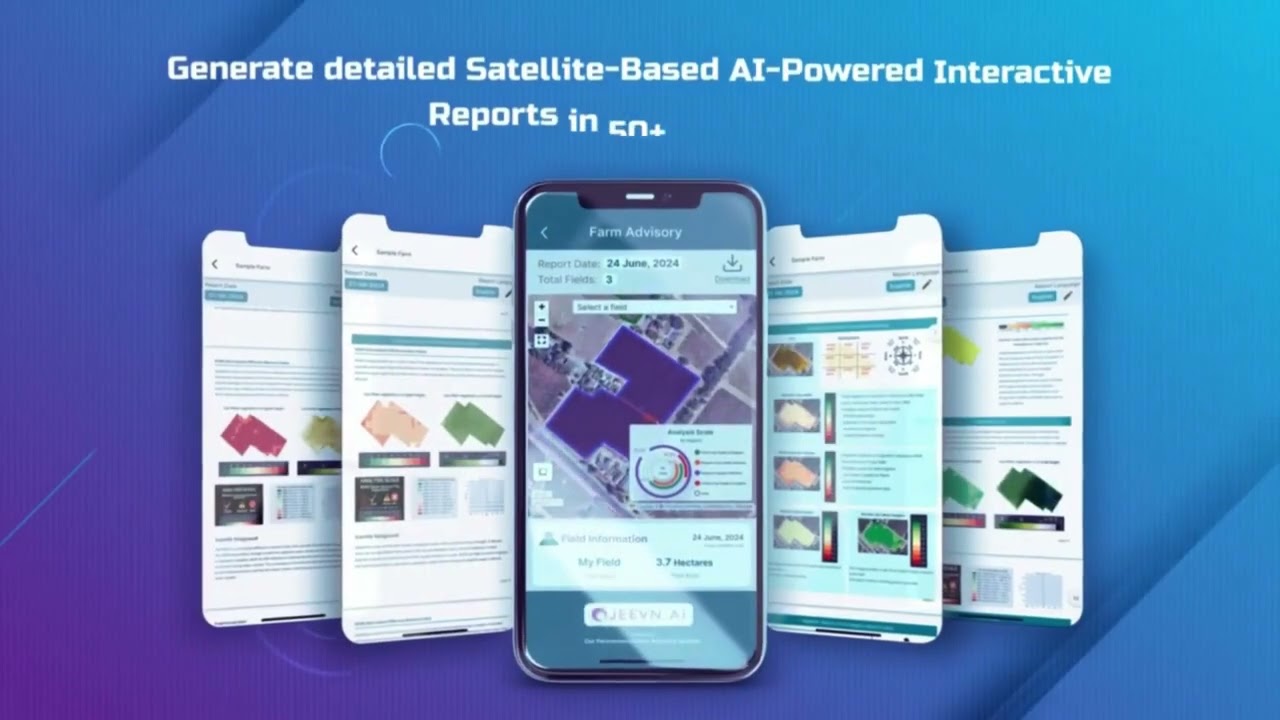
- Weather pattern prediction and personalized recommendations—powered by our AI-based Jeevn Advisory System (learn more about Farmonaut AI Advisory via our web app).
Farmonaut’s technologies make monitoring and advisory solutions not just accessible, but affordable and scalable for all types of farms.
See the revolution in smart farming equipment and AI telematics powering agriculture in 2025:

Fascinating Farm Security Fact #2
“IoT sensors in agriculture security systems can detect biohazard threats 40% faster than traditional manual inspections.”
IoT Integration in Agriculture Security Systems & Biosecurity
Integration of IoT platforms into agriculture security systems brings together live data feeds, automated processes, and advanced analytics, creating robust and resilient layers of defense.
Key Aspects of IoT-Driven Farm Security
- Proactive environmental monitoring: Detecting anomalies in humidity, temperature, or soil conditions—indicators of disease risk or pest invasion.
- Automated irrigation and fertigation: Reducing oversupply (which can foster disease) and ensuring targeted intervention only where needed.
- Biosecurity zoning with digital access control: Real-time geofencing to limit movement and enforce cleaning protocols, minimizing the spread of biological risks.
- Incident detection and alerting: Data-driven platforms send immediate alarms to farm managers or authorities, ensuring early, actionable responses.
- Data-driven decision-making: Predictive maintenance of assets, targeted pesticide or fertilizer deployment, and adaptive security workflows.
The result is a reduction in overall risks, minimized loss from both environmental and human-related threats, and greater peace of mind for farm owners and managers.
Understand how Farmonaut’s real-time satellite crop health monitoring further empowers farms—watch below:
Advanced Analytics and AI: Predictive & Proactive Protection
In 2025, analytics and artificial intelligence within agriculture IoT systems are transformative—helping farms spot threats earlier and reduce damage before it escalates.
- Predictive analytics: AI platforms analyze real-time sensor data and historical weather/pest patterns to forecast likely problem areas—be it disease, pest swarms, equipment failure, or physical breaches.
- Automated workflow: Automated drone dispatch or targeted irrigation/fogging at potential outbreak epicenters, reducing the need for widespread chemical use and minimizing environmental impact.
- Decision support: Custom dashboards and mobile notifications present clear, concise, and actionable insights—prompting early intervention and smart resource allocation.
- Integration with traceability and carbon tracking: For greater transparency and compliance, IoT data can be fused with blockchain traceability and environmental impact platforms (like Farmonaut’s carbon footprinting tool).
Watch the future of precision agriculture technology and AI for sustainable food production below:

Comparative Feature & Impact Table for Agriculture Security & Biosecurity Technologies (2025)
| Security Technology | Main Function | Key Features | Estimated Adoption Rate in 2025 (%) | Estimated Risk Reduction (%) |
|---|---|---|---|---|
| IoT Smart Sensors | Detect & monitor environmental and physical changes | Real-time data, soil & climate monitoring, anomaly alerts | 75 | 50 |
| Drone Surveillance | Aerial inspection & incident response | Automated patrolling, thermal imaging, targeted spraying | 52 | 40 |
| AI Analytics Platforms | Predictive threat & disease outbreak forecasting | Machine learning, pattern recognition, decision support | 63 | 60 |
| Smart Cameras | Visual perimeter security & monitoring | Facial/motion detection, AI-assisted recognition | 58 | 30 |
| Biosecurity Zones & Access Control | Restrict movement and enforce hygiene protocols | Digital zoning, RFID, automated sanitation | 47 | 45 |
| Satellite Imaging Platforms | Wide-area crop, livestock, and infrastructure health monitoring | Multispectral data, AI-driven insights, large-scale overviews | 36 | 25 |
| Automated Alert Systems | Immediate threat responses (physical/biological) | Mobile notifications, smart sirens, workflow automation | 61 | 37 |
Combining multiple technologies, especially IoT sensors, AI platforms, and satellite imaging (such as those offered through Farmonaut), yields an even higher risk reduction and more resilient, secure modern farming.
Farmonaut & Satellite Data: The Edge in 2025 Farm Security
At Farmonaut, our mission is to democratize access to satellite-based monitoring, AI-driven advisory, and blockchain traceability —enabling even small farms to harness next-generation security and management solutions without heavy upfront hardware costs.
- Satellite-Based Monitoring: Remotely monitor crop health, environmental conditions, and soil moisture via multispectral imaging—enabling informed decisions and early alerts before issues turn critical.
- AI Advisory (Jeevn): Receive tailored recommendations and weather-driven advisories to optimize operations and strengthen biosecurity.
- Blockchain-based Traceability: Leverage digital product traceability to enhance supply chain transparency, compliance, and authenticity.
- Fleet Management: Adopt efficient, secure fleet solutions for large and small farms; optimize logistics and protect high-value assets.
Our Android, iOS, web apps, and public API make integrating satellite-driven agriculture security systems easy and cost-effective.
- API integration for developers: Farmonaut API | Developer Docs
Discover how Farmonaut’s satellite crop health platform helps revolutionize farm stewardship—watch below:

Subscriptions & Accessibility
Farmonaut’s modular, subscription-based model ensures sustainable solutions are within reach for individual users, businesses, and governments—no matter their scale. Our transparent pricing and accessible platforms support the future of secure, data-driven agriculture.
Challenges & The Future of Secure, Resilient Farming
- Cybersecurity: As farms become more interconnected, protecting IoT networks and data from cyber threats is paramount.
- Affordability & Scalability: Ensuring advanced tech is cost-effective for all types of farms—not just large agribusinesses—remains a central challenge.
- Standardization: The development and enforcement of global security and biosecurity standards, including for cross-border movement of goods, is essential.
- Data Integration: Creating platforms that seamlessly connect different sensors, devices, and analytics—for a unified picture of farm security.
- Technological Literacy: Supporting farm operators to adapt and maintain new digital and automated systems.
The future is bright: ongoing research into AI, remote sensing, blockchain, and robotics will power predictive platforms for precision risk management, lower losses, and enhanced stewardship of ecosystems.
Smart Farming Ecosystems—A Glimpse Ahead
The vision for 2025 and beyond is smart, interconnected, and sustainable agriculture: where security, biosecurity, and environmental management are fully digital, predictive, and automated—with satellite, IoT, and AI at the core.
Watch more on the smart farming future here:

Frequently Asked Questions—Agriculture Security Systems & Biosecurity
What are agriculture security systems?
Agriculture security systems are a combination of digital strategies and technologies—such as IoT sensors, surveillance, drones, and smart access controls—used to protect crops, livestock, equipment, and farm infrastructure from both physical and biological threats. These systems play a crucial role in safeguarding food production and ensuring operational continuity.
Why is biosecurity in farms critical in 2025?
Biosecurity in farms involves protocols and practices that prevent the introduction and spread of harmful organisms—protecting animals and crops from disease. With climate change escalating risk and global trade increasing movement of potential pathogens and pests, robust biosecurity has never been more critical for food security and farm sustainability.
How do agriculture IoT systems support security and biosecurity?
Agriculture IoT system solutions provide continuous, real-time monitoring of physical and environmental conditions. They detect anomalies, automate responses, and integrate with AI for threat prediction—enabling earlier, more targeted intervention and reducing the risk of outbreaks and losses.
Can small-scale farms implement these advanced systems?
Yes. With new subscription-based solutions and accessible digital platforms—such as those from Farmonaut—even small farms can integrate sensor, satellite, and advisory technologies without large up-front investments.
What are the biggest challenges with digital farm security?
Key challenges include cybersecurity (preventing hacking or data breaches), cost and scalability for diverse farm sizes, the need for training in new technologies, and the creation of unified standards for data and device interoperability.
What other cutting-edge technologies support these systems?
Innovations such as blockchain for supply chain traceability (see Farmonaut’s Product Traceability), environmental impact monitoring (see Carbon Footprinting solutions), autonomous robotics, and AI-powered fleet and resource management (explore Fleet Management) all play supporting roles.
How can I get started with Farmonaut’s solutions?
Simply download our web or mobile apps, sign up for a subscription, or access our API. Discover more through the Farmonaut site.
Conclusion
Agriculture security systems, along with biosecurity in farms and advanced integration of agriculture IoT systems, are reshaping how food is produced, protected, and made sustainable for the future. As 2025 unfolds, the need for resilient, secure, and scalable systems has never been more pressing. By leveraging IoT, AI, satellite data, and comprehensive digital risk management platforms, farms can:
- Reduce physical and biological risks—protecting livelihoods, investments, and food supplies for a growing population.
- Promote sustainability and stewardship—minimizing harmful impacts, complying with regulations, and caring for delicate ecosystems.
- Future-proof operations—by ensuring data-driven, predictive defenses against emerging threats and changing climate patterns.
- Empower stakeholders—from farmers to governments—with affordable, scalable, and easy-to-use tools for modern agricultural management.
Explore how Farmonaut’s satellite-driven platform and data-enabled services can help your farm or organization strengthen agricultural security, biosecurity, and sustainable production—today and into the future.
Start now:
Relevant Product Links:
- Farmonaut Carbon Footprinting – Monitor your farm’s environmental impact, comply with GHG regulations, and improve sustainability reporting.
- Farmonaut Product Traceability – Secure your agricultural supply chain, combat fraud, and boost consumer trust through blockchain-based transparency.
- Farmonaut Fleet Management – Enhance logistics, fuel efficiency, and security of your agricultural machinery and vehicle fleets.
- Farmonaut Large Scale Farm Management – Manage vast farmland holdings with centralized monitoring and resource control.
- Farmonaut Crop Loan & Insurance Solutions – Enable secure loan application and crop insurance validation using remote satellite verification.
Together, we can drive the next era of farming—fortified, smart, and sustainable for generations to come.
Discussion
Questions, corrections or field experience? Share them below. First-time comments are reviewed before they appear, and your email is never published.
No comments yet. Be the first to add a question or your experience.

 Innomick
 Juligerm
 AdBio
AdBio MISE Maroc
 Drift-Sense
 NWNS
NWNS Red August Group
 Farm Inc
 WeMe Global
 Agrotoken
 Blue BearX
 Insignito
 Croptimum
 DnCubed
 Field Capacity
 Indosistim Teknologi
 Liquify Digital
