

Irrigation Sprinkler Heads: Top 7 Trends for 2026 Farming
“By 2026, over 60% of new farms are projected to adopt smart irrigation sprinkler heads for water efficiency.”
Overview of Irrigation Sprinkler Heads and Drip Irrigation Sprinkler Systems
In 2025 and beyond, irrigation sprinkler heads and drip irrigation sprinkler heads stand at the core of water-efficient farming. These technologies revolutionize how water is distributed across agricultural landscapes, ensuring every drop reaches its intended target, boosting productivity, and driving sustainability—especially amid increasing water scarcity and climate variability.
Irrigation sprinkler heads are engineered devices that distribute water evenly across fields through pressurized nozzles. Their design simulates natural rainfall, providing uniform coverage, reducing runoff, and promoting healthy plant growth. By using these components, farmers are able to irrigate diverse crops—including cereals, vegetables, and orchards—with a high degree of precision.
Meanwhile, drip irrigation sprinkler heads are specialized emitters that release water slowly and directly to the root zone via an intricate network of tubes. This approach helps minimize evaporation and deep percolation losses, facilitating precise water delivery and ensuring each plant receives adequate moisture. The result: optimal nutrient uptake, consistent growth patterns, and higher yields—even in arid or challenging terrains.
Both irrigation sprinkler heads and drip irrigation systems have become essential components of modern agriculture, contributing to higher efficiency and resource conservation in agricultural, forestry, and horticultural settings.
Irrigation’s Vital Role in 2026 Agriculture & Forestry
As global water scarcity intensifies and climate variability presents new challenges, irrigation solutions are more pivotal than ever. By 2026, modern farming relies on irrigation sprinkler technologies to irrigate extensive crops and forestry land, supporting both food security and ecological restoration.
Sprinkler irrigation systems are widely adopted due to their unrivaled versatility. Their ability to irrigate uneven and sloped terrain—where traditional surface methods fail—offers a pragmatic solution for farmers across the globe. In the nursery and reforestation projects, these heads assist in providing sufficient moisture for saplings’ growth and survival, supporting ecosystem preservation across regions with changing climatic patterns.
Application areas include:
- Agriculture: From cereals and vegetables to perennial fruits and vineyards, sprinklers ensure uniform water application across all crop stages.
- Forestry: Precision watering assists nurseries and reforestation efforts, helping young trees establish quickly.
- Horticulture: Professional landscaping benefits from targeted systems that keep ornamental plants and lawns lush, even in urban settings with water management restrictions.
Learn more about satellite-based environmental impact tracking for greener farming via our Carbon Footprinting tools.

“Advanced drip sprinkler systems can increase crop yields by up to 25% in regions facing water scarcity.”
Advantages of Drip Irrigation Sprinkler Heads
- Water Conservation: Drip irrigation sprinkler heads deliver water directly to the plant’s root zone, significantly reducing evaporation and runoff. This makes them vital in arid and semi-arid regions where preserving scarce resources is critical.
- Targeted Nutrient Delivery: These systems can be integrated with fertigation, ensuring precise application of fertilizers and micronutrients alongside water. This optimizes nutrient uptake, enhances quality and yield, and minimizes soil erosion.
- Weed Reduction: By delivering water only where it’s needed, drip irrigation sprinklers inhibit weed growth between rows and along field margins, reducing chemical inputs and saving labor.
- Yield Consistency: Maintaining consistent soil moisture levels supports healthy growth in greenhouse plants, high-value vegetables, and fruits, improving both quality and quantity of output.
- Sustainable Water Management: As a leap forward in technology, drip heads minimize evaporation and deep percolation losses, enabling sustainable agricultural productivity even amid increasing scarcity.

Choosing the Right Irrigation System: “Sprinkler Irrigation Near Me” & Customisation
As demand for efficient irrigation grows in 2025 and beyond, localized solutions become essential. Farmers increasingly search for “sprinkler irrigation near me” to identify regional specialists that understand unique climatic and soil conditions.
Why Localized Customization Matters:
- Soil and weather patterns vary widely between regions, influencing the selection and setup of irrigation sprinkler heads.
- Custom-engineered heads, such as Irrigreen sprinkler heads, can be fine-tuned to specific crops, terrain, and water quality requirements.
- Access to expert advice ensures systems are maintained for optimum efficiency, reducing water wastage and improving productivity across diverse agricultural landscapes.
- Integration with digital platforms—such as those powered by satellite or AI-based insights—enables remote monitoring and adaptive scheduling, supporting precision farming at every scale.
When selecting your system, factor in the water needs of your crop, field size, soil type, terrain (uneven, sloped, or flat), and system maintenance requirements.

Want to monitor and optimize your irrigation from anywhere?



For businesses and developers:
Integrate satellite-powered crop, water, and soil insights into your own systems through the Farmonaut API and Developer Docs.
For large enterprises or government institutions, explore comprehensive monitoring and resource management tools with the Large Scale Farm Management Solution.

Comparison Table of Top 7 Irrigation Sprinkler Head Trends for 2026
The table below summarizes leading trends set to revolutionize irrigation practices in farming by 2026. Each trend is compared across parameters vital for informed decision-making—from water savings and crop yields to environmental impact and cost.
| Trend Name | Technology Description | Estimated Water Savings (%) in 2025 | Projected Crop Yield Boost (%) | Environmental Impact | Ease of Integration | Estimated Cost Range ($ per acre) |
|---|---|---|---|---|---|---|
| Smart IoT-Connected Sprinkler Heads | Automated, sensor-driven irrigation; adjusts schedules based on real-time soil & weather data. | Up to 40% | 15–25% | Dramatically reduces water use and runoff | High (WiFi/LoRa needed) | $80–$150 |
| Self-Cleaning & Clog-Resistant Heads | Sprinkler & drip heads with auto-clean tech for continued performance in mineral-rich soils. | Up to 25% | 10–18% | Minimizes maintenance, supports water savings | Very High | $60–$120 |
| Precision Low-Pressure Drip Sprinkler Heads | Improved drip emitters enable ultra-precise targeted irrigation at lower energy costs. | Up to 35% | 15–22% | Reduces water/energy footprint, preserves groundwater | High | $70–$130 |
| UV & Corrosion-Resistant Materials | Heads and pipes made to withstand harsh outdoors, ensuring long-term resilience. | Up to 20% | 8–14% | Longer system life, reduces waste | Very High | $60–$100 |
| AI-Driven Adaptive Irrigation Controllers | AI predicts crop water demand; heads adjust output in real-time for maximum efficiency. | Up to 38% | 18–24% | Optimizes water use, slashes waste | High (advanced tech) | $90–$160 |
| Irrigreen Smart Mapping Sprinkler Heads | Custom coverage maps, eliminating overspray on irregular terrain or shaped fields. | Up to 45% | 20–30% | Exceptional water conservation, minimizes runoff | Very High | $95–$170 |
| Variable Rate (VR) Sprinkler Heads & Drip Emitters | Enables precise management of water distribution across micro-zones within a field or forest, optimizing yields. | Up to 50% | 22–32% | Maximizes efficiency, protects local water tables | Medium (may need system upgrades) | $110–$180 |
7 Future-Proof Irrigation Sprinkler Trends for 2026
1. IoT-Connected Smart Irrigation Sprinkler Heads
Driven by the integration of sensors and the Internet of Things, smart sprinkler heads can autonomously schedule water delivery by analyzing real-time data on soil moisture, atmospheric conditions, and plant health. This automation ensures precise and efficient use of water resources, directly impacting productivity and reducing waste.
Such systems can interface with farm management apps, allowing for remote adjustments and historical analytics on water use patterns. AI-driven platforms take this one step further, adjusting outputs based on current satellite data and forecasted weather, thus offering truly adaptive management for diversified farms and forestry projects.

2. Self-Cleaning and Clog-Resistant Drip Irrigation Sprinkler Heads
In regions with hard or mineral-rich water—or where surface particulates abound—clog-resistant sprinkler and drip emitter designs are now in focus. These innovative components actively minimize downtime, maintain even water delivery, and reduce the need for system overhauls. They’re especially efficient for vegetable crops, orchards, and forest plantations exposed to sediment or organic debris.
3. Ultra-Precise Low-Pressure Drip Irrigation Sprinkler Heads
Low-pressure technologies use advanced flow regulators to facilitate even delivery at lower energy costs, making them ideal for remote or off-grid installations and arid regions with strict resource limits. They maximize water productivity while minimizing deep percolation losses and evaporation, perfectly suiting high-value crops and nurseries.
Tip: For guidance on integrating resource management tracking with your new system, see our Fleet and Resource Management tools.

4. UV & Corrosion-Resistant Sprinkler Materials
The latest irrigation sprinkler heads feature bodies and nozzles made from advanced polymers and coatings—delivering resistance to corrosion and UV degradation. This increases the lifespan of installations, reduces waste from frequent replacements, and ensures system reliability in harsh environments like deserts or mining-adjacent fields.
5. AI-Responsive Controllers for Adaptive Irrigation
AI adaptive controllers represent a leap in sustainable management. They predict crop water demands based on comprehensive weather forecasts, satellite imagery insights (like Farmonaut’s NDVI and NDWI analytics), and historical soil moisture trends. The result: precise scheduling and real-time adjustments, optimizing yield and conserving water across all field conditions.
6. Irrigreen Smart Mapping Sprinkler Heads
Utilizing digital mapping of individual fields, Irrigreen sprinkler heads adjust spray patterns and radius to precisely match boundaries, odd shapes, and irregular terrain. This high-tech trend eliminates overspray, reduces potable water waste, and is transforming localized irrigation management—especially valuable for high-value horticulture and smallholder farms.
Consider integrating with blockchain-enabled supply chain traceability, available on our Traceability Platform, for increased transparency from seed to harvest.
7. Variable Rate (VR) Sprinkler Heads & Drip Emitters
Variable Rate (VR) sprinkler heads and emitters use GIS and satellite data to modulate water delivery for micro-zones within the same field. This customization enhances productivity, prevents waterlogging or drought stress in patches, and is a hallmark of truly precision agriculture in 2026.
Innovations and Sustainability in 2025 & Beyond
- IoT and AI Integration: New heads and emitters come embedded with chipsets and wireless capabilities, allowing them to automatically adjust output according to remote sensor data on soil moisture, temperature, and humidity. Linking with AI platforms brings predictive scheduling that responds to both microclimate and crop development stages.
- Self-Diagnosing Heads: The latest drip irrigation sprinkler heads often feature sensors that detect clogs or pressure drops, alerting operators before significant yield loss or system failure can occur.
- Renewable Power Sources: Solar-powered controllers and pumps match the sustainable ethos, enabling off-grid irrigation and supporting projects in Africa, Asia, and remote agricultural communities.
- Advanced Filtration and Fertigation: 2026 systems integrate fine-mesh filters, automated backwashing, and multi-zone nutrient injectors, keeping heads operational while optimizing plant uptake and reducing runoff into ecosystems.
- Materials Science: From bio-based plastics to advanced UV & corrosion inhibitors, the durability and ecological impact of sprinkler heads are under the microscope, moving the needle toward circular, low-waste systems.
For those keen on integrating smart workflows and regulatory-compliant resource management, Farmonaut’s satellite-based loan/insurance verification and carbon tracking solutions can further streamline financial and environmental reporting.
How Farmonaut Empowers Precision Irrigation
As satellite technology specialists, we at Farmonaut enable agricultural, forestry, and horticultural stakeholders to assess and manage irrigation systems with unparalleled precision.
- Satellite-Based Monitoring: Our platform analyzes multi-spectral images to reveal vegetation health and soil moisture patterns, helping users optimize water distribution using modern sprinkler heads.
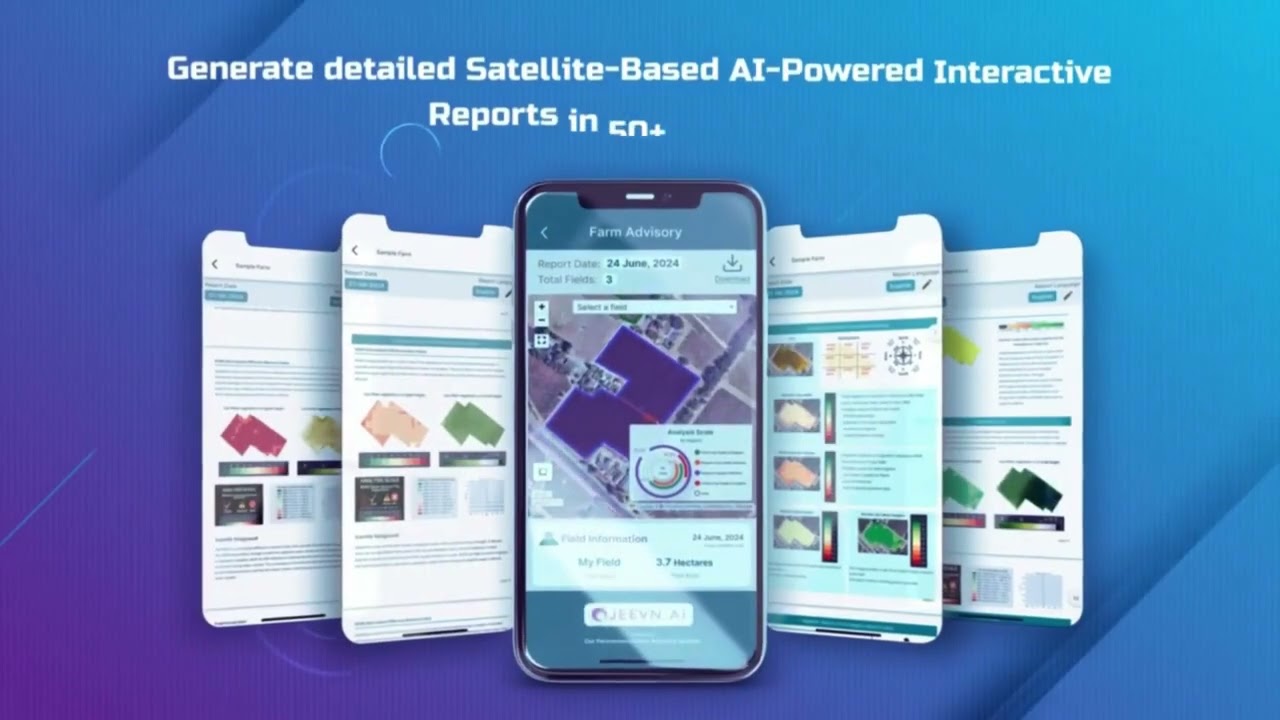
- AI Advisory: The Jeevn AI system delivers real-time weather and crop-specific water advisory, supporting adaptive irrigation scheduling and yielding tangible resource savings.
- Traceability & Blockchain Solutions: Our traceability tools authenticate crop journeys from seed to sale, building consumer trust and supporting compliance with strict water usage regulations.
- Environmental Impact Tracking: Carbon and water use monitoring helps clients meet global reporting standards and refine sustainability claims, positioning their products as leaders in environmental responsibility.
- Fleet & Resource Optimization: Fleet management solutions cut costs by optimizing irrigation logistics, scheduling maintenance, and coordinating precision application across scattered fields and forestry zones.
Our mission is to democratize satellite insights for everything from small family plots to vast industrial farms, making innovative irrigation solutions more accessible and effective worldwide.
See how real-time NDVI & NDWI analytics work in the video below:
Explore Farmonaut Subscription Plans
FAQ: All About Irrigation Sprinkler Heads & Drip Systems
Q1. What are the main types of irrigation sprinkler heads?
There are four main types: fixed spray heads, rotary heads, bubblers, and drip sprinkler emitters. Each is tailored for different field layouts, crop types, and watering needs.
Q2. How do drip irrigation sprinkler heads differ from traditional sprinklers?
Drip irrigation sprinkler heads slowly release water directly to the roots through a tube network, minimizing water loss. Traditional sprinklers spray water over a larger area, simulating rainfall—better for row crops and lawns.
Q3. How do I choose between an irrigation sprinkler system and a drip system?
Assess your crop types, field shape, water availability, and soil type. Drip systems suit high-value and water-sensitive crops, while sprinklers excel for cereals, pastures, and areas with uneven terrain.
Q4. Can smart irrigation heads save me money?
Yes! Smart irrigation heads and automation reportedly save up to 45% in water costs by reducing waste, runoff, and unnecessary watering, directly cutting utility bills and improving crop productivity.
Q5. Are modern irrigation systems sustainable?
Absolutely. Advanced systems minimize water and fertilizer use, support soil health, reduce energy consumption, and help preserve local water tables and ecosystems—supporting sustainable farming and forestry.
Q6. How do I get started with remote irrigation monitoring?
Use platforms like Farmonaut for real-time monitoring and AI-powered advice, or consult local suppliers and tech integrators found via searches for “sprinkler irrigation near me” to upgrade your irrigation network efficiently.
Q7. Where can I learn more about advanced irrigation solutions?
Check out the latest product guides and documentation on satellite, blockchain, and AI-powered resource management at Farmonaut’s Large Scale Farm Management Portal and API Developer Docs.
Conclusion: Advanced Irrigation for Sustainable Growth
The future of irrigation sprinkler heads and drip irrigation sprinkler heads is brighter and smarter than ever. By 2026, the combination of pressurized nozzles, self-cleaning mechanisms, AI-driven controls, and satellite-driven insights will ensure that efficiency, productivity, and sustainability are at the forefront of farming, forestry, and horticulture.
From resource-poor smallholder farms to technologically advanced agribusinesses, embracing these trends means reducing water consumption, increasing yield, and enhancing resiliency against climate variability. Adopting modern irrigation systems—and leveraging partners like us at Farmonaut for diagnosis, monitoring, and advisory—positions you to thrive amid the challenges of a changing world.
Stay ahead—adopt precision irrigation, boost your crop productivity, and ensure a sustainable future for your farm or forest. For the latest on real-time irrigation monitoring and AI advice, or to see our platform in action, download the Farmonaut App, explore our web tools, or connect via our API today.

 Godrej Agrovet
 Hayleys Agriculture
 Linx Agritech
 Adinet
 Save Your Soils
 GalaxEye Space
 Grandstream Algérie
 XOS Realty
 Geospatial Lab Africa
 Agro La Gándara
 HIPSAC
 ZOL Zimbabwe
 Juligerm
 AdBio
AdBio MISE Maroc
 NWNS
NWNS Red August Group
 Farm Inc
 WeMe Global
 Agrotoken
 Blue BearX
 Insignito
 DnCubed
 Indosistim Teknologi
 Liquify Digital
 CU Foods
 BeyondTech Global
 Rouge VC
 AgroRisk
 Oath Inc
 Esri North East Africa
 MDCV UK
 Etech Consulting Madagascar
 Vestlandsforsking
 WB Dev
 Sama Premium
 Tres Valles
 Blickwinkel
 Agricultural Credit Policy Council
 eKGIS
eKGIS Mostas Tech
 Andex
Andex Deluxe Conseil
 WICO
WICO Chimera Innovation
 SkyHarvest
 Teledarbas
 Exurbia Geospatial
 FieldZero
