

Modernize Agriculture: 7 Modern Technologies & Pros Cons
Meta Description: Embrace the future—Modernize Agriculture in 2026! Discover the 7 leading agriculture modern technologies, their advantages and disadvantages, and how precision, AI, satellites, and biotechnology are revolutionizing yields and sustainability.
“Precision agriculture can reduce fertilizer usage by up to 30%, enhancing sustainability in modern farming techniques by 2025.”
Table of Contents
- Introduction: Why Modernize Agriculture?
- Modernizing Agriculture: Trends & Technologies Shaping 2026
- Comparative Summary Table: 7 Technologies & Their Impacts
- In-Depth: Agriculture Modern Technologies
- Advantages and Disadvantages of Modern Agriculture
- How Farmonaut Empowers the Agricultural Sector
- Trivia Break: 2025 & Beyond
- Frequently Asked Questions
- Conclusion: Embracing a Sustainable Future
Modernizing Agriculture: Embracing Technology for Sustainable Growth in 2025
Agriculture remains the backbone of many economies worldwide. As global populations surge toward an estimated 8.5 billion by 2030, the pressure on global food systems intensifies. To modernize agriculture is not just desirable—it’s essential. The integration of cutting-edge technologies is redefining how food is produced, enhancing yields, resource efficiency, and sustainability.
This article explores the landscape of modernization in agriculture for 2026 and beyond: highlighting key technologies, their advantages and disadvantages, and the major challenges that will shape the future of this vital sector.
Agriculture Modern Technologies: Key Trends & Technologies for 2026
In the coming years, the need to maximize efficiency, adapt to climate risks, and boost food security will only accelerate the adoption of agriculture modern technologies. Below are the seven transformative innovations currently standing at the forefront of modernizing agriculture:
- Precision Agriculture: Data-driven management of fields to optimize resource use.
- Satellite & AI Analytics: Scalable monitoring and predictive insights powered by space-based data.
- Robotics & Automation: Reducing labor costs and enhancing precision with smart machines.
- Biotechnology & Gene Editing: Developing resilient, high-yield, and climate-smart crops.
- Drones, IoT Sensors & Remote Imaging: Real-time field monitoring for actionable, site-specific interventions.
- Blockchain Traceability: Securing supply chain history and validation from farm to fork.
- Urban, Vertical, and Hydroponic Farming: Boosting yields in non-traditional, resource-scarce environments.
Each of these technologies aims to significantly enhance the efficiency, sustainability, and resilience of agriculture. But like all advanced technologies, they come with their unique advantages and disadvantages. Let’s review their comparative impacts below.
Comparative Summary Table: Modernize Agriculture—7 Technologies & Their Pros/Cons
Key Insight
Precision agriculture can increase yields by up to 35% while reducing water and chemical usage—underlining its power to boost both productivity and sustainability before 2030.
In-Depth: Agriculture Modern Technologies—How Each Transforms Food Systems in 2026
Now, let’s dive deeper into each agricultural technology. We will break down how each approach modernizes agriculture: their advantages and disadvantages, and factors to consider for global farming in 2026 and beyond.
1. Precision Agriculture: Data-Driven Efficiency
Focus Keywords: modernize agriculture, precision agriculture, agricultural modern technologies, efficiency, resource, sustainability
Precision agriculture stands at the forefront of modernization. It uses GPS-guided tractors, multispectral imaging, sensor networks, and data analytics to manage fields with pinpoint precision. This approach enables farmers to apply the precise amounts of water, fertilizers, and pesticides to the exact locations needed, minimizing input waste and maximizing yields.
- ✔ Key benefit: Resource optimization—less waste, more crop, lower costs!
- 📊 Data insight: Precision ag can reduce fertilizer use by up to 30% while boosting yields.
- ⚠ Risk or Limitation: Initial investment in equipment and software can be substantial for smaller farms.
- ✔ Environmental win: Lower chemical runoff, improved soil health.
- ✔ Customization: Site-specific management adapts to microclimates and field variability.
Advantages of Precision Agriculture
- ✔ Improved yields via optimized input application
- ✔ Reduced resource waste—water, fertilizers, pesticides
- ✔ Lower operating costs over time
- ✔ Environmental sustainability
Disadvantages & Challenges
- ⚠ High entry cost for equipment & training
- ⚠ Technical skill demands for effective use
Common Mistake
Many farmers invest in high-tech precision tools but overlook the need for quality training in data interpretation—don’t let your tech go underutilized!
2. Satellite-Based Monitoring & AI Analytics
Focus Keywords: modernize agriculture, satellite technology, ai, monitoring, data, sustainability, crop health, environmental, field
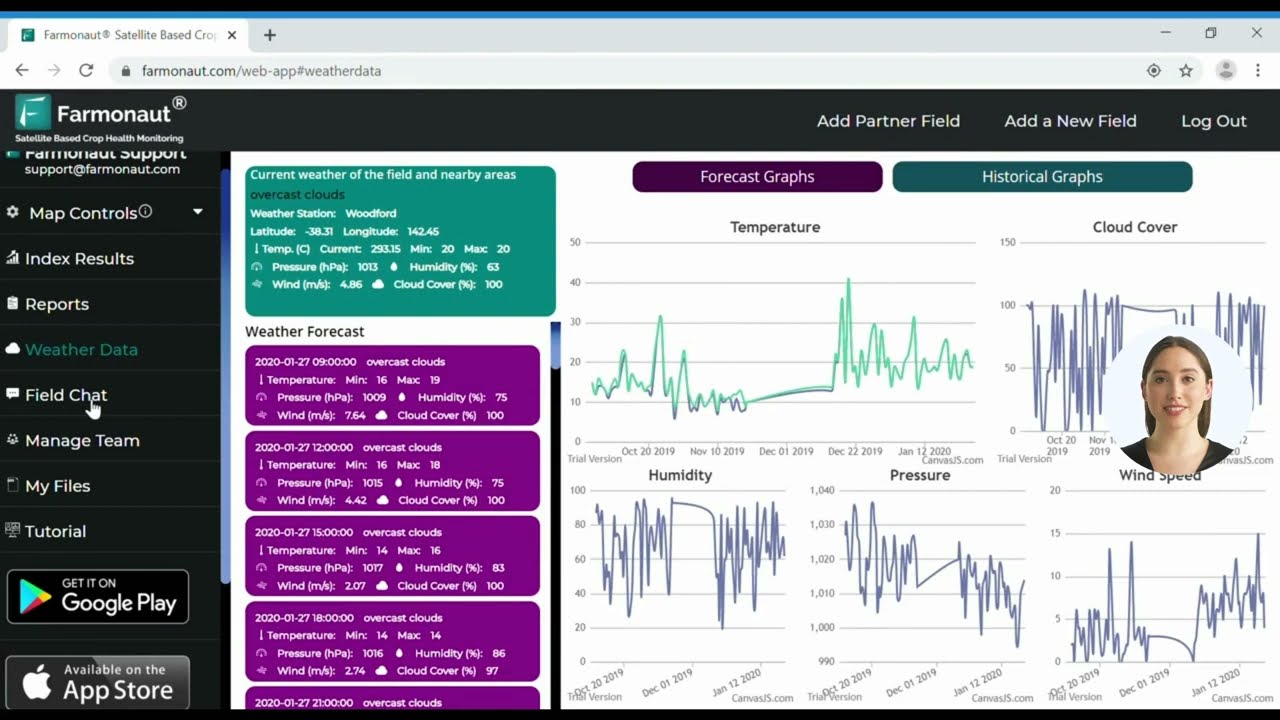
Satellite-driven monitoring combined with artificial intelligence and machine learning offers a panoramic, real-time view of vast agricultural landscapes. Multispectral satellite images assess crop health (e.g., NDVI), soil conditions, and even detect pests or stress before they spread.
- ✔ Key benefit: Early intervention and actionable intelligence at every stage of the crop cycle
- 📊 Data insight: Satellite + AI reduces monitoring time by over 65% compared to manual scouting.
- ✔ Accessibility: Scalable across thousands of hectares with simple connectivity
- ⚠ Dependency: Requires stable internet connectivity and digital infrastructure

Advantages
- ✔ Vast area coverage with minimal resources
- ✔ Decision support—predictive weather, disease & stress analytics
- ✔ Supports sustainability via monitoring carbon footprints & environmental impact
Disadvantages
- ⚠ Digital divide: Smallholders in areas with limited connectivity are disadvantaged
- ⚠ Requires training and technical support
3. Robotics & Automation in Farming
Focus Keywords: automation, robotics, operational, smart technologies, tasks, labor, modern, efficiency, farm
Automated harvesters, robotic weeders, and seed planters are changing what is possible on the modern farm. For labor shortages and aging farming populations, robotics reduce dependence on manual effort and increase operational precision:
- ✔ Speed: Robotic pickers can harvest crops faster and for longer hours
- ✔ Accuracy: AI-powered machines target weeds without harming roots or using excess chemicals
- ⚠ Barrier: Investment in equipment upfront is substantial
Advantages
- ✔ Reduces labor dependency in a tightening workforce
- ✔ Increases productivity with minimal mistakes
- ✔ Boosts operational safety—fewer workplace accidents
Disadvantages
- ⚠ High procurement & maintenance costs
- ⚠ Technology adaptation curve—requires skilled operation
Pro Tip
Combine robotics with satellite analytics—for peak field optimization and just-in-time interventions with data-driven triggers.
4. Biotechnology & CRISPR Gene Editing
Focus Keywords: modernize agriculture, biotechnology, crispr, gene editing, crop, genetically, crop health, climate, indicators, resistance
Advances in biotechnology and gene editing—notably CRISPR—are enabling the creation of genetically improved crops with precise, desirable traits, such as pest and disease resistance, drought tolerance, or higher nutritional value. By 2026, these engineered seeds will help climate-proof global agriculture.
- ✔ Key benefit: Extreme weather and pest resilience, safeguarding food security
- ✔ Health: Nutritional boosts—biofortified grains and vegetables
- ⚠ Debate: Ethical and regulatory concerns regarding GMOs
- ✔ Productivity: Up to 45% yield increase in stress-prone scenarios

Advantages
- ✔ Climate change adaptation
- ✔ Improved food quality
- ✔ Pest resistance reduces pesticide dependency
Disadvantages
- ⚠ Complex regulatory frameworks globally
- ⚠ Public perception and market acceptance hurdles
5. Drones, Sensors & IoT Networks
Focus Keywords: drones, equipped, multispectral, imaging, sensor networks, monitoring, field variability, technologies, smart, environmental
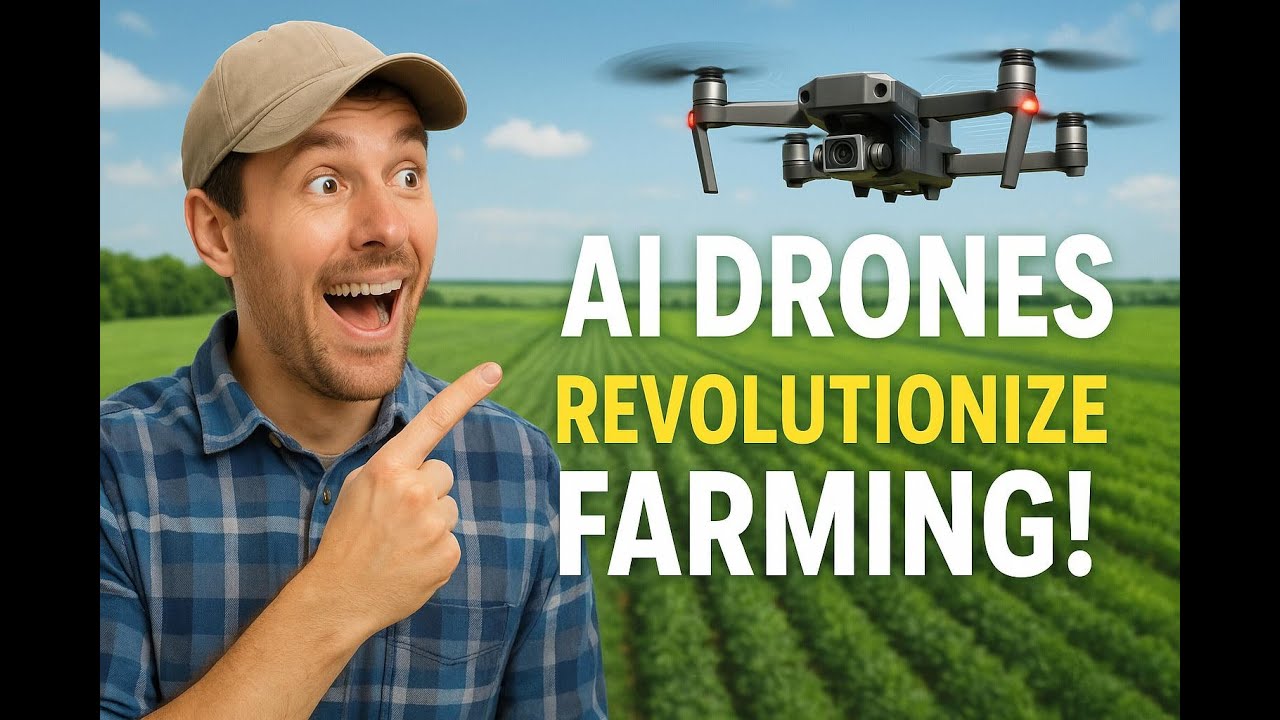
Drones—especially those equipped with multispectral imaging—provide rapid, flexible, real-time monitoring of fields and soil health indicators. Sensor networks embedded in the field track water moisture, nutrient levels, and plant health.
- ✔ Enhanced scouting: Pinpoint issues days before they are visible to the naked eye
- ✔ Rapid deployment: Full-field view in minutes rather than days
- ⚠ Risk: Data overload—turning raw data into actionable insights needs AI/analytics support

Advantages
- ✔ Rapid issue detection; enables site-targeted solutions
- ✔ Reduces unnecessary sprays—lowering cost/environmental exposure
- ✔ Facilitates remote/large farm management
Disadvantages
- ⚠ Requires reliable connectivity and technical knowledge
- ⚠ Potential privacy/data management risks
-
📸
Multispectral imaging maps plant health faster and more accurately than traditional scouting. -
🌾
Soil sensors reduce guesswork and save input costs. -
⏱️
Quick deployment means early stress gets solved—before it becomes crop loss.
6. Blockchain Traceability Systems
Focus Keywords: blockchain, traceability, transparency, technologies, product, supply chain, authenticity, risks, trust
Blockchain traceability allows detailed tracking of agricultural goods, ensuring transparency and authenticity at every stage—from planting to consumption. This technology helps:
- ✔ Secure product provenance
- ✔ Prevent fraud and mislabeling in the supply chain
- ✔ Foster consumer trust and empower food safety recalls
By recording every transaction in a tamper-proof ledger, blockchain assists farmers, agribusinesses, governments, and consumers in ensuring quality and origin. This is especially crucial for high-value, export crops and regulated markets.
Advantages
- ✔ End-to-end transparency
- ✔ Strengthens brand trust & regulatory compliance
- ✔ Reduces scope for fraud or manipulation
Disadvantages
- ⚠ Integration challenges with older supply chain systems
- ⚠ Technical knowledge and cost barriers to smallholders
-
🔗
Blockchain ensures every step is recorded and visible—no “black box” between farm and retail. -
👁️
Auditable data supports easier compliance with export and food standards.
7. Vertical & Urban Farming Approaches
Focus Keywords: urban, vertical, hydroponic, modernize agriculture, efficiency, yields, sustainability, food
Urban and vertical farming approaches, including hydroponics and aeroponics, enable crop production with minimal land and water. Especially in urban centers or regions where arable land is scarce, these methods maximize yield per unit area:
- ✔ Scalability: Multi-layered stacks yield up to 10x more per square meter
- ✔ Water saving: 70–95% less water used vs. traditional fields
- ⚠ Risk: High energy demands for lighting and temperature control

Advantages
- ✔ Year-round production regardless of external weather patterns
- ✔ No need for chemical pesticides in closed environments
- ✔ Proximity to urban consumers cuts logistics costs and reduces spoilage
Disadvantages
- ⚠ Capital and operational costs still high, with energy as a large component
- ⚠ Crop variety limitations—mostly suited to leafy greens, herbs, and a few fruiting species
Investor Note
The urban/vertical ag segment is expected to top a $13 billion global market share by 2030, driven by tech adoption and climate-smart demands.
Advantages and Disadvantages of Modern Agriculture: 2026 Outlook
As we’ve explored, the integration of modern technologies is vital for modernizing agriculture in the face of climate threats, labor shortages, and the need for sustainability. Below is an at-a-glance reference to key advantages and disadvantages of modern agriculture for 2026 and beyond:
- ✔ Increased productivity and efficiency
- ✔ Environmental sustainability and lower chemical use
- ✔ Climate resilience & improved food security
- ✔ Labor optimization & automation
- ✔ Enhanced traceability and market access
- ⚠ High initial investment and skills gap
- ⚠ Technological divide between large & small farmers
- ⚠ Dependency on connectivity & digital infrastructure
- ⚠ Regulatory & ethical concerns (especially with biotechnology, data privacy)
Key Insight
Adopting modern agriculture technologies enables food producers to meet global demands more responsibly, but inclusive access and good governance are essential for sustainable development.
“In 2025, over 50% of global farms are projected to utilize at least one advanced digital agriculture technology.”
How Farmonaut’s Satellite-Driven Solutions Empower Modern Agriculture
At Farmonaut, we are committed to helping users modernize agriculture and unlock greater yields, sustainability, and transparency through affordable satellite technologies, AI-driven insights, and innovative resource management tools. Here’s how our platform enables positive transformation:
- ✔ Satellite-Based Crop Monitoring: We empower farmers, businesses, and governments to monitor crop health, soil conditions, and even infrastructure via real-time multispectral satellite imagery—delivering unprecedented field visibility, early stress alerts, and actionable recommendations.
- 🤖 Jeevn AI Advisory System: Our AI tool synthesizes weather, historical, and remote sensing data to deliver field-specific advice, helping to optimize planting schedules, input use, and risk mitigation.
- 📘 Blockchain Product Traceability: We enable businesses to build trustworthy, auditable supply chains—from farm to shelf—enhancing food safety, export compliance, and brand reputation. See our Traceability solutions here.
- 🌍 Carbon Footprinting & Environmental Monitoring: Our system supports climate-smart farming by measuring and reporting carbon footprints, helping producers access green financing and track sustainability goals.
- 🚜 Fleet & Resource Management: We offer cost-saving fleet optimization for large farms, cooperatives, and agri-enterprises. Open our Fleet Management platform for details.
Farmonaut serves a wide audience: from individual farmers to governments and financial institutions. Our tools are accessible via web and mobile apps, as well as API and developer docs—making advanced ag-tech scalable and user-friendly for every size of operation.



Frequently Asked Questions—Modernize Agriculture & 2026 Technologies
Modernizing agriculture refers to the adoption of advanced technologies and scientific approaches—like precision agriculture, data analytics, satellite monitoring, automation, biotechnology, and IoT networks—to improve the efficiency, sustainability, and productivity of farming, meeting the growing food demands of a rising global population.
Q2: What are the biggest advantages and disadvantages of modern agriculture?
- ✔ Advantages: Increased yields, better resource optimization, reduced environmental impact, higher labor efficiency, and enhanced market access.
- ⚠ Disadvantages: High investment costs, risk of digital inequality, skill gaps, dependence on connectivity, and potential ethical concerns with biotechnology and data privacy.
Q3: Can SME or smallholder farmers easily access modern agricultural technologies?
Accessibility is increasing with the growth of affordable platforms and apps—like Farmonaut’s satellite monitoring and advisory tools. However, challenges related to initial costs, connectivity, and training remain, emphasizing the need for targeted support and user-friendly designs.
Q4: How can technology reduce farming’s environmental footprint?
Technologies like precision ag, satellites, and sensor networks enable targeted interventions—applying water and chemicals only where needed—slashing unnecessary inputs and reducing emissions, runoff, and soil degradation. Tools for carbon footprinting (as provided by Farmonaut) support climate-smart and regenerative farming.
Q5: Where can I learn more or try out advanced digital agriculture tools?
You can start by exploring Farmonaut’s large-scale farm management tools, carbon footprinting service, and satellite-based crop loan & insurance verification.
Pro Tip
Integrate multispectral satellite imagery with IoT field sensors for a 360° monitoring suite—use platforms like Farmonaut to centralize actionable insights.
Conclusion: Shaping the Future of Agriculture through Technology
The journey to modernize agriculture is an ongoing, dynamic process—essential for food security, climate resilience, and sustainable economic growth. By embracing innovations like precision farming, satellite monitoring, automation, biotechnology, and blockchain traceability, we can not only increase yields and efficiency, but also protect vital resources for generations to come.
The future of agriculture lies in integration: leveraging data, intelligence, and connectivity across every stage of the food chain. This evolution demands responsibility—ensuring that technological advancement is inclusive, ethically governed, and benefits all, from the largest agribusiness to the smallest smallholder.
At Farmonaut, we’re proud to build tools that empower users across the globe to harness these advancements—fostering a food system that is smarter, greener, more productive, and resilient as we look toward 2030 and beyond.
Key Insight
Digital agriculture is not a luxury—it’s a necessity for a sustainable, food-secure future.

 Byju’s
 Kubota
 FFBS
FFBS Jontra
 Kalustyan
 Tucor
Tucor Geno
Geno Hayleys Agriculture
 Linx Agritech
 Adinet
 Save Your Soils
 Grandstream Algérie
 XOS Realty
 Geospatial Lab Africa
