

Top Agriculture Drone Sensors & IoT Sensor for Agriculture: Revolutionizing Smart Farming in 2025
“Over 80% of agricultural drones use multispectral sensors for crop health monitoring worldwide.”
“IoT sensor installations in agriculture are projected to surpass 75 million units globally by 2025.”
- Introduction to Smart Agriculture Sensors
- The Role of Agriculture Drone Sensors
- Top Types of Drone Sensors for Agriculture in 2025
- IoT Sensor for Agriculture: Expanding Smart Monitoring
- Synergizing Agriculture Drone Sensors and IoT Data
- Comparison of Top Agriculture Drone and IoT Sensors
- Farmonaut: Advanced Satellite-Based Smart Agriculture Insights
- Benefits & The Future Outlook of Smart Agriculture Sensors
- Frequently Asked Questions (FAQ)
- Conclusion
Introduction to Smart Agriculture Sensors
The rise of smart agriculture sensors has transformed the landscape of farming, steering traditional agriculture into a new era of precision, sustainability, and data-driven management. With rapid technological advancements in the past decade, farmers worldwide are harnessing the power of agriculture drone sensors and IoT sensor for agriculture to monitor crops, manage resources, and optimize yields more effectively than ever before. As we enter 2025, these smart agriculture sensors have become indispensable tools in the hands of modern agronomists.
Drones, also known as UAVs (Unmanned Aerial Vehicles), are now routinely deployed for aerial reconnaissance and advanced monitoring. Equipped with an array of sensors—from multispectral to thermal—they rapidly collect detailed information about crop health, soil conditions, and more.
On the ground, an expanding network of IoT sensors for agriculture feeds vital, real-time data about soil, climate, and crop status directly to farmers’ devices. The integration of both aerial and ground-based sensing is enabling farmers to make precise interventions, maximizing productivity and supporting long-term sustainability.
This comprehensive guide explores the top agriculture drone sensors and IoT sensor for agriculture, focusing on the latest technology, functions, applications, and future trends, all localized for 2025 and beyond.



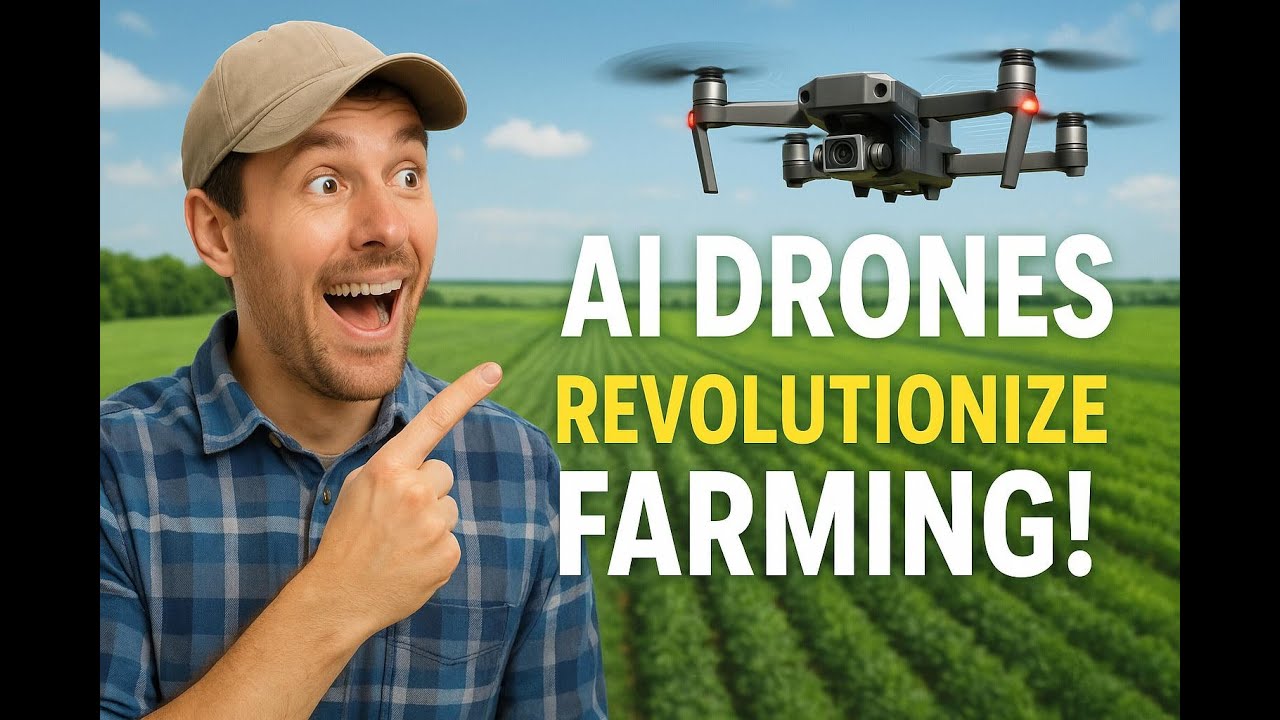
The Role of Agriculture Drone Sensors
Agriculture drone sensor solutions refer to the array of innovative sensing technologies mounted on unmanned aerial vehicles (UAVs), designed specifically for farming applications. These sensors include multispectral, hyperspectral, thermal, and LiDAR sensors—each playing a unique role in monitoring and improving field operations. Deployed over fields, they collect high-resolution data on crop and soil conditions with unmatched speed and accuracy. This goes far beyond traditional, human-based field scouting.
What Do Drone Sensors for Agriculture Monitor?
- Plant Health and Stress: Multispectral and hyperspectral drone sensors detect physiological changes in crops by analyzing reflectance in various wavelengths, helping identify nutrient deficiencies, pests, disease outbreaks, and general plant stress.
- Soil Conditions: Aerial sensors create maps of soil moisture, temperature, and structure—enabling precise irrigation and planting decision-making.
- Irrigation and Water Needs: Thermal and multispectral imaging highlights areas of water stress, guiding targeted irrigation and reducing waste.
- Yield Estimation and Forecasting: By examining crop density, health, and growth rates, drone sensors support yield estimation, optimizing planting strategies and harvest timing.
The real-time aerial data captured by agriculture drone sensors form the backbone of precision agriculture in 2025, promoting sustainable and efficient resource use, while driving up farm productivity.

Top Types of Drone Sensors for Agriculture in 2025
Let’s break down the core drone sensors for agriculture and their impact in modern farms.
1. Multispectral Sensors
- Function: Capture data in visible and non-visible (NIR, Red Edge) wavelengths to monitor plant health, biomass, and stress.
- Key Application: Detection of chlorophyll levels, plant vigor, water stress, and early disease outbreaks.
- Why Essential? Enable early intervention to address deficiencies, pests, or irrigation issues precisely where needed.
Example: NDVI maps created from multispectral data highlight underperforming crop zones, optimizing fertilizer application.
2. Hyperspectral Sensors
- Function: Record hundreds of continuous spectral bands across the electromagnetic spectrum to generate a “fingerprint” for each crop or soil type.
- Applications: Distinguish between plant species, identify hidden disease outbreaks and pest infestations that conventional methods may overlook.
- Advantage: Offers more granular, detailed information, supporting advanced analytics and precise resource management.
3. Thermal Sensors
- Function: Measure temperature variations across crop canopies and soil to reveal water stress, irrigation issues, and transpiration rates.
- Use Case: Pinpoint dehydrated plant zones for directed irrigation, reducing wastage and optimizing yields.
- Benefit: In areas like arid climates, thermal imaging is critical for real-time water conservation.
4. LiDAR (Light Detection and Ranging) Sensors
- Function: Use laser pulses to map terrain elevations, generating precise 3D models of entire fields—even under dense tree canopies.
- Application: Terrain analysis, plantation planning, drainage design, and yield estimation.
- Why It Matters: Understanding microtopography aids safer, more efficient planting patterns and prevents waterlogging.
5. RGB and HD Cameras
- Function: Standard imagery for documenting field progress, pest/disease mapping, and crop insurance validation.
- Added Value: While not as advanced as hyperspectral, HD cameras are affordable and versatile for everyday field monitoring.
The combination of these drone sensors for agriculture delivers a holistic, continuous view of crop performance, field conditions, and resource requirements.

IoT Sensor for Agriculture: Expanding Smart Monitoring
While aerial solutions offer broad field-level insights, IoT sensors for agriculture are embedded throughout farms to deliver real-time, granular data on critical environmental and crop parameters. Controlled remotely and powered by solar or batteries, today’s IoT devices are both robust and affordable, supporting large-scale smart agriculture adoption.
Key Types of Agriculture IoT Sensors
- Soil Moisture Sensors: Detect the volumetric water content in soil, enabling precision irrigation and helping to avoid over- or under-watering.
- pH and Soil Nutrient Sensors: Analyze acidity/alkalinity and key nutrient content (e.g., nitrate, potassium), advising on fertilizer application for maximum efficiency.
- Temperature and Humidity Sensors: Monitor microclimate conditions—crucial for disease prevention, pest management, and timing agricultural interventions.
- Weather Stations and Rain Gauges: Provide hyper-local climate analytics, supporting forecasting, planting windows, and pest risk assessment.
- Leaf Wetness and Canopy Sensors: Predict fungal disease risk by detecting dew and humidity on crop surfaces.
- Wireless Data Transmission: Agriculture IoT sensors transmit data wirelessly to central platforms where machine learning algorithms generate actionable insights.
IoT smart agriculture sensors drive efficiency with site-specific recommendations, automating processes such as irrigation and fertilizer dosing, and reducing manual labor requirements.

IoT Sensor Network: Backbone of Smart Agriculture Systems
- Continuous Monitoring: Uninterrupted tracking of soil moisture, temperature, humidity, and nutrient availability at multiple locations across fields.
- Wireless Connectivity: Direct data transmission from fields to dashboards, mobile devices, or management software.
- Automation: Integration with smart irrigation/fertilizer systems to deliver resources precisely where needed.
This synergy helps farmers to drastically reduce waste, optimize resource management, and achieve higher yields on every hectare.
Farmonaut’s Carbon Footprinting Tool:
Utilize Farmonaut’s Carbon Footprinting Tool to measure and reduce your agricultural emissions. Precise sensor data streamlines sustainability tracking and helps bring your farm inline with environmental regulations for a greener 2025.
Farmonaut Crop Traceability:
Explore Farmonaut’s Blockchain Crop Traceability solution for tamper-proof supply chain management. IoT and satellite data are combined to guarantee food safety, origin verification, and consumer trust.
Synergizing Agriculture Drone Sensors and IoT Data
The integration of agriculture drone sensors with IoT sensor for agriculture forms the cornerstone of modern precision farming. By unifying aerial imagery and ground sensor data, farmers gain a comprehensive, dynamic field overview that unlocks new levels of optimization.
How Data Integration Works
- Agriculture drone sensors perform aerial reconnaissance to spot crop stress, disease, or pest activity.
- Data from IoT soil, temperature, and moisture sensors in problem zones is analyzed in real-time for deeper insight.
- AI-driven analytics platforms blend aerial and terrestrial data to create site-specific prescriptions:
- Where and when to irrigate
- Where to apply fertilizers/pesticides in variable rates
- How to modify planting strategies to suit microclimates
- Continuous loop: As conditions evolve, the system learns and adapts—becoming a self-optimizing network.
These synergized smart agriculture sensor systems enable proactive interventions. For example: a drone detects water-stressed crops, triggering IoT sensor analysis across various soil depths, prompting targeted drip irrigation only in deficient zones. This slashes water waste and boosts overall yield.

The Role of Farm Management Software
- Centralized Platforms: Seamlessly visualize, interpret, and track sensor/field data in one dashboard.
- Predictive Analytics: Anticipate challenges—like pest outbreaks, drought stress, or nutrient deficiency—before major losses occur.
- Actionable Recommendations: Decision support systems automate management tasks, reducing input use while maximizing productivity.
Farmonaut’s Jeevn AI-based Advisory System leverages such satellite and sensor-generated data to provide tailored, real-time advice—helping users fine-tune operations for both high yield and sustainability.

Comparison of Top Agriculture Drone and IoT Sensors
| Sensor Type | Key Function/Feature | Estimated Accuracy (%) | Typical Use Case | Estimated Cost Range | Impact on Yield/Resource Efficiency |
|---|---|---|---|---|---|
| Multispectral (Drone) | Monitors plant health via reflectance in 4–10 bands | 85-92% | Crop stress, disease, water stress mapping | $1,500–$12,000 | Boost yields by up to 15% |
| Hyperspectral (Drone) | Provides granular crop/soil analysis with 100–200+ bands | 90-97% | Pest identification, nutrient mapping | $15,000–$60,000 | Optimize nutrients, minimize losses (10-18%) |
| Thermal Infrared (Drone) | Detects temperature differences for water/heat stress | 80-93% | Smart irrigation, drought management | $5,000–$25,000 | Water use savings of 20%+ |
| LiDAR (Drone) | Generates 3D terrain/canopy models | 95-98% | Field mapping, yield estimation | $18,000–$70,000 | Field leveling, loss prevention (8-14%) |
| RGB/HD Camera (Drone) | Standard imagery for visual inspection | 75-90% | Aerial crop/field documentation | $500–$2,500 | Supports insurance & traceability |
| Soil Moisture Sensor (IoT) | Measures water content at root zones | 88-95% | Automated irrigation management | $45–$500 | Water savings of 25%+, 10% higher yield |
| pH/Nutrient Sensor (IoT) | Checks soil acidity, nitrate, potassium, phosphorus | 82-94% | Precision fertilizer application | $75–$900 | Fertilizer use cut 15%, yield boost 8-12% |
| Climate/Weather Sensor Station (IoT) | Monitors rainfall, temp, humidity, wind | 85-99% | Forecasting, disease management | $620–$5,000 | Improved disease control, reduced spraying |
| Leaf Wetness Sensor (IoT) | Detects canopy moisture for disease forecasting | 85-93% | Fungal risk prediction | $50–$350 | Input use reduced up to 12% |
The comparative feature table above helps farmers and agribusinesses quickly identify which agriculture drone sensor or smart agriculture sensor type can best address specific field or yield optimization challenges in 2025.
“IoT sensor installations in agriculture are projected to surpass 75 million units globally by 2025.”

Farmonaut: Advanced Satellite-Based Smart Agriculture Insights
In the context of global agriculture technology transformation, satellite-based solutions are increasingly complementing and enhancing the insights from agriculture drone sensors and IoT sensors for agriculture. At Farmonaut, we are dedicated to making affordable, satellite-driven analytics and AI-based advisory tools accessible worldwide. Our platform leverages multispectral satellite imagery, AI, and blockchain to empower users with real-time, actionable insights spanning crop health, soil conditions, and resource management.
- Satellite Crop and Soil Monitoring: Farmonaut deploys multispectral satellite images to perform vegetation health (NDVI) mapping, soil moisture analysis, and land-use monitoring over expansive territories—critical for both smallholder and industrial farms.
- AI-Powered Jeevn Advisory System: Our platform integrates AI and machine learning to deliver customized, real-time strategies for farming and resource management—reducing risks related to weather, pests, and market volatility.
- Blockchain Traceability: We ensure end-to-end blockchain-based traceability for crops and products, certifying authenticity and enhancing food transparency for consumers and businesses alike.
- Fleet and Resource Management: Farmonaut enables smart logistics and machinery tracking, helping agribusinesses decrease costs and improve equipment efficiency.
- Environmental Impact Monitoring: Utilize our carbon footprint system to benchmark and minimize the environmental impact of your operations.
- APIs and Developer Access: For seamless system integration, we provide robust APIs and Developer Documentation for advanced, custom agricultural applications.
Our modular subscription-based model enables individual farmers, agribusinesses, governments, and financial institutions to scale usage as needed—delivering cost-effective, remote field management and resource optimization.
Benefits & The Future Outlook of Smart Agriculture Sensors
Benefits of Agriculture Drone Sensors & IoT Integration
- Increased Yields: Optimize planting, irrigation, and input usage, leading to measurable crop yield improvements.
- Resource Efficiency: Lower water, fertilizer, and pesticide usage by delivering them precisely where needed.
- Reduced Environmental Impact: Targeted applications minimize runoff and leaching, supporting sustainability and regulatory compliance.
- Proactive Management: Early detection and rapid intervention prevent escalation of pests, diseases, and stress factors.
- Resilience to Climate Change: Hyper-local weather analytics, soil status, and adaptive planning defend against weather volatility and emerging threats.
- Improved Food Traceability and Safety: Combining aerial, IoT, and blockchain data ensures full traceability throughout the food chain.
The Future of Smart Agriculture Sensors – Trends for 2025 and Beyond
- Sensor Miniaturization & Affordability: Continued evolution makes advanced sensing accessible to smallholder farmers worldwide.
- 5G and Edge Computing: Real-time data transmission, even from remote farms, will enable split-second response and AI-driven field automation.
- Swarm Drones: Multiple UAVs flying simultaneously, covering vast land accurately with minimal human intervention.
- AI-powered Action: Smart sensors able to trigger autonomous irrigation, pesticide/biological control release, and even direct crop harvester guidance.
- Blockchain and Transparent Food Systems: Linking every farm event and sensor reading to immutable digital records for full product provenance—including via Farmonaut’s traceability platform.
By 2025, the global agriculture sector is witnessing not just the digitization but also the full automation and integration of its core systems—resting on the foundation of agriculture drone sensors and advanced IoT sensor for agriculture.
For commercial operations, explore Farmonaut’s Large Scale Farm Management Suite to coordinate multi-field operations, track performance, and plan strategy across thousands of hectares.
Looking for AI-powered crop and forest plantation advisory? Start with Farmonaut’s Crop Plantation & Forestry Advisory for real-time, field-specific satellite insights.
Frequently Asked Questions (FAQ): Agriculture Drone & IoT Sensors for Agriculture
What is an agriculture drone sensor, and why is it important?
An agriculture drone sensor refers to a sensing device mounted on a UAV, capturing data about crops, soil, and fields from the air. These sensors include multispectral, hyperspectral, thermal, and LiDAR types. They are crucial in 2025 because they offer ultra-fast, precise, large-scale agricultural monitoring—enabling farmers to rapidly identify stress, optimize resources, and increase crop yields.
How do IoT sensors for agriculture work?
IoT sensors for agriculture are physical sensors embedded across farmlands that wirelessly transmit real-time data (soil moisture, pH, nutrients, temperature, humidity) to central platforms. Advanced analytics software interprets this information, guiding smart irrigation, fertilization, and pest management—streamlining input use and boosting efficiency.
Can drone and IoT data be used together?
Absolutely. The integration of aerial drone sensor data with on-ground IoT sensor readings offers the most comprehensive, accurate farm analysis. For example, drone imagery may detect water-stressed areas, which are then further examined with IoT soil sensors, enabling hyper-localized response (e.g., adjusting irrigation or fertilizer in a specific spot for maximum impact).
How do these technologies impact sustainability?
By delivering resources (water, fertilizer, pesticides) only where needed and in optimal amounts, drone and IoT agriculture sensors minimize waste and environmental impact. Integrated platforms, such as those from Farmonaut, help monitor carbon footprinting, reduce runoff, and support sustainable farming certifications.
What’s the future of smart agriculture sensors?
The future is one of greater automation, affordability, and AI-driven farm management. Expect more compact, affordable sensors, stronger 5G/IoT connectivity, autonomous drone fleets, and platforms combining drone, IoT, and satellite data for fully automated, sustainable agriculture decisions—like those available via the Farmonaut platform.
How can I start using agriculture drone or IoT sensors with Farmonaut?
Anyone—from smallholder to commercial farmer—can start by downloading the Farmonaut App (available on web, Android, and iOS). For custom integrations, our API access and developer docs allow seamless connection with your preferred sensor network.
Conclusion: Embracing Precision, Sustainability, and Productivity in 2025
As we settle ever deeper into the era of precision agriculture, the combination of agriculture drone sensors and IoT sensor for agriculture is creating smarter, more resilient, and increasingly efficient food production systems. These advanced technologies make it possible to optimize every drop of water and gram of fertilizer, respond rapidly to threats, and meet both global demand and environmental objectives.
For farmers and agribusinesses aiming for higher margins, better sustainability, and future readiness, the adoption of agriculture drone sensors and IoT sensor for agriculture in 2025 is not just beneficial—it’s essential.
By leveraging the insights provided by these smart agriculture sensors, and platforms such as Farmonaut’s satellite and AI-powered advisory systems, we can transform traditional agriculture into a fully data-driven, resilient industry—capable of facing the challenges and seizing the opportunities of the future.
Ready to digitize your farm’s future? Discover more at Farmonaut.

 Tres Valles
 LACOS Geoinformation
 Pulsar Supernova
 Magrifly
 LatConnect 60
 Disease Free Life
 WebsEdge
 Blickwinkel
 Agricultural Credit Policy Council
 MCSOD
MCSOD Marei Nursery
 eKGIS
eKGIS Mostas Tech
 Andex
Andex FCF India
 Unifrutti Gulf
 Deluxe Conseil
 WICO
WICO
