

InSAR Explained: Precise Ground Data for Risk Management
Introduction: The Era of Precision Agriculture and Agricultural Risk
The era of precision agriculture has arrived, ushering in advanced technology-driven solutions for sustainable land management and food security. As climate extremes, resource depletion, and unpredictable environmental changes threaten global agriculture, precise ground displacement data has become crucial for modern risk management. Interferometric Synthetic Aperture Radar (InSAR) is at the forefront of this revolution—delivering vital insights to mitigate threats that compromise soil health, reduce crop productivity, and destabilize land systems.
This comprehensive guide, “InSAR Explained: Precise Ground Displacement Data for Risk Management”, explores how InSAR technology is revolutionizing the ability of farmers, managers, and innovators to detect and respond to even subtle ground changes—empowering proactive, sustainable strategies for 2025 and beyond.
“InSAR detects ground movements as small as 1 millimeter, revolutionizing agricultural risk management and soil monitoring.”
What is Interferometric Synthetic Aperture Radar (InSAR)?
InSAR Explained: Precise Ground Displacement Data for Risk Management begins with an understanding of what makes this technology so extraordinary. InSAR is a remote sensing technique that uses radar signals from orbiting satellites to measure minute ground movements—with centimeter to millimeter accuracy—across large areas. Unlike conventional methods, it does not require ground-based instruments or physical access to fields or infrastructure.
Here’s how the InSAR process works:
- Signal Transmission: Synthetic aperture radar on satellites emits radar waves towards the Earth’s surface.
- Image Capture: The radar reflects off the ground; satellites capture two or more images of the same area at different times.
- Image Comparison: By comparing these images pixel by pixel, InSAR detects minute movements, shifts, or displacements that occur between acquisitions.
- Interferogram Generation: These phase differences are visualized as “interferograms,” which reveal changes in ground elevation and surface stability.
- Continuous Monitoring: With regular satellite overpasses, InSAR provides continuous, detailed, and timely data for vast landscapes—making it ideal for agricultural monitoring, water resource management, and disaster mitigation.
The capability to monitor ground displacement over thousands of hectares, with such high accuracy and frequency, sets InSAR apart from any traditional sensor or survey instrument.
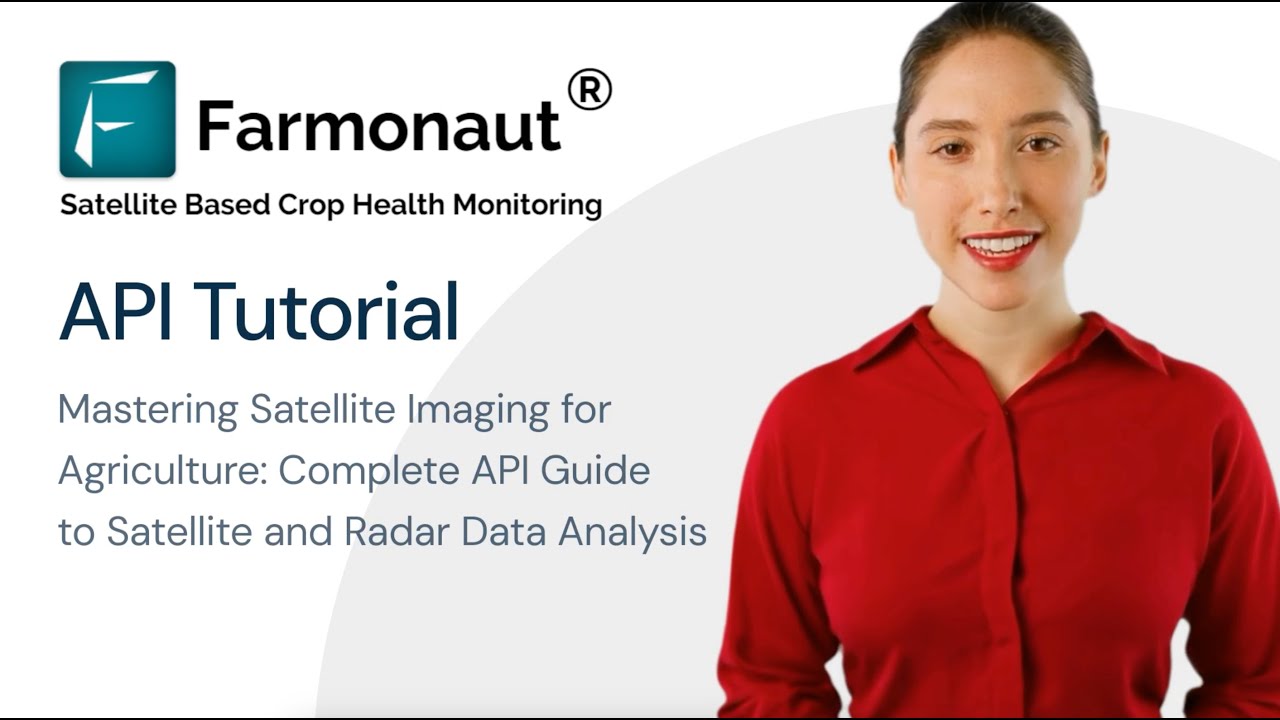
Focus Keyword: Relevance of InSAR in Agriculture Risk Management
In 2025, the relevance of InSAR in agriculture is more pronounced than ever. Global agricultural productivity is influenced by soil stability, water availability, surface conditions, and an increasing frequency of disasters.
Key Ways InSAR Supports Risk Management in Agriculture:
- Soil Subsidence Monitoring:
Over-irrigation and uncontrolled groundwater extraction can cause land to subside, damaging crops and infrastructure. InSAR identifies subsidence zones early, enabling farmers and managers to adopt corrective water management strategies and protect fertility. - Flood Risk and Drainage Management:
Slight changes in terrain elevation can alter drainage patterns and increase flood risk. InSAR data help map local depressions, uplifts, or sinkholes that may disrupt water flow, guiding the design of effective mitigation plans for extreme weather events. - Land Stability and Erosion Prevention:
Hilly or terraced farms are vulnerable to soil shifts and slow-moving landslides. Early warnings from InSAR detect subtle surface movement, preventing catastrophic land loss or crop destruction. - Infrastructure Protection:
Farm infrastructure—from greenhouses to storage silos—relies on a stable surface. InSAR’s proactive monitoring identifies areas at risk before costly damage occurs, supporting regular maintenance. - Crop Health and Precision Agriculture:
By revealing subtle ground shifts, InSAR data supports precision irrigation management, helping farmers prevent soil compaction and root zone disruption that threaten crop health and yield.
Early detection of ground movements using InSAR allows timely interventions—empowering proactive, sustainable agricultural practices and improving resource management.
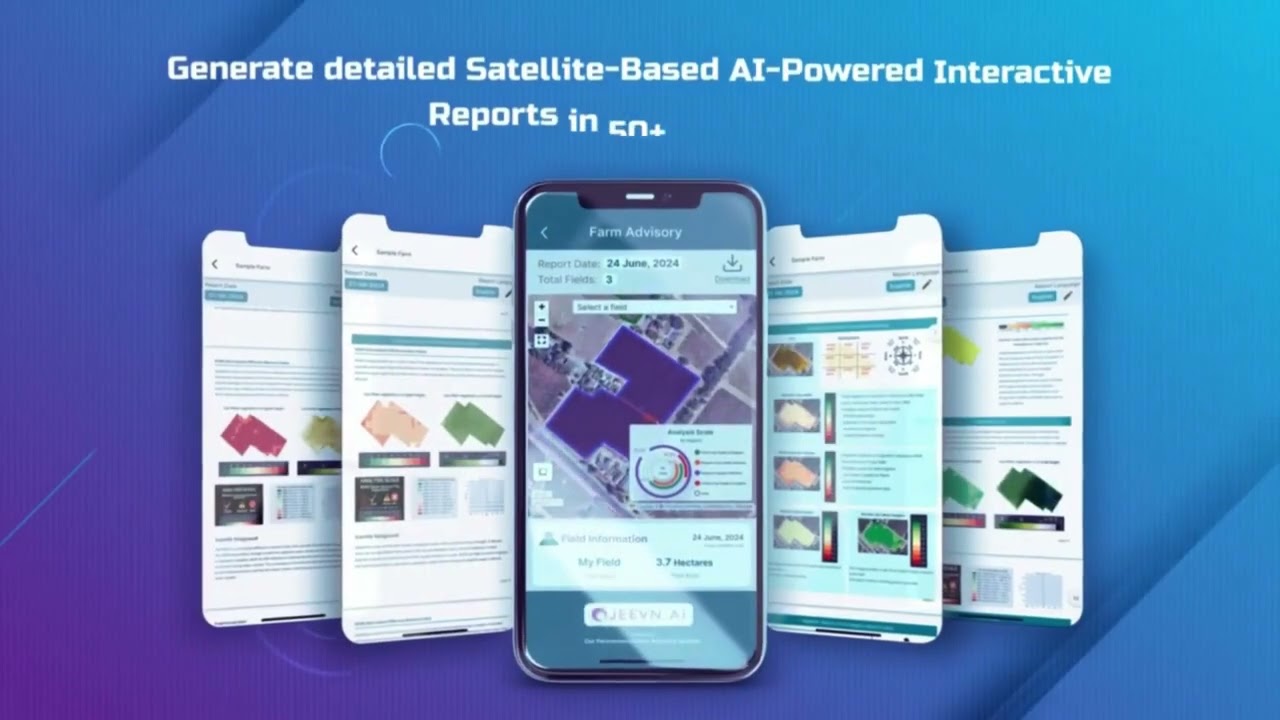
Looking for scalable solutions? Farmonaut’s Large Scale Farm Management platform leverages satellite and radar data to monitor field conditions and optimize operations for vast agricultural landscapes, ensuring improved stability and yield.
Applications and Benefits of InSAR Explained: Precise Ground Displacement Data for Risk Management in 2025
1. Precision Irrigation Management
InSAR monitoring enables agricultural stakeholders to detect soil deformation due to over-irrigation and excessive water use. With centimeter-level accuracy and regular updates, farmers can:
- Optimize irrigation schedules to maintain soil structure.
- Minimize costs by targeting water only where needed.
- Reduce risk of structural subsidence and root damage, promoting sustainable practices.
2. Infrastructure Protection and Maintenance
InSAR’s detailed data helps spot early ground shifts beneath farm infrastructure (e.g., greenhouses, silos, irrigation systems), alerting managers to potential problems. This proactive monitoring:
- Prevents expensive repairs and loss of assets
- Supports timely interventions
- Avoids disruption to farm operations and keeps productivity high
3. Sustainable Land Use Planning and Policy
Policymakers and agricultural managers use InSAR data to assess land suitability, directing crop cultivation and infrastructure to stable zones. This practice:
- Preserves soil health and ensures long-term fertility
- Guarantess sustainable crop production by avoiding risky areas
- Helps in the conservation of ecosystems and promotes biodiversity
4. Climate Change Adaptation and Extreme Event Mitigation
With climate change accelerating the frequency of droughts, floods, and extreme weather events, InSAR Explained: Precise Ground Displacement Data for Risk Management serves as an essential tool in adapting to these new risks by:
- Tracking how drought, rainfall, and groundwater depletion cause terrain shifts
- Supporting disaster response plans based on real elevation data
- Empowering communities and managers to act before minor issues escalate into disaster
5. Detection of Soil Compaction and Subtle Ground Shifts
InSAR’s interferometric technique detects even minute soil compaction, helping farmers prevent poor drainage, yield loss, and compaction-related crop challenges. This level of detail is impossible to achieve consistently with manual or isolated ground sensors.
6. Supporting Decision-Making with Actionable Insights
When integrated with field management platforms, Farmonaut’s Crop Plantation & Forest Advisory offers satellite-driven strategic insights for proper crop selection, irrigation, and input optimization, ensuring stability and resilience under changing conditions.

Advanced risk management is now accessible for everyone.
Explore Fleet Management Solutions for better logistics and resource management, paired with satellite-driven ground monitoring.
Integrating InSAR with GIS, IoT, and AI for 2025 and Beyond
The power of InSAR Explained: Precise Ground Displacement Data for Risk Management multiplies when combined with other digital innovations:
- GIS (Geographic Information Systems): Mapping InSAR displacement alongside soil, crop, and hydrological data in online portals creates site-specific, actionable strategies for landowners and agencies.
- IoT Sensors: While InSAR covers large areas, farm IoT sensors provide in-situ measurements (moisture, temperature). Combined, these datasets validate and enhance one another’s accuracy.
- AI and Machine Learning: Modern platforms like Farmonaut’s AI API automatically analyze satellite and radar feeds, detect concerning trends, forecast hazards, and generate timely advisories—allowing farmers to respond before productivity is compromised.
Together, these integrations result in detailed, real-time visualizations and recommendations—from daily field conditions to multi-year land deformation trends.
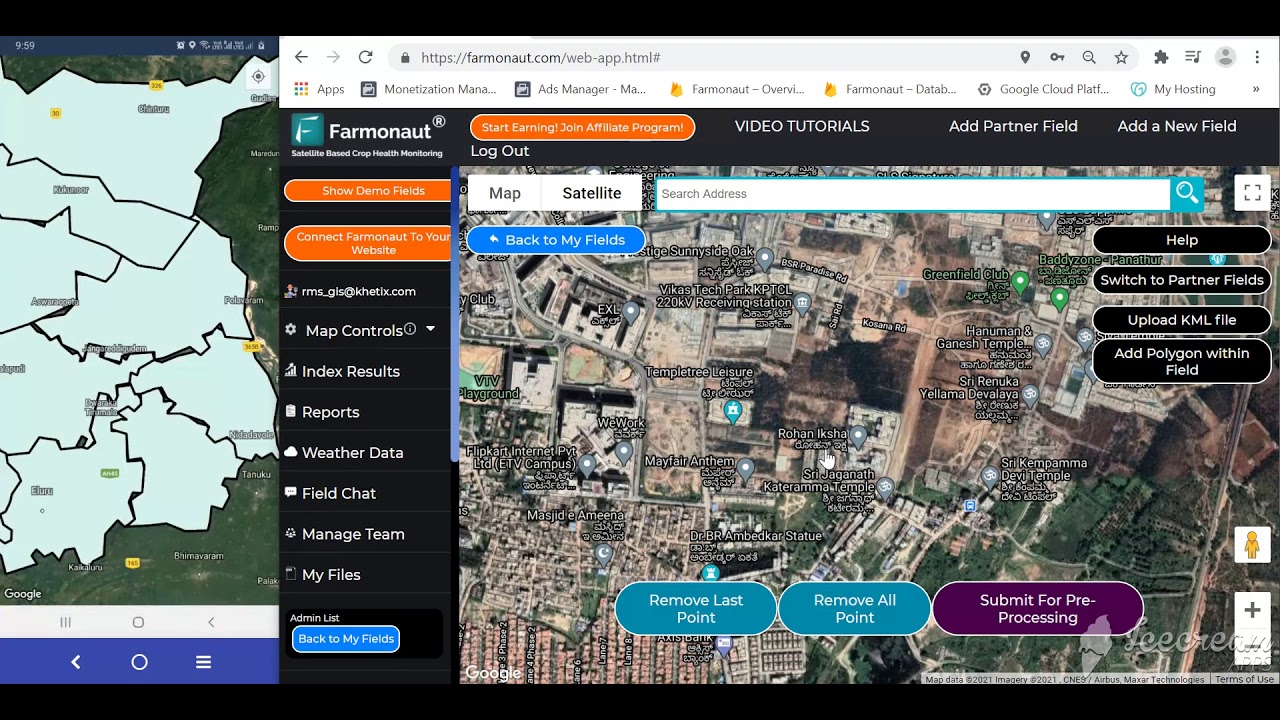
Want to build custom solutions? Access full API Developer Documentation from Farmonaut for seamless integration into your agri-IT systems.
Challenges, Limitations, and the Future of InSAR Explained
While InSAR offers unprecedented risk management capabilities, adoption at scale and in all geographies presents several challenges:
-
Vegetation & Surface Cover:
Dense crops, forests, or seasonal foliage can scatter radar signals, complicating data interpretation for heavily vegetated fields. -
Resolution Limitations:
While satellite data is improving, there are some trade-offs between revisit time, spatial resolution, and cost, especially for fast-moving events or very small fields. -
Data Processing Complexity:
The volume and complexity of phase data requires sophisticated AI, cloud computing, or expert platforms—making affordable, accessible solutions from companies like Farmonaut all the more valuable. -
Access and Affordability for Smallholders:
Democratizing InSAR services so that small-scale farmers, especially in developing regions, can adopt the technology is essential for global food security.
The outlook for 2025 and beyond is optimistic: Advances in satellite launch schedules, radar technologies, open-data policies, and AI-driven platforms (like Farmonaut’s) are driving fast improvements. The goal is to ensure every stakeholder has access to precise, timely ground displacement data—making resilient, sustainable agriculture a reality.

Maximize Environmental Sustainability:
Farmonaut offers real-time Carbon Footprinting and emission tracking for agriculture and mining, built upon accurate satellite data streams and InSAR monitoring, promoting sustainable systems and regulatory compliance.
Comparative Benefits Table: InSAR Applications vs Traditional Ground Monitoring in Agriculture
Source: Estimated values for 2025, integrating public satellite mission data and industry reports.
Build Transparent Supply Chains:
Farmonaut’s Product Traceability leverages blockchain and satellite data to secure supply chain integrity from farm to consumer, ensuring data authenticity.
How Farmonaut Elevates Agricultural Risk Management with InSAR and Satellite Technology
As a satellite technology leader, Farmonaut integrates InSAR, multispectral imaging, and machine learning to deliver real-time, actionable ground data to farmers, businesses, and government agencies. Our mission is to make advanced technologies such as InSAR Explained: Precise Ground Displacement Data for Risk Management affordable and accessible across industries. Here’s how we empower users in the landscape of 2025:
-
Satellite-Based Monitoring Solutions:
We use radar and optical satellites for continuous, large-scale crop, soil, and infrastructure monitoring—delivering precise data on everything from soil health to land stability, moisture regimes, and more. -
AI Advisory and Automation:
Our Jeevn AI Advisory System integrates InSAR and multispectral indexes (like NDVI), translating complex field and risk data into practical recommendations for effective management. -
Blockchain Traceability and Verification:
We securely link satellite observations to supply chain traceability and loan/insurance verifications, building trust and reducing risk for all stakeholders involved. -
Environmental and Resource Management:
We provide real-time environmental impact and carbon footprint tracking—empowering users to achieve both productivity and sustainability. -
Accessible Across Platforms:
Our solutions work on web, iOS, Android, and API, making risk management tools available anytime, anywhere.




Secure smarter lending and insurance:
For credit and insurance providers, Farmonaut’s Satellite Crop Loan & Insurance Verification streamlines due diligence and reduces fraud using satellite and radar insights.
“Over 70% of crop losses are linked to undetected ground shifts—InSAR technology provides early warnings for farmers.”

Start With Farmonaut: Get the Tools for Modern Risk Management
Ready to empower yourself with precise InSAR ground displacement data for risk management? Farmonaut’s tools integrate seamlessly with farms, agribusinesses, and agencies worldwide—making proactive, sustainable management available to all.
Or, access groundbreaking API solutions for direct integration:
Farmonaut Satellite & Weather API
Farmonaut Subscription Plans: Unlock Satellite & InSAR Monitoring for All
Frequently Asked Questions: InSAR Explained & Risk Management
What is InSAR and how does it work?
InSAR (Interferometric Synthetic Aperture Radar) is a remote sensing technique that uses radar signals from satellites to accurately measure ground displacement. By capturing images of the same area at different times, it creates “interferograms” to visualize movements as small as 1 millimeter.
Why is ground displacement data important in agriculture?
Ground displacement data reveals early signs of subsidence, soil compaction, drainage issues, or impending landslides. Detecting these changes early helps farmers and managers mitigate risk and prevent crop loss, infrastructure damage, or soil degradation.
How accurate is InSAR?
InSAR provides centimeter– and often millimeter-level accuracy over large fields and landscapes—far surpassing traditional manual inspections or isolated ground sensors for continuous, remote coverage.
Can InSAR monitoring replace ground sensors?
In many cases, InSAR can reduce the need for dense networks of ground sensors—especially for large-scale risk monitoring. However, integrating InSAR with IoT ground sensors yields the most reliable results, combining broad satellite coverage with local measurements.
What are the key benefits of InSAR for risk management in 2025?
- Early warning for land subsidence and soil instability
- Accurate, continuous monitoring over vast agricultural areas
- Reduced cost and labor compared to manual inspections
- Supports sustainable and resilient farming practices
- Guides infrastructure maintenance and disaster prevention
How does Farmonaut use InSAR in its solutions?
We at Farmonaut leverage InSAR, multispectral, and AI-driven analytics to provide real-time ground displacement data, crop health monitoring, resource optimization, and automation for agriculture and related sectors—across apps, web, and APIs.
Is InSAR data affordable and accessible for individual farmers?
Thanks to cloud processing, advances in satellite missions, and companies like Farmonaut, InSAR data and analytics are now affordable—enabling even small farms and rural communities to access cutting-edge risk management tools.
Can I use InSAR data with my farm management or agri-business software?
Absolutely. You can start using InSAR-powered data with direct API access or use intuitive web and mobile applications. Visit our App Portal or explore our API documentation for integration details.
Conclusion: InSAR Data for Sustainable, Resilient Agriculture in 2025
As global pressures mount and environmental challenges intensify, InSAR Explained: Precise Ground Displacement Data for Risk Management stands out as an essential technology for the next generation of agriculture.
- By providing early, accurate detection of risk factors—from soil subsidence and water-related changes to land degradation and extreme events—InSAR empowers farmers and stakeholders to stay a step ahead.
- Integration with AI-driven analytics and blockchain-based traceability, such as those offered by Farmonaut, brings truly holistic solutions where sustainability, profitability, and risk reduction go hand in hand.
- Accessible platforms and APIs ensure that every farm—large or small—can take advantage of the technology revolutionizing global food security and resource management.
Embracing InSAR and advanced satellite monitoring is not just an option for agriculture in 2025—it’s a necessity for resilience, sustainability, and success.

 AgriBazaar
 Geno
Geno Hayleys Agriculture
 Linx Agritech
 Adinet
 Save Your Soils
 Grandstream Algérie
 XOS Realty
 Geospatial Lab Africa
 Agro La Gándara
 HIPSAC
 ZOL Zimbabwe
 Juligerm
 AdBio
AdBio MISE Maroc
 NWNS
NWNS Red August Group
 Farm Inc
 WeMe Global
