

Custom Farming Nebraska: 2026 Rates & Industry Trends
“Nebraska’s average custom farming rate is projected to reach $140 per acre in 2025, reflecting a 7% increase since 2023.”
“Over 60% of Nebraska custom farm operators plan to adopt new management technologies by 2025, shaping industry trends.”
- Introduction: The Evolving Landscape of Custom Farming Nebraska
- What is Custom Farming in Nebraska?
- The 2026 Outlook: Why Custom Farming Remains Vital
- Understanding Nebraska Custom Farming Rates in 2025 & 2026
- Key Rate Drivers Impacting Custom Farming Nebraska
- Nebraska Custom Farming Operations: 2026 Estimated Rates & Trends Overview
- Applications of Custom Farming Across Nebraska Sectors
- Industry Implications: Workforce, Technology & Scalability
- Best Practices for Landowners and Operators
- Satellite Technology & Digital Tools
- Frequently Asked Questions (FAQ)
- Conclusion: Nebraska’s Custom Farming Future
Introduction: The Evolving Landscape of Custom Farming Nebraska
The custom farming Nebraska ecosystem continues to play a pivotal role in the state’s agricultural sector, acting as a vital bridge between operational efficiency and scalable growth in the heartland. Nebraska accounts for nearly 90,000 square miles of fertile land, marked by extensive crop belts in the east and increasingly dry, rugged terrain in the west. Within this diverse setting, custom farming services – from high-precision planting to state-of-the-art irrigation management – empower producers to optimize productivity, manage risk, and capitalize on technology advancements.
By 2026, Nebraska custom farming rates are expected to climb modestly, reflecting innovation-driven cost shifts and intensified focus on sustainability, efficiency, and data-driven management practices. This comprehensive guide delves into the 2025-2026 custom farming landscape, key rate trends, essential practices, and the profound implications for all stakeholders across the Nebraska farming industry.
The Nebraska custom farming market in 2026 is forecast to outpace regional averages, with rising demand for advanced equipment and digital management solutions driving both rates and productivity improvements statewide.
What is Custom Farming in Nebraska?
Custom farming Nebraska refers to the arrangement where a landowner or producer contracts a third-party operator to perform farming tasks—such as planting, tillage, fertilizer application, irrigation management, spraying, and harvesting—on their land for a pre-negotiated rate (typically per acre or per hour). This model is particularly robust in Nebraska, where both small and large operators benefit from a mix of specialized equipment, skilled labor, and agronomic expertise—without the heavy capital demands of equipment ownership.
- ✔ Key benefit: Landowners can access advanced machinery and practices without full investment in purchase and maintenance.
- 💡 Specialize: Operators can focus on select services (e.g., precision planting or irrigation), increasing their proficiency and fleet utilization.
- 📊 Data insight: Nebraska’s reliance on custom farming supports scalable enterprise growth across sectors.
- 🛡️ Risk Reduction: Custom contracts frequently include insurance and liability clauses for additional peace of mind.
- ⚠️ Limitation: Smaller or more fragmented fields may incur higher per-acre costs due to increased travel and setup times.
The Custom Farming Model: How It Works in 2026
- Landowner Assessment: Landowner determines operational needs and budgets.
- Negotiation: Parties agree on services (planting, harvesting, spraying, etc.), scope, per-acre or per-hour rates, and timeline.
- Execution: Custom operator performs tasks using modern equipment (e.g., GPS-guided planters, variable-rate sprayers).
- Delivery & Evaluation: Work reviewed, payment processed; often includes data sharing or yield outcomes.
Get written contracts detailing rates, responsibilities, and liability to safeguard both landowners and operators!
The 2026 Outlook: Why Custom Farming Remains Vital
The custom farming model in Nebraska is a pragmatic response to ongoing land fragmentation, rising capital intensity, and labor shortages across both the eastern plains and more drought-prone western counties. By leveraging third-party expertise and advanced equipment, producers enhance operational efficiency, resilience, and profitability while optimizing for variable market and environmental conditions.
- 🌾 Efficient Operations: Custom farming services allow operators to spread the cost of high-tech machinery across multiple farms.
- 📈 Scalable Enterprises: Custom arrangements help family farms compete with large-scale agribusiness by providing access to scalable, modern practices.
- 🛠️ Technology Access: Landowners benefit from the latest advancements in precision agriculture without bearing the full cost of new machinery.
- ⏰ Timeliness: Peak season workload is spread more efficiently, improving planting and harvesting windows for better yields.
- 🌱 Sustainability: Contracted operations facilitate adoption of sustainable farming practices, from tailored fertilizer placement to water-optimized irrigation.
Underestimating the impact of field size and terrain on custom farming rates—smaller or irregular fields can substantially elevate per-acre costs and reduce overall efficiency.
Understanding Nebraska Custom Farming Rates in 2025 & 2026
Custom farming rates in Nebraska are influenced by an array of key factors: equipment and fuel costs, labor availability, field size, terrain, market demand, and the specific services provided. Traditionally, most charges are structured per acre for field operations (e.g., planting, tillage, spraying) and per hour (or acre) for harvest; full-season and bundled contracts are increasingly common, enhancing value for both operators and landowners.
Operators comparing across state lines can check custom farm rates in Ohio from the OSU survey.
- 💲 2025 Baseline: Average rate: $140/acre (projected), up from $131 in 2023; harvest operations may breach $50/hour for complex jobs.
- 📅 2026 Trend: Anticipated increases of 4–7% due to tech adoption, input volatility, labor competitiveness, and tighter seasonal windows.
- 🚜 Equipment Premiums: Use of modern, high-horsepower planters or precision sprayers commands higher rates, justified by faster, more accurate results.
- 🛢️ Input Sensitivity: Fuel and fertilizer pricing feeds directly into contract rates, especially for high-volume field operations.
- 🌦️ Contingent Pricing: Some contracts include weather delay clauses, input price escalation, and crop insurance linkages.

Nebraska Custom Farming Operations: 2026 Estimated Rates & Trends Overview
Data shows continued premium for advanced technology use and labor flexibility. Nebraska custom farming rates move upward, reflecting a robust operator market and high demand for scalable, reliable field services.
Key Rate Drivers Impacting Custom Farming Nebraska
- 🚜 Equipment Type & Horsepower:
Modern GPS-equipped, high-horsepower machinery (planters, column-minder sprayers) command higher custom rates but enhance application efficiency and input savings. - 🌾 Field Size & Terrain:
Irregular or small acreages raise time and fuel costs; large, flat tracts benefit most from economies of scale in Nebraska.
- ⏳ Timing & Seasonality:
Peak planting/harvest windows lead to premium rates due to labor demand and tight schedules. - ⛽ Input & Fuel Volatility:
Spike in fertilizer, seed, or fuel prices directly impacts contract rates for 2025–2026. - ⚠️ Risk Management:
Weather-related delays, crop insurance needs, and liability coverage increasingly factored into contract pricing.
The shift to precision placement, data-driven yield maximization, and automation is setting new industry benchmarks for cost efficiency and resource optimization in the Nebraska farming industry.

Applications of Custom Farming Across Nebraska Sectors
Custom farming services extend their impact across every sector of the Nebraska agricultural landscape, including row crop production, irrigation-intensive farming, livestock integration, and (to a lesser extent) forestry and land management. Here’s how custom operators are reshaping these critical segments:
I. Crop Farming: Corn and Soybeans
- 🌽 Row Crops: Nebraska’s eastern plains and river valleys are dominated by corn and soybean belts. Custom operators deliver start-to-finish field services, including soil testing, seedbed preparation, fertilizer placement, precision planting (using high-tech planters), spraying, and harvest logistics.
- 🧪 Application Accuracy: Modern operators utilize variable-rate application tech to optimize input usage, reduce waste, and boost yields.
- 💡 Bundled Operations: Increasingly, landowners contract a single operator or service provider for end-to-end crop cycles, streamlining documentation, compliance, and yield-tracking.
II. Irrigation-Intensive Farming
- 💧 Irrigation: Custom irrigation management is common in Nebraska’s drier, western counties. Operators offer center pivot programming, soil moisture monitoring, seasonal scheduling, and even soil health audits to ensure maximum water-use efficiency.
- 🌎 Field Mapping: Digital tools and remote sensing help track irrigation timing, detect leaks, and minimize water loss for both row crops and specialty crops.
III. Livestock Feed & Forage Operations
- 🥤 Forage & Hay: Many Nebraska operators combine crop work with custom haying, baling, silage production, and managed pasture improvement—critical for livestock producers across the state.
- 🍃 Buffer Strip Maintenance: Operators help implement conservation strategies, maintain grass waterways, and manage CRP lands for robust, sustainable forage output.
IV. Forestry & Land Management
- 🌳 Reforestation: While a smaller segment in Nebraska, some custom services manage forestation, windbreaks, or marginal land restoration, preparing sites and handling periodic maintenance tasks for landowners.

Industry Implications: Workforce, Technology & Scalability
The robust Nebraska farming industry increasingly relies on a network of skilled custom operators, cooperative arrangements, and independent contractors. The implication is clear: landowners gain access to best-in-class expertise and advanced technology—without investing heavily in labor recruitment or capital goods, while operators benefit from steady work and fleet optimization.
- 🧑🔧 Workforce Evolution: Farming jobs in Nebraska emphasize precision agriculture tech, GPS-guided operations, and digital data entry.
- 🌐 Technology Surge: 60%+ of custom operators now plan to implement app-driven scheduling, satellite field monitoring, and AI-supported advisory tools by 2025.
- 🏢 Scale without Overhead: Landowners can respond to market opportunities, diversify crops, or manage larger acreages without hiring/buying more equipment.
- 💻 Data-driven Decisions: Use of real-time monitoring, yield mapping, and resource optimization is fast becoming standard for operator and landowner agreements.
- 🔄 Continuous Improvement: Contracts are increasingly performance-based, tied to metrics like input efficiency, downtime, and yield outcomes.

Smart custom contracting amplifies sustainability, especially when carbon footprint tracking and regenerative practices become part of the deliverables. Learn about Farmonaut’s Carbon Footprinting solutions for environmental monitoring and compliance.

Best Practices for Landowners and Operators
- Clear & Written Agreements: Specify scope, rates, timelines, equipment, and contingency plans for weather or supply disruptions.
- Insurance & Liability Coverage: Protect both parties with comprehensive risk clauses and third-party verification tools.
- Performance Metrics: Tie compensation or renewal to application accuracy, downtime mitigation, and yield results.
- Transparency via Technology: Use digital monitoring apps, blockchain-based recording, and shared data dashboards for accountability.
- Continuous Review: Revisit contracts annually, measuring outcomes against market benchmarks and new technological opportunities.
Adopting environmentally responsible practices—like precision fertilizer placement and water optimization—can help custom operations meet future regulatory standards while improving yields and cutting costs. Discover how Farmonaut’s Traceability Platform supports transparent supply chains and environmental claims for custom operators and landowners alike.
Satellite Technology & Digital Tools
In 2026 and beyond, digital and satellite-driven tools will increasingly define the competitive edge in custom farming Nebraska. Farmonaut’s suite of solutions—ranging from real-time crop monitoring to AI advisory systems and blockchain traceability—empowers both landowners and operators to track performance, optimize inputs, and ensure compliance.
- 🛰️ Satellite-Based Monitoring: Monitor NDVI (vegetation health), track soil conditions, and flag resource inefficiencies via browser or app. Try the Farmonaut platform via Web, Android, or iOS today.



- 🤖 AI-Driven Advisory: Leverage predictive analysis and recommendations to guide fertilizer application, irrigation scheduling, and crop health interventions with Jeevn AI.
- 🔗 Blockchain Traceability: Ensure transparent, tamper-proof documentation for custom contracts, inputs, and outputs.
- 🚚 Fleet & Resource Management: Optimize fleet utilization, minimize downtime, and manage operator schedules with digital dashboards. See Farmonaut Fleet Management for agile resource control.

- 📱 Web & Mobile Crop Monitoring (Farmonaut App)
- 💡 AI-Powered Operational Optimizations (Jeevn AI)
- 🛡️ Blockchain-based Supply Chain Traceability
- 🚜 Automated Fleet & Resource Management
- 🌱 Carbon Emission Tracking and Compliance

For developers and agribusinesses wanting to integrate satellite and weather insights directly into their custom operation software, explore the Farmonaut API and Developer Documentation for scalable, intelligent field management.
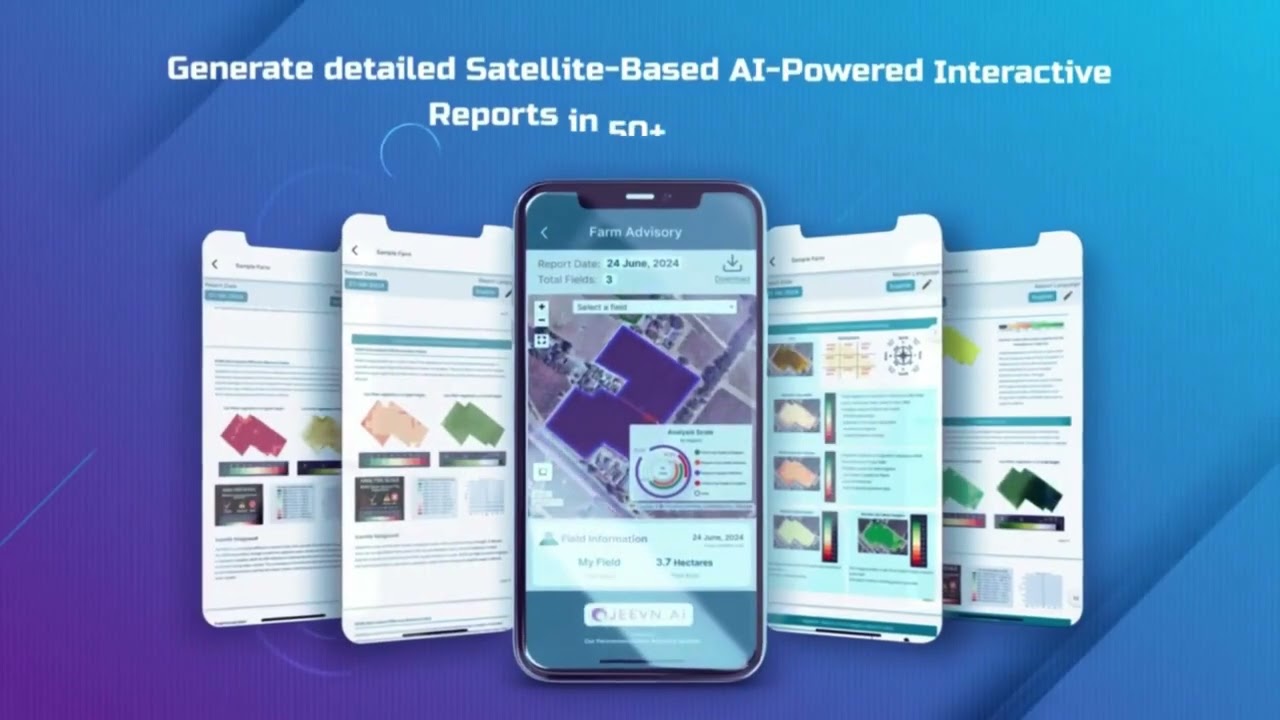
Unlock premium crop monitoring, real-time analytics, fleet management, and traceability for your fields or operator portfolio. See below for our easy subscription options:
Frequently Asked Questions (FAQ)
What is considered a typical custom farming rate in Nebraska for 2026?
Estimated average custom farming rates in Nebraska for 2026 are projected to be $140 per acre, with higher premiums for specialized tasks (e.g., harvesting, precision planting) that require advanced equipment and expertise.
What factors most influence custom farming pricing in Nebraska?
Key drivers include equipment type and technology, field size and terrain, input and fuel cost volatility, labor availability, and timing—especially during busy planting and harvest windows.
How do written contracts safeguard operators and landowners?
Contracts should specify operations to be performed, timelines, rates, insurance/liability coverage, application accuracy standards, and procedures for handling weather or supply chain disruptions.
Can digital tools improve custom operation outcomes?
Absolutely. Satellite-based crop and soil monitoring, AI-driven advisory, blockchain traceability, and fleet management apps all enhance efficiency, transparency, and compliance for both operators and landowners.
How can I access Farmonaut’s technology for custom farming in Nebraska?
You can access Farmonaut’s solutions via web, Android, or iOS app, with subscription options for individuals and businesses. For developers, the API enables custom integration. Explore solutions for fleet management, crop loan & insurance verification, and large-scale farm management.
“Over 60% of Nebraska custom farm operators plan to adopt new management technologies by 2025, shaping industry trends.”
Conclusion: Nebraska’s Custom Farming Future
As we look toward 2026, custom farming in Nebraska remains essential to a nimble, tech-empowered, and efficiency-driven agriculture sector. Landowners benefit from scalable access to advanced equipment, specialized expertise, and precision agronomic practice—without the capital intensity of full ownership or the hiring challenges of labor shortages. Operators meanwhile gain steady work, fleet optimization, and the ability to specialize, propelling industry standards to new heights.
Nebraska’s custom farming market will continue to benefit from rising demand for digital innovation, sustainable compliance, and performance-based contracting. Operators and landowners should stay informed on rate trends, contractual best practices, and emerging technologies to optimize profitability and long-term resilience.
At Farmonaut, we are committed to helping Nebraska’s operators, landowners, and contractors leverage satellite intelligence, AI-driven advisory, and blockchain-based traceability for smarter, greener, and more productive custom farming. Discover how you can unlock better insights, boost yields, and transform your agribusiness for 2026 and beyond.
- ✔ Nebraska custom farming rates set to rise with tech adoption and operational efficiency demands.
- 🌾 Most common services: Corn/Soybean planting and harvesting, fertilizer and chemical application, irrigation management, forage production.
- 📊 Workforce: Custom operations drive demand for tech-savvy, safety-compliant, and data-driven farming jobs in Nebraska.
- 📱 Digitization: Satellite, AI, and blockchain tools becoming standard for management and compliance.
- 🌱 Sustainability: Precision farming and environmental monitoring support robust, futureproof Nebraska farm enterprises.
The same digital tools transforming custom farming Nebraska have crossover potential in mining and land resource management—enabling improved traceability, compliance, and operational efficiency in diverse Nebraska landscapes.
Discussion
Questions, corrections or field experience? Share them below. First-time comments are reviewed before they appear, and your email is never published.
No comments yet. Be the first to add a question or your experience.

 Oath Inc
 Reddane Farming
 Esri North East Africa
 Farmer Amigo
 Cresol
 Atur Kuliner
 MDCV UK
 Zerella Group
 Etech Consulting Madagascar
 Vestlandsforsking
 Agritein
 Delicio
 WB Dev
 Sama Premium
 Prochecker
 Tres Valles
 LACOS Geoinformation
 Magrifly
 LatConnect 60
 Blickwinkel
 Agricultural Credit Policy Council
 Exploration consultancy · South Africa · Gold
 Licence holder · Niger · Gold
 Licence holder · Nigeria · Gold + lithium










