

Outlay Costs for Farmland in South Carolina 2026 Guide
“Average farmland prices in South Carolina are projected to reach $3,800 per acre by 2026, up 12% from 2023.”
Summary: Outlay Costs for an Agriculture Business in South Carolina: A 2025 Practical Guide
- ✔ Key benefit: Flexible leasing options allow new entrants to minimize upfront costs.
- 📊 Data insight: Equipment costs for start-ups represent 35% of initial investment in South Carolina farming.
- ⚠ Risk or limitation: Unpredictable climate events in South Carolina regions could affect crop insurance needs.
- 💧 Pro Tip: Investing in efficient irrigation systems helps reduce variable operating costs in the long run.
- 🌱 Sustainability: Conservation programs can help your agricultural operations align with environmental goals while saving costs.
Table of Contents
- Market Insights: South Carolina Agriculture & Forestry in 2026
- Comprehensive Cost Breakdown Table
- Farmland in South Carolina: Tenure, Land Costs & Lease Terms
- Capital Equipment: Machinery Outfits & Infrastructure Considerations
- Inputs & Operating Costs: Seeds, Fertility, Pest Management, & Labor
- Regulatory, Compliance, & Essential Service Costs
- Financing, Grants & Incentives for South Carolina Farming
- Business Model Considerations & Strategic Planning
- Operational Timeline, Phases & Cash Flow Management
- Leveraging Farmonaut Technology for South Carolina Operations
- FAQ: Outlay Costs & Agriculture in South Carolina
Market Insights: South Carolina Agriculture & Forestry in 2026
South Carolina’s agriculture sector is undergoing dynamic transformation, with outlay costs for an agriculture business in South Carolina reflecting both tradition and innovation. The state’s diverse climate, fertile soils, and strategic location offer significant opportunities across row crops, timber and forestry South Carolina enterprises, and emerging value-added niches.
The historic “Coastal Plain” counties, such as Georgetown and Horry, continue to command higher farmland values, reflecting their soil quality and proximity to urban markets and export ports. The Midlands and Upstate regions see extensive row cropping, forestry, and pastureland uses, with relatively lower per-acre costs but comparable long-term ROI potential for new agricultural businesses.
“Equipment costs for new agriculture businesses in South Carolina can exceed $150,000, representing 35% of initial outlay.”
Farmland in South Carolina will remain broadly accessible in 2026, yet expect ongoing price growth of 2-4% annually for premium row-crop acreage and certified organic fields. Leasing can be a practical short-term entry option.
Given these dynamics, a realistic investment plan for South Carolina farming in 2025–2026 should begin with a close look at land, equipment, and ongoing input costs—while building in flexibility for changing market and climate conditions.

Comprehensive Cost Breakdown Table
The table below provides a high-level overview of core outlay categories relevant to new or expanding enterprises, capturing essential “outlay costs for an agriculture business in South Carolina”.
| Cost Category | Estimated Cost Range (USD, 2026) | Cost Driver/Notes | Potential ROI Impact |
|---|---|---|---|
| Land Purchase/Lease | $4,000–$12,000+ per acre (purchase), $100–$350 per acre/year (lease) | Region, Soil Quality, Market Proximity, Certified/Niche Premiums | High |
| Equipment (Tractors, Implements, Harvesters) | $100,000–$350,000+ (new); $40,000–$150,000 (used) | Horsepower (HP), Brand, Age, Technology, Special Features | Medium–High |
| Forestry Preparation | $1,500–$5,000/acre (site prep, planting, thinning) | Forest Type, Scale, Timber Markets, Equipment Needs | Medium |
| Crop Inputs (Seeds, Fertility, Protection) | $200–$600+/acre annually | Crop Type (corn, soy, cotton, berries, etc.), Organic/Conventional, Genetics Selection | High |
| Labor | $13–$22/hour (field); $17–$35/hour (skilled) | Seasonality, Skill Level, Automation Investment | Medium |
| Infrastructure & Storage | $25,000–$150,000 | Scale of Operations, Cold Storage, Irrigation, Markets | Medium |
| Strategic Planning (Consultancy, Technology, Compliance) | $2,000–$15,000/year | Business Planning, Regulatory Filing, Digital Tools (e.g., Farmonaut) | Medium–High |
| Regulatory & Insurance | 2–5% of gross revenue annually | Permits, Crop/Property/Liability Insurance, Audits | Medium |
| Financing & Interest (Loans/Grants) | 10–40% down + 6–8% annual rate | Creditworthiness, Program, Collateral, Cost-Share Eligibility | Medium–High |
Land and equipment are the largest outlays for new South Carolina farming businesses, but smart integration of forestry or value-added operations can substantially boost ROI.
Farmland in South Carolina: Tenure, Land Costs & Lease Terms
Land Cost and Availability Across Regions
- Coastal Plain Counties (Georgetown, Horry): Expect higher per-acre prices due to richer soils and proximity to markets/ports. Prices may be between $8,000–$12,000+ per acre in 2026 for premium row-crop or irrigated farmland in South Carolina.
- Midlands: Central South Carolina, with more moderate prices, around $4,000–$8,000 per acre for land suitable for broadacre crops, timber, or pasture.
- Upstate: More variable, with options for forestry, beef, and specialty crops. $3,800–$6,000 per acre typical for non-irrigated acreage.
Organic, certified, or niche market land in South Carolina farming continues to command premiums—often upwards of 20% above conventional rates.
Consider leasing farmland in South Carolina for your first 1–3 years. This reduces upfront outlay and enables rapid market testing and scaling in a low-risk format.
Lease Terms and Purchase Options
- Short-term (1–3 years): Great for new entrants, typically with renewal options.
- Long-term ownership: May require larger reserves or gradual purchases through land contracts or conservation program options.
- Ag-wings & cost-share programs: Can reduce effective costs for conservation, soil health, or watershed goals across South Carolina counties.

Underestimating the time and cost to secure quality land or navigating water rights/irrigation permits can delay your launch and create unforeseen outlays.
- Water rights and irrigation system access now factor significantly in premium land values—especially in drier Upstate counties.
- Verify zoning, county regulations, and allowable farm business activities before closing any land contract.
Capital Equipment: Machinery Outfits & Infrastructure Considerations

Essential Machinery for South Carolina Farming
- Row-crop outfits: Tractors (60–110 HP), planters, transplanters, harvesters, and reliable sprayers—purchasing new may run $100,000–$350,000+ in 2026 (used options can reduce outlay by 40–60%).
- Poultry and specialty ventures: Housing, feeders, waterers, and waste systems—costs vary widely, with $50,000–$200,000 expected for controlled-environment units at small–medium scales.
- Forestry South Carolina investments: Skidders, feller bunchers, and timber handling equipment can represent $75,000–$250,000+ for new or upgraded equipment.
Infrastructure & Storage Systems
- Storage sheds/bins: $25,000–$90,000+ depending on crops and volume.
- Irrigation systems: Drip or center-pivot setups, tailored for South Carolina’s rapidly changing climate, run $15,000–$60,000+ for full-field coverage (costs increase with water-rights complexities).
- Cold storage or packhouses (for produce): $50,000–$150,000 depending on capacity and cooling type.
For forestry South Carolina operations, phased purchases of forestry equipment allow you to match outlays with actual timber harvest timelines—spreading substantial costs across years.
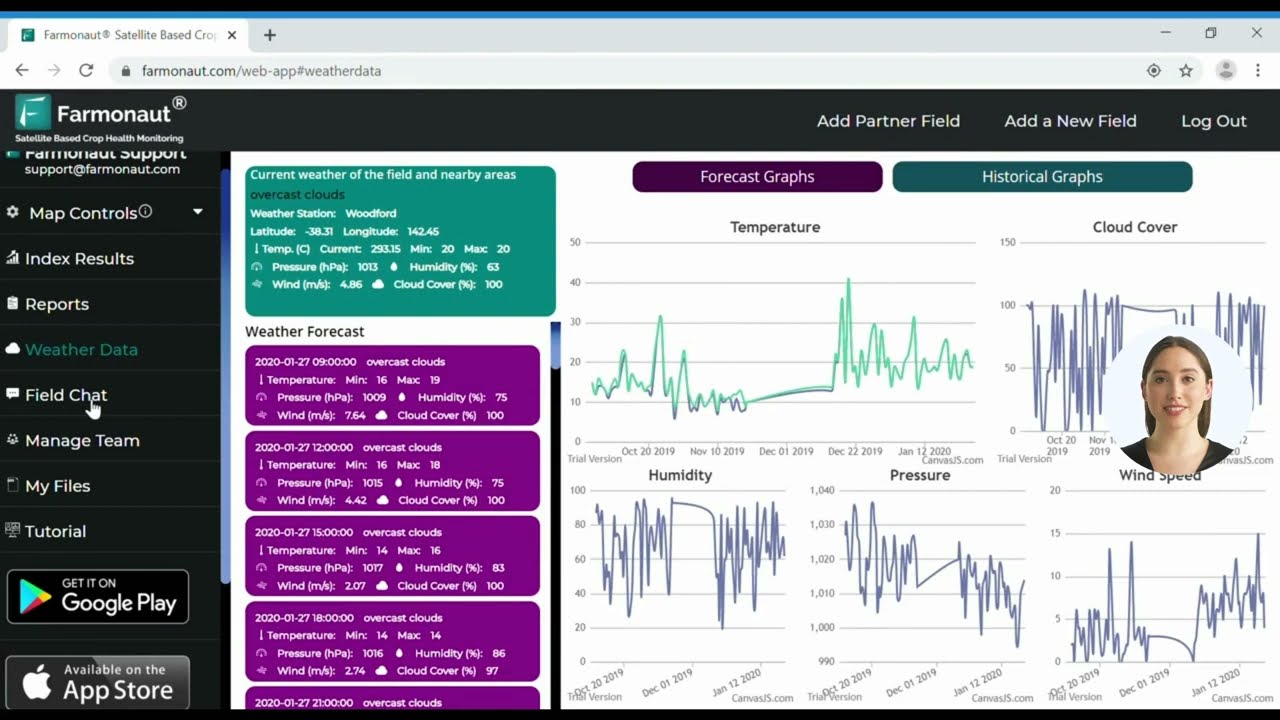
Used equipment often offers substantial savings and can be ideal for agribusiness start-ups, especially during the initial test-and-learn phases.
- Precision ag tools such as yield monitors, GPS auto-steer, and soil sensors—advisable for mid- to large-scale operations to boost efficiency and long-term cash flow.
- Integration of digital management solutions: See how outlay can be minimized using Farmonaut Large-scale Farm Management tools for satellite monitoring and optimized resource use.
Inputs & Operating Costs: Seeds, Fertility, Pest, & Labor

Seeds & Genetic Inputs (Row & Specialty Crops)
- Corn, soybeans, cotton, and grains require $80–$200/acre for seed, with specialty genetics/niche crops rising to $300–$600+/acre.
- Consider organic and IP (identity preserved) seed sources—expect higher upfront input costs but potential market price premiums.
Fertility & Soil Amendments
- Annual soil testing is essential, especially for new South Carolina farming operations—budget $20–$50/field test.
- Lime and fertilizer blends: $80–$250/acre yearly, reflecting both soil needs and rising global input prices.
- Conservation programs may rebate a portion of your lime or cover-crop seed costs (see grants/incentives below).
Field-level pest management, including integrated pest management (IPM) or bio-control programs, allows compliance with both regulatory and market needs while reducing waste.
Labor Costs
- Field labor rates average $13–$18/hour in 2026, with overtime and peak season premiums; skilled foresters or machinery operators may command up to $22–$35/hour in South Carolina forestry businesses.
- Payroll taxes, insurance (see below), and regulatory filings are additional key components.
Investing in automated irrigation, digital monitoring, and variable-rate input systems greatly reduces your dependence on seasonal labor and helps maintain consistent ROI in years of labor shortages.
Regulatory, Compliance, and Essential Service Costs
- Water Rights/Permitting: Certain South Carolina counties, especially those with water-stressed aquifers or major watershed projects, require permits, metering, or conservation participation. Fees can range from $500–$5,000+, plus installation costs for metering systems.
-
Food Safety & Traceability: If entering fresh produce or value-added products, expect to invest in:
- GAP/GHP/TRACE certifications—typically $700–$2,500 each per year, plus record-keeping systems.
- Annual audits increasingly required for SC’s urban and export markets.
- Blockchain-based traceability can provide additional premium market access; see traceability solutions for more.
- Insurance: Land, property, crop, and workers’ compensation insurance estimated at 2–5% of gross annual revenue for well-managed, mid-sized operations (rates may be higher for forestry, livestock, or emerging risk categories).
- Consultancy/Strategic Planning: Smart use of digital tools and external experts can shave years off your learning curve and mitigate costly non-compliance. For ongoing regulatory compliance, explore Farmonaut’s crop plantation and forest advisory services.
Layering technology and compliance management early in the business plan supports both risk mitigation and sustainable access to local, export, and value-added markets.
Financing, Grants & Incentives for South Carolina Farming in 2026
South Carolina offers evolving grant programs and cost-share opportunities via the USDA, local soil/water conservation districts, and the state Department of Agriculture (SCDA).
- Special focus: Irrigation efficiency, cover crops, and climate-smart/precision agriculture transitions in 2026.
- ARC, NIFA, and new technology pilot projects regularly open to new entrants who can demonstrate commitment to conservation and digital farm management.
Key Financial Considerations
- Down payments: For new equipment, 10–30%; for land, 20–40%.
- Annual interest: 6–8% typical for qualified borrowers engaging in South Carolina’s agriculture programs. Higher rates may apply for new entrants or specialty ventures.
-
Loan eligibility: Use of advanced digital monitoring and verification can aid loan, grant, or insurance applications.
Explore satellite-based crop loan and insurance verification for streamlined compliance and faster disbursement.
Many cost-share programs prioritize new technologies (like satellite crop management) and conservation measures. Track program announcements closely—timing your applications can lead to meaningful outlay reductions.
- Loan and grant programs regularly change eligibility and deadlines—subscribe to SCDA or USDA local updates and consider using carbon footprinting services to access new sustainability grants.
Business Model Considerations & Strategic Planning
Your business model for farming or forestry South Carolina should be adaptive, considering:
- Diversification: Combining row crops (corn, soybeans) with timber sales, cover crops, or on-farm processing (e.g., drying, packaging, or value-added marketing) helps cushion market risk and stabilize cash flow.
- Market orientation: Leverage proximity to larger markets (Charleston, Greenville, Columbia) and port access to increase profitability for perishable crops, timber, or specialty products.
- Precision agriculture: Adopt data-driven input and resource management strategies, with platforms like Farmonaut’s subscription-based large-scale farm management tool helping you reduce per-unit input costs and improve operational predictability.
Visual Checklist for Sustainable Agricultural Planning in South Carolina:
- ✔ Map access to water, urban markets, and local extension services
- ★ Assess eligibility for grants, cost-share, or conservation program support
- ⚠ Budget for both start-up and expansion phases—plan for negative cash flow in year 1
- 💻 Integrate tech and digital monitoring early
- ☆ Monitor for climate trends and adapt crop/forestry mix accordingly
Operational Timeline, Phases, & Cash Flow Management
Budgeting for phased operations is critical for South Carolina farming and forestry success. Here’s a typical timeline for a start-up agribusiness:
-
Start-Up Phase (0–12 months):
- High upfront costs: purchase/lease of land, major equipment acquisition, infrastructure building, initial crop/seed purchases, regulatory fees.
- Potential for negative or break-even cash flow as first sales often take one growing season to start flowing in.
- Consider renting equipment and hiring seasonal labor to reduce fixed overhead.
-
Growth Phase (2–5 years):
- Positive cash flow begins as enterprise stabilizes (harvest cycles, timber thinning, or maturing perennials).
- Expand acreage, acquire more efficient equipment, and integrate more precision-ag technology to drive efficiency.
-
Long-Term (5+ years):
- Reduce per-unit costs with operational efficiency and refine product mix for local, export, and niche markets.
- Longer-term market access or value-added processing solutions begin to raise margins.

Minimizing Cash Flow Risk: Visual List
- 💲 Build a 12–18 month cash reserve to absorb delayed crop or timber sales.
- 📊 Use satellite and digital management solutions (such as those available via Farmonaut large-scale farm management) for continuous insight into crop development, water usage, and input requirements.
- ✅ Budget for 2–5% per year in insurance/mitigation costs to guard against loss.
Leveraging Farmonaut Technology for South Carolina Operations
A major shift for South Carolina farming and forestry in 2026 is the adoption of digital technologies to reduce outlay, manage risk, and improve efficiency.
Highlights of Farmonaut’s Technology Solutions
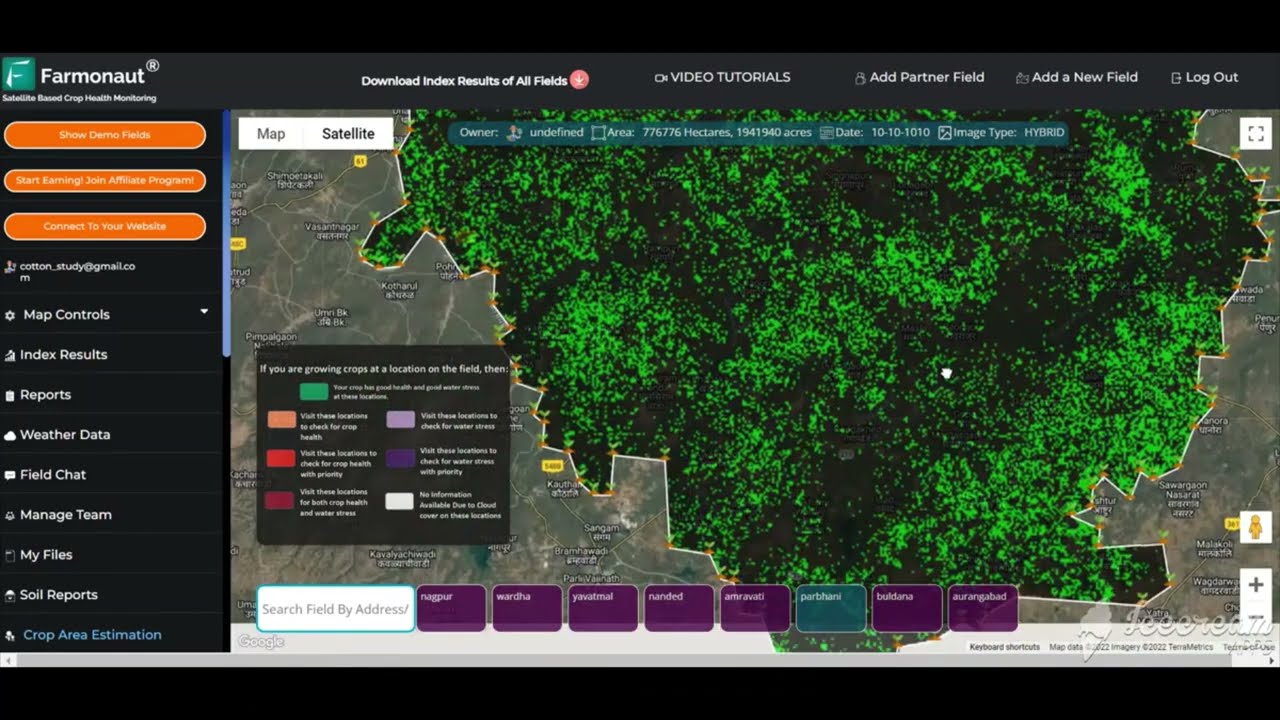
- Satellite Crop/Forest Monitoring: Use real-time NDVI and soil moisture data via web or mobile app to optimize irrigation, fertilizer use, and harvest timing. See our crop plantation & forest advisory for ongoing support.
- AI-Powered Advisory (Jeevn AI): Receive weather-smart strategies tailored for your operations; save on inputs by automating recommendations for spraying, irrigating, or harvesting.
- Blockchain-Based Traceability: Enhances market access for local and export buyers; build consumer trust and command market premiums. For implementation details, explore Farmonaut’s traceability solutions.
- Fleet/Resource Management: Optimize your on-farm vehicles and equipment, cut transport costs, and extend machinery lifespan. Learn more at Farmonaut’s fleet management platform.
- Environmental and Carbon Tracking: Automatically estimate your carbon footprint, required for compliance and modern sustainability grants; see Farmonaut Carbon Footprinting.
Delaying the use of digital satellite monitoring or management tools until after launch can result in higher input waste and missed financial efficiency opportunities.
To access Farmonaut’s suite of satellite, AI, and blockchain-based productivity solutions for South Carolina agriculture and forestry, explore our digital products below:



Interested in custom integrations? Access the Farmonaut Satellite Data API or review the developer documentation for operational-scale solutions across crops, forestry, and diversified farming.
Farmonaut subscriptions provide cost-effective, real-time monitoring for both small and large-scale enterprises and can be tailored to the South Carolina farming and forestry business models.
Integrating Farmonaut’s satellite monitoring and advisory tools early supports better cash flow forecasting and helps meet compliance for insurance, lending, and regulatory programs in South Carolina.
FAQ: Outlay Costs & Agriculture Business in South Carolina
A: $3,800–$12,000+ per acre, with prices highest in coastal/georgetown/horry counties. Certified or organic/niche land may command further premiums.
A: Expect $100,000–$350,000+ for new equipment. Used purchases can substantially reduce upfront outlay.
A: Yes. Many soil, water, and climate-conservation programs offer rebates, grants, or matching funding for irrigation, conservation, or new technology adoption.
A: Extremely. Compliance with food safety, water use, insurance, and traceability requirements is often required for both market access and eligibility for incentive/grant programs.
A: The large-scale farm management tool supports satellite monitoring, yield mapping, and fleet tracking in a unified dashboard; perfect for multi-crop and forestry operations.
Conclusion
The most practical guide to starting or expanding a South Carolina agriculture business in 2026 centers around granular outlay planning, cost-aware equipment and labor strategies, and the strategic use of digital technologies and cost-share opportunities.
- Start with lease or gradual land acquisition to test markets and reduce upfront costs.
- Phase in equipment, use used assets for early operations, and embrace digital platforms for management.
- Budget for variable input costs, invest early in compliance, and integrate precision tools for better efficiency and cash flow.
- Leverage grants and conservation programs to lower effective outlays and open new markets.
- Utilize Farmonaut’s satellite tech to manage risk, monitor crops and timber, and support long-term, sustainable profitability.
For business-minded entrepreneurs, this 2025–2026 guide delivers a roadmap to long-term success in South Carolina’s dynamic agriculture and forestry sector—balancing outlay control, market adaptation, and future-focused innovation.
Discussion
Questions, corrections or field experience? Share them below. First-time comments are reviewed before they appear, and your email is never published.
No comments yet. Be the first to add a question or your experience.

 Mahaswami
 Prochecker
 Tres Valles
 LACOS Geoinformation
 Pulsar Supernova
 Magrifly
 LatConnect 60
 WebsEdge
 Blickwinkel
 Agricultural Credit Policy Council
 MCSOD
MCSOD Marei Nursery
 eKGIS
eKGIS Mostas Tech
 Andex
Andex FCF India
 Unifrutti Gulf
 Deluxe Conseil
 Licence holder · Niger · Gold
 Licence holder · Nigeria · Gold + lithium










